8 Canary Islands: Which to Visit and When
Seven main islands plus La Graciosa. Compare Tenerife, Gran Canaria, Lanzarote and more by beaches, hiking, ferries, and the best time to go.
On this page
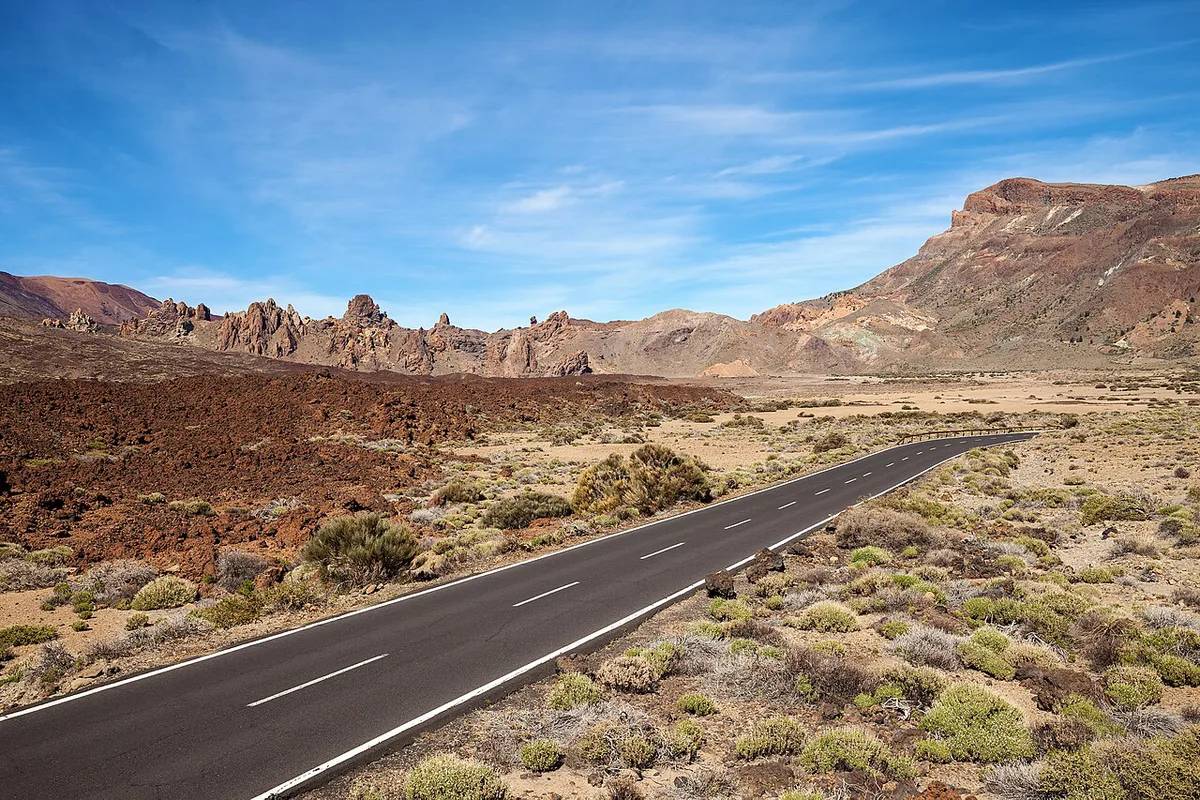
Last updated November 2026: the Canary Islands are a Spanish archipelago in the Atlantic, about 100 km (60 miles) off the northwest coast of Africa. Seven main islands make up the group, and La Graciosa is the only other inhabited one. Match your interests to an island with our guide to the best island for you.
Featured image: Ingo Mehling, CC BY-SA 4.0, via Wikimedia Commons.
Canary Islands at a Glance
Spain's official Canary Islands tourism site covers all of the islands. La Graciosa is the eighth inhabited island, but it is administratively dependent on Lanzarote. Our Canary Islands count explainer untangles the seven-versus-eight count. Use our Canary Islands Map: All 7 Islands and How They Connect to see the layout. For the geography, read where the islands sit. Population and area figures come from Spain's statistics office and the regional government, listed at Gobierno de Canarias.
| Fact | Detail |
|---|---|
| Location | Atlantic Ocean, about 100 km (60 miles) off northwest Africa |
| Islands | 7 main islands plus La Graciosa |
| Capitals | Santa Cruz de Tenerife and Las Palmas de Gran Canaria, shared |
| Time zone | UTC+0, and UTC+1 in summer |
| Language | Spanish |
| Population | 2,258,866 (2025) |
| Area | 7,445.58 km² |
Which of the Canary Islands Is Best? Quick Chooser
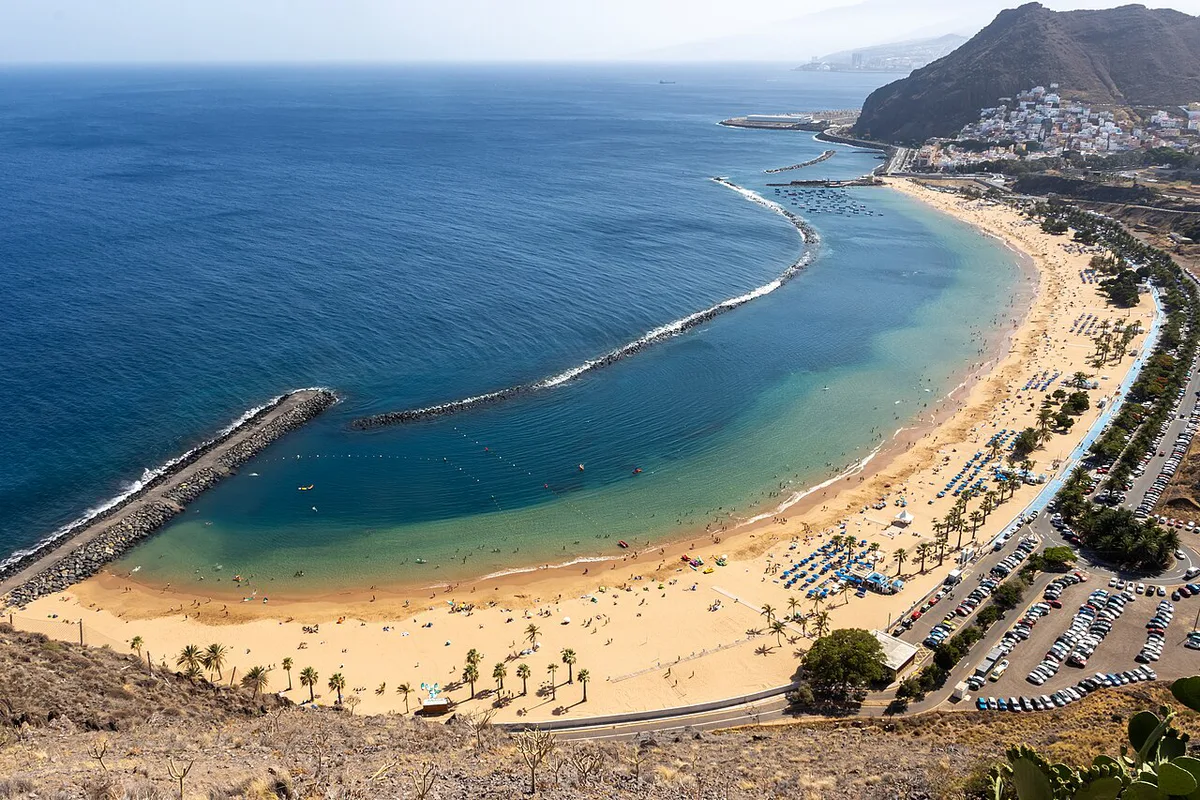
Tenerife and Gran Canaria hold about 43% and 39% of residents, so they have the most daily flights and ferries. That makes them the easiest starting points. For a direct head-to-head, read our Tenerife versus Gran Canaria comparison. Quieter islands reward a longer trip but need more planning.
| Traveler type | Island | Why | Trade-off |
|---|---|---|---|
| First-timers and families | Tenerife or Gran Canaria | Most air and sea connections; Mount Teide or Maspalomas dunes | Large islands with long drives between areas |
| Beaches | Fuerteventura or Gran Canaria | Dunes and long sand beaches | Little forest hiking |
| Hiking and volcanoes | Tenerife or La Palma | Mount Teide; green forests and volcanic sands | Mountain roads add drive time |
| Quiet and nature | La Gomera or El Hierro | Peaceful, small, reached from Tenerife | Fewer flights and ferry sailings |
| Stargazing | La Palma | Roque de los Muchachos Observatory above the cloud layer | Needs a hop through Tenerife North |
| Couples | La Gomera | Garajonay forest and a calm pace | Not a big-resort base |
| Day trips | La Graciosa | Small island tied to Lanzarote | Short stay only |
The 8 Canary Islands, One by One
Each island block below covers what it is best for, one signature stop, how to reach it and who should skip it. Facts were checked November 2026.
1. Tenerife
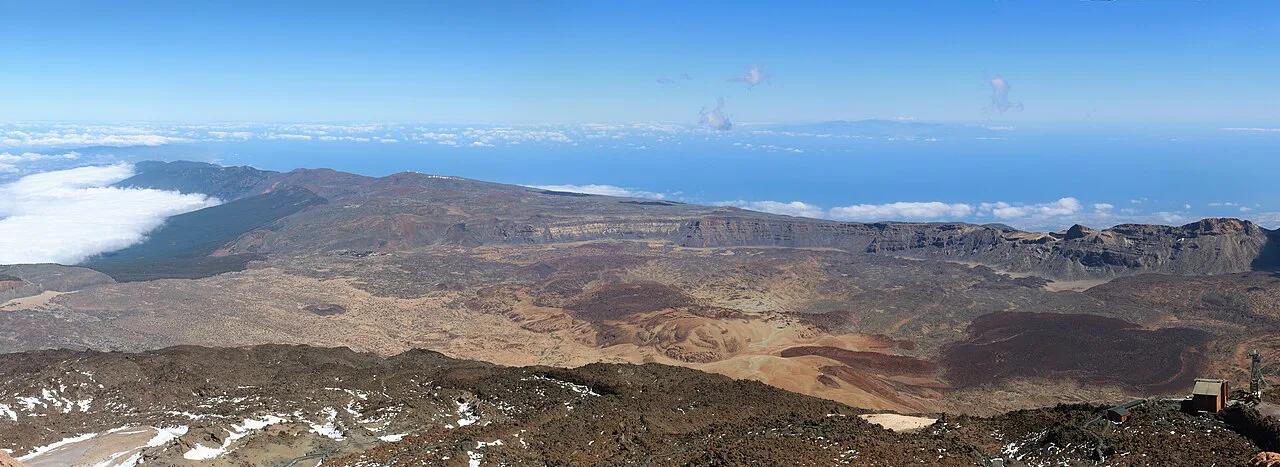
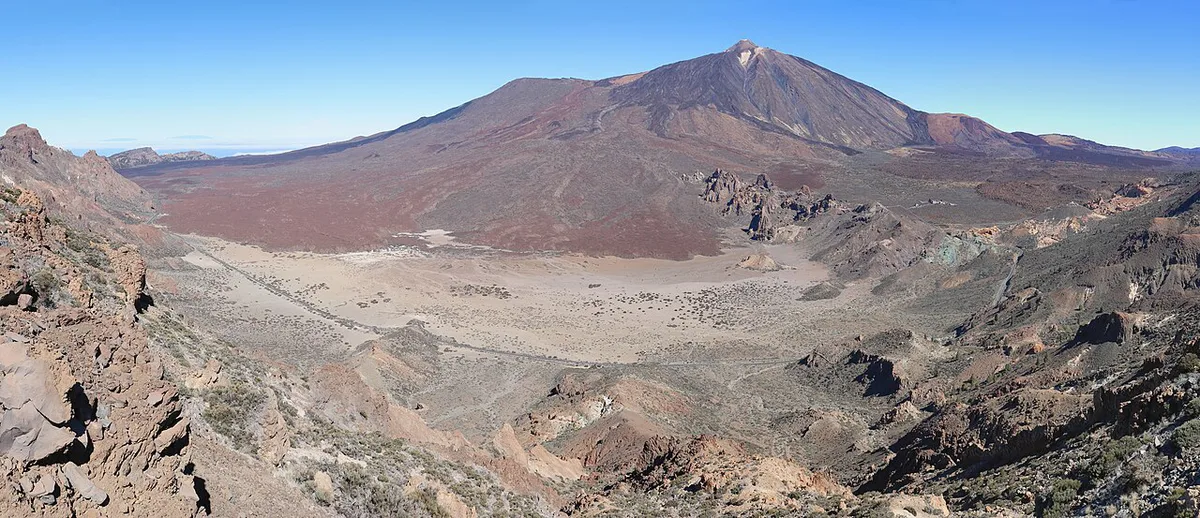
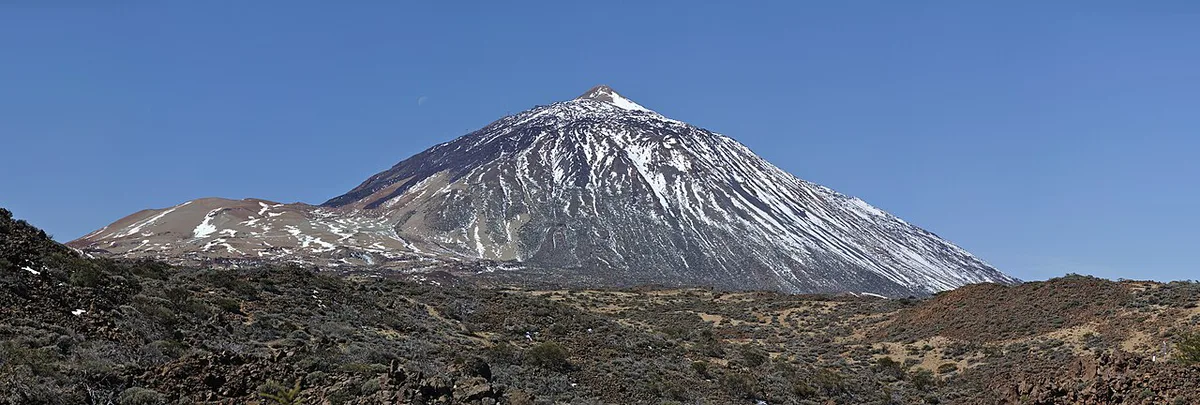
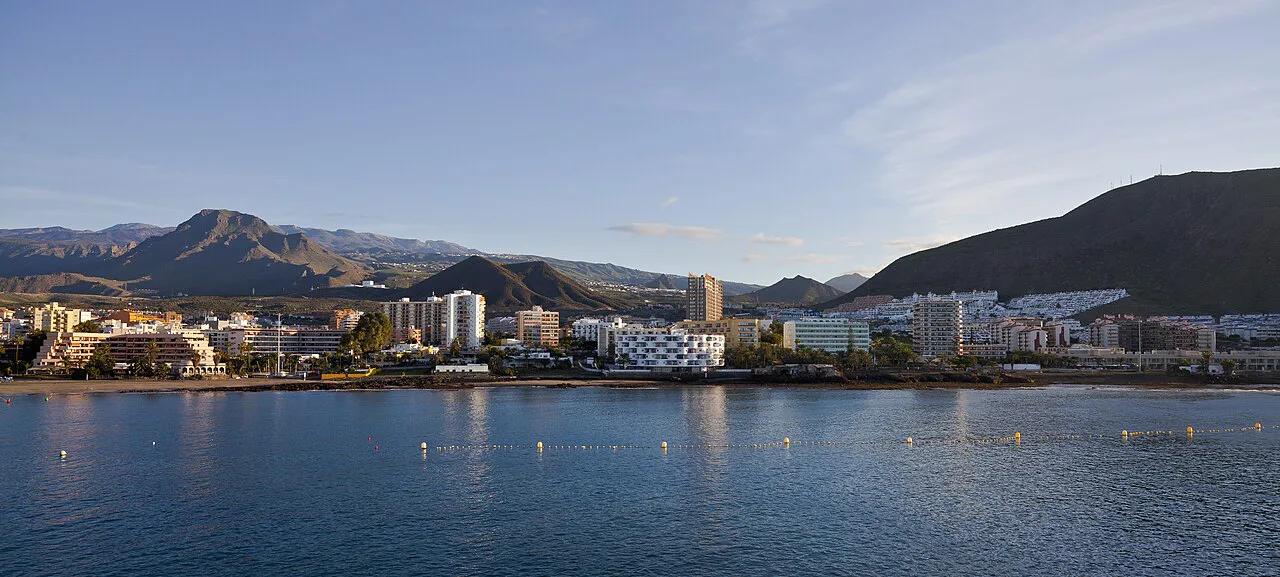
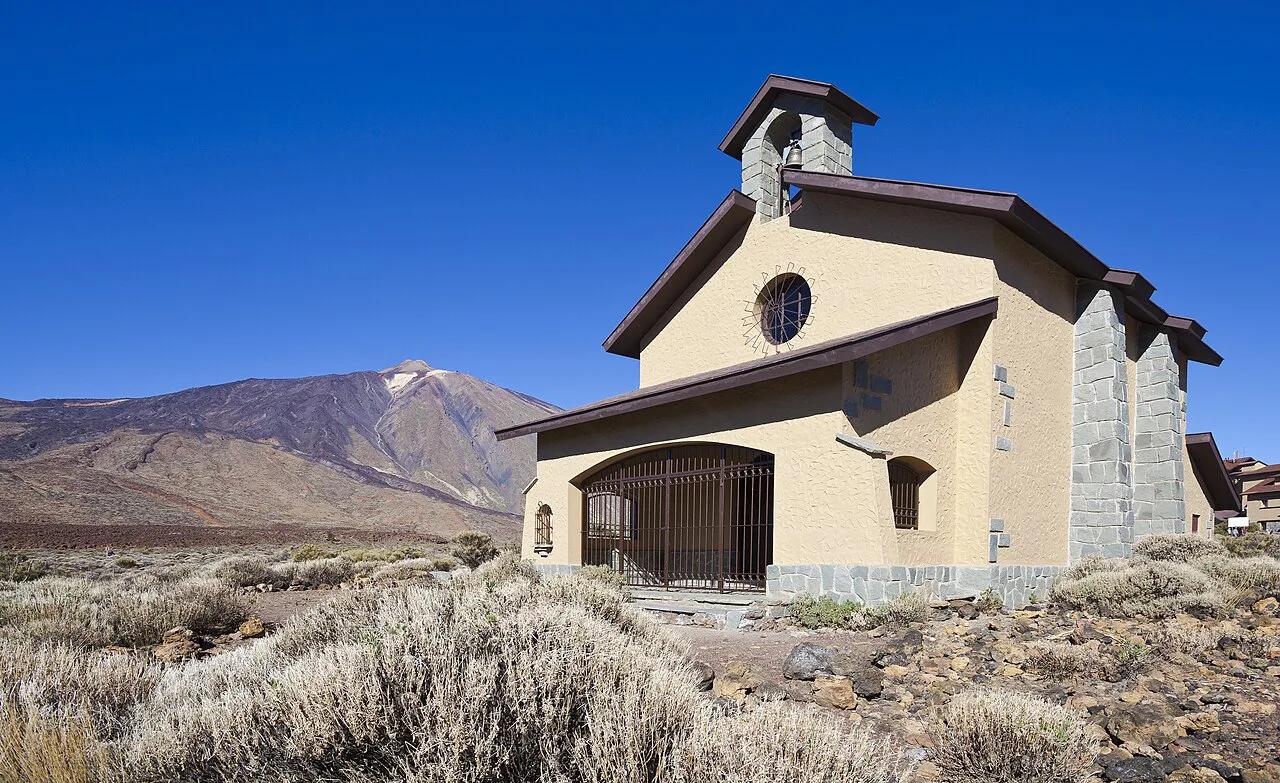
Tenerife is the archipelago's largest island and home to about 43% of its residents. Mount Teide is the highest peak in Spain and a World Heritage Site, so it anchors most volcano and hiking plans. San Cristóbal de La Laguna, also a World Heritage Site, is the third-largest city in the Canaries.
Santa Cruz de Tenerife stages a large Carnival in February, which suits a winter trip. Tenerife connects with many daily flights and ferries to El Hierro, La Gomera and La Palma, so it works as the hopping hub. Skip it if you want a small-island pace and short drives.
2. Gran Canaria
Gran Canaria suits beach-first trips, with the Maspalomas dunes and Meloneras Beach as signature stops. Las Palmas de Gran Canaria is the largest city in the Canaries, and about 39% of residents live on the island. Casa de Colón in Las Palmas is a house Christopher Columbus visited on his first trip.
Las Palmas port lies about 5 km (3 miles) from the city centre and has a regular city bus service. Gran Canaria has many daily connections to Lanzarote and Fuerteventura, and a ferry to Tenerife takes about 1.5 hours. Skip it if forest trails matter more to you than dunes and city life.
3. Lanzarote
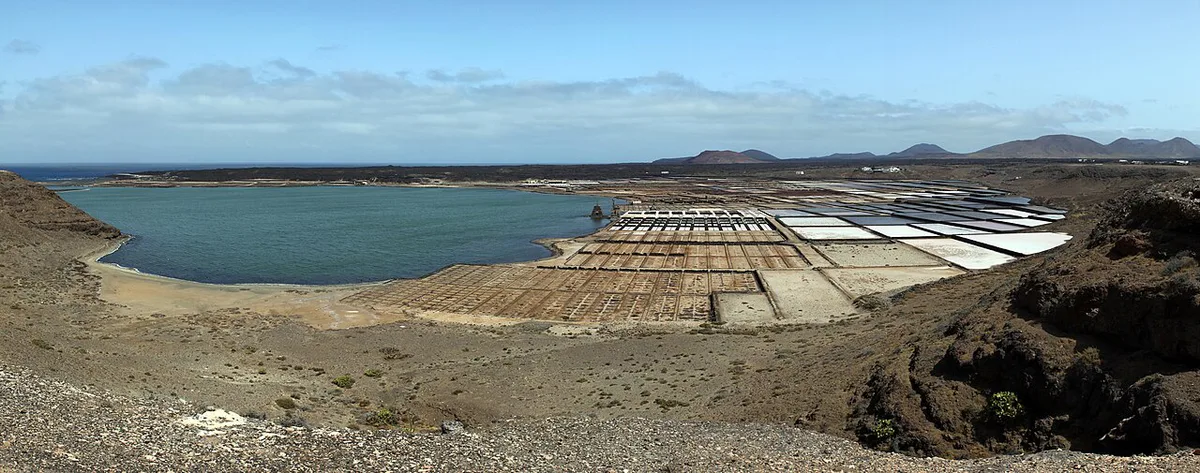
Lanzarote is the island for volcanic landscapes, shaped in part by the work of César Manrique. Add Papagayo Beach for a swim between lava viewpoints. Its airport is one of the four with the most international traffic, alongside Gran Canaria, Tenerife South and Fuerteventura.
Arrecife is one of its ports, and Gran Canaria has many daily connections to the island. La Graciosa is administratively dependent on Lanzarote, so plan the two together. Skip it if green forest hiking is your priority, because La Palma and La Gomera fit that better.
4. Fuerteventura
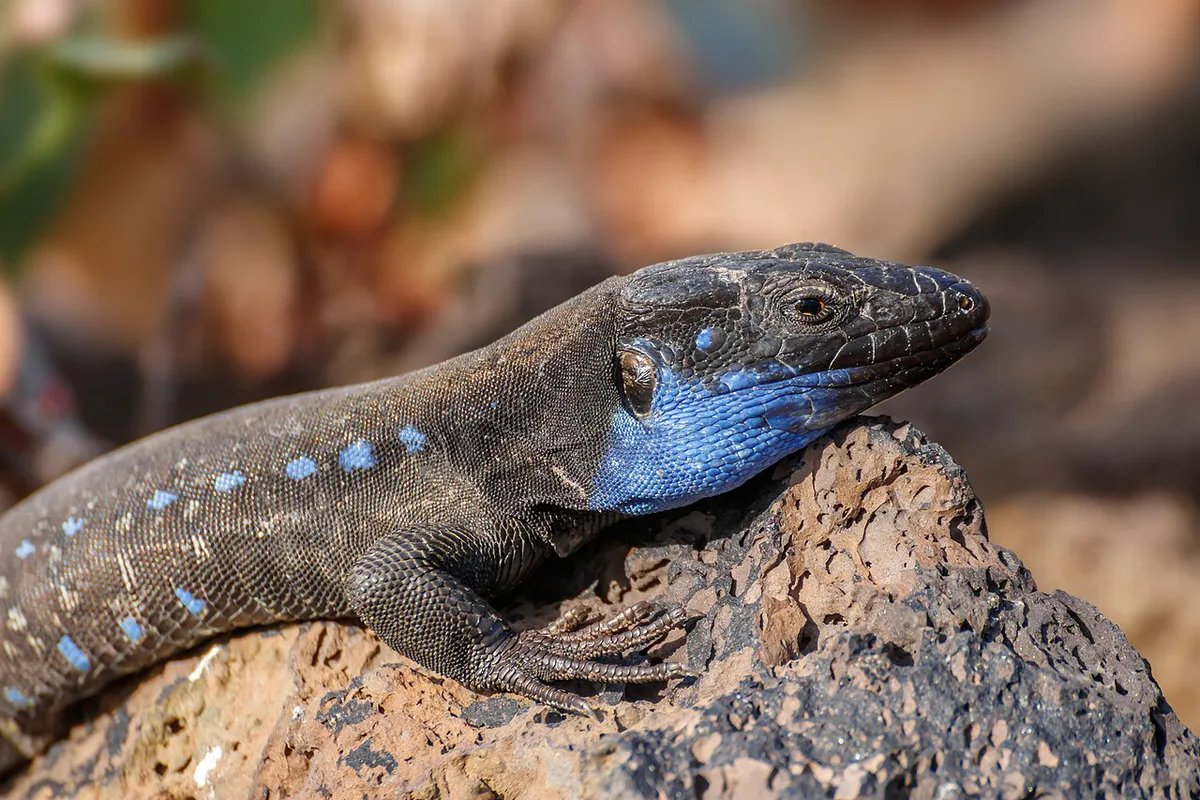
Fuerteventura is the island to pick for beaches and sand dunes. Windsurfing and scuba diving are among the water sports Spain's tourism material promotes across the archipelago, and the long beaches here suit both. Its airport handles a large share of international traffic, and Puerto del Rosario is a ferry port.
Gran Canaria has many daily connections to Fuerteventura by air and sea. Skip it if forest hiking or volcano summits are the point of your trip.
5. La Palma
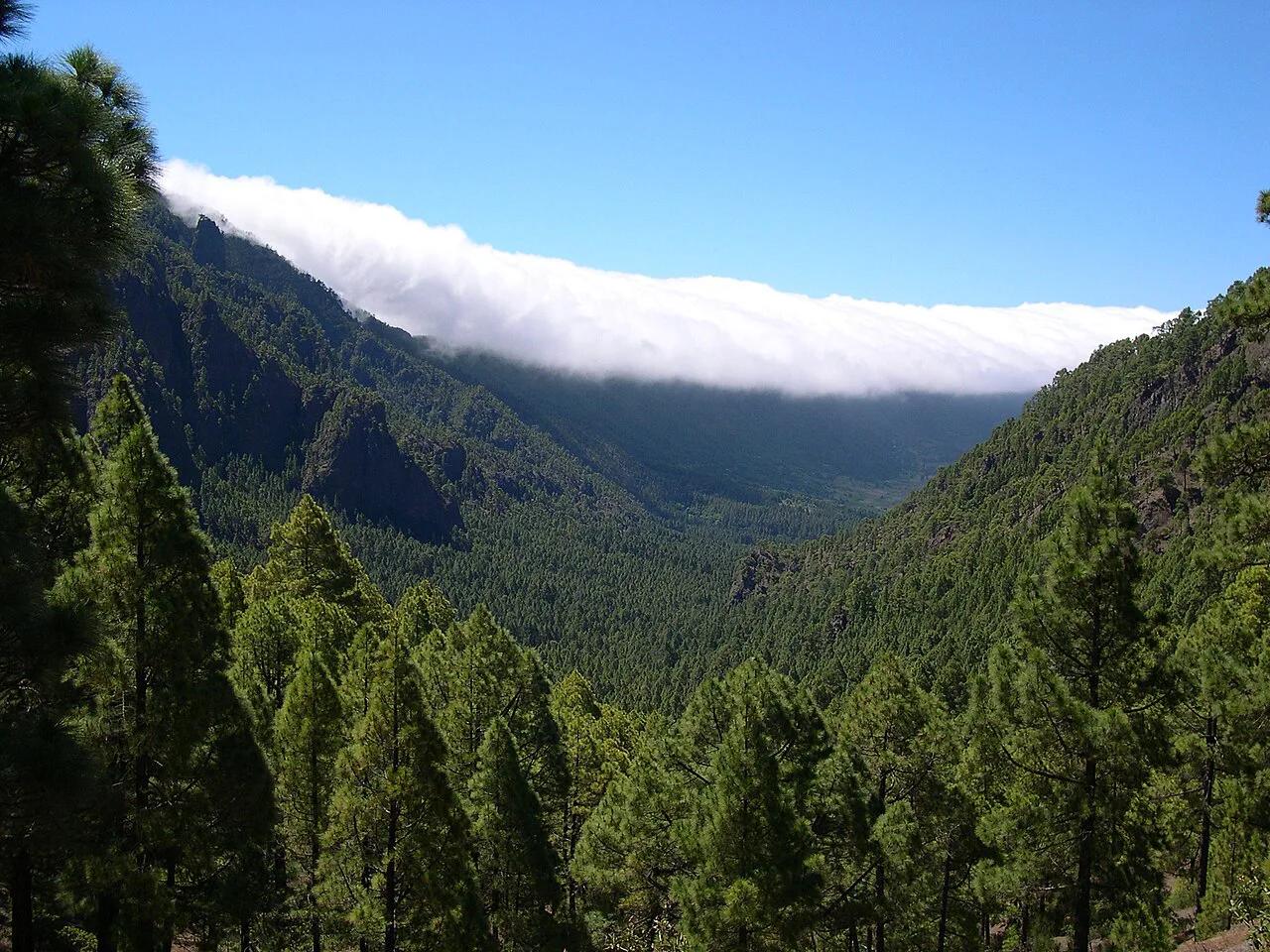
La Palma pairs green forests with volcanic sands and bays surrounded by cliffs. Roque de los Muchachos Observatory is its signature stop, because the high mountains sit above the temperature inversion layer. Santa Cruz de La Palma is a ferry port, and Tenerife North airport has regular flights here.
Read our guide to La Palma for trip planning, or see Visit La Palma for official tourism information. Skip it for a resort-style beach week.
6. La Gomera
La Gomera is peaceful and green, with forests that spain.info groups with La Palma's. Garajonay National Park is the main hiking draw, and its national park page lists access rules. Tenerife North airport has regular flights here, and Tenerife has many daily connections to the island.
Our La Gomera guide covers trails and bases, and Turismo de La Gomera is the local tourism office. Skip it if you want a big-resort base.
7. El Hierro
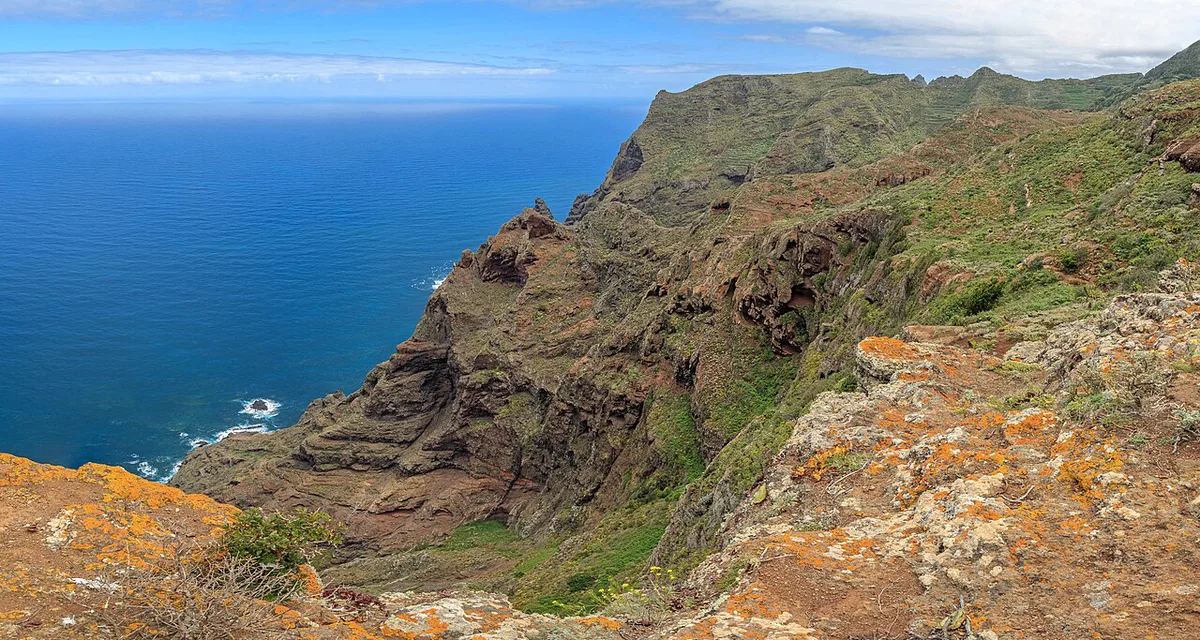
El Hierro is the smallest of the seven main islands by area. It earns a spot for quiet landscapes and a pace slower than Tenerife's. Tenerife has many daily connections to El Hierro, and Tenerife North airport offers regular flights.
Read our El Hierro guide for what to do, and see Turismo El Hierro for local information. Skip it on a one-week trip that already covers two other islands.
8. La Graciosa
La Graciosa is the eighth Canary Island, small and administratively dependent on Lanzarote. It is the only inhabited island outside the seven main ones. Only the seven main islands have their own airports, so plan transfers through Lanzarote.
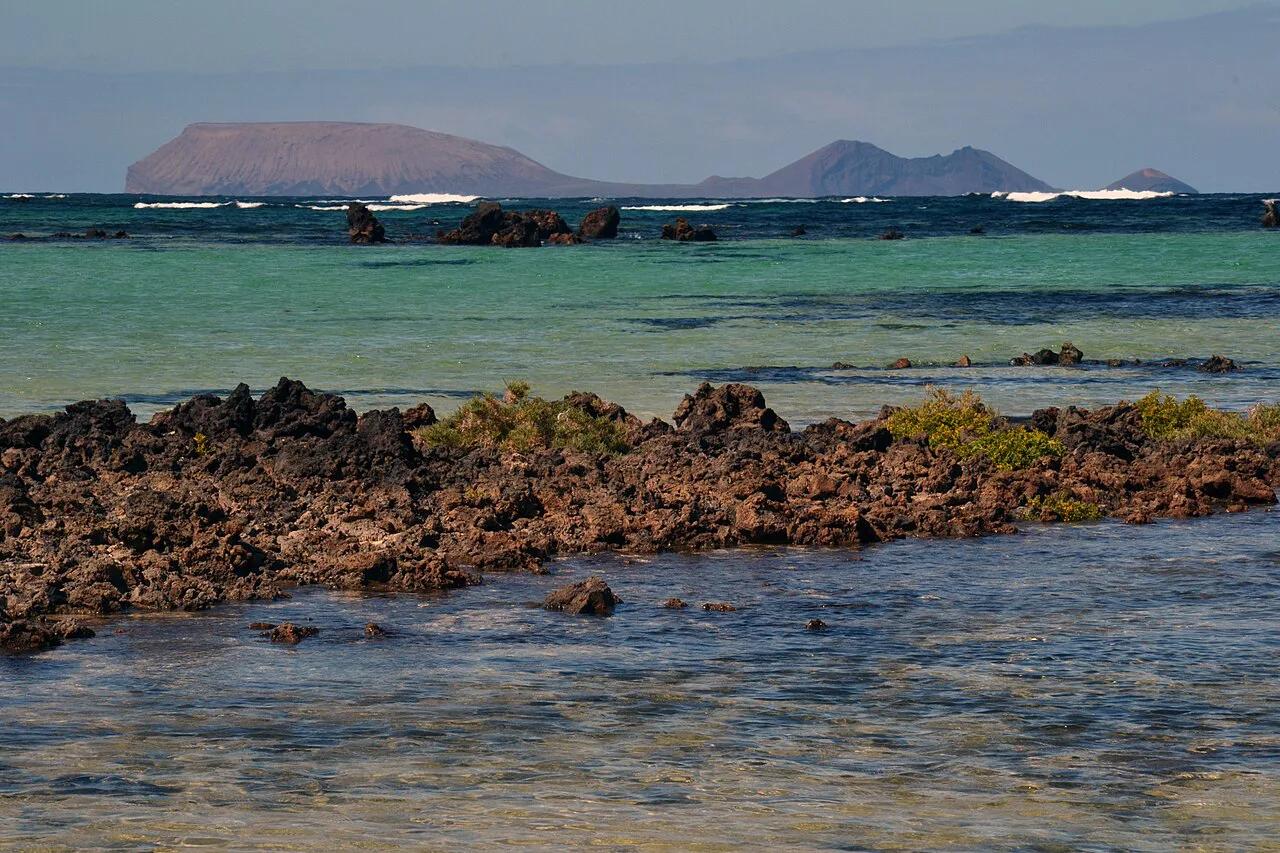
La Graciosa Travel Guide: Ferry, Beaches and Day Trips works best as a short add-on rather than a base. Isla de Lobos: Ferry, Hikes & Day-Trip Guide is another small islet in the archipelago. Skip it if you need a wide choice of restaurants and activities.
Best Time to Visit the Canary Islands by Season
Spain's tourism material pitches the islands as a winter-sun destination where spring weather lasts all year. It quotes an average yearly temperature of 22°C (about 72°F). Coast and mountain differ, and rainfall varies with elevation and location. Summer suits swimming, and natural pools stay calm even when the sea is choppy. February adds the Santa Cruz de Tenerife Carnival. Golf is also promoted as a year-round activity. Month-by-month detail is in our Canary Islands Weather by Month: Island-by-Island Guide guide.
Getting There and Island Hopping
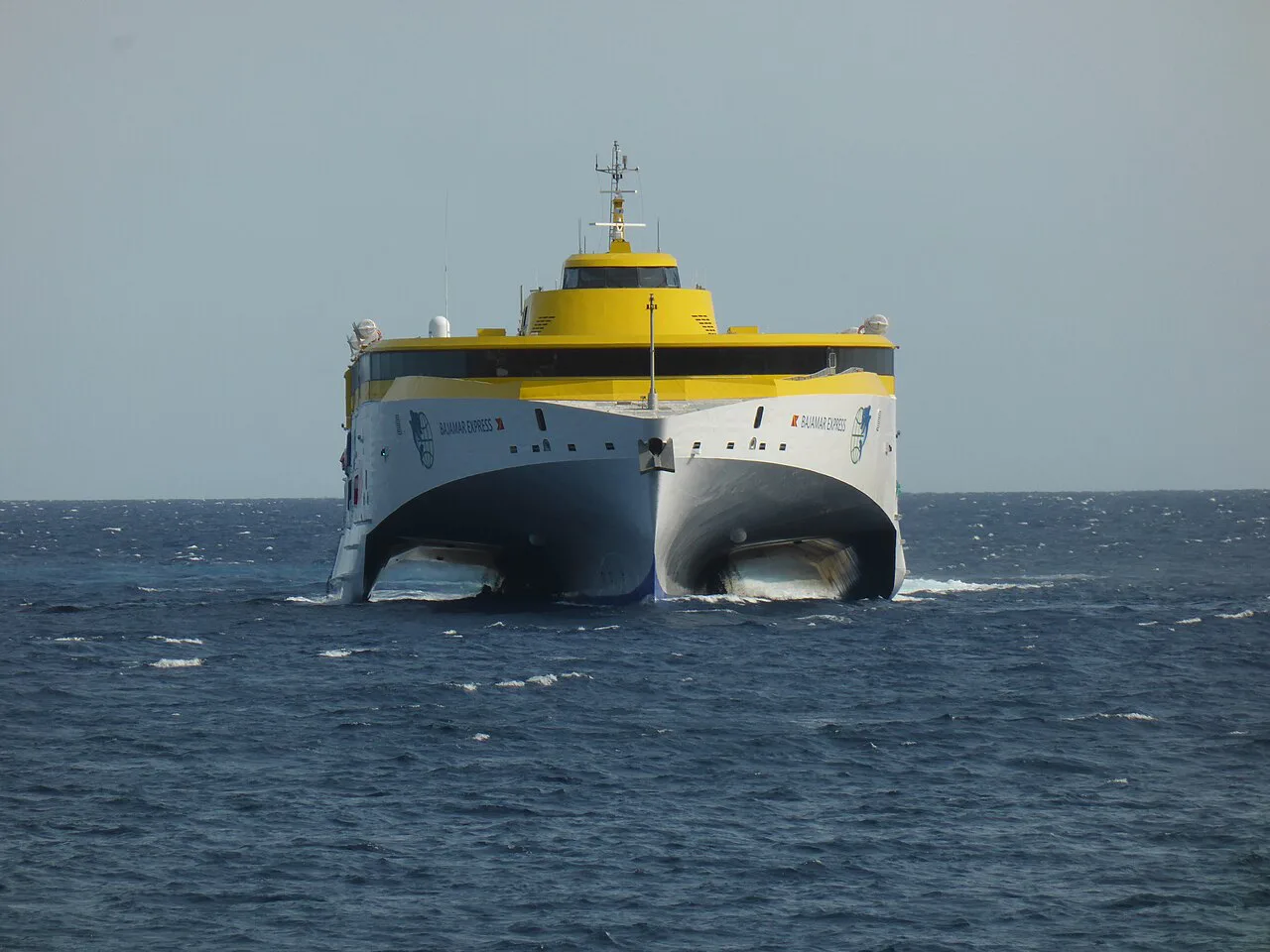
Flights reach the islands from most of Europe in about five hours, and from mainland Spain in about three. Gran Canaria, Tenerife South, Lanzarote and Fuerteventura see the most international traffic. For inter-island flights, check Binter's route map. Our Canary Islands ferry guide covers sailings and vehicles. For the short crossing, read about the Tenerife to La Gomera Ferry: Times, Tickets & Tips. Several islands have more than one port, so check your departure and arrival port when booking. Hop only along the direct links in the table.

| Route | Options | Time |
|---|---|---|
| Any inter-island flight | Flights between the main islands | 30 minutes to 1 hour |
| Any inter-island ferry | Ferries, many carrying vehicles | 35 minutes to 10 hours |
| Gran Canaria to Tenerife | Ferry | About 1.5 hours |
| Tenerife to El Hierro, La Gomera, La Palma | Many daily connections | Varies by route |
| Gran Canaria to Lanzarote, Fuerteventura | Many daily connections | Varies by route |
Getting Around: Rental Car vs Guagua
A car is probably the best way to explore each island. Choose one for trailheads and viewpoints. Local buses are called guaguas, and they suit city-and-resort bases such as Las Palmas de Gran Canaria. Mountain roads slow drives, so allow extra time between coast and summit.
Inter-island ferries range from 35 minutes to 10 hours, and many carry vehicles, so check sailing times before you commit.
Sample Itineraries
Each plan keeps hops short by sticking to direct links.
| Plan | Islands | Sequence logic |
|---|---|---|
| 7 days | Tenerife only | Split time between Teide, La Laguna and Santa Cruz de Tenerife |
| 10 days | Gran Canaria and Lanzarote | Many daily connections link the two, with beaches then volcanic landscapes |
| Hiking-focused | Tenerife, La Gomera, La Palma | Use Tenerife as the hub, then hike Garajonay and the La Palma forests |
Costs and Budget Notes
Fares and room rates vary by island and season, and no single figure covers the archipelago. Check Binter and the ferry operators for current prices.
Common Mistakes to Avoid
Five errors cost travelers the most time. Read trail and access rules at Garajonay's park page before hiking.
Assuming one climate everywhere is risky, since the 22°C (about 72°F) yearly average hides coast and mountain differences.
| Mistake | Fix |
|---|---|
| Covering every island in one trip | Pick one or two islands |
| Assuming one climate everywhere | Plan for coast versus mountain differences |
| Booking the wrong ferry port | Check departure and arrival ports |
| Underestimating mountain drives | Add buffer time |
| Hiking without checking access rules | Read park rules first |
Madeira is the closest Atlantic alternative, about 400 km north of the Canaries; our Madeira island guide covers its levada walks and towns.
Frequently Asked Questions
Why are the Canary Islands so famous?
They combine beaches, a subtropical climate and volcanic scenery. Mount Teide and the Maspalomas dunes are the best-known natural draws. Over 14.1 million visitors came in 2023.
Explore More Guides
Keep planning your trip with these guides.
Guides
- Where Are the Canary Islands? Location, Map and Island Guide
- Canary Islands Map: All 7 Islands and How They Connect
- La Gomera Travel Guide
- La Palma Canary Islands: Travel Guide and Where to Stay
- El Hierro Travel Guide
- La Graciosa Travel Guide
- Canary Islands Weather by Month: Island-by-Island Guide
- Isla de Lobos: Ferry, Hikes & Day-Trip Guide
- How Many Canary Islands Are There? 7 Main + La Graciosa
- Tenerife vs Gran Canaria: Which Island Fits You?
- Canary Islands Ferry: Routes, Times and Which Islands Connect
- Which Canary Island Is Best?
- Tenerife to La Gomera Ferry: Times, Tickets & Tips
Useful notes for your next island trip
Optional updates to our guides.
You might also like
Continue reading
More guides you'll find useful