
7 Canary Islands Compared: Which Canary Island Is Best?
Which Canary island is best for you? Compare Tenerife, Gran Canaria, Lanzarote, Fuerteventura, La Palma, La Gomera and El Hierro by traveler type and trade-offs.
On this page
Last updated November 2026: which Canary island is best depends on how you like to travel, not on a single ranking. Tenerife or Gran Canaria suit first-timers and families, while La Gomera and El Hierro suit quiet hikers. The archipelago has 7 main islands, and our island count guide explains the smaller islets.
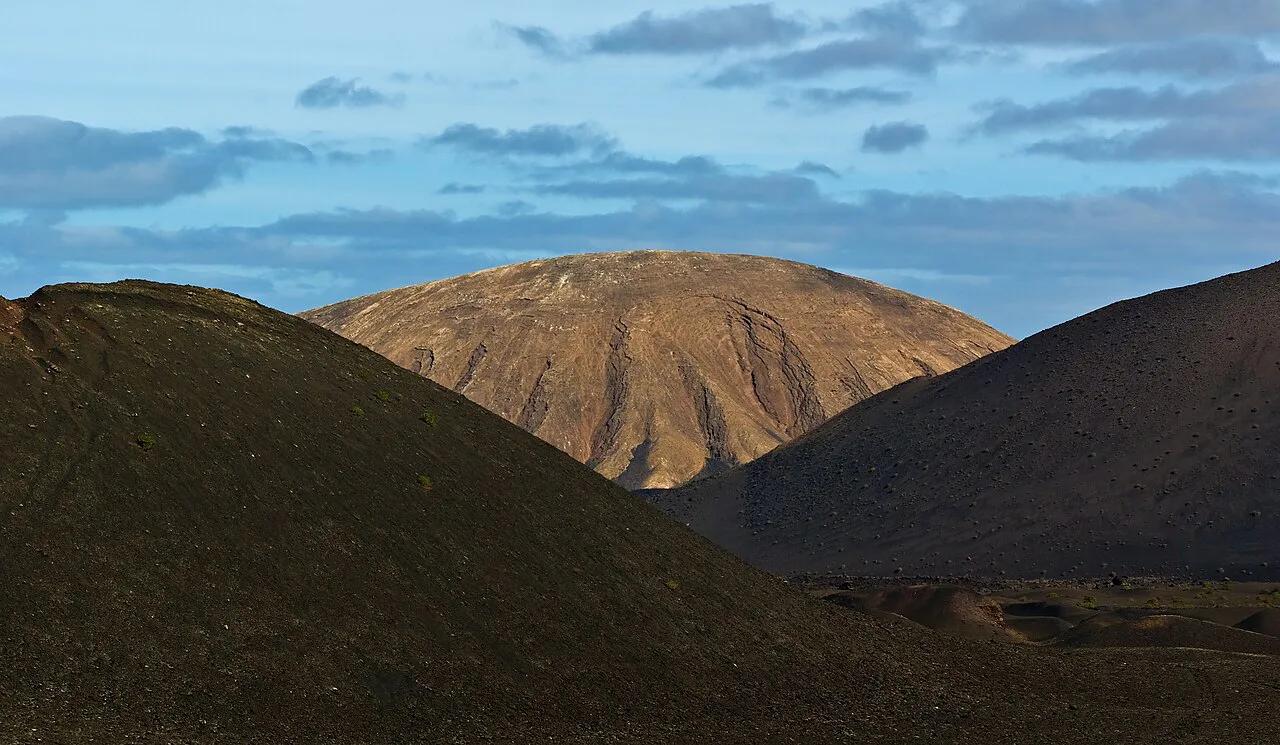
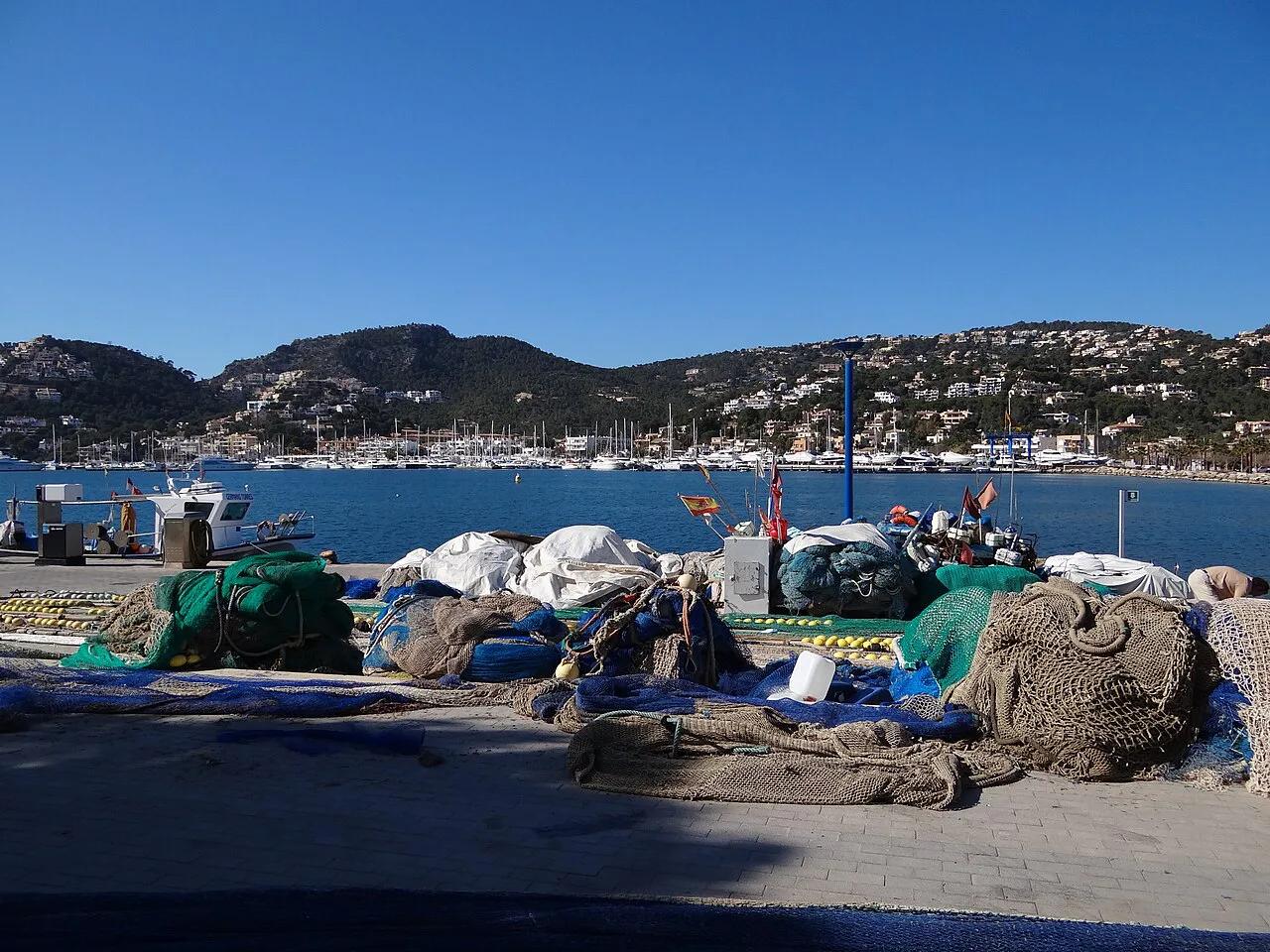
Featured image: Nikodem Nijaki, CC BY-SA 3.0, via Wikimedia Commons.
Quick Answer: The Best Canary Island by Traveler Type

There is no single winner across the Canary Islands overview. Tenerife and Gran Canaria offer the widest choice of flights and resorts. Fuerteventura suits beach days and a calm stay. Lanzarote rewards volcanic scenery and César Manrique's architecture. La Palma, La Gomera and El Hierro reward hikers who want less development. Our Tenerife versus Gran Canaria comparison helps you split the two big islands.
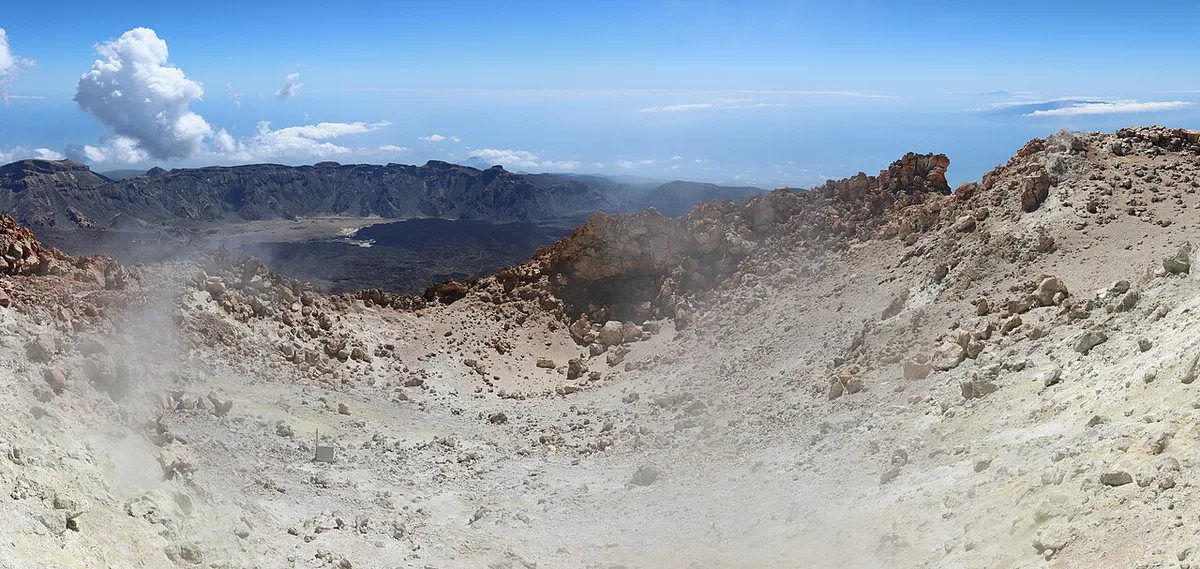
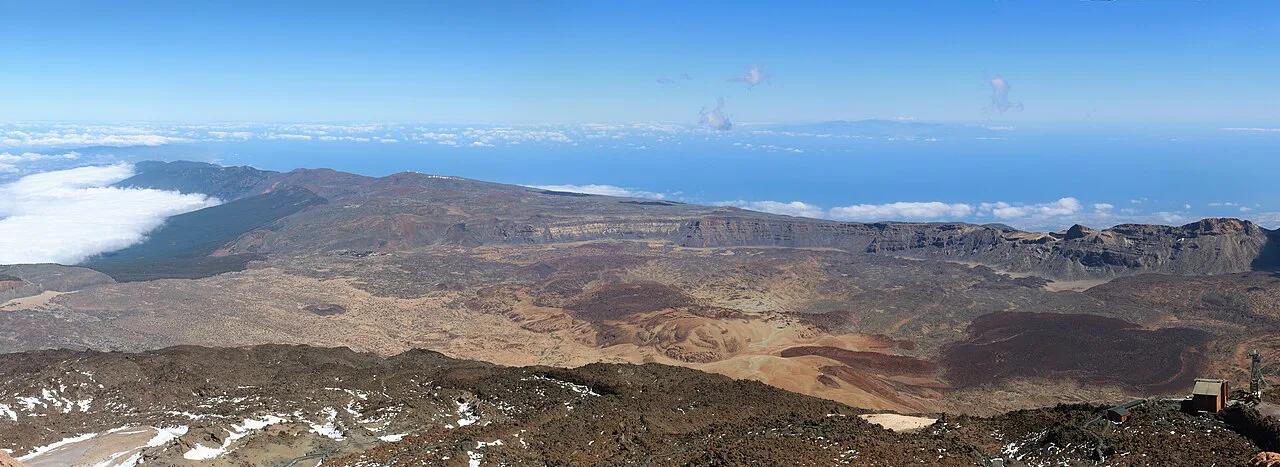
Teide's 3,718 m summit makes Tenerife a hiking pick as well as a first-timer base.
| Island | Best for | Main trade-off | How you get there |
|---|---|---|---|
| Tenerife | First-timers, families, Teide hiking | Crowded resorts and traffic in season | Wide flight choice |
| Gran Canaria | Families, city plus beach, Las Canteras | Busy south resorts, cloudier north | Wide flight choice |
| Fuerteventura | Beaches, kitesurfing, calm stays | Constant wind, little greenery | Flight, or a hop from Lanzarote |
| Lanzarote | Volcanic landscapes, Manrique art, wine | Almost no hiking, little green | Flight, or a hop from Fuerteventura |
| La Palma | Hiking, stargazing, green scenery | Few beach resorts, car needed | Flight or inter-island hop |
| La Gomera | Quiet forest hiking | Winding roads, car needed | Ferry from Tenerife |
| El Hierro | Diving, remote escapes | Small, few services, far from the big hubs | Inter-island flight or ferry |
How to Choose: Five Criteria That Matter
Five criteria settle most island decisions. Start with access, because big islands have more flights and small ones cost extra time and ferry money. Next, decide between beaches, hiking and sightseeing. Then weigh crowds and prices against how quiet you want the trip to feel. Weather comes fourth, since south and north coasts differ sharply. Trip length is last: two islands suit 10+ days, while a shorter stay works better on one island. If the geography is fuzzy, read where the islands sit. Our island map shows how they line up.
Fuerteventura and Lanzarote sit roughly 10 km apart, which makes pairing them a fit for stays of 10+ days.
7 Canary Islands: Which Canary Island Is Best for You
Each island below has a short verdict, a skip rule, a base and a car note. Prices and hours checked November 2026. This list quotes no fares, so confirm current rates with each operator. Our car notes are editorial judgement, not fixed rules.
1. Tenerife
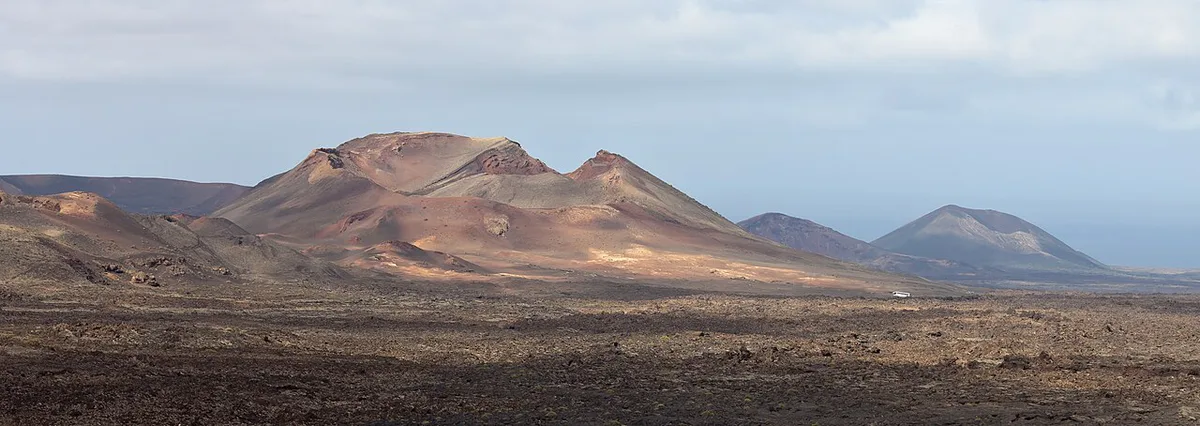
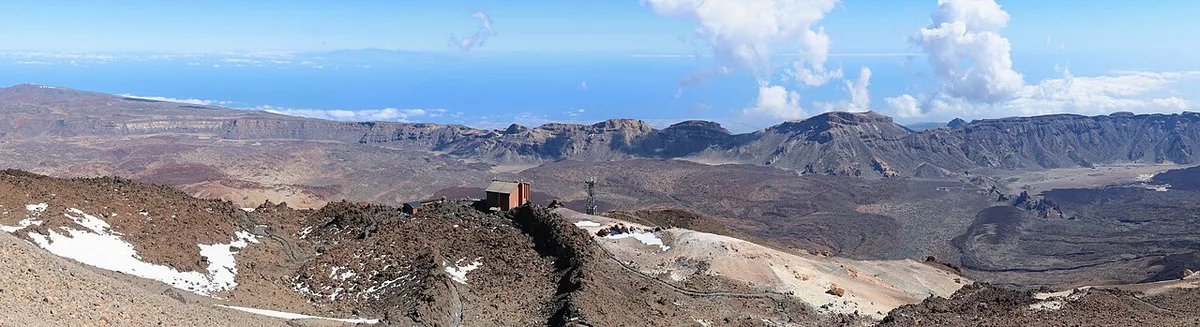
Best for: first-timers, families and anyone who wants beaches plus real mountains. Mount Teide reaches 3,718 m, and you can ride a cable car instead of walking up. Skip if: you want empty beaches, because the south coast gets very busy in the tourist season. Base: Costa Adeje, Los Cristianos, Las Américas or Los Gigantes for sun. Puerto de la Cruz has black volcanic beaches but more cloud.
Getting around: a car is optional if you stay in a southern resort. It helps for Teide and the Masca Gorge road, which is not for novice drivers. Official trip ideas are on Tenerife's tourism site.
2. Gran Canaria
Best for: families and travelers who want a real city next to a beach. Playa de Las Canteras in Las Palmas runs about 4 km along a promenade. Skip if: you want green hiking everywhere, because forests sit mainly in the north, where skies are often cloudier. Base: Maspalomas, Playa de Mogán or Puerto Rico in the south, or Las Palmas near Las Canteras for city life.
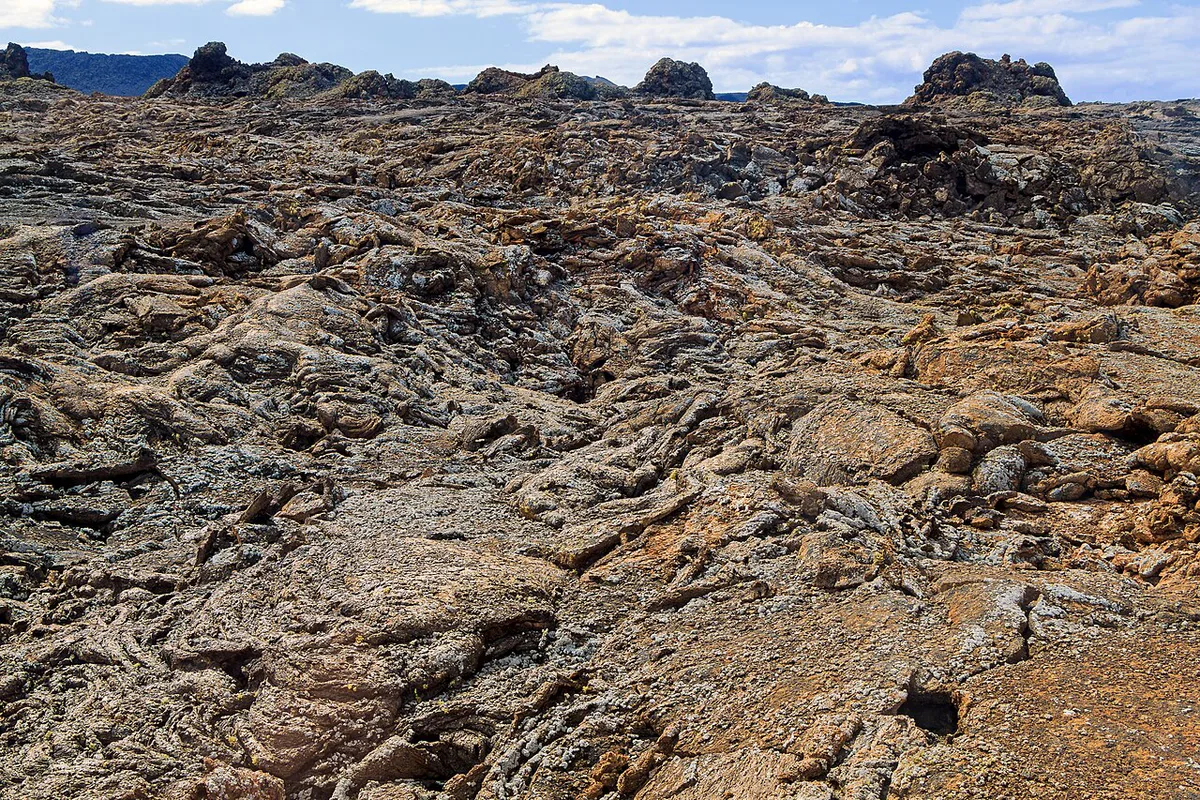
Getting around: resorts work without a car, but parking and traffic are known pain points. Torn between the two big islands? Our side-by-side island verdict breaks it down.
3. Fuerteventura
Best for: beach days, kitesurfing and a low-key holiday. Hills and dry desert scenery replace forests, and roads are quiet. Skip if: wind bothers you. Low mountains mean strong winds are common, which suits kite schools but not calm sunbathing. Base: Morro Jable in the south is the beach resort most often praised for shelter from the wind.
Getting around: rent a car if you want deserted beaches. Resort-only stays can skip it. Lanzarote lies across a strait of roughly 10 km, so a two-island trip is realistic on a longer stay.
4. Lanzarote
Best for: volcanic landscapes, art and wine. César Manrique shaped the island's look, and sites such as Jameos del Agua show his work on lava fields. Skip if: you want hiking or greenery, because there are few mountains and little forest. Base: Puerto del Carmen, Playa Blanca or Arrecife, depending on whether you want resort life or a town.
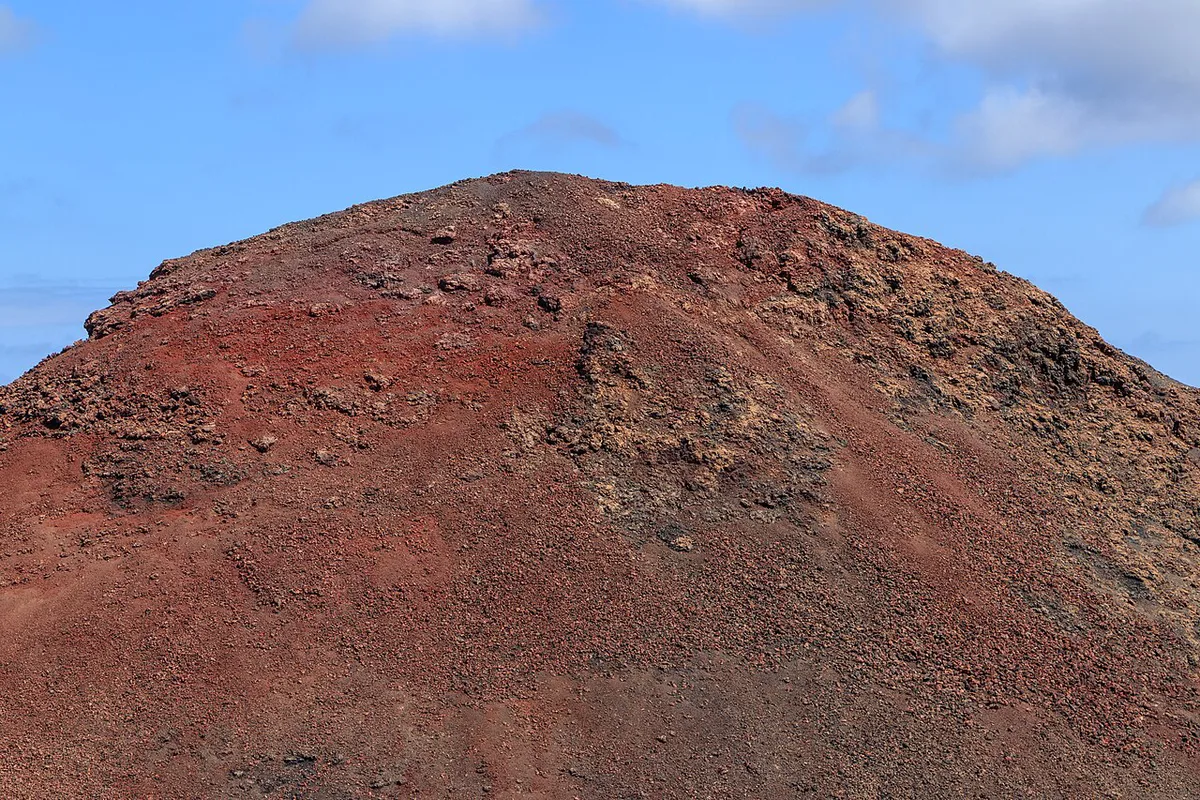
Getting around: a car is the easiest way to link Timanfaya, Manrique sites and wineries. Vines grow in pits dug into the lava, which makes a winery stop a good rainy-day plan.
5. La Palma
Best for: hikers, stargazers and green scenery. Caldera de Taburiente National Park offers routes from a couple of hours to a full day, and Roque de los Muchachos rises to about 2,426 m. Skip if: you want big resorts. Beaches are smaller, with black sand at Tazacorte and lava pools at La Fajana.
Safety note: the 2021 eruption destroyed several villages. Puerto Naos was reported as reopened in early 2024, so check local updates for affected areas. Getting around: you need a car. Start with our La Palma island guide, then see official La Palma tourism.
6. La Gomera
Best for: quiet hiking in forest with little development. Garajonay National Park holds ancient laurel forest and Canarian endemic species. Skip if: you rely on public transport or dislike winding roads. There is no ring road, and routes cross the center with many switchbacks. Base: Valle Gran Rey has the main beach options, and Playa Santiago is a smaller alternative.
Getting around: a car is essential for the viewpoints and trailheads. Everyday prices run higher than on the big islands. Plan trails with our La Gomera trail notes, and check the national park page for access.
7. El Hierro
Best for: remote, uncrowded stays and diving. Clear waters and few visitors make it the most off-the-beaten-track pick here. Skip if: you want nightlife, shopping or a long list of resorts. Services are limited. Base: pick one village and treat the rest as day drives.
Getting around: plan on a car, and book transport before you arrive. Our El Hierro island notes cover the quiet side in more detail.
Getting There and Island-Hopping
Direct flights usually go to the larger islands. Smaller islands often mean a ferry or an inter-island flight, and inter-island fares add up for families. Binter's inter-island flights are one option, and Aena's airport pages list airport details. For boats, start with our inter-island ferry options. Heading to the forests? See the Tenerife to La Gomera crossing. Check current operators and fares before you book.
When to Go: North, South and Wind
South coasts of the bigger islands are usually sunnier and calmer, while north coasts catch more cloud. Winds are mostly from the north, especially in winter. Booking a north-coast base for beach weather is a common mistake. For swimming and watersports, expect stronger wind and waves on exposed coasts and on Fuerteventura. Our month-by-month weather guide goes deeper.
Common Mistakes When Picking an Island
Many visitors assume all seven islands feel alike. They do not, and Lanzarote and La Gomera could be in different countries. Trying to cover too many islands in a short trip wastes days on transport. Another mistake is choosing a hiking island without planning a car. Ferry time and cost also catch people out, so price the crossing before you commit. Finally, avoid judging a island by its north coast photos if you want beach weather.
Smaller Islands: La Graciosa and Lobos
Two smaller islets work as day-trip add-ons rather than bases. La Graciosa's day-trip appeal is its quiet pace. Lobos lies off Fuerteventura, and our Lobos islet day trip covers the crossing. Neither replaces a main island if you need beds, restaurants and a wide choice of beaches.
Frequently Asked Questions
Which is better for a trip, La Palma or Tenerife?
Tenerife is better for first-timers, resorts and flight choice. La Palma is better for hiking, stargazing and quiet. Plan a car on La Palma.
What are the Canary Islands known for?
The Canary Islands are known for volcanic landscapes, year-round beach holidays and hiking. Teide on Tenerife reaches 3,718 m. Lanzarote is tied to César Manrique's architecture.
Useful notes for your next island trip
Optional updates to our guides.
You might also like

Continue reading
More guides you'll find useful