
La Gomera Travel Guide: Day Trip or Overnight?
Plan La Gomera: how to get there, day trip vs overnight, where to stay, Garajonay hiking, and the planning mistakes to avoid.
On this page
Last updated November 2026: La Gomera is a small, steep, green island in Spain's Canary Islands, best for hiking and quiet stays. It is reached by ferry or a small airport, and it suits a day trip or a multi-night stay. Start with our Canary Islands overview if you are still choosing where to go.
Featured image: Diego Delso, CC BY-SA 3.0, via Wikimedia Commons.
La Gomera at a glance
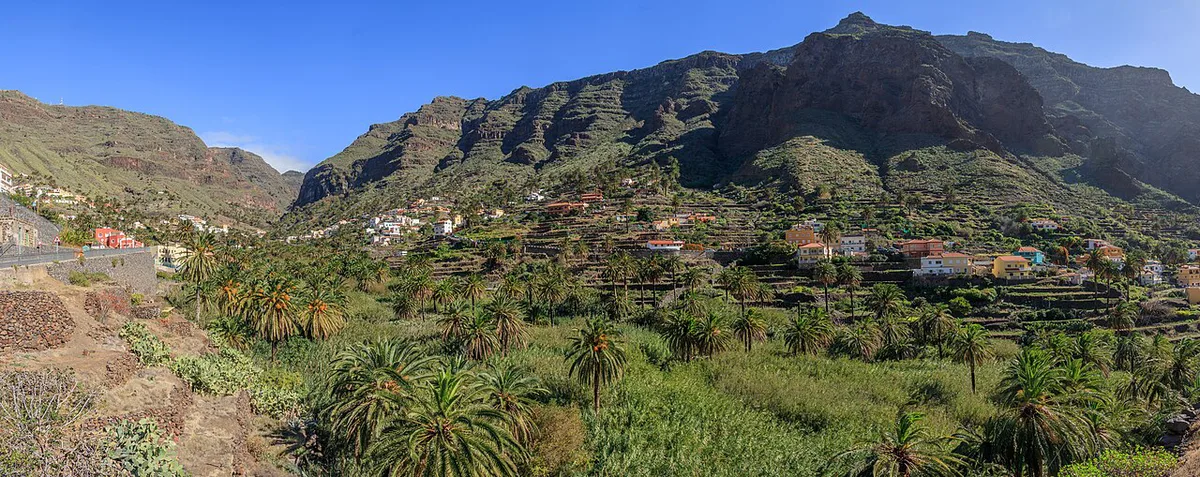
La Gomera sits in the western Canaries, a short hop from Tenerife. The Canary Islands Map: All 7 Islands and How They Connect shows how close the two islands are. For wider context, read where the Canary Islands lie. Deep valleys cut the island into a north side of green valleys and a drier south. Roads wind around every ravine, so drives take longer than the map suggests. Still choosing an island? See how the islands rank for different travelers. Weighing the two biggest islands first? Read how Tenerife and Gran Canaria compare.
- Best for: hikers, quiet stays, forest walks, and village-to-village road trips.
- Best for: travelers who like terraced valleys and small harbors over resort strips.
- Skip if: you want nightlife, big beach clubs, or a packed sightseeing list.
- Skip if: you dislike winding mountain roads.
Is La Gomera worth it? Day trip vs overnight
A day trip means a ferry each way, a rushed schedule, and mostly one area. Staying overnight lets you walk in Garajonay National Park and still reach a village or beach. Most travelers get more from two or more nights.
Tenerife visitors who plan a 1 day from Tenerife trip have no slack, so confirm the ferry timetable before booking anything.
| Trip length | What fits | Trade-offs | Best-fit traveler |
|---|---|---|---|
| Day trip from Tenerife | San Sebastián de La Gomera plus one viewpoint or short forest walk | Fixed ferry times, little slack, no sunset or early-morning light | Travelers short on time who want a first look |
| 2-3 nights | Garajonay trails, Hermigua or Agulo, one beach day | Needs a base and a plan for driving between areas | Hikers and first-time visitors |
| 5 days | Both north valleys and the south, plus slow days | Fewer new sights per day; best with a car | Walkers and travelers wanting a quiet pace |
Getting to La Gomera
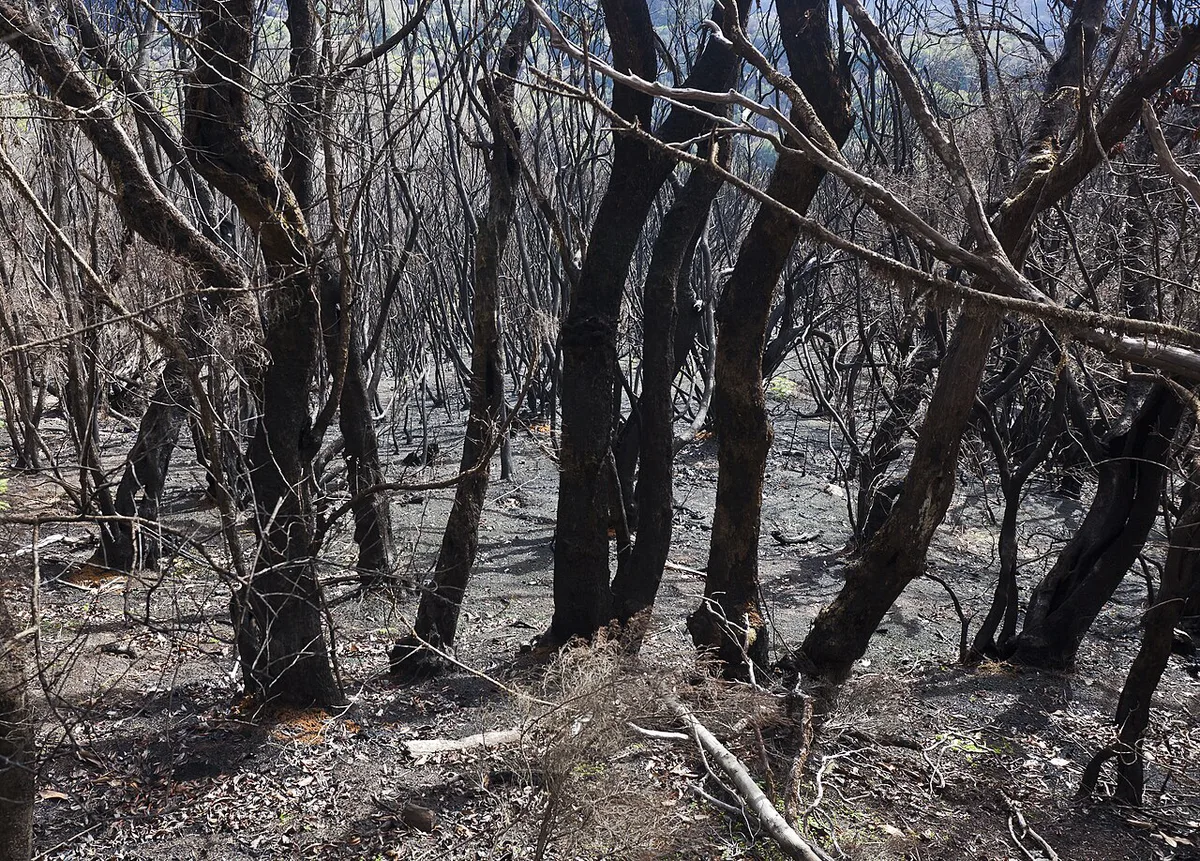
Ferries from Tenerife dock at San Sebastián de La Gomera, and our Tenerife to La Gomera ferry guide covers the crossing. Schedules and fares change, so check the operator, and see Binter's inter-island flight pages if you prefer the small airport.
- Ferry: you arrive at the capital's port, which suits a first night in San Sebastián.
- Airport: a quicker hop, but flight options are limited.
- Booking caution: do not build a day trip around a timetable you have not confirmed.
- Compare other crossings in our Canary Islands ferry guide.
Getting around La Gomera
A rental car gives the most freedom for trailheads and villages. Buses (guaguas) exist, but their frequency is a risk for hikers, so check local timetables on the Turismo de La Gomera site.
Stays of 2-3 nights leave little room for bus waits, so a rental car suits Garajonay trailheads best.
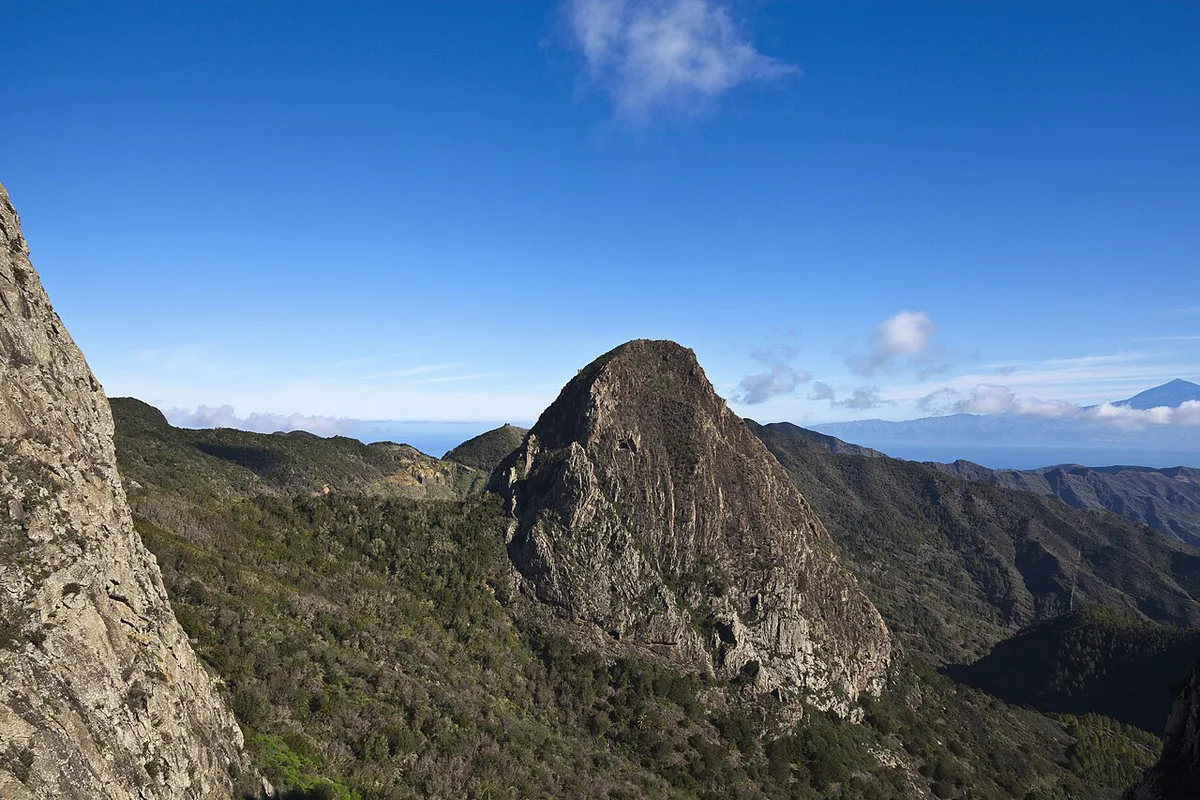
- Car: best for Garajonay trailheads; mountain roads are narrow and winding, and village parking is tight.
- Bus: workable between main towns, but poor for early starts or remote trailheads.
- Taxi or private tour: pricier, but you skip the driving and can plan one-way hikes.
Where to base yourself
Pick a base near your main activity. Crossing the island takes longer than you expect, and a base far from your plans wastes whole days.
| Base | Best fit | Trade-off |
|---|---|---|
| San Sebastián de La Gomera | Port arrival, services, easy ferry access | Not close to the western beaches |
| Valle Gran Rey | Beaches and a relaxed atmosphere | A long drive from the port |
| Hermigua / Agulo | North valley scenery and village walks | Cooler and cloudier than the coast |
| Vallehermoso | Quiet nights and hiking | Few services; quiet by design |
| Playa de Santiago / Tecina area | Resort stay in the south | Less village character |
Best things to do in La Gomera
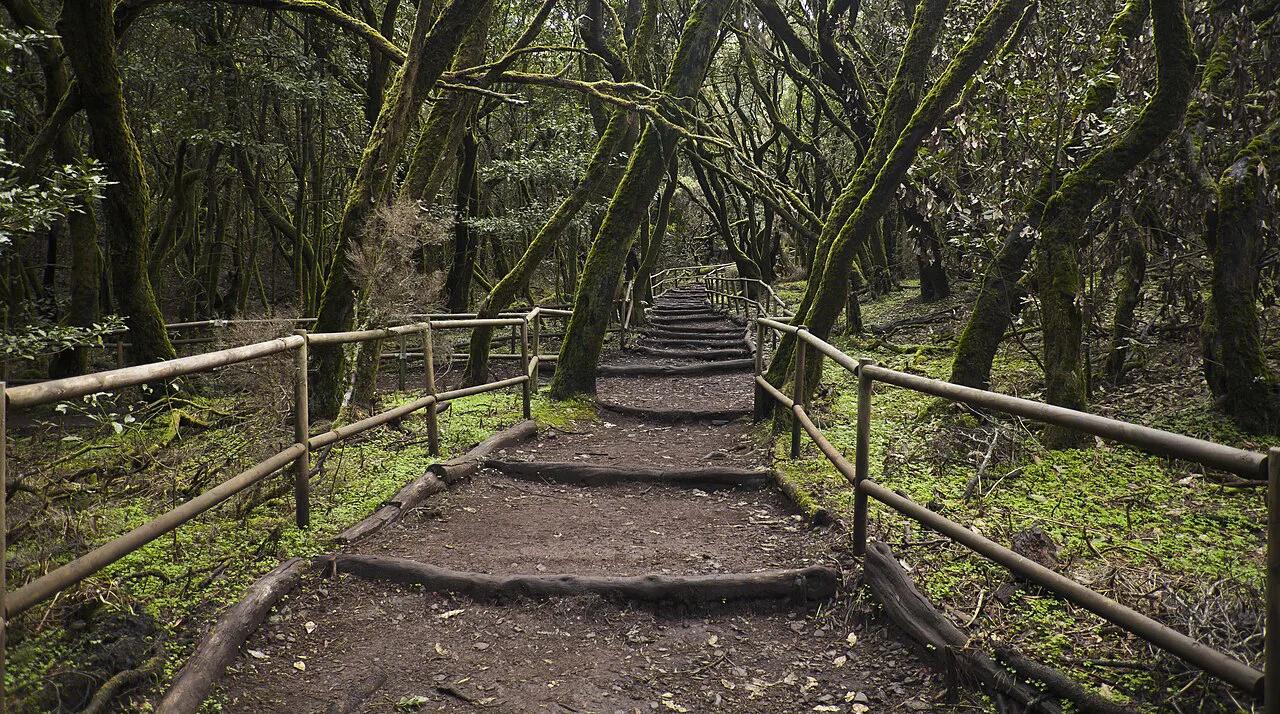
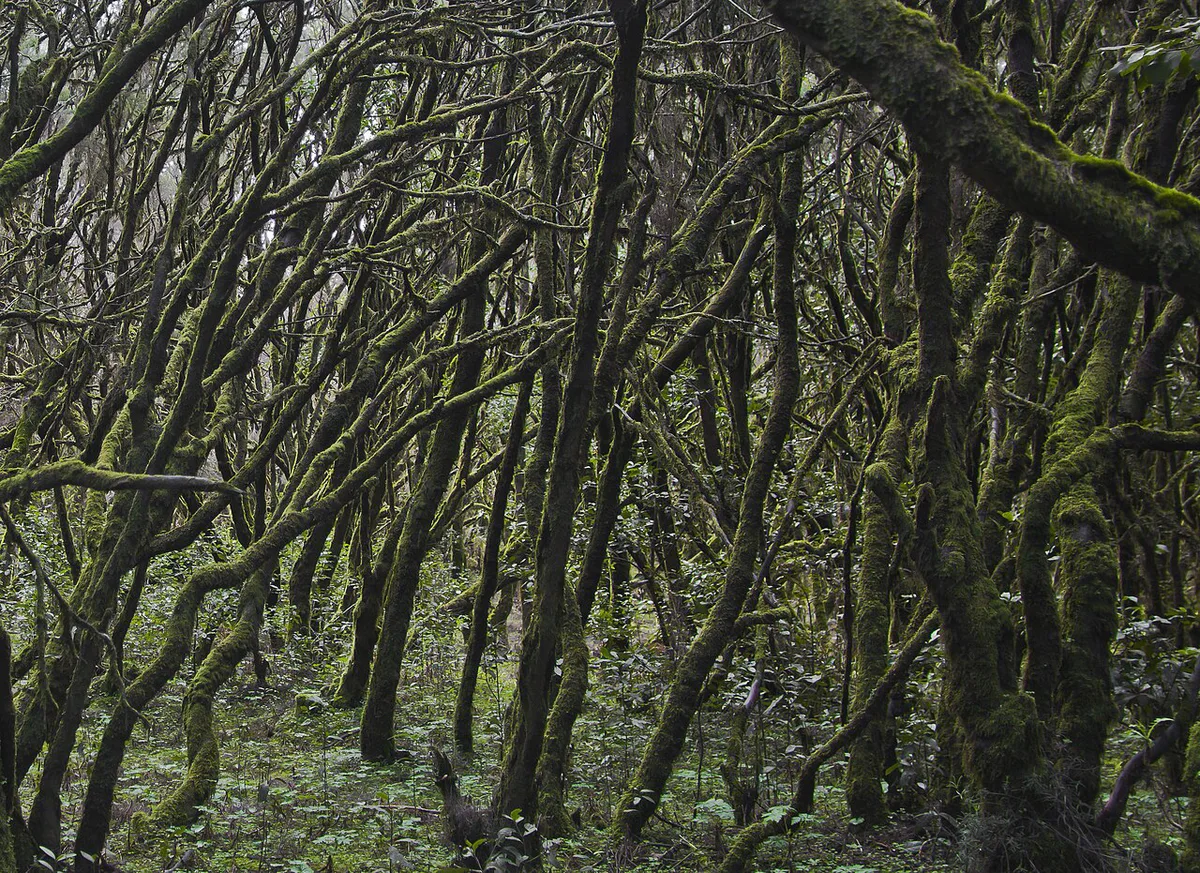
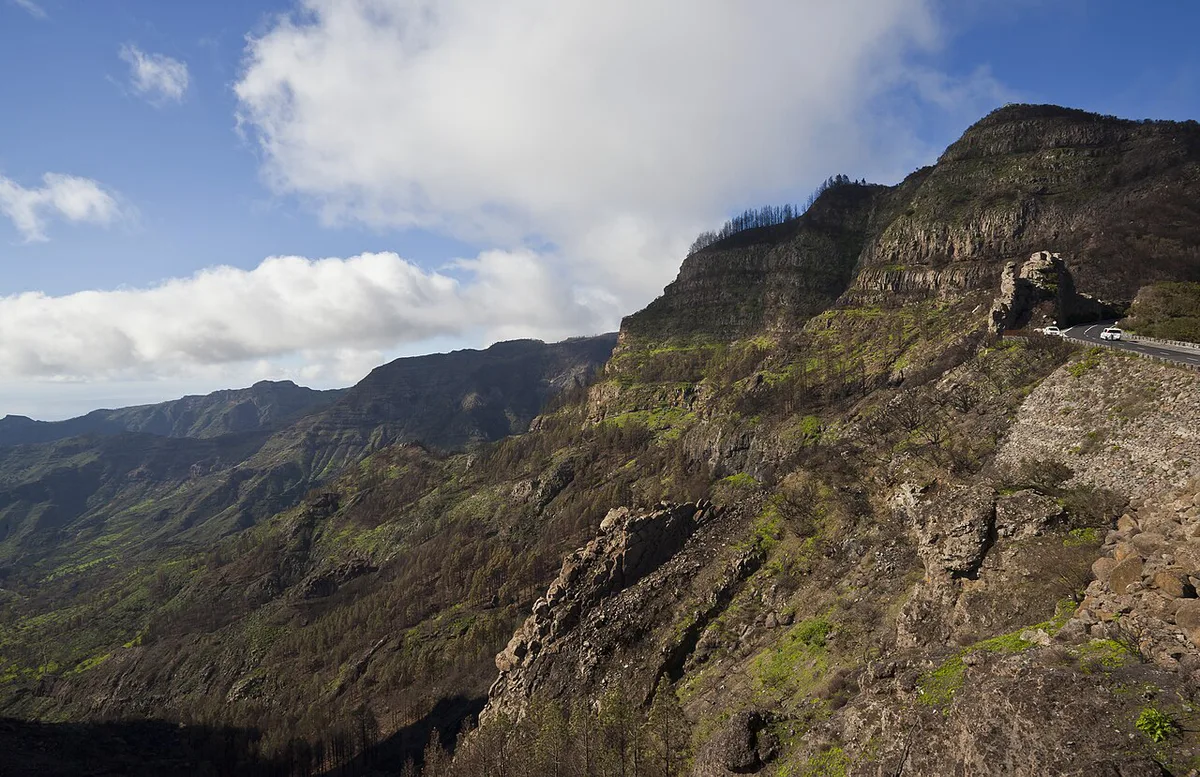
Garajonay National Park is the headline. Its laurel forest (laurisilva) is a UNESCO World Heritage Site, and the national parks authority publishes visitor information for the trails. Mist and cold are real risks, even when the coast is sunny.
- Garajonay trails: allow a full morning or afternoon, and expect mist; access by car is easiest.
- Silbo Gomero: the whistled language is UNESCO-recognized; ask local tourist offices where visitors can actually hear it.
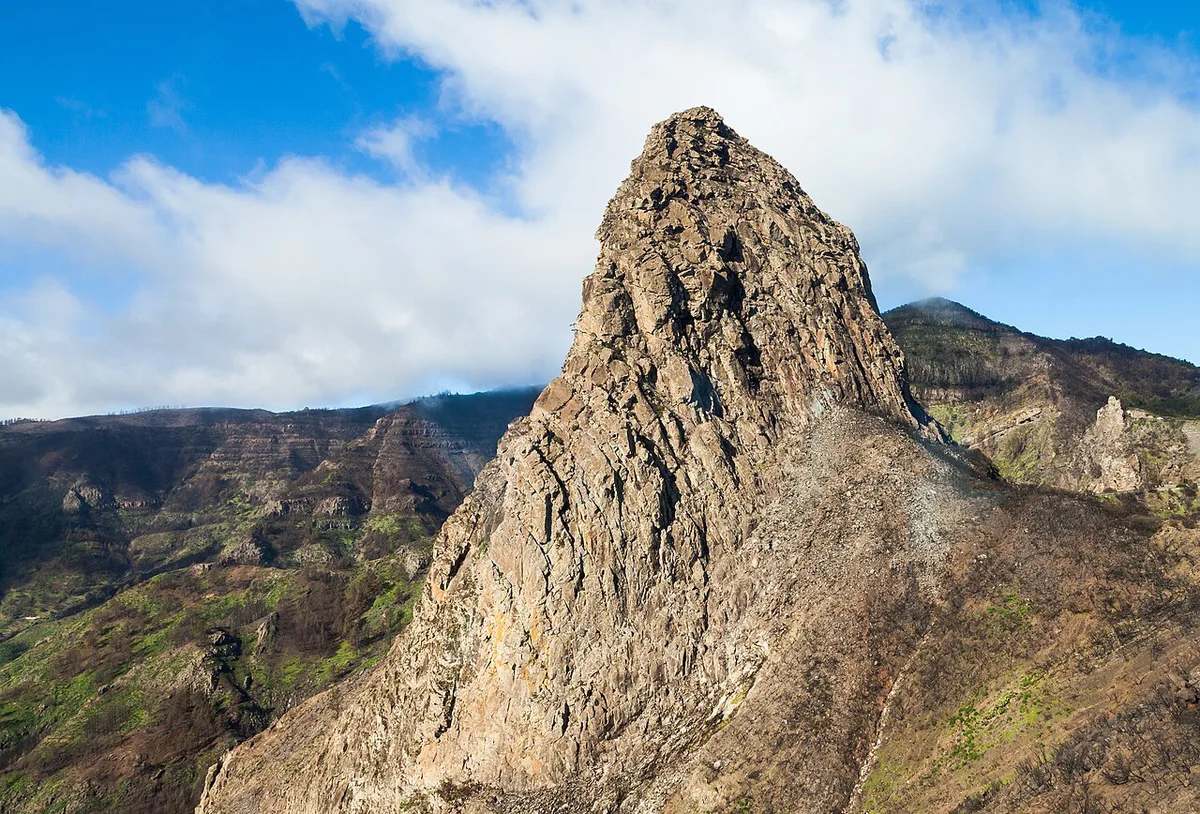
- Villages and viewpoints: Agulo, Hermigua, Vallehermoso, plus the Abrante and La Asomadita viewpoints; most are free to visit.
- Beaches: Valle Gran Rey, Playa del Inglés and Playa de Santiago; conditions vary by day.
- Sea activities: whale and dolphin watching and snorkeling run from the coast; costs vary by operator.
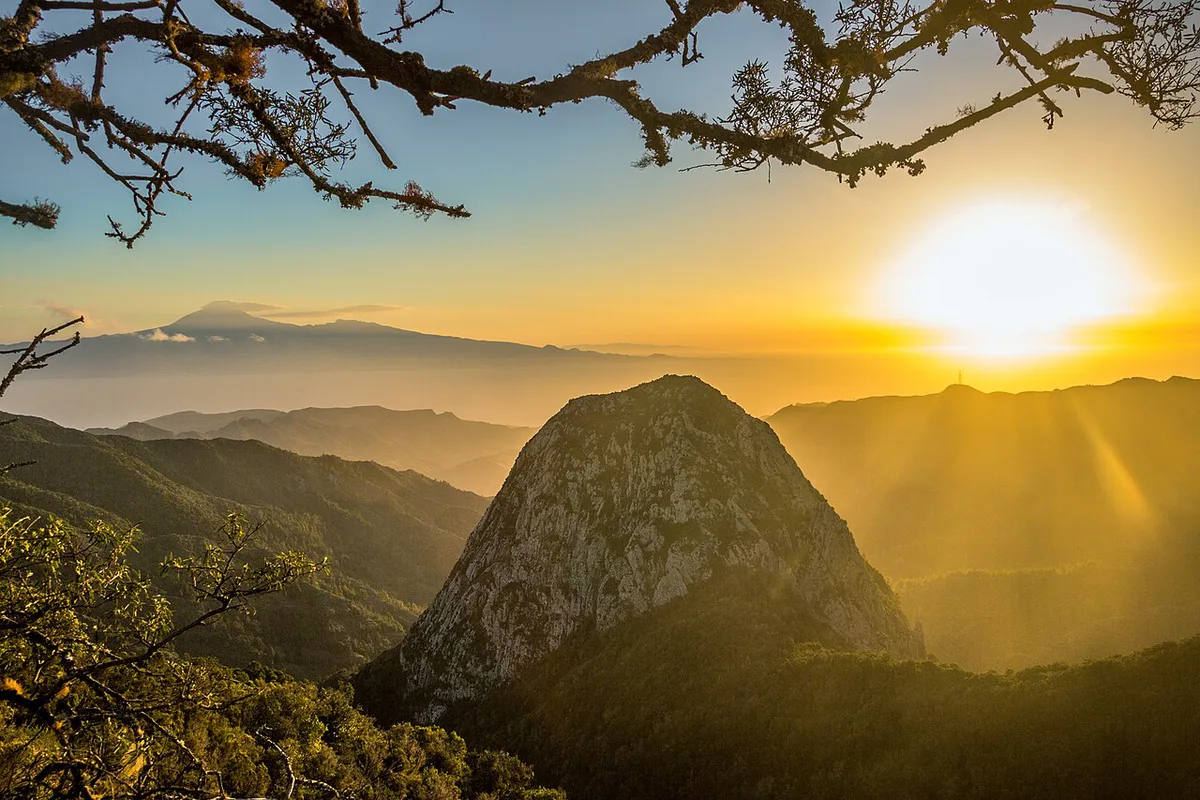
Hiking trails on La Gomera: Garajonay and the valley paths
Walking is the main reason to stay more than a day. The island has a network of marked paths, and the routes below cover the most useful ground. Trail conditions change after rain, so check current notices with the Garajonay National Park visitor centre or Turismo de La Gomera before setting out.
- Alto de Garajonay: the island's highest point at 1,487 m, set in the park's laurel forest. The approach is short, but the summit is often in cloud, so the views are not guaranteed.
- Laguna Grande: a recreation area inside the park with picnic tables and a café. It is a gentle option for families or a wet-weather walk under the trees.
- El Cedro to Hermigua: a forest-to-valley route that links the park with the north-coast villages. It is a good fit if you are basing yourself in Hermigua or Agulo.
- Valle Gran Rey terraces: paths climb the terraced slopes above the valley. Start early, because the south and west are hotter and more exposed than the forest.
- Vallehermoso area: quiet paths through farmland and ravines, useful for an unhurried day away from the busier park trails.
Practical points for walkers
Many trails are one-way, so decide before you start how you will get back. Options include a taxi, a pre-arranged transfer, or a loop that returns to your car. Buses are not reliable enough to plan an early start around. Carry water, a rain shell and shoes with grip, since the descents are steep and wet leaves are slippery. The Los Órganos basalt columns on the north-west coast are best seen from a boat tour out of Valle Gran Rey, not on foot.
Sample La Gomera itineraries
These are outlines, not fixed schedules. Add La Gomera to a longer trip with La Palma or El Hierro Travel Guide: Getting There, Where to Stay, What to Do, two other green, hiking-focused islands.
- 1 day from Tenerife: ferry to San Sebastián, one viewpoint or short walk, and an early return. Trade-off: you see one area only.
- 3 days: a Garajonay hike, a north-valley day around Hermigua and Agulo, and a beach day in Valle Gran Rey.
- 5 days: split between two bases, add Vallehermoso walks, and leave one slack day for weather or a boat trip.
When to go and what to pack
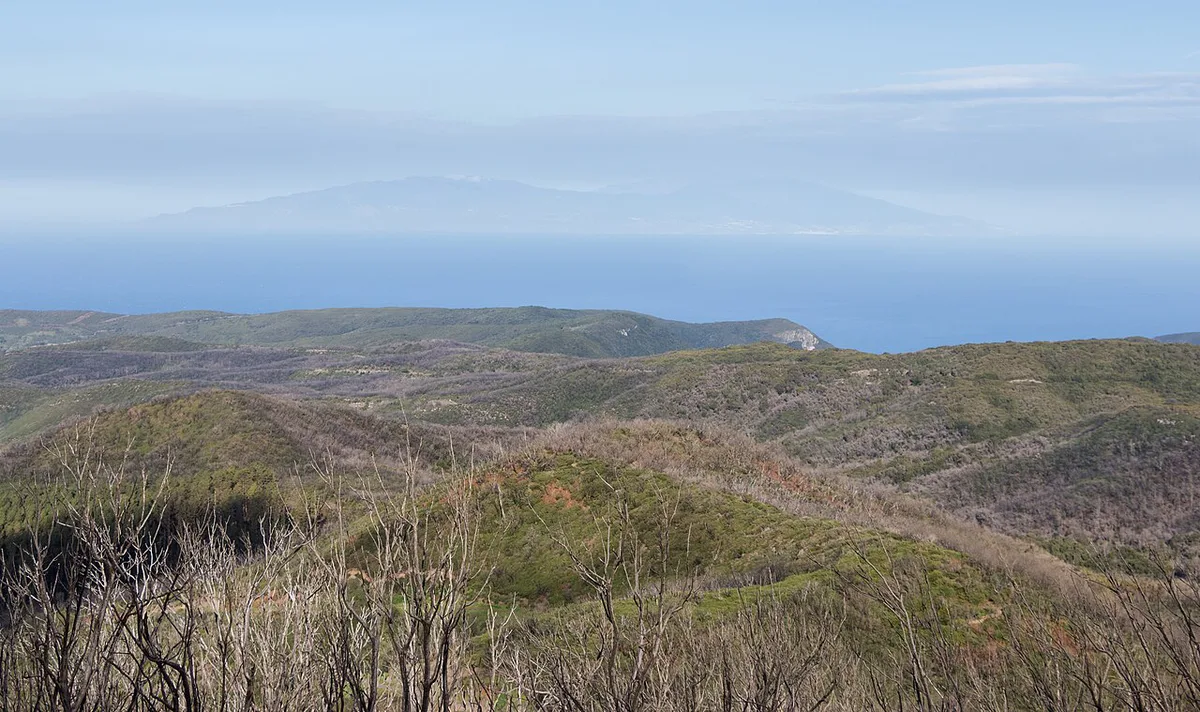
The forest is cooler and wetter than the coast, so bring layers, a rain shell, and grippy shoes. Check Canary Islands Weather by Month: Island-by-Island Guide before you pick dates, and pack sun protection for the coast.
Food and local culture
Try almogrote, a spread of cured cheese, pepper, and garlic. Order potaje de berros, the watercress stew, and gofio, the toasted grain staple. Mojo sauce comes with potatoes and grilled fish, and local wine is worth a glass.
- Almogrote: spread on bread as a starter.
- Potaje de berros: a hearty stew for cool forest days.
- Gofio: served in stews, desserts, or mixed into drinks.
History, Silbo Gomero and the island's fiestas
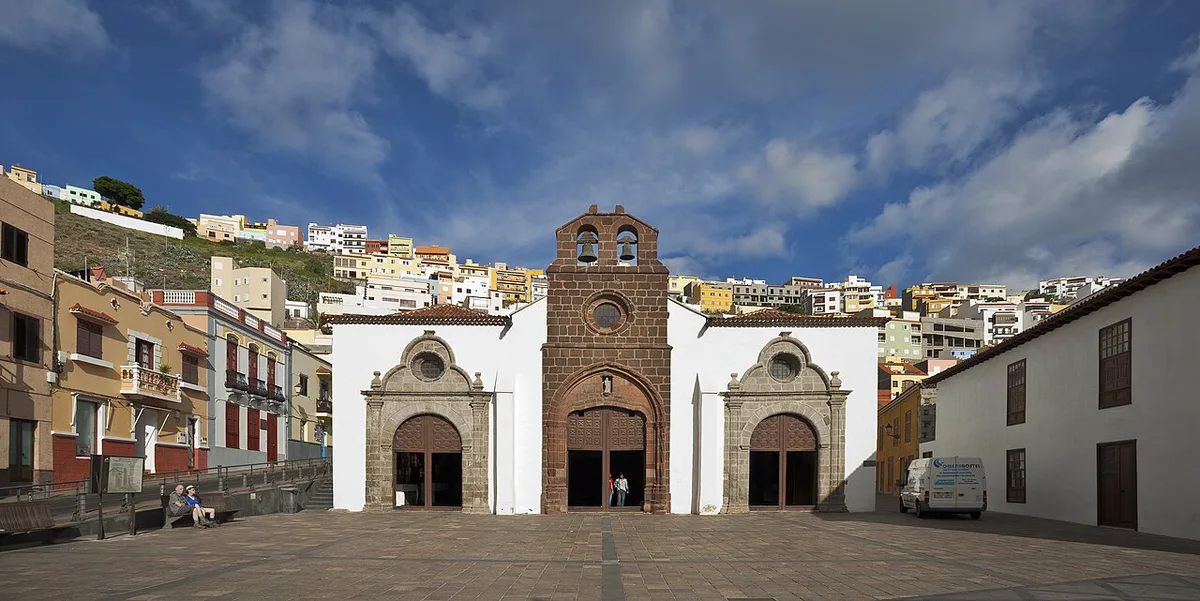
La Gomera's culture is easy to experience if you know where to look. San Sebastián de La Gomera is the natural starting point. Christopher Columbus stopped here in 1492 on his first voyage to the Americas, and the town keeps landmarks linked to that stop, including the 15th-century Torre del Conde, a defensive tower. Opening hours change, so check locally before you plan a visit around it.
Silbo Gomero
Silbo Gomero is a whistled form of Spanish that carried messages across the island's deep ravines. UNESCO listed it as intangible cultural heritage in 2009, and it is taught in island schools today. Visitors usually hear it at organised demonstrations, often tied to a meal at a restaurant in the north, or at a local fiesta. Ask the tourist office in San Sebastián which venues currently stage one.
Fiestas worth planning around
Villages hold patron-saint fiestas through the year, with processions, traditional music and local food. Two are especially well known:
- Fiesta de la Rama in Agulo: a village celebration in which branches are carried in a procession. Dates vary from year to year.
- Fiestas Lustrales de la Virgen de Guadalupe: a major festival in San Sebastián that takes place only once every five years.
Book accommodation early if your dates overlap with a fiesta, since village rooms are limited. Check the official Turismo de La Gomera calendar for current dates before you commit to a trip around an event.
Mistakes to avoid on La Gomera
These planning errors cost the most time.
- Underestimating drive times between the north valleys and the south.
- Planning a day trip around an unconfirmed ferry timetable.
- Hiking Garajonay in thin clothing.
- Relying on buses to reach trailheads.
- Booking a base far from your main activity.
Useful notes for your next island trip
Optional updates to our guides.
You might also like

Continue reading
More guides you'll find useful