10 Best Hebrides Islands: Inner and Outer Compared
Inner or Outer Hebrides? Compare 10 of the best islands, how to reach them, time to allow and who each suits, with links to our island guides.
On this page
Last updated November 2026. The Hebrides are an island archipelago off Scotland's west coast, split into the Inner Hebrides and the Outer Hebrides. Our guide picks 10 islands, from Mull to St Kilda, and explains who each one suits. Start with the Inner Hebrides overview or the Outer Hebrides guide if you already know your region.
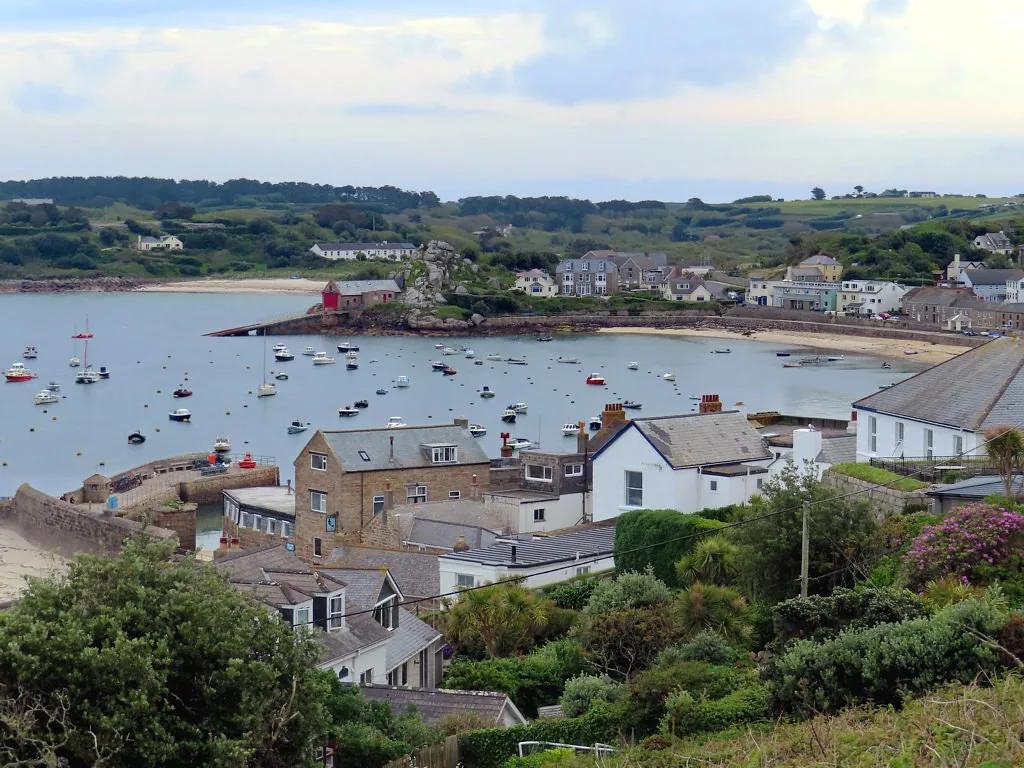
Featured image: D-Stanley, CC BY 2.0, via Flickr.
Inner or Outer Hebrides? How to Choose
Inner Hebrides islands sit closer to the mainland and suit shorter trips. Mull, Iona, Islay and Colonsay each have their own character. Outer Hebrides islands form a long chain further west, with big beaches, Gaelic culture and a slower pace. Reaching them takes more planning. Ferries are run by CalMac Ferries on most routes, and some small crossings use other operators. Decide by trip length. Short on time, pick one Inner island. With a week or more, pick one Outer chain and stay put.
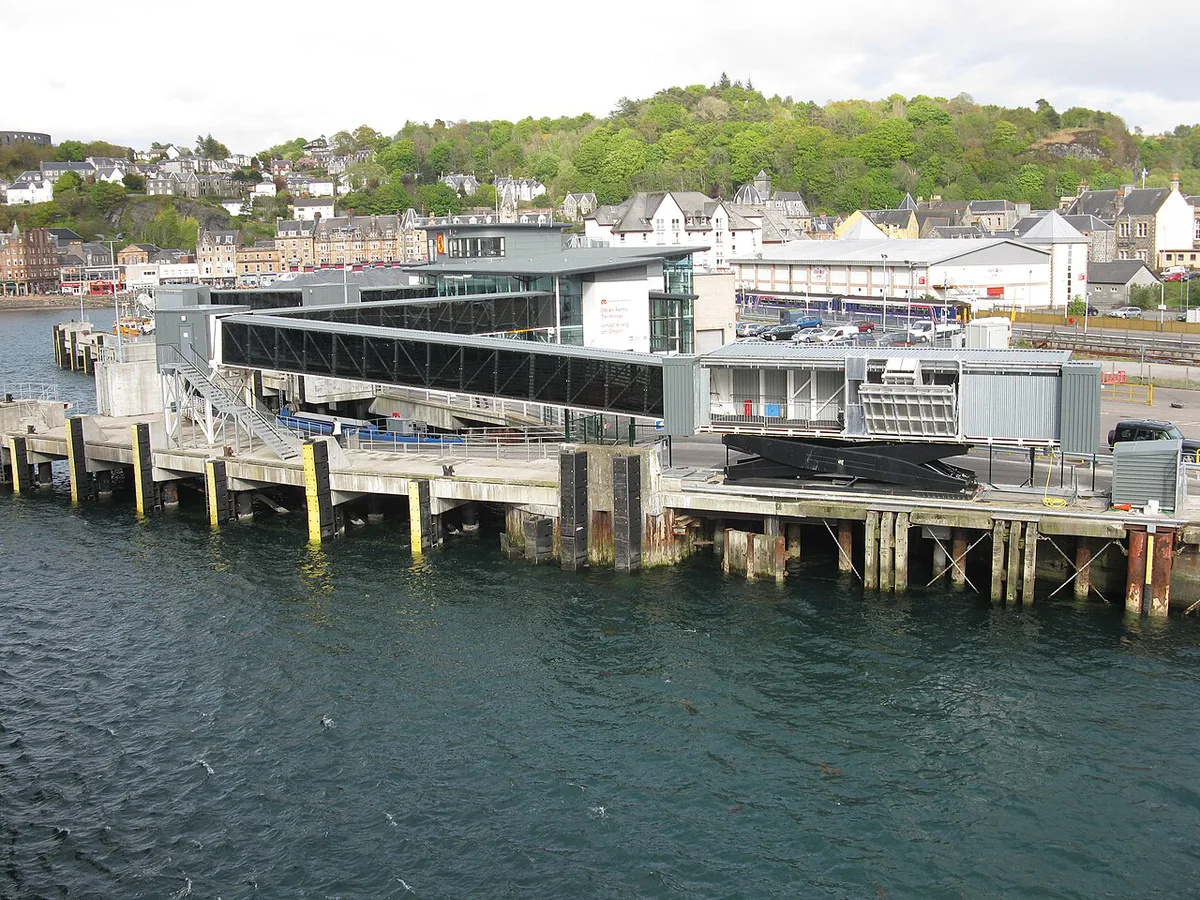
10 Best Hebrides Islands
Prices and hours checked November 2026. Entries run from the Inner Hebrides to the Outer Hebrides, then to remote St Kilda. Skye is also usually counted among the Inner Hebrides. This list focuses on islands with their own guides.
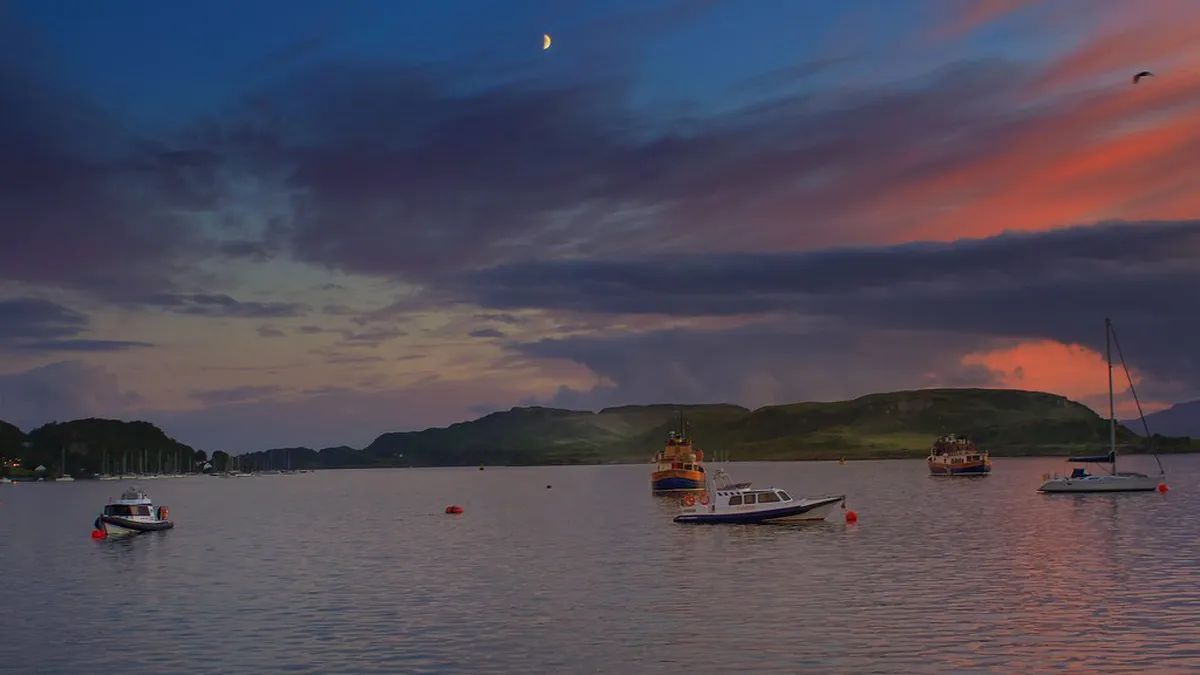
1. Mull
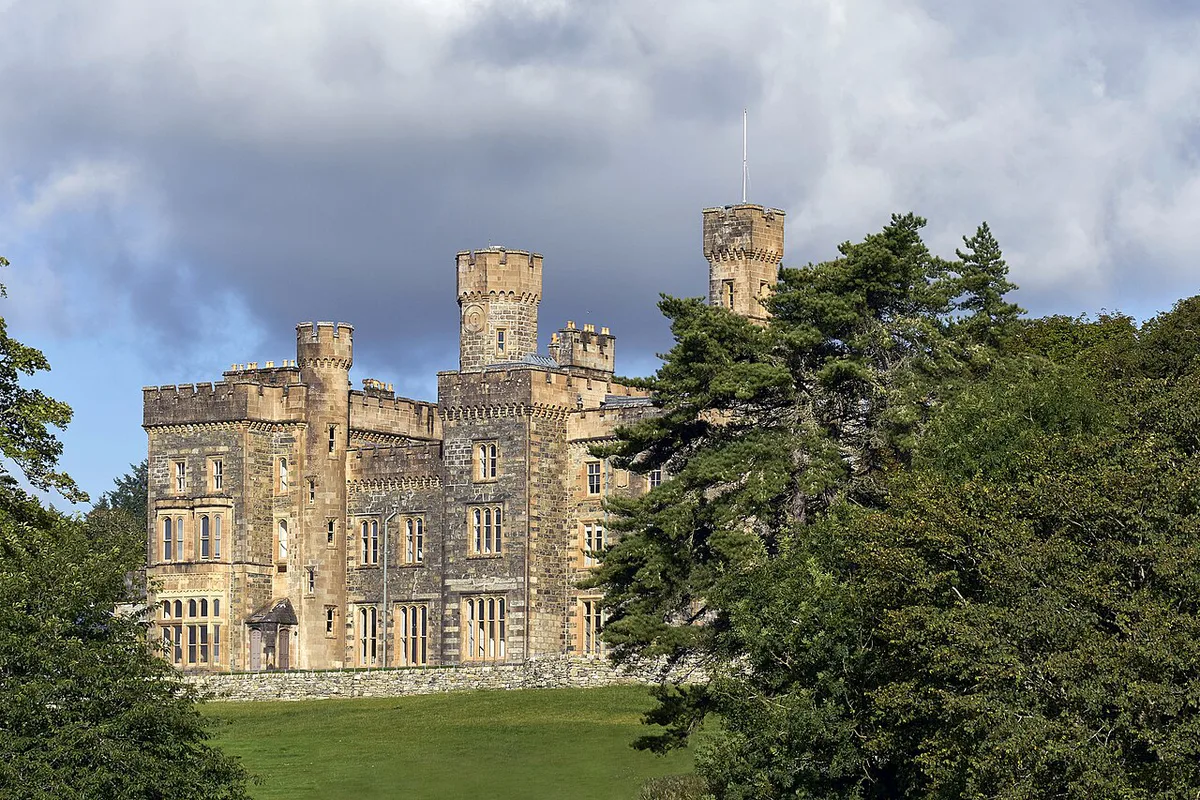
Mull is the easiest gateway into the Inner Hebrides. It works as a base for day trips to Iona and Staffa. Visit Duart Castle, which has its own visitor information. Allow at least two days to see the island properly.
Our Isle of Mull guide covers wildlife and routes. Skip it if you want a remote, empty-island feel. Mull is the busiest of the Inner group.
2. Iona
Iona is a small island reached by a short ferry hop from Mull. It is known for its abbey and a quiet, walkable landscape. Plan a half day or a full day, and walk rather than drive.
Read our Iona guide before you go. Skip it if you dislike depending on crossings. Weather can disrupt sailings, so build a buffer into your day.
3. Staffa
Staffa is a small uninhabited island best seen on a boat trip from the Mull area. Its hexagonal basalt columns are the main draw. Landing depends on sea conditions, so a trip is never guaranteed.
Details are in our Staffa guide. Skip it if you get seasick or need a fixed schedule. This is a weather-led excursion, not a sure thing.
4. Islay
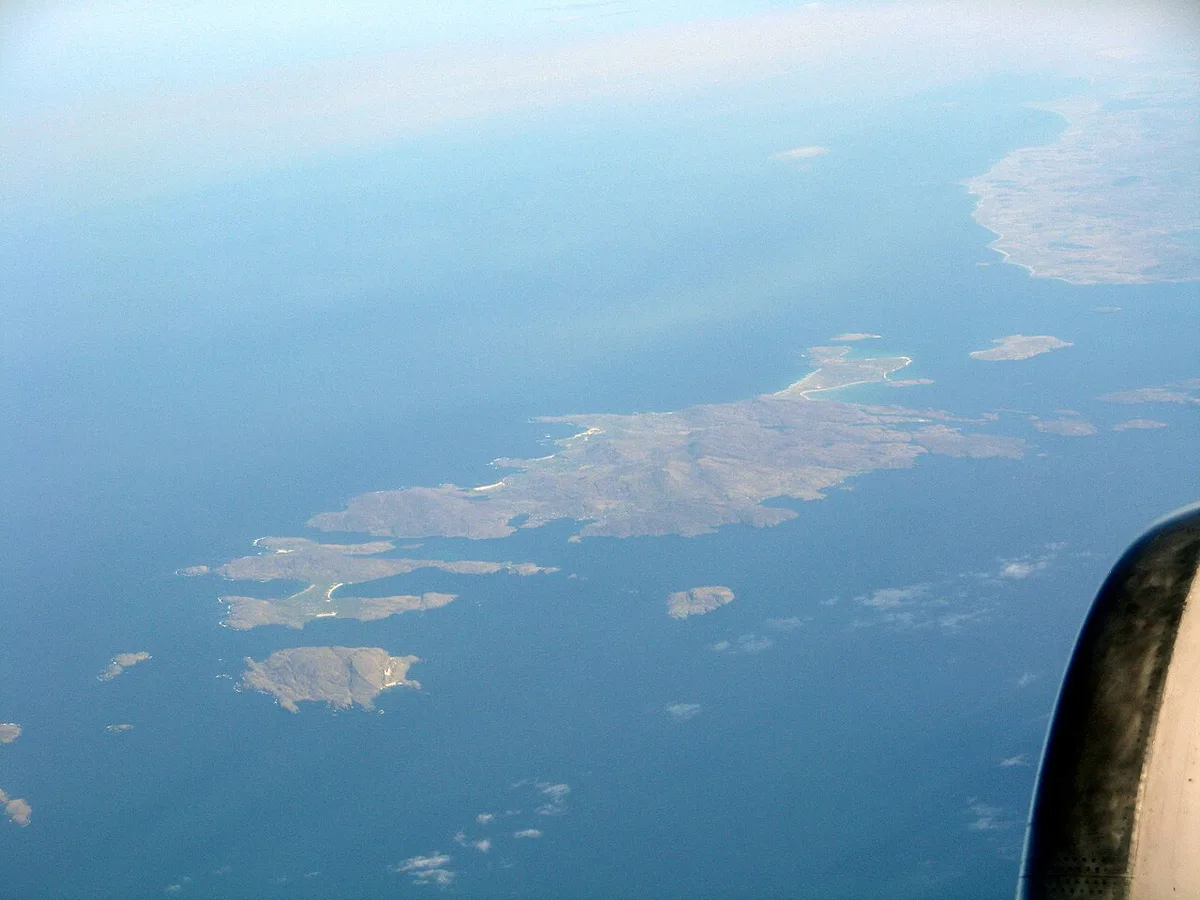
Islay is the Inner Hebrides island for whisky. Distilleries such as Laphroaig run visitor experiences. Allow two or three days and book distillery slots ahead in summer. Driving after tastings is a bad idea, so arrange a driver or a tour.
Our Isle of Islay guide covers the main stops. Skip it if you do not drink and want mountain scenery.
5. Jura
Jura is a quiet, sparsely settled island facing Islay. It suits walkers and anyone who wants space over sights. Few services mean you must plan food and fuel ahead. Check how the ferry link from Islay works for your dates.
See our Jura guide for walking ideas. Skip it if you need shops, restaurants and a packed itinerary.
6. Colonsay
Colonsay is a small, peaceful Inner Hebrides island with beaches and a slow pace. It rewards a stay of a few nights rather than a day trip. Ferry connections are limited, so confirm sailings before building a route around it.
Our Colonsay guide explains how to reach it. Skip it if you want nightlife or flexible daily transport.
7. Harris and Lewis
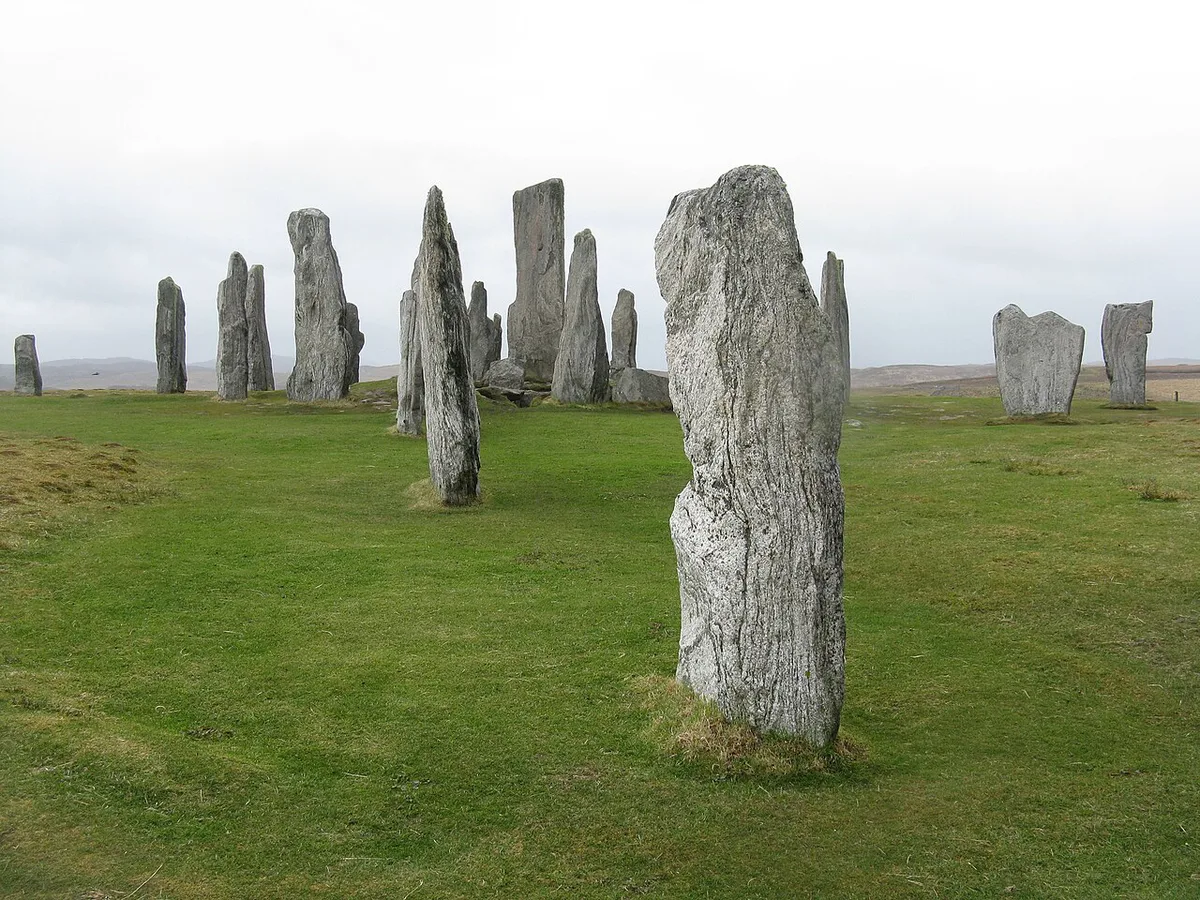
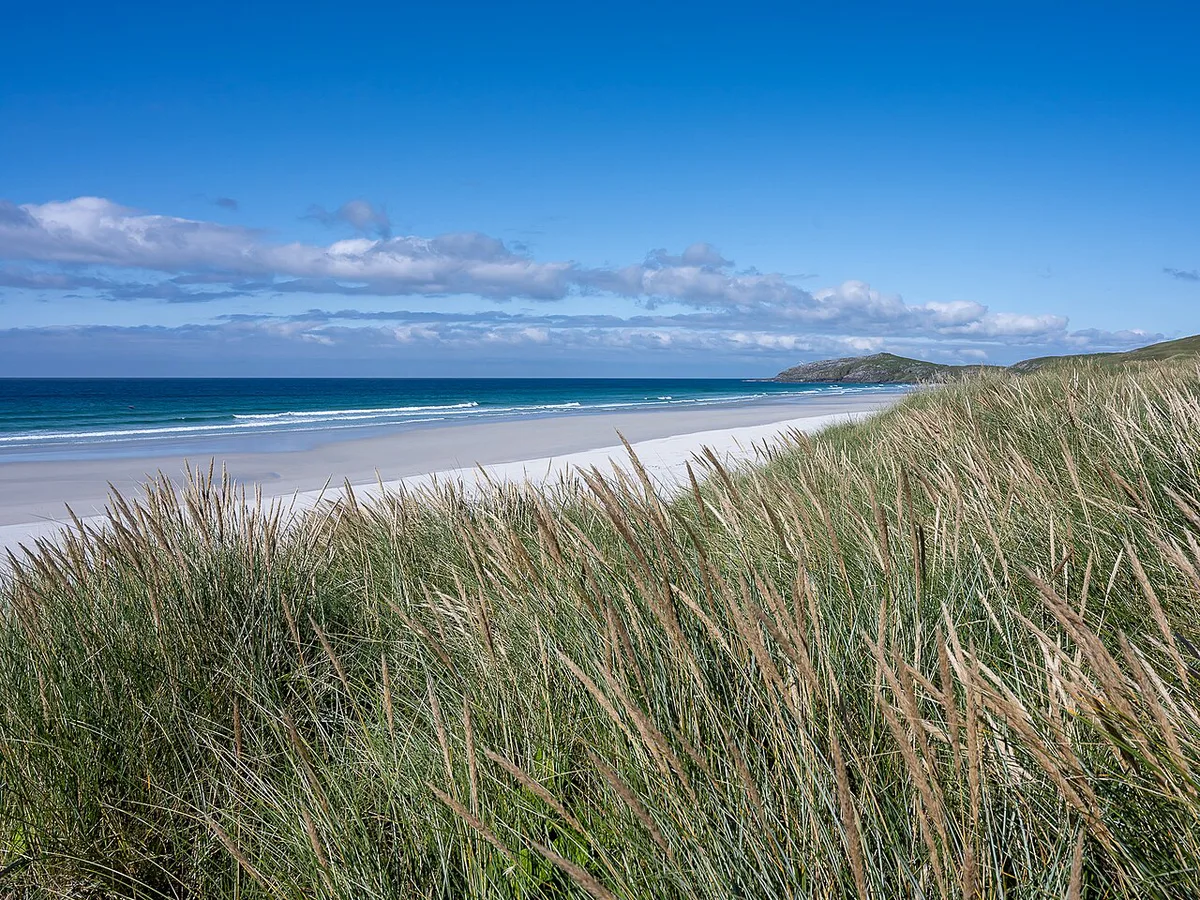
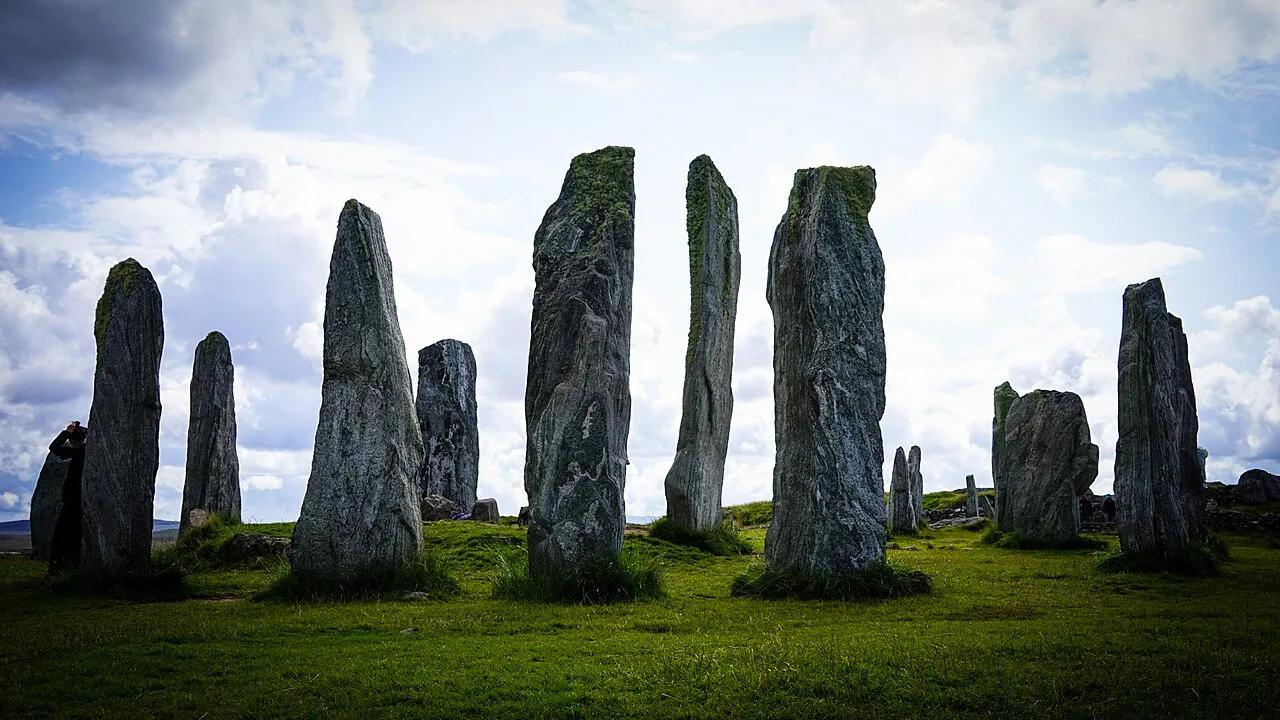
Harris and Lewis form one landmass and the main Outer Hebrides destination. Luskentyre beach is the best-known stop on Harris, and Callanish standing stones are the headline on Lewis. Stornoway is the practical hub for shops, services and ferries. Harris Tweed is a local craft, and the Harris Tweed Authority explains how it is certified.
Read our Harris and Lewis guide to plan routes. Skip it if you want a dense, compact trip. Distances are large and roads are mostly single track.
8. North Uist
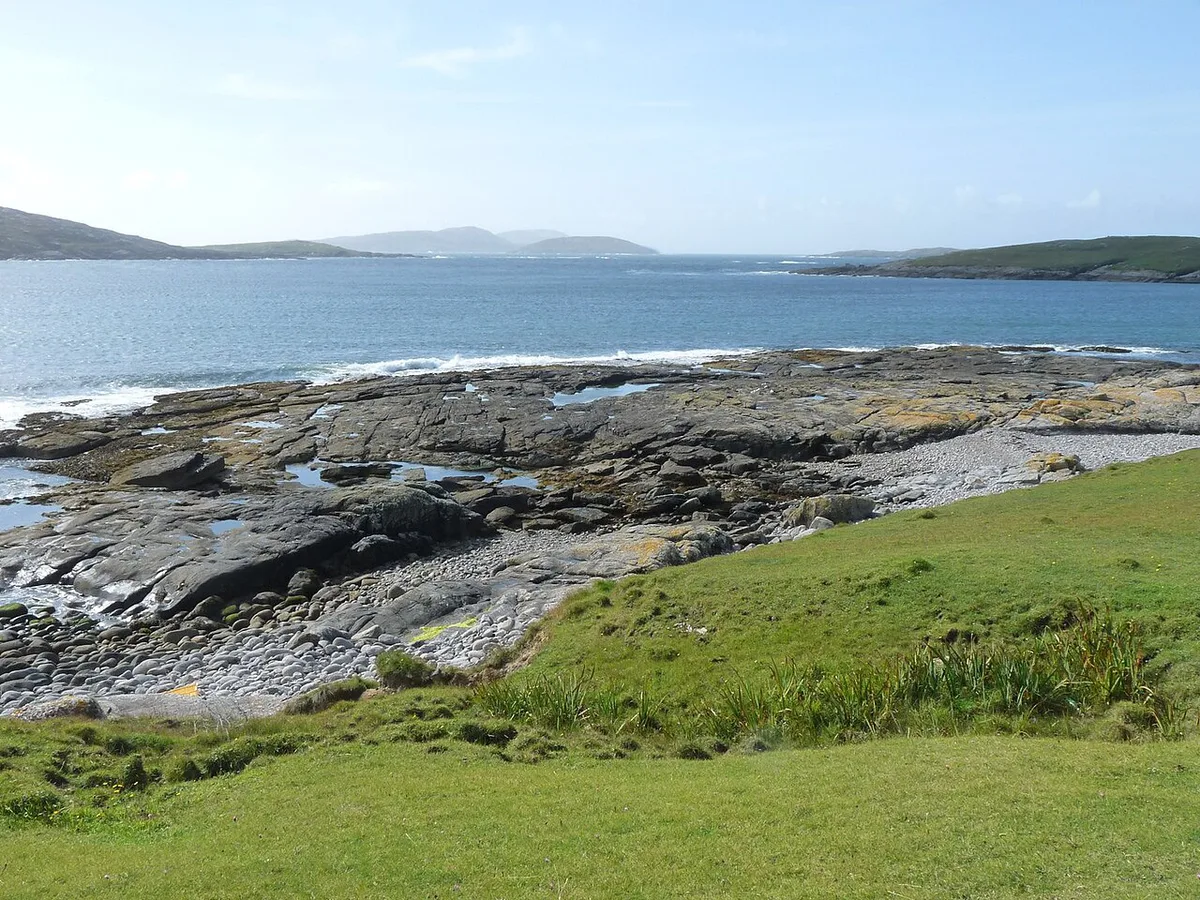
North Uist is a low, watery island dotted with lochs and lochans. It suits birdwatchers, walkers and anyone after open skies. Causeways link it to neighbouring islands, which makes island hopping easier here. Allow three days or more and bring a car.
Our North Uist guide has places to stop. Skip it if you need mountains or big attractions.
9. Barra
Barra is a small island at the southern end of the Outer Hebrides. It is known for its beach runway, used by scheduled flights. Its compact size means you can see much of it in a day or two. Flights depend on tides and weather, so keep your schedule flexible.
Our Isle of Barra guide covers how to get there. Skip it if you want long drives or varied landscapes.
10. St Kilda
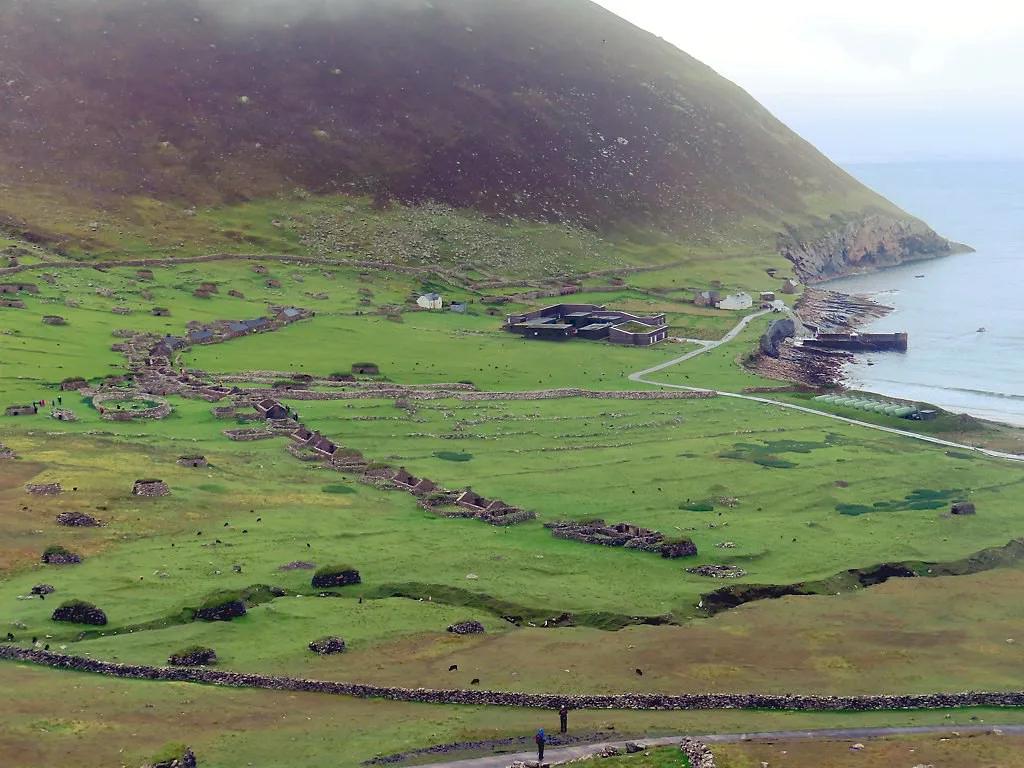
St Kilda is a remote island group far west of the Outer Hebrides. Treat it as a special excursion, not a casual add-on. Access depends on sea and weather conditions, and landing rules apply. Book early and keep spare days.
Details are in our St Kilda guide. Skip it if you are prone to seasickness or cannot afford schedule slippage.
Arran and Bute Are Not Hebrides
Arran and Bute are often grouped with the Hebrides, but both lie in the Firth of Clyde. They are easier to reach from the Glasgow side. See our Arran guide for hills and coastline. Bute has Mount Stuart, and Rothesay Castle is run by Historic Environment Scotland.
How to Plan Your Time
Pick one region per trip. A short trip works best with Mull plus a day on Iona or Staffa. A week in the Outer Hebrides suits Harris, Lewis and North Uist. Ferry timetables set your pace, so you cannot hop freely. Avoid cramming in too many islands. Book vehicle space on busy sailings, and keep a spare day for weather.
Plan a 7-day trip around ferry days, since fares depend on whether you take a car.
| Trip length | Suggested base | Notes |
|---|---|---|
| 3 days | Mull, with one day for Iona or a weather-dependent Staffa boat trip | Keeps ferry changes manageable |
| 5 days | One Outer Hebrides base, such as Harris and Lewis | Avoids daily accommodation changes |
| 7 days | Harris, Lewis and North Uist, with the causeway-linked Uists for a slower second half | Check every sailing before committing to onward accommodation |
Costs, Tickets and Booking
Ferry fares depend on route, season and whether you take a car. Check current fares and timetables on the CalMac website. Vehicle space and summer accommodation sell out first, so book those before anything else. Small islands like Colonsay and Jura have limited beds. Whisky tours on Islay also need advance booking.
When to Go and What Weather to Expect
Late spring to early autumn has the longest daylight and the most reliable sailings. Summer can bring midges, and wind affects ferries and small boats in every season. Shoulder months are quieter but offer fewer services. Pack waterproofs whatever the month. VisitScotland's Outer Hebrides page is a good starting point for seasonal planning.
Getting Around and Where to Stay
A car makes most islands easier, especially Lewis, Harris and the Uists. Roads are mostly single track with passing places, so pull in to let others pass. Buses and bike hire work on some islands but run less often. Wild camping is covered by the Scottish Outdoor Access Code, so read its rules before pitching. Outer Hebrides Tourism lists places to stay.
With 5 days, pick one Outer base, not the full chain. Single-track roads make a car especially useful.
Sample Hebrides trip lengths: 3, 5 and 7 days
A 3-day break works best in the Inner Hebrides. Base yourself on Mull, then reserve one day for Iona or a weather-dependent Staffa boat trip. This keeps ferry changes manageable and leaves time for disrupted sailings.
With 5 days, choose a single Outer Hebrides base rather than attempting the full chain. Harris and Lewis offer beaches, Callanish and Stornoway’s services without requiring daily accommodation changes. A car is particularly useful because distances are substantial and many roads are single track.
A 7-day trip gives enough slack for Harris, Lewis and North Uist. Use the causeway-linked Uists for a slower second half, but check every sailing before committing to onward accommodation. Keep at least one flexible day where possible, especially when a small-boat crossing or St Kilda excursion is part of the plan.
Across the water, the west coast of Ireland has its own Atlantic islands; see our guide to Irish islands and how to reach them.
Frequently Asked Questions
What is the largest town in the Hebrides?
Stornoway, on the Isle of Lewis, is the main town in the Outer Hebrides. It is the practical hub for shops, services and ferries.
Explore More Guides
Keep planning your trip with these guides.
Guides
- Isle of Mull Travel Guide
- Isle of Islay Travel Guide
- Outer Hebrides Travel Guide
- St Kilda Scotland: How to Get There and What to See
- Isle of Arran Travel Guide
- Isle of Harris and Lewis: Travel Guide, Getting There and Where to Stay
- Inner Hebrides Guide
- Isle of Bute Guide
- Isle of Iona Travel Guide
- Isle of Jura Guide
- Isle of Barra Guide
- Staffa Island Guide
- North Uist Travel Guide
- Colonsay Travel Guide
Useful notes for your next island trip
Optional updates to our guides.
You might also like
Continue reading
More guides you'll find useful