
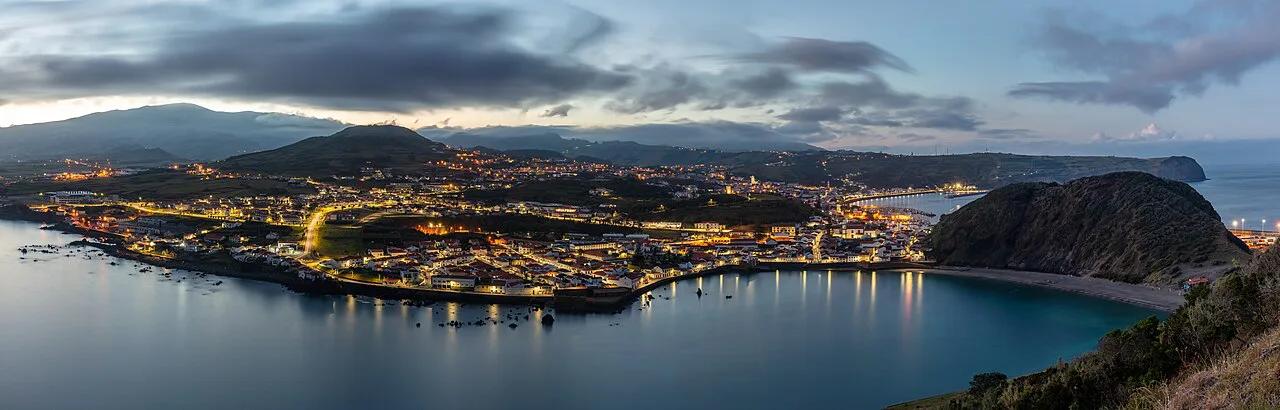
9 Azores Islands: Which to Visit, Travel Guide
Compare all nine Azores islands. See which suit your trip length and season, how to hop between them, and what drives costs.
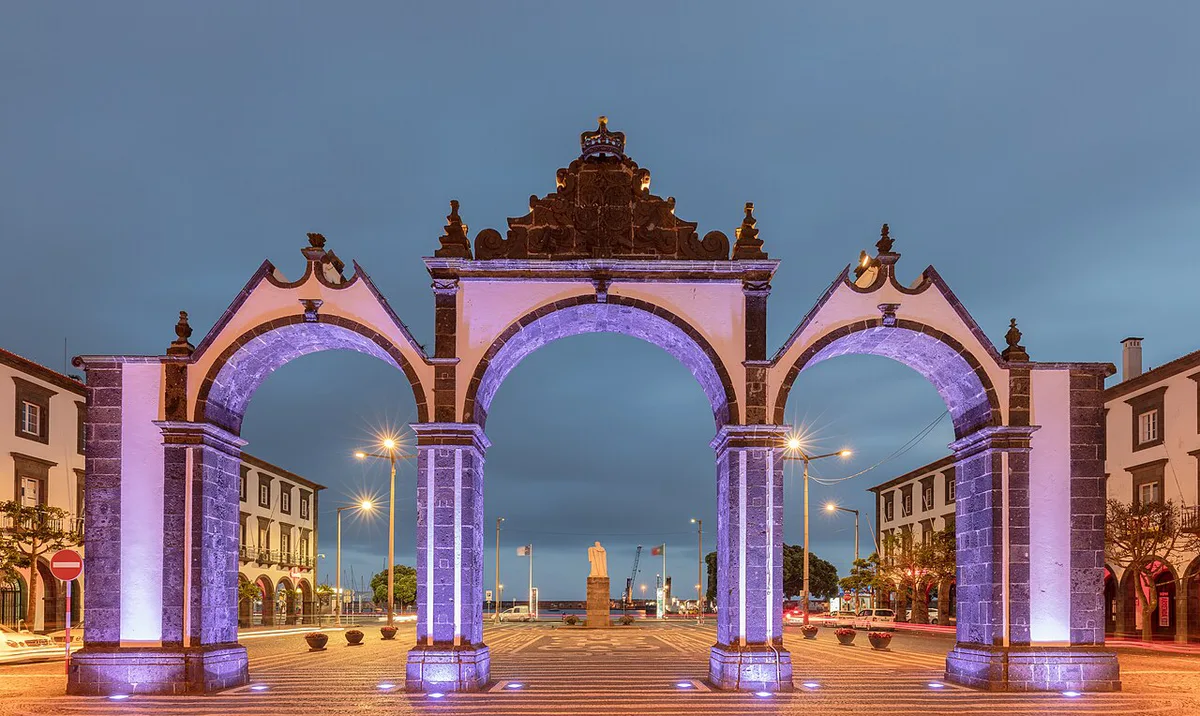
On this page
Last updated November 2026: the Azores islands are a Portuguese archipelago of nine islands in three groups, eastern, central and western. Most visitors pick one to three islands, and the right choice depends on trip length, interests and season. Use the chooser table below, then follow the island guides for detail.
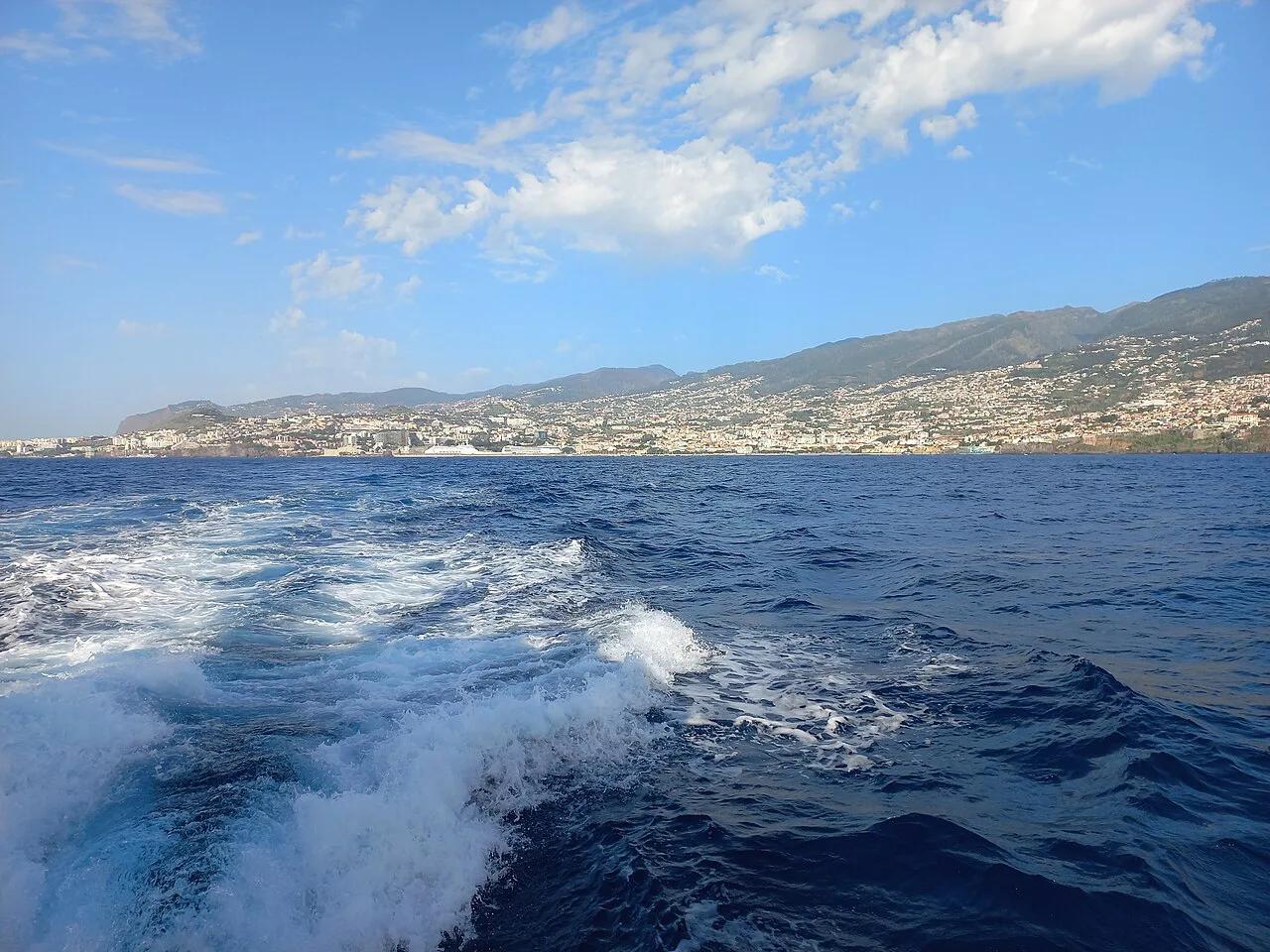
Featured image: Diego Delso, CC BY-SA 4.0, via Wikimedia Commons.
Which Azores Islands Should You Visit?
Start with your main interest, then match it to a row. Minimum nights are our editorial judgment, not an official figure. São Miguel is the default for a first trip, and the other eight islands reward travelers who already know what they want.
| Group | Island | Best for | Minimum nights (editorial) | Guide |
|---|---|---|---|---|
| Eastern | São Miguel | First trip, lakes, thermal baths | 3 | São Miguel guide |
| Eastern | Santa Maria | Quiet add-on | 1 | Santa Maria guide |
| Central | Terceira | History and town life | 2 | Terceira guide |
| Central | Pico | Hiking and wine | 2 | Pico guide |
| Central | Faial | Marina, whales, volcano scenery | 2 | Faial guide |
| Central | São Jorge | Coastal hiking | 2 | São Jorge guide |
| Central | Graciosa | Quiet and remote | 1 | No dedicated guide yet |
| Western | Flores | Crater lakes and waterfalls | 3 | Flores guide |
| Western | Corvo | Remote, smallest island | 1 | Corvo guide |
9 Azores Islands, Grouped From East to West
Island facts and schedules checked November 2026. Each entry below covers what the island is known for, who it suits and who should look elsewhere. Detail lives in the linked island guides.
Compare São Jorge's cliffs at 1,000 m (roughly 3,300 ft) with Pico's climb to over 2,350 m (about 7,700 ft) for two very different hiking days.
1. São Miguel (Eastern group)
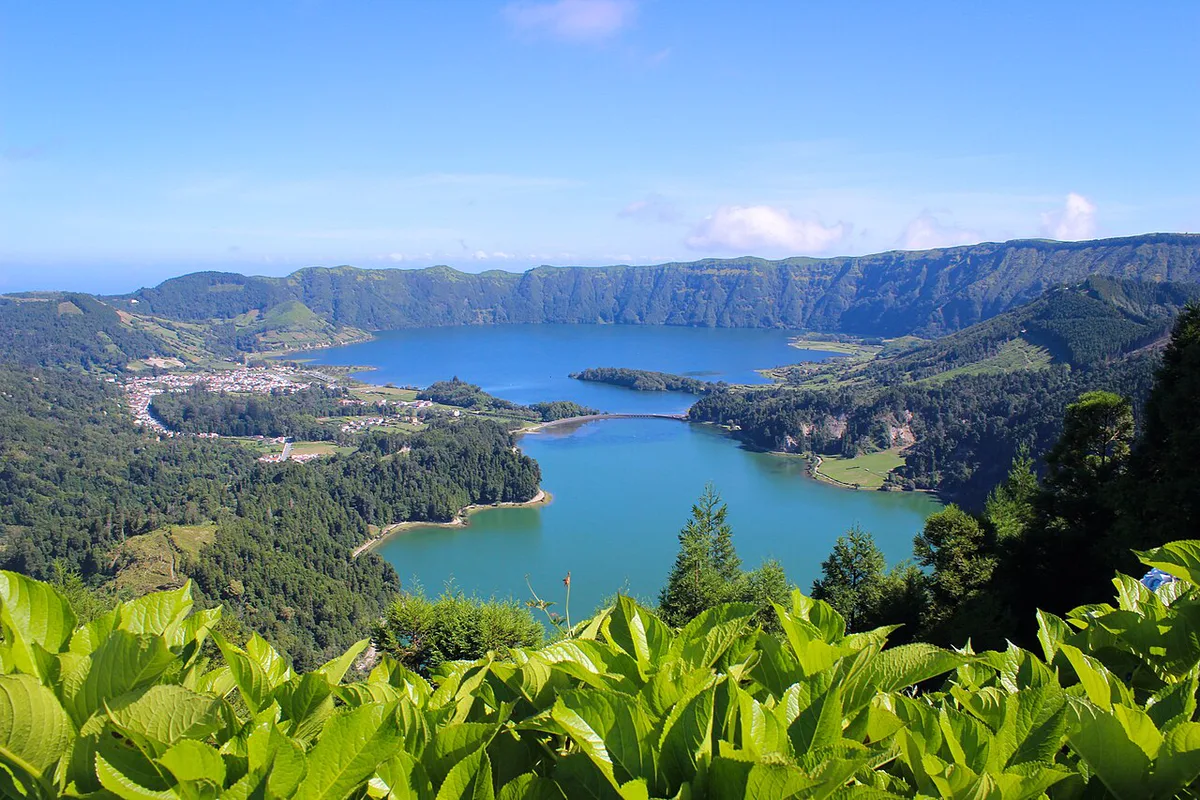
São Miguel is the largest island, at about 750 km² (roughly 290 square miles), and it holds the capital, Ponta Delgada. Sete Cidades has the twin lakes Lagoa Azul and Lagoa Verde, and Furnas has thermal baths, including the Terra Nostra park. Most visitors land at Ponta Delgada airport, which makes the island a practical base for a first trip.
A rental car gives you the most freedom, while organized tours cover Sete Cidades and Furnas in a day. Travelers chasing total quiet should look at Santa Maria or the western pair instead.
2. Santa Maria (Eastern group)
Santa Maria is the second eastern island, and you reach it from São Miguel by air rather than by ferry. Its appeal is scale: village churches and old windmills rather than big volcano scenery.
Give it one or two nights after São Miguel for a slow end to a trip. Hikers wanting crater lakes and high peaks should head to Flores or Pico instead.
3. Terceira (Central group)
Terceira anchors the central group with Angra do Heroísmo, a UNESCO-listed historic center. Its old town has fortifications, a military college and a museum, so a day on foot there pays off.
Terceira suits travelers who like history and town life more than summit hikes. Skip it if volcano hiking is the whole point of your trip, since Pico and São Jorge offer more of that.
4. Pico (Central group)
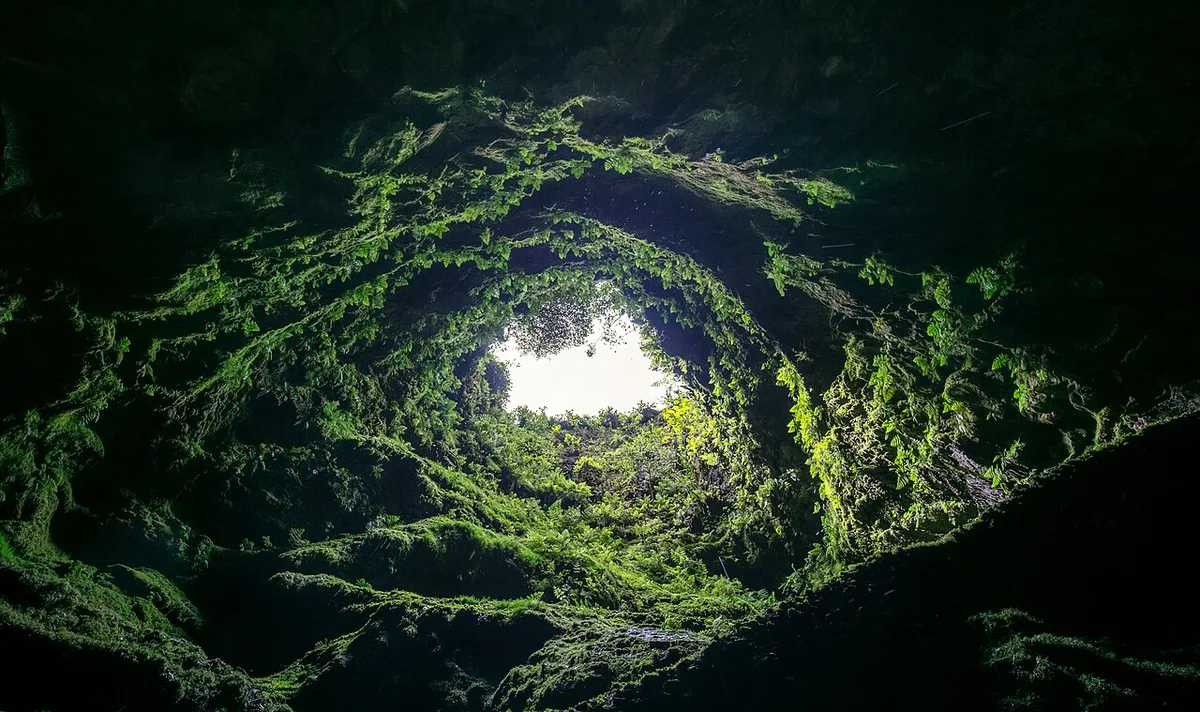
Pico holds the highest point in Portugal, a mountain rising to over 2,350 m (about 7,700 ft). Its vineyard landscape, planted in small plots walled with black basalt, has been UNESCO-listed since 2004. Higher slopes give views toward Faial and São Jorge, and the island is known for the verdelho grape.
Plan two or three nights to fit a climb and a day among the vines. Anyone uneasy with long, weather-dependent climbs can still enjoy the vineyards and the coast.
5. Faial (Central group)
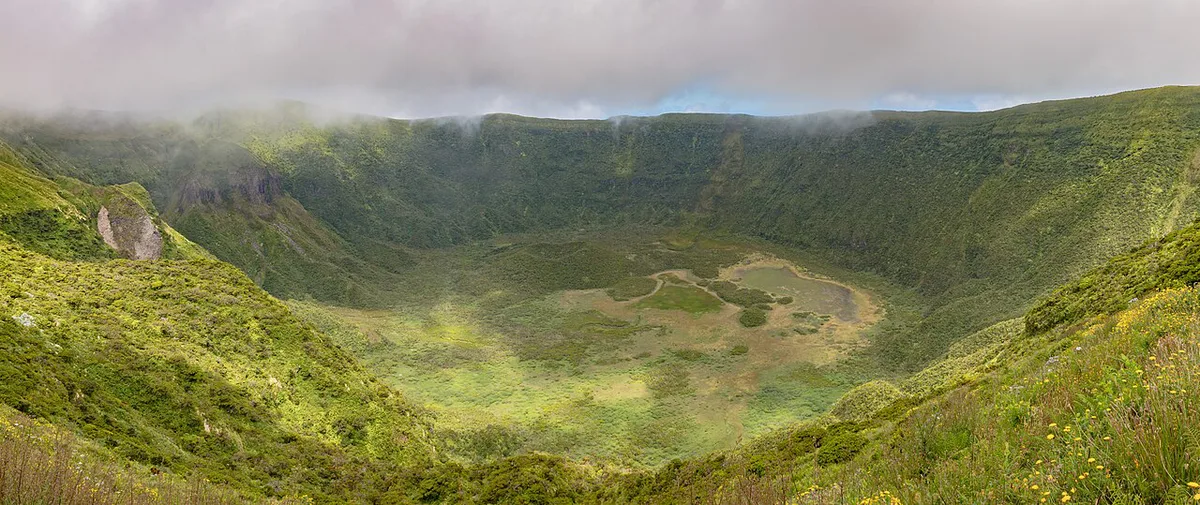
Faial is nicknamed the Blue Island for the hydrangeas that bloom in summer. Horta's marina is the social center, while Capelinhos and the Caldeira cover the volcanic side. Cabeço Gordo, the Caldeira's peak, reaches 1,043 m (about 3,400 ft).
Whale and dolphin trips are popular in the surrounding waters. Those who want thermal baths should stay on São Miguel.
6. São Jorge (Central group)
São Jorge is a narrow island of fajãs, coastal platforms formed where lava flows or landslides meet the sea. Villages sit beneath cliffs rising to about 1,000 m (roughly 3,300 ft), and marked trails lead down to them. Local surfers brave its waves, and São Jorge cheese is the specialty to try.
Walkers get the most from it. Travelers who prefer sightseeing from a car window will find less to do.
7. Graciosa (Central group)
Graciosa is a small island and a UNESCO Biosphere Reserve since 2007. Its caldeira sits in an old volcanic crater, and the Furna do Enxofre cave holds an underground lake. Scuba diving and paragliding are the active options.
Add it only on a longer trip. Short-break travelers can save it for a return visit.
8. Flores (Western group)
Flores is the western island of crater lakes and waterfalls. Pair it with neighboring Corvo, and give it at least three nights so one weather day does not sink the plan.
It rewards slow walking more than ticking off sights. Travelers on a tight schedule should avoid it, because weather can cancel flights and ferries.
9. Corvo (Western group)
Corvo is the smallest island in the archipelago, and its weather is extremely changeable. On a clear day the high viewpoint over the island is the reason to come.
Treat it as an add-on to Flores, not a standalone stop. Visitors who need a fixed itinerary should not plan a day trip with no weather buffer.
How Many Azores Islands Can You Fit In Your Trip?
Fewer islands almost always make a better trip. As an editorial rule, a long weekend suits one island, 5 to 7 days suit two, and 10 or more days can stretch to three or four. Each extra island adds transfers, and weather can eat a day. Avoid these common mistakes:
On any trip of 10 or more days, pair Flores with Corvo, but give Flores at least three nights to absorb a weather day.
- Trying three or more islands in a single week.
- Skipping a buffer day around ferry or flight connections.
- Planning a day trip only to a far island such as Corvo.
- Fixing viewpoint days without allowing for weather.
Getting Between the Azores Islands
Flights link the island groups, and the regional carrier is Azores Airlines (SATA). Ferries run seasonally and only between some islands, mainly in the central group. Santa Maria is reached from São Miguel by air, not by ferry. Visit Azores lists current transport options, so check schedules there before booking. Fog and wind can cancel both flights and ferries, so keep a spare day before any flight home. Your first leg from the mainland is covered in our guide to getting to the Azores.
When to Go and What It Changes
Summer brings the best chance of settled weather and the busiest ferry timetables. Shoulder months trade some certainty for quieter islands. Weather can change quickly on any island, so build flexibility into every plan. Our best time to visit page weighs the seasons, and monthly weather goes deeper. For an off-season angle, read about visiting in March. Official climate data comes from IPMA.
Azores Cost Drivers: Where the Money Goes
Three choices move your budget most. Flights and car rental come first, because most islands need a car and São Miguel's tours and Furnas are the main exception. Visiting several islands adds inter-island fares and extra nights compared with staying on one. Accommodation location matters too, since staying in a town saves on driving but may cost more per night. Current fares and rates change by season, so check the operators before you book.
Azores or Madeira?
Both are Portuguese Atlantic archipelagos, but the Azores spread across nine islands in three groups, which makes island choice the central decision. Madeira is more compact, as the official Madeira site shows. Our Azores versus Madeira comparison sets them side by side.
For a warmer Atlantic alternative with year-round sun, see our guide to the Canary Islands, which are Spanish and sit off the coast of Africa.
Frequently Asked Questions
Is it easy to get to the Azores from Portugal?
Yes, flights from the mainland land at airports such as Ponta Delgada on São Miguel. Our getting there guide covers the routes.
Can you swim in the ocean in Azores?
Yes, but the water is cold. Dolphin-swimming boat trips supply wetsuits.
Are the Azores islands a country?
No. The Azores are an autonomous region of Portugal made up of nine islands.
Explore More Guides
Keep planning your trip with these guides.
Guides
- São Miguel Azores Guide
- Terceira Island Travel Guide
- Pico Island, Azores
- Corvo Island Guide
- Best Time to Visit the Azores
- Flores Island Azores: Trails, Waterfalls & Corvo
- Santa Maria Azores: Island Guide, Getting There and Where to Stay
- Azores Weather by Month: Temps, Rain & Best Time to Go
- How to Get to the Azores: Flights, Routes & Island Hopping
- Faial Island Travel Guide
- Azores vs Madeira: Which Island Fits Your Trip?
- São Jorge, Azores
- Azores in March: Weather, What's Open & Who Should Go
Useful notes for your next island trip
Optional updates to our guides.
You might also like

Continue reading
More guides you'll find useful