
Best Time to Visit the Azores: By Month and Island
Best time to visit the Azores: May to October for sun, January and February for the lowest prices, plus which island suits each month.
On this page
Last updated November 2026. The best time to visit Azores is May to October, with June to September the safest window for sun, swimming and hiking. Shoulder months May and October trade a little weather risk for fewer crowds, and January and February are the cheapest. Use the tables below to match your month to an island and an activity.
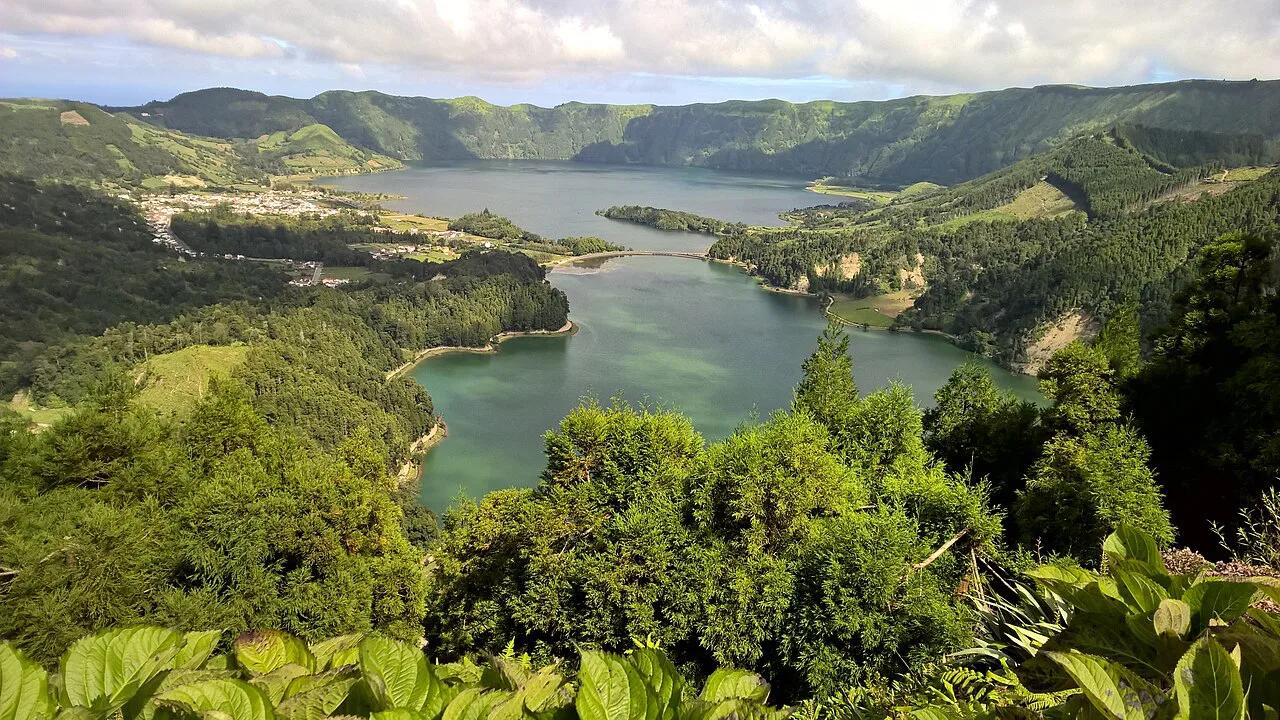
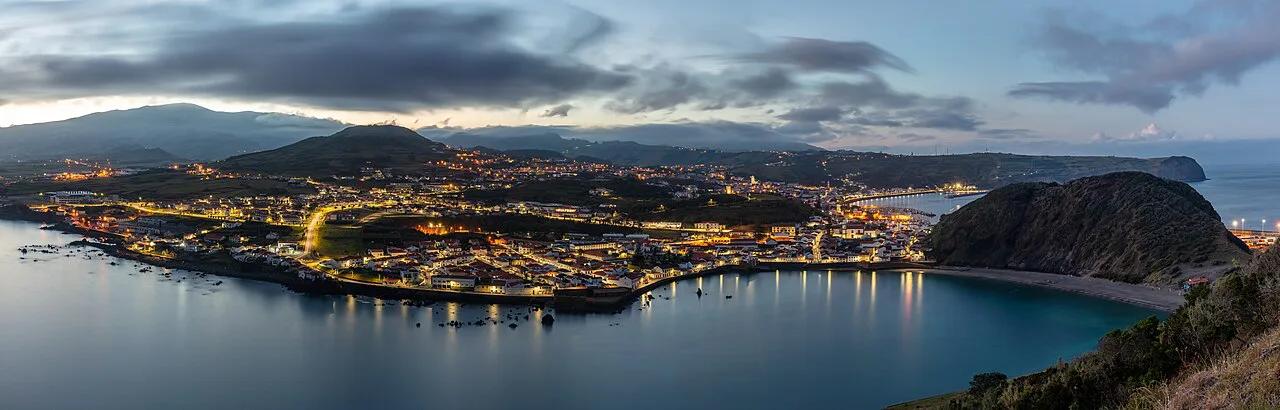
Featured image: Descobrimentos novos, CC BY-SA 4.0, via Wikimedia Commons.
Quick answer: the best time to visit the Azores
Pick June to September for maximum sun odds. Pick May or October for a balance of mild weather and lower prices. Pick January or February for maximum value, accepting rain on most days. Prices and weather figures below were checked November 2026. The Azores islands overview helps you choose where to base yourself, and Azores versus Madeira covers the alternative.
| Goal | Best months | Why |
|---|---|---|
| Hiking | June to September | Drier trails and clearer views |
| Swimming | July to September | Warmest sea of the year |
| Whale watching | April to September | Calmer seas; large migrants arrive from March |
| Hot springs | November to March | Cool air makes the pools the highlight |
| Lowest prices | January and February | Quietest months outside holidays |
| Fewest crowds | November to March | Empty viewpoints at Sete Cidades |
| Photography | May and October | Soft light, green landscapes |
Month-by-month snapshot
Figures below are typical Ponta Delgada averages on São Miguel. Check IPMA climate data for official normals. Higher ground, such as the crater lakes, runs cooler and wetter. The full year sits in our Azores Weather by Month: Temps, Rain & Best Time to Go guide. March, the transition month, has its own page: Azores in March: Weather, What's Open & Who Should Go.
| Month | High / low | Rain | Sea |
|---|---|---|---|
| November | 19°C (66°F) / 15°C (59°F) | About 120 mm | 19°C (66°F) |
| December | 18°C (64°F) / 14°C (57°F) | About 120 mm | 18°C (64°F) |
| January | 17°C (63°F) / 13°C (55°F) | About 110 mm | 17°C (63°F) |
| February | 17°C (63°F) / 12°C (54°F) | About 80 mm, driest winter month | 16°C (61°F) |
| March | 17°C (63°F) / 12°C (54°F) | About 85 mm | 16°C (61°F) |
Season by season: what you trade off
Winter (December to March) brings about 3 hours of sun a day and rain on 11 to 14 days a month. Sea at 16°C (61°F) is too cold for most swimmers. Summer (June to September) offers the best odds of sun, the warmest sea and the highest prices. Spring (April and May) and autumn (October and November) sit between the two. Both suit travellers who can tolerate a wet day and want quieter trails.
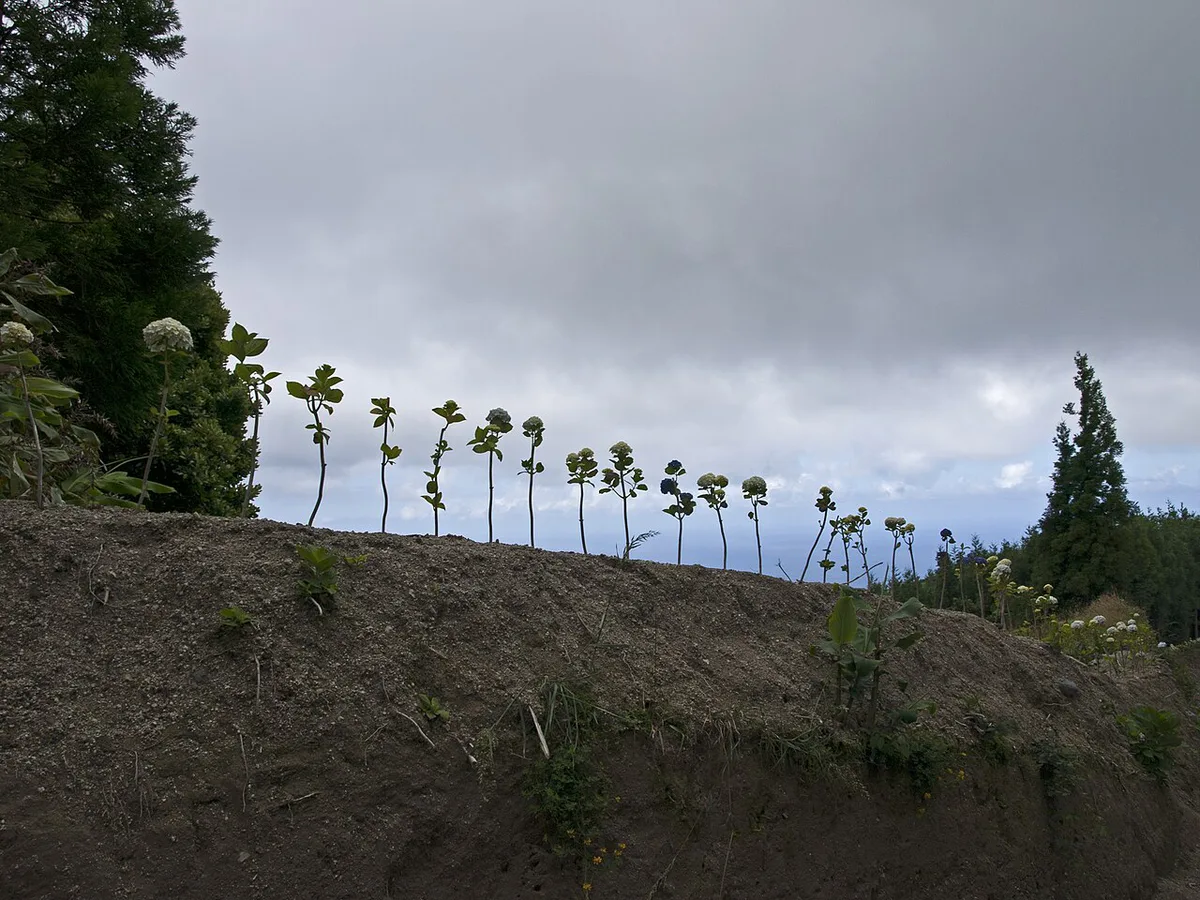
- Spring: good for whale watching and green hillsides, with mixed weather.
- Summer: book early; ferries and flights are busiest.
- Autumn: mild sea, fewer crowds, more rain from November.
- Winter: hot springs, waterfalls at full flow and empty viewpoints.
Best time by activity
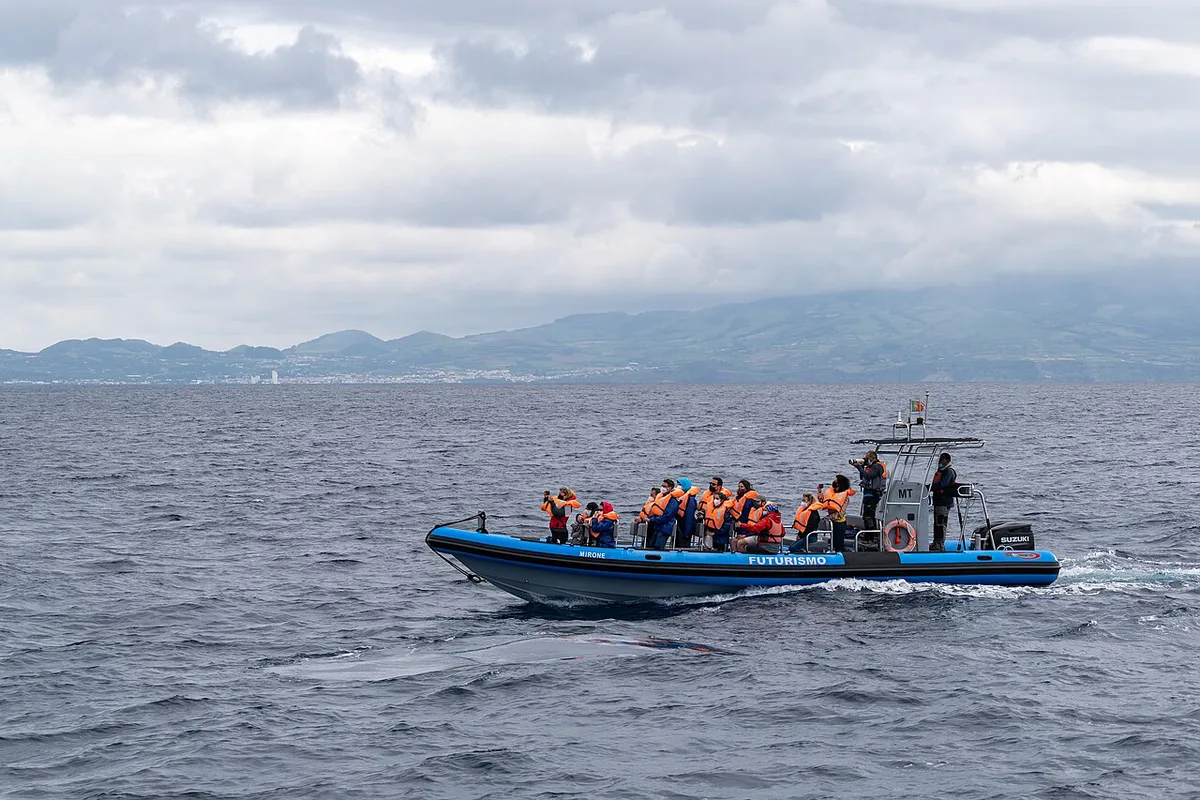
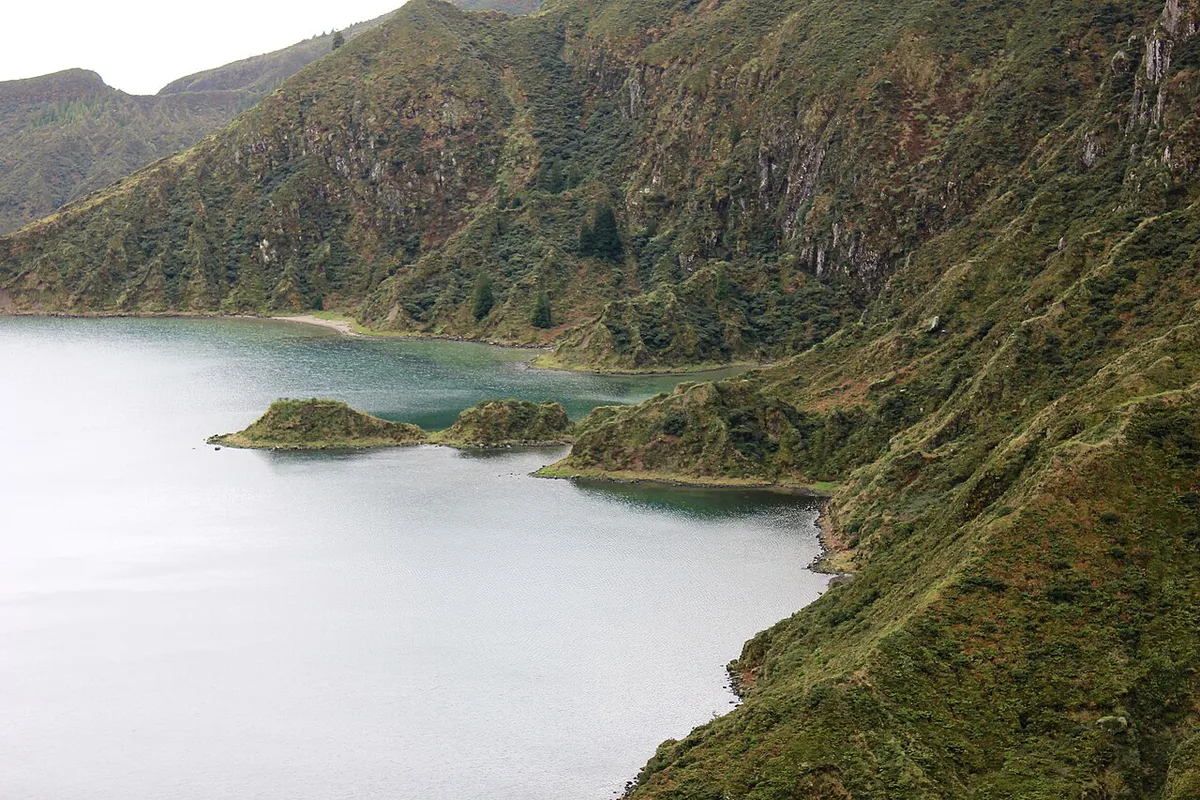
Hiking is best from June to September, though trails stay open most of the year. Many become muddy in winter, and some close after storms. Check trail status on Visit Azores before you set out. Sperm whales are present all year, and boats from Ponta Delgada go out on calm days. Large migrating whales such as blue, fin and sei start arriving from March. Boat trips get cancelled in rough seas, so book early in your stay to leave room for a second try. Guided cave and volcano visits keep fixed hours that suit spring and summer. Swimming works best from July to September. In the Furnas valley, hot springs are best in winter.
Rain falls on 11 to 14 days a month in winter, the same season the Furnas hot springs are best.
Best time by island
São Miguel and Terceira are the easiest islands in winter, with the most flights and open restaurants. Flores and Corvo are the most exposed, and winter flights there are often delayed or cancelled. Plan summer for those two. The guide to flights to the Azores covers seasonal access.
| Island | Best months | Winter risk |
|---|---|---|
| São Miguel | May to October; hot springs year-round | Low |
| Terceira | May to October; February for Carnival | Low to moderate |
| Pico | June to September for the mountain | Climb only in good weather |
| Faial | June to September | Moderate |
| São Jorge | June to September | Moderate |
| Santa Maria | June to September | Moderate |
| Flores | July to September | High |
| Corvo | July to September | High |

When it's cheapest, and when to book
January and February are the cheapest months, followed by November and early December. Peaks fall in summer, at Christmas and New Year, and at Easter. As an illustrative planning example, a mid-range hotel might run near €90 a night in January against €150+ in July. Treat those as budgeting placeholders rather than quoted rates. Book summer flights, rental cars and inter-island ferries well ahead. A rental car costs more than tours but lets you chase the sun, which matters most in winter.
Events that can decide your dates
Winter brings Christmas lights, a New Year's Eve concert with fireworks over Ponta Delgada harbour, and Carnival on Terceira. Carnival runs from Saturday to Tuesday, and its 2027 dates are reported as 6 to 9 February. Carnival dates change every year, so confirm them before booking. For summer festivals, use the official events calendar on Visit Azores.
Terceira's Carnival is reported for 6 to 9 February 2027, inside the cheapest window, so confirm those dates first.
Mistakes to avoid when choosing your dates
Weather is local. Atlantic fronts pass every few days, and the north coast can be sunny while Ponta Delgada is wet. Crater lakes and mountains sit in cloud more often than the coast. Judging the whole archipelago by one island's forecast is the most common error.
- Booking Flores or Corvo in winter with a tight return flight.
- Packing for beach weather instead of a waterproof jacket and layers.
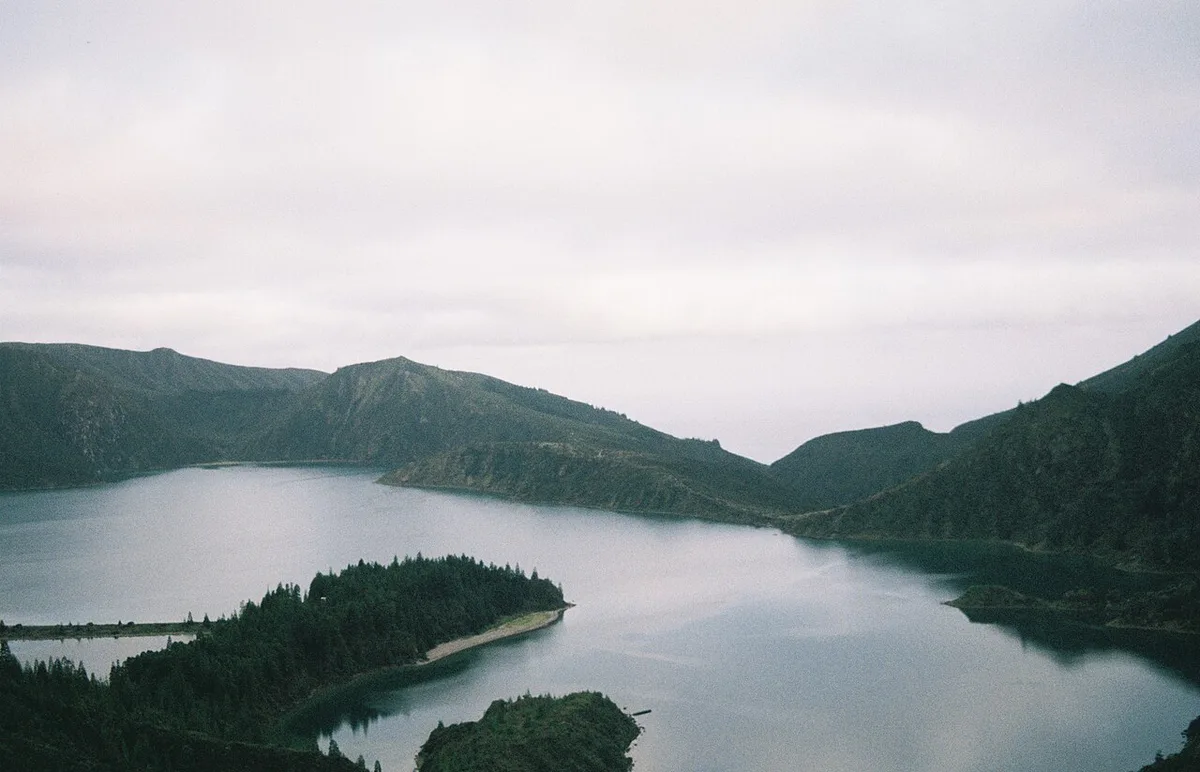
- Planning one rigid day for Sete Cidades or Lagoa do Fogo; keep a spare day and check webcams.
- Staying fewer than three days on São Miguel, which leaves no room to redo a foggy viewpoint.
Sample picks by traveller type
Match your profile to a window and an island, then adjust for flexibility.
| Traveller | Window | Island | Reason |
|---|---|---|---|
| First-timer | June to September | São Miguel | Most flights, most variety |
| Hiker | June to September | Pico or São Miguel | Best trail conditions |
| Budget traveller | January to February | São Miguel | Lowest prices, hot springs |
| Whale-watcher | April to September | São Miguel | Calmer seas, more species |
| Honeymoon | May or October | Terceira | Mild weather, fewer crowds |
| Photographer | May or October | Faial | Clear air after fronts, green landscapes |
How many islands to visit: match your plan to the season
Keep an Azores itinerary simple when weather reliability matters. Give São Miguel at least 3 days, so you can revisit a foggy viewpoint on a clearer day. It is also the practical winter base, alongside Terceira, because both have more flights and open restaurants.
From June to September, conditions make multi-island trips easier. Add Pico, Faial or São Jorge when you have enough flexibility for changed transport plans. Ferries and inter-island flights are busiest in summer, so reserve connections early.
Save Flores and Corvo for July to September if possible. They are the most exposed islands, and winter flights can be delayed or cancelled. Avoid a tight onward flight after visiting either island.
- December to March: focus on one main island and leave spare time.
- June to September: consider two or more islands, with transport booked ahead.
- January and February: choose São Miguel for lower costs and a more resilient plan.
Frequently Asked Questions
What is the high season in the Azores?
High season runs from June to September, when sun odds and sea temperatures peak. Prices also rise at Christmas, New Year and Easter. May and October work as quieter shoulder months with milder crowds.
Useful notes for your next island trip
Optional updates to our guides.
You might also like

Continue reading
More guides you'll find useful