
Pico Island, Azores: Mount Pico, Wine and Trip Planning
Plan Pico Island in the Azores: climbing Mount Pico, vineyard wine, whale watching, how to get there and how long to stay.
On this page
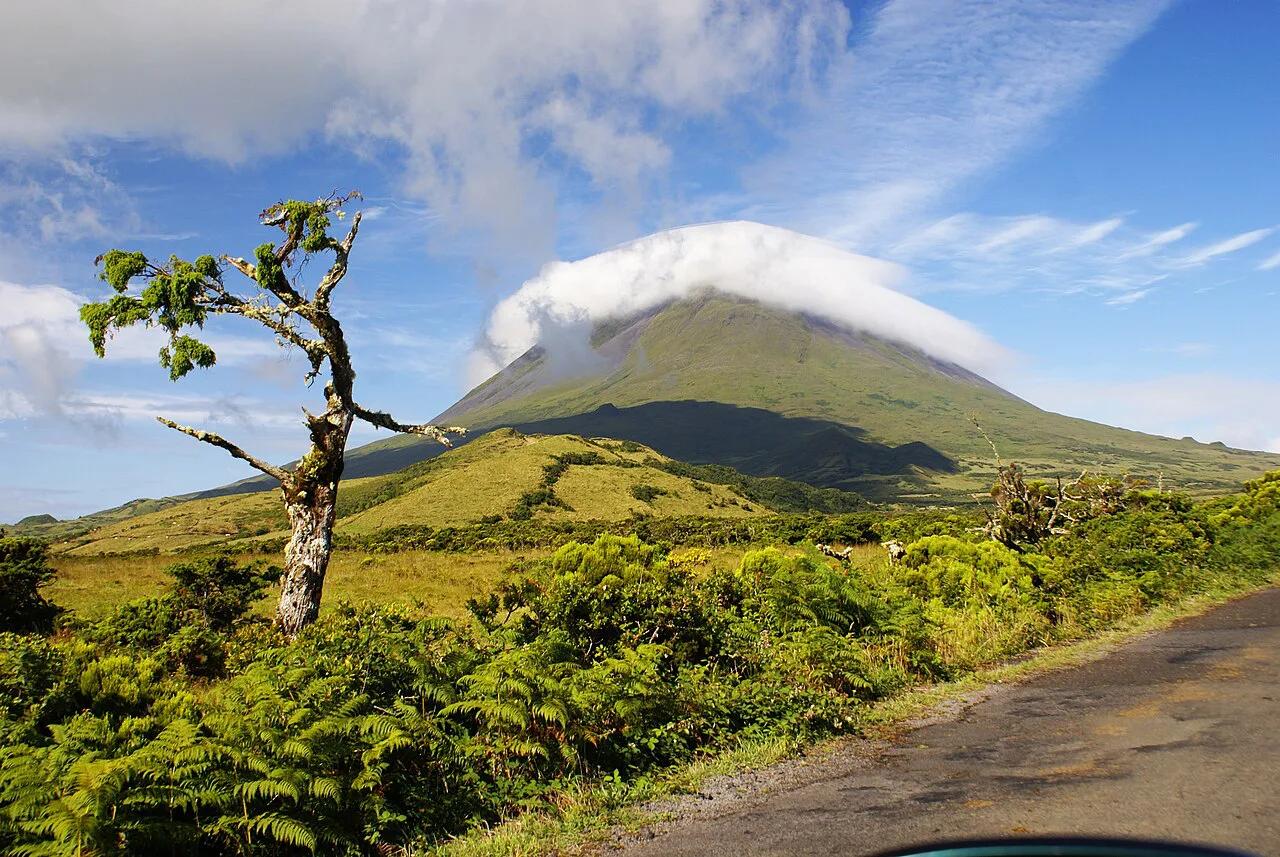
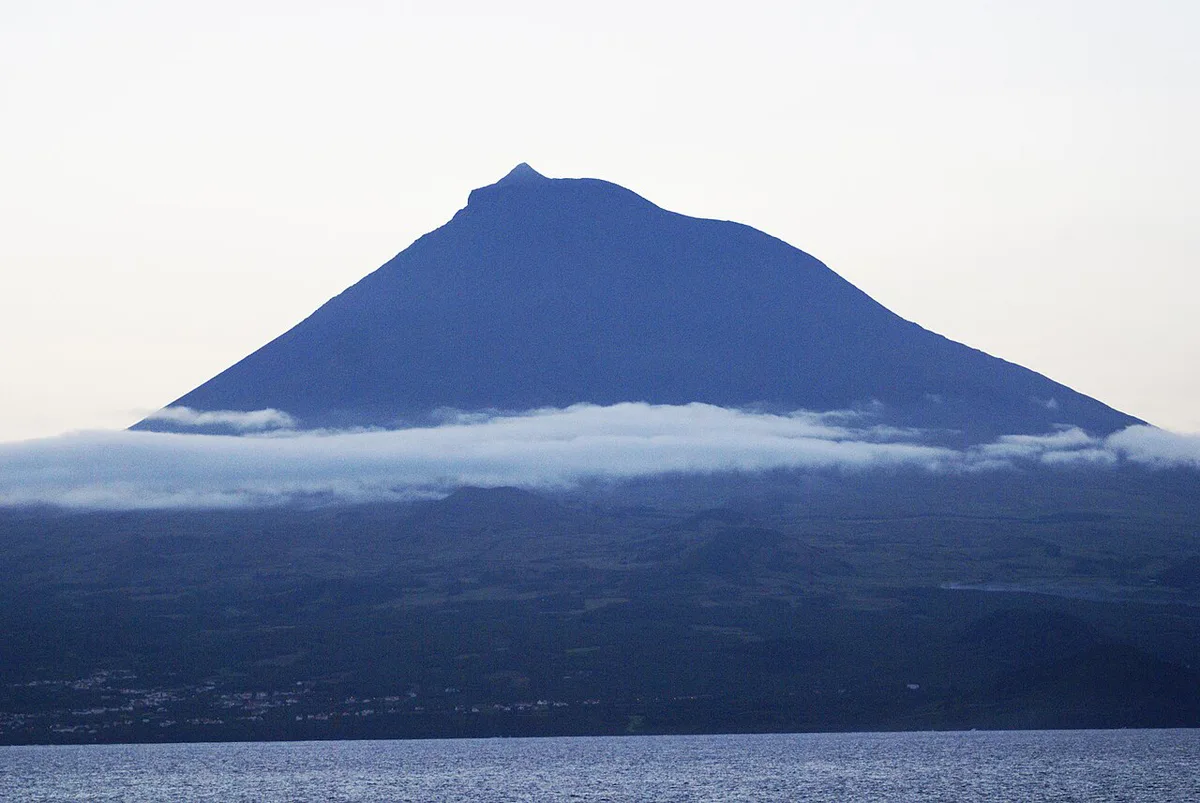
Last updated November 2026: pico island is the Azores' hiking, wine and whale-watching island, home to Mount Pico at 2,351 m, Portugal's highest peak. It suits walkers, wine drinkers and wildlife watchers better than beach or nightlife seekers. Use this guide to pick a stay length and a base, and to see how Pico fits the wider Azores archipelago.
Featured image: José Luís Ávila Silveira/Pedro Noronha e Costa, Public domain, via Wikimedia Commons.
Pico Island at a Glance
Pico Island sits in the central Azores, part of Portugal's Atlantic archipelago. One volcano dominates the skyline: Mount Pico, rising to 2,351 m. Black lava walls shelter vineyards along the coast, and Lajes do Pico is a former whaling village. Plan around hiking, wine and sea wildlife. For the full island map, start at our Azores island guide.
- Suits: hikers, wine drinkers, whale watchers and anyone who likes a quiet, volcanic landscape.
- Skip if: you want sandy beaches, nightlife or a long list of indoor sights.
- Main trade-off: the best experiences, the summit above all, depend on clear weather.
Best Things to Do on Pico
Pico rewards a mix of mountain, vineyard and sea days. Mount Pico is the headline, but the lava-stone vineyard landscape and the whale-watching coast fill the rest of a stay. Weather decides the order, so keep one flexible day.
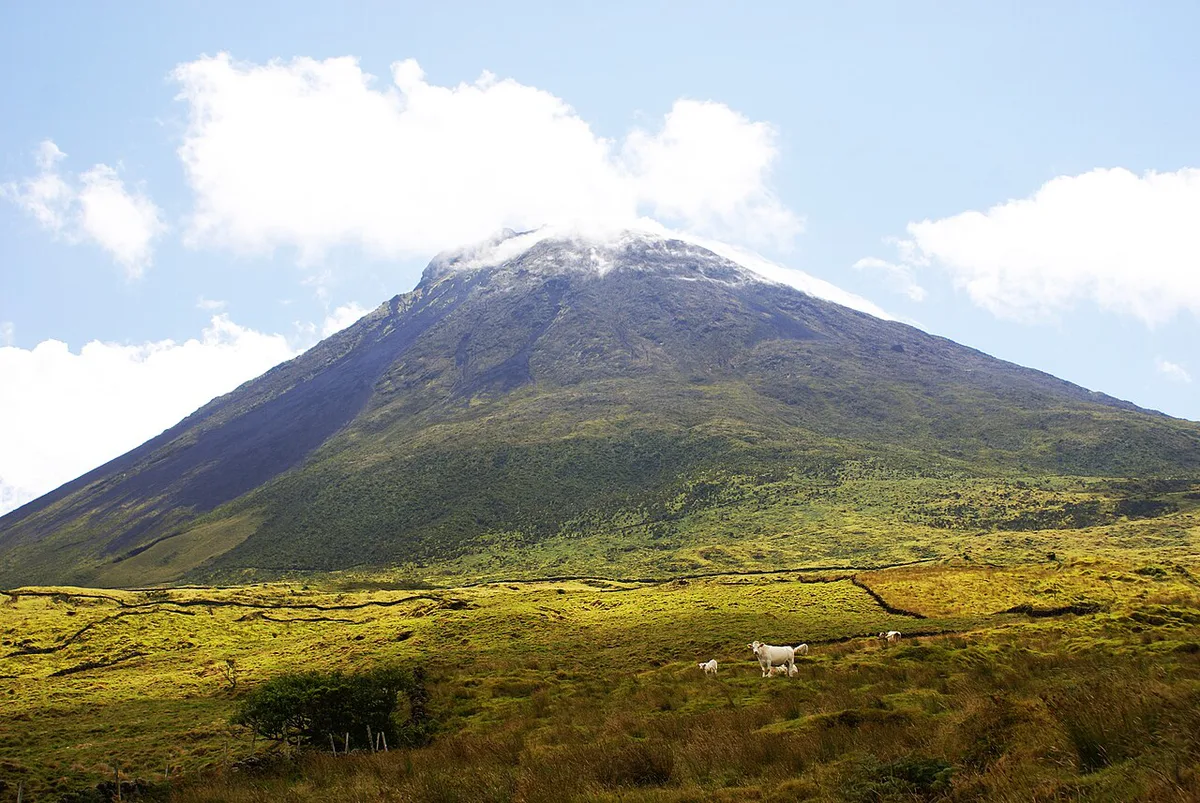
- Mount Pico: the summit climb to 2,351 m is the island's signature outing.
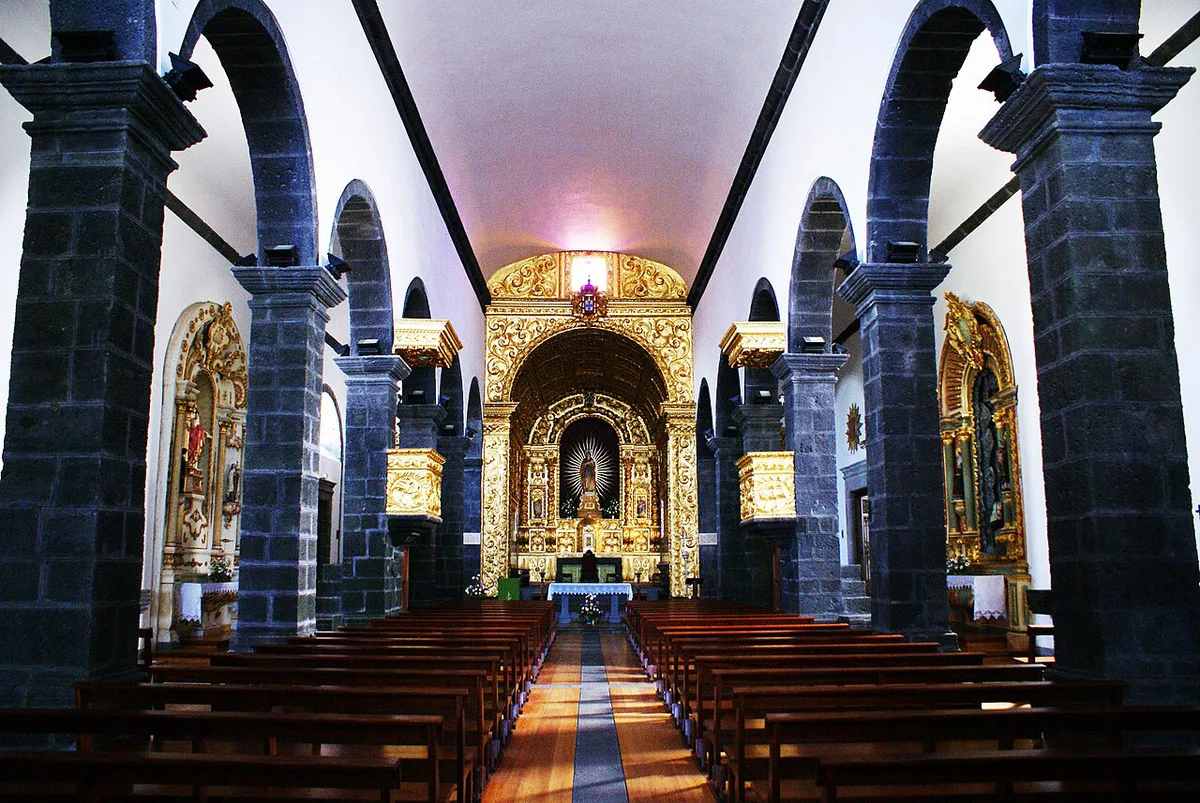
- Pico vineyards: vines grow in small plots enclosed by black lava rock walls, which shield them from Atlantic wind. The area is a UNESCO World Heritage landscape, with Criação Velha and Lajido da Criação Velha as key stops.
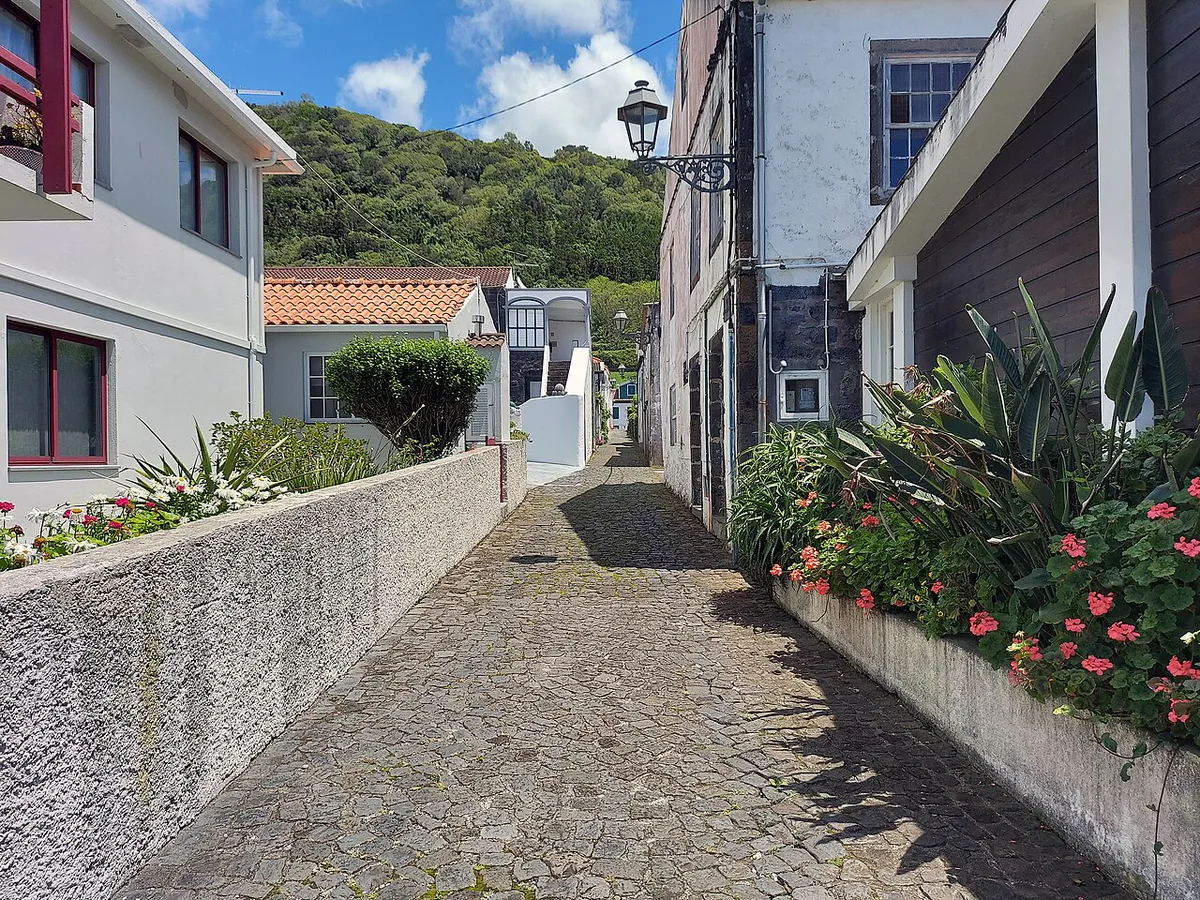
- Lajes do Pico: a former whaling village, and a natural base for whale-watching trips.
- Sea and coast: boat trips, coastal walks and swimming spots in lava rock pools suit days when the summit is clouded.
Pico Wine: What to Drink and Where to Taste
Pico's wine is the reason its vineyards are protected. The lava-wall plots around Criação Velha form the UNESCO-listed Pico Island Vineyard Culture landscape, and the wine is a large part of why people stay longer than a day.
What to look for
- Verdelho: the historic white grape of the island, with a mineral, salty edge that comes from the volcanic soil and sea spray.
- Arinto dos Açores and Terrantez do Pico: local white varieties. Producers bottle them as crisp, dry wines.
- Licoroso: a sweet fortified style, the one that once supplied European courts.
How to taste
The Wine Museum (Museu do Vinho) in Madalena explains the lava-wall vineyard method and is a sensible first stop. After it, visit a cellar on the vineyard coast near Criação Velha. Many producers pour by appointment or at set hours, so phone or check their pages the day before.
Pico is a small island, but the roads between cellars wind, and wine tasting and driving do not mix well. Choose a designated driver, ask your accommodation about a local taxi, or book a guided vineyard tour. If you are combining wine with a summit day, keep tasting for the day after the climb: tired legs and cellar visits suit a rest day better.
Many restaurants serve the local wine by the glass, so you can taste several styles with dinner without visiting every cellar.
How Long to Stay on Pico
Stay length decides whether you see Pico or just pass through. A day trip from Faial only covers one highlight. Two nights fits a climb plus one more activity. Three to four nights gives you weather slack, which matters most on this island.
Give 3-4 nights to the island, because rough seas can cancel sea crossings on the way in or out.
| Stay | What fits | Best for |
|---|---|---|
| Day trip | One highlight, such as a vineyard visit or a boat trip | Island-hoppers short on time |
| 2 nights | The summit climb or a whale trip, plus a vineyard stop | Fit hikers on a tight schedule |
| 3-4 nights | Climb, vineyards, whales and a spare weather day | Most first-time visitors |
Climbing Mount Pico: Is It for You?
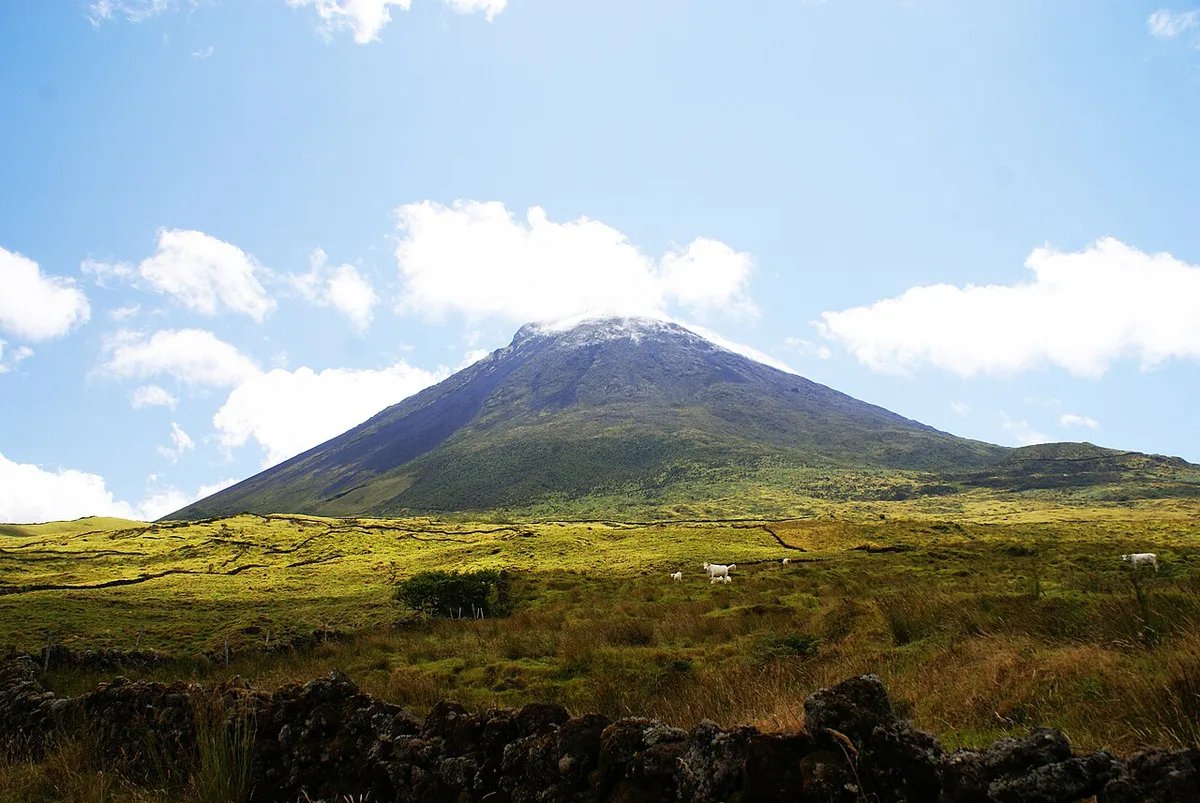
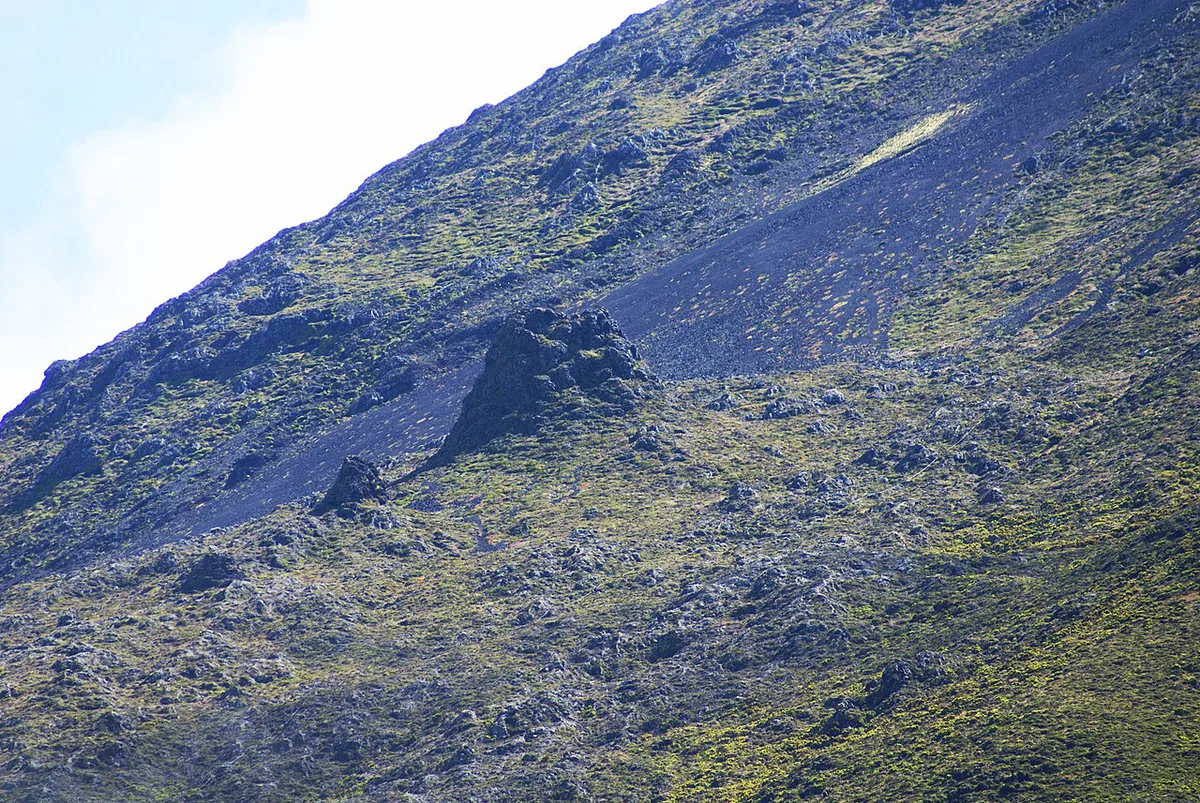
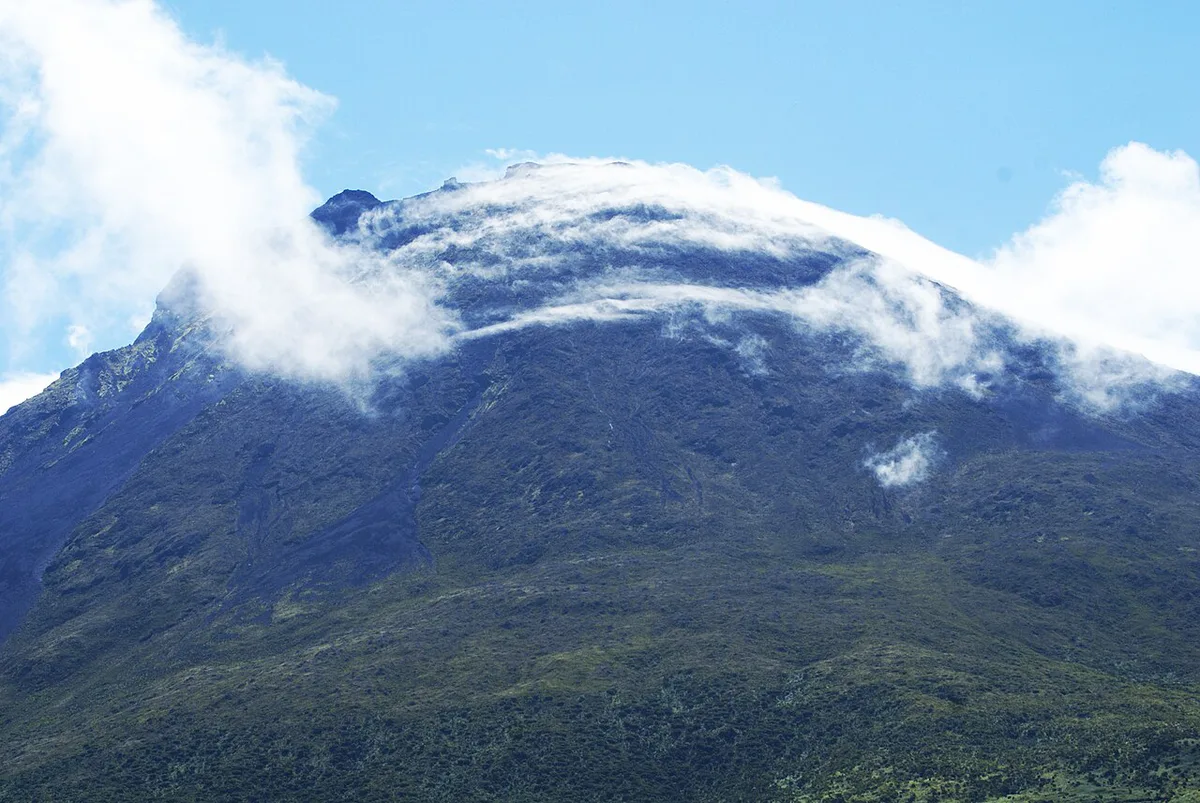
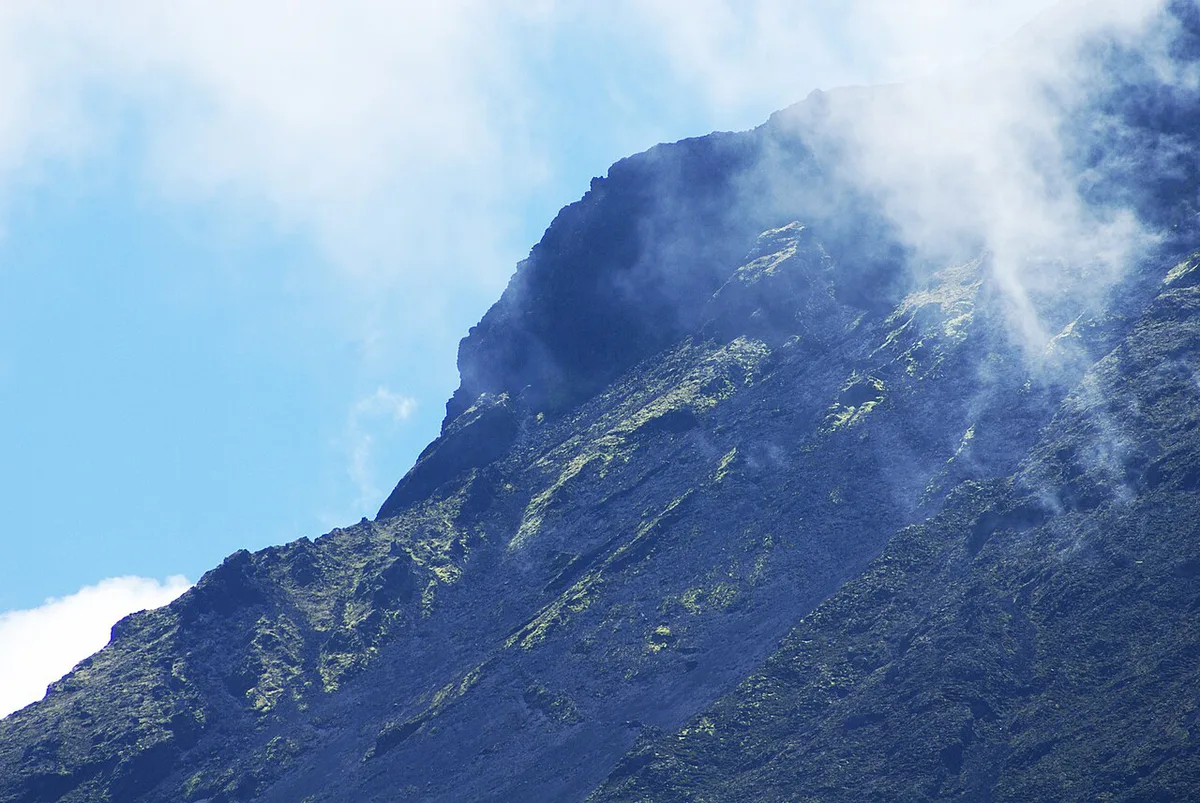
Mount Pico reaches 2,351 m, and the climb is a serious full-day effort rather than a casual stroll. Registration and guide rules apply to the summit and can change, so read the current rules on Visit Azores before you book. Cloud and wind decide whether the view is worth the effort. Watch the forecast from IPMA in the days before you go.
At 2,351 m, the summit needs a full day, and clear weather decides the view, so keep a spare day beyond the climb.
- Go: you hike regularly, the forecast is clear and you have registered under the current rules.
- Wait: the summit is in cloud or wind. Use a spare day and switch to vineyards or the coast.
- Skip: you are not used to long, steep, uneven walking, or you have no weather buffer.
Getting to Pico and Getting Around
You can reach Pico by inter-island flight or by ferry, often through Faial. Our guide to reaching the Azores covers the archipelago-wide options. For the ferry hop, see Faial Island Travel Guide: Things to Do and Planning as a pairing. Sea crossings can be cancelled in rough weather, so avoid fixed deadlines right after you arrive. A rental car is the practical way to reach vineyards, trailheads and villages around the coast.
| Option | Weather risk | Best for |
|---|---|---|
| Inter-island flight | Lower, though cloud can still delay | Short stays and tight schedules |
| Ferry direct to Pico | Higher in rough seas | Flexible travellers with time to spare |
| Via Faial | Same sea risk on the crossing | Combining two islands in one trip |
Where to Stay on Pico
Choose your base by travel style rather than by hotel. Lajes do Pico suits whale watchers and visitors who like a small village. A base on the vineyard coast around Criação Velha puts you beside the lava-wall landscape. The island's main port town suits travellers relying on ferries or public transport. Wherever you stay, a car matters more than the exact village.
Costs, Booking and Seasonality
No reliable prices are published here for 2026 flights, ferries, tours or rooms. Check Visit Azores and each operator for current rates.
Best Time to Visit Pico
Hiking, whale watching and swimming favor different months, so start from your priority. Our best time for the Azores page covers the seasons. For month-by-month conditions, see Azores Weather by Month: Temps, Rain & Best Time to Go. A shoulder-season trip is possible too, as shown in Azores in March: Weather, What's Open & Who Should Go. Ask whale-watching operators for their season windows before you book.
Whale Watching from Pico: Season, Operators and What You See
Pico's whaling past is now a whale-watching business. Lajes do Pico is the best-known base, and its Whalers' Museum (Museu dos Baleeiros) explains how the island hunted sperm whales from open boats until the 1980s. Visit the museum before or after your trip to see how local lookouts once spotted whales from the cliffs.
What you can see
- Sperm whales: the most reliable sighting, because the deep water off Pico holds resident animals for much of the year.
- Dolphins: common, bottlenose and common dolphins often approach the boat.
- Blue and fin whales: mainly spring migrants, so sightings are far less certain outside that window.
Booking tips
- Book a trip on your first or second day, not your last. Operators cancel when the sea is rough, and you will want a second chance.
- Ask whether your operator uses a lookout on land. Spotters on the cliffs radio the boats and shorten the search.
- Choose an operator that follows the Azores whale-watching regulations on approach distances and boat numbers.
- Bring a windproof layer and motion-sickness tablets. The Atlantic swell can be noticeable even on a bright day.
Trips run for a few hours, which leaves you the rest of the day free. They pair well with a cloudy summit day, since whale spotting does not need a clear mountain top. Check each operator's site for the season windows and current rates.
Pico vs. Other Azores Islands
Pico is the mountain-and-wine island. Faial is its closest pairing for island-hopping. For a different landscape, try São Jorge. Pick São Miguel for the widest range of things to do. Terceira suits travellers who want more towns and heritage.
Mistakes to Avoid on Pico
Most problems on Pico come from weather and timing, not from the island itself.
- Underestimating the climb: treat it as a full-day mountain hike.
- Booking ferries with no weather buffer: leave a spare day.
- Skipping a car: the vineyards and trailheads are spread out.
- Planning only a half day: that covers one stop and nothing more.
Frequently Asked Questions
Where is Pico Island?
Pico Island is in the central Azores, an Atlantic archipelago that belongs to Portugal. Faial is the usual ferry link.
What to do on Pico Island?
Climb Mount Pico, walk the lava-wall vineyards around Criação Velha and join a whale-watching trip from Lajes do Pico. Keep a spare day for weather.
Useful notes for your next island trip
Optional updates to our guides.
You might also like

Continue reading
More guides you'll find useful