
How to Get to the Azores: Flights, Routes & Island Hopping
Fly to the Azores from Lisbon, Porto, Boston and Madeira. Compare gateway islands, flight times, inter-island options and when fares dip.
On this page
Last updated November 2026: how to get to the Azores has one answer, which is that you fly. Most travelers land at Ponta Delgada on São Miguel or at Terceira, usually from Lisbon, Porto or Boston. Compare the route table below, then use the nine-island overview to choose where to land.

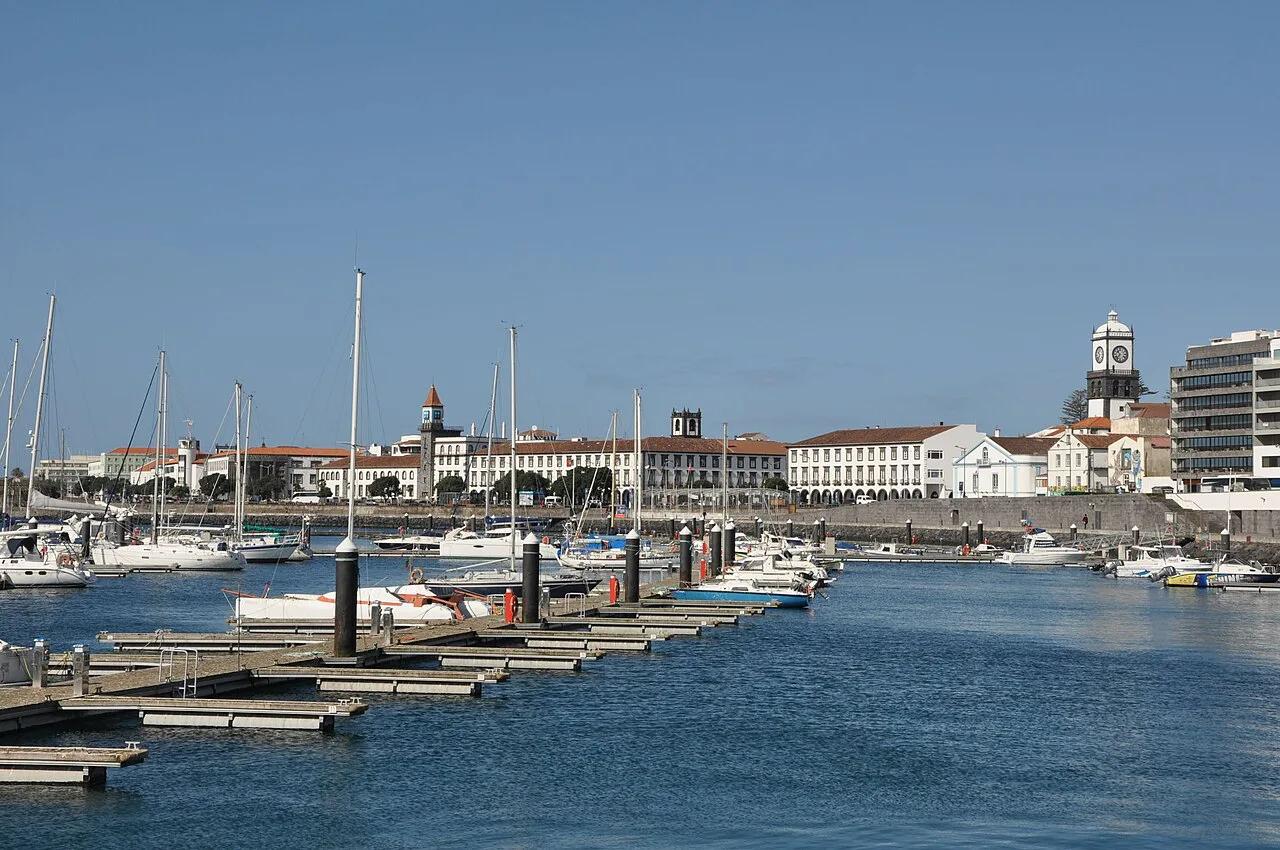
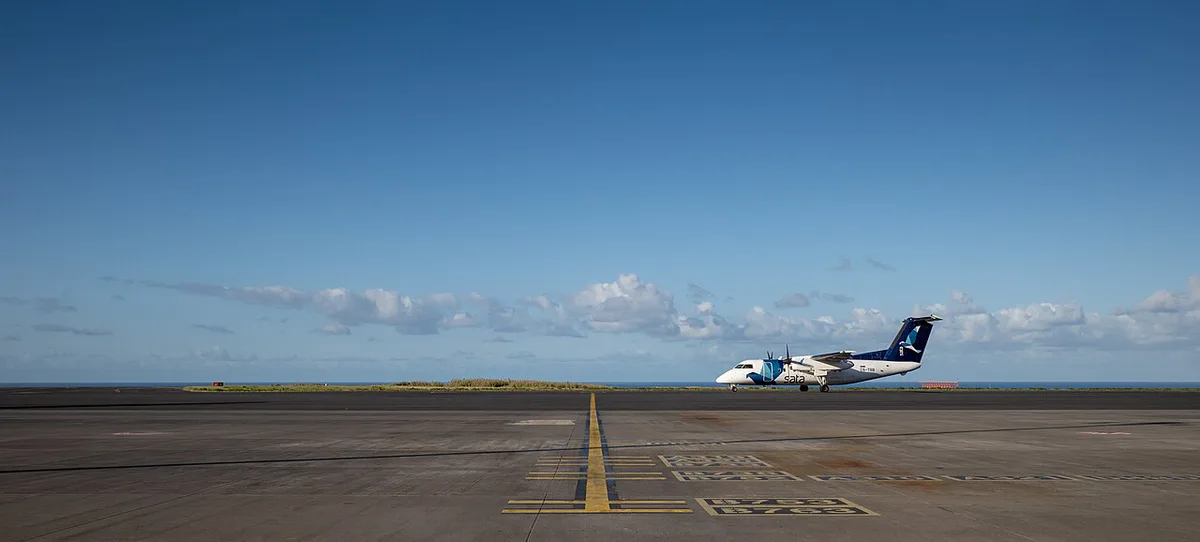
Featured image: Robert Cutts from Bristol, England, UK, CC BY 2.0, via Wikimedia Commons.
Quick answer: how most people get to the Azores
Nine islands sit roughly 800 miles west of mainland Portugal, so air is the only practical route. No regular passenger ferry from the mainland is reported, and the ferries that exist link neighboring islands. Flights from Lisbon take about 2h40m. Ponta Delgada's João Paulo II Airport handles the widest choice of arrivals, and the Ponta Delgada airport page lists current airlines and destinations. Azores clocks run one hour behind mainland Portugal, so adjust any onward bookings. For general entry and travel information, start with Visit Azores.
Routes at a glance
Durations below are approximate and based on November 2026 listings, so treat them as order-of-magnitude figures. Airlines publish exact schedules, and seasonal routes change between summer and winter timetables. Madeira to the Azores takes about 2h10m, and Boston is the long leg at about 5h30m.

| Origin | Typical gateway | Approx. flight time | Planning note |
|---|---|---|---|
| Lisbon | Ponta Delgada or Terceira | 2h40m | Most frequent mainland link |
| Porto | Ponta Delgada | 2h45m | Check seasonal frequency |
| Madeira | Ponta Delgada | 2h10m | Useful for a two-archipelago trip |
| Boston / US East Coast | Ponta Delgada | 5h30m | Check which months are nonstop |
| Other European cities | Often via Lisbon | Varies | Seasonal routes appear and disappear |
Which island should you fly into first?
Pick the gateway that matches your trip, not the island that looks best on a map. Hopping from São Miguel takes 25 minutes to Santa Maria, 45 minutes to Terceira and about 1h10m to Horta or Pico. Match your priorities to the options below.
- First-timers: land on São Miguel for the most flight options, then read our São Miguel guide.
- Second gateway: Terceira works well as an alternative arrival, covered in our Terceira guide.
- Hikers and wine fans: fly toward Pico or Faial, which share a ferry crossing.
- Remote escape: Flores and Corvo are reached by inter-island flights.
- Short add-on: Santa Maria is a 25-minute hop from São Miguel.

Airlines and booking, step by step
Azores Airlines (SATA) and TAP Portugal are the carriers to compare first. Book directly with each airline where possible, since schedules and baggage rules sit on their own sites. Reported advice is to book two to five months ahead for international legs.

- Step 1: Search Azores Airlines and TAP Portugal for your origin, then compare against the airport's airline list.
- Step 2: Price a return to one island against an open-jaw ticket, flying into one island and out of another.
- Step 3: Choose open-jaw when your route is linear, for example landing on São Miguel and leaving from Terceira. It saves a backtracking flight of 45 minutes.
- Step 4: Choose a same-island return when you want a single rental car and one hotel base.
- Step 5: Book inter-island flights after the long-haul leg, and leave a generous gap between connections.
When flights are cheaper, and what you trade for it
Off-peak runs roughly November to March, excluding the Christmas and New Year window. You trade lower demand for wetter, windier weather and a higher chance of schedule changes. Rough seas or cloud can delay inter-island flights and ferries. Compare months in our best time to visit guide and month-by-month weather page. For a winter-leaning view, read Azores in March: Weather, What's Open & Who Should Go. Forecasts are available from the IPMA weather institute. Fares move constantly, so compare live prices instead of trusting a quoted saving.
Getting between islands once you're there

Short flights with Azores Airlines connect most islands, and 25 to 70 minutes is typical. Ferries link Faial, Pico and São Jorge, and the Horta to Madalena crossing between Faial and Pico takes about 30 minutes. Ferry timetables are seasonal and weather-dependent, so check the operator, reported as Atlânticoline, before building a day around a crossing. Add a buffer day before any international flight home. Read the São Jorge guide if the ferry link there fits your route.
Inter-island hops take 25 to 70 minutes, yet cloud or rough seas can delay them, so a flight-day schedule needs slack.
Airport to town: first-hour logistics
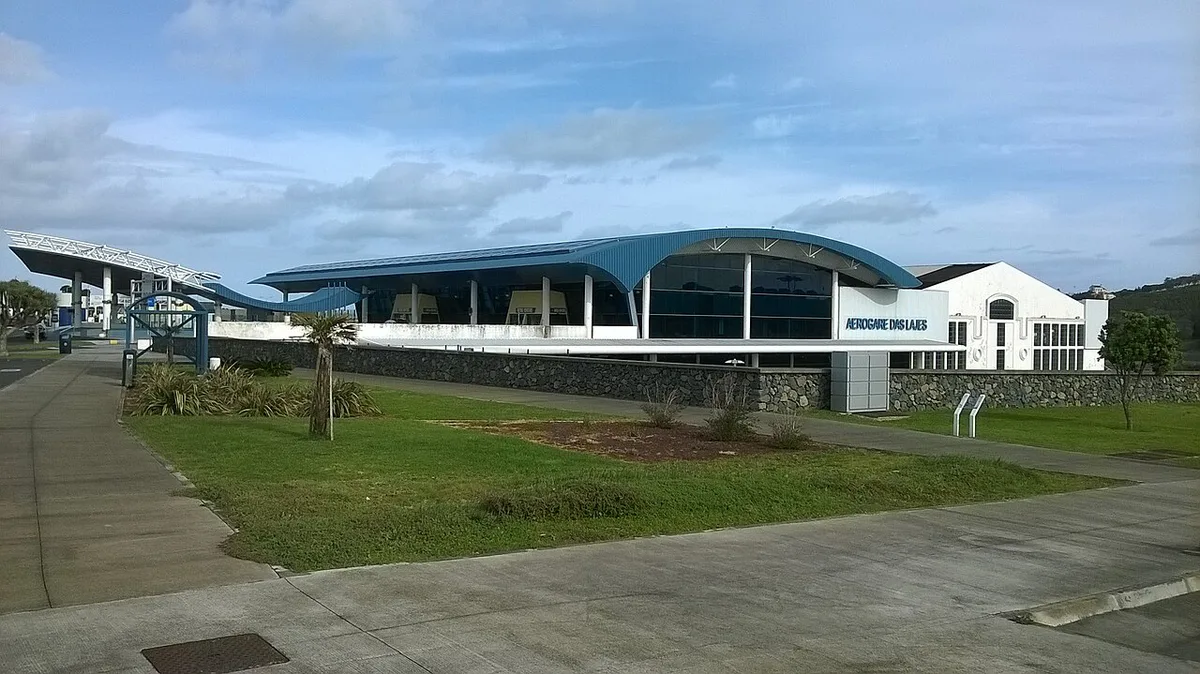
João Paulo II Airport lies about 3 km west of Ponta Delgada centre, so a taxi to town is short. Public buses are infrequent and rarely link the airport to villages. A rental car suits anything outside the city.
- Ponta Delgada centre: about 3 km
- Sete Cidades: about 27 km
- Furnas: about 45 km
- Nordeste: about 65 km
How long to stay and what to pair it with
Every extra island costs a flight and cuts days on each island. A short stopover suits São Miguel alone. A longer trip can add Terceira or the Faial–Pico pair. Lisbon pairs easily with the Azores through the 2h40m flight, and Porto works the same way. Madeira is 2h10m away, and Azores vs Madeira: Which Island Fits Your Trip? helps you choose between them. For Madeira planning, see Visit Madeira.
Madeira to the Azores takes about 2h10m, which is shorter than the 2h40m Lisbon flight, so pairing both island groups is simple.
| Time available | Best approach | Trade-off |
|---|---|---|
| Short stopover | São Miguel only | Fewer flights, more days per place |
| One week | São Miguel plus one hop | One extra flight, roughly 45m to 1h10m |
| Longer trip | Two or three islands | More flights, weather buffers needed |
Common mistakes to avoid
Most routing problems come from treating the archipelago as one place. Avoid these errors before you book.
- Booking a tight one-way connection to a remote island such as Flores or Corvo.
- Assuming a ferry runs from the mainland.
- Underestimating weather disruption on 25 to 70 minute inter-island hops.
- Landing on São Miguel for a hiking-first Pico trip without allowing for the extra 1h10m flight.
- Skipping a rental car on rural islands.
Frequently Asked Questions
Is it easy to get to the Azores from Portugal?
Yes, you fly from Lisbon or Porto in about 2h40m to 2h45m. Check Azores Airlines and TAP Portugal for current schedules.
What is nicer, Madeira or Azores?
It depends on what you want from the trip. Our Azores vs Madeira comparison sets out the differences.
Which month is best to visit the Azores?
May to October offers the most reliable conditions for viewpoints and sea crossings. July and August are warmest and busiest.
Useful notes for your next island trip
Optional updates to our guides.
You might also like

Continue reading
More guides you'll find useful