
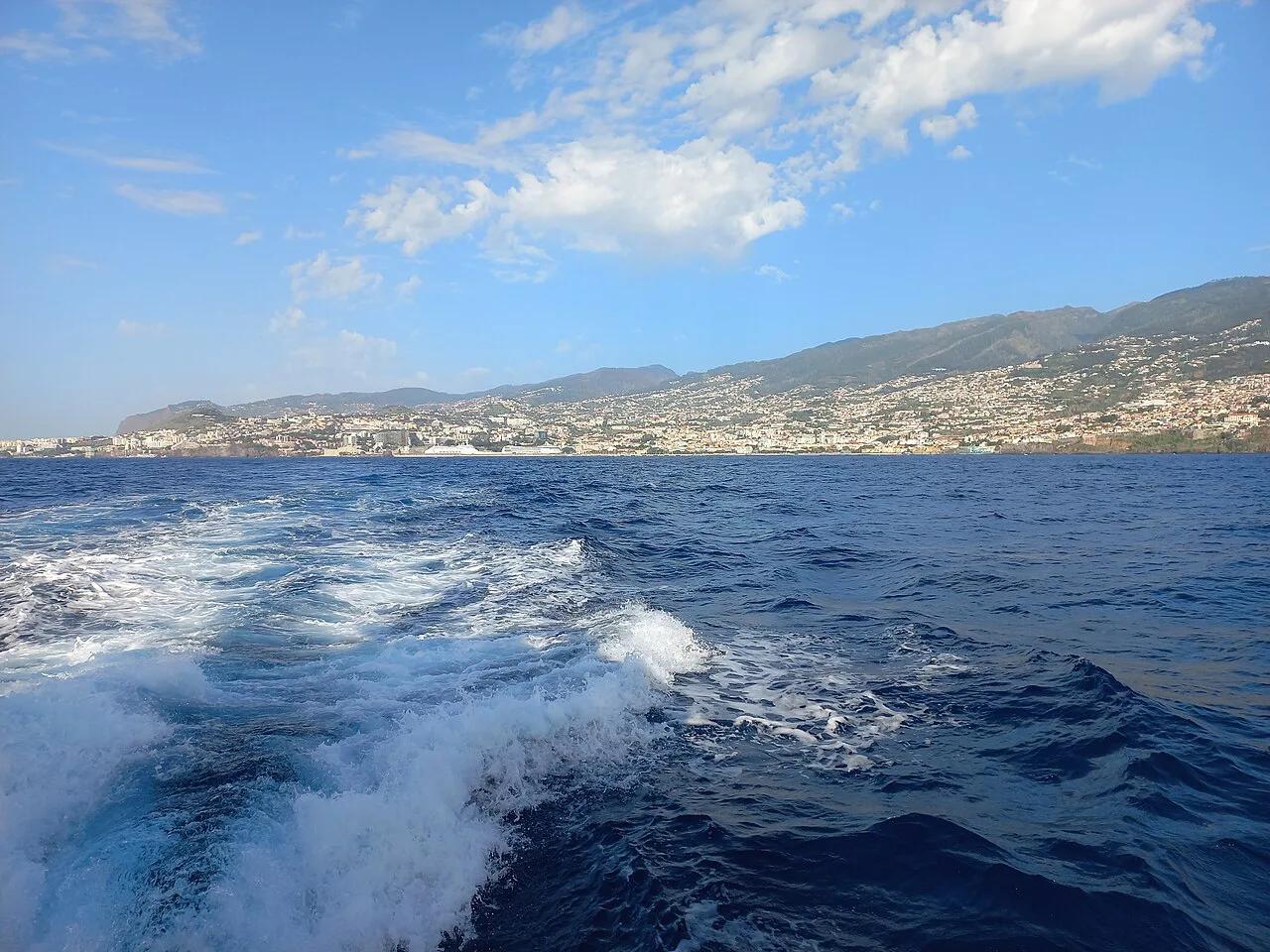
7 Best Things to Do on Madeira Island: Travel Guide and Trip Planning
Plan Madeira Island: 7 best sights, how many days to spend, where to stay, hiking and levada tips, and whether you need a car.
On this page
Last updated November 2026: Madeira Island is a volcanic Atlantic island and an autonomous region of Portugal. It is the main island of an archipelago that also includes Porto Santo, the uninhabited Desertas and the Selvagens. This guide covers who the island suits, how many days to book, where to base yourself and which seven sights earn your time.
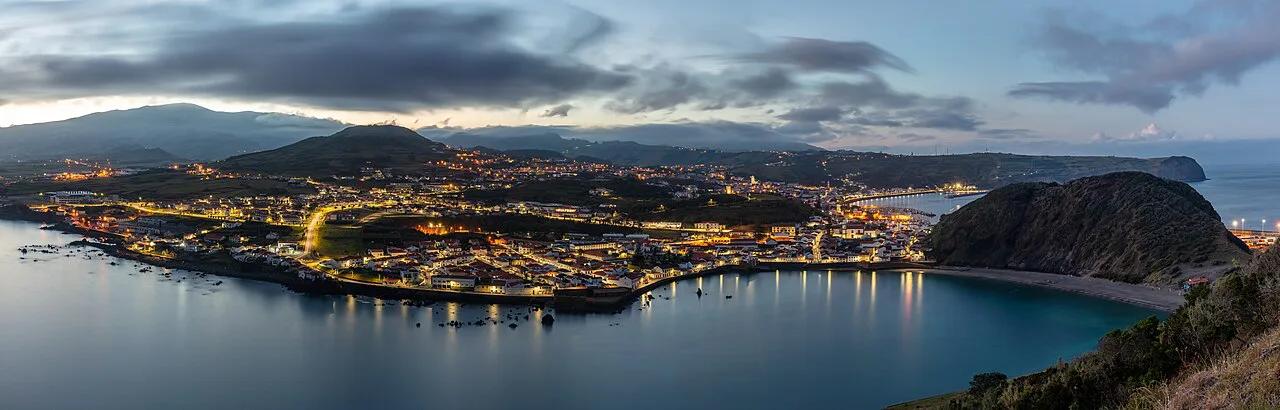
Featured image: Asurnipal, CC BY-SA 4.0, via Wikimedia Commons.
Madeira Island at a Glance
Madeira covers about 741 km² (roughly 286 square miles). It runs about 57 km from end to end and 22 km at its widest point. Pico Ruivo, at 1,861 m (about 6,100 ft), is the island's highest point. Portuguese is the official language, English is widely spoken in tourist areas, and you pay in euros (€). Sources quote about 900 km to 1,000 km to mainland Portugal and about 400 km to the Canary Islands. For a map and wider location detail, read our guide to where Madeira is located.
| Fact | Detail |
|---|---|
| Status | Autonomous region of Portugal |
| Area | About 741 km² |
| Length and width | About 57 km by 22 km |
| Highest point | Pico Ruivo, 1,861 m |
| Currency and language | Euro (€); Portuguese, with English widely spoken |
| Archipelago | Madeira, Porto Santo, Desertas, Selvagens |
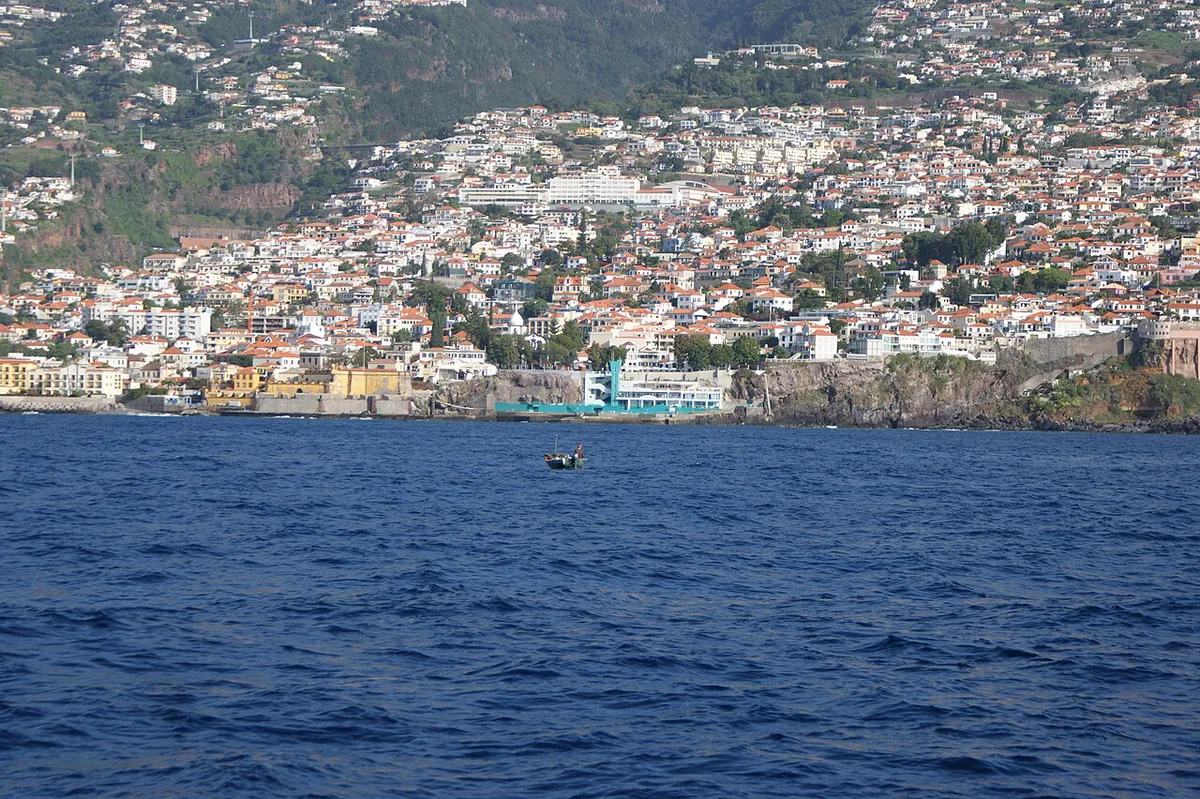
Is Madeira Island Worth Visiting? Who It Suits and Who It Doesn't
Madeira rewards hikers, garden lovers, road-trippers and anyone who wants mild winter weather. Mountains, laurel forest and sea cliffs sit within about 57 km of each other. Skip it if you want a big sandy-beach holiday. Most beaches on the main island are black sand or pebble, and the long golden beach is on Porto Santo. Nightlife is concentrated in Funchal and stays modest. A car-free budget trip to the north and west is also hard. Our full verdict is in Is Madeira Worth Visiting? Honest Verdict by Traveller. If you are weighing alternatives, compare Madeira against the Canary Islands. You can also read Madeira versus Tenerife.
How Many Days to Spend in Madeira
Common guidance puts the ideal stay at 3 to 5 days, and a 5-day trip covers the main sights. Treat these as rules of thumb, not limits. Seven days lets you add levada walks without rushing. Day trips to Porto Santo or the Desertas are optional extras, not core days.
| Trip length | Best for | Suggested base | What fits | What to cut |
|---|---|---|---|---|
| 3 days | Short breaks | Funchal | Funchal old town, Monte, Cabo Girão, one peak or coast day | Levada walks, the far east and north |
| 5 days | First visits | Funchal, or split with the north | Add Porto Moniz, Fanal, Santana and Ponta de São Lourenço | Porto Santo, extra levadas |
| 7 days | Hikers and slow travellers | Funchal plus one second base | Add 25 Fontes or Caldeirão Verde, whale watching, a boat trip | Little needs cutting |
7 Best Things to Do on Madeira Island by Area
These seven picks run from Funchal and Monte to the south coast, the north and west, and the east. Prices and hours checked November 2026. Entry fees change by season, so use the official links on each operator's site.
1. Funchal Old Town and Market
Funchal is the capital and the island's most built-up city. Its Zona Velha (old town), market and cathedral fit into one easy day on foot. Add Sao Tiago Fort near the Santa Maria district, which is a coastal defence structure. The CR7 Museum, which holds Cristiano Ronaldo's trophies, is also in the city.
Allow half a day for the old town and market. Go in the morning when the market stalls are busiest. Skip it if you want quiet. Funchal is where most visitors and most nightlife are concentrated.
2. Monte Palace Tropical Garden and the Monte Cable Car
Monte sits on a hill above Funchal. Its tropical garden has a collection of cycads, free-roaming birds and an indoor museum of minerals and African sculpture. Reach Monte by cable car from the city centre, then plan about 2 to 3 hours for the garden. The museum makes this a good wet-weather choice.
The Madeira Botanical Garden is about 1.5 km from the centre and holds more than 2,000 plants. It suits a second garden day. Skip the toboggan ride if queues bother you. Check current prices and hours with the operators.
3. Cabo Girão Skywalk
Cabo Girão is a sea cliff on the south coast, next to Funchal. A glass-floored skywalk hangs out over the drop. Quoted heights vary by source. One often-repeated figure is 580 m above the sea, so treat it as approximate.
Plan about 30 to 45 minutes on site, and combine it with Câmara de Lobos, a fishing village nearby. Skip it if glass floors unsettle you. Low cloud can also hide the view, so check the weather first.
4. Porto Moniz Volcanic Pools and Seixal
Porto Moniz sits in the northwest corner. Its natural pools were formed by cooled lava and are refilled by the sea. There are two pool areas. One charges about €1.5 and has lockers and a snack bar. The other is free but rockier, with no facilities.
Seixal on the north coast has an all-black-sand beach backed by green mountains. It is a short drive away. Allow half a day for both. Skip it on rough-sea days, when pool access can be limited.
5. Pico do Arieiro and Pico Ruivo
Pico do Arieiro is easy to reach by car. A marked trail from the summit takes about 2 to 3 hours and looks over Curral das Freiras. Pico Ruivo at 1,861 m is the island's highest point. The Ruivora route is about 5.6 km and is often quoted at around 2 hours.
Start early. Cloud builds on the peaks as the day goes on, and temperatures are lower than on the coast. Skip the ridge sections if you dislike narrow paths or steep slopes. Check trail status with the nature park authority first.
6. Ponta de São Lourenço (PR8)
This peninsula at the island's eastern tip is a nature reserve. It is dry and windy, with volcanic rock formations along the trail. The PR8 walk takes about 3 hours round trip and is relatively easy and well maintained.
It is popular, so start early. Afterwards you can drop down to Prainha, a black-sand beach. Skip it in strong wind, or if you need shade. There is little cover on the route.
7. Fanal and the Laurissilva Forest
Laurissilva is the island's UNESCO-listed laurel forest. Fanal is a famous stretch, with old twisted trees that often sit in fog. Go in the morning if you want the fog. Bring waterproof shoes and a rain jacket, especially off-season.
Plan about 1 to 2 hours, and pair it with Porto Moniz on the same drive. Skip it if you want guaranteed views. Fog is part of the appeal, and it can hide the surroundings.
Hiking and Levadas: What to Know Before You Go
Levadas are narrow irrigation channels, and many date from the 15th century. Their paths make some of the island's best walks. Popular routes include 25 Fontes at Rabaçal, which runs about 10 km and passes more than two dozen waterfalls, and Caldeirão Verde near Santana. Marked routes carry codes such as PR8, so use them to match difficulty. Some routes pass through tunnels, so carry a torch. Vertigo is a real issue on exposed paths. Weather changes fast between coast and peaks, so start early and carry layers. Check current trail closures, fees and booking rules on the Madeira Natural Park site. Guided walking suits first-timers, while experienced hikers can go independently.
25 Fontes runs about 10 km, while the Ruivora route to Pico Ruivo is about 5.6 km. Check both distances against your fitness before choosing.
Where to Stay: Choosing Your Base
Funchal is the most visited area in the south-east. The west is quieter and has fewer attractions. Basing yourself in Funchal for every day adds long drives, so consider splitting a 5- or 7-day stay between two bases.
| Base | Best for | Car needed? | Trade-offs |
|---|---|---|---|
| Funchal | First visits, restaurants, cable car, buses | No, for Funchal and Monte | Parking is limited and expensive; north and west need long drives |
| Calheta / Arco da Calheta (west) | Quiet stays, levada access such as 25 Fontes | Yes | Fewer attractions and restaurants |
| Machico / Caniço / Santa Cruz (east and airport side) | Short transfers, Ponta de São Lourenço | Helpful | Less nightlife; Funchal sights need a drive |
| Porto Moniz / Santana (north) | Pools, forest, Caldeirão Verde | Yes | Wetter, remote, and a long way from the south |
Getting There and Getting Around
Flights from Lisbon take about 1.5 hours. Read our guides on travelling from Lisbon to Madeira and How to Get to Madeira: Flights, Ferries, Transfers. Ferry options need checking before you plan around them. Funchal is about 30 minutes from the airport. An Aerobus shuttle runs about every 30 minutes at around €5, and Bolt taxis operate on the island. Airport details are on the Madeira Airport page. The Via Rápida is a four-lane expressway along the southern coast, not a ring road. Interior roads are narrow and steep, with sharp bends, and parking in Funchal is limited. Use the table below to match transport to your style.
| Trip style | Best option |
|---|---|
| Funchal only, short stay | Walking, buses, cable car, taxis |
| Hiking days | Guided tours or a car for early starts |
| North and west coast | Car, or tours |
| Relaxed 5 to 7 day road trip | Hire a car; check hotel parking first |
Best Time to Visit and Weather Reality
Madeira's climate is mild and subtropical. Sources quote roughly 16°C in winter and 26°C in summer. Check the national forecast at IPMA before planning mountain days. Weather is local. The south is sunnier, the north is wetter and the high peaks are often cloudy and cold. Spring brings flowers and the Flower Festival, usually held in April or May. Summer is whale season, and watchers report up to about 20 species between April and October. December brings Christmas lights and the New Year's Eve peak. Festival dates change, so use the official events calendar. Our guides to the Best Time to Visit Madeira: Season-by-Season Guide and Madeira Weather by Month: Temps, Rain & Sea Guide go deeper. For autumn, see Madeira in October: Weather, Things to Do and Tips.
A whale or dolphin boat trip costs about €60 per person, and watchers report up to about 20 species.
Food and Drink to Try
Local cooking mixes Portuguese and African influences, with seafood, fresh produce and wine. Try espetada (meat skewers), bolo do caco (a flatbread) and Madeira wine, the island's main export. Poncha is a local drink you will see at Christmas markets. Eat seafood on the coast and in Câmara de Lobos. For Funchal, the Zona Velha has the densest cluster of restaurants.
The Other Islands: Porto Santo, Desertas, Selvagens
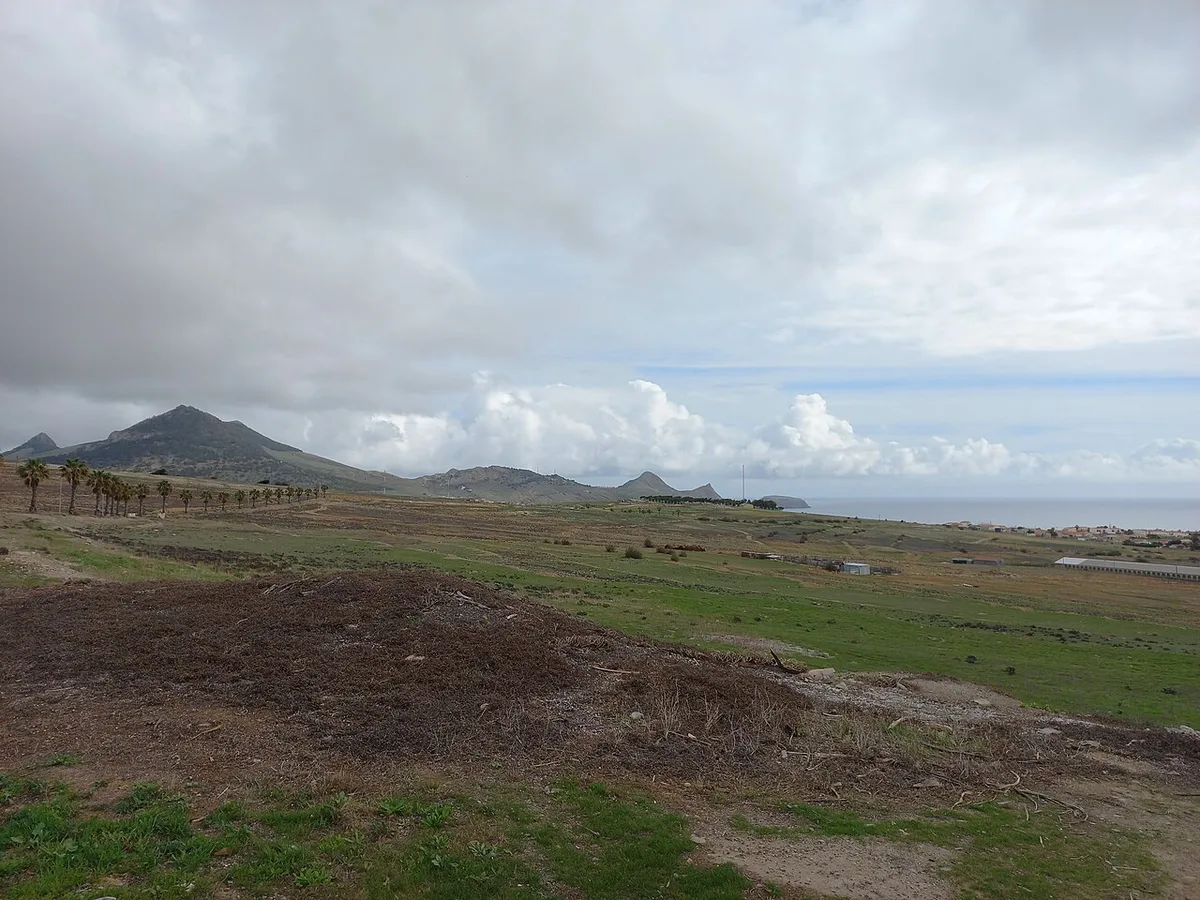
Porto Santo has a golden beach of about 9 km and is reached by ferry or flight. It works as a day trip or an overnight stay. Our guide to Porto Santo Travel Guide: Getting There and Beaches covers both options. The Desertas are uninhabited and are visited only by boat tour. Read more in the Desertas Islands guide. The Selvagens are uninhabited too, and access is restricted.
Costs, Tickets and Opening Hours
Budget for flights, car hire and parking, attraction fees, the cable car and toboggan, tours and food. Typical figures from visitor guides include about €5 for the airport Aerobus, about €1.5 for one Porto Moniz pool and about €60 per person for a whale or dolphin boat trip. Kayak rental is reported from about €40 per adult. Book boat trips, guided hikes and car hire early in peak periods such as Christmas and the Flower Festival. Check current fares and hours on the Visit Madeira site.
Common Mistakes to Avoid
Most Madeira planning errors come down to distance and weather.
- Basing yourself in Funchal for every day
- Split a longer stay between two bases to cut drive time.
- Packing for one climate
- Coast, forest and peaks differ, so bring layers and waterproofs.
- Underestimating mountain drives
- Roads are narrow and steep, so add buffer time.
- Relying on a rental car without checking parking
- Funchal parking is limited and expensive.
- Booking cliff or peak activities without a weather check
- Cloud can hide views at Cabo Girão and Pico do Arieiro.
Explore More Guides
Keep planning your trip with these guides.
Guides
- Where Is Madeira? Location, Distance and Getting There
- Lisbon to Madeira: Flights, Time & Tips (2026)
- Porto Santo Travel Guide
- Best Time to Visit Madeira: Season-by-Season Guide
- How to Get to Madeira: Flights, Ferries, Transfers
- Madeira Weather by Month: Temps, Rain & Sea Guide
- Madeira in October: Weather, Things to Do and Tips
- Is Madeira Worth Visiting? Honest Verdict by Traveller
- Madeira vs Canary Islands: Which to Choose? (Hiking, Beaches, Cost)
- Madeira vs Tenerife: Which Island Is Right for You?
- Desertas Islands: Visit Guide, Tours & Access Rules
Useful notes for your next island trip
Optional updates to our guides.
You might also like

Continue reading
More guides you'll find useful