
Azores vs Madeira: Which Island Fits Your Trip?
Azores or Madeira? Compare weather, hiking, whale watching, getting around and cost, and see who should pick which.
On this page
Last updated November 2026. The azores vs madeira choice comes down to one base versus island-hopping. Madeira suits travelers who want a single base, mild weather and many trails. The Azores suit travelers who accept inter-island logistics in return for volcanic lakes, hot springs and whale watching.
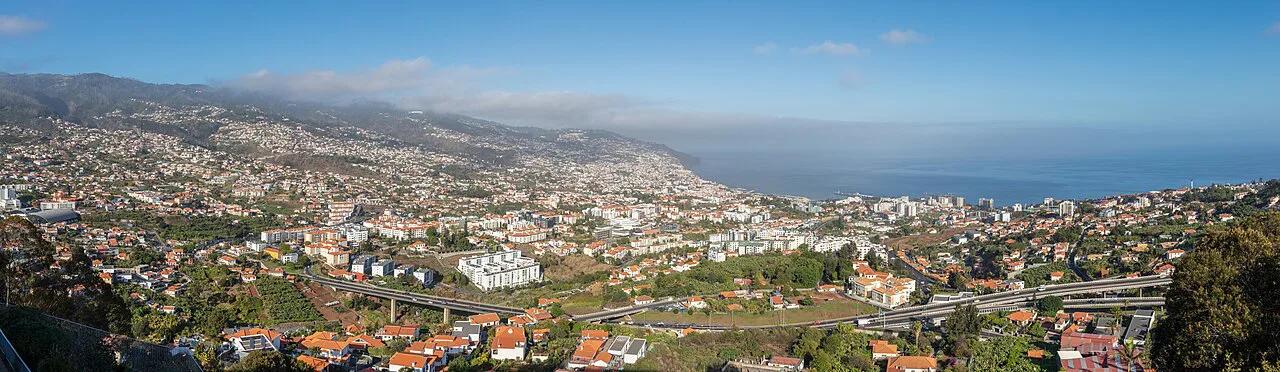
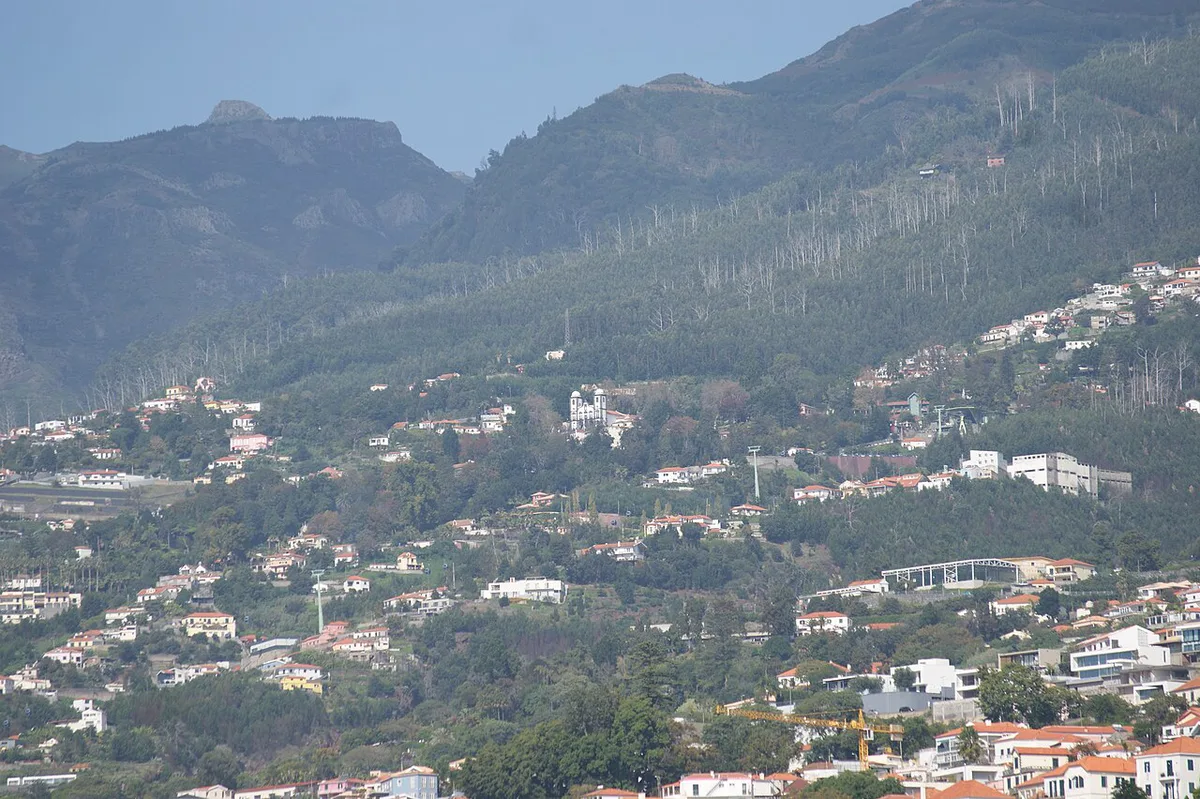
Featured image: Diego Delso, CC BY-SA 4.0, via Wikimedia Commons.
Quick Verdict: Azores or Madeira?
Pick by trip structure first and scenery second. Madeira is one main island, so a week needs no inter-island hop. The Azores are nine volcanic islands, so you must choose one to three of them. Our Azores islands guide maps that choice in detail.
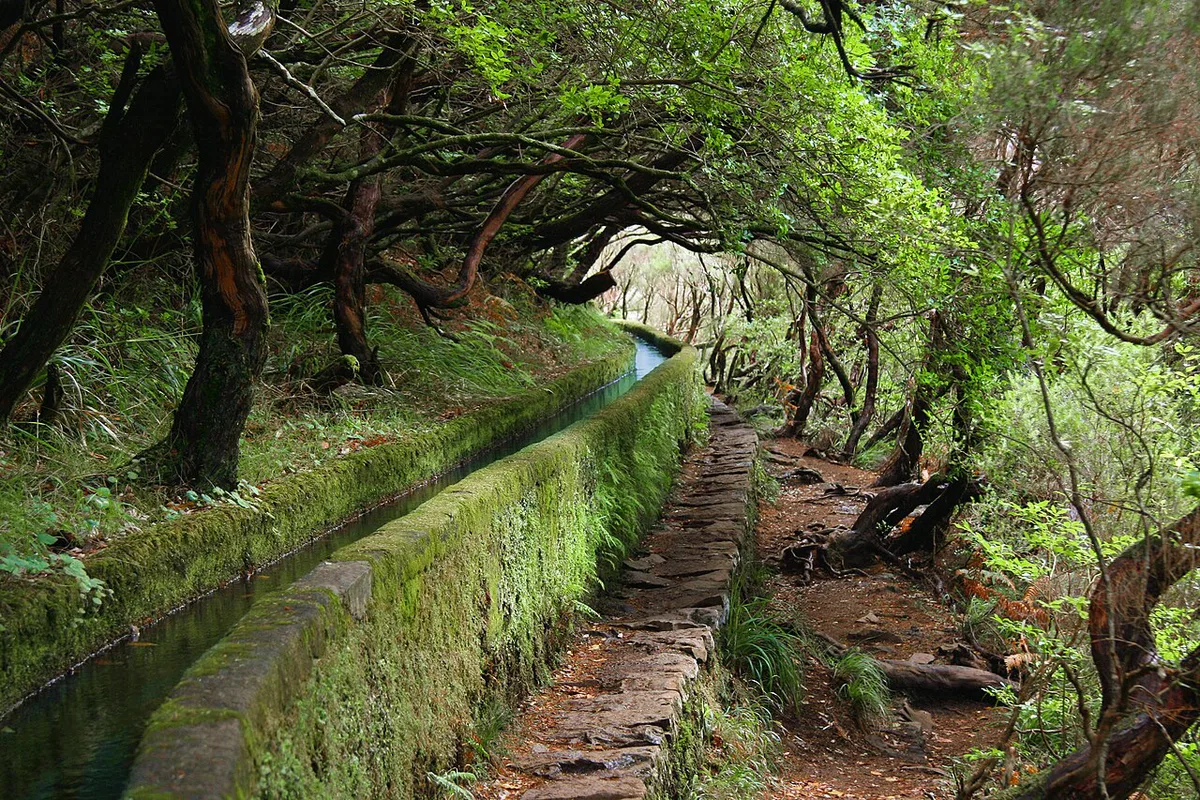
- Choose Madeira if you want one hotel, levada walks and steady mild weather.
- Choose the Azores if you want crater lakes, thermal baths and whale watching.
- Choose the Azores if you prefer a quieter feel and can handle changeable weather.
- Choose neither if beach swimming is your main goal.
Azores vs Madeira at a Glance
Madeira is an archipelago of four islands, while the Azores have nine. Most Madeira trips stay on the main island. Official island details are on Visit Madeira and Visit Azores. Prices and hours in this guide were checked November 2026, and the daily budgets below are our editorial planning ranges, not quoted rates.
| Factor | Azores | Madeira |
|---|---|---|
| Trip structure | Choose 1–3 of 9 islands | One island base |
| Weather | Changeable, humid, cooler | Mild year-round |
| Hiking | Crater rims, lava tunnels, coastal paths | Levadas and mountain trails |
| Whale watching | Stronger, a main draw | Possible, less central |
| Hot springs and volcanic sights | Strong, especially on São Miguel | Limited |
| Beaches and swimming | Natural pools and bays, mostly cooler water | Natural pools at Porto Moniz, few beaches |
| Getting around | Car usually needed on each island | Buses plus rental cars |
| Daily spend on the ground (editorial estimate) | €45–€90 | €40–€80 |
| Best fit | Remote nature, volcanic scenery | Hikers, one-base trips |
How the Trips Differ: One Island vs Island-Hopping
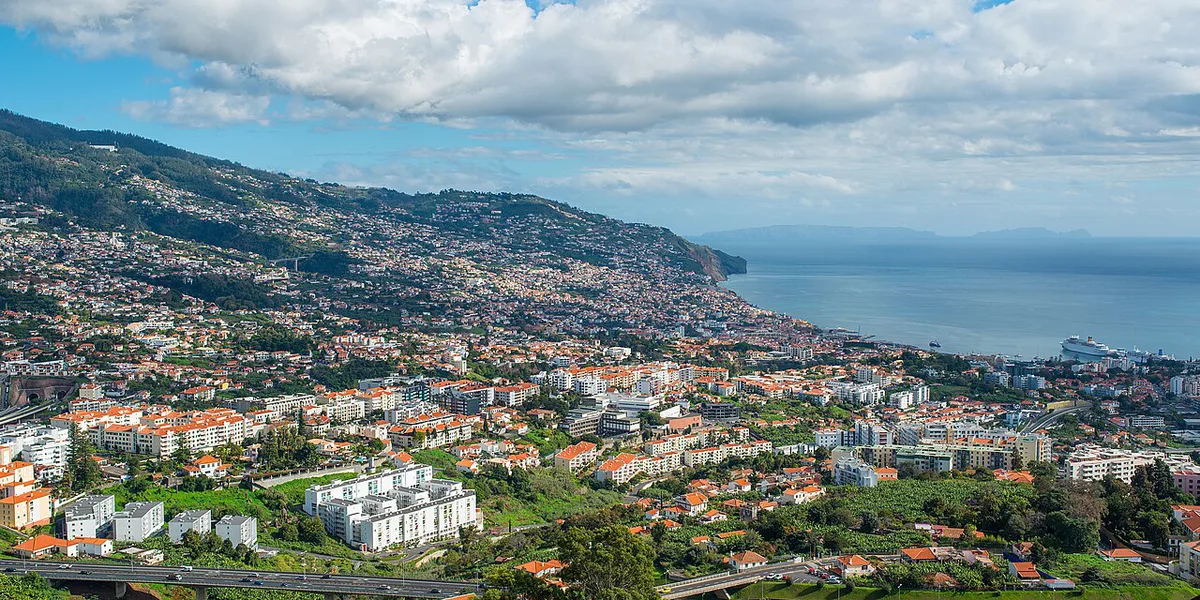
Madeira keeps logistics simple. You land at Funchal's airport and base yourself near it for 5 to 7 days. The Azores spread over a large stretch of the Atlantic, so every extra island adds a flight or ferry and part of a day. Most visitors arrive at Ponta Delgada on São Miguel, and the Ponta Delgada airport page lists current arrivals. Routes from North America and Europe are covered in our guide to getting to the Azores. Plan on a rental car on most Azores islands, since buses rarely match sightseeing hours. Madeira has bus coverage plus taxis, which helps car-free travelers.
Landscapes and Activities Compared
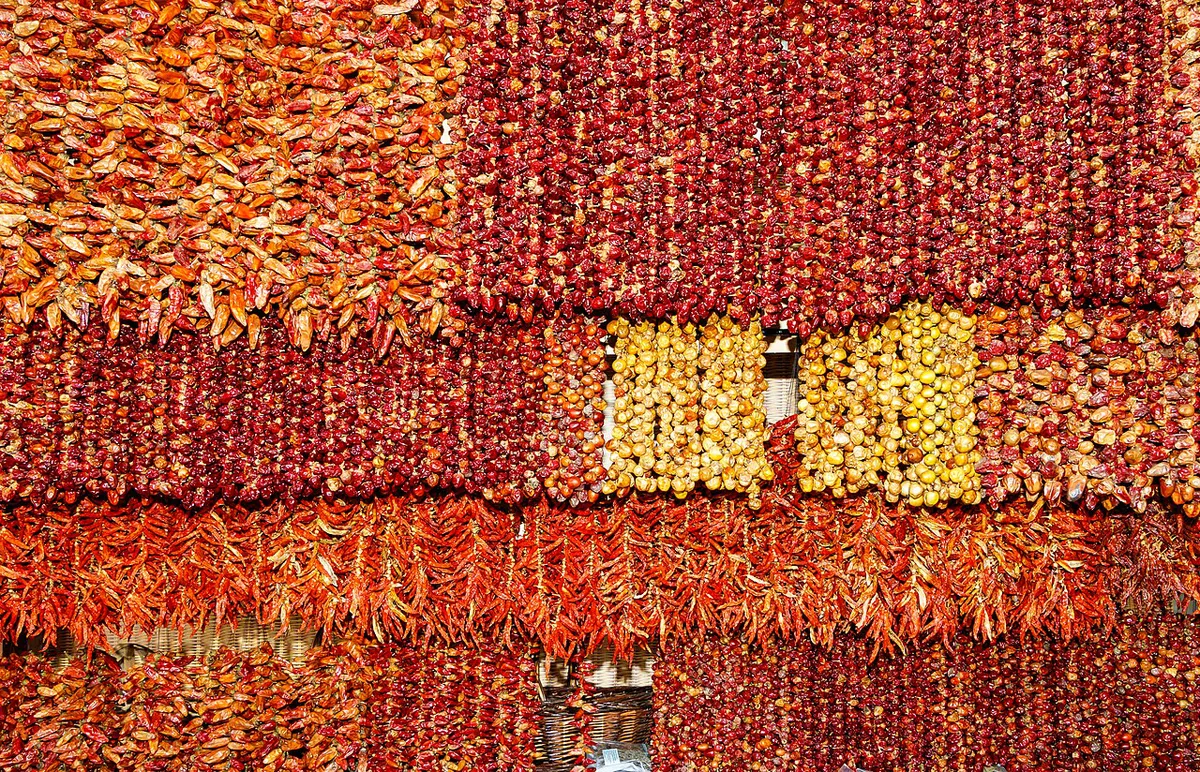
Madeira offers levadas, which are irrigation channels with walking paths, plus tall sea cliffs like Cabo Girão. Its Laurisilva laurel forest gives mossy, shaded trails. Funchal's botanical gardens suit rainy afternoons. The Azores offer caldera lakes at Sete Cidades, thermal baths at Furnas on São Miguel and lava tunnels on Pico. Whale and dolphin watching is a main reason to visit. For swimming, Madeira's natural pools at Porto Moniz are the standout. Azores bays and pools are also popular, but expect cooler water.
- Hiking: Madeira wins for levada variety. The Azores win for crater scenery.
- Whale watching: Azores clearly lead.
- Hot springs: Azores lead, with Furnas the best-known base.
- Gardens and viewpoints: Madeira leads.
Weather and Best Time to Go
Madeira is generally described as mild year-round, with highs roughly 19°C in winter and 25°C in summer. The Azores run cooler and wetter. Summer highs rarely pass 25°C, and winter days sit near 11°C. Showers can come and go within hours. Check live forecasts at IPMA. Our best time to visit the Azores and Azores Weather by Month: Temps, Rain & Best Time to Go pages give month detail. March in the Azores shows how a shoulder month feels.
Plan layers, since winter days sit near 11°C in the Azores against roughly 19°C highs in Madeira.
Cost and Time Trade-Offs
Costs vary by island, season and style. As a rough editorial planning range, expect €40–€80 per person per day in Madeira and €45–€90 in the Azores, covering food, local transport and activities. Flights and lodging are extra. The Azores usually cost more because each added island adds a flight or ferry fare. Our suggested stay lengths are editorial advice, not sourced figures.
Fitting both archipelagos into one trip needs 12 or more days, since Madeira's single base adds no hops but the Azores do.
- Madeira: 5–7 days on one base covers the main trails and gardens.
- Azores: 7 days works for one island, or 10 days for two to three islands.
- Both in one trip: allow 12 or more days, and expect extra flight time between archipelagos.
- Under 5 days: pick a single island or Madeira only.

Which Azores Island Fits You
Each island suits a different traveler. Use these pointers to narrow the choice before you book flights.
- São Miguel: best for a first visit, with lakes and hot springs.
- Pico: best for hiking and wine.
- Terceira: good for culture and sailing.
- Faial: suits sailors and caldera walkers.
- São Jorge: coastal trails and a quiet pace.
- Flores: remote nature and waterfalls.
- Corvo: the smallest island, for solitude.
- Santa Maria: a calmer, sunnier-feeling island with sheltered bays.

Who Should Choose Which
Hikers who want many marked routes in one place should pick Madeira. Couples who want easy planning also fit Madeira. Remote-nature seekers and whale watchers fit the Azores. First-timers should start with São Miguel alone. Families with young children may prefer Madeira's single base. Budget-conscious travelers should favor one Azores island over hopping. Anyone who mainly wants sandy beaches or a city break should look beyond both.
Common Mistakes
A few planning errors cause most disappointment on these trips.
- Treating the Azores as one place. Nine islands means nine different trips.
- Packing for one weather type. Bring layers and a rain shell for the Azores.
- Planning day trips between far-apart islands. Allow a full day for each transfer.
- Skipping a rental car on the Azores, where bus times rarely match sightseeing.
Frequently Asked Questions
What is so special about the Azores?
The Azores are nine volcanic islands with crater lakes, hot springs and whale watching. Each island feels different, and the pace is quieter than Madeira's. Start with our Azores islands overview.
Is Madeira cheap or expensive?
Madeira is mid-priced for Portugal. As an editorial planning range, budget about €40–€80 per person per day on the ground. Flights and lodging come on top.
Can you fly directly to the Azores from the US?
Direct flights from Boston to Ponta Delgada have been reported. Schedules change by season, so check the airport and airline pages before booking.
Useful notes for your next island trip
Optional updates to our guides.
You might also like

Continue reading
More guides you'll find useful