
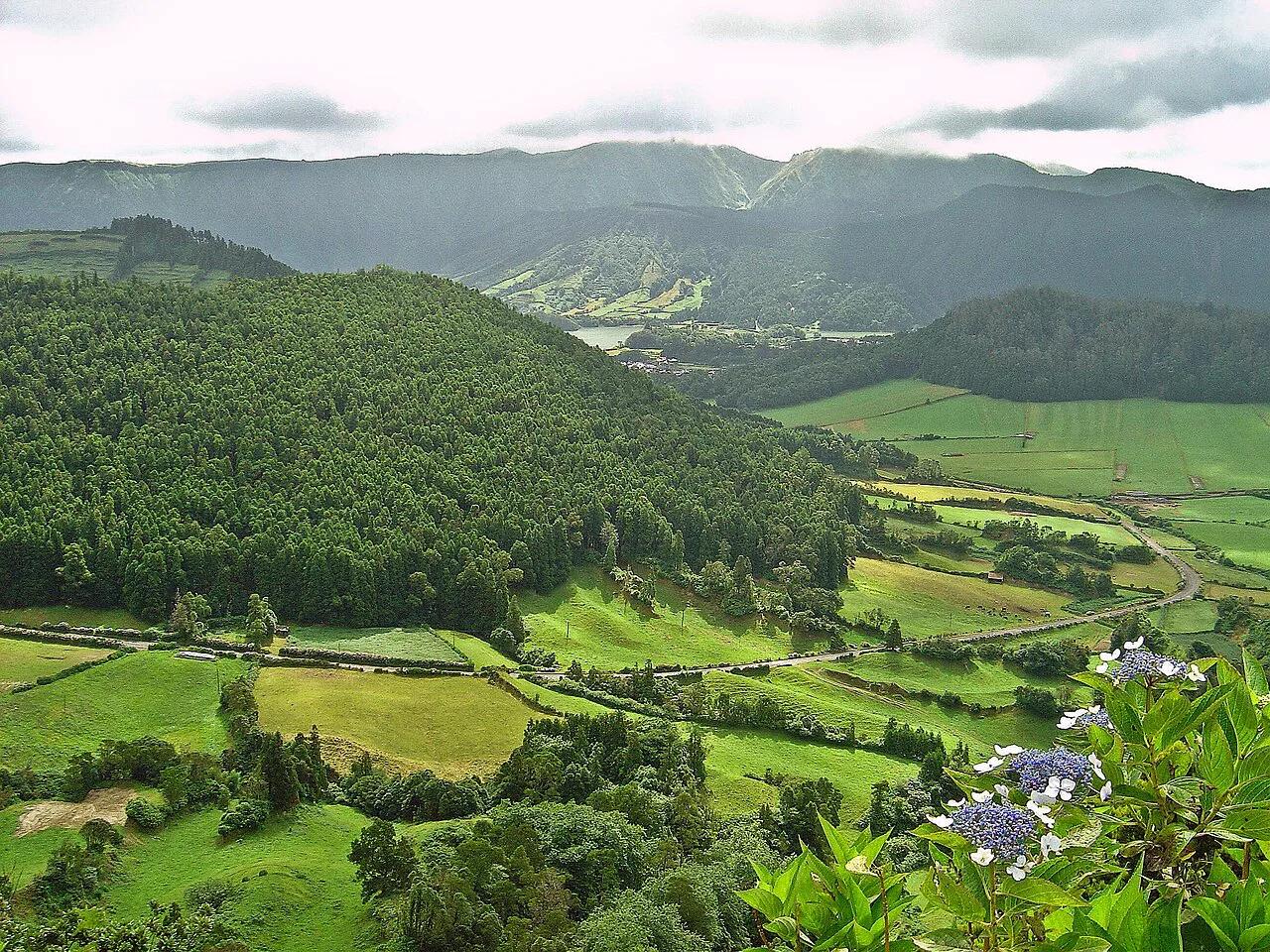
Azores Weather by Month: Temps, Rain & Best Time to Go
Month-by-month Azores weather: temperatures, rain, sea warmth and what to do each month, plus island differences and how to plan around changeable skies.
On this page
Last updated November 2026. Azores weather by month stays mild all year, with Ponta Delgada highs of roughly 17°C (63°F) in winter and 25°C (77°F) in August. Rain, wind, cloud and swell matter more than heat or cold. For the booking decision itself, read our guide to the best time to visit the Azores.
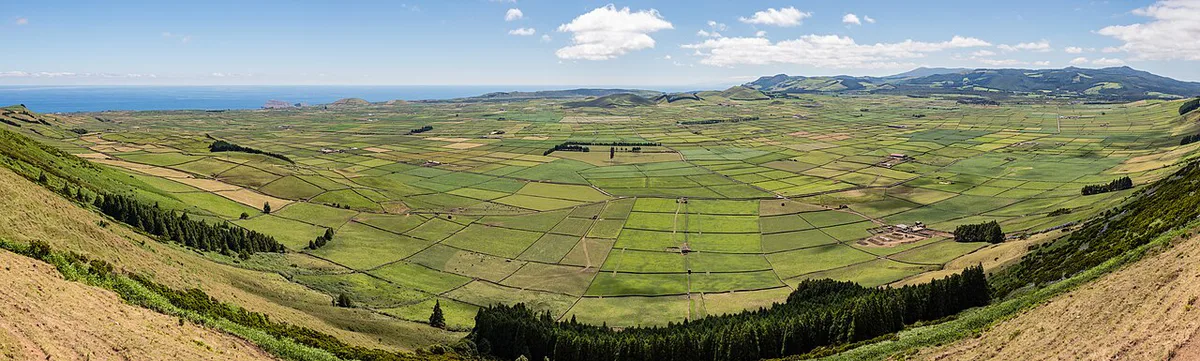
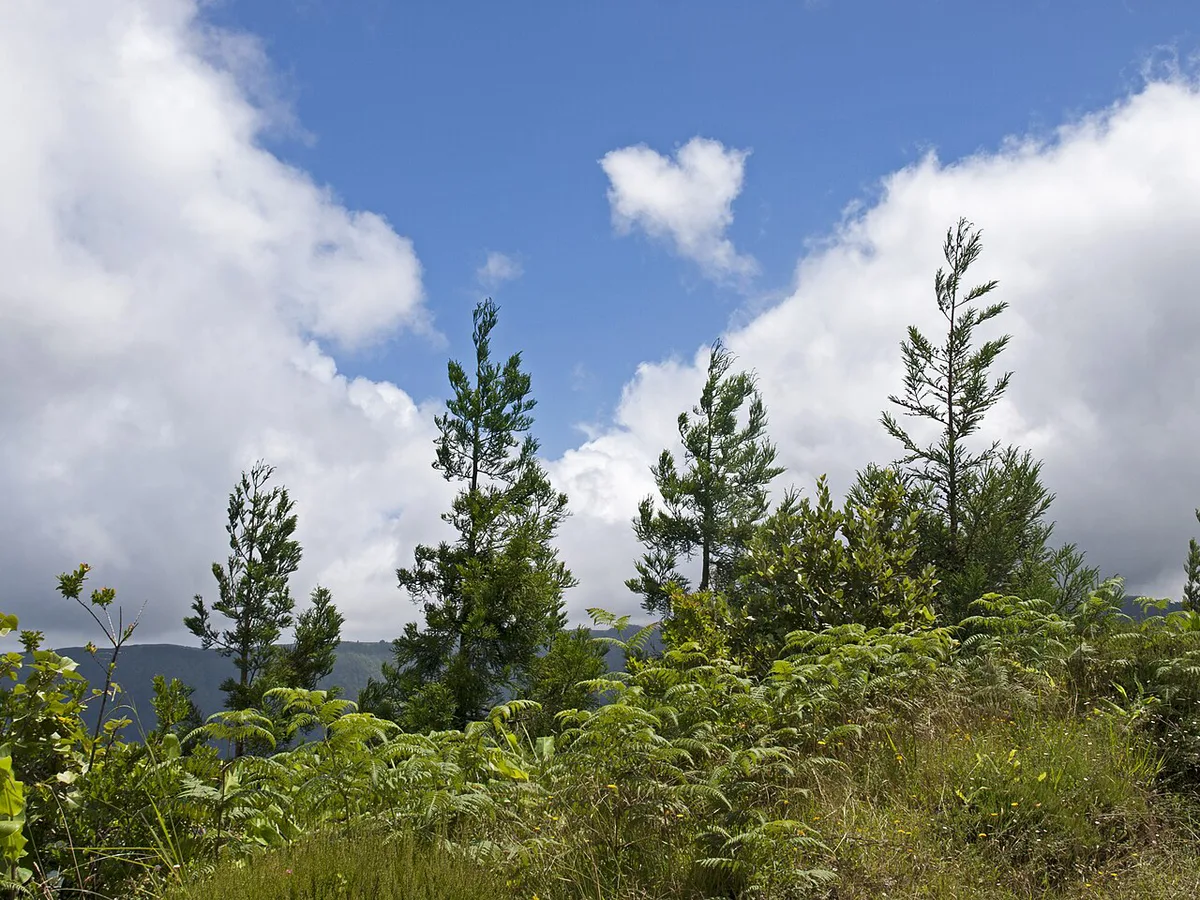
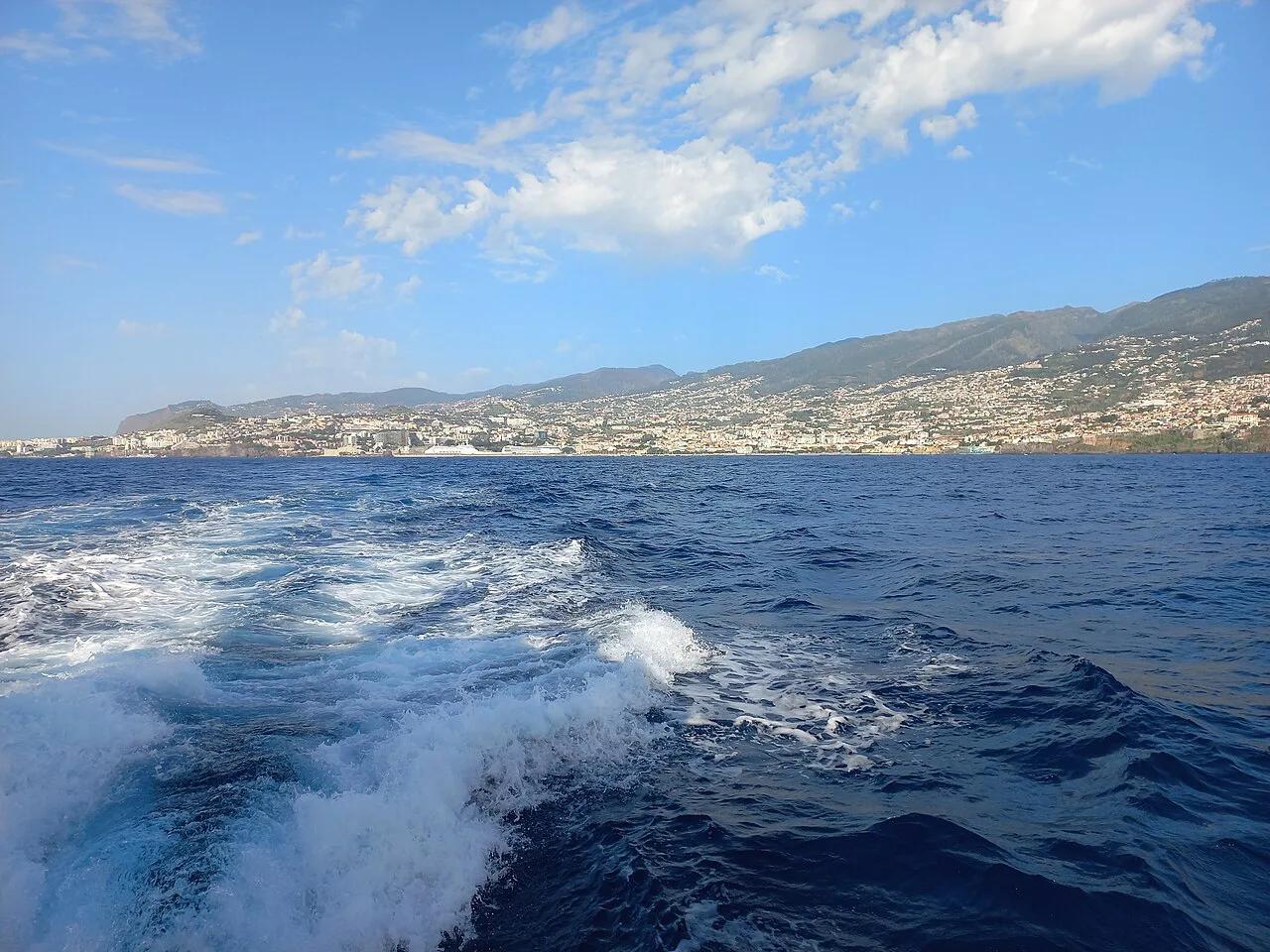
Featured image: Vitor Oliveira from Torres Vedras, PORTUGAL, CC BY-SA 2.0, via Wikimedia Commons.
Azores weather at a glance
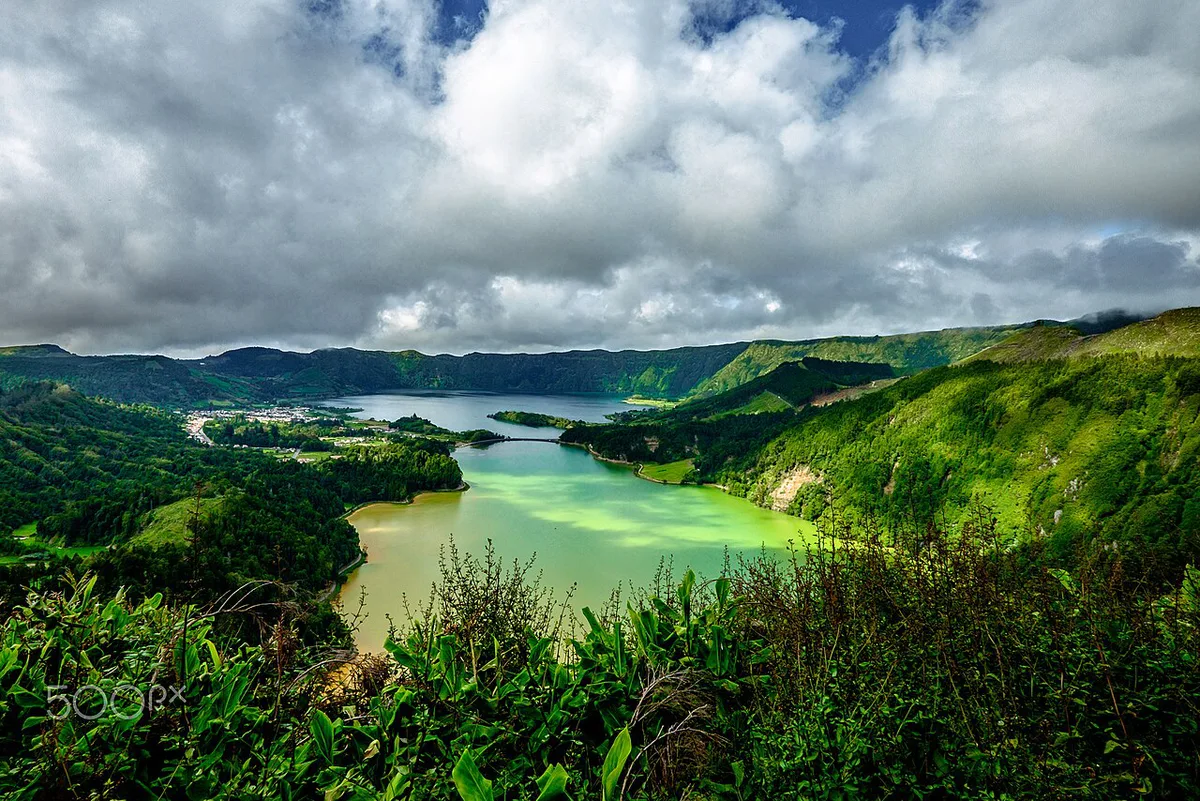
The Azores have a mild, wet, changeable oceanic climate shaped by the Atlantic anticyclone. Ponta Delgada typically sees winter highs near 17°C (63°F) and lows near 11°C (52°F). August is warmest, with highs around 25°C (77°F). Sea temperature peaks near 20°C (68°F) from August to October. Wettest months run from October to January, and June to August is the driest stretch. Figures here are approximate climate averages for Ponta Delgada; check IPMA climate normals and forecasts for current numbers.
- Warmest: August, with the warmest sea from August to October.
- Driest: June to August.
- Wettest: October to January.
- Best all-round balance: May to June and September.
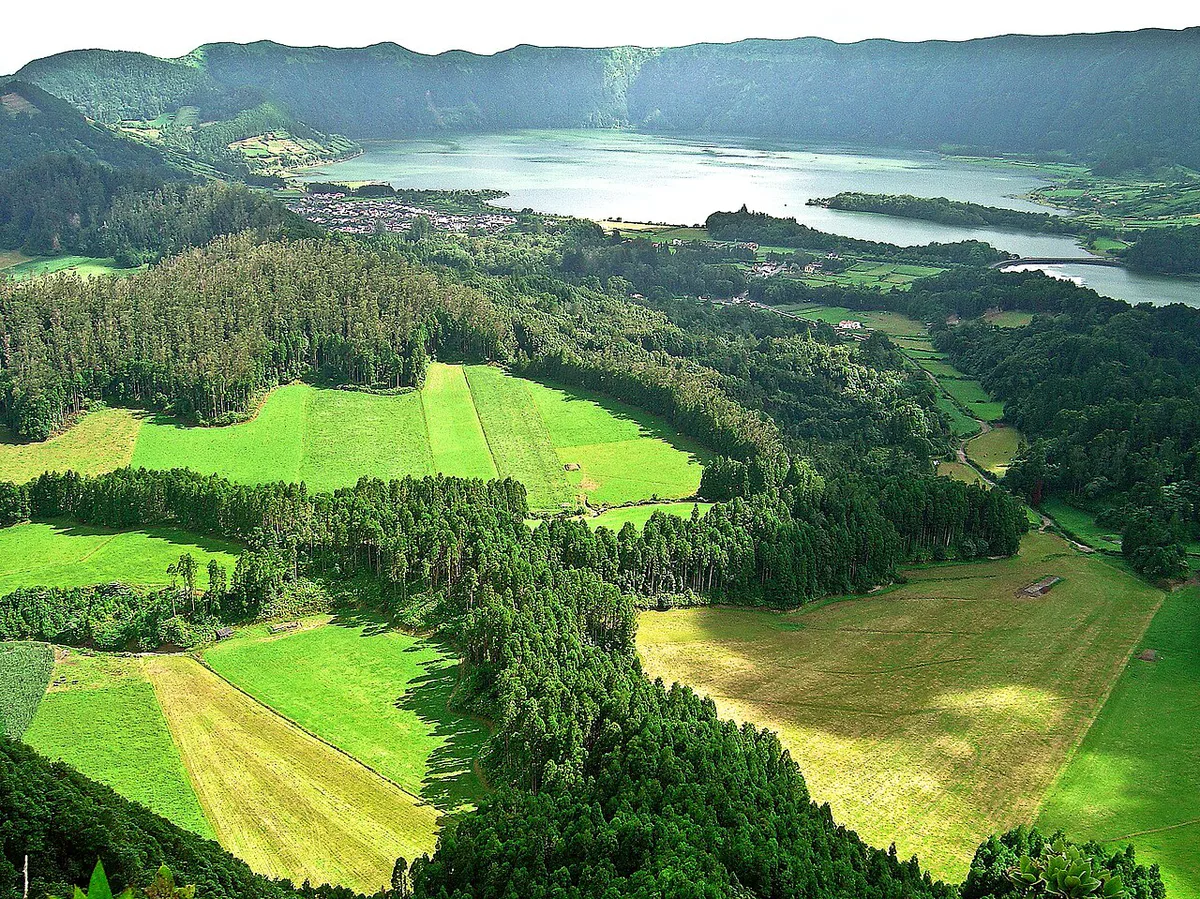
Month-by-month Azores weather
Each row uses Ponta Delgada as the reference station. Highs and lows are rounded averages, and sea temperatures are approximate. Rain is shown as a relative level rather than a figure. Expect swings of several degrees between islands and between coast and summit on any given day.
| Month | High / low | Sea | Rain | Verdict |
|---|---|---|---|---|
| January | 17°C (63°F) / 11°C (52°F) | 16°C (61°F) | High | Cool, wet, quiet; thermal springs shine |
| February | 17°C (63°F) / 11°C (52°F) | 15°C (59°F) | High | Coldest sea; plan indoor backup days |
| March | 17°C (63°F) / 11°C (52°F) | 15°C (59°F) | Medium-high | Early spring; mixed skies |
| April | 18°C (64°F) / 12°C (54°F) | 16°C (61°F) | Medium | Greener, trails drying out |
| May | 20°C (68°F) / 13°C (55°F) | 17°C (63°F) | Medium | Good hiking; fewer crowds |
| June | 22°C (72°F) / 15°C (59°F) | 19°C (66°F) | Low-medium | Long days, hydrangeas start |
| July | 24°C (75°F) / 17°C (63°F) | 19°C (66°F) | Low | Reliable and busy |
| August | 25°C (77°F) / 18°C (64°F) | 20°C (68°F) | Low | Warmest; best for swimming |
| September | 24°C (75°F) / 17°C (63°F) | 20°C (68°F) | Medium | Warm sea, thinner crowds |
| October | 22°C (72°F) / 16°C (61°F) | 20°C (68°F) | High | Sea still warm; rain returns |
| November | 19°C (66°F) / 13°C (55°F) | 18°C (64°F) | High | Wet and changeable |
| December | 17°C (63°F) / 12°C (54°F) | 17°C (63°F) | High | Mild but grey; low season |
Weather differences between islands
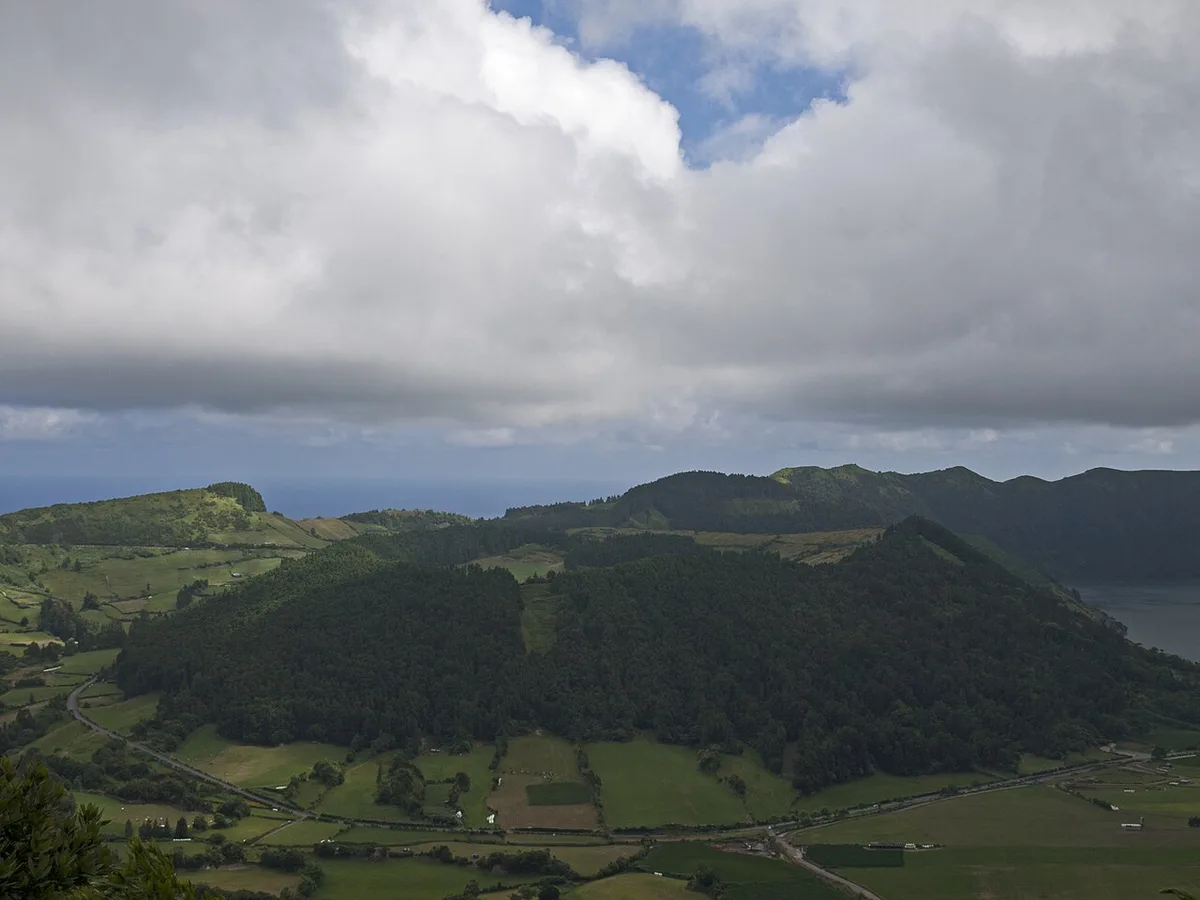
Weather shifts by island, altitude and Atlantic exposure. Horta on Faial runs about 1°C cooler than Ponta Delgada in winter. Summit and crater-rim cloud can hide views even on clear coastal days. The Azores islands hub compares the full archipelago, and each island below has its own planning guide.
Horta on Faial runs about 1°C cooler than Ponta Delgada in winter, so Ponta Delgada figures overstate winter warmth there.
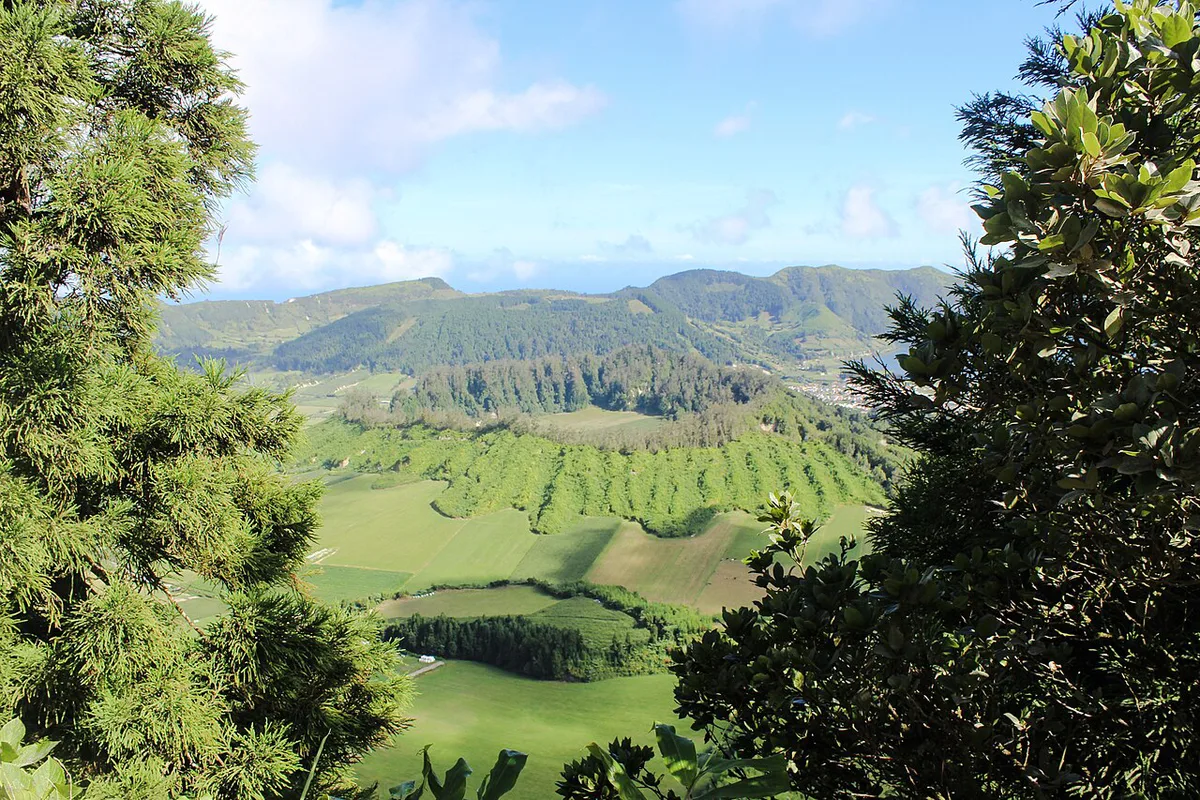
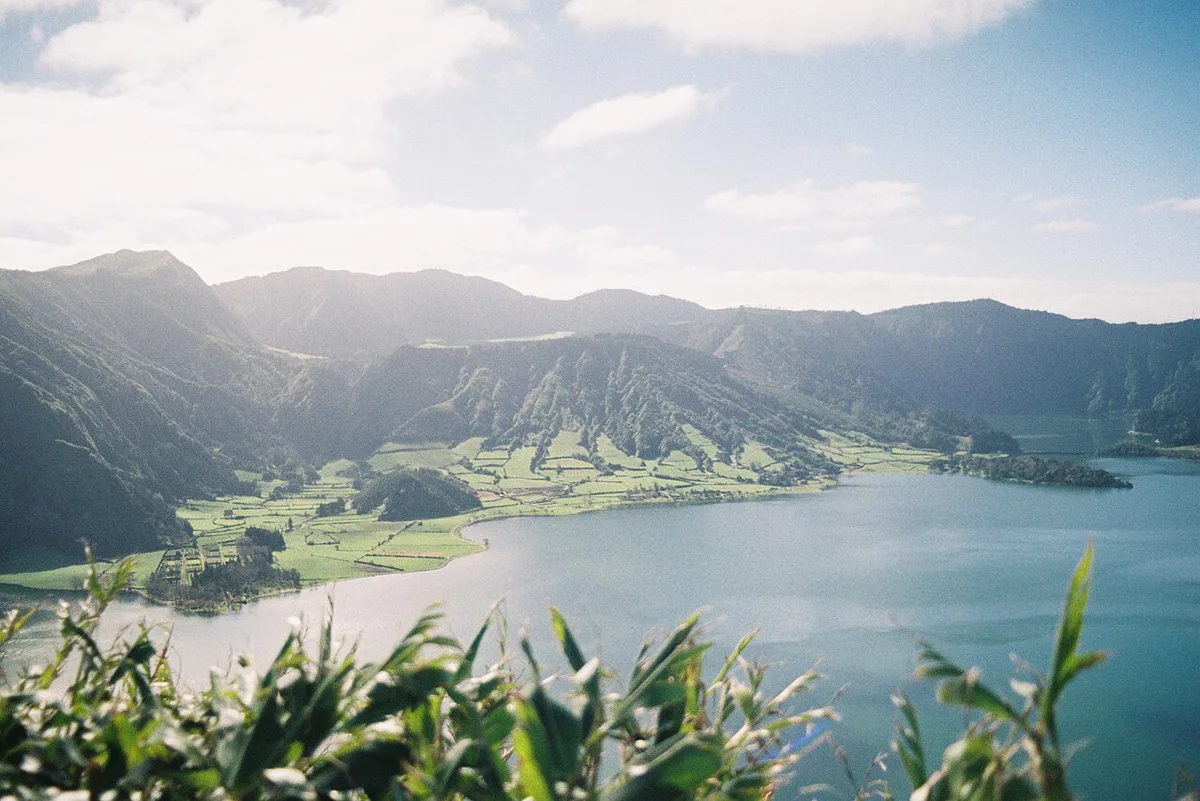
- São Miguel: Sete Cidades rims often cloud over while Ponta Delgada stays bright.
- Pico: the summit sits far above the coast and can be cold and clouded in.
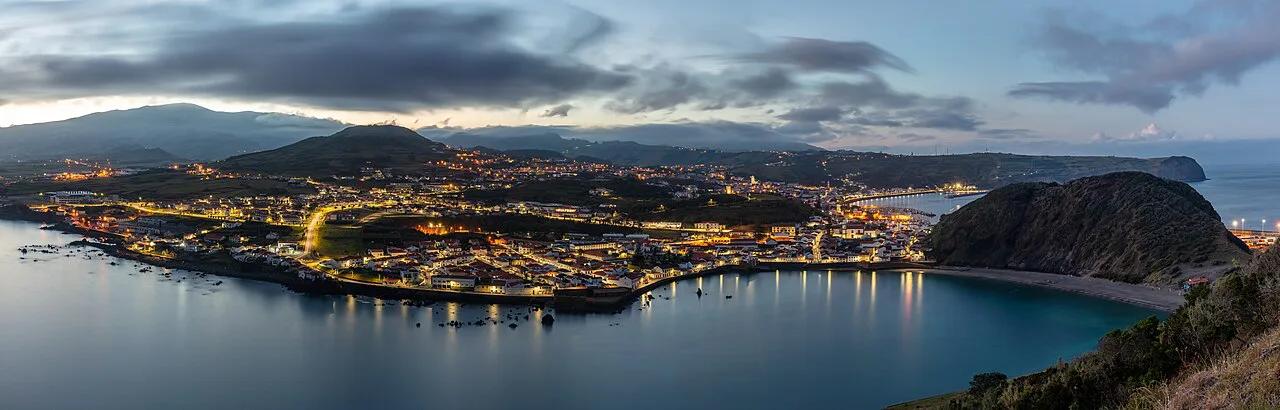
- Faial: Horta is a little cooler than Ponta Delgada in winter.
- Terceira: central-group weather changes quickly between showers and sun.
- São Jorge: cliff-edge trails are exposed to wind and fog.
- Santa Maria: the southeast island is often described as the sunniest; check forecasts.
- Flores and Corvo: the western edge takes Atlantic weather first.
Best months by activity
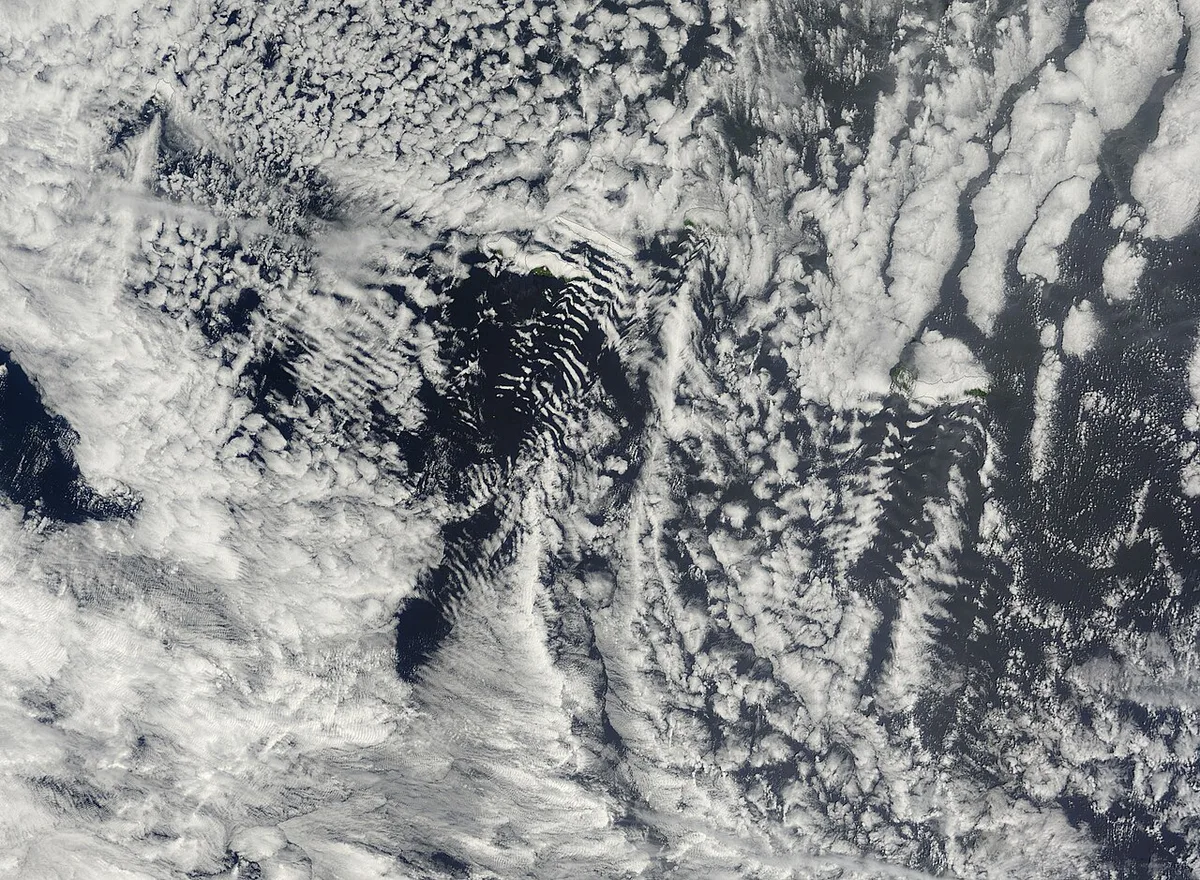
Match the activity to the month, then check the current season windows on Visit Azores. Whale-watching and hydrangea windows are set by official sources, not by the temperature table. March is a cool, changeable shoulder month; our Azores in March guide covers it in detail.
| Activity | Best months | Why |
|---|---|---|
| Hiking | May, June, September | Drier trails and milder air |
| Swimming | August to October | Sea near 20°C (68°F) |
| Whale watching | Spring to early autumn | Calmer seas; verify with Visit Azores |
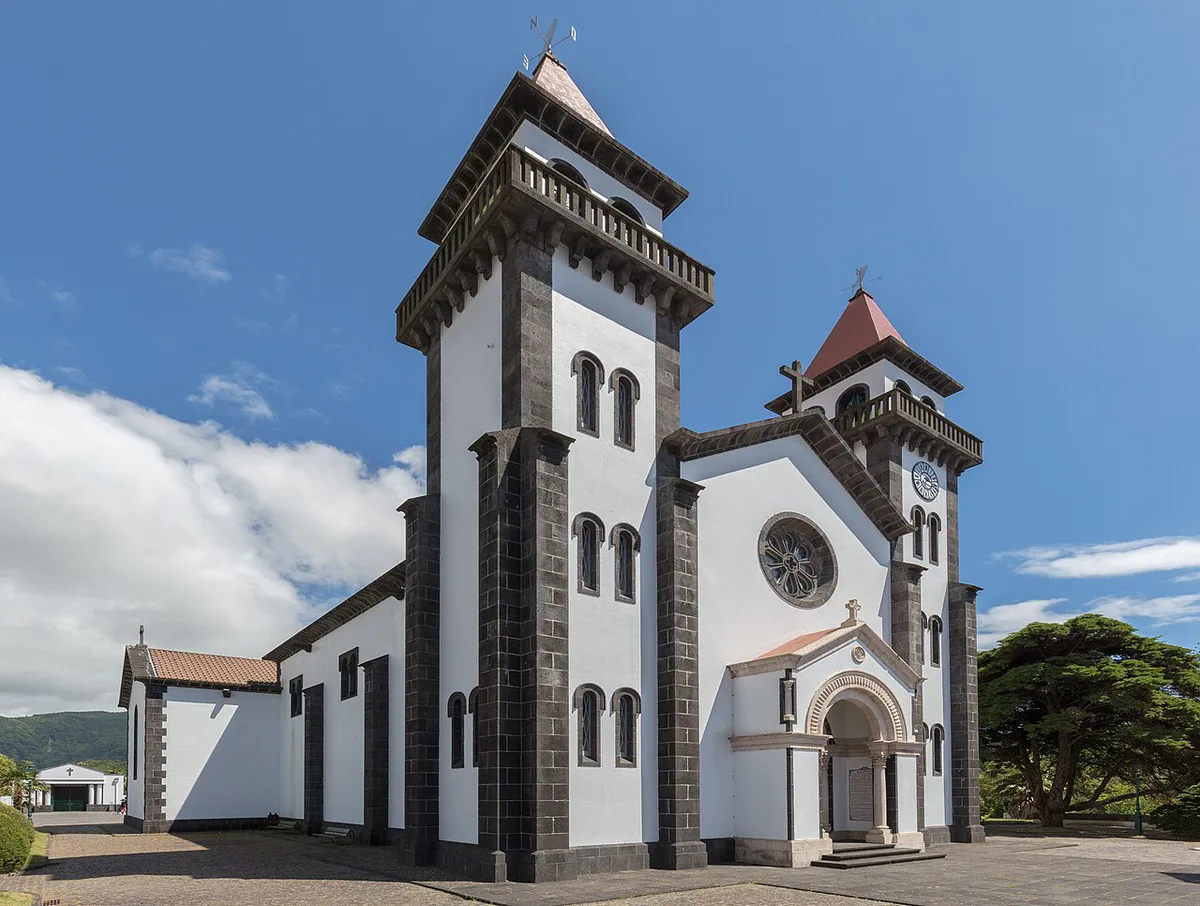
| Hydrangeas | June to August | Peak bloom is weather-dependent; verify |
| Thermal springs | November to March | Cool air suits a hot soak |
| Budget travel | November to April | Lower demand, wetter days |
| First-timers | June, July, September | Most reliable weather |
How to plan around changeable weather
Four seasons in a day is a fair description, so pack a waterproof shell and a warm mid-layer in every month. Keep one flexible day per island for a thermal-spring or museum swap. Wind, fog or swell can disrupt inter-island flights and ferries, especially to the smaller western and central islands. Ferry timetables are seasonal. Add at least one buffer day before an international departure. Our guide on How to Get to the Azores: Flights, Routes & Island Hopping covers routes, and Ponta Delgada airport publishes flight information.
What to pack for the Azores in each season
The table above shows why one packing list does not fit every month. Highs vary by only about 8°C across the year, but wind, rain and sea temperature change what you need in the bag.
| Season | Core clothing | Extras worth bringing |
|---|---|---|
| Winter (December to February) | Waterproof jacket, fleece or light down layer, long trousers | Swimsuit for thermal springs, waterproof hiking shoes, a small dry bag |
| Spring (March to May) | Waterproof shell, merino or fleece mid-layer, quick-dry trousers | Trekking poles for muddy trails, a warm hat for summit mornings |
| Summer (June to August) | T-shirts, light layers, a packable rain jacket | Sun cream, sunglasses, swimwear, reef shoes for rocky entries |
| Autumn (September to November) | Layers that dry quickly, waterproof shell | Swimwear for September and October, a spare pair of shoes |
Sea temperature and swimming kit
With the sea at about 15°C (59°F) in February and March, ocean swimming is a short, brisk dip. From August to October the water sits near 20°C (68°F) and most people swim without a wetsuit. Natural pools such as the lava-rock pools around the coast are usually comfortable earlier in the season than open water.
Daylight changes the plan
Ponta Delgada has roughly 9.5 hours of daylight in December and nearly 15 hours in June. In winter, start hikes and drives early so you finish before dusk. In summer, long evenings leave time for a second viewpoint after a showery morning.
Keep the waterproof layer in your day bag in every month, even when the forecast looks clear. Cloud can roll over a crater rim within minutes.
Costs and crowds by season
Summer brings the best weather odds and the busiest, priciest weeks. In our editorial assessment, a mid-range double might run around €80 a night in February versus €150+ in July. Treat those figures as a planning example and check current rates. Winter and early spring are cheaper but wetter, and some outdoor operators run reduced schedules. May, June and September balance price, crowds and weather.
Mid-range doubles run around €80 a night in February versus €150+ in July, so winter savings come with wetter days.
Frequently Asked Questions
What's the weather like in the Azores?
Mild, wet and changeable. Ponta Delgada highs range from about 17°C (63°F) in winter to 25°C (77°F) in August. Showers can arrive on any day, so pack layers.
What is the high season in the Azores?
High season runs roughly from June to September, when rain is lowest and the sea is warmest. Prices and crowds peak in July and August.
Is the Azores weather better than Madeira's?
Both are mild Atlantic archipelagos, but the Azores are wetter and more changeable. Our Azores vs Madeira comparison covers the differences.
Useful notes for your next island trip
Optional updates to our guides.
You might also like

Continue reading
More guides you'll find useful