
Santa Maria Azores: Island Guide, Getting There and Where to Stay
Planning Santa Maria in the Azores? See how to get there, how many days to allow, where to stay and how it compares with São Miguel.
On this page
Last updated November 2026. Santa Maria Azores plans center on the southeasternmost island of the archipelago, in the Eastern Group alongside São Miguel. It suits travelers who want a small, quiet island built around beaches, white-washed villages and open, dry-looking landscapes. It works best as one stop in a wider Azores island plan.
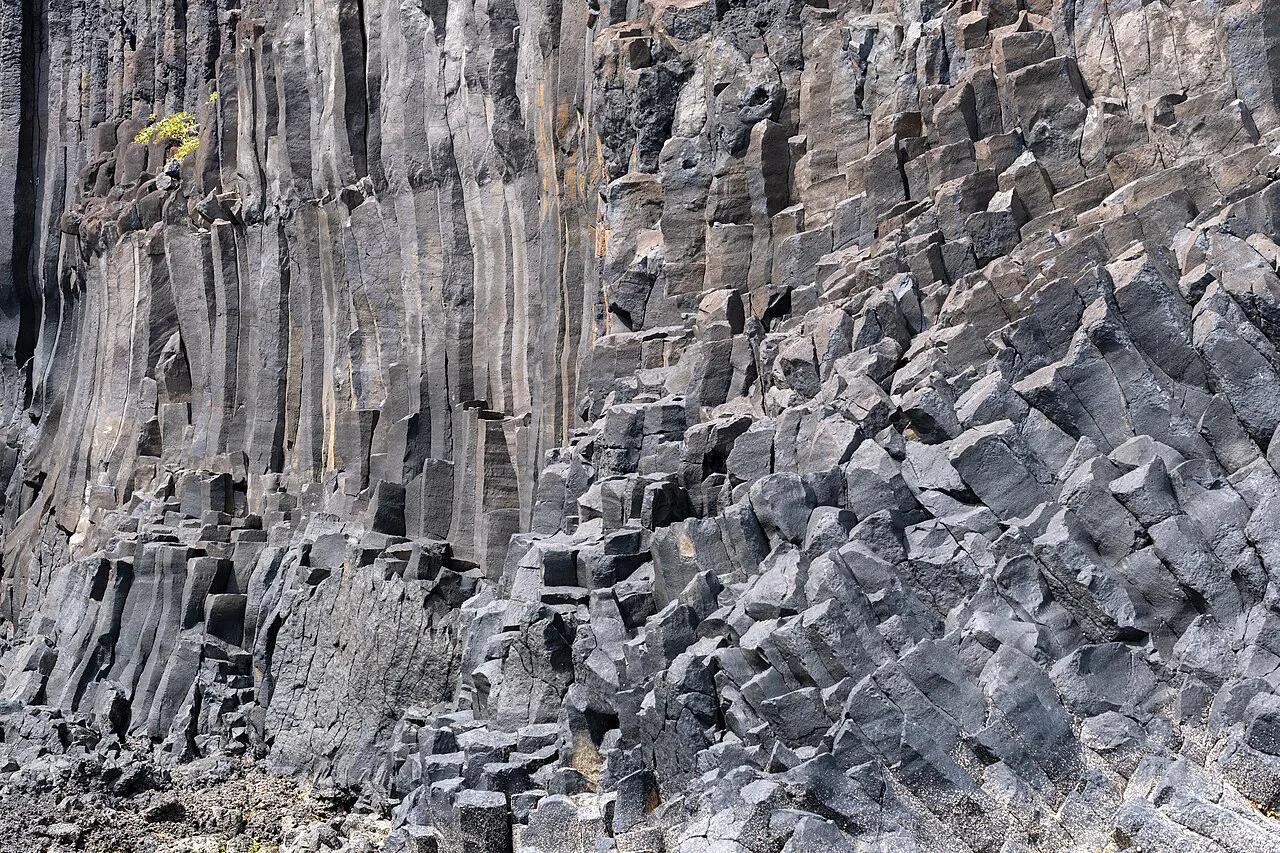
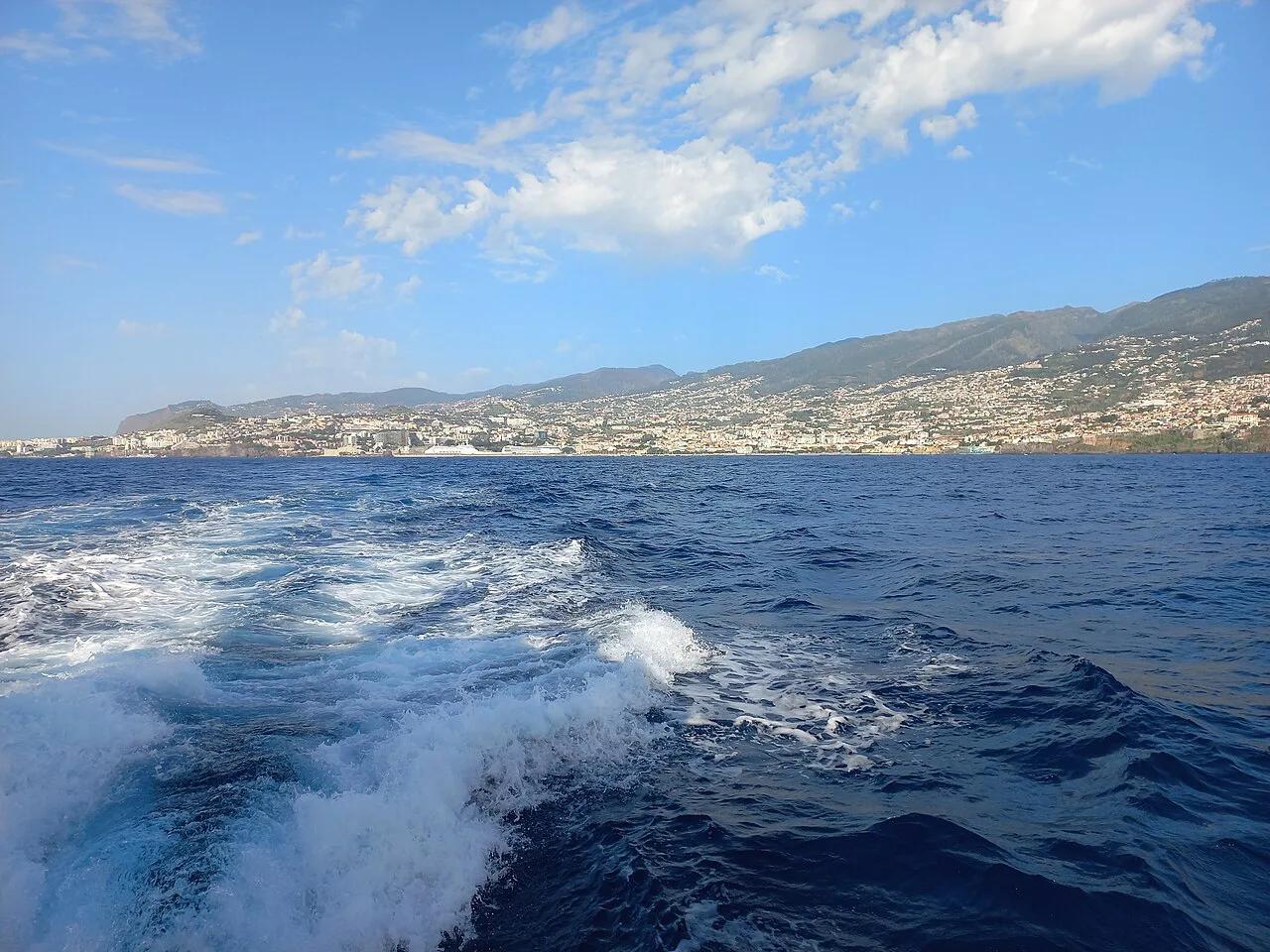
Featured image: Jules Verne Times Two, CC BY-SA 4.0, via Wikimedia Commons.
Santa Maria Azores at a Glance
Santa Maria is about 16.6 km (10.3 miles) long and up to 9.1 km (5.7 miles) wide. That adds up to roughly 97 km² (37 square miles), so you can cross it in a short drive. São Miguel lies about 81 km (50 miles) away, and both islands belong to the Eastern Group. Census data from 2011 counted 5,552 residents, and Statistics Portugal (INE) publishes newer figures. Vila do Porto is the main town and the natural base.
- Location: southeasternmost island of the Azores, Eastern Group
- Size: about 16.6 km long, up to 9.1 km wide, about 97 km²
- Nearest island: São Miguel, about 81 km away
- Main town: Vila do Porto
- Best for: beaches, quiet villages, slow days with a rental car
Is Santa Maria Worth Visiting? Who It Suits
Santa Maria rewards travelers who prefer a calm pace over a checklist of volcanic lakes and crater hikes. Beach time at Praia Formosa and short drives between villages are the core of a stay. If you want dramatic mountain scenery or a large choice of restaurants and hotels, other islands do that better. Pico offers the mountain, and São Miguel offers the widest infrastructure. Readers weighing the archipelago against another destination can also read our Azores versus Madeira comparison.
| Santa Maria | São Miguel | Pico | |
|---|---|---|---|
| Access | Small island, reached by air, usually via São Miguel | Main gateway island with the Ponta Delgada airport | Own airport and island connections |
| Scenery | Beaches, white-washed villages, dry-looking terrain | Crater lakes, green valleys, coast | Volcanic mountain, vineyards, lava coast |
| Infrastructure | Limited, concentrated in Vila do Porto | Widest choice of lodging and dining | Moderate, spread along the coast |
| Best for | Quiet, sunny, beach-led stays | First trips and varied sightseeing | Hiking and volcano views |
- Skip Santa Maria if you only have two days in the Azores and want the classic crater lakes.
- Skip it if you do not want to rent a car.
- Skip it if you need a large choice of restaurants every night, especially outside summer.
How to Get to Santa Maria
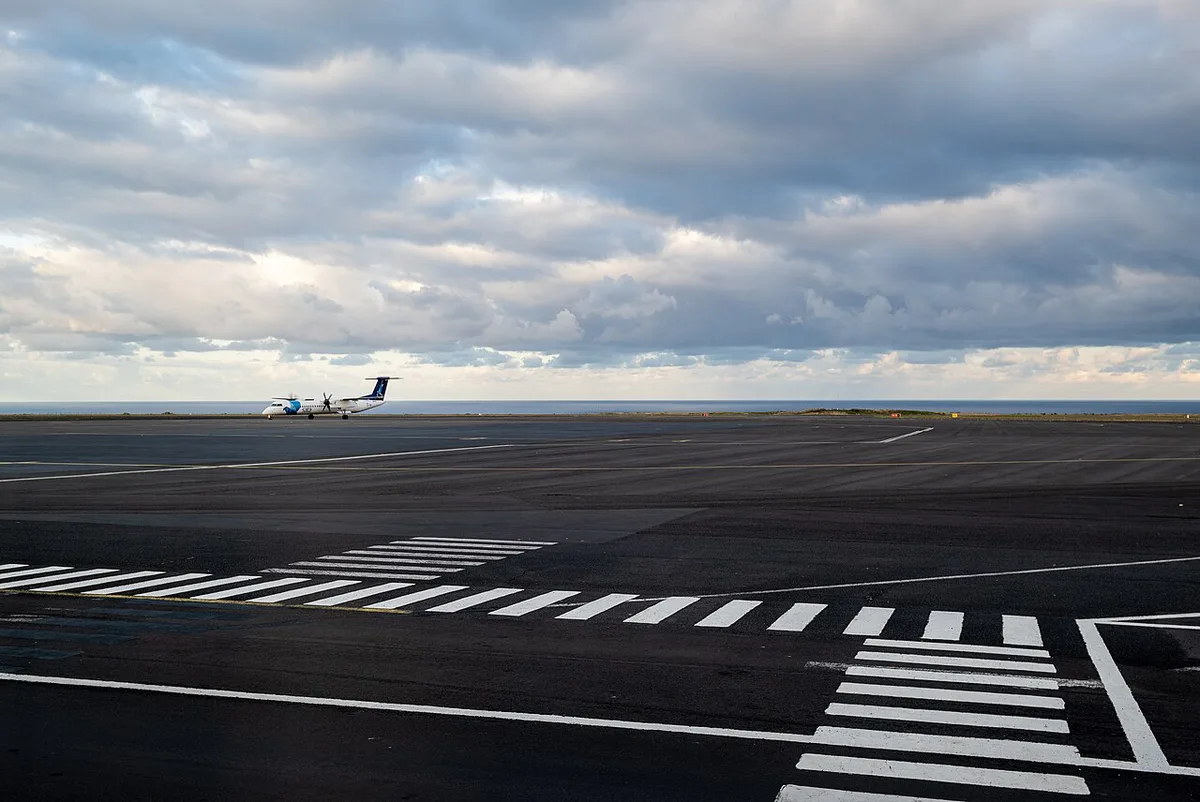
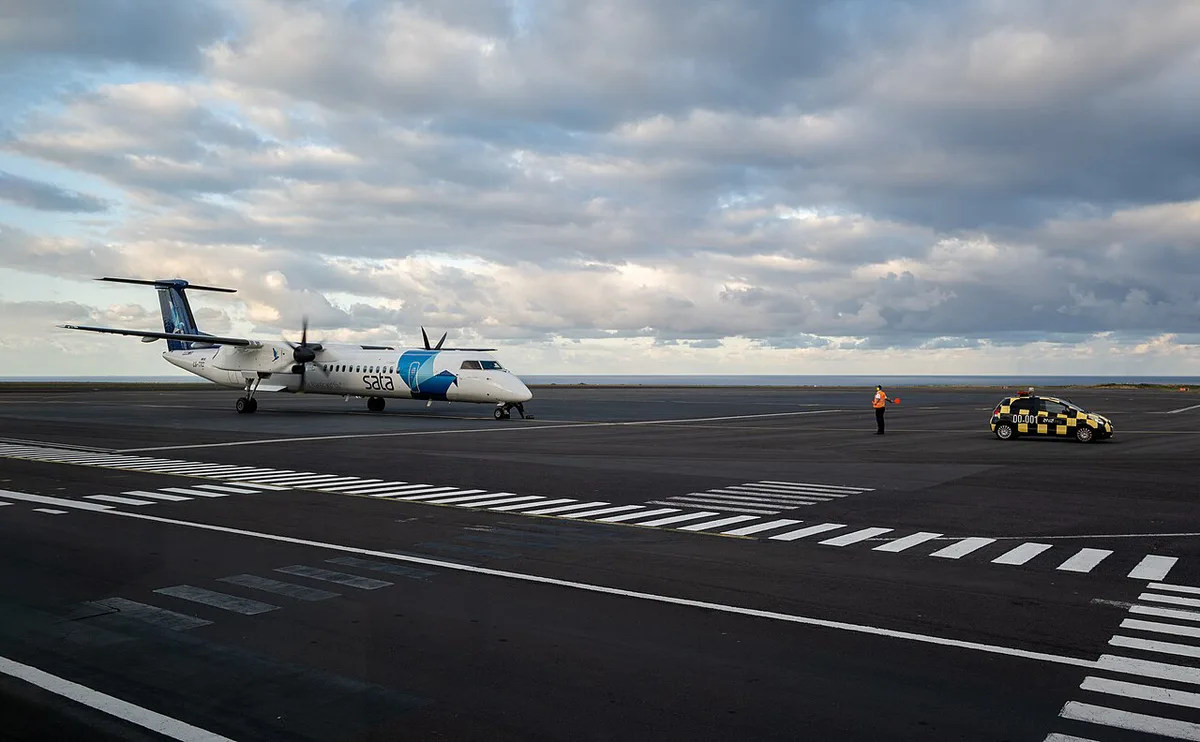
Most visitors fly in. Santa Maria has its own airport, and flights link it with the rest of the archipelago, mostly through São Miguel. Departures from São Miguel leave from Ponta Delgada airport. Check current routes and seasonality with Azores Airlines, because schedules shift between summer and winter. Do not plan around a ferry unless an operator confirms one for your dates. Our guide on How to Get to the Azores: Flights, Routes & Island Hopping covers the long-haul legs. A day trip from São Miguel is tight, so most travelers stay at least one night. Wind and fog can delay or cancel small-island flights, so leave a buffer day before any international departure.
Ponta Delgada airport on São Miguel, 81 km (50 miles) away, is the usual departure point for flights into Santa Maria.
Best Things to Do on Santa Maria
Choose by interest, since the island is small enough to combine several stops in a day. Hours and tickets for individual sights change, so check locally before building a day around one.
- Beaches: Praia Formosa is the island's best-known beach, and sea conditions decide how pleasant it is on any given day.
- Landscape: Barreiro da Faneca is a desert-like area that looks unlike most Azores scenery.
- Villages: walk the white-washed streets and chapels of the island's small settlements.
- Town: Vila do Porto is the place for cafés, shops and the island's main services.
- Coast and viewpoints: drive the shoreline roads and stop where the Atlantic opens up, in clear weather.
Santa Maria's Chimneys, Fossils and Dry Landscape
Santa Maria looks different from the rest of the archipelago, and the reasons are worth knowing before you plan a drive. It is the oldest island in the Azores, and that age shows in the terrain, the buildings and the rock.
Why it feels drier
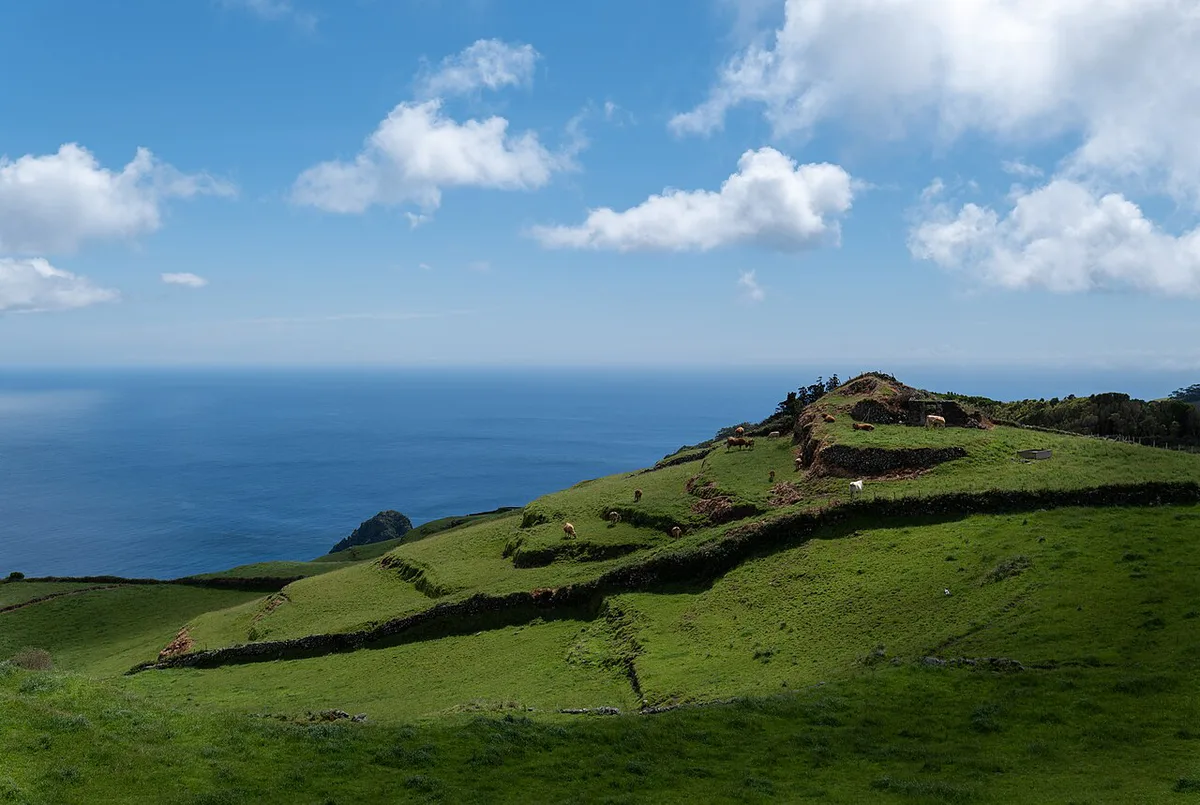
The island is lower and more eroded than its neighbours. Its highest point, Pico Alto, reaches about 587 m, so there are no crater lakes and no volcanic cones to climb. The east is noticeably drier and more open, with a red-brown, almost Mediterranean look in places, which is why Barreiro da Faneca appears so unlike other Azores scenery. Expect warm, sunny stretches, but the Atlantic can still bring wind and cloud within the same day.
The white-washed villages and their chimneys
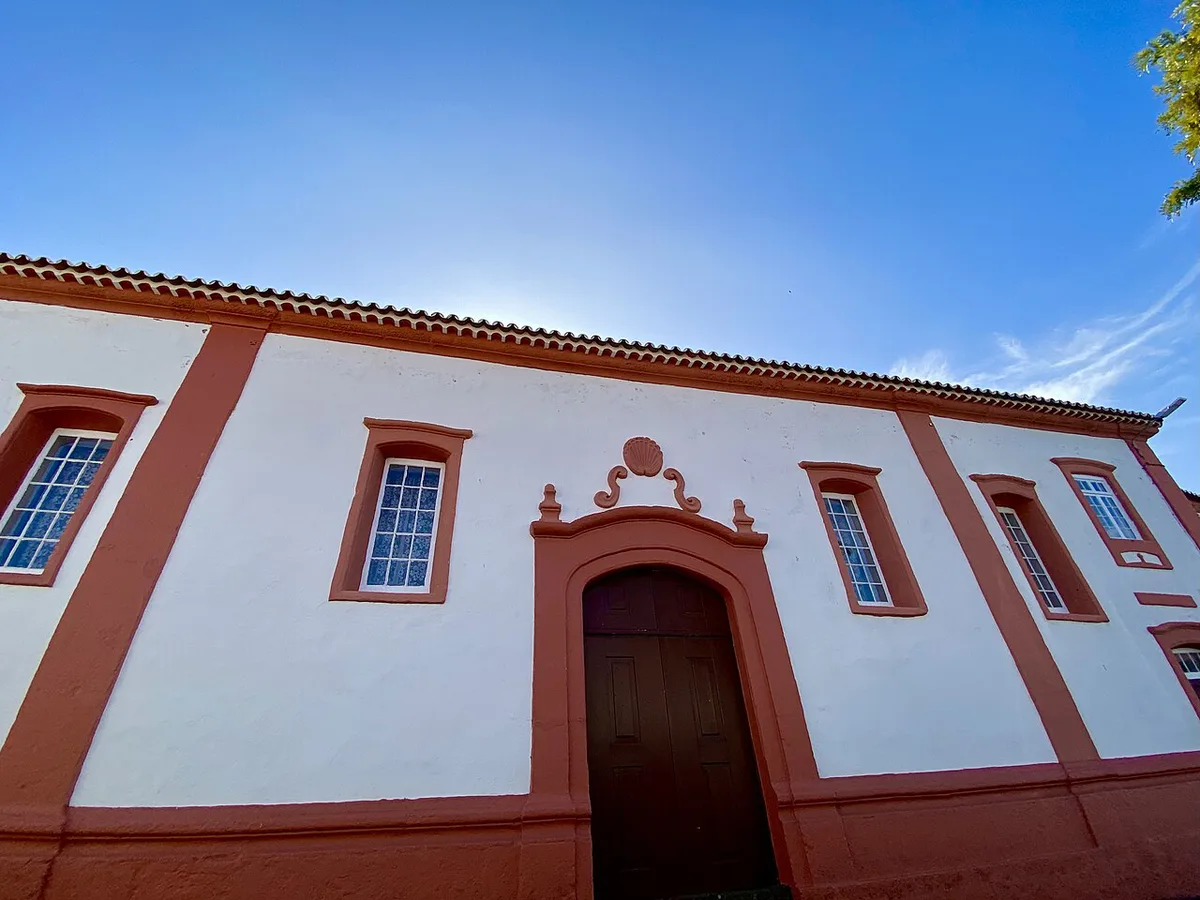
The island's traditional houses are white-washed, and many are topped with tall, decorative chimneys. They are the detail locals and visitors point to first. Look for them on village back streets rather than on the main road, and ask in Vila do Porto for the best streets to walk.
Fossils and geology
Santa Maria is the only Azores island with marine fossil beds, a legacy of its older, partly submerged history. Fossil sites such as Pedra-que-pica sit along the coast, and access can depend on the sea and on local protection rules. Check at the tourist office in Vila do Porto before heading out, and never remove fossils.
If you want a greener, steeper contrast after a dry-looking island, São Jorge offers cliffs and coastal walks instead.
- Best light: morning and late afternoon for white-washed walls.
- Footwear: sturdy shoes for coastal fossil areas.
- Timing: early August brings the Maré de Agosto music festival at Praia Formosa, so book rooms and cars well ahead.
How Many Days to Plan
Santa Maria rewards one night more than most people expect. A single day is possible but rushed, and weather can erase it. Two days is the practical sweet spot. Three days suits beach-focused travelers who want slack for wind and sea conditions.
Crossing the 16.6 km (10.3 miles) length takes a short drive, but weather can still cut a single day short.
| Length | What fits | What to cut |
|---|---|---|
| 1 day | Vila do Porto, one beach, one village drive | Barreiro da Faneca and any slow lunch |
| 2 days | Praia Formosa, Barreiro da Faneca, a village loop | Extra viewpoints and secondary beaches |
| 3 days | All of the above plus a flexible weather day | Nothing, except time spent on other islands |
Where to Stay and How to Get Around
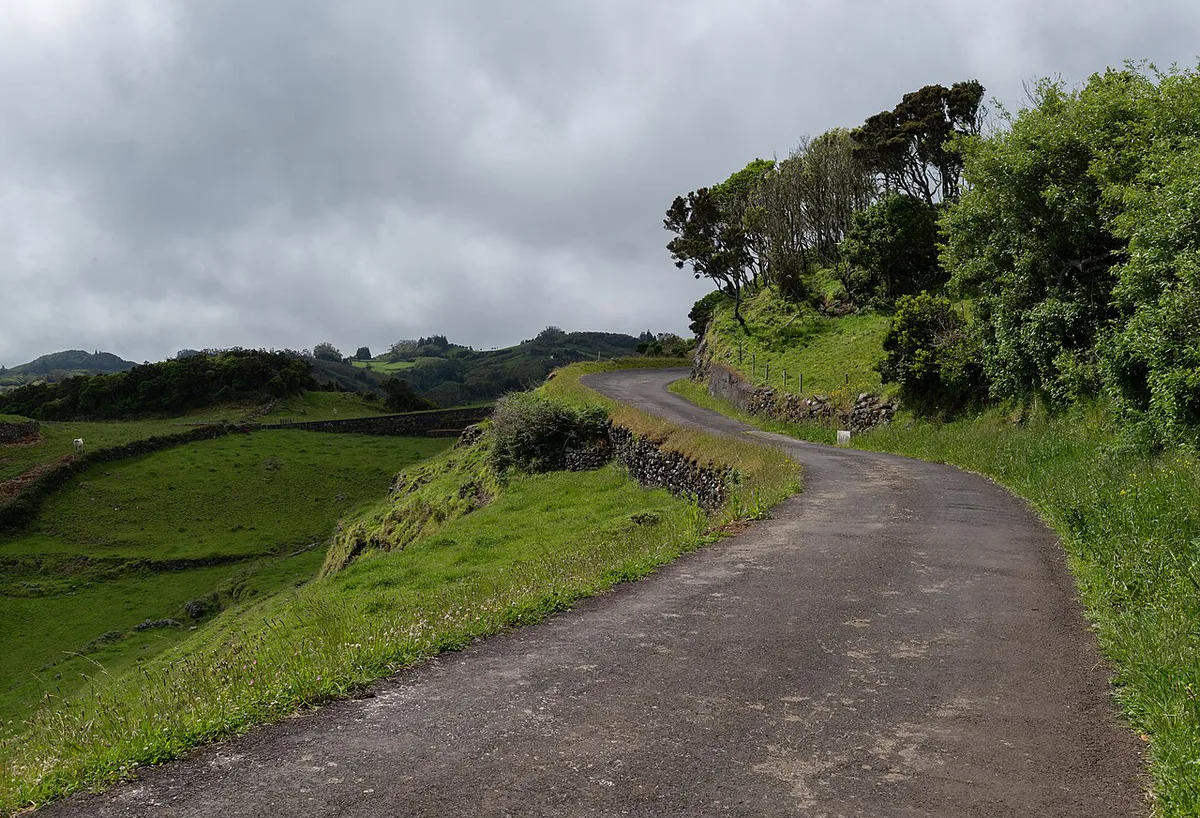
Vila do Porto is the easiest base because lodging, food and services cluster there. A rental car is the usual way to move around, and public transport is likely limited, so confirm it locally. Book the car and your room early for summer, as supply on a 97 km² island is small. Taxis work for short hops in town but add up fast for island loops.
When to Go
Summer is the natural season for beaches and the fullest choice of restaurants and rooms. Outside summer, expect fewer open venues and more wind. Read our guide on the best time to visit the Azores for the seasonal overview. Month-by-month detail is in Azores Weather by Month: Temps, Rain & Best Time to Go. Live forecasts come from IPMA, the Portuguese weather institute. A spring trip is worth a look if you want fewer crowds, as covered in Azores in March: Weather, What's Open & Who Should Go.
Costs and Booking Notes
Flights, rental cars and rooms are the main costs, and all three rise in summer. Current fares and rates sit on operator sites, with regional listings at Visit Azores.
Common Mistakes to Avoid
A few planning errors cause most of the trouble on a small island.
- Treating Santa Maria as a day trip and losing it to a cancelled flight.
- Arriving without a rental car in peak season.
- Leaving no buffer day before your international flight home.
- Expecting São Miguel-level dining and lodging choices outside summer.
- Skipping other islands entirely: pair Santa Maria with Terceira or Faial for contrast.
Useful notes for your next island trip
Optional updates to our guides.
You might also like

Continue reading
More guides you'll find useful