
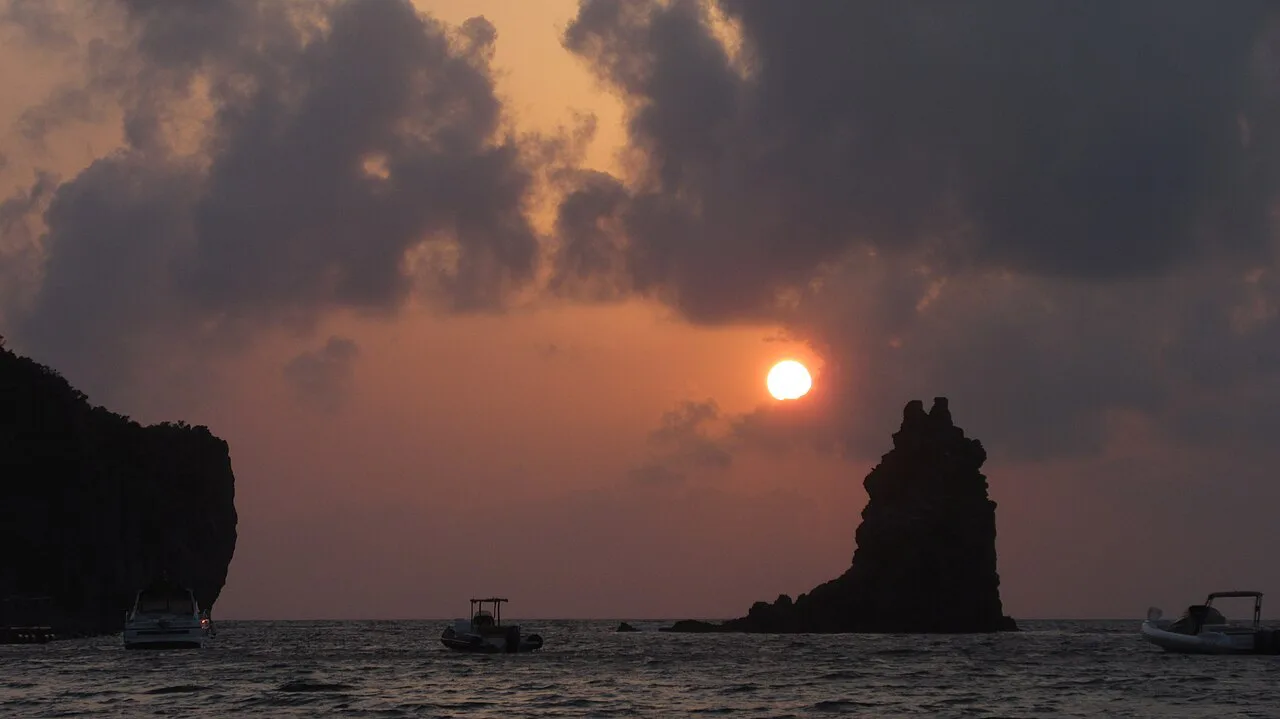
7 Aeolian Islands Compared: Which to Pick and How to Go
Seven volcanic islands off Sicily compared: Lipari, Stromboli, Vulcano, Salina and more. Pick your base, plan your days and avoid common mistakes.
On this page
Last updated November 2026: the aeolian islands are a volcanic archipelago north of Sicily, made up of Lipari, Vulcano, Salina, Stromboli, Panarea, Filicudi and Alicudi. First-timers should base themselves on Lipari, volcano-seekers add Vulcano and Stromboli, and quiet-and-green travelers pick Salina. Filicudi and Alicudi suit the remote crowd, and our route guide from Sicily covers the logistics.
Featured image: Tartaruga86, CC BY-SA 4.0, via Wikimedia Commons.
Quick answer: which Aeolian island is right for you
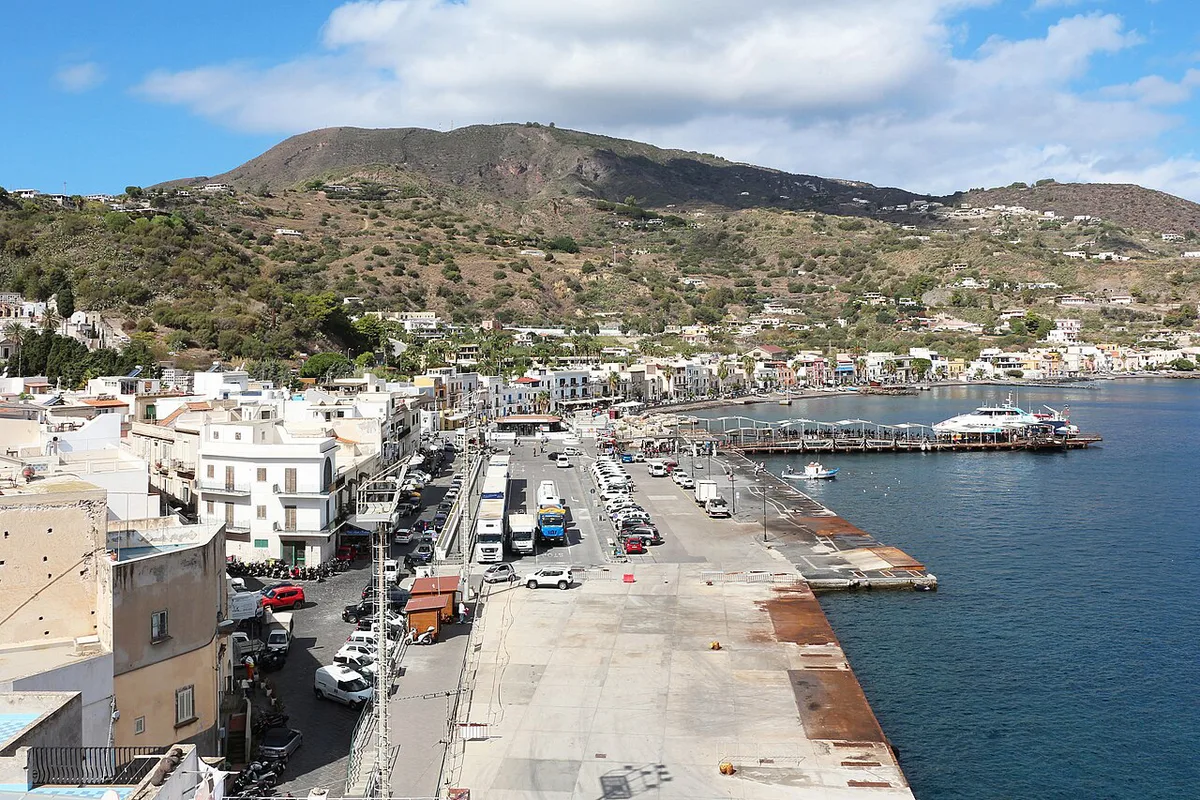
Choose Lipari if you want one base with easy hops to the rest. Pick Salina for hiking and wine, Stromboli for night eruptions, and Panarea for an upscale stay. Filicudi and Alicudi reward travelers who have time and travel light. Use the table to match island to travel style.
| Island | Best for | Effort and access | Suggested stay | Key trade-off |
|---|---|---|---|---|
| Lipari | First-timers, flexible base | Easiest; boats route through it | 2 or more nights | Busiest hub, least remote |
| Vulcano | Crater hike, mud pools | Short crossing from Lipari | Day trip or 1 night | Sulphur smell |
| Salina | Quiet, green, wine, walking | Moderate | 1 to 2 nights | Few nightlife options |
| Stromboli | Night eruptions | Longer trip; guided climb | 1 night | Weather and return-boat risk |
| Panarea | Upscale stay, fumaroles | Reached from Lipari | Day trip or 1 night | Highest price level |
| Filicudi | Remote, simple island life | Limited infrastructure | 2 or more nights | Tight connections |
| Alicudi | Car-free, steep, silent | Hardest; steep walking with luggage | 2 or more nights | Few services |
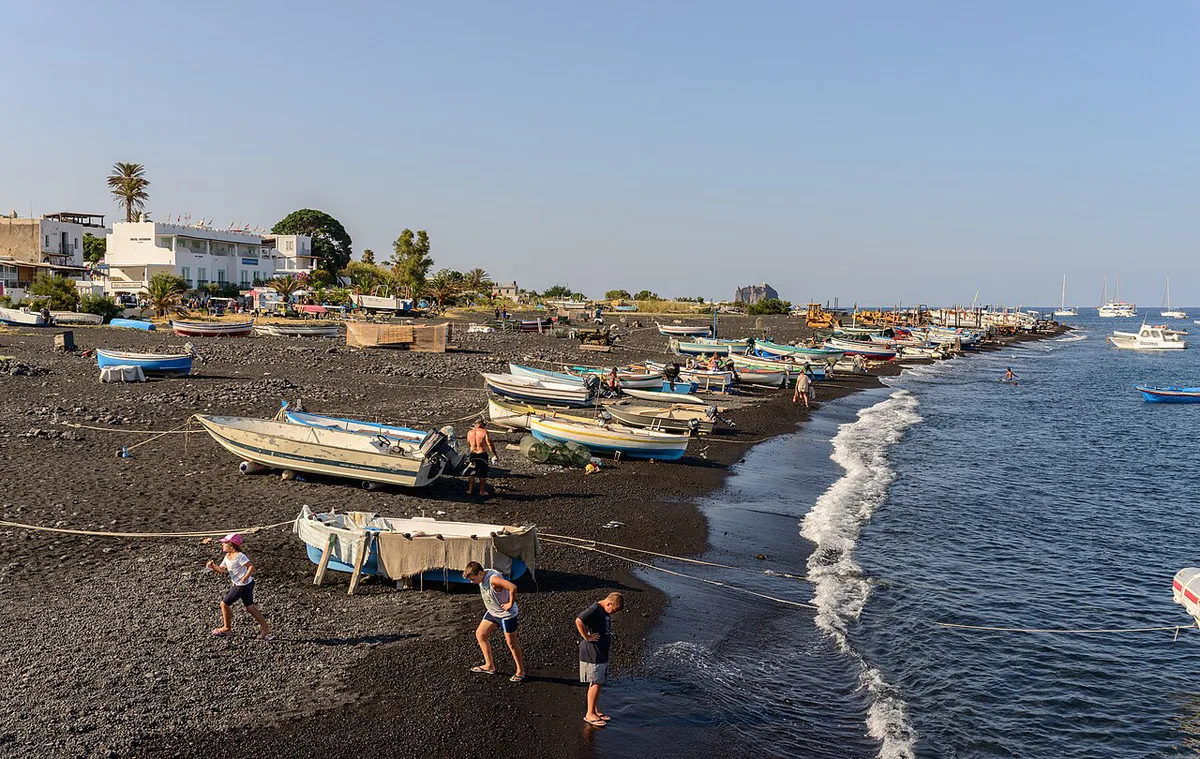
The 7 Aeolian Islands ranked by traveler fit
Islands are ordered from easiest base to most remote. Prices and hours checked November 2026. Each entry names what you gain and what you give up.
Filicudi drops out of any trip shorter than 4 days, so 2- or 3-day plans should leave it off.
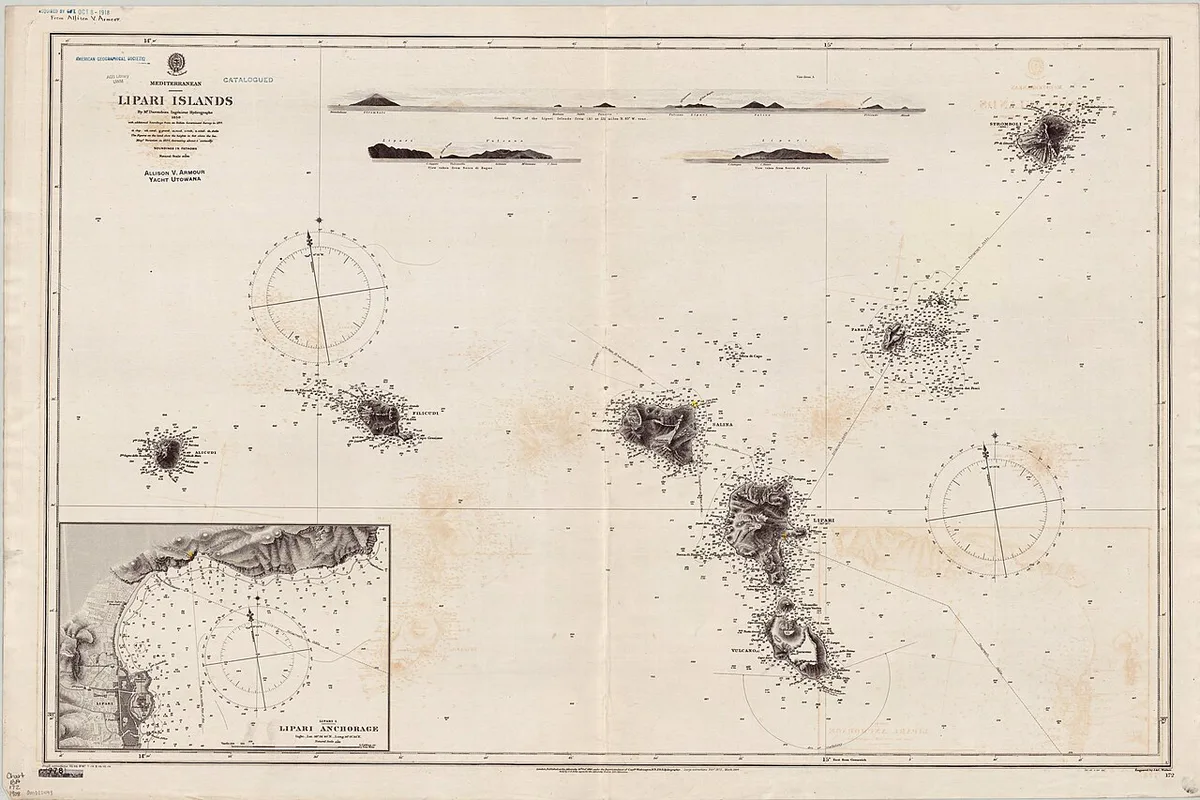
1. Lipari: the easiest base
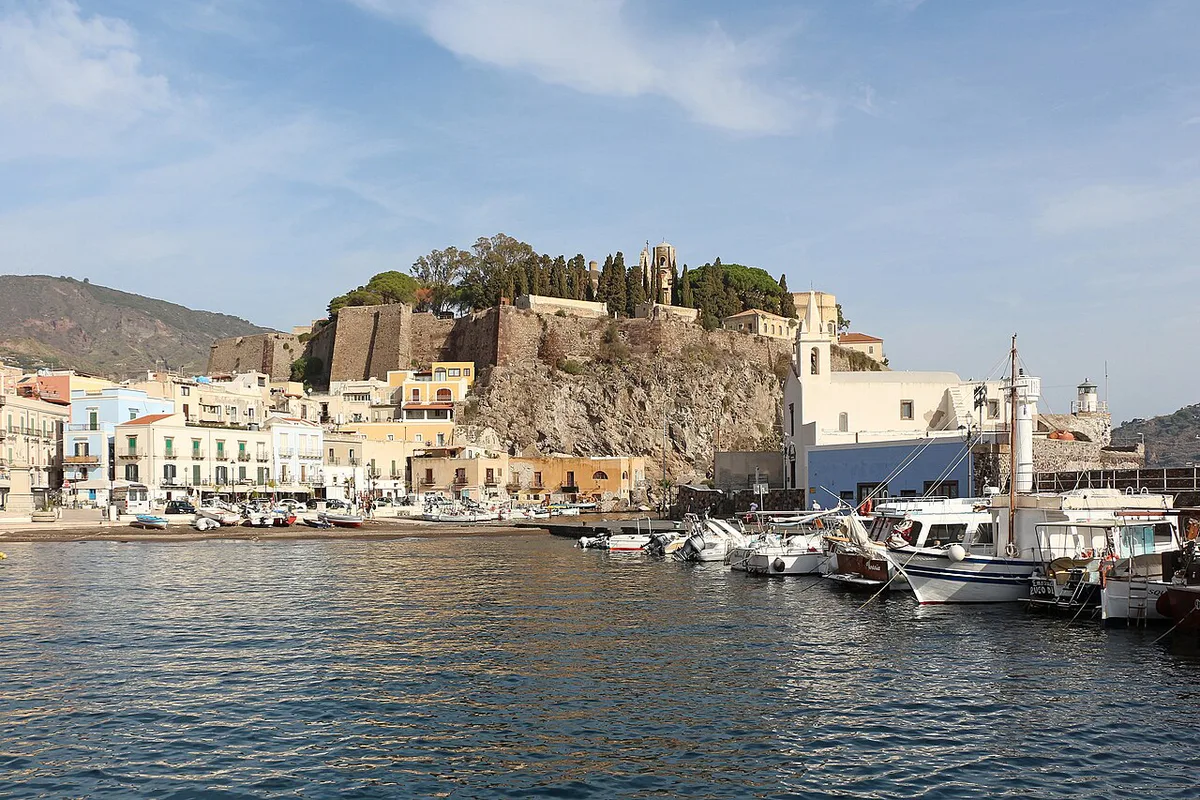
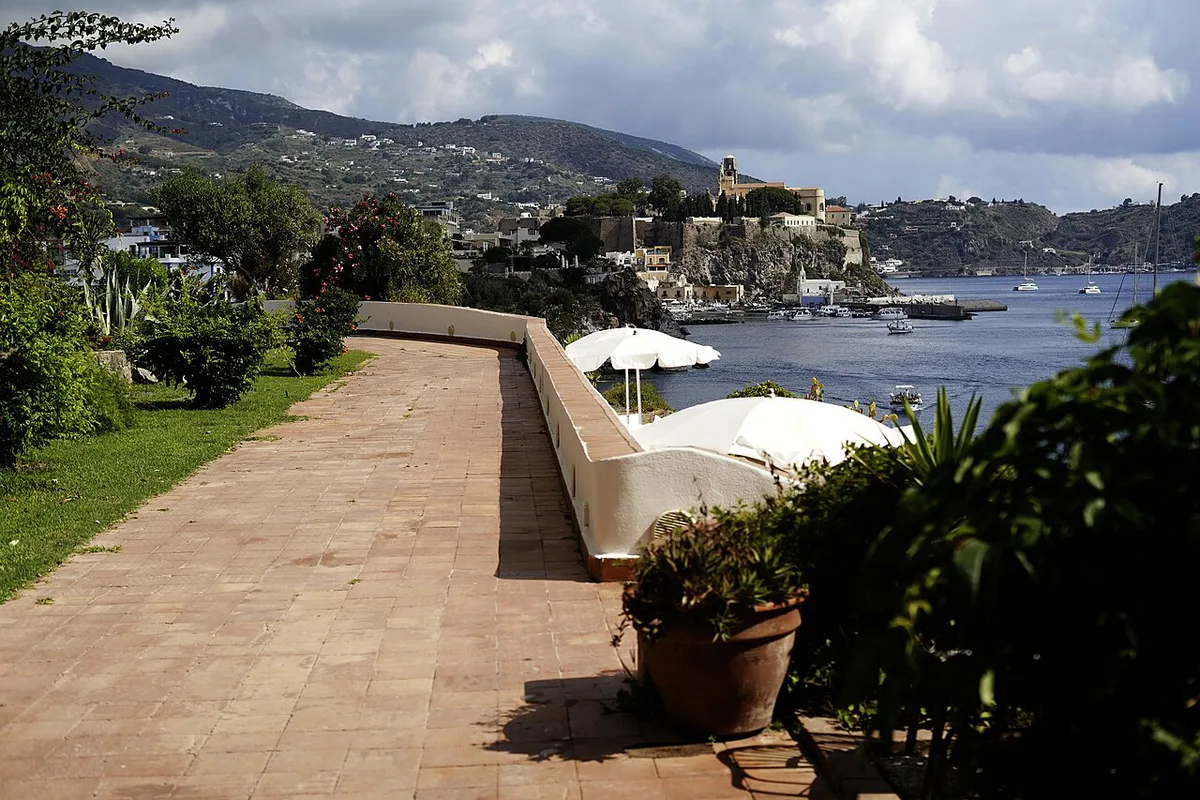
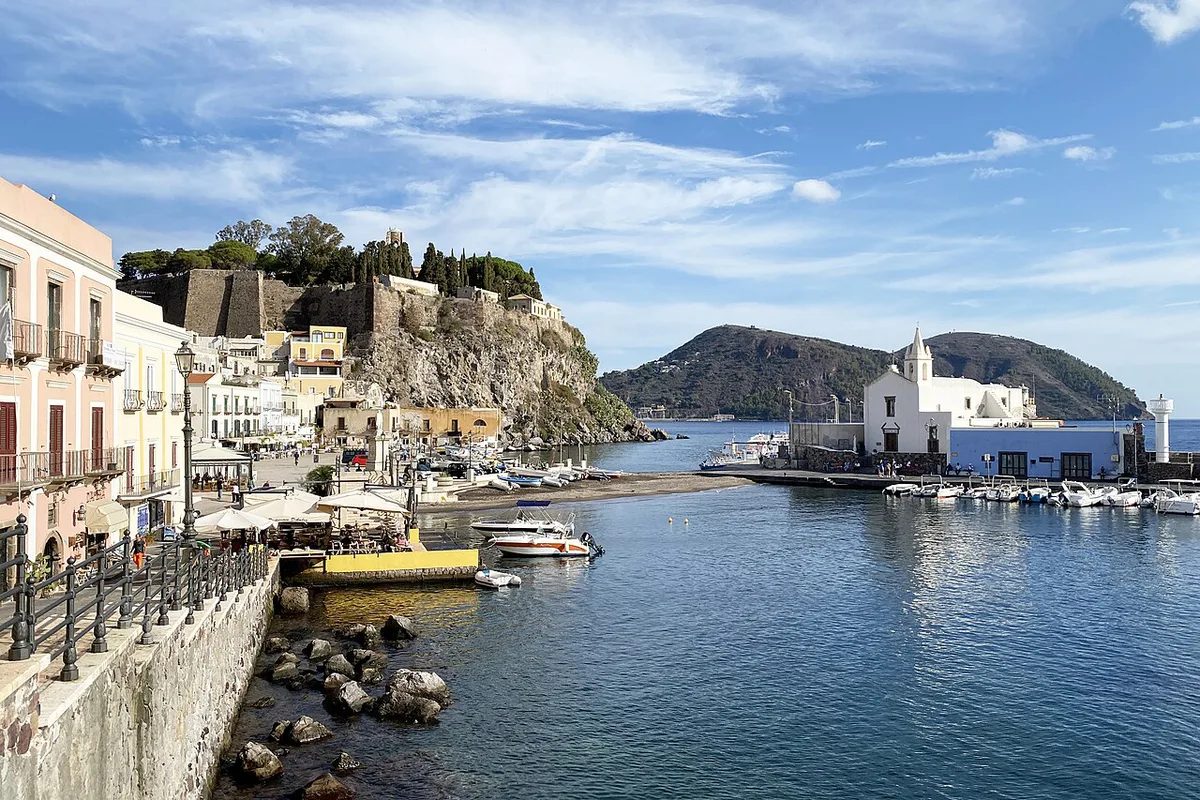
Lipari is the largest island, and its main town sits beneath an ancient acropolis. Inside the castle on that acropolis, the Museo Archeologico Eoliano holds prehistoric and Greek collections, including obsidian tools and Mycenaean ceramics. Obsidian from Lipari was traded across the Mediterranean from about 6000 BCE, which is why the museum earns a visit.
Boats to most other islands route through Lipari, so one hotel here keeps day trips simple. The ferry crossing from Milazzo ends here. Read our Lipari island guide before booking. Skip Lipari as an overnight base if you want total quiet, since Salina or Filicudi suit that better.
2. Vulcano: crater, mud and sulphur
Vulcano gave its name to volcanoes everywhere, and its 1888 to 1890 eruption defined the "vulcanian" type still used by volcanologists. A marked path climbs to the Gran Cratere in roughly an hour, passing fumaroles where sulphurous gas rises from the ground. At the port, a natural mud pool offers warm, sulphurous mud that smells strongly and stains clothing.
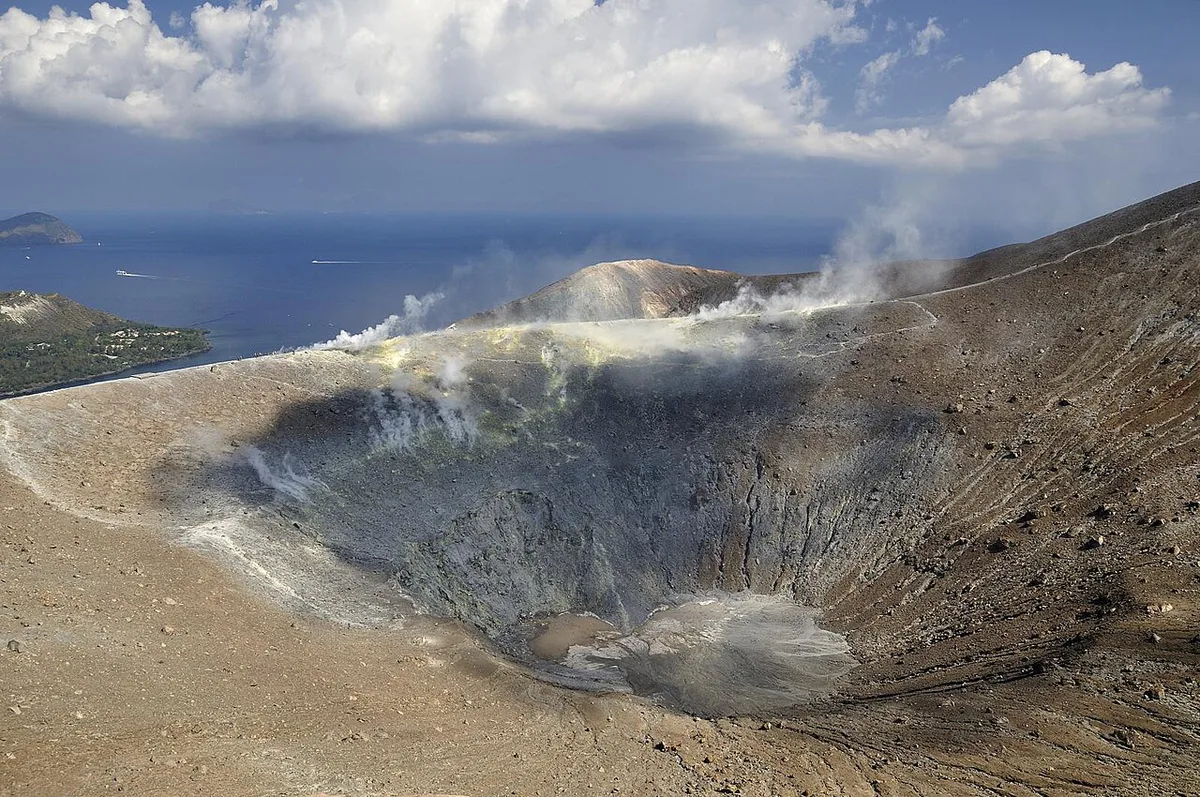
Wear old clothes and leave silver jewelry at the hotel, because the vents tarnish it fast. Our Vulcano crater and mud pool guide has the details. Skip Vulcano if a heavy sulphur smell or gas near the vents bothers you.
3. Salina: greenest and highest
Salina is the highest and greenest island, topped by Monte Fossa delle Felci. The summit walk starts at the Madonna del Terzito sanctuary and takes about 2 hours, ending with a view into a crater covered in Mediterranean scrub. Salina is also where Malvasia delle Lipari wine and capers come from, so plan a tasting around your hike.
Read about hiking and wine on Salina for trail and village options. Skip Salina if you want nightlife or a lot of volcanic drama.
4. Stromboli: night eruptions
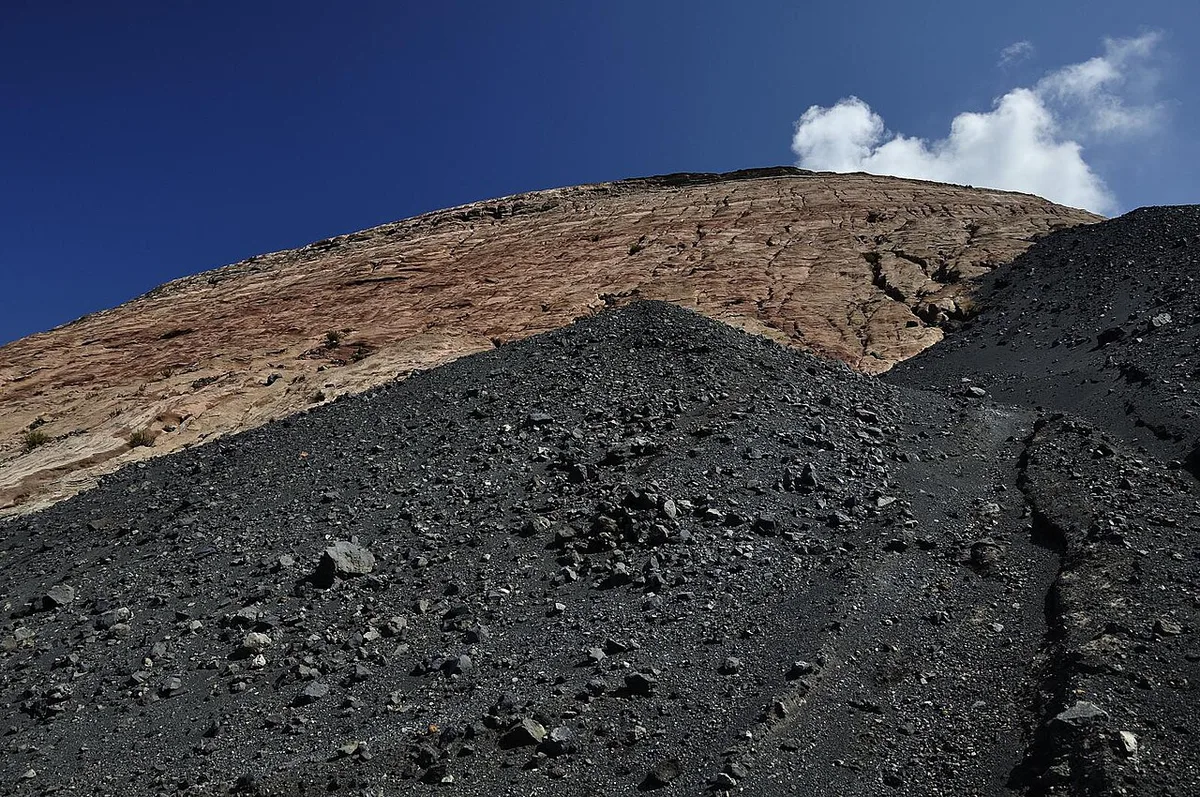
Stromboli has erupted almost continuously for about two thousand years, and the Sciara del Fuoco lava channel runs down to the sea. Climbing toward the summit requires a licensed guide, and a typical guided trip takes about three hours with two stops. Guide Alpine Stromboli runs official ascents. Walkers who prefer not to climb can follow a flat path of about 40 minutes toward the Osservatorio, which faces the craters.
The INGV volcano monitoring page reports current activity. See our Stromboli climb guide for planning. Skip a same-day trip if you cannot risk a late boat return.
5. Panarea: small and upscale
Panarea is the smallest inhabited island, known for its villas and its price level, which is the highest in the group. A short route from the Church of the Assumption leads north toward the Calcara fumarole basin, where volcanic gas bubbles up through the sea. A submarine volcanic field, including Bottaro, lies offshore.
Many visitors come as a day trip from Lipari, so you gain atmosphere without paying for a night. Our Panarea island guide lists the walks. Skip an overnight stay on a tight budget.
6. Filicudi: remote and simple
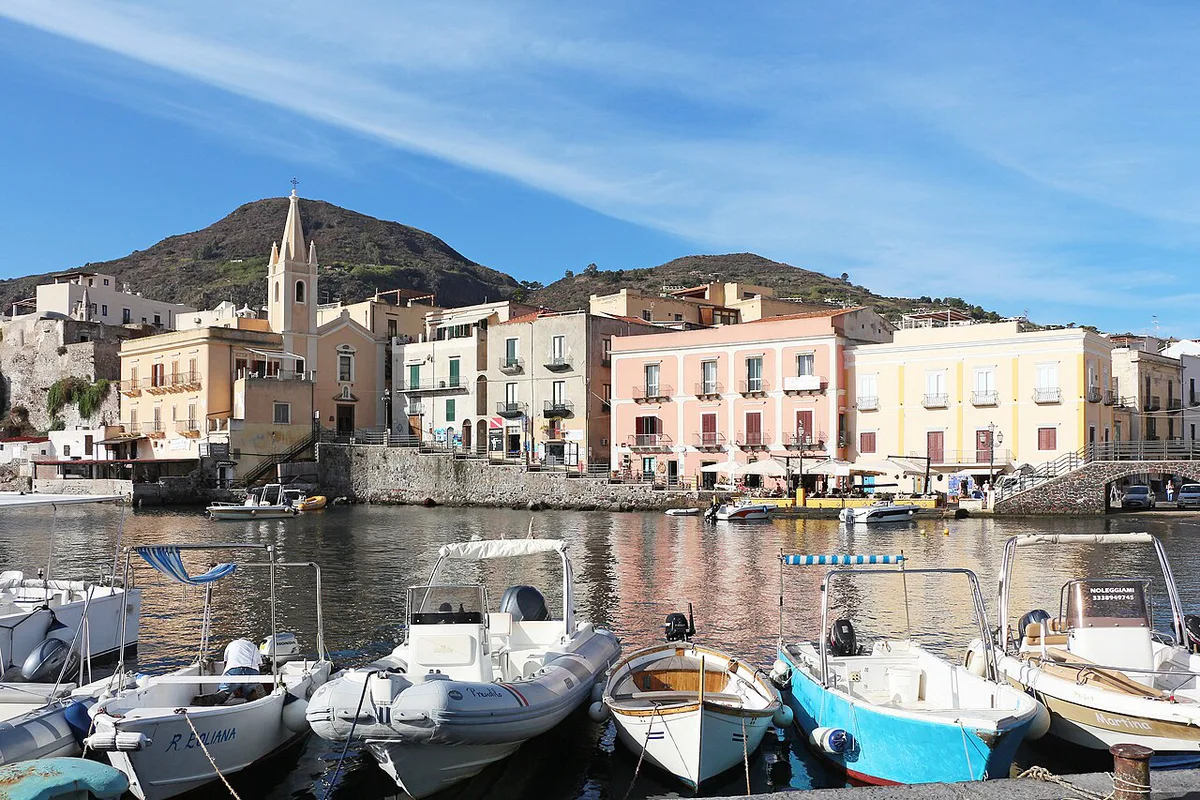
Filicudi is one of the two most remote islands, with limited infrastructure. Expect fewer shops, fewer rooms and fewer boats than on Lipari. You gain quiet and a sense of distance from the crowds, and you give up easy hopping.
Book a flexible schedule, because a tight ferry connection is the main risk here. Plan your stay with our Filicudi island guide. Skip Filicudi if your trip is shorter than 4 days.
7. Alicudi: car-free and steep
Alicudi has no roads, so every trip means walking and carrying your bags up steep paths. Pack light, since there is no vehicle to carry luggage. You gain silence and the least developed island in the group, and you give up convenience.
Services are limited, so bring what you need from Lipari. Our Alicudi island guide explains the walking. Skip Alicudi if you have mobility limits or heavy luggage.
How many days and which islands to combine
Seeing all 7 islands in 2 or 3 days is a mistake. Each hop costs time at the port, and most hops route through Lipari. Stromboli is a night activity, so you either overnight there or confirm a late boat back. The grid shows sensible combinations.
| Days | Islands to combine | Logic |
|---|---|---|
| 2 | Lipari plus Vulcano | Vulcano is a short crossing from Lipari |
| 3 | Lipari, Vulcano, plus Salina or Stromboli | Pick one extra island, not both |
| 5 | Lipari base, Salina, Stromboli overnight, Panarea | Return through Lipari between legs |
| 7 | Add Filicudi or Alicudi | Leave a spare day for sea or weather delays |
Getting there and hopping between islands
Milazzo, near Messina, is the main gateway, reached by bus or train from Messina. From there, ferries and faster hydrofoils run to all 7 islands. Hydrofoils save time, while slower ferries are the usual choice when you carry luggage. Start with how to reach the islands from Milazzo. Compare schedules on Liberty Lines timetables and Siremar. Most hops route through Lipari, so verify direct links between outer islands before planning. Naples services also reach the archipelago, but check the current season.
Best time to visit the Aeolian Islands
Summer brings the most visitors and the fullest boat service, while winter timetables are reduced and weather can cancel crossings. Check the operator's timetable for your travel month, because the winter schedule does not match summer.
Volcano and hiking rules
Stromboli's summit requires a licensed guide, and a typical guided trip takes about three hours. Vulcano's crater path takes roughly an hour, with sulphurous gas near the vents. Bring sturdy shoes for either hike, and wear old clothes for the Vulcano mud. Keep silver at the hotel. Check INGV volcano updates and municipal advisories for current access, because rules change with volcanic activity.
Stromboli's summit needs a licensed guide, while a flat path of about 40 minutes offers a non-climbing option.
Costs and budgeting
Panarea sits at the high end, while Filicudi and Alicudi are cheaper. Current fares are on the operator sites above.
- Hydrofoil and ferry fares for every hop
- Accommodation, which varies most by island
- The guided Stromboli climb
- Boat tours around the islands
- Museo Archeologico Eoliano entry
- Cash, since small islands may have few ATMs
Where to stay: choosing a base island
A central base on Lipari gives easy hops. Salina suits quiet, Vulcano suits the crater and mud, and Stromboli is the place to see the eruption. Panarea is the upscale choice. The trade-off is simple: a central base saves time, while one island per night gives deeper immersion but more boat days.
Beyond the volcanoes: culture and history
The Aeolian Islands were inscribed on the UNESCO World Heritage list in 2000. Lipari's Museo Archeologico Eoliano holds the obsidian story, and Greek colonists founded the city of Lipara in 580 BCE. Salina's Malvasia delle Lipari wine continues the local tradition. Museum hours and tickets are on the Sicilian regional government site.
Mistakes to avoid
These errors cause most failed island plans.
- Trying to see all seven islands in 2 or 3 days.
- Booking Stromboli without a plan for the night return or for sea cancellations.
- Choosing Alicudi or Filicudi with a tight ferry connection.
- Wearing silver or good clothes at the Vulcano vents and mud.
- Assuming the winter timetable matches summer.
Weighing Italy against Greece for a volcanic or island-hopping trip? Our guide to Greek island groups compares the main archipelagos across the Aegean and Ionian seas.
Frequently Asked Questions
Is it worth visiting Stromboli?
Yes, if you want to see eruptions after dark with a licensed guide. Plan an overnight stay so a late boat does not cut the trip short.
Which is the prettiest Aeolian island?
Salina is the greenest and highest island, with vineyards and a summit walk. Vulcano and Stromboli offer drama instead of greenery.
Explore More Guides
Keep planning your trip with these guides.
Guides
Useful notes for your next island trip
Optional updates to our guides.
You might also like


Continue reading
More guides you'll find useful