
Vulcano Island Guide: Crater Hike, Mud Baths, Ferries
Plan Vulcano island: crater hike, mud pool, ferry access from Milazzo and Lipari, safety checks, costs and day-trip vs overnight advice.
On this page
Last updated November 2026: Vulcano island sits just south of Lipari and packs a crater hike, a sulfur mud pool and a black sand beach into one small stop. Most visitors reach it while island hopping from Milazzo or Lipari. For the wider archipelago, start with our Aeolian Islands overview.
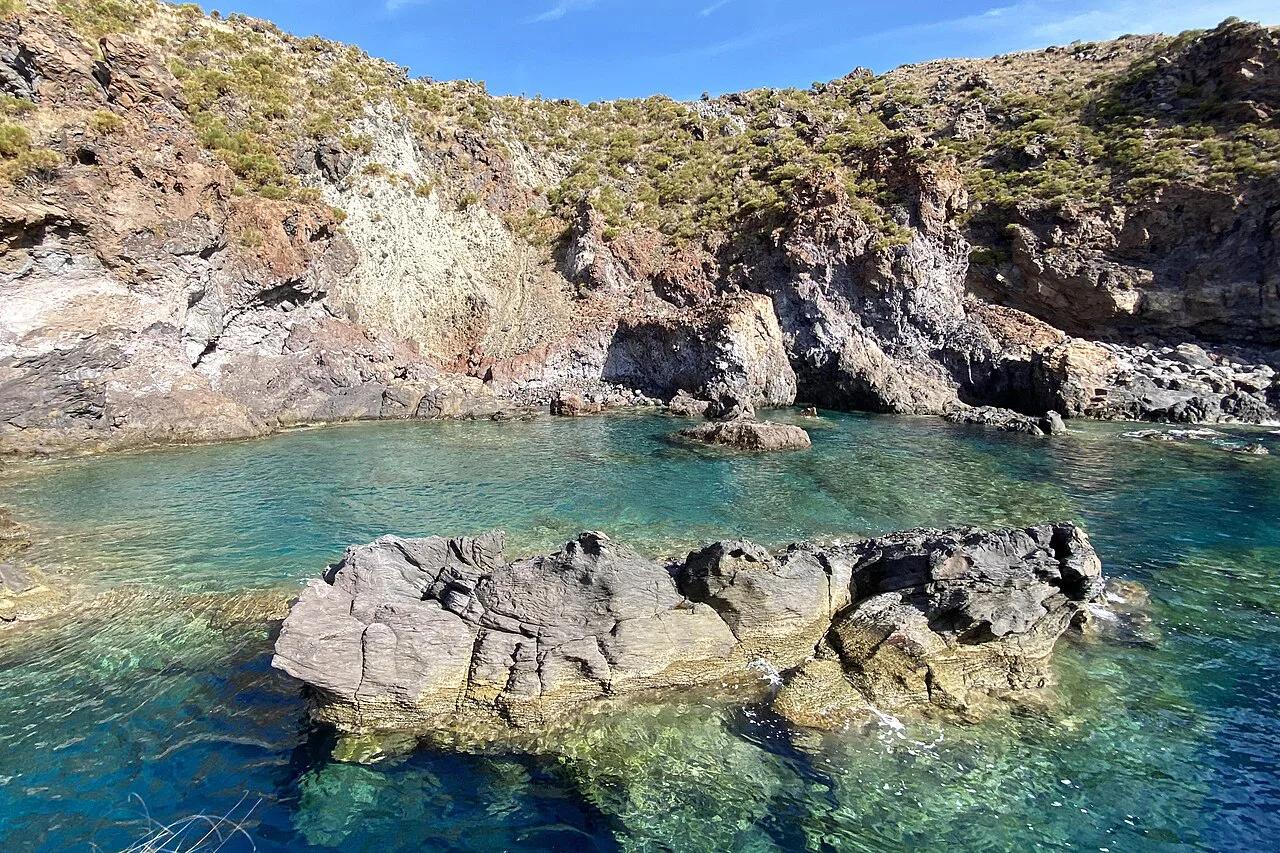
Featured image: Bernard Gagnon, CC BY 4.0, via Wikimedia Commons.
Is Vulcano island worth visiting? Quick verdict
Yes, if you want volcanic scenery without a long commitment. It works best as a day or one-night stop in an island-hopping plan. Here is how it fits different travelers.
- Day-trippers from Lipari: a good fit, because the Gran Cratere hike and the mud pool both sit close to the port.
- Hikers: the Gran Cratere is the main reason to come, but access rules can change.
- Spa and mud seekers: the Laghetto di Fanghi and the hot sea vents at Baia di Levante are the draw.
- Families: beaches and short walks suit them, though the sulfur smell can put young children off.
- Nightlife seekers: look elsewhere, since Vulcano is a quiet island.
- Stromboli-bound travelers: Vulcano makes a gentler first stop before the night volcano at Stromboli.
- Skip if: strong sulfur smell or a respiratory condition would make the stay unpleasant.
How to get to Vulcano
Milazzo is the main mainland gateway. Ferries and hydrofoils run from there to Vulcano's Porto di Levante, often by way of Lipari. Hydrofoils are faster, while ferries are slower and usually better suited to heavier luggage. Our Milazzo to Lipari ferry guide covers the main crossing. For the full set of routes, read How to Get to the Aeolian Islands: Ferries, Airports and Car Rules. Check current timetables on the Liberty Lines site or the Siremar site. Strong wind can cancel sailings, so leave a buffer day before any flight home. The nearest airports are Catania and Reggio Calabria. Lipari is the usual transfer point if you are arriving from elsewhere in the archipelago.
Best things to do in Vulcano
Rank your time by effort and reward. The crater comes first, the mud pool second, and the beaches fill the gaps.
| Activity | Effort | Best fit |
|---|---|---|
| Gran Cratere hike | High | Hikers, early risers |
| Mud pool and hot vents | Low | Spa seekers, families with older children |
| Spiaggia Sabbia Nera | Low | Beach time, photographers |
| Vulcanello and Valle dei Mostri | Medium | Short walkers |
| Capo Grillo | Medium | Sunset views |
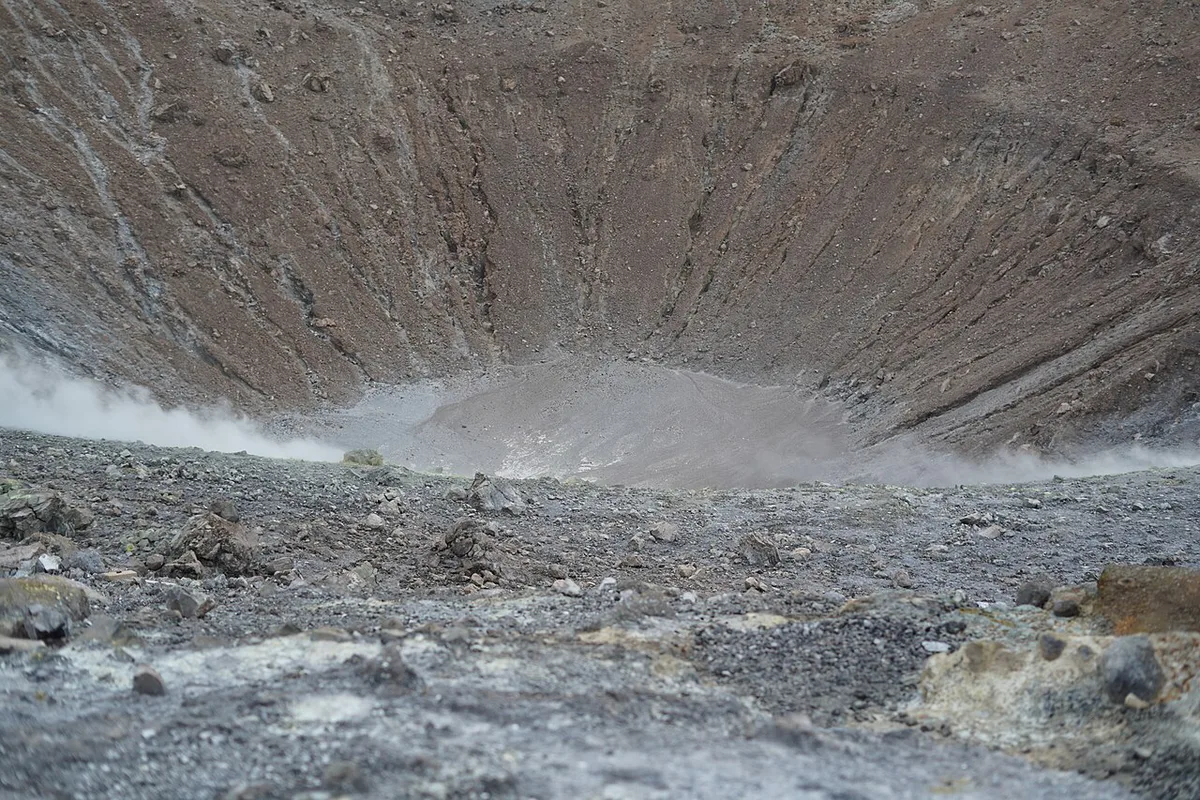
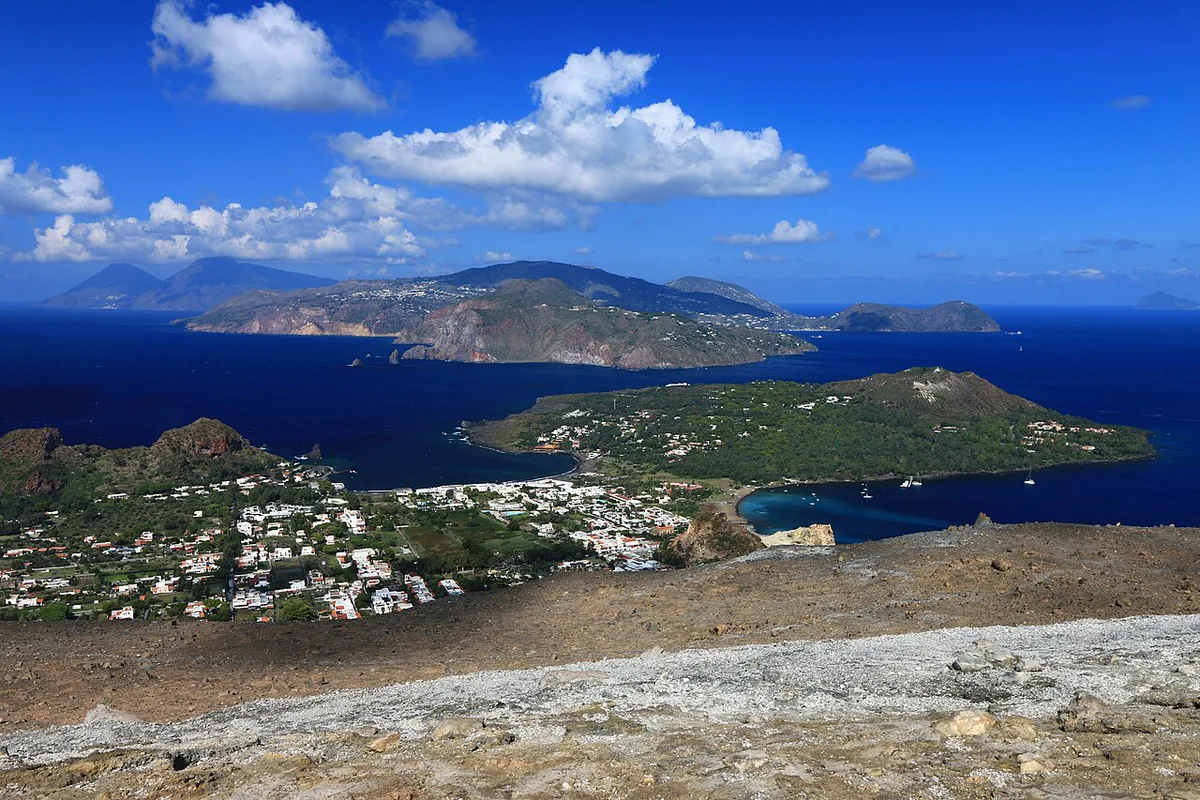
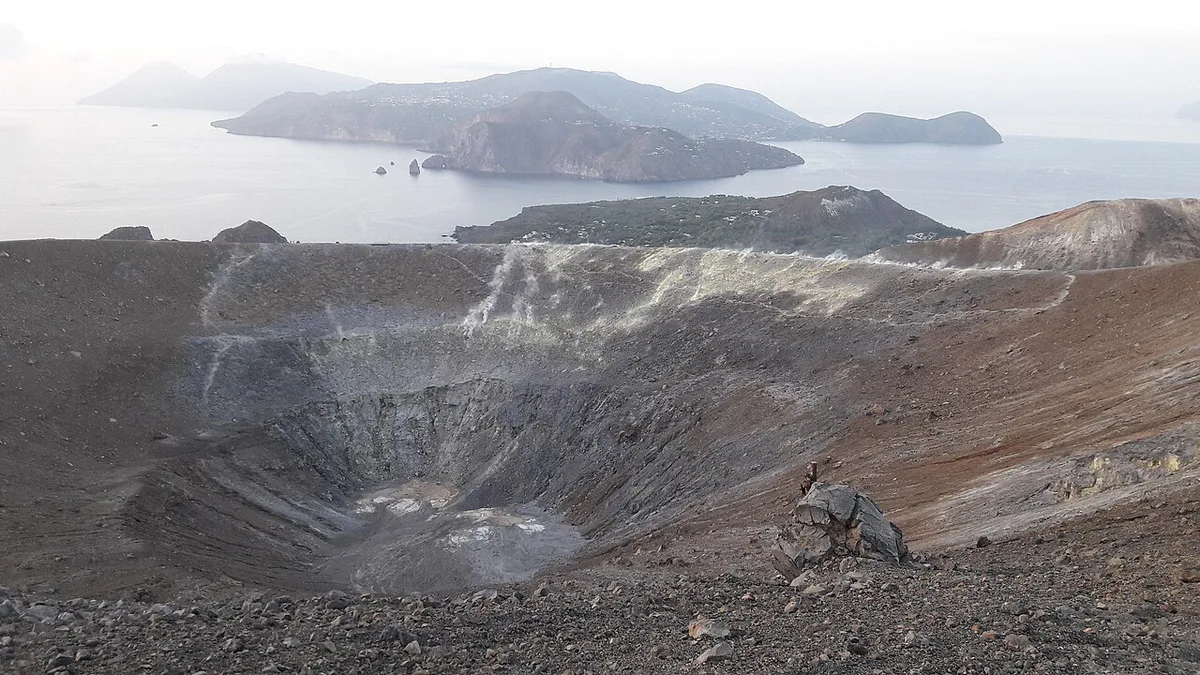
- Gran Cratere hike: climb the Fossa cone to the rim for views across the Aeolian Islands, with Lipari clearly visible. Allow a few hours round trip. Start early or late to avoid midday heat, and bring water, sturdy shoes and a windproof layer. Check for closures or alerts before you set out.
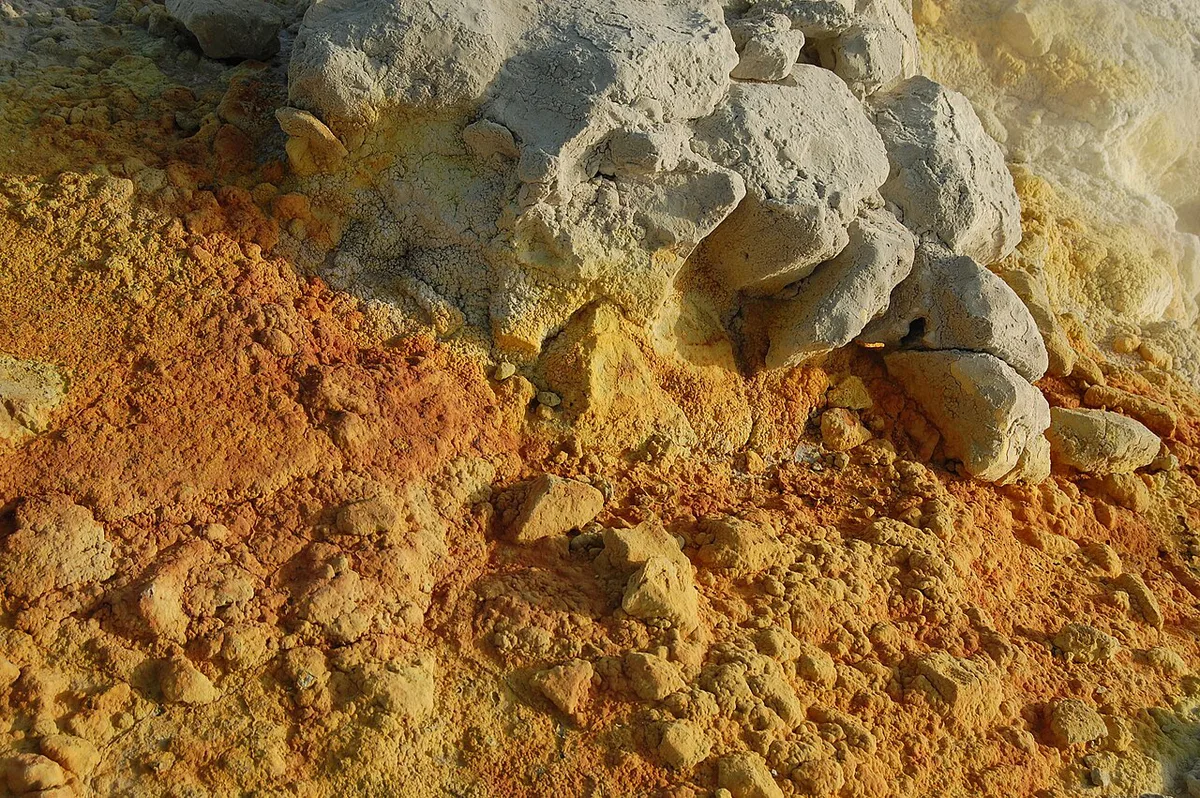
- Laghetto di Fanghi and Baia di Levante: a sulfur-rich mud pool sits near Porto di Levante, with hot vents bubbling in the sea nearby. Bring a towel and swimwear you do not mind staining. Keep exposure short and follow posted rules.
- Spiaggia Sabbia Nera: black volcanic sand on the island's western side, quieter than the shore by the port.
- Vulcanello and the Valle dei Mostri: wind-eroded lava shapes on the Vulcanello peninsula.
- Capo Grillo viewpoint: a high plateau looking toward Lipari, Salina, Panarea and Stromboli.
- Boat tour, snorkeling or diving: local operators run these in season. Ask at the port.
Safety and volcanic hazards
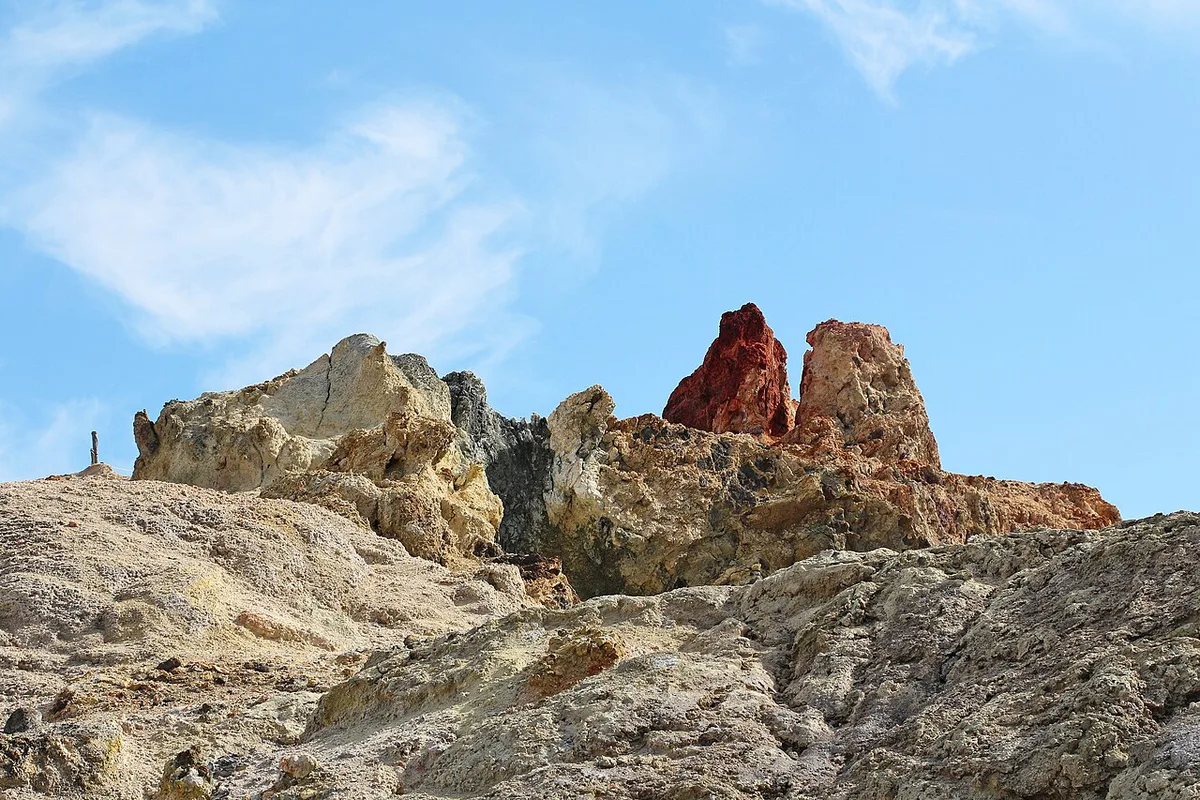
Vulcano is an active volcano, and gas is the main practical concern. Fumaroles near the crater rim and around the mud area release sulfur gases and CO2. Stay on marked paths, because ground off-trail can be unstable and very hot. People with breathing problems should limit time near vents. For current activity status, consult INGV's volcano monitoring. Local ordinances and closures for Vulcano come from the Comune di Lipari. Treat a posted closure as final, even if the weather looks perfect.
Those gases near the crater rim come from the same volcano whose eruption ran 1888 to 1890, so keep to marked paths.
How to plan your time: day trip vs overnight
Most visitors see Vulcano as part of island hopping, so a day trip from Lipari is the common choice. Always note the last return boat before you commit to the crater. Sea conditions can change plans without notice.
| Stay | What fits | What you miss |
|---|---|---|
| Half day from Lipari | Mud pool and a beach swim | The crater hike and sunset |
| Full day | Crater hike plus mud pool or beach | Evenings and slow mornings |
| 1 night | Hike at a cool hour, mud pool, a calm dinner | Other islands |
| 2–3 nights | Vulcanello, Capo Grillo and a boat tour | Time on other Aeolian islands |
Costs, tickets and opening hours
We found no current published fare, crater fee or mud pool entry price we could stand behind. Check the ferry operators above and the Comune di Lipari for the current figures.
| Cost category | Where to check |
|---|---|
| Ferry or hydrofoil | Liberty Lines or Siremar |
| Crater access | Comune di Lipari notices |
| Mud pool entry | Posted at the site |
| Scooter or e-bike hire | Rental shops at the port |
| Meals and lodging | Venue menus and listings |
Where to stay and how to get around
Porto di Levante puts you beside the ferries and the mud pool, though it also has the strongest sulfur smell. The south side around Gelso is quieter. Vulcanello is worth asking about when you book. On the ground, walking covers the port area. Many visitors rent an e-bike or scooter for the rest, and taxis serve longer hops. Weigh ferry convenience against fresher air before you pick a base. Avoid these common mistakes:
- Climbing the crater at midday in summer without water.
- Arriving at the mud pool without swimwear or a towel.
- Missing the last ferry back to Lipari.
- Assuming the Gran Cratere is always open.
- Staying in the mud for too long.
Best time to visit and events
Late spring to early autumn is the usual window, roughly May to October. A skipper quoted in the dpa wire said the islands are best just before or after high season, when it is still warm. July and August are busiest. Vulcanalia is held in August, and a sailing regatta runs in summer. Confirm dates locally, since events shift.
Where to eat and what to try
Expect Aeolian staples. Pane cunzato is a seasoned flatbread with tomatoes and capers. Grilled fish and seafood pasta are common, and Malvasia wine is the island group's best-known dessert wine. Walk the streets around the port at lunchtime and read the posted menus before you sit.
History and name in brief
The word volcano comes from Vulcano, which takes its name from Vulcan, the Roman god of fire. Romans mined alum and sulfur here. The island's major recorded eruption ran from 1888 to 1890, and scientists then studied it closely. Today the Aeolian archipelago is a protected area, and Vulcano's crater and fumaroles are the obvious reminders of that past.
Combine Vulcano with other Aeolian Islands
Vulcano is one of seven Aeolian islands. Use this quick grid to decide what to add.
Useful notes for your next island trip
Optional updates to our guides.
You might also like

Continue reading
More guides you'll find useful