
Panarea Travel Guide: Is the Aeolians' Chic Island Worth It?
Plan Panarea: how to get there, day trip vs overnight, when to go, what it costs against other Aeolian islands, and who should skip it.
On this page
Last updated November 2026: Panarea is the smallest of the inhabited Aeolian Islands, a volcanic and upscale island between Lipari and Stromboli. It suits swimmers, sunset walkers and boat-trip fans, and it works as a day trip or a short stay. Budget travelers and big-monument hunters should start with the wider Aeolian Islands overview before choosing it.
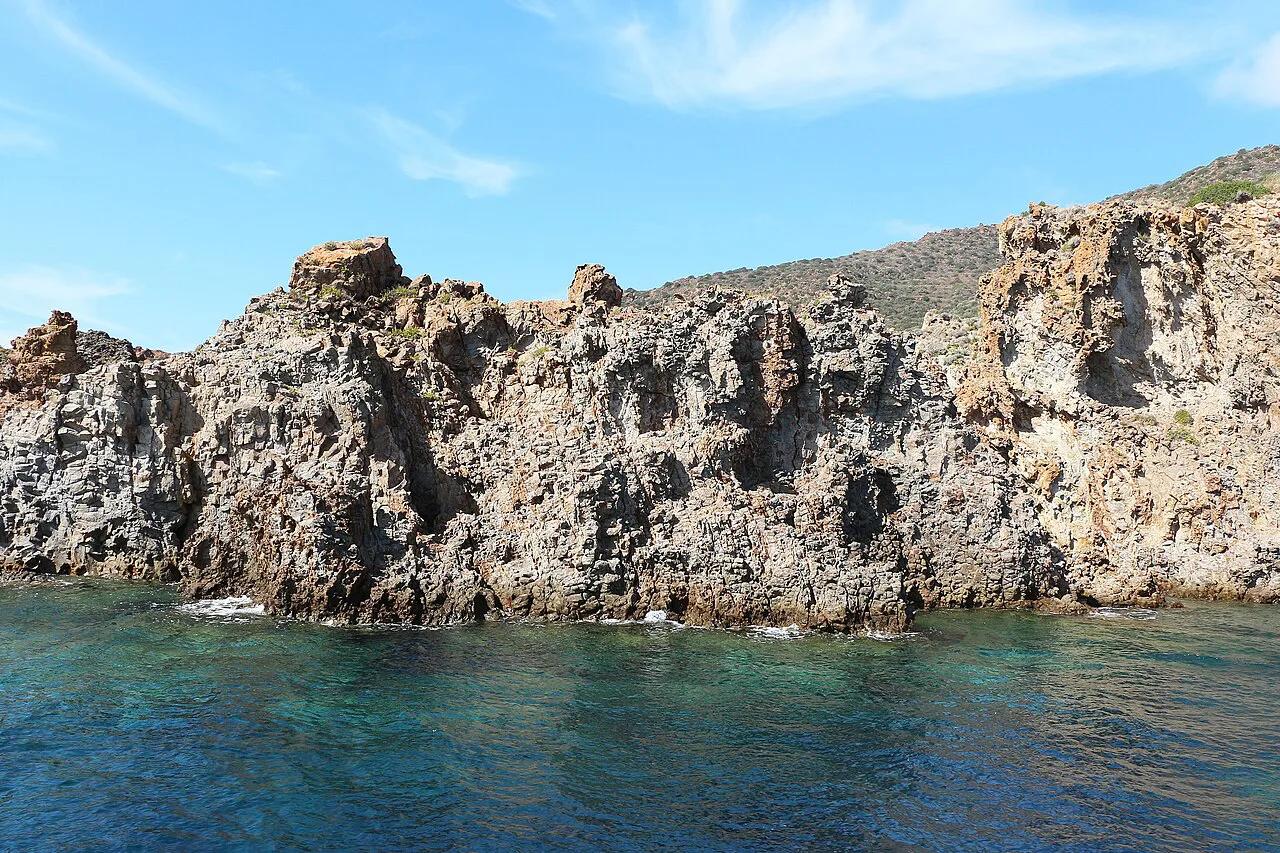
Featured image: Bernard Gagnon, CC BY 4.0, via Wikimedia Commons.
Panarea at a glance
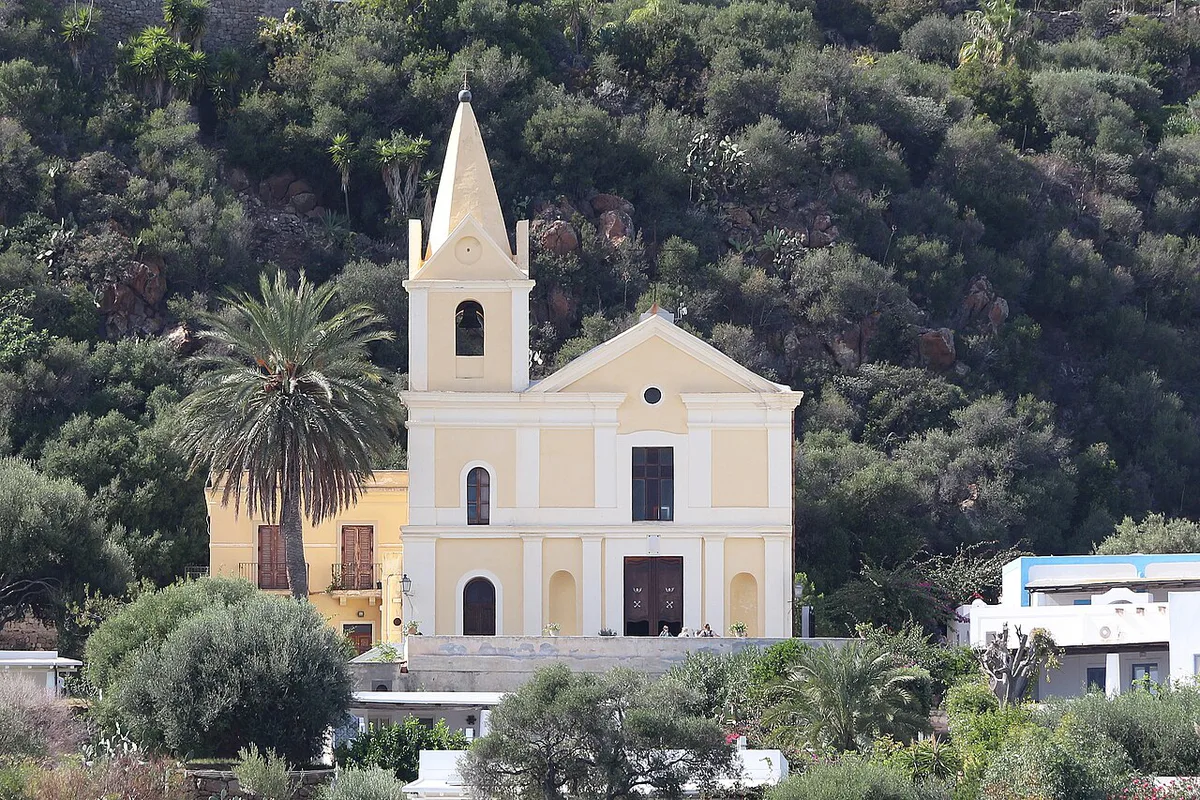
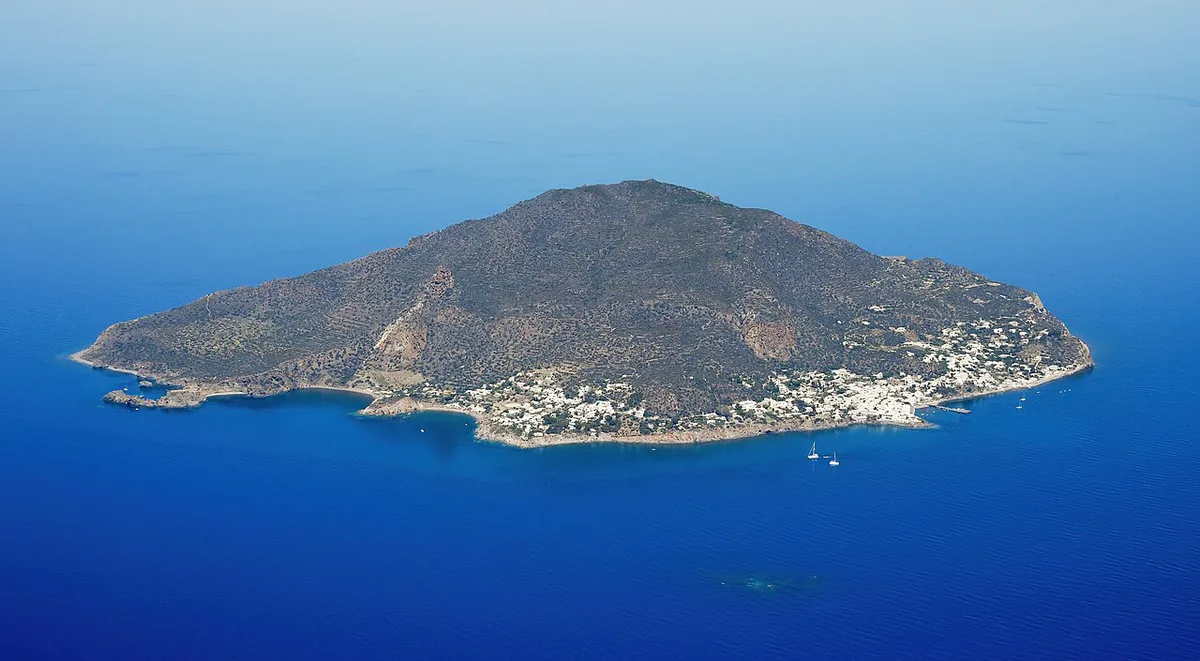
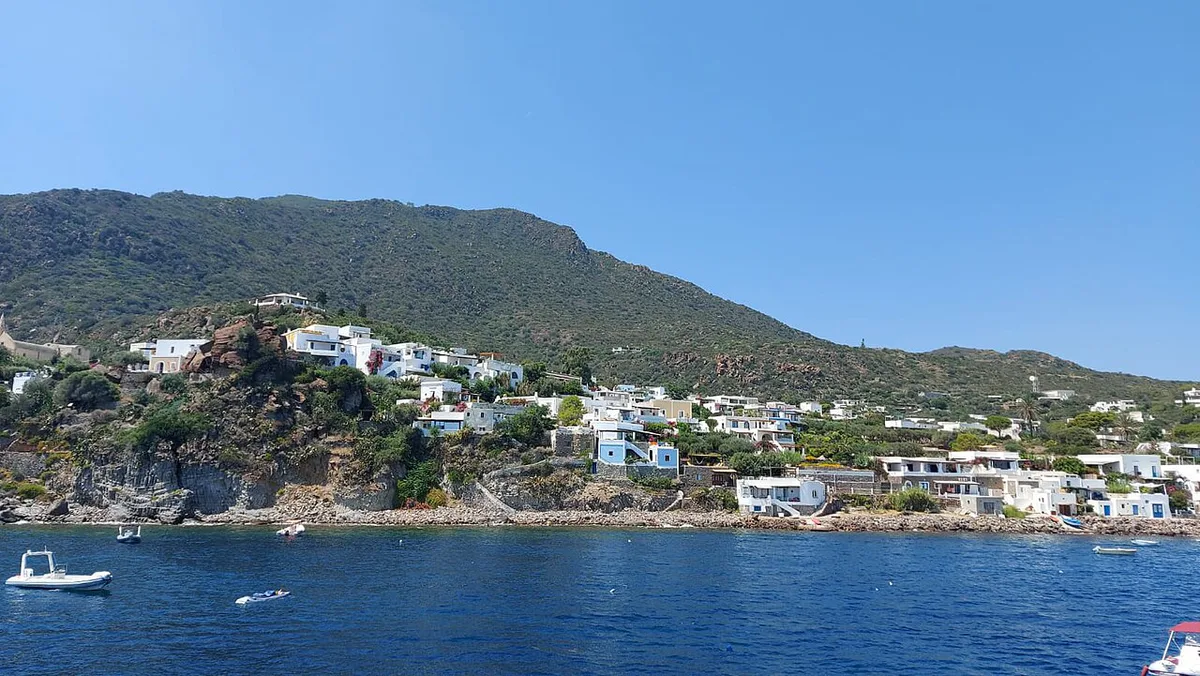
Panarea covers roughly 3 km² of volcanic rock in the Tyrrhenian Sea. Its high point, Punta del Corvo, rises to about 420 m. Administratively it belongs to Lipari, in the province of Messina. Year-round residents number a few hundred, and the population swells in summer. People have lived here since the 14th century BC, and the island has drawn an upscale crowd since the early 1970s.
- Location: between Lipari and Stromboli, in the Aeolian archipelago north of Sicily.
- Character: small, volcanic, upscale, with a village feel and no big sights.
- Best for: swimming, boat trips, sunsets, quiet walks and long dinners.
- Weak for: tight budgets, beach resorts and anyone who wants a packed sightseeing list.
Is Panarea worth visiting?
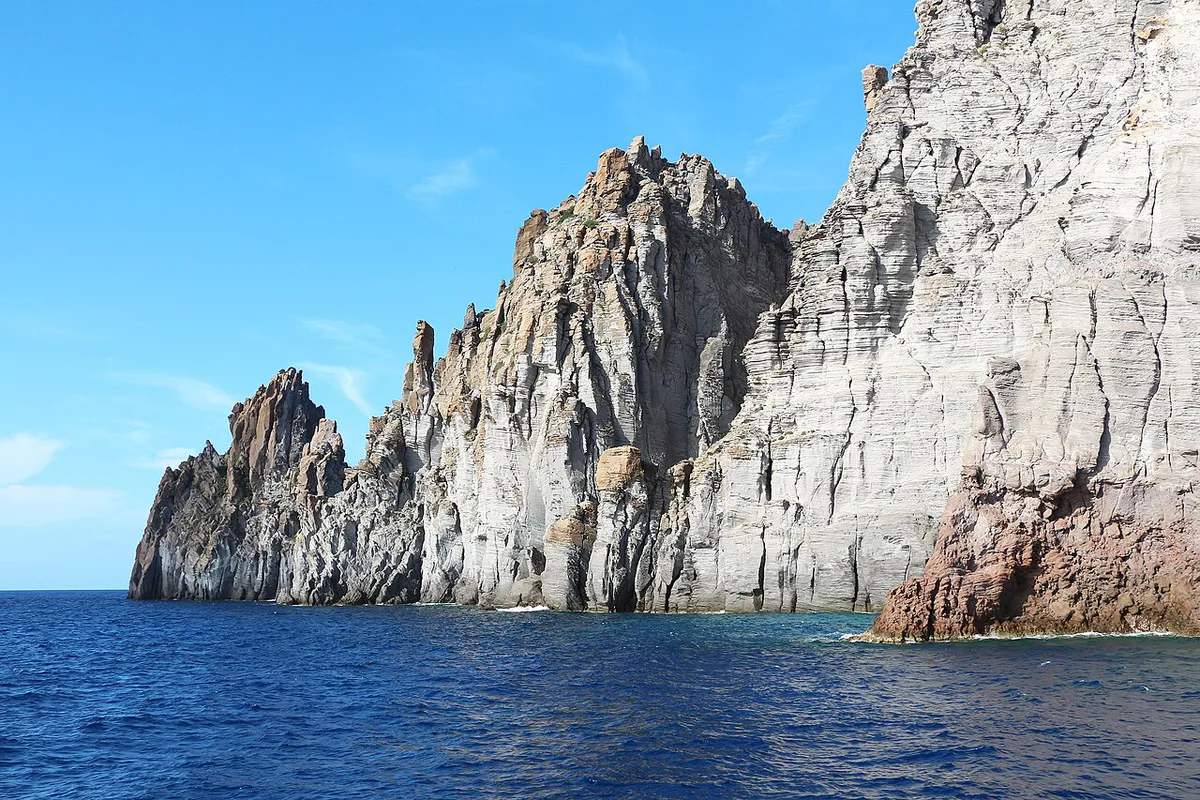
Go if the sea is the main event. Panarea rewards slow days: a swim, a walk to a headland, then a late dinner. Skip it if you want museums, big monuments or cheap meals. The table below shows how it compares with its neighbors.
| Island | Vibe | Best for | Base suitability | Cost tier |
|---|---|---|---|---|
| Panarea | Chic, small, quiet by day | Swimming, sunsets, boat trips | Good for a short stay | Among the pricier islands |
| Lipari | Largest and busiest, with shops and a main town | First-time visitors | Best hub for the archipelago | Mid-range |
| Salina | Green, relaxed, village-based | Slow stays and food | Good, with its own ports | Mid-range |
| Stromboli | Active volcano, black sand | Evening eruption views | Short stay only | Mid-range |
- Skip Panarea if you are on a tight budget.
- Skip it if you expect a long sandy beach.
- Skip it if you only have one day and hate watching the clock for a return boat.
- Skip it if you want a busy attraction list, since its draw is atmosphere and scenery.
How to get to Panarea
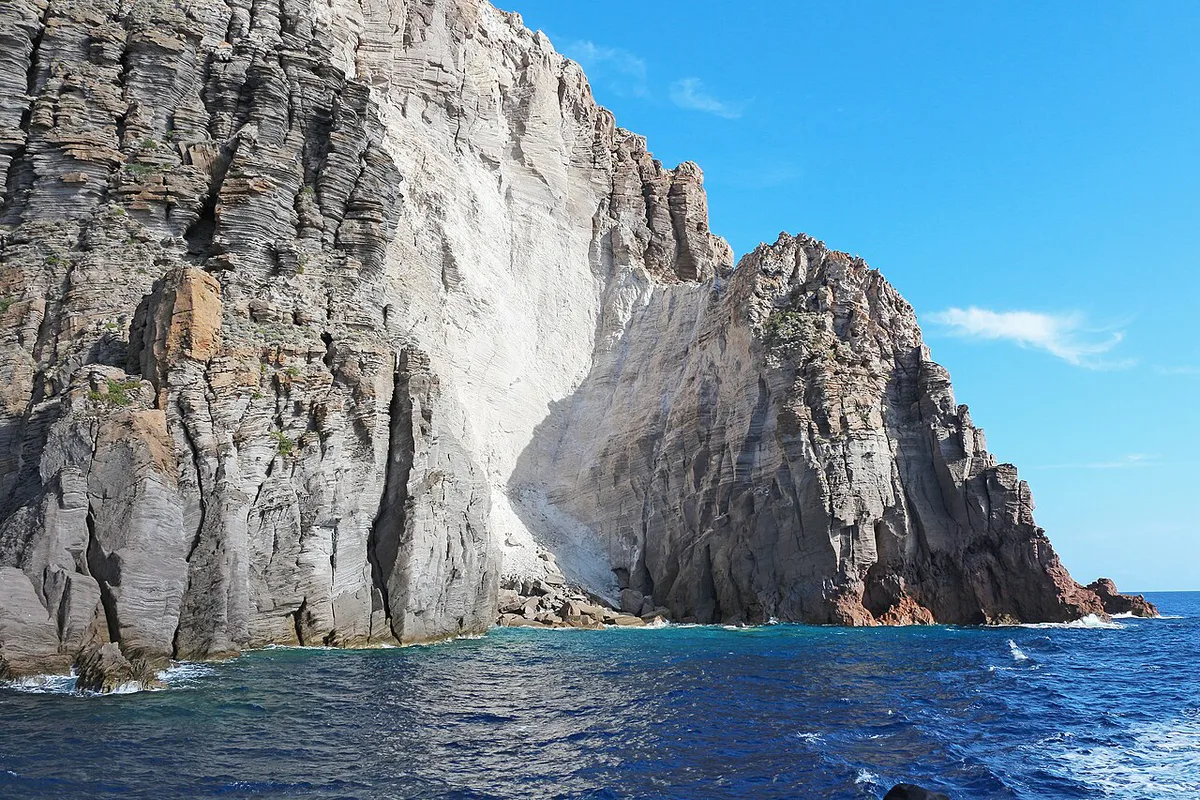
There is no airport, so you arrive by sea. Most routes start at Milazzo on Sicily's north coast and pass through Lipari or Salina. Our Milazzo to Lipari ferry guide covers the mainland leg. Read the full Aeolian getting-there guide for every route. Lipari is the usual transfer point. Timetables change by season, so check live sailings on the Liberty Lines timetables for hydrofoils. Rough seas can delay or cancel crossings, so keep a buffer day if you have a flight home.
Day trip or stay overnight?
A day trip gives you a swim and a lunch. You stay tied to the last return boat, so confirm it before you leave Lipari. Staying overnight adds the evening atmosphere, when the day visitors have gone. It also costs more and exposes you to weather delays on departure day.
| Factor | Day trip | Overnight |
|---|---|---|
| Time on island | Limited by ferry times | Evenings and mornings included |
| Cost tier | Lower | Higher, with Panarea lodging among the pricier |
| Atmosphere | Daytime, busier in summer | Quiet evenings, village feel |
| Ferry risk | Missed return is a real problem | Weather delay is easier to absorb |
Best things to do in Panarea
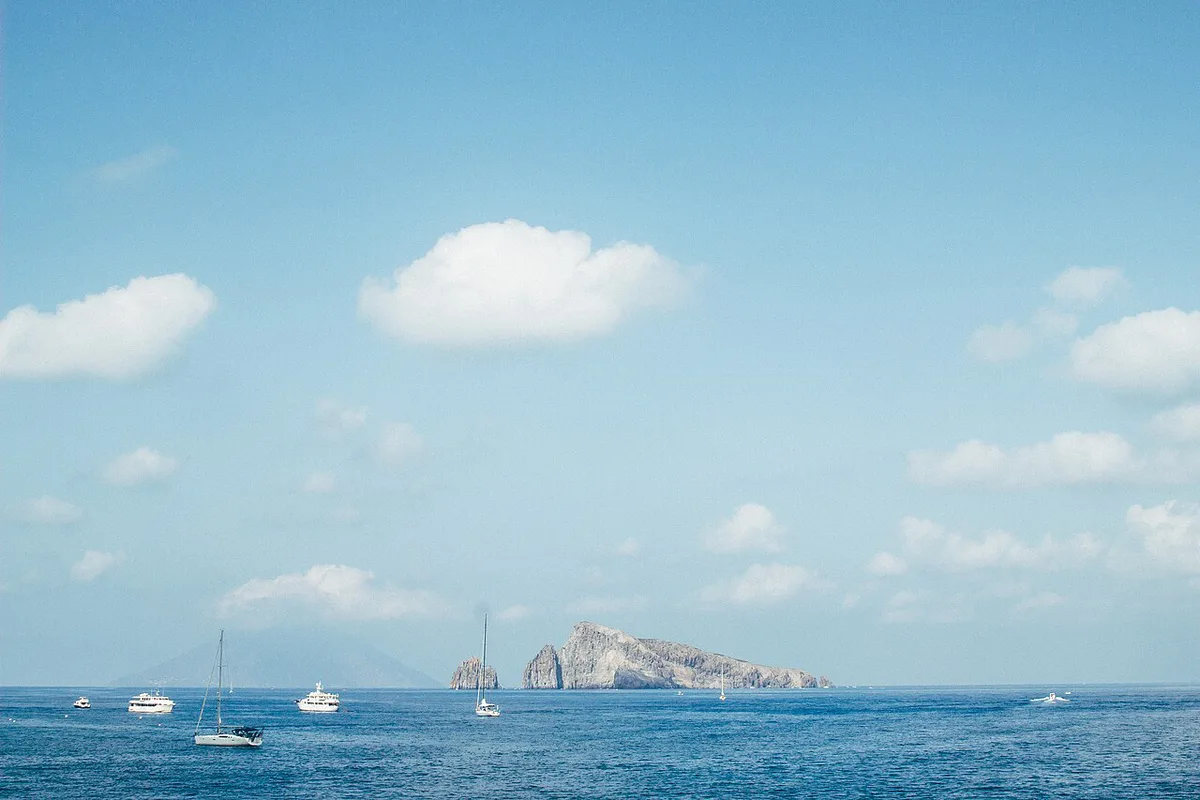
San Pietro is the main village and the natural starting point, with the harbor, shops and restaurants. Drautto and Ditella are smaller settlements reached on foot, so ask locally about current paths. Cala Junco is the swimming stop most visitors want, a rocky cove with clear water. Above it, Punta Milazzese holds the foundations of oval huts from a Bronze Age village. Habitation here goes back to the 14th century BC. From the island you can see Stromboli. Boat trips from Panarea often pair a swim stop with an evening view of the volcano, but check the weather and the operator before booking.
- San Pietro: harbor, shops, dinner and the starting point for walks.
- Drautto and Ditella: smaller settlements for quiet walking.
- Cala Junco: rocky cove for swimming and snorkeling.
- Punta Milazzese: prehistoric village on a headland.
- Sunset: pick a west-facing viewpoint and check locally for the best path.
Panarea's beaches and swimming spots: what to expect
Panarea has no resort beach. Swimming here means rock platforms, small coves and a few strips of dark volcanic pebbles, so bring water shoes and a towel you don't mind getting grit on.
Spiaggia di Zimmari
Zimmari, on the island's south-east side, is the one beach most visitors call sandy. It is really fine black sand mixed with pebbles, set below the cliffs and reached on foot from the San Pietro area. It is the easiest place for a lazy afternoon, and its facilities are limited, so bring water.
Cala Junco
Cala Junco is the better swim. The water is clear, the entry is over rock, and the cove sits just below the Bronze Age huts on Punta Milazzese. Go early in summer, when the ledges fill up and boats anchor close in.
Calcara and the gas vents
On the east side, Calcara is known for fumaroles, gas escaping from the volcanic ground. Near the islets off the coast, gas also bubbles up through the sea. It is a reminder that the island is still volcanic, so follow local advice and any posted warnings, and do not wander off marked paths.
The islets: Basiluzzo, Lisca Bianca, Dattilo and Bottaro
The small islets and rocks just offshore are the real swimming prize. They can only be reached by boat, and many Panarea boat trips stop at one or two of them for a swim or snorkel. Which islets you get depends on the sea state that day, so ask the skipper before booking.
| Spot | Surface | Best for |
|---|---|---|
| Zimmari | Black sand and pebbles | Easy afternoon, families |
| Cala Junco | Rock ledges | Clear-water swimming, snorkeling |
| Offshore islets | Boat access only | Snorkeling, a quieter swim |
Panarea's water is at its warmest in late summer. Shoulder-season swims are possible on calm days, but the sea turns rougher and some boat operators stop running.
Getting around and where to stay
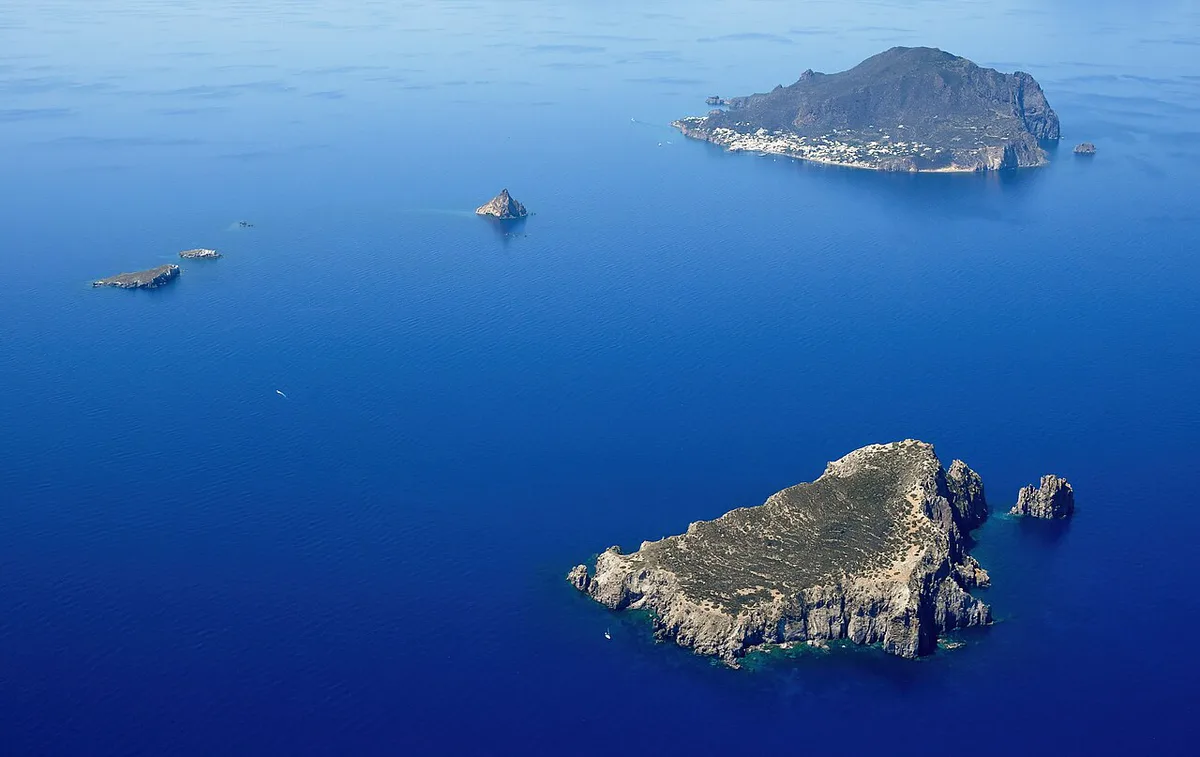
The island measures roughly 8 km around its coast, so everything is walkable. Visitors do not bring cars. Expect to walk, take a small electric cart, or hop on a boat for the farther coves. Check local arrangements on arrival. Lodging clusters near San Pietro and the port, which keeps luggage hauls short. Book early for summer, because a small island has few beds.
At roughly 8 km around its coast, a walking loop fits a day trip, but a missed return boat is the real risk.
When to go and what it costs
Peak summer brings crowds, full beds and higher prices. Shoulder months are calmer, but services are reduced and some restaurants and shops close. Winter sees the fewest sailings and the most weather cancellations. Panarea sits among the pricier Aeolian islands, as it has since the early 1970s, when it became fashionable with wealthy Italians. Lipari and Salina cost less for beds and meals. Check current rates and sailings with the operators, because this guide quotes no fares.
Plan Panarea with the other Aeolian islands
Base yourself in Lipari and add Panarea as a day trip if you want variety on a budget. Pair Panarea with Stromboli if you want swimming plus the volcano. Add Vulcano if you want mud and sulfur scenery nearby. For fewer crowds, go farther out to Filicudi or Alicudi. Choose Panarea alone if all you want is a couple of slow, upscale evenings.
Stromboli by night: boat trips from Panarea
The evening boat to Stromboli is the most popular organized trip from Panarea, and it is the reason many people stay overnight rather than leave on the last boat. Stromboli lies a short sea crossing to the north-east, and the boats aim to reach the Sciara del Fuoco, the lava slope facing the sea, after dark.
How the evening usually runs
- Boats leave Panarea in the afternoon, often with a swim or aperitivo stop at one of the offshore islets.
- They reach Stromboli's north-west coast around sunset and hold position off the Sciara del Fuoco.
- Passengers watch the explosions from the water as the sky darkens, with eruptions every several minutes on a typical evening, though intensity varies.
- The boat returns after dark, usually late in the evening. Confirm the return time before you pay.
What to check before booking
- Weather and sea state. Skippers cancel when swell or wind makes the Sciara del Fuoco unsafe. Ask what happens to your booking if they do.
- Volcanic activity. Authorities can restrict access around Stromboli. Check INGV's current information, which the FAQ above links, rather than relying on the operator's brochure.
- Boat size. Small boats feel closer to the action and also rock more. If you get seasick, take a larger vessel.
- Warm clothes. It gets cold on the water at night, even in summer.
If you would rather climb the volcano or sleep on Stromboli itself, that is a separate plan: see our Aeolian Islands overview for how the islands fit together, and give yourself a buffer day, since rough seas can delay the return crossing.
Mistakes to avoid on Panarea
Most problems come from timing and expectations.
- Arriving without a confirmed return ticket.
- Expecting a beach resort with wide sand.
- Assuming ATMs, shops and restaurants are open off-season.
- Booking a Stromboli boat without checking the weather.
- Planning a one-day visit with no buffer for rough seas.
Frequently Asked Questions
Is Panarea a volcano?
Panarea is a small volcanic island, and a submarine volcanic system lies nearby. Volcanic activity in the archipelago is monitored by INGV's Catania observatory, which publishes current information.
How do I get from Sicily to Panarea?
Take a ferry or hydrofoil from Milazzo, usually changing at Lipari or Salina. Seasonal timetables are listed on the operator sites.
Are there cars on Panarea?
Visitors do not bring cars. You walk, use small electric carts, or take boats to reach other parts of the coast.
Useful notes for your next island trip
Optional updates to our guides.
You might also like

Continue reading
More guides you'll find useful