
Lipari Travel Guide: Plan Your Aeolian Island Base
Plan Lipari, the largest Aeolian island: how to get there, how long to stay, what to see, and how it compares with Vulcano, Salina and Stromboli.
On this page
Last updated November 2026: Lipari is the largest of the seven Aeolian Islands, set in the Tyrrhenian Sea off Sicily's northern coast. It is the ferry hub and service base for the archipelago, so first-timers, history fans and base-campers tend to settle here. Anyone after a single quiet beach or one volcano may prefer a smaller island, and our Aeolian Islands overview compares them all.
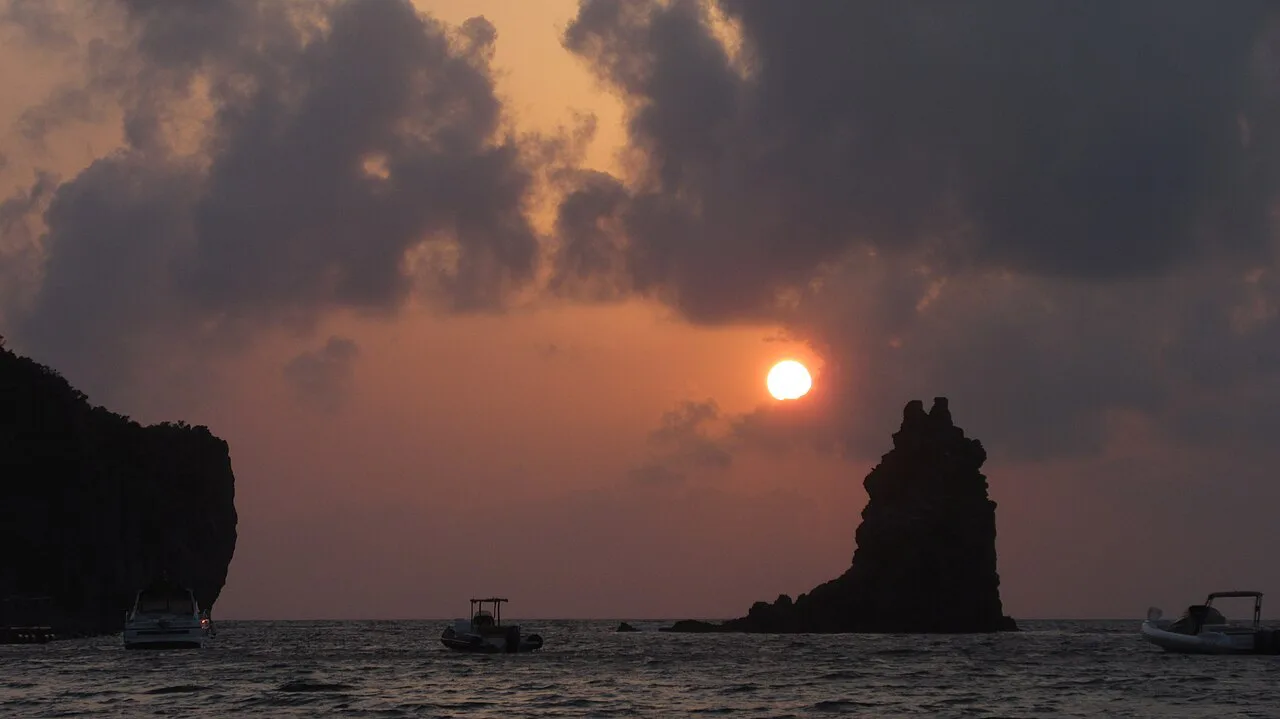
Featured image: Raymond M. Coveney, …, CC BY-SA 3.0, via Wikimedia Commons.
Lipari At A Glance
Lipari covers about 89.72 km² and has roughly 12,800 permanent residents. That number climbs to as many as about 20,000 between May and September. Lipari town is the main base, with the widest choice of rooms, shops and ferry connections in the archipelago. Administratively, the comune also covers Vulcano, Panarea, Stromboli, Filicudi and Alicudi, while Salina has its own comuni. Lipari suits first-time visitors, travelers who want to hop between islands, and anyone interested in archaeology.
- Location: Tyrrhenian Sea, off northern Sicily, in the Metropolitan City of Messina.
- Size: about 89.72 km², the largest of the seven Aeolian Islands.
- Residents: roughly 12,800 year-round, up to about 20,000 in the May–September season.
- Patron saint: San Bartolomeo, honored on 24 August.
- Best for: a first Aeolian trip, a multi-island base, and obsidian and archaeology fans.
- Look elsewhere if: you want a tiny, car-free village or a single-volcano trip.
How To Get To Lipari
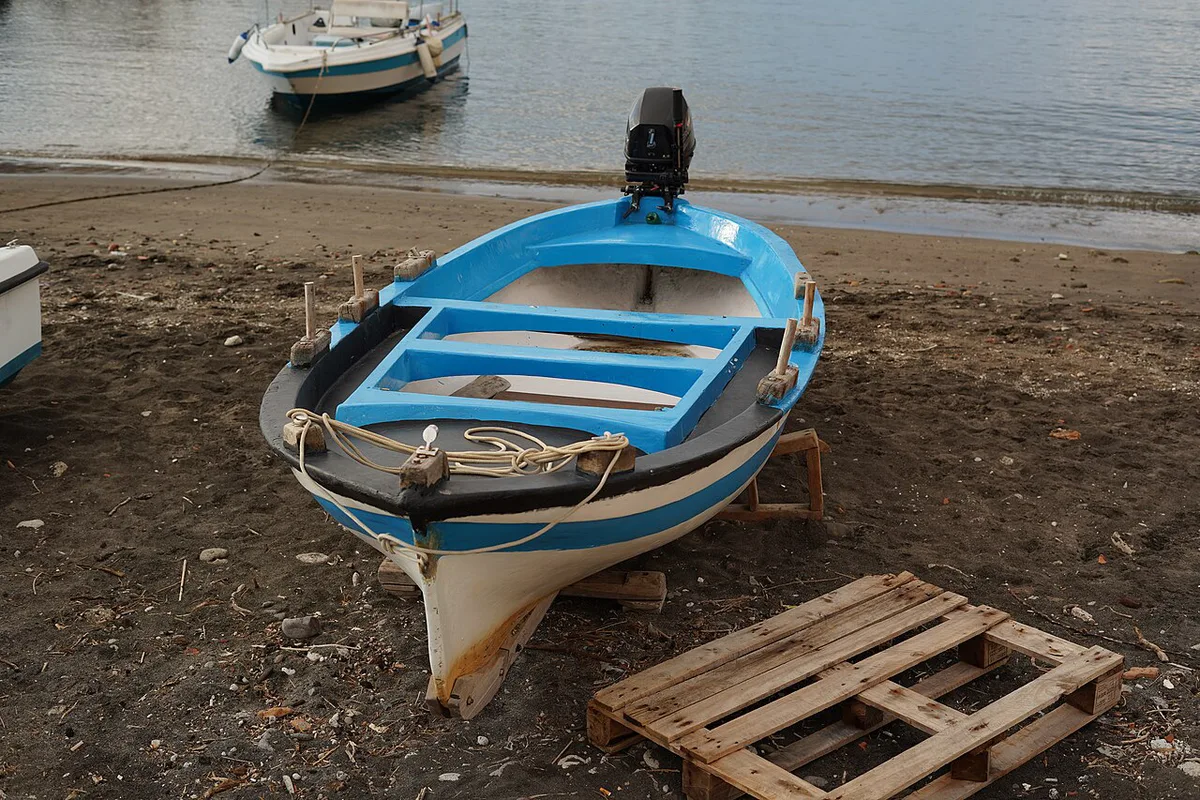
Lipari is reached by sea. Most travelers cross from Sicily, with the Milazzo to Lipari ferry as the main route. Our guide to reaching the Aeolian Islands covers other departure points and onward options. Operators such as Liberty Lines and Siremar publish current routes and timetables. Frequencies change by season, and rough seas can cancel sailings. Keep one spare day before any flight home. Prices and timetables should be read from the operator's site close to your travel date.
How Long To Stay In Lipari
A single day on Lipari only covers the town and the museum. Two to three nights let you add a boat trip or a neighboring island. Four or more nights suit a base-camp plan with several day trips. Each plan sacrifices something, so pick by what you can afford to skip.
A 4+ nights base covers Vulcano, Salina and Stromboli, but Filicudi and Alicudi have far fewer services than Lipari.
| Stay | What fits | What you give up |
|---|---|---|
| Day trip | Lipari town, Marina Corta, the archaeological museum | Beaches, sunsets, any second island |
| 2–3 nights | Town, museum, one coastal outing, one nearby island | Stromboli at night plus a relaxed pace |
| 4+ nights | Lipari plus Vulcano, Salina and a Stromboli trip | Time on the remote islands such as Filicudi and Alicudi |
Best Things To Do In Lipari
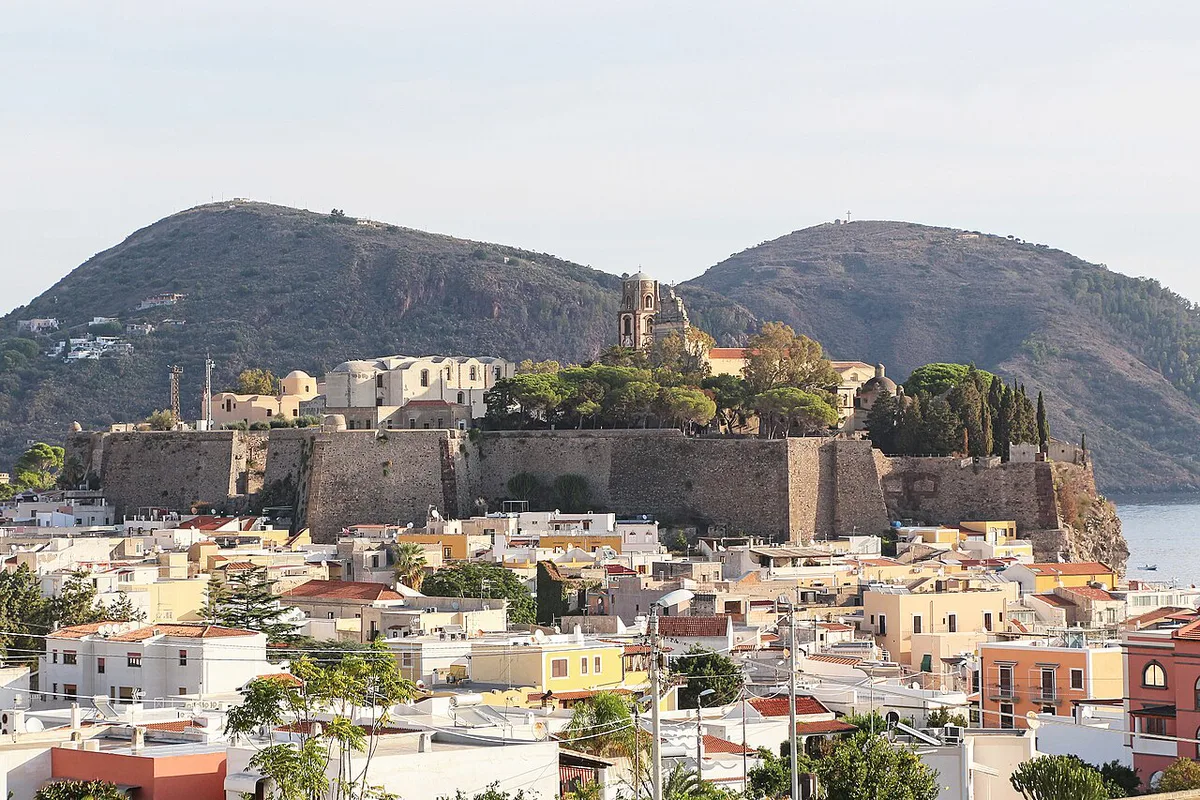
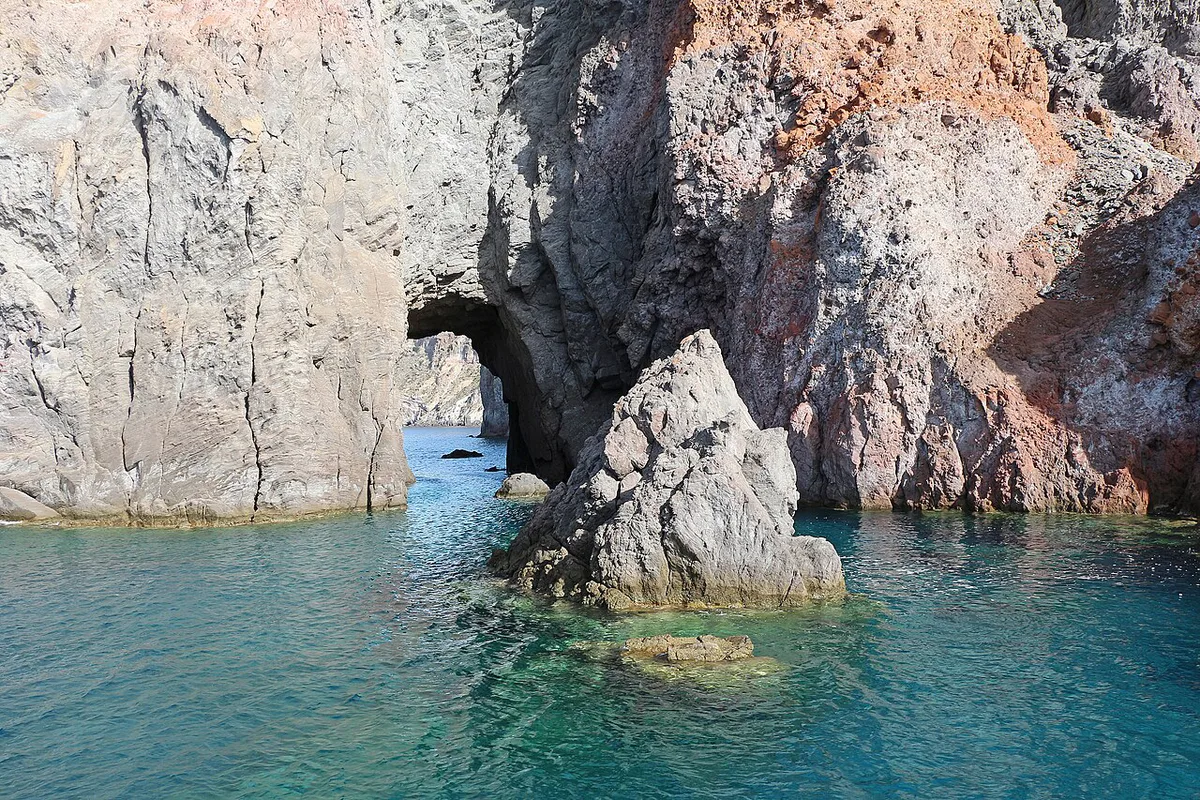
Start in Lipari town. Marina Corta is the small harbor at the foot of the old center, and the castle rock rises above the streets. On that rock, the Parco Archeologico and the Museo Archeologico Regionale Eoliano preserve the island's past, which the regional authority describes through its cultural heritage pages. Settlers appear to have lived here from around 5000 BC. Lipari was a Neolithic center of the obsidian trade, a sharp black volcanic glass prized for blades. Obsidian is a good thread to follow through the museum. Opening hours and ticket prices change, so read them from the official page before you plan your day. Beyond town, coastal viewpoints and beaches reward a half day on foot or by bus. Boat tours and ferries link Lipari to the neighboring islands. See Vulcano's crater and mud pools for the nearest option. Stromboli is a longer excursion, covered in our Stromboli guide.
Lipari History And Volcanic Geology Explained
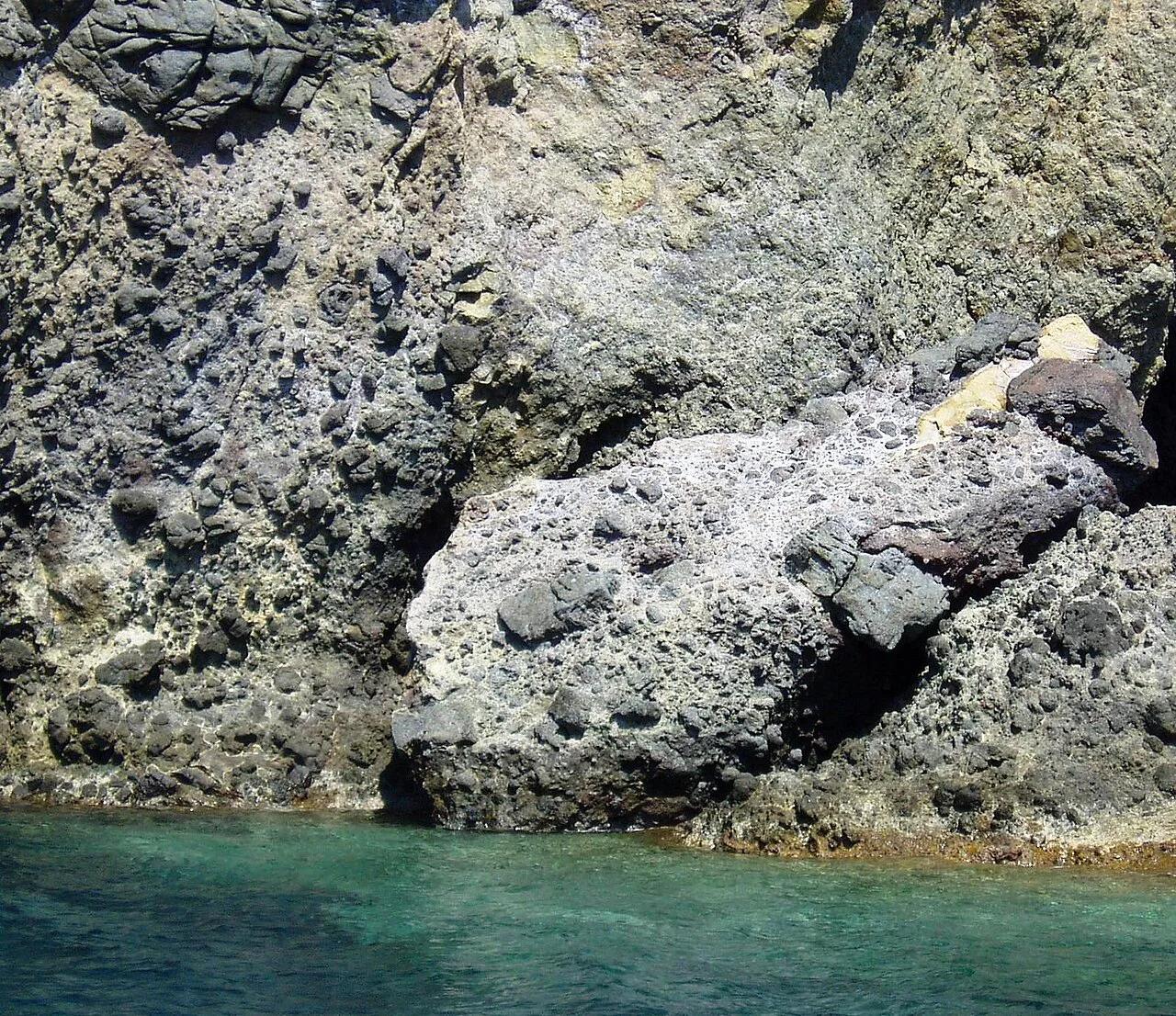
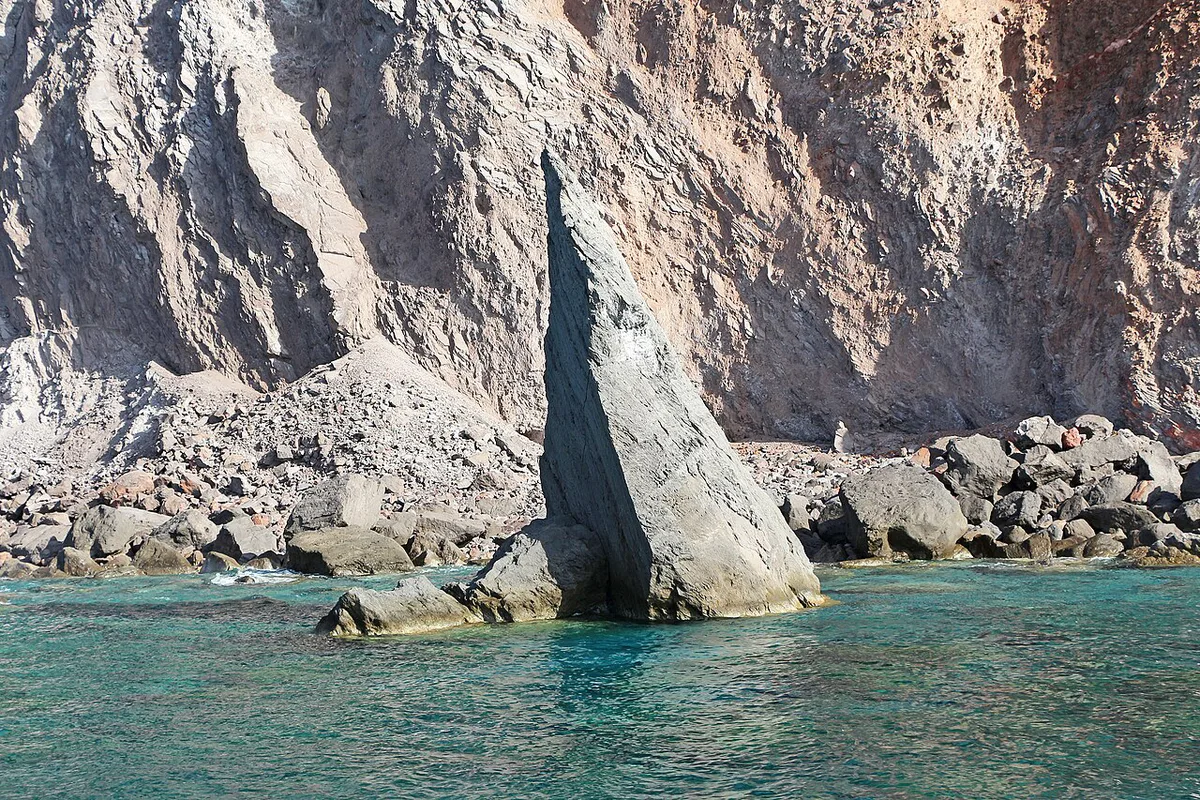
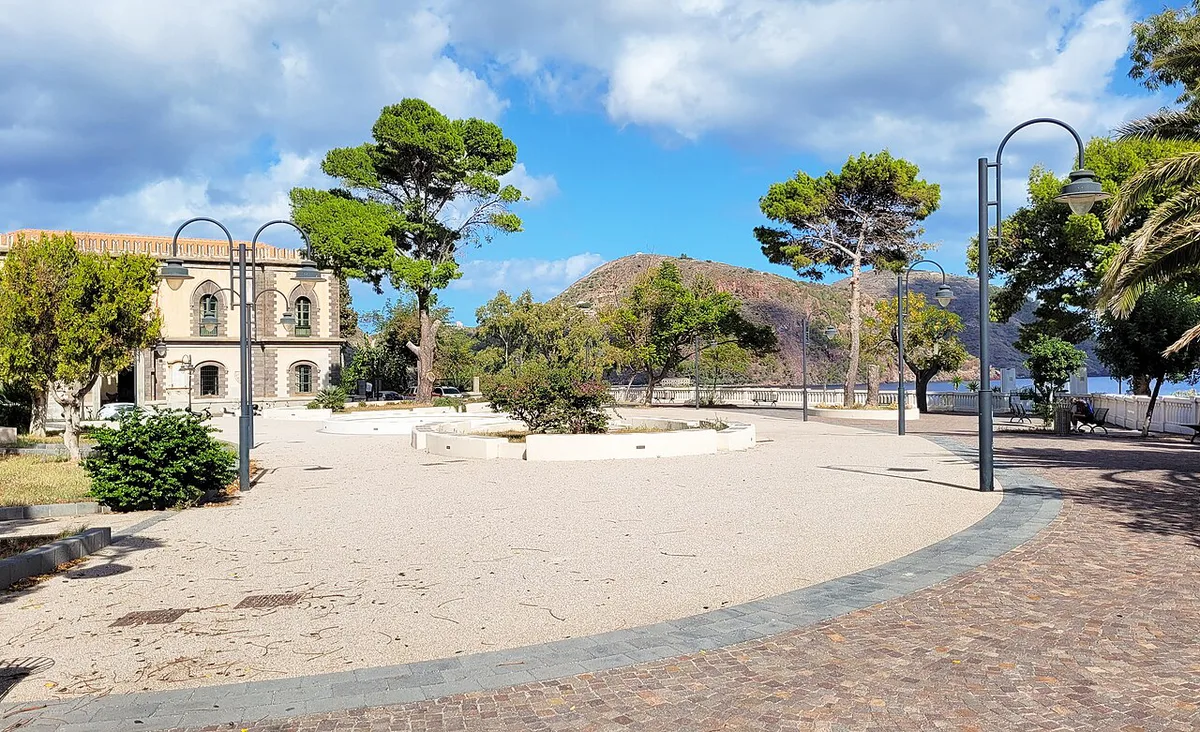
Lipari is easier to read once you know it was built by volcanoes and settled because of what they produced. The island belongs to the Aeolian volcanic arc, a chain that rose from the seabed north of Sicily. The whole archipelago is a UNESCO World Heritage Site, inscribed in 2000 for its volcanic landforms.
What the rocks show
The island has two kinds of volcanic glass, and both are visible on a day out.
- Obsidian: the black glass that drove Neolithic trade. The Rocche Rosse flow in the north is the best-known source.
- Pumice: pale, light rock that covers the northeast slopes around Campobianco. The white hillsides are quarry scars, and commercial extraction has been wound down. Look from a distance and do not climb the cliffs.
Monte Pilato, near Campobianco, is regarded as the island's most recent eruption, in the early medieval period. Vulcano and Stromboli are the active ones today, and Stromboli access is monitored by INGV as noted above.
Layers of settlement
- Neolithic and Bronze Age: obsidian moved by boat across the central Mediterranean, which made the castle rock a trading post.
- Greek era: colonists from the Greek world settled the rock around the sixth century BC. The Parco Archeologico preserves their later remains.
- Roman and later: the island passed to Rome and then through successive rulers. The 16th-century walls on the castle rock date from the Spanish period, after a devastating raid in 1544.
The archaeological museum is organized along these same layers. Visit it early in your stay, and the rest of the island will make more sense when you reach the coast.
Lipari Vs Other Aeolian Islands
Lipari wins on services, connections and choice of rooms. Smaller islands win on quiet and character. For Stromboli, check the volcano monitoring pages of INGV Catania for access conditions. The table below compares the seven islands in broad terms.
| Island | Services and access | Character |
|---|---|---|
| Lipari | Most ferries, shops and rooms | Busiest base, history and town life |
| Vulcano | Close to Lipari, good day-trip range | Volcanic crater, sulfur smell, mud pools |
| Salina | Own comuni, solid services | Calmer, greener alternative base |
| Panarea | Fewer services, seasonal feel | Smaller and generally positioned as upscale |
| Stromboli | Access limits near the summit | Active volcano, trip-defining excursion |
| Filicudi | Limited services | Remote and quiet |
| Alicudi | Fewest services | Most remote, very low-key |
Where To Stay And How To Get Around Lipari
Staying in Lipari town keeps you near the harbors, restaurants and ferry offices. That matters when sailings change at short notice. Quieter villages on the island give more space but need local transport. Buses, boats and walking all work, and scooters suit confident riders on narrow roads. Bus routes and timetables should be checked locally on arrival. Choose the town for a short stay and a village for a slower one. In August, book rooms well ahead.
Costs, Tickets And Seasonal Timing
Costs rise in peak season, on private boat excursions and with island-hopping tickets. They fall in the shoulder months, when you stay in town and take public ferries instead of private tours. Visitor numbers swell from roughly 12,800 residents to about 20,000 between May and September. The feast of San Bartolomeo on 24 August adds to the August crush. Current ferry fares are listed by the operators, and museum fees on the official heritage pages. The Visit Sicily portal carries general planning information.
Book August rooms early, because the San Bartolomeo feast on 24 August stacks on top of the summer crush.
| Period | What to expect |
|---|---|
| May–September | Most services running, the biggest crowds, book ahead |
| Shoulder months | Quieter streets, cheaper rooms, some services reduced |
| Winter | Reduced ferry services, some businesses closed |
Common Mistakes And Practical Tips
Most Lipari problems come from ferries, weather and timing. These habits avoid the common ones.
- Underestimating sea conditions: rough weather can cancel sailings, so leave a buffer day.
- Booking a tight same-day Stromboli return: late departures limit what you can do.
- Assuming every island has equal services: Filicudi and Alicudi are far more limited than Lipari.
- Skipping advance booking in August: rooms and popular sailings fill early.
- Packing heavy: you will carry luggage on and off ferries and through the port area.
- Ignoring Stromboli access rules: check INGV and local notices before booking a summit trip.
Frequently Asked Questions
Is Lipari worth seeing?
Yes, especially as a base. Lipari has the archaeological museum, the castle rock, Marina Corta and the widest ferry links to Vulcano, Salina and Stromboli.
What is the population of Lipari?
Lipari has roughly 12,800 permanent residents. Summer visitors can lift the total to about 20,000 between May and September.
Useful notes for your next island trip
Optional updates to our guides.
You might also like

Continue reading
More guides you'll find useful