
Alicudi Travel Guide: Getting There, Hiking, Where to Stay
Plan Alicudi: how to get there from Milazzo or Lipari, how long to stay, the Filo dell'Arpa hike, where to sleep, and who should skip it.
On this page
Last updated November 2026: Alicudi is the westernmost and most remote Aeolian island, with no roads, no cars and about 100 residents. It suits walkers and people who want silence, and it does not suit anyone after nightlife, restaurants or an easy day trip. Weigh the trade-off of remote and quiet against slow and limited, then compare it with the wider archipelago before you commit.
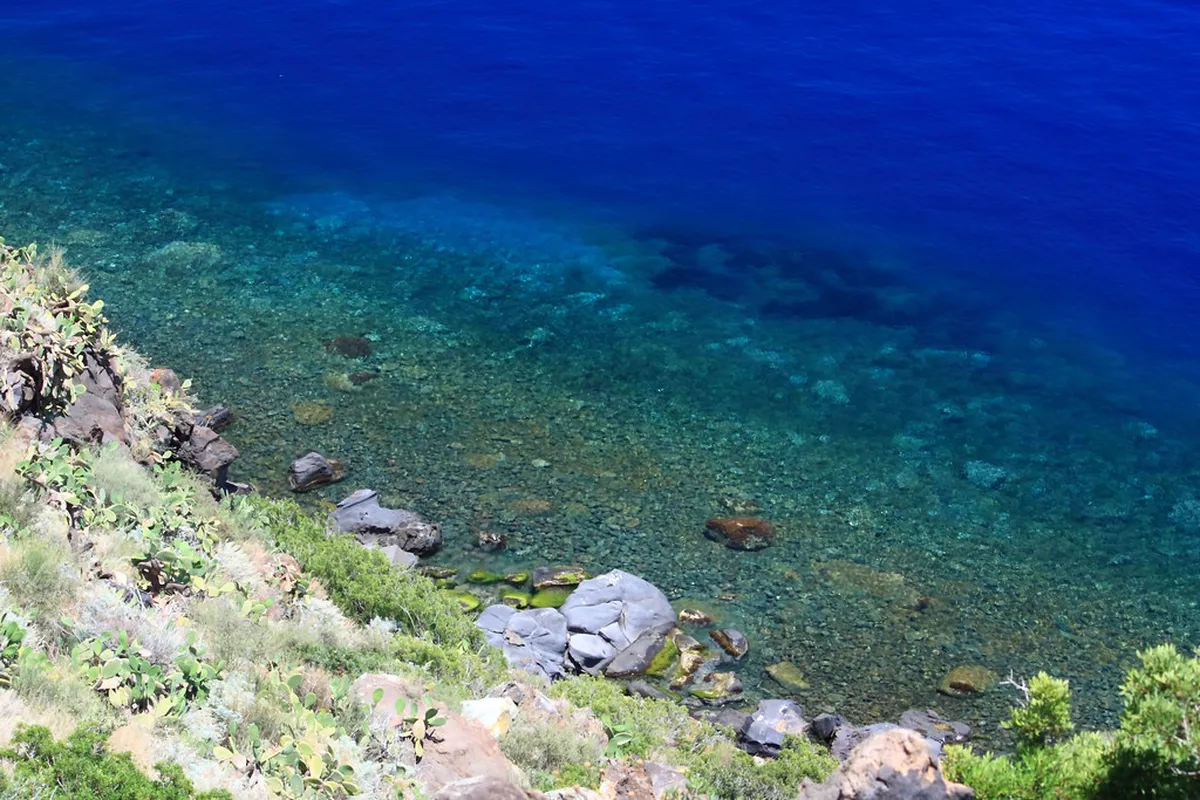
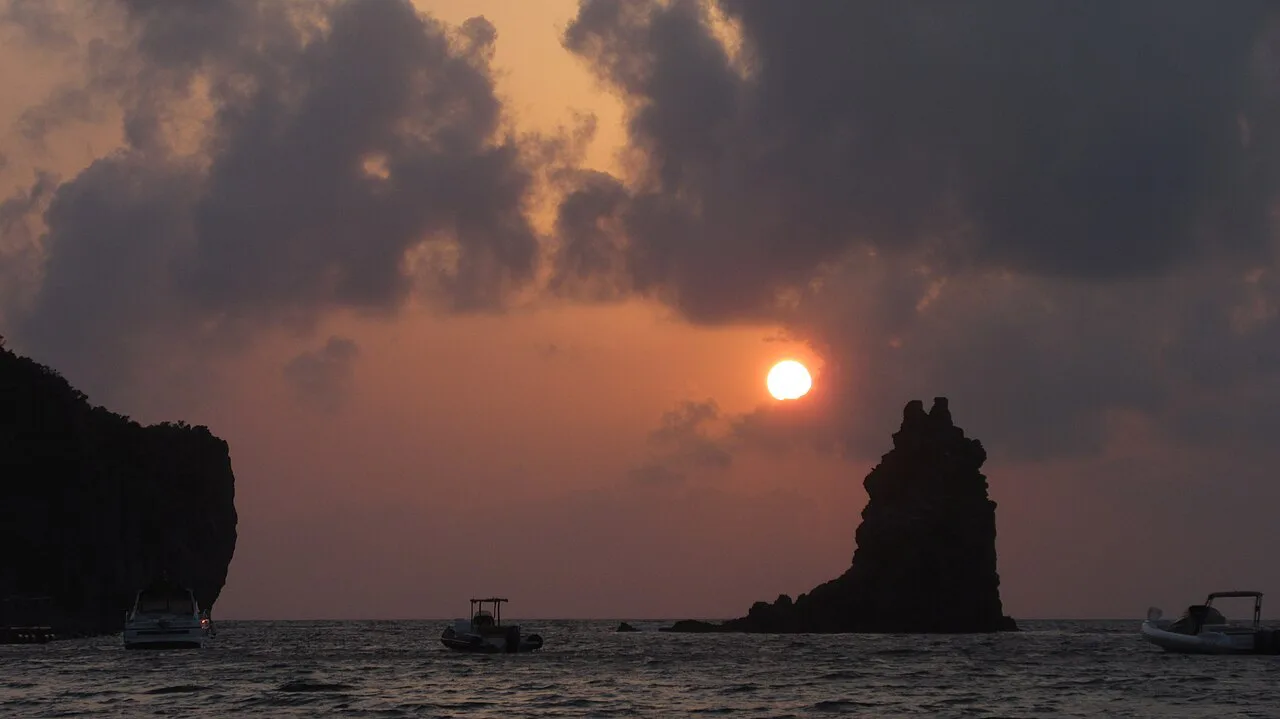
Featured image: Ghost-in-the-Shell, CC BY 2.0, via Flickr.
Is Alicudi worth visiting?
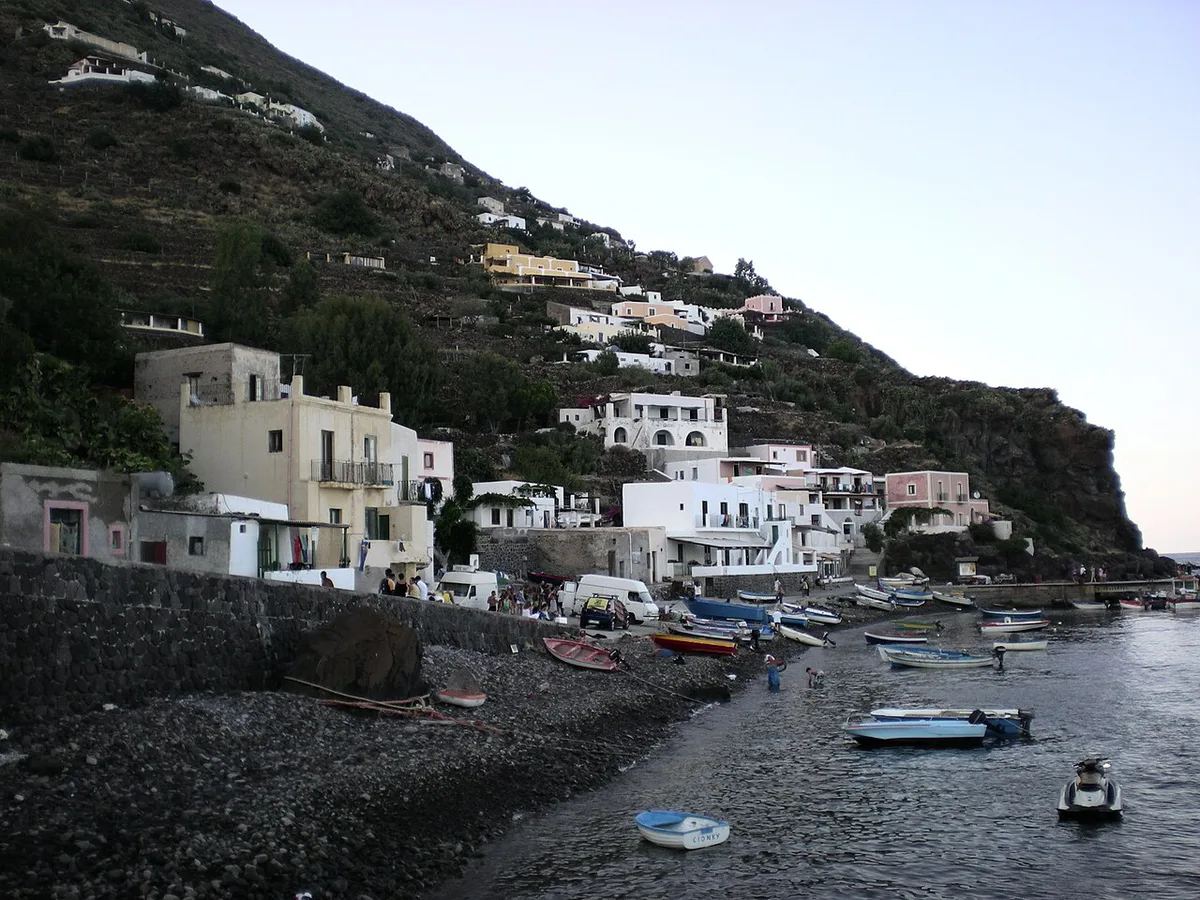
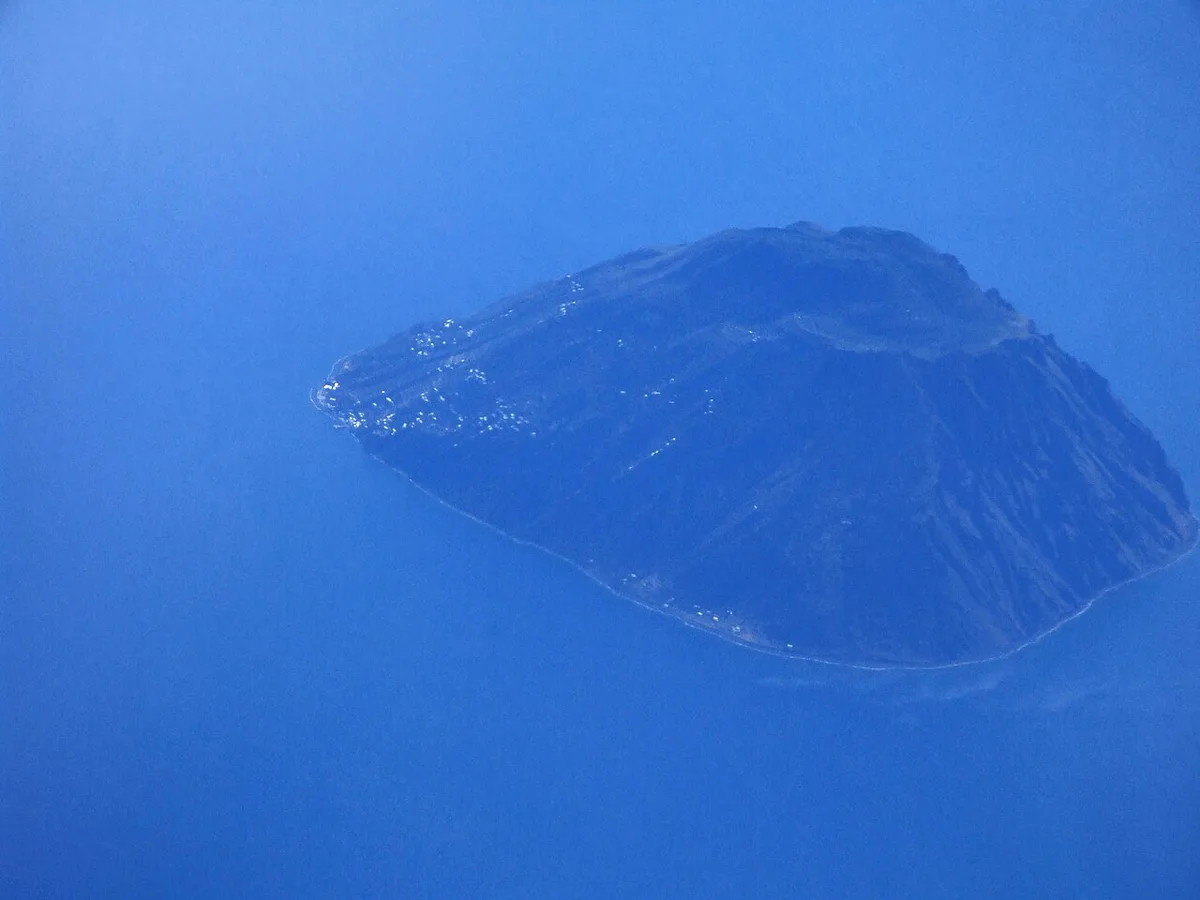
Walkers and quiet-seekers get the most from this island. A single lane of lava-stone steps links the houses, the terraces and the summit. That route climbs from sea level to about 675 m on Monte Filo dell'Arpa. Around 100 people live here today, down from roughly 600 in the post-war years, when many emigrated to Australia and South America. Visitors who expect a village with shops will be disappointed. Those who want to hike and stay offline will not.
| Go if | Skip if |
|---|---|
| You want to hike steep stone steps | You have only a day |
| You want silence and dark night skies | You have mobility limits |
| You can stay overnight | You need restaurants and nightlife |
| You can travel with one light bag | Your schedule has no slack for weather delays |
How to get to Alicudi (ferry from Milazzo and Lipari)
Alicudi is the last stop on the line, and you may change at Lipari. Current sailings are listed on the Liberty Lines timetable pages.
- Mainland departure: Milazzo, covered in our guide to the Milazzo crossing.
- Wider route planning: see reaching the archipelago for airports, trains and ports.
- Connection point: the main island of Lipari is where you may change boats.
- Second operator: Siremar publishes its own schedule on its official site.
- Book the return before you travel, and keep a buffer day in your plan.
- Winter service thins out, so confirm sailings before planning an off-season trip.
How long to stay: day trip, one night or 2-3 nights
Plan two or three nights. Sparse sailings make a same-day return risky, because the connection back may leave you almost no time on shore. Add a buffer day after your stay in case rough seas cancel a boat. One night works if you accept a short, rushed visit.
| Stay | Time on the island | Effort | Risk |
|---|---|---|---|
| Day trip | Very little after sailing times | Rushed | High: the return may leave almost no time ashore |
| 1 night | One evening and one morning | Moderate | Medium: a cancelled sailing extends your stay |
| 2-3 nights | Summit climb plus a slow day | Low once settled in | Lower: slack absorbs weather delays |
Things to do on Alicudi
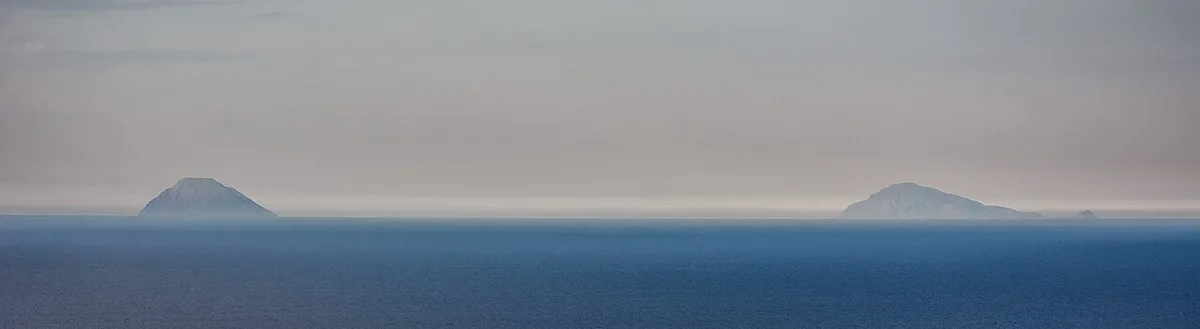
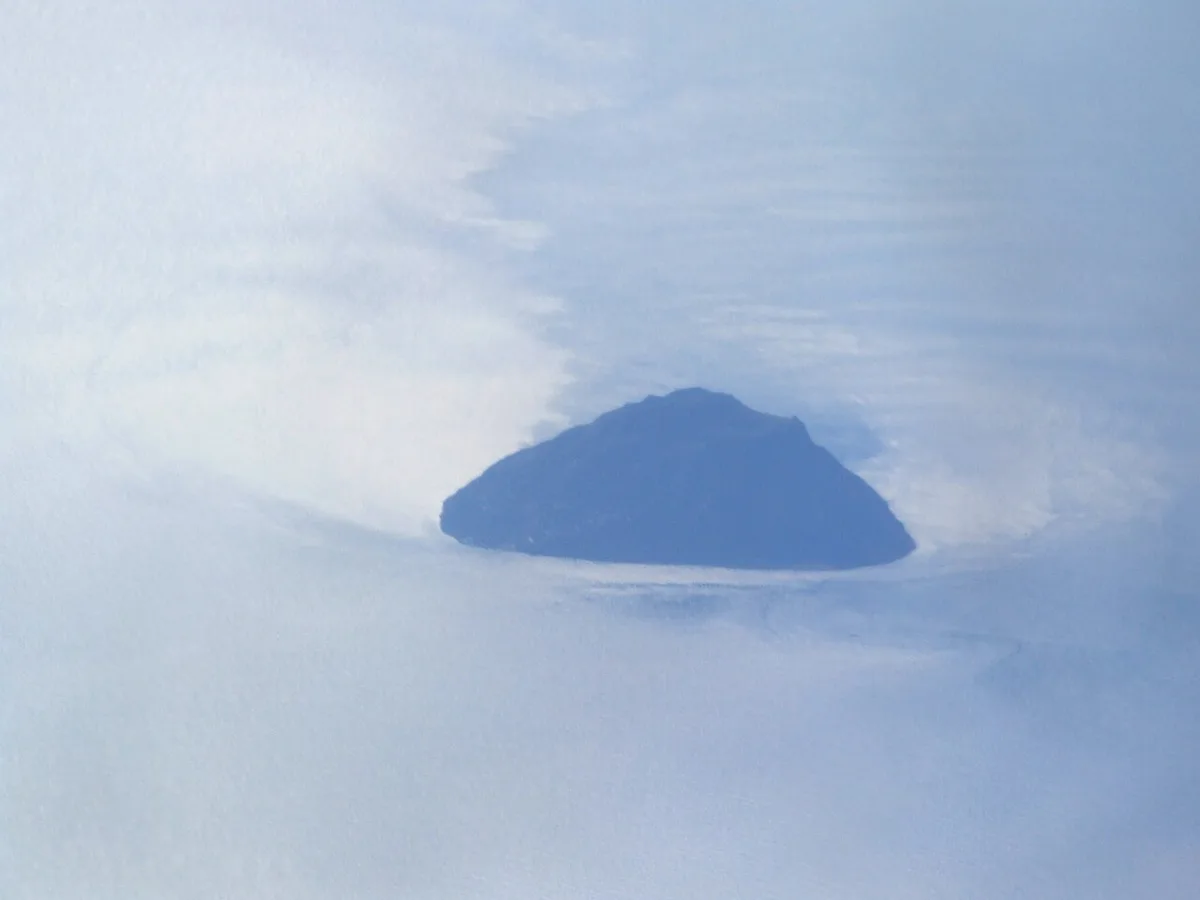
Filo dell'Arpa is the headline walk. The route runs by steps first and then by path, crossing abandoned dry-stone terraces almost to the summit at 675 m. Exposure is total and the sun is strong, so start early in the morning and carry plenty of water. From the top you can pick out Filicudi close by, then Salina and the other islands. On clear days the Sicilian coast shows too.
Rifriggiraturi food stores at tunnel mouths hold air at about 10 °C, handy on hot days when the summit climb is harder.
- Stone steps between hamlets: five small hamlets share the east side, which slopes less sharply to the sea. Walking between the port and the upper contrade is the daily rhythm.
- Stargazing: with no street lighting, night skies can be very dark. Bring a torch for the steps.
- Swimming: the port area has a pebble beach beside the small pier.
- Heritage details: flat roofs funnel rain into large cisterns beside the houses. Rifriggiraturi, small food-storage rooms at tunnel mouths, hold air at about 10 °C. Circular dry-stone mannare once sheltered sheep.
Where to stay and how to get around
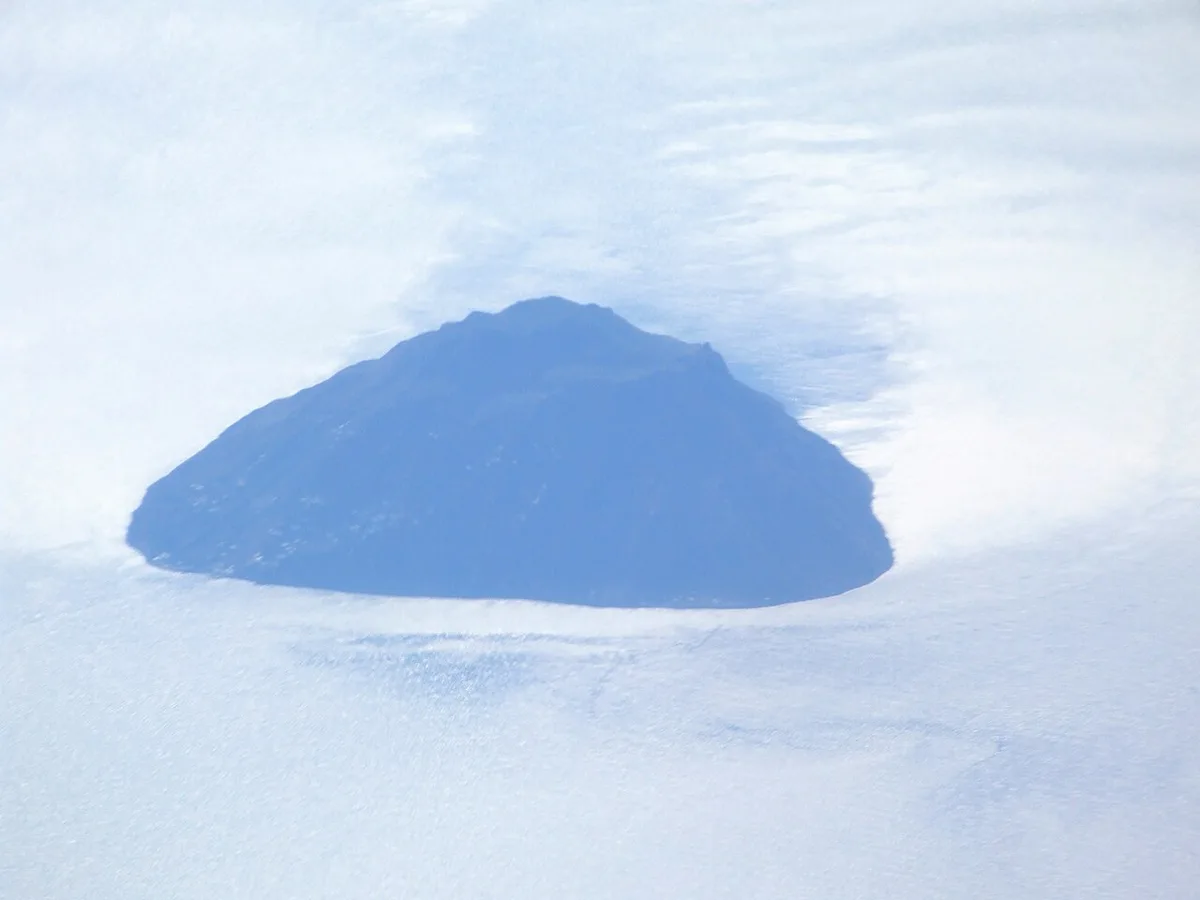
No cars operate here, so you walk and luggage travels by mule or by hand. Pack a small bag, because every bag goes up stone steps. Ask your host before arrival who carries luggage from the port. Five hamlets spread along the east side, so ask how far your room sits from the landing. Rooms are limited, so book early for summer. Bring a torch and sturdy shoes.
Where to eat and what to bring
With about 100 residents, choice is limited and openings change by season. Ask your host what is available, and carry supplies from Lipari or Milazzo before your last sailing. Water is collected in cisterns, so use it carefully. Aeolian specialities such as capers, pane cunzato and pasta with capers, olives and tomato appear across the archipelago. Treat them as general regional foods, not as Alicudi restaurants.
Best time to visit Alicudi and weather risk
May to early June and mid-September to October are the usual windows, for temperature and light. Summer heat makes the climb to 675 m harder, so go at dawn. In winter, connections are reduced and the sea can cut the island off for days. Rough water cancels sailings in any season. Leave slack at both ends of the trip, ideally a spare night before any flight or train.
Alicudi vs Filicudi and the other Aeolians
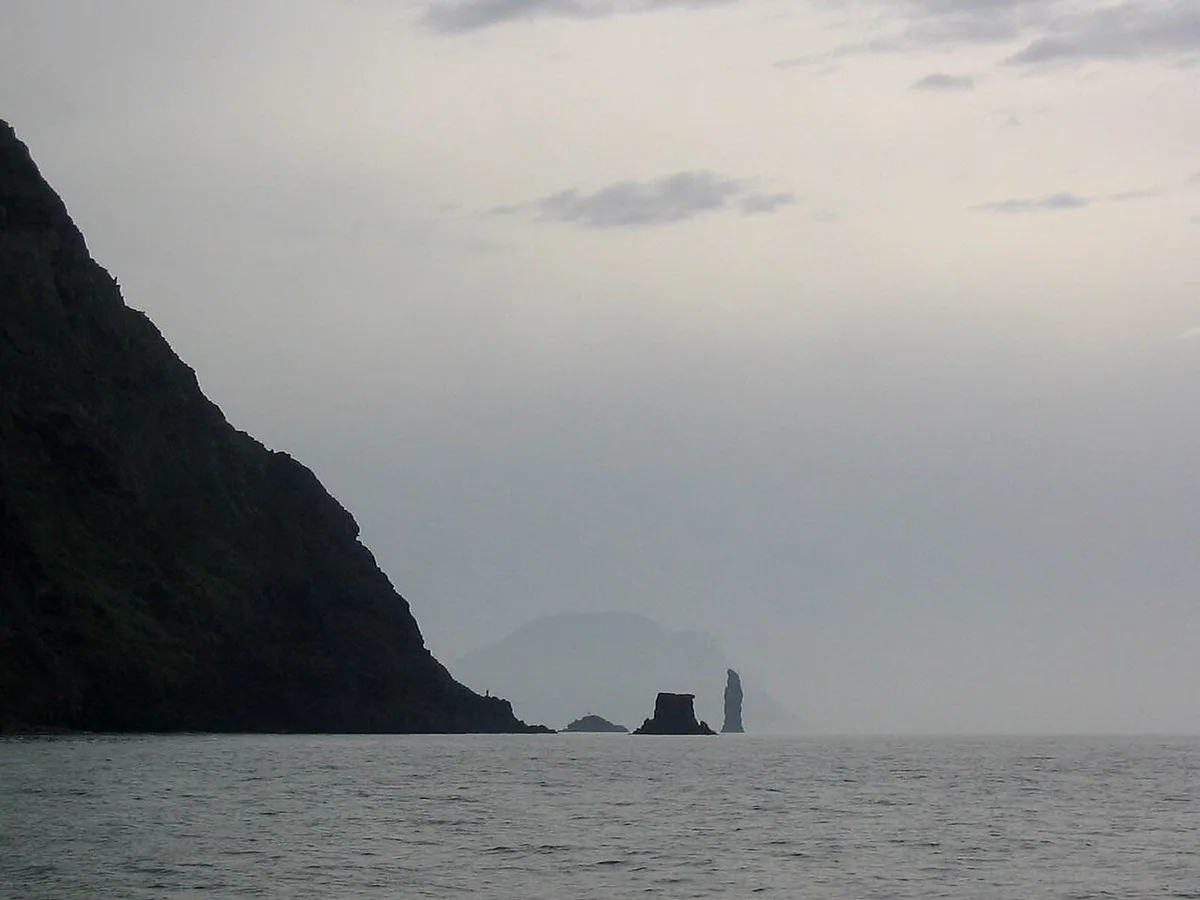
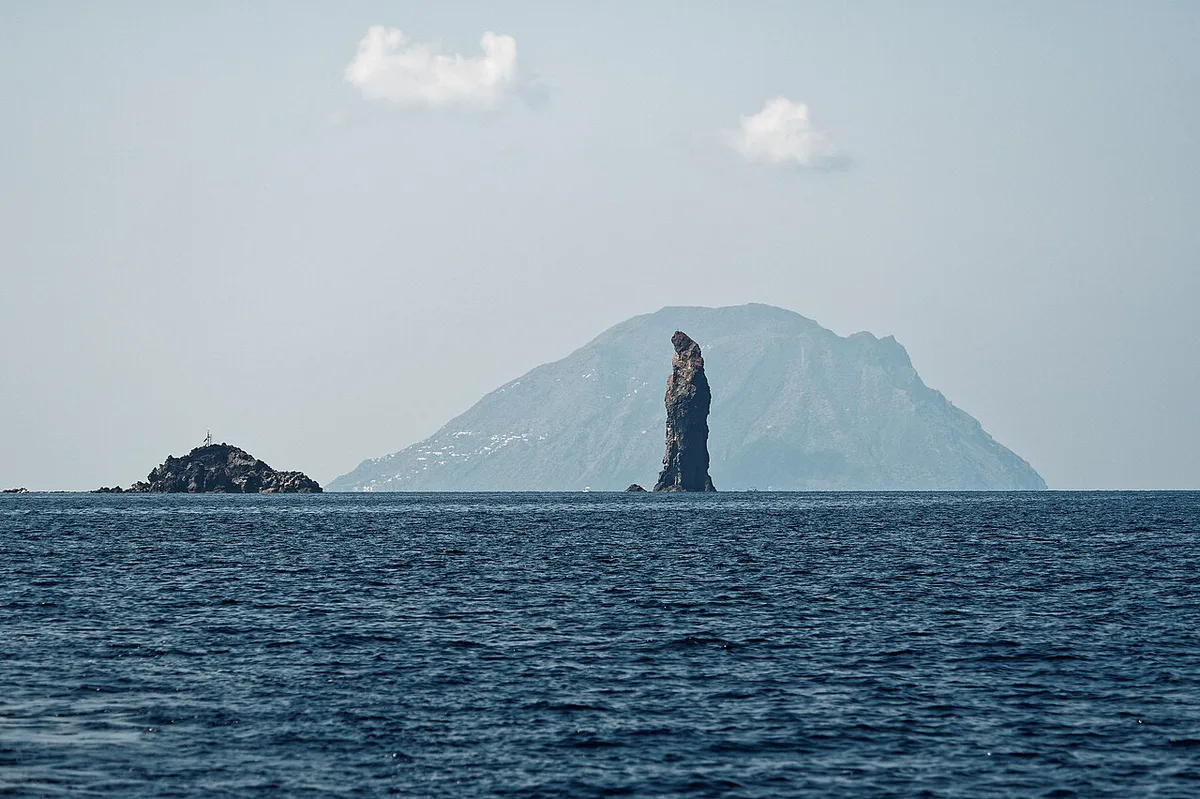
Pair Alicudi with neighbouring Filicudi if you have a week. Filicudi is close enough to spot from the summit. Choose green Salina for an easier base with twin mountains. Pick tiny Panarea for its stacks and prehistoric village. Stromboli's volcano suits climbers with a guide. Vulcano's fumaroles and mud make an easy add-on near the main island.
Practical tips and mistakes to avoid
Most problems come from timing, not terrain. Plan at least two nights and book before you leave.
Filo dell'Arpa's route runs from sea level to about 675 m, so count water as part of the plan.
- Torch: there is no public lighting on the steps.
- Cash: carry some, since card acceptance on the island is uncertain.
- Water: bring a full bottle for the Filo dell'Arpa climb.
- Luggage: pack one light bag that you can carry up steps.
- Bookings: secure the room and the return sailing in advance.
- Mistake: planning a day trip.
- Mistake: trusting a single sailing without a buffer day.
Useful notes for your next island trip
Optional updates to our guides.
You might also like
Continue reading
More guides you'll find useful