Inner Hebrides Guide: Best Islands, Ferries & Planning
Choose between the Inner Hebrides islands by ferry access, season and travel style. Compare Mull, Islay, Jura, Iona and more before you book.
On this page
Last updated November 2026: the inner hebrides are an island group off Scotland's west coast, south-east of the Outer Hebrides, and the best trips pick islands by ferry access and travel style. We wrote this page as a chooser, with a comparison table, ferry geography and trip-length patterns. For the wider picture, start with our Hebrides overview.
Featured image: aaranged, CC BY-SA 2.0, via Flickr.
What the Inner Hebrides are (and aren't)
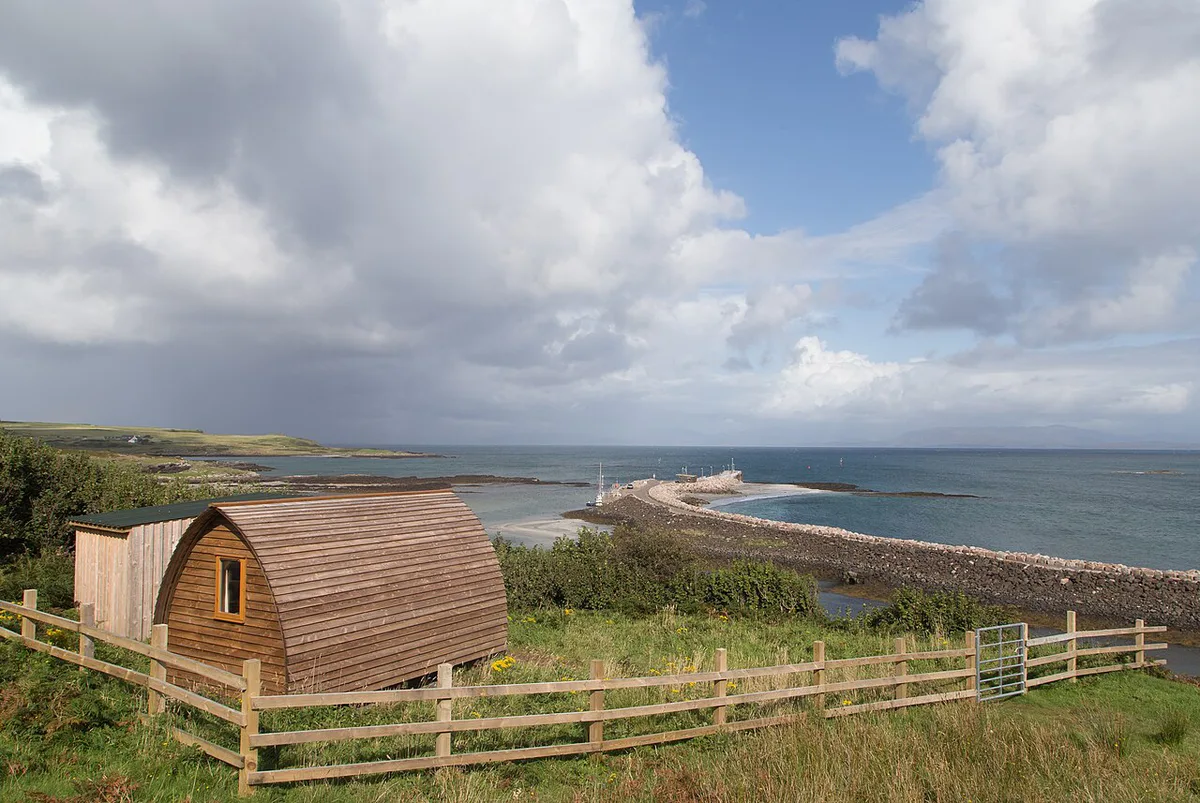
The Inner Hebrides sit closer to the Scottish mainland than the Outer Hebrides, which form a separate chain further west. Dozens of islands make up the group, and only a minority are inhabited. We won't quote an exact count, because published totals disagree and depend on the definition used. Skye, Mull and Islay are generally named as the best-known islands. Jura, Iona, Colonsay, Coll, Tiree, Eigg, Rum, Muck and Canna complete the picture for most visitors. Skye is a major Inner Hebrides island, though we don't yet have a dedicated guide to it.
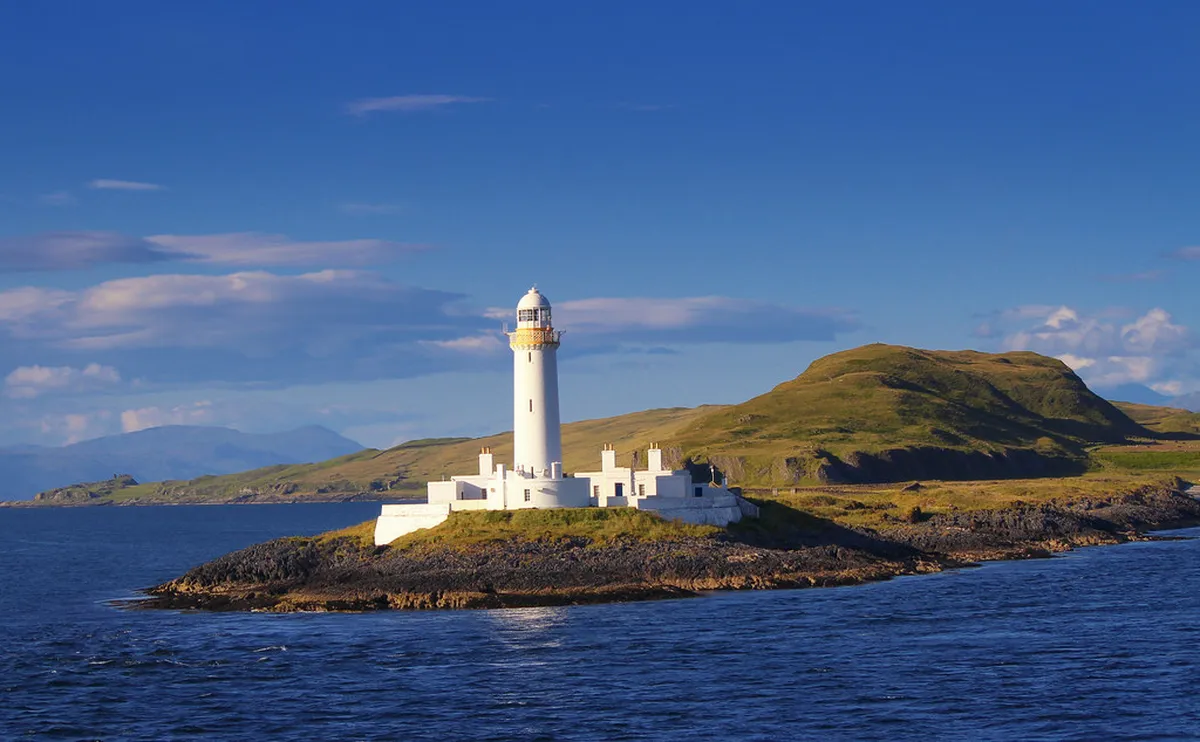
Some nearby islands cause confusion. Arran and Bute lie in the Firth of Clyde, and whether they count depends on the definition. We treat them as easy-access neighbours rather than core Inner Hebrides stops. St Kilda, Harris, Lewis, Barra and North Uist belong to the Outer Hebrides. If you want remoter beaches, read our Outer Hebrides guide instead.
Which Inner Hebrides island is right for you
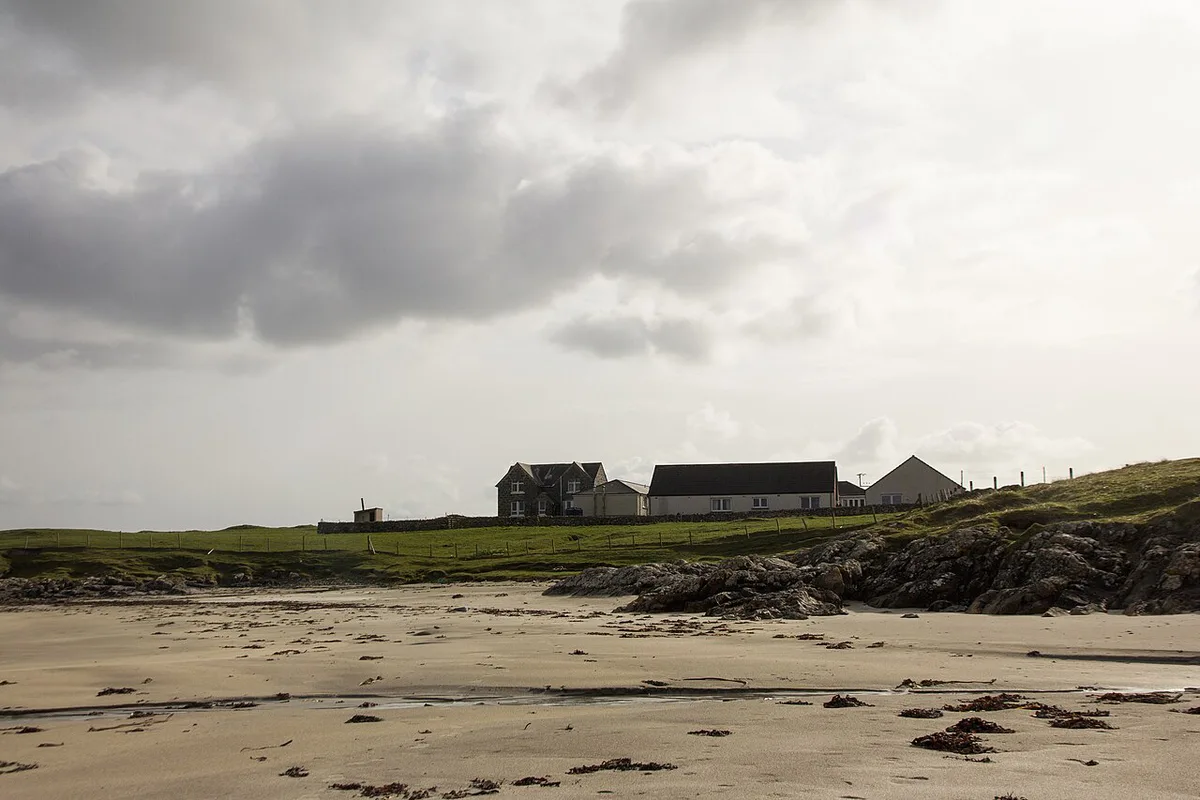
Pick one or two islands, not six. Our pick for a first trip is Mull, because it offers the widest mix of scenery, castles and boat trips on a single ferry crossing. Islay suits whisky-led trips, and Colonsay suits travellers who want quiet. At Duart Castle on Mull, you get a clan fortress with sea views. On Islay, Laphroaig is one of several distilleries that run visits.
| Island | Best for | Main access | Skip it if |
|---|---|---|---|
| Mull | First visit, wildlife, castles, boat trips | CalMac ferry from the mainland | You dislike single-track roads |
| Islay | Whisky, birdlife, long beaches | CalMac ferry from Kennacraig; an airport also exists | You want many sights without a car |
| Jura | Walking, remoteness, the Paps | Short ferry from Islay's Port Askaig | You need shops, nightlife or many beds |
| Iona | Abbey, pilgrimage, a calm day trip | Short crossing via Mull | You want a long beach holiday |
| Staffa | Fingal's Cave, a boat trip, puffin season | Boat tours, not a place to stay | Rough seas make you anxious |
| Colonsay | Quiet, beaches, slow walking | CalMac ferry; sailings are limited | You need flexible ferry times |
| Gigha | Gardens and a small-island pace | Ferry from Tayinloan | You want big landscapes |
| Skye | Mountains, coast, most visited scenery | Check bridge and ferry options | You want solitude in summer |
How to get there: ferries, flights and island hops
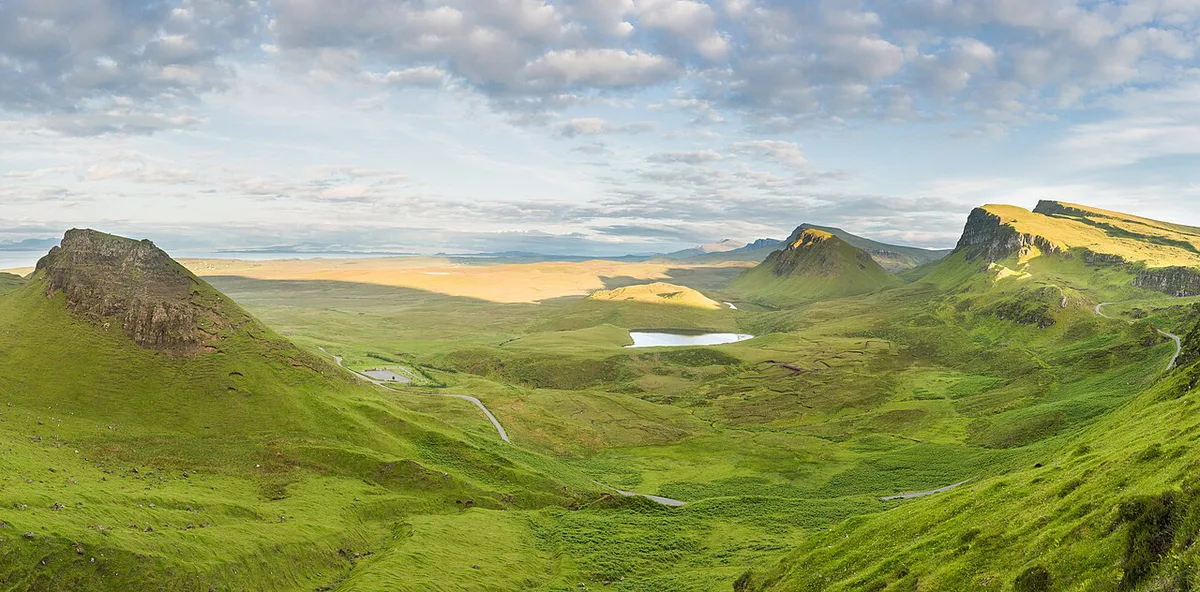
Most Inner Hebrides trips run on CalMac ferries, which publish timetables, fares and booking rules for each route. Older reports put the Kennacraig to Islay crossing at about two hours to Port Askaig. The Port Askaig to Jura hop is roughly 10 minutes. Check current times on the operator's site before you plan connections. Islay also has an airport, but check which airlines serve it now.
Many islands need a chain of crossings. Jura means Islay first. Iona means Mull first. Book vehicle spaces early for summer and school holiday dates, because cars sell out before foot-passenger tickets do. Wind can cancel or reshuffle sailings, so leave a buffer day before any flight home.
How long to spend and how to sequence islands
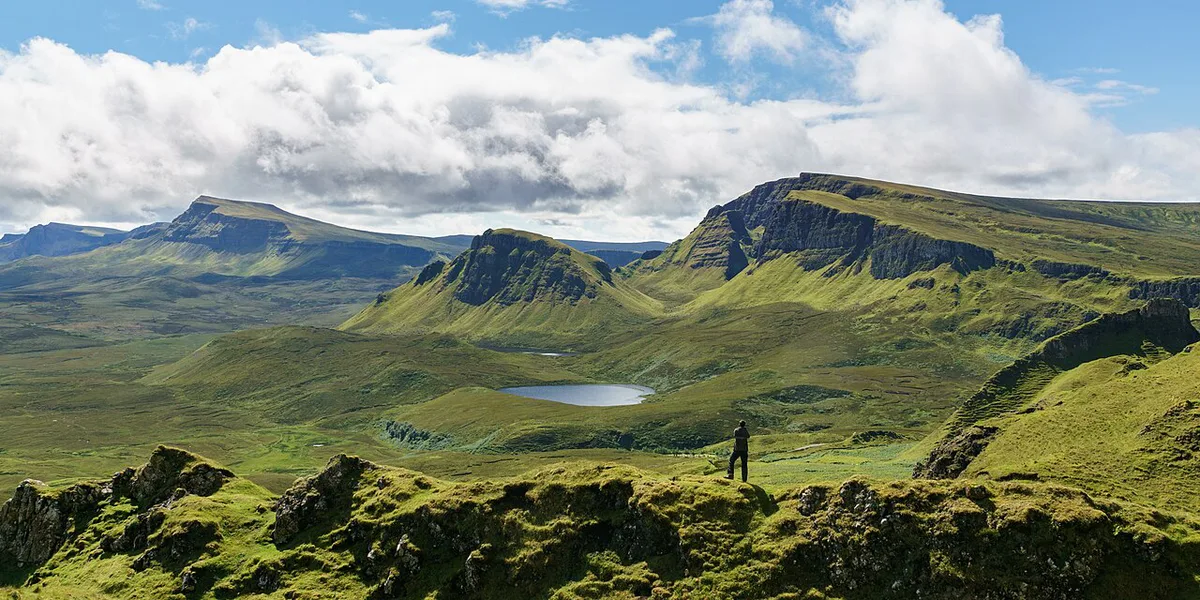
Group islands by ferry geography and keep each trip to a few stops. Time lost to ferries is the main cost of ambition here.
- 3 days: choose one island. We'd pick Mull with an Iona day trip, or Islay on its own.
- 5 days: pair neighbours. Islay with Jura works well, and Mull with Iona and Staffa works equally well.
- 7+ days: add a quiet island such as Colonsay, but plan the sailing days first and fill the gaps after.
- Mistake to avoid: combining Mull, Islay and Skye in one short trip. These sit on different ferry routes, so you spend most of the trip in transit.
When to go: season-by-season trade-offs
Summer is high season, with the most sailings, the longest daylight and the heaviest booking pressure. Midges can be a nuisance on still, damp days, so pack repellent. Spring and early autumn bring fewer crowds, plus wildlife and, on Islay, the Festival of Malt and Music, which has been reported for May. Winter means reduced ferry services and short daylight, and some attractions and accommodation close. We'd treat winter as a trip for confident, flexible travellers.
Costs and trade-offs
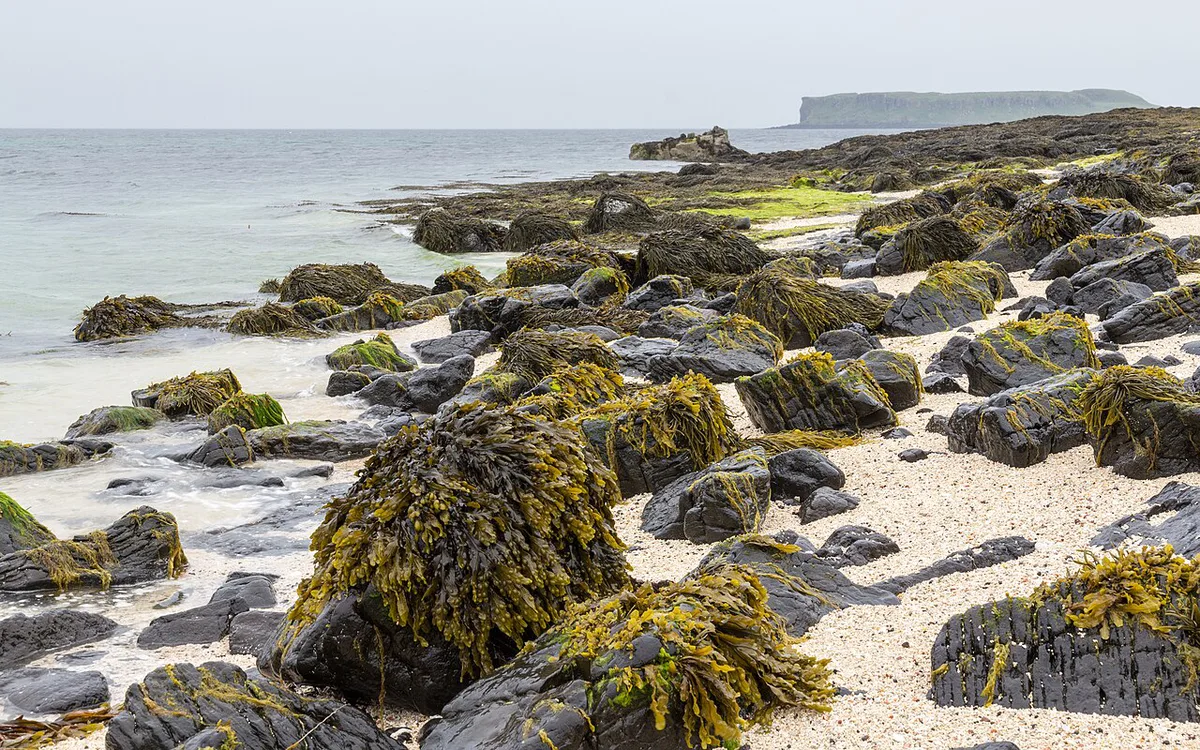
Expect the Inner Hebrides to cost more than a mainland Scottish break. A vehicle on a ferry is usually the largest single cost, and a foot-passenger ticket is far cheaper. Rooms are scarce, so peak dates carry a premium. We have no verified fares to quote. Prices and hours were checked November 2026 through operator pages, and CalMac lists current fares for each route. Taking a car costs more but buys freedom, while going on foot saves money and limits you to a base island.
Where to stay and getting around once you arrive
Island accommodation is limited and books out months ahead in summer. On most islands, a car or pre-booked taxi is the practical way to reach beaches, distilleries and trailheads. Bus services are patchy. A base-island approach, such as Mull with day trips to Iona, suits first-timers best. Hopping between islands suits experienced travellers who accept the sailing-day logistics. Jura and Colonsay have very few shops, so plan food and fuel in advance.
Planning mistakes to avoid
Most problems come from squeezing too much in and ignoring weather. These are the ones we'd avoid first.
- Booking onward flights on the same day as a ferry.
- Leaving ferry and car bookings until late.
- Assuming every island has a bus, a cash machine and a cafe.
- Treating Arran, Bute or Outer Hebrides islands as Inner Hebrides stops.
- Planning remote days without a wet-weather backup.
Frequently Asked Questions
What is the largest island of the Inner Hebrides?
Skye is the largest Inner Hebrides island. Mull and Islay are the next best-known.
What is the best month to visit the Hebrides?
Late spring and early summer give long daylight and fewer midges than high summer. Islay's malt festival is reported for May, so book early if that is your aim. Winter has fewer ferries and short days.
What islands comprise the Hebrides?
The Hebrides split into two groups. The Inner Hebrides include Skye, Mull, Islay, Jura, Iona and Colonsay. The Outer Hebrides include Harris, Lewis, Barra and North Uist.
What language is spoken in the Hebrides?
English is spoken everywhere. Scottish Gaelic is also used, and it is strongest in the Outer Hebrides.
Useful notes for your next island trip
Optional updates to our guides.
You might also like
Continue reading
More guides you'll find useful