
Tenerife to La Gomera Ferry: Times, Tickets & Tips
How to take the ferry from Los Cristianos to San Sebastián de La Gomera: operators, crossing time, booking, and day-trip planning.
On this page
Last updated November 2026. The Tenerife to La Gomera ferry runs from Los Cristianos in southern Tenerife to San Sebastián de La Gomera, and the crossing takes about 50 minutes. Two operators sell tickets on the route, Fred. Olsen Express and Naviera Armas Trasmediterránea. This guide covers ports, operator choice, booking, car or no car, and whether to make La Gomera Travel Guide: Day Trip or Overnight? a day trip or an overnight stay.
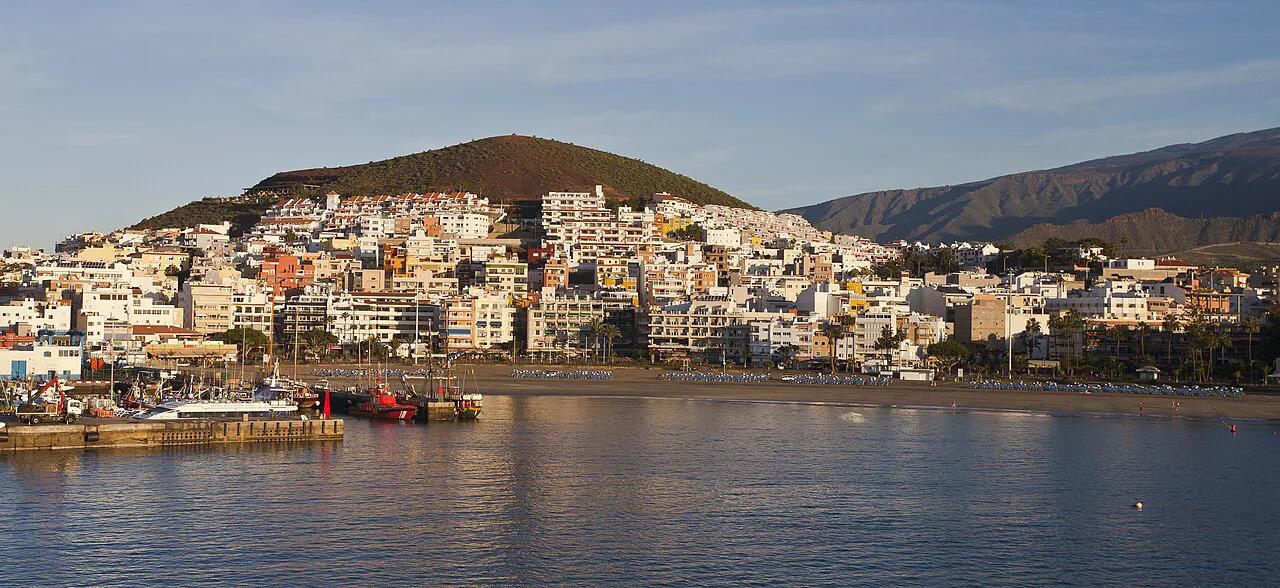
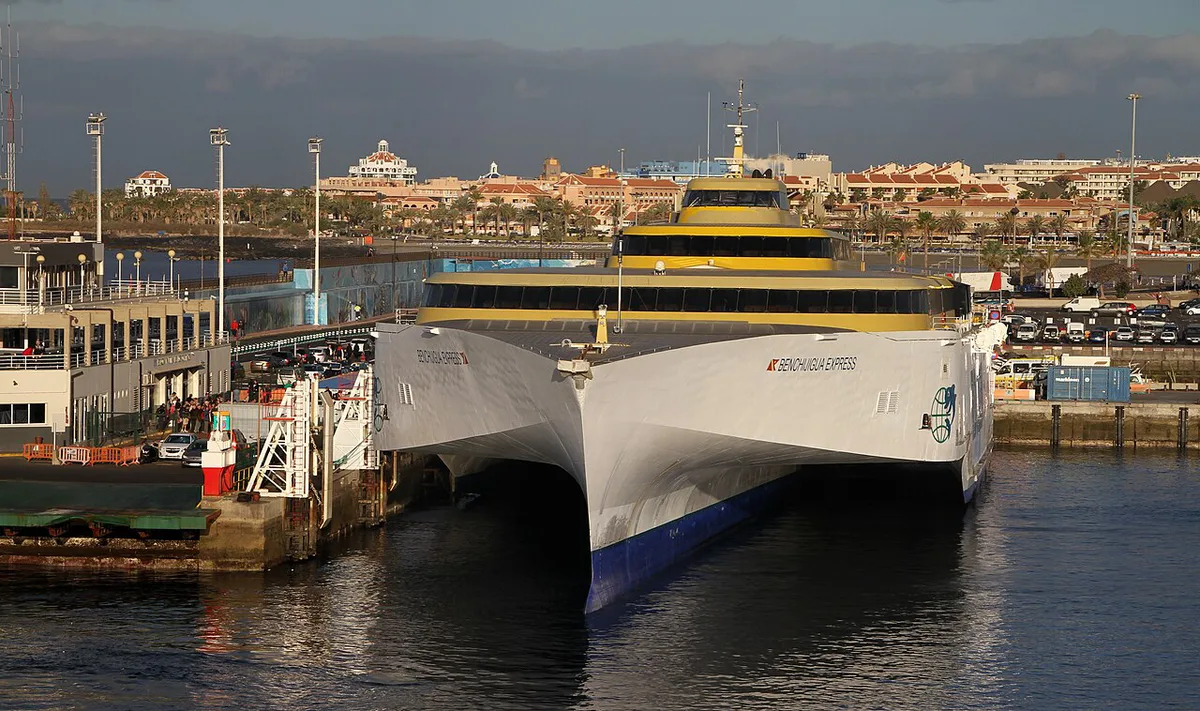
Featured image: Diego Delso, CC BY-SA 3.0, via Wikimedia Commons.
Tenerife to La Gomera ferry: route and ports
Every sailing links Los Cristianos, on Tenerife's southern coast, with San Sebastián de La Gomera, the island's capital and main port. Expect a crossing of about 50 minutes on normal sailings. Los Cristianos is the departure point for foot passengers and cars alike, so there is no second Tenerife port to choose between. If you are still placing the islands relative to each other, our Canary Islands Map: All 7 Islands and How They Connect shows the gap. For wider context, read about where the Canary Islands sit. San Sebastián is a small town, and the ferry terminal sits in town, so you can start exploring on foot as soon as you step off. Arrive at Los Cristianos with time to find parking or a drop-off, collect your ticket and board. Both operators publish check-in guidance on their own sites, and it differs for foot passengers and vehicles.
Fred. Olsen Express vs Naviera Armas: which to pick
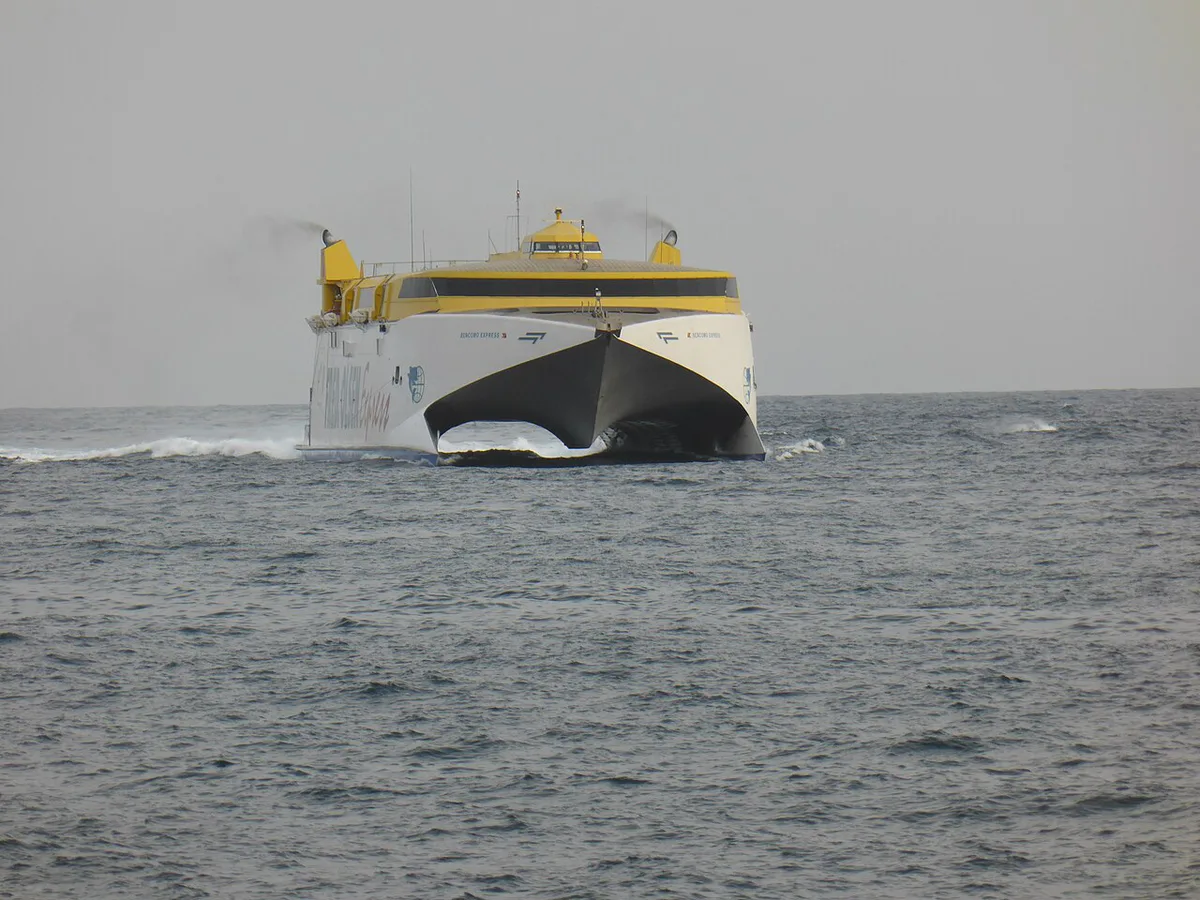
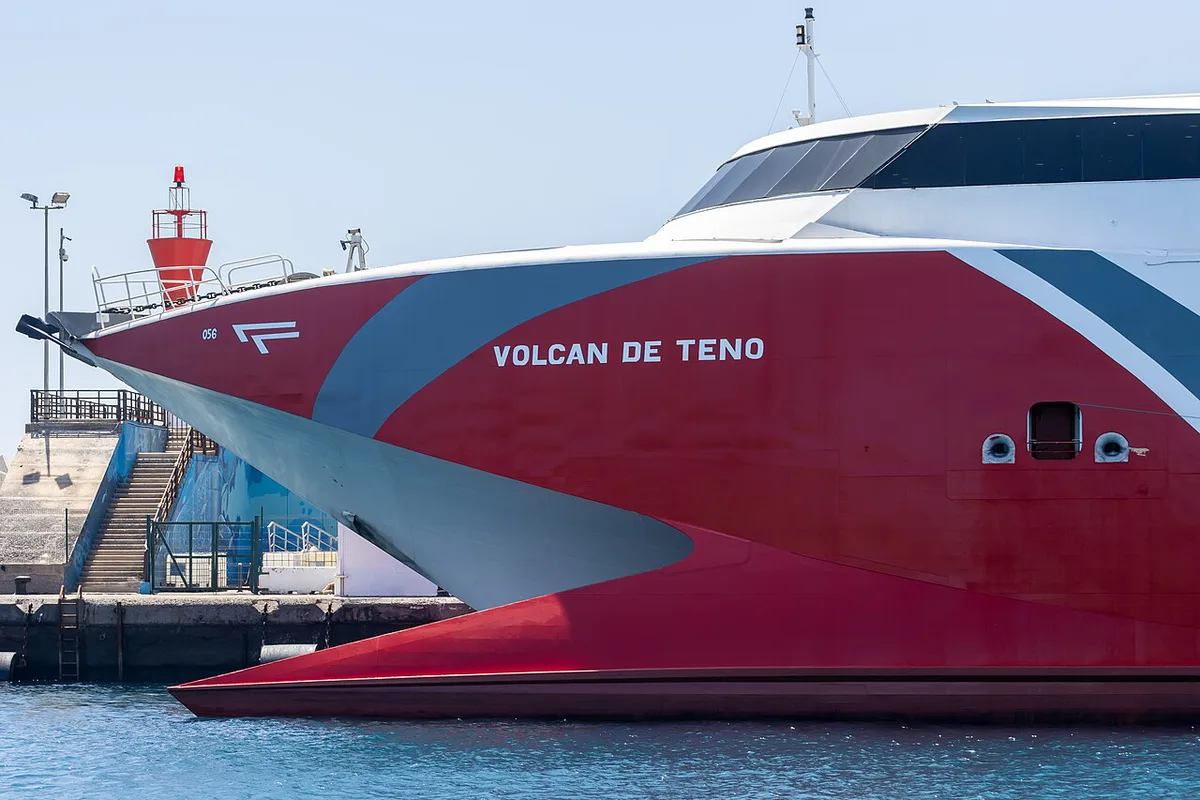
Two companies cover the route, and the best choice usually comes down to which departure fits your day. Fred. Olsen Express sails ships named Benchijigua Express and Bencomo Express on this crossing. Naviera Armas Trasmediterránea is the second operator. Some booking sites list that second company under the Balearia Canarias name, so check which brand appears on your ticket. Timetables, fares and vehicle rules change by season, so use the table as a checklist of what to compare, not as a fixed schedule.
| What to compare | Fred. Olsen Express | Naviera Armas Trasmediterránea |
|---|---|---|
| Crossing time | About 50 minutes | About 50 minutes |
| Ships on the route | Benchijigua Express, Bencomo Express | Check operator |
| Vehicle policy | Check operator | Check operator |
| Fares and flexibility | Check operator fare page | Check operator fare page |
| Booking channel | Operator website | Operator website |
Departure times and how often it sails
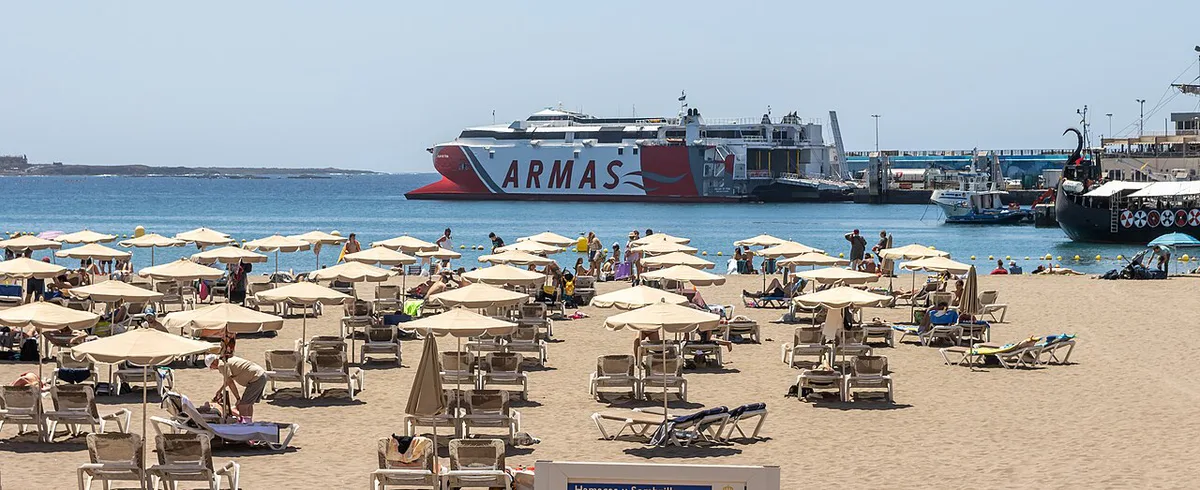
Several sailings run each day in each direction, with early and late options between them. Weekend patterns can differ from weekday ones, and the first La Gomera departure can fall earlier on some days. Rough seas can delay or cancel sailings, so winter and windy spells deserve extra slack in your plans. Our Canary Islands Weather by Month: Island-by-Island Guide guide helps you judge the season. Read live times on the operators' own pages, and treat any aggregator listing as a snapshot. Before you commit to a day trip, note the last Tenerife-bound departure from San Sebastián and work backwards from it.
Each crossing takes about 50 minutes, so count both sailings and boarding time when you work back from the last return.
Tickets, booking and cost
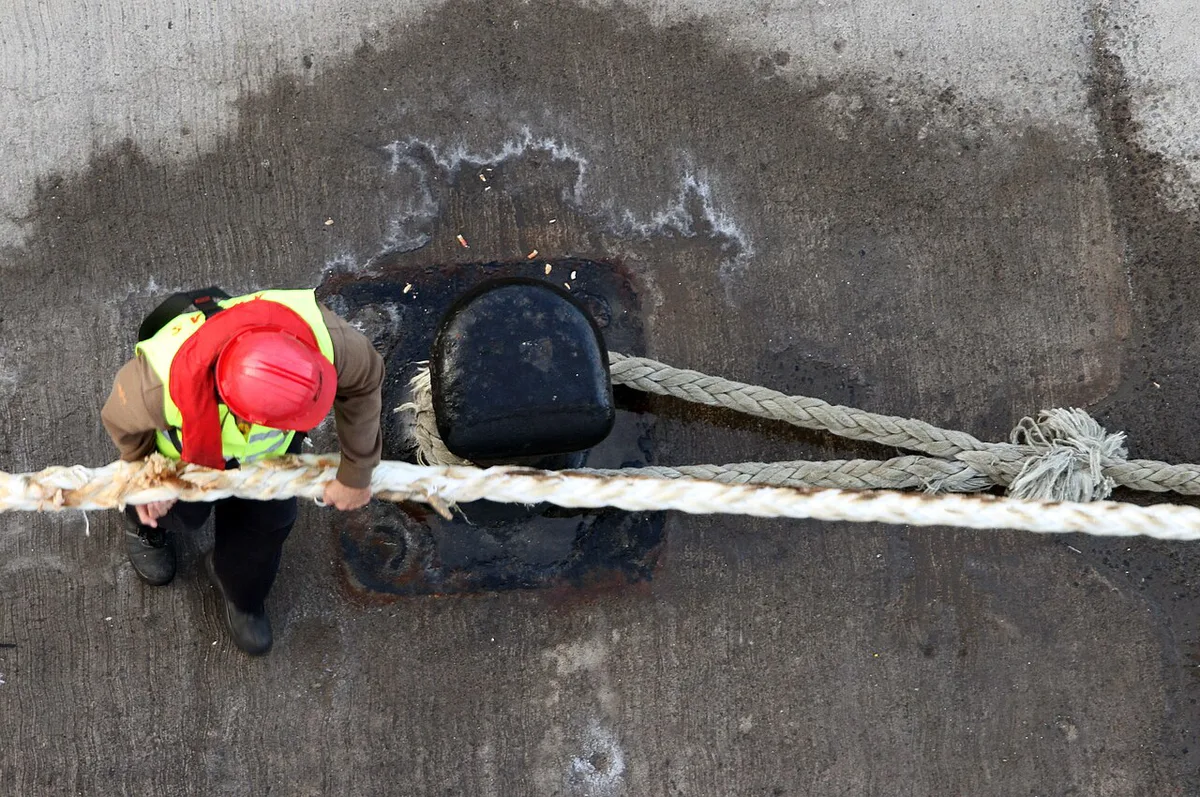
Prices and hours checked November 2026 against the operators' own sites, which publish no single fare that stays fixed all year. Both companies sell foot-passenger tickets, vehicle tickets and return options on their websites. Buying direct keeps you on the operator's own change and cancellation terms. An aggregator can be handy for comparing times, but the ticket rules are still the operator's. Foot passengers usually pay far less than a car and driver, so a ferry-only day trip is the cheaper route. Book earlier for holiday weeks and for any sailing with a vehicle, because car space is limited. Compare fares on the Fred. Olsen Express site and the Naviera Armas page before you pay.
Foot passenger or car?
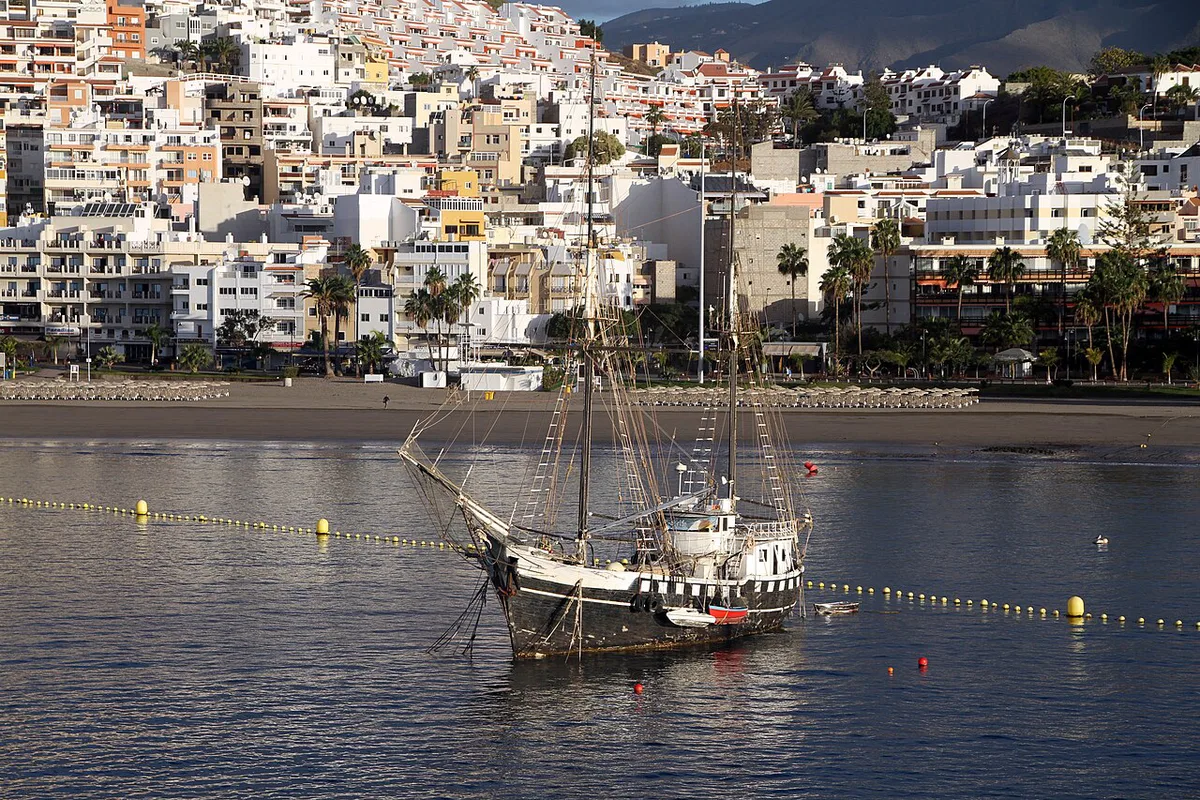
For most visitors, going on foot is simpler and cheaper. Taking a car adds ticket cost, port queues and parking in Los Cristianos. La Gomera's roads climb through narrow mountain bends, which suits confident drivers but tires others. Hiring a car on the island, or joining a guided tour, avoids carrying your own vehicle across. Bring your own car only if you are staying several days and plan to reach remote valleys.
- Go on foot if you are visiting for a day, planning one hike, or nervous on mountain roads.
- Take a car if you are staying several nights and carrying bulky gear.
- Hire on arrival if you want a car for one or two days without the vehicle ticket.
- Skip the car if you will base yourself in San Sebastián or Valle Gran Rey and use local transport.
Day trip or overnight?
With a crossing of about 50 minutes each way, a day trip is workable but tight. Your time on the island is set by the first outbound sailing and the last return. Subtract the two crossings and boarding time, and you will see how many hours remain. That is enough for San Sebastián and one short excursion, not much more. Stay overnight if you want a proper walk, a drive across the island, or a slower pace. Our La Gomera guide lists what each area offers. Readers still comparing islands can start with 7 Canary Islands Compared: Which Canary Island Is Best?.
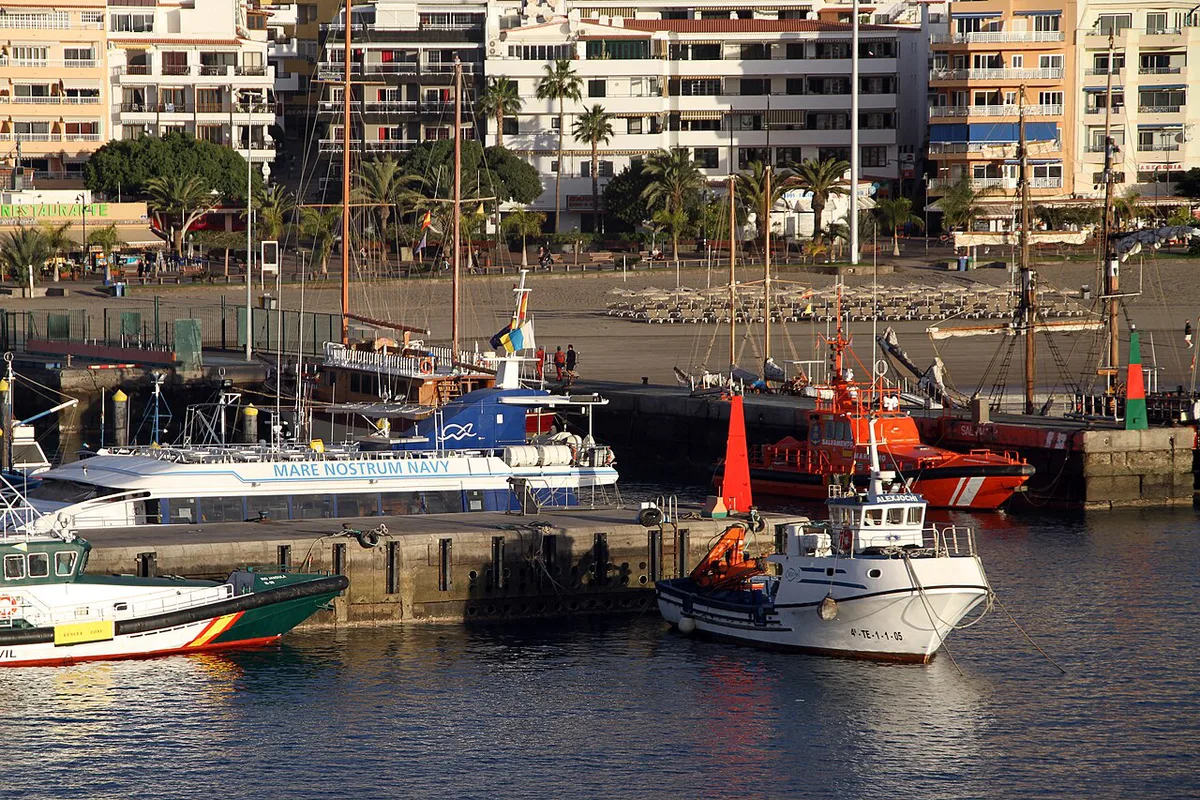
- Stay overnight if you want to hike in Garajonay National Park.
- Stay overnight if you are heading to Valle Gran Rey.
- Choose a day trip if you want San Sebastián and one short outing.
- Choose a day trip if rough-sea cancellations would wreck a fixed flight home.
Getting around La Gomera after you land
San Sebastián is walkable from the terminal, so you can eat and look around without transport. Beyond town, your options are buses, taxis, guided tours and hire cars. The two destinations that most visitors want are Garajonay National Park and Valle Gran Rey. Journey times between them depend on roads and services, so check them locally before you plan a tight day. For island-wide tips, see La Gomera's tourism site. A guided tour is the easiest way to cover the interior without driving the bends yourself.
Common mistakes to avoid
Most problems come from timing and weather, not from the ferry itself. Plan around these points and the crossing stays routine.
- Missing the last return: note the final sailing from San Sebastián before you explore.
- Ignoring seasickness: crossings on a fast ferry can feel lively in wind, so sit midship if you are prone.
- Ignoring weather: sailings can be cancelled in rough seas, so keep a flexible plan and read the operator's notices.
- Arriving late: allow time for check-in, especially with a car.
- Forgetting ID: carry the identification your operator asks for.
- Overpacking: bring only what you can carry onto the island on foot.
Other islands and onward options
The same logic applies on other inter-island trips: compare operators, check weather, and leave margin. For options beyond this route, read our Canary Islands ferry guide. Once you are comfortable with island hopping, look at La Palma and El Hierro Travel Guide: Getting There, Where to Stay, What to Do. Our Canary Islands hub gathers the rest.
Frequently Asked Questions
How long is the ferry between Tenerife and La Gomera?
The crossing from Los Cristianos to San Sebastián de La Gomera takes about 50 minutes on normal sailings. Add time for check-in and boarding.
Do I need a car in La Gomera?
Not for a day trip, since San Sebastián is walkable from the terminal. For several days, a hire car or guided tour helps you reach Garajonay and remote valleys.
Are there flights to La Gomera?
Check Binter's route list for current inter-island flights. The ferry remains the simplest option from southern Tenerife.
Are there ferries between the Canary Islands?
Yes, ferries link several islands, and this route is one of them. Our inter-island ferry guide covers the wider network.
Useful notes for your next island trip
Optional updates to our guides.
You might also like

Continue reading
More guides you'll find useful