Canary Islands Weather by Month: Island-by-Island Guide
Month-by-month Canary Islands weather, with temperatures, rain, sea warmth and which island or coast suits each season.
On this page
Last updated November 2026: canary islands weather by month stays mild all year, with cooler, wetter winters and warm, dry summers. Coast and altitude change the picture more than the calendar does. Start with the table below, then match your dates to an island using our Canary Islands guide.
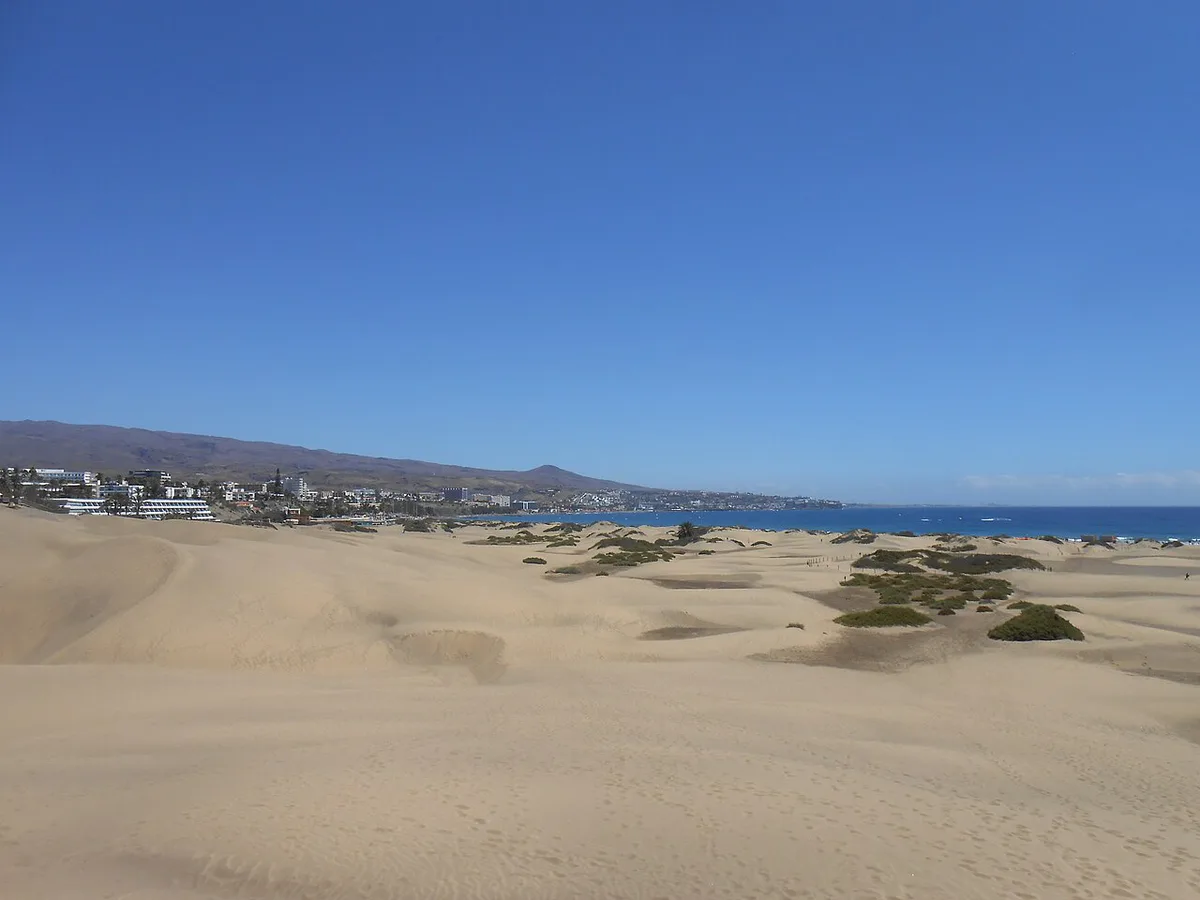
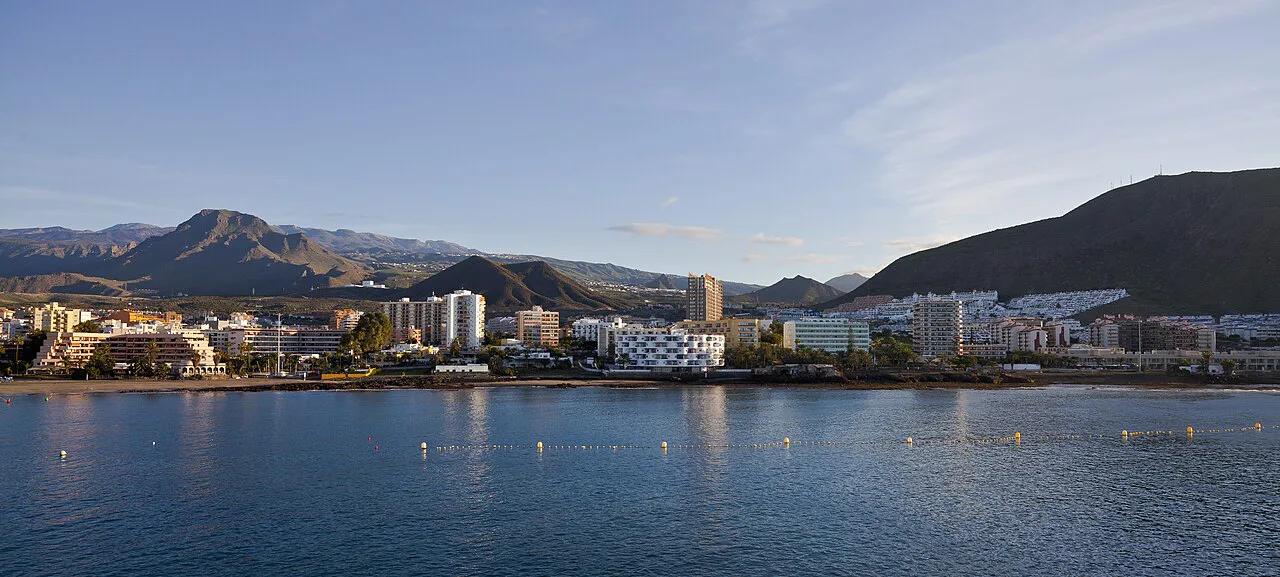
Featured image: Diego Delso, CC BY-SA 3.0, via Wikimedia Commons.
Canary Islands weather at a glance
Seven main islands sit at about 28°N, roughly 100 km off the Moroccan coast. Winter is the cooler, wetter season, and summer is warm, dry and sunny. Daily sunshine averages about 6 hours in winter and up to 11 hours in summer at sea level. For winter sun, pick a south coast. For summer heat relief or hiking, pick the north coast or higher ground. Our guide to where the Canary Islands are located covers the geography. See our Canary Islands count guide for the full list. The Canary Islands Map: All 7 Islands and How They Connect helps you place each coast.
Canary Islands weather by month: Las Palmas averages
These figures are World Meteorological Organization normals for Las Palmas, Gran Canaria, 1981–2010. That is one sea-level station on a northeast coast, so read it as a baseline rather than an archipelago average. Newer values are published by AEMET, Spain's meteorological agency. January is the coolest month, with highs of 20.8°C (69.4°F) and lows of 15.3°C (59.5°F). August is the warmest, at 27.5°C (81.5°F) by day and 21.6°C (70.9°F) at night. Rain peaks in December at 31.3 mm. July averages only 0.1 mm.
| Month | Avg high | Avg low | Rain (mm) | Best for |
|---|---|---|---|---|
| January | 20.8°C (69.4°F) | 15.3°C (59.5°F) | 25.1 | Winter sun, walking |
| February | 21.2°C (70.2°F) | 15.6°C (60.1°F) | 24.4 | Carnival, mild days |
| March | 22.3°C (72.1°F) | 16.2°C (61.2°F) | 12.5 | Flowers, hiking |
| April | 22.6°C (72.7°F) | 16.3°C (61.3°F) | 5.9 | Hiking, birdwatching |
| May | 23.6°C (74.5°F) | 17.3°C (63.1°F) | 1.1 | Flowers, quiet beaches |
| June | 25.3°C (77.5°F) | 19.2°C (66.6°F) | 0.3 | Beaches, long days |
| July | 26.9°C (80.4°F) | 20.8°C (69.4°F) | 0.1 | Beaches, dry weather |
| August | 27.5°C (81.5°F) | 21.6°C (70.9°F) | 0.4 | Beaches, school holidays |
| September | 27.2°C (81.0°F) | 21.4°C (70.5°F) | 9.1 | Warmest sea, swimming |
| October | 26.2°C (79.2°F) | 20.1°C (68.2°F) | 16.0 | Walking, warm days |
| November | 24.2°C (75.6°F) | 18.1°C (64.6°F) | 22.4 | Walking, fewer crowds |
| December | 22.2°C (72.0°F) | 16.5°C (61.7°F) | 31.3 | Mild escape, wettest month |
Why the weather differs by coast and altitude
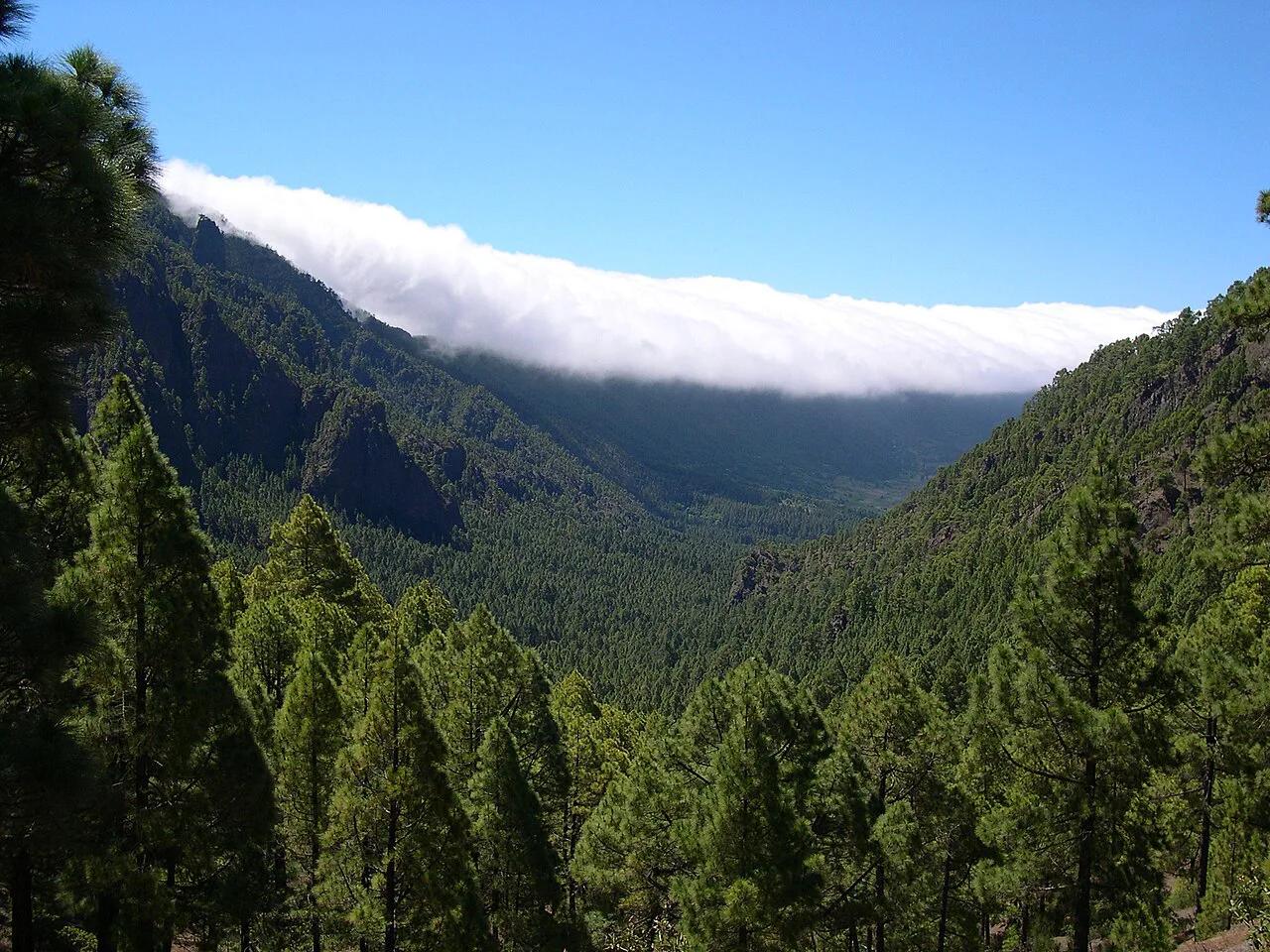
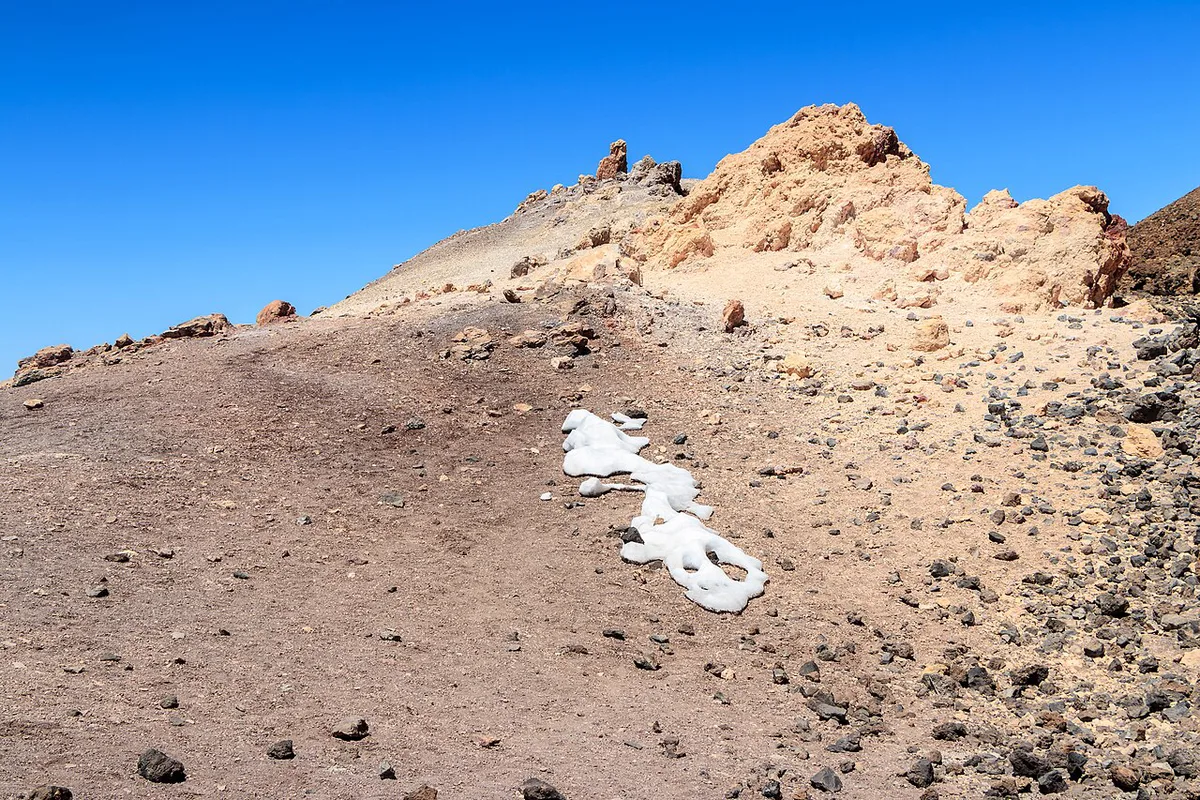
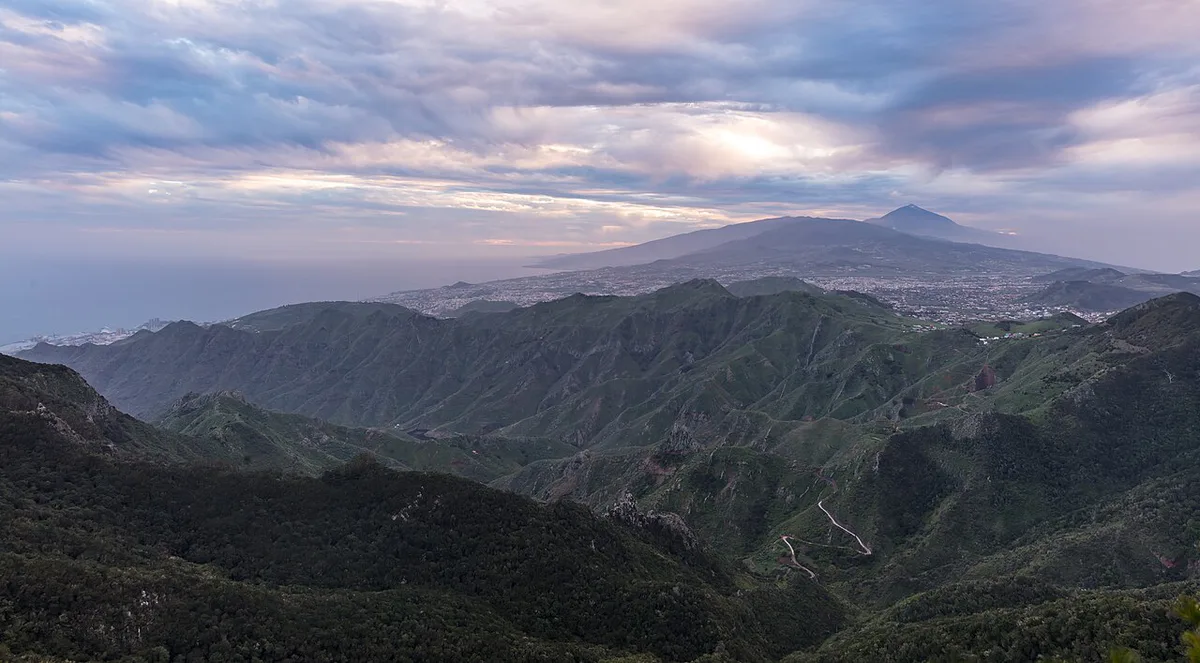
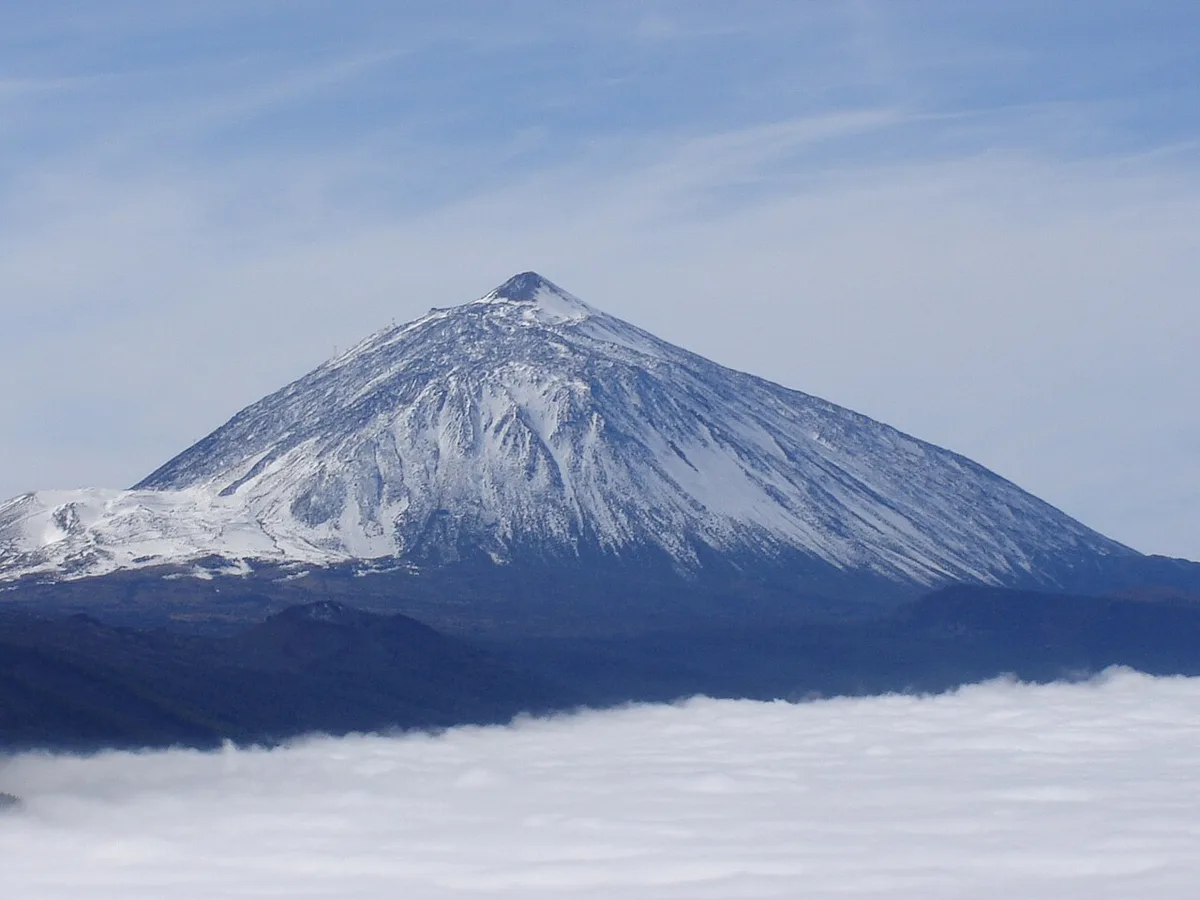
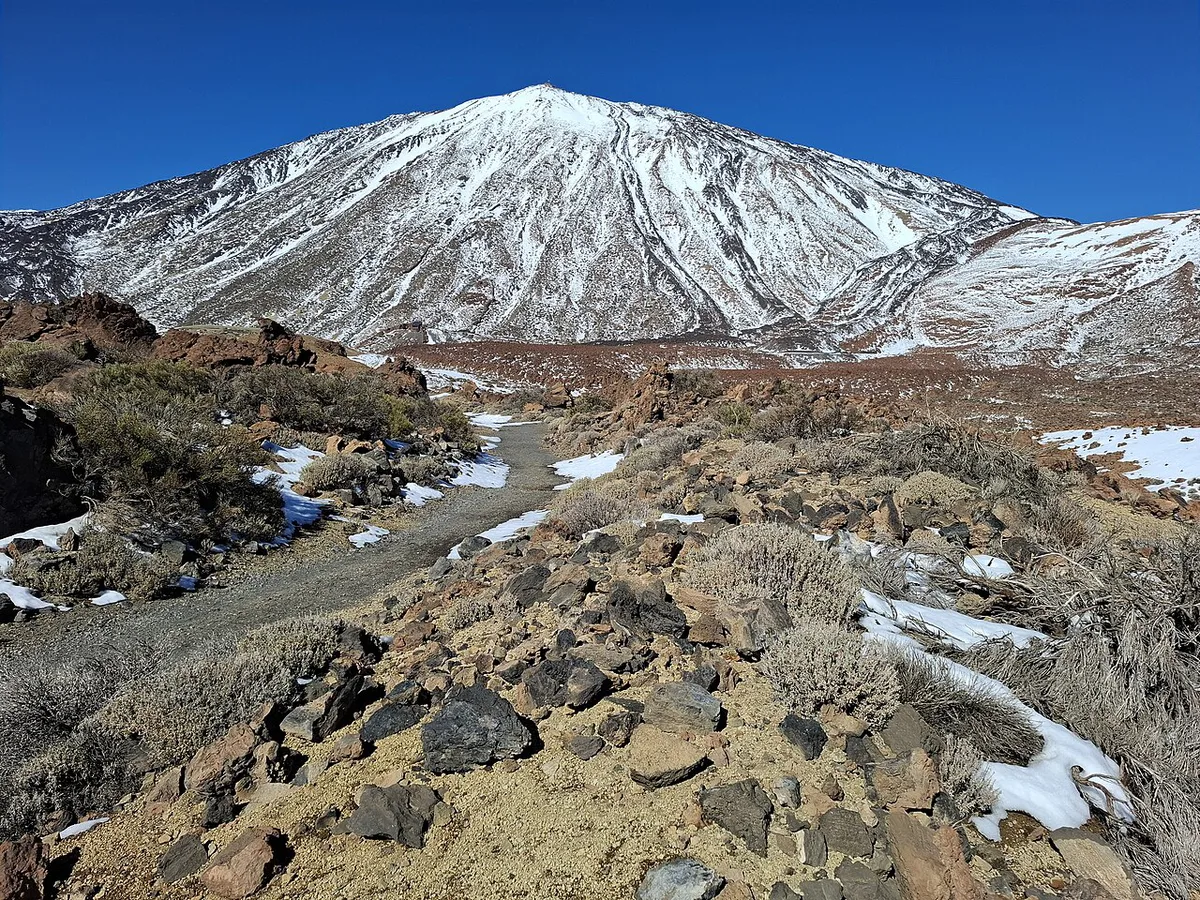
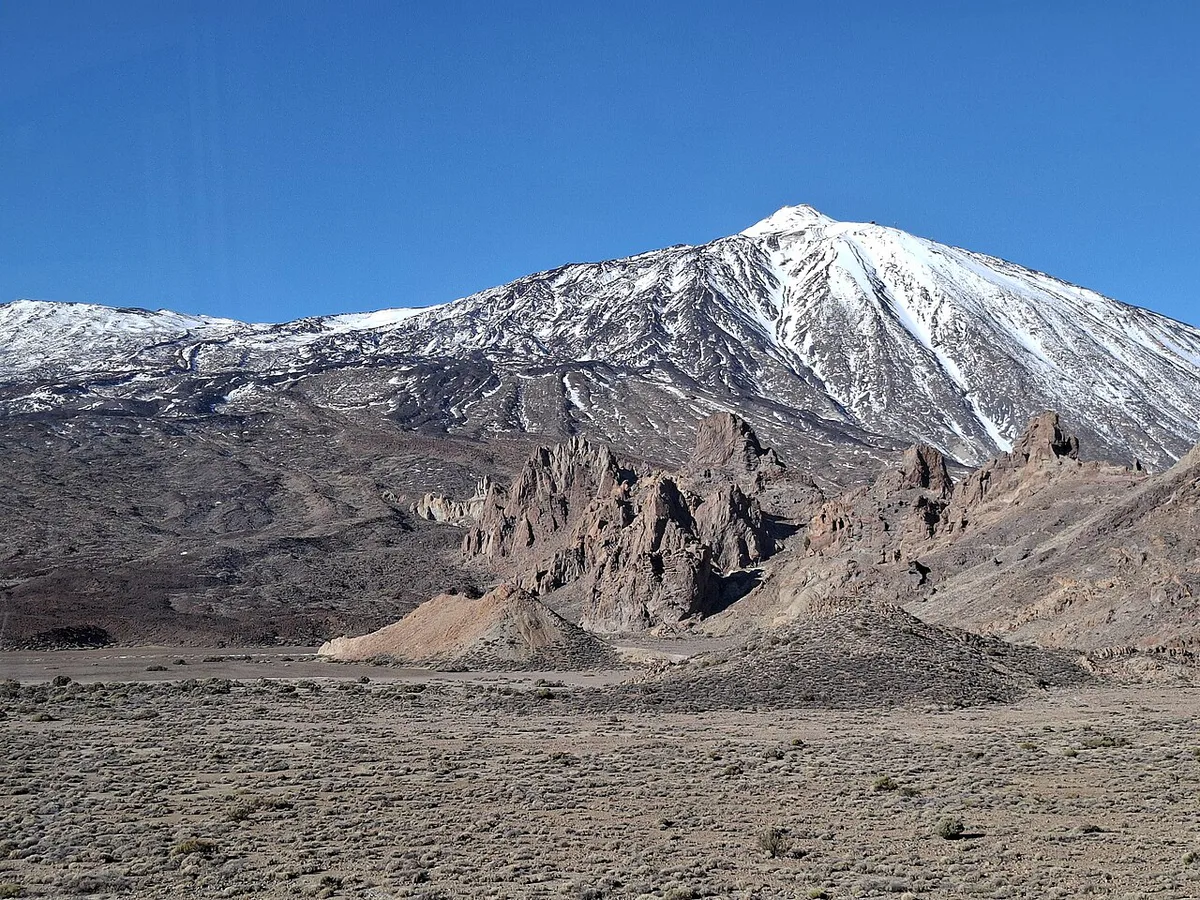
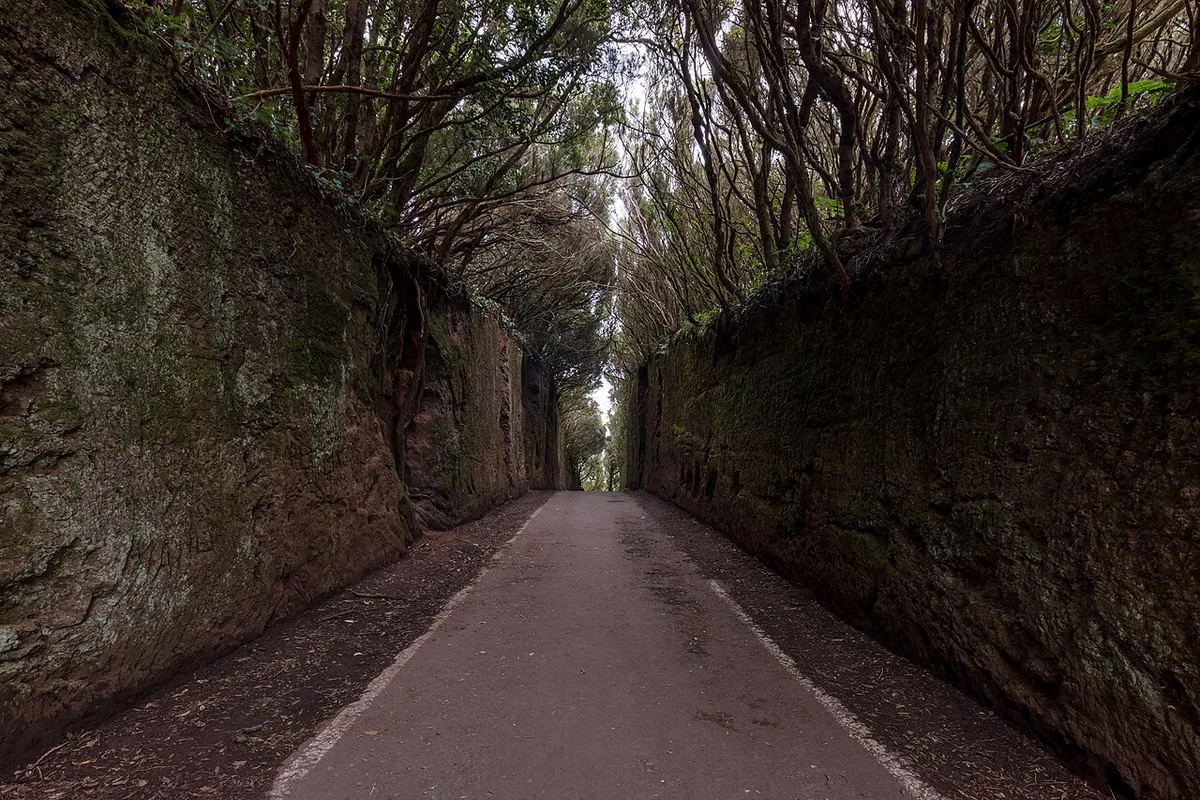
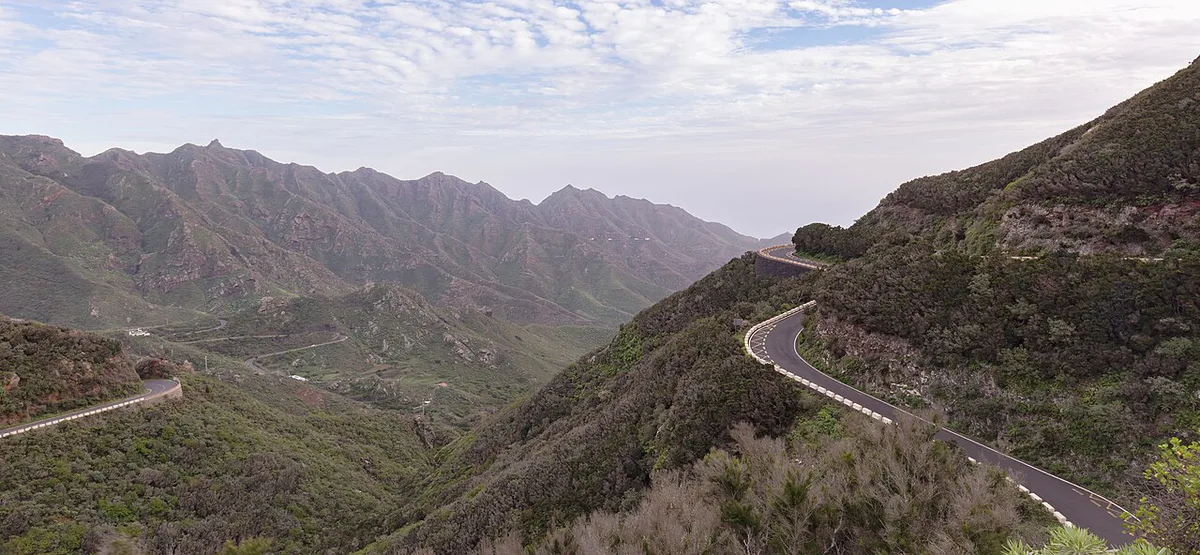
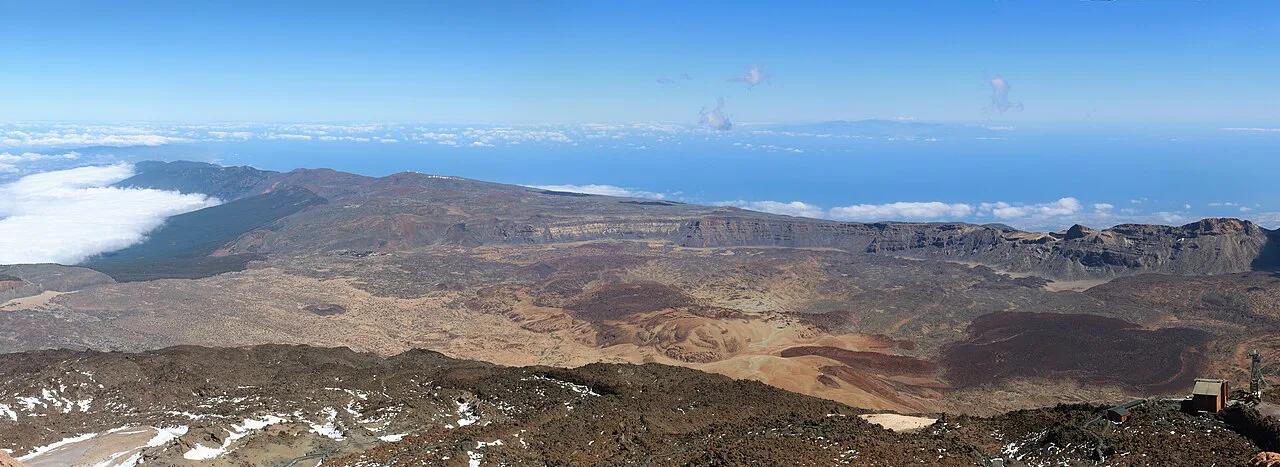
Northeast trade winds hit the northern shores first, so those coasts are cloudier and wetter. Sheltered southern coasts can be semi-arid, with very low rainfall. Inland parts of La Gomera, Tenerife and La Palma are more humid, and laurel cloud forest grows there. Tenerife's highest peak rises to about 3,700 m and is snow-capped in winter. Tenerife averages from a weather-statistics site show a hottest month of August at about 24°C (75°F), a coldest month of January at about 17°C (62°F) and a wettest month of December at 56 mm. Those are day-and-night averages, so they sit below the Las Palmas highs. They do not conflict. For a head-to-head on two big islands, read Tenerife versus Gran Canaria.
Which island suits which weather
Use this matrix to narrow your island, then read 7 Canary Islands Compared: Which Canary Island Is Best? for the final call. Lanzarote is consistently the hottest island, and La Gomera is the mildest from October to March.
| Island | Weather character | Best months |
|---|---|---|
| Lanzarote and Fuerteventura | Flatter, drier, more exposed to calima | Winter for sun; avoid dusty spells |
| Tenerife and Gran Canaria | Big contrast between north and south coasts | Winter in the south; summer in the north |
| La Gomera Travel Guide: Day Trip or Overnight? | Mild, warm October to March; green interior | October to March |
| La Palma | Greener and wetter, with laurel forest | Spring and autumn for walking |
| El Hierro Travel Guide: Getting There, Where to Stay, What to Do | Green, quiet, wetter on the north side | Spring and autumn |
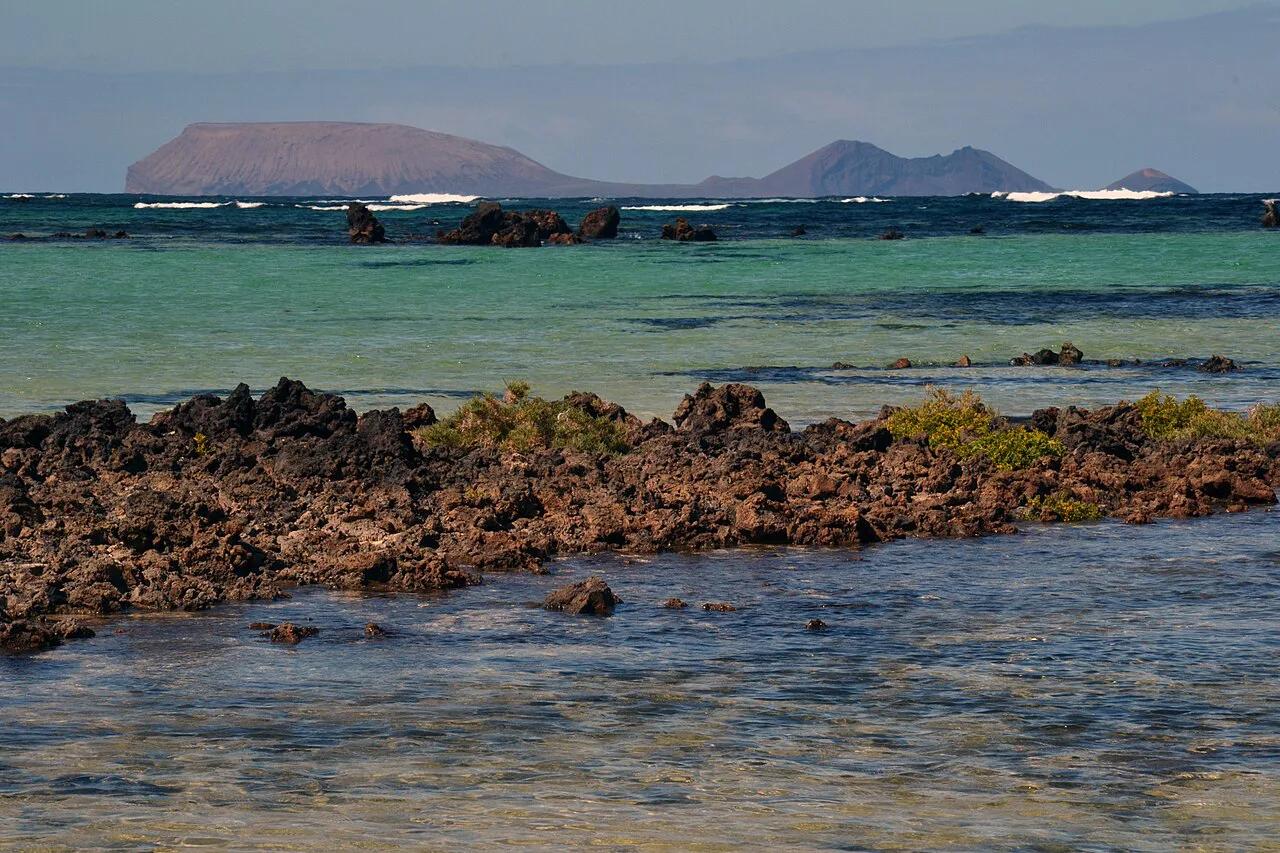
| La Graciosa Travel Guide: Ferry, Beaches and Day Trips and Isla de Lobos: Ferry, Hikes & Day-Trip Guide | Small, windy, reached by boat | Calm, dry months |
Season by season: what to expect
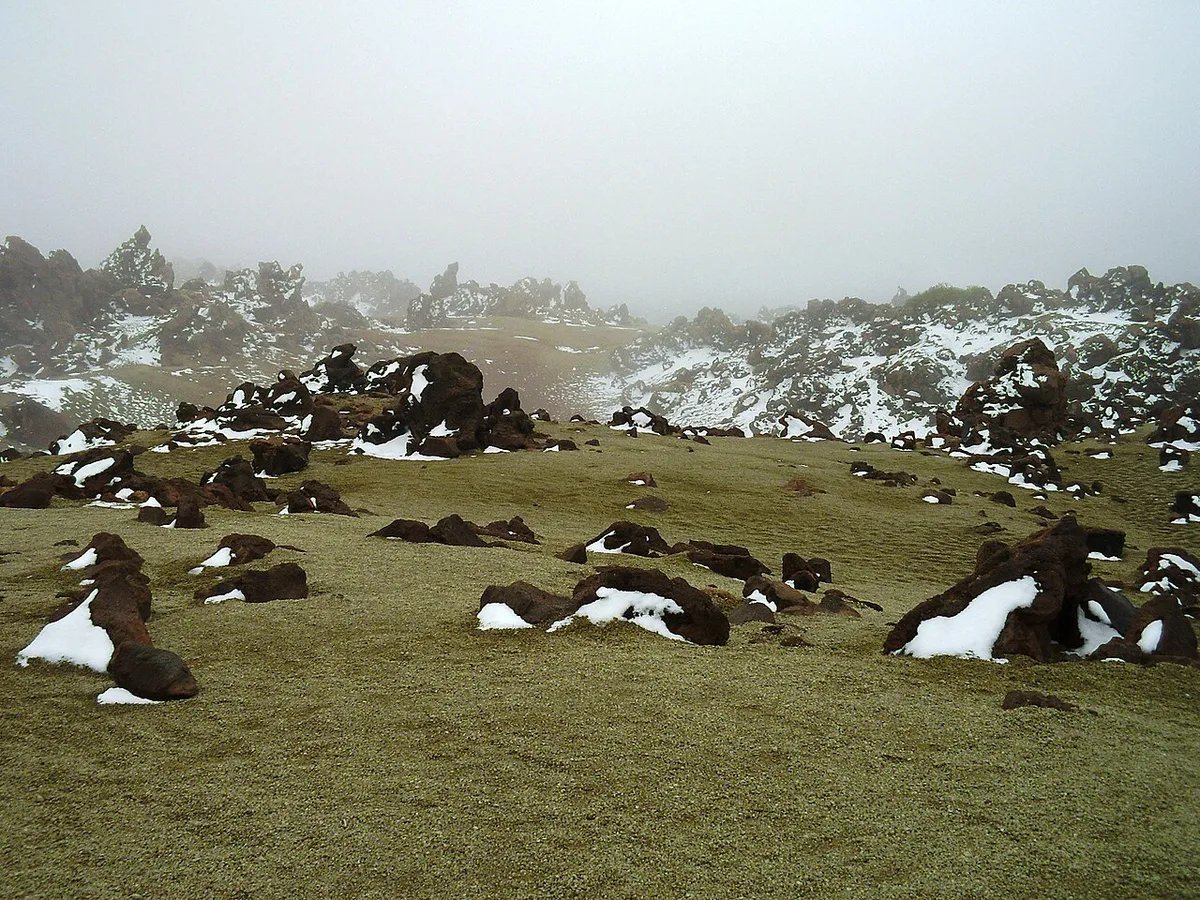
Use these four windows to shortlist dates. Operators describe October to March as the rainiest period, with November and December typically wettest. Even then, rain arrives in short spells rather than all-day downpours.
- Winter (December to February): good for south-coast sun, walking and carnival. Watch out for cool evenings, a wet north and occasional Atlantic storms.
- Spring (March to May): good for flowers, hiking and birdwatching, since March to June is breeding season for many species. Watch out for cloud on northern slopes.
- Summer (June to August): good for beaches, dry days and the longest sunshine. Watch out for calima and cloud on north coasts when the northeast wind blows.
- Autumn (September to November): good for warm days, swimming into September and walking from October. Watch out for rain returning in November.
Canary Islands sea temperature and swimming
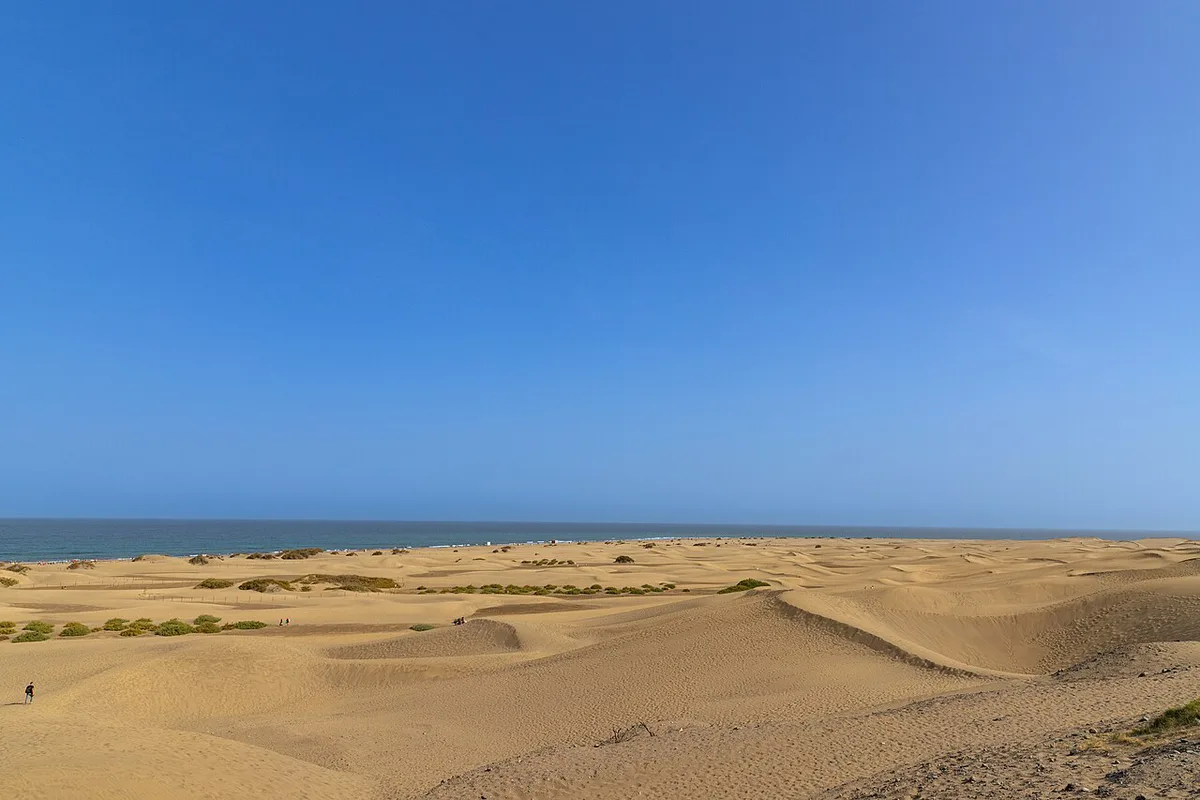
The cold Canaries current keeps the Atlantic cooler than the air. Swim season therefore starts later than the hot months suggest. Tenerife's warmest sea is around September, at about 24°C (75°F). Summer air temperatures do not mean warm water in June or July. In January, Tenerife's average air temperature is about 17°C (62°F), so most visitors use heated hotel pools for longer swims. Sheltered south-coast beaches are the best bet for a winter dip.
Tenerife's warmest sea, about 24°C (75°F) in September, still trails Las Palmas highs of 27.2°C (81.0°F) that month.
Calima, wind and rain: what can disrupt a trip
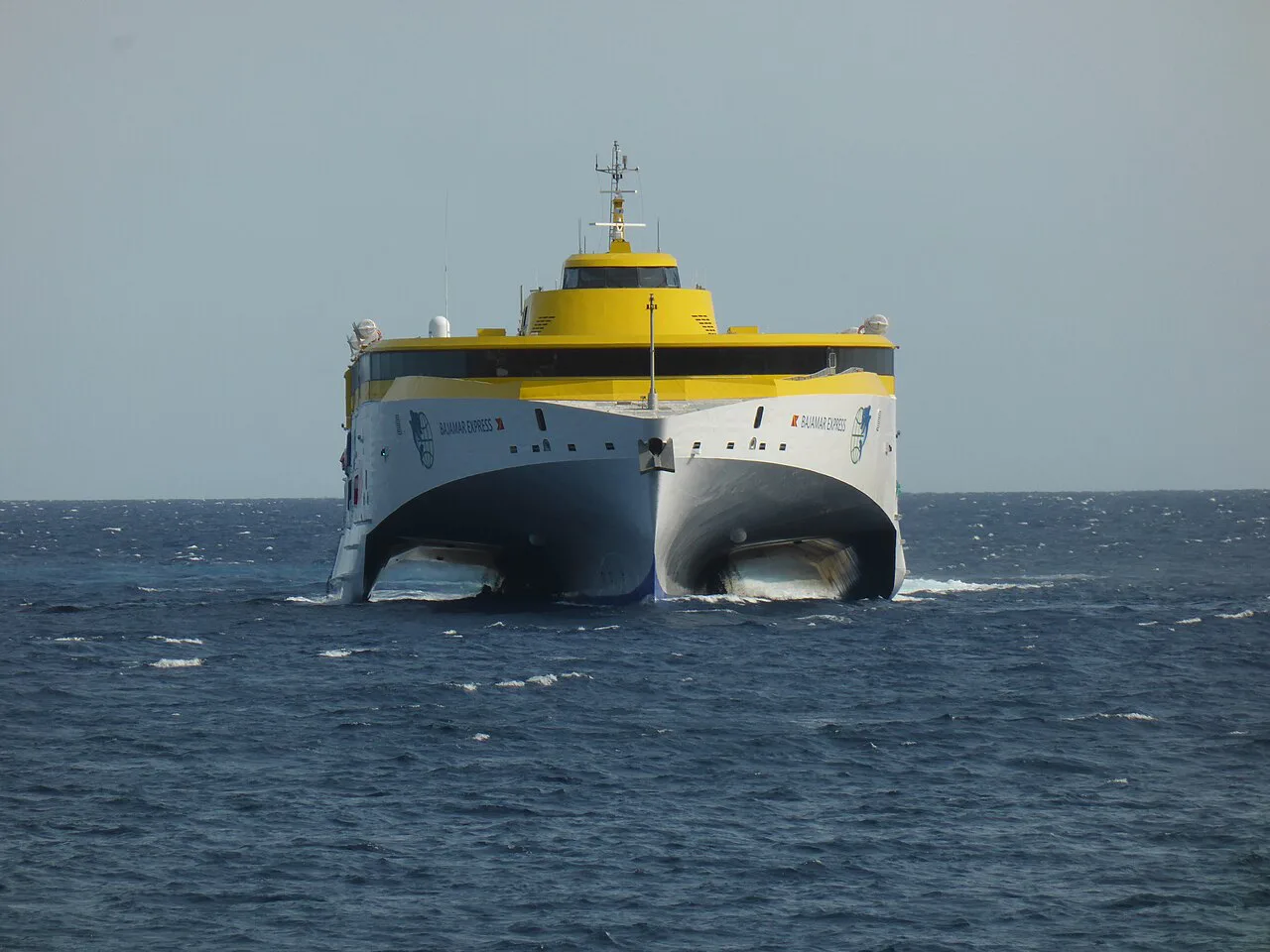
Calima is hot, dry Saharan air that can carry fine dust. Expect reduced visibility, warmer days and hazy beaches. Lanzarote, the island closest to Africa, is visited most often. It can also arrive in winter. Wind and swell affect boats more than planes. Check sailings on the Canary Islands Ferry: Routes, Times and Which Islands Connect page before you commit to an island-hopping plan. Winter crossings can be rough, so read the Tenerife to La Gomera Ferry: Times, Tickets & Tips guide if you have a tight schedule. Inter-island flights are listed by Binter.
Weather meets the calendar
Carnival peaks in February, with dates varying by island. On La Palma, Los Indianos is the best-known event, and Visit La Palma lists current dates. For walking, October to December has comfortable temperatures. On La Gomera, Garajonay National Park protects the laurel forest, which is at its dampest in winter. Spring brings flowering plants from March to May.
Packing and booking by season
Winter is the main sun-escape season for northern Europeans, so book earlier for December to February and school holidays. As an illustrative budgeting example, not a quoted rate, a room at €90 a night in May can climb to €150 or more in January. Compare current rates on booking sites. Pack layers for evenings and for altitude around Teide. Add sun protection even in winter. Bring a rain jacket for the north and the western islands from November to March. Add a windproof layer for ferry decks.
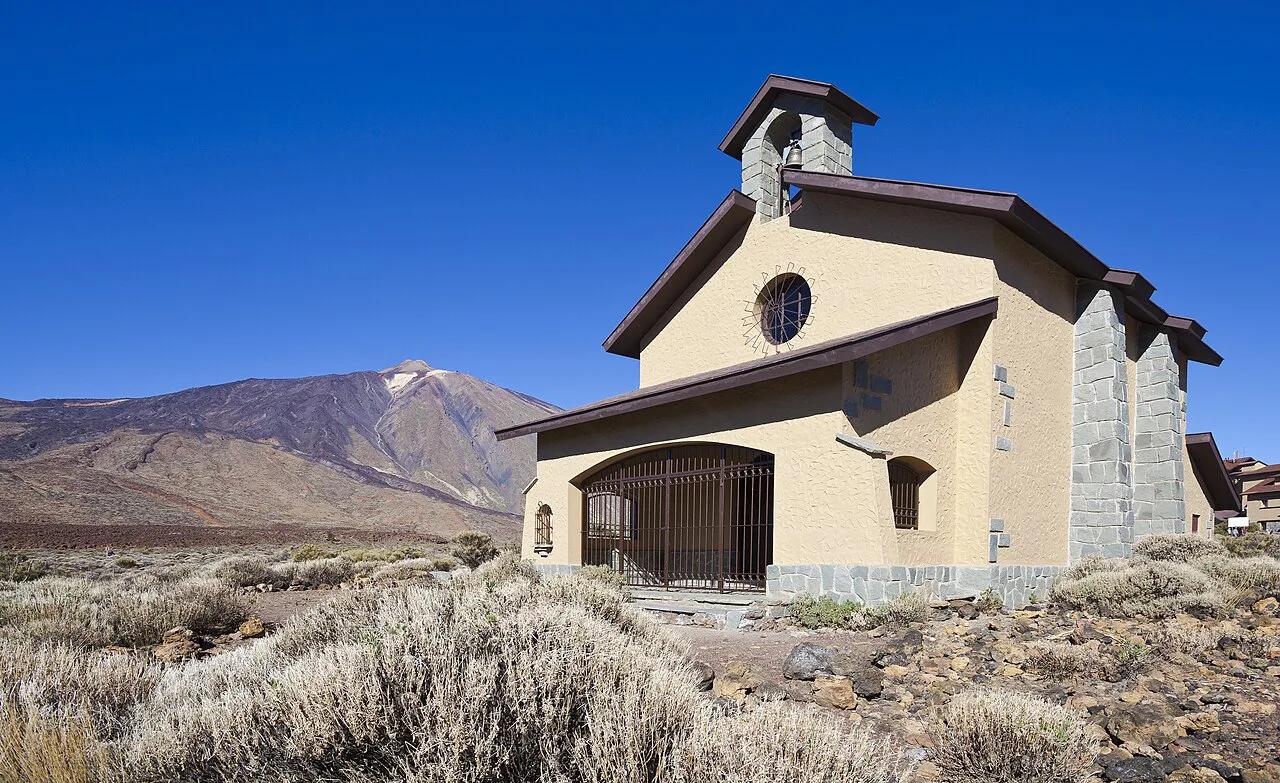
Layers matter at altitude, since Tenerife's highest peak rises to about 3,700 m and is snow-capped in winter.
- Mistake: booking a north-coast base for winter sun. Choose a south coast instead.
- Mistake: skipping layers for Teide or other high ground, where winter snow is possible.
- Mistake: ignoring calima if you have flights, ferries or beach days planned.
- Mistake: assuming the sea is warm in summer because the air is.
Frequently Asked Questions
What is the best month to go to the Canary Islands?
It depends on your goal. For beaches, July to September is dry and warm, and the sea peaks around September. For walking, October to December and March to May are comfortable. For winter sun, choose a south coast from December to February.
Can you swim in the Canary Islands in January?
Yes, but the Atlantic is cool in January because of the Canaries current. Daytime highs at Las Palmas average 20.8°C (69.4°F). Most visitors swim in heated pools and take short dips at sheltered south-coast beaches.
Useful notes for your next island trip
Optional updates to our guides.
You might also like
Continue reading
More guides you'll find useful