
Tenerife vs Gran Canaria: Which Island Fits You?
Tenerife or Gran Canaria? Compare landscapes, beaches, best bases, costs, transport and who each island suits, with a clear pick by traveler type.
On this page
Last updated November 2026, and the short answer on Tenerife vs Gran Canaria is simple. Pick Tenerife for volcano scenery and big resort attractions, and pick Gran Canaria for a real city with a beach. The two islands sit about 80 km apart in the same archipelago, yet they feel different on the ground. Our guide to the 8 Canary Islands: Which to Visit and When covers the rest of the chain.
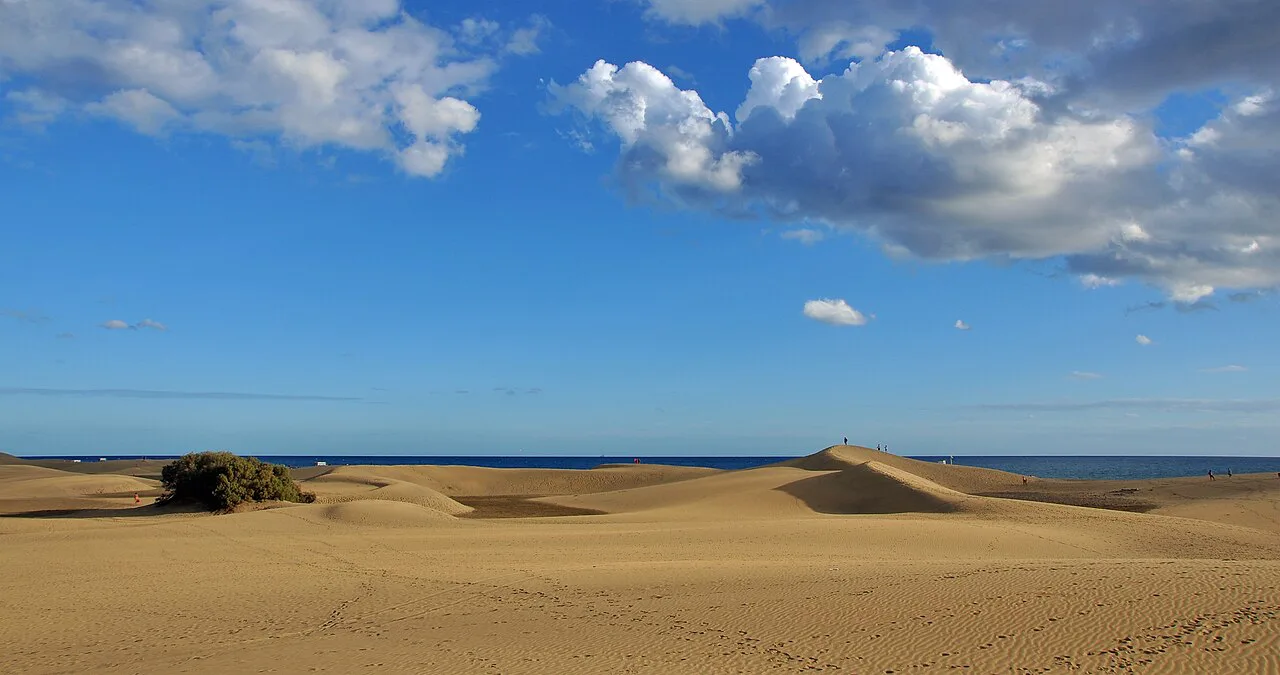
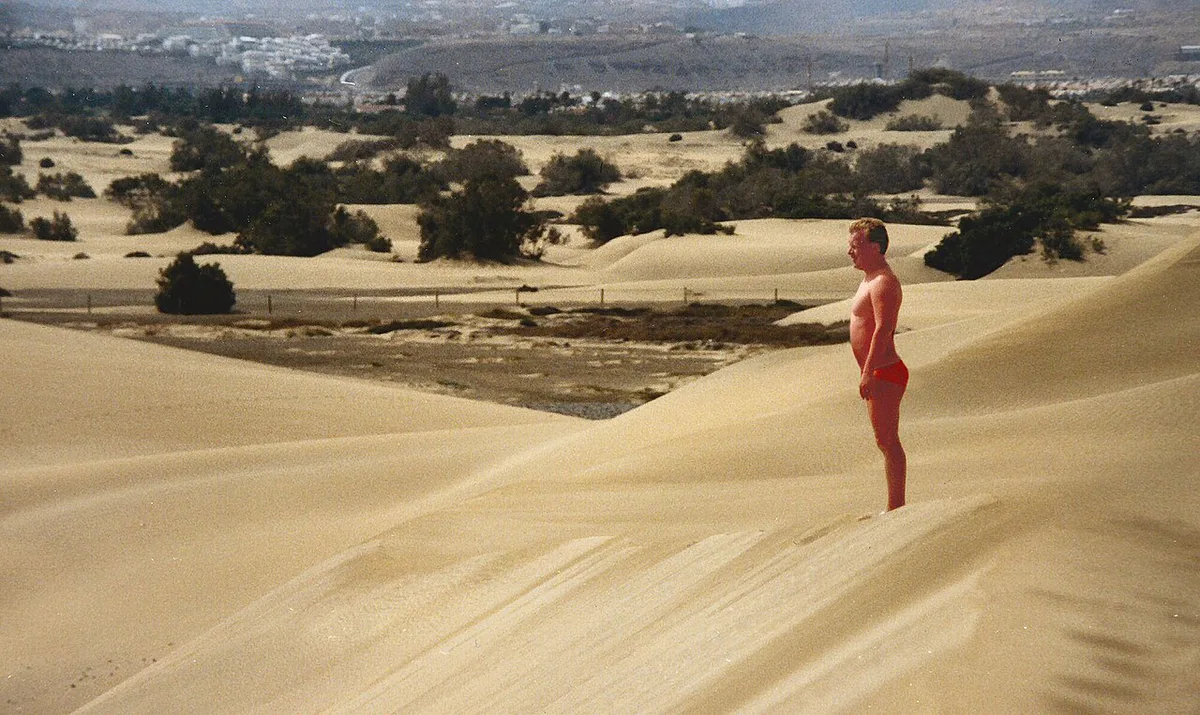
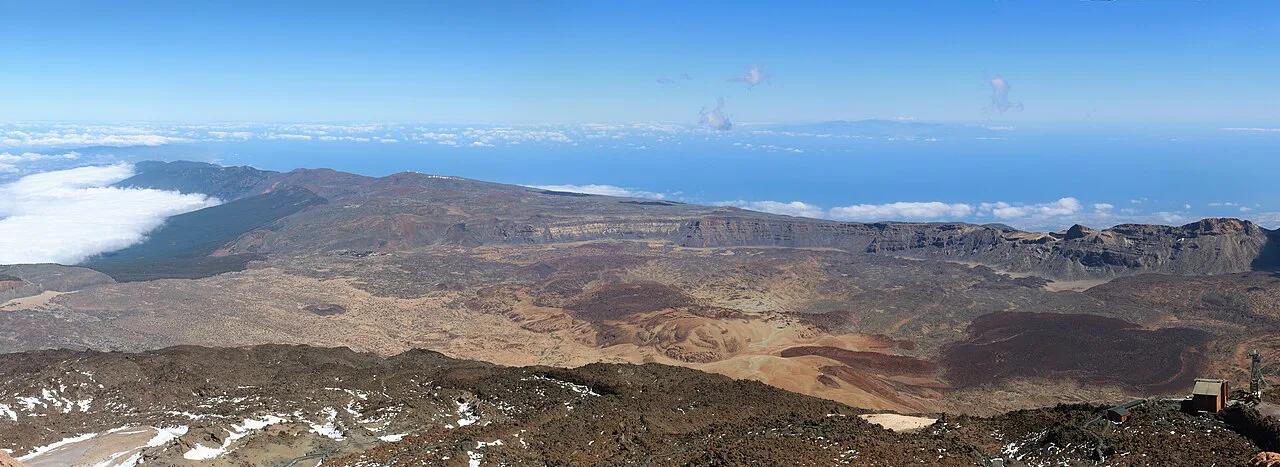
Featured image: Marc Ryckaert (MJJR), CC BY 3.0, via Wikimedia Commons.
Tenerife vs Gran Canaria: Quick Verdict
Choose Tenerife if you want a high volcano, hiking and family attractions such as Siam Park and Loro Parque. Choose Gran Canaria if you want a walkable capital, easier bus travel and a beach town like Las Palmas. Both islands have dry, sunny south coasts and greener, cloudier north coasts. The flip rule is this: if a car is not an option, lean to Gran Canaria. If a summit and a national park matter most, lean to Tenerife.
Tenerife vs Gran Canaria at a Glance
This table compares the two islands on the points that usually decide a booking. It names places rather than rankings, so you can match it to your own plans.
| Criterion | Tenerife | Gran Canaria |
|---|---|---|
| Landscape | Mount Teide, Teide National Park, Masca, Anaga | Roque Nublo, green interior, Maspalomas dunes |
| Best resort base | Costa Adeje and Playa de las Américas | Maspalomas, Playa del Inglés and Meloneras |
| Best city base | Santa Cruz and La Laguna | Las Palmas (Las Canteras, Vegueta) |
| Airports | Tenerife Sur (TFS) and Tenerife Norte (TFN) | One main airport, Gran Canaria (LPA) |
| Car need | High in the south and for the national park | Lower if you stay in Las Palmas |
| Best for | Hikers, families, volcano views | City breaks, first-timers, car-free trips |
| Weak point | South coast is car-dependent | Dry south feels like a resort strip |
Landscape and Things to Do
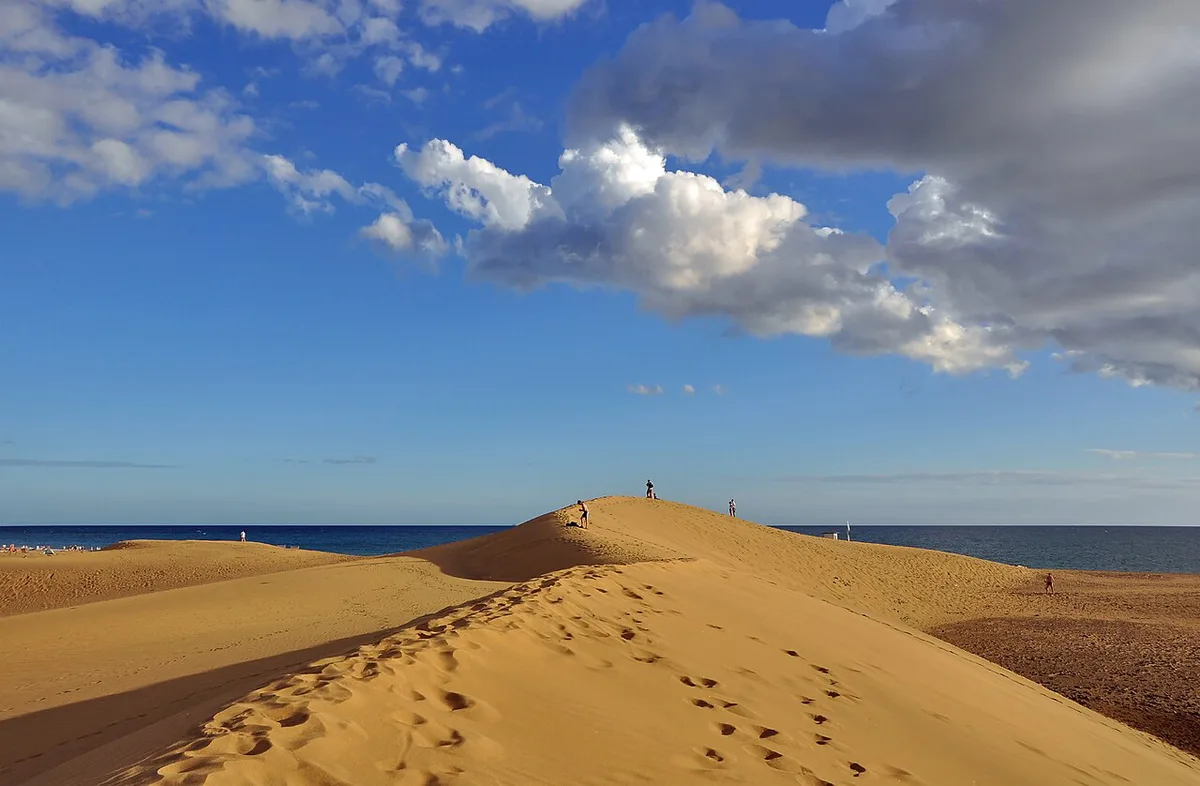
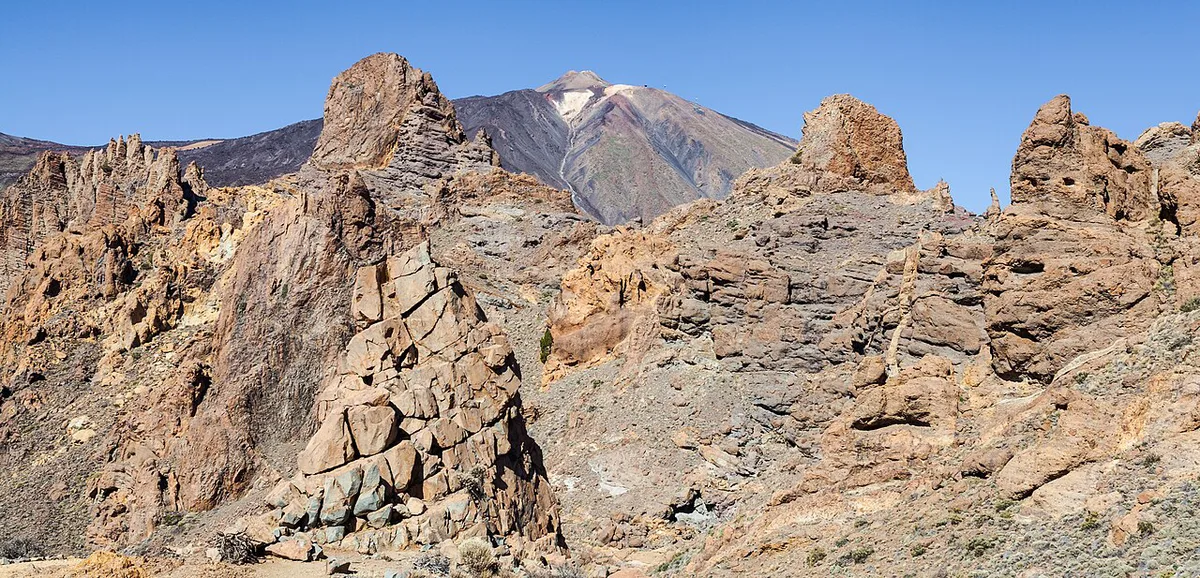
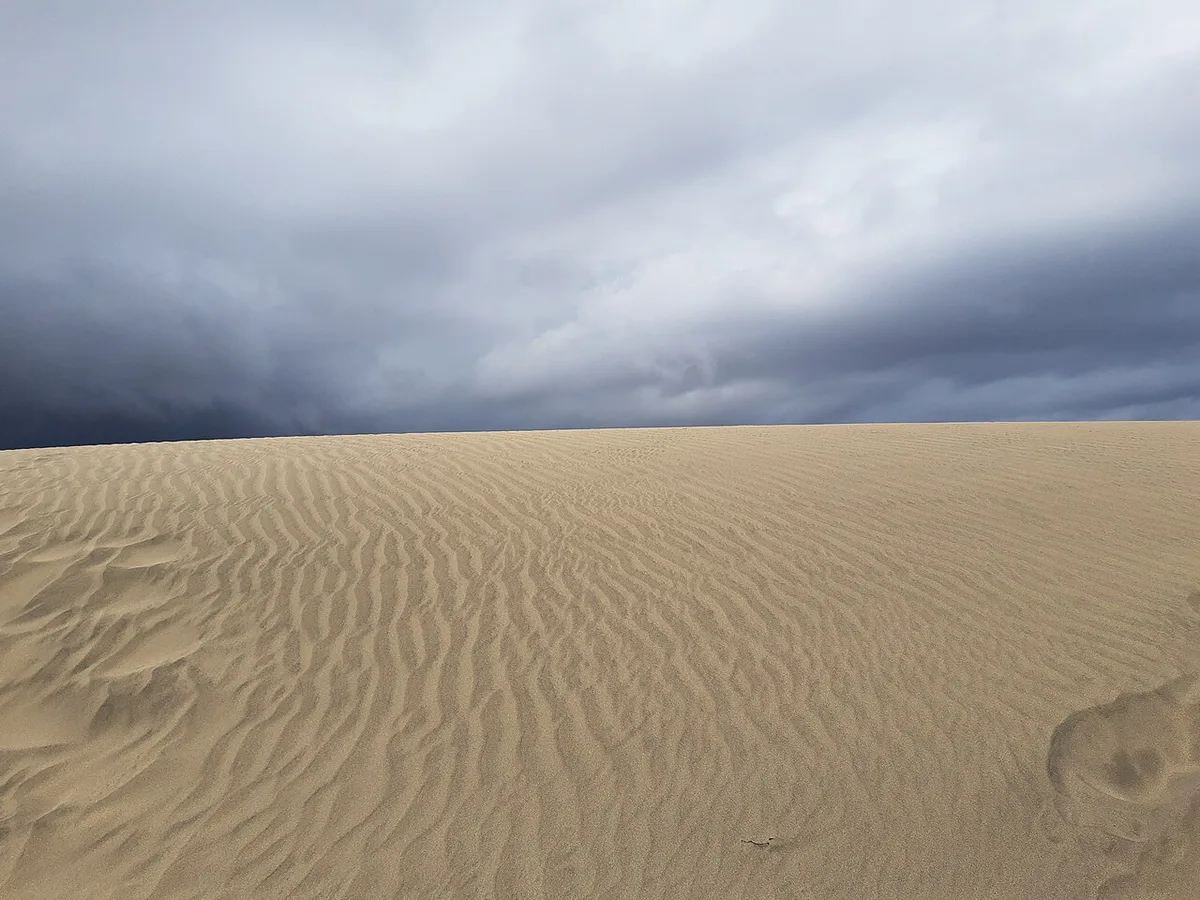
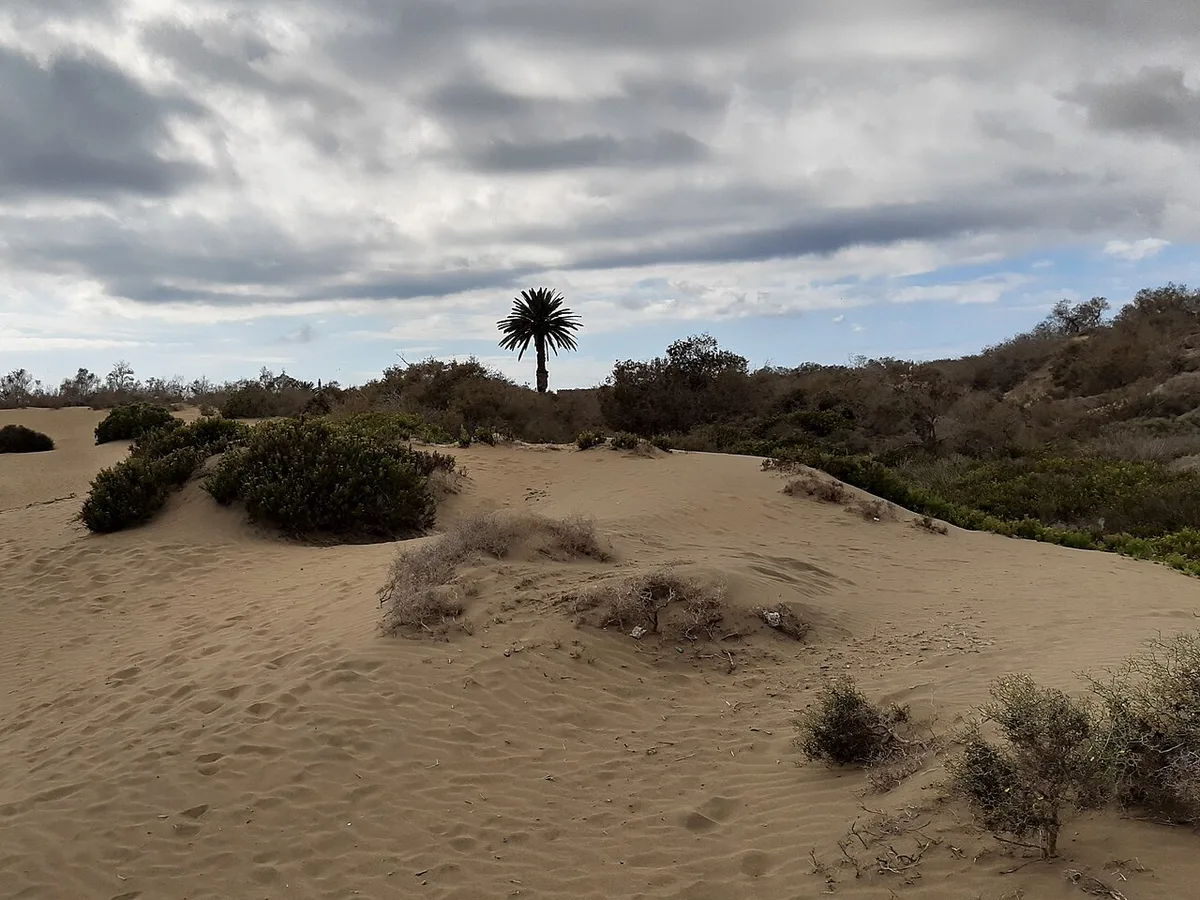
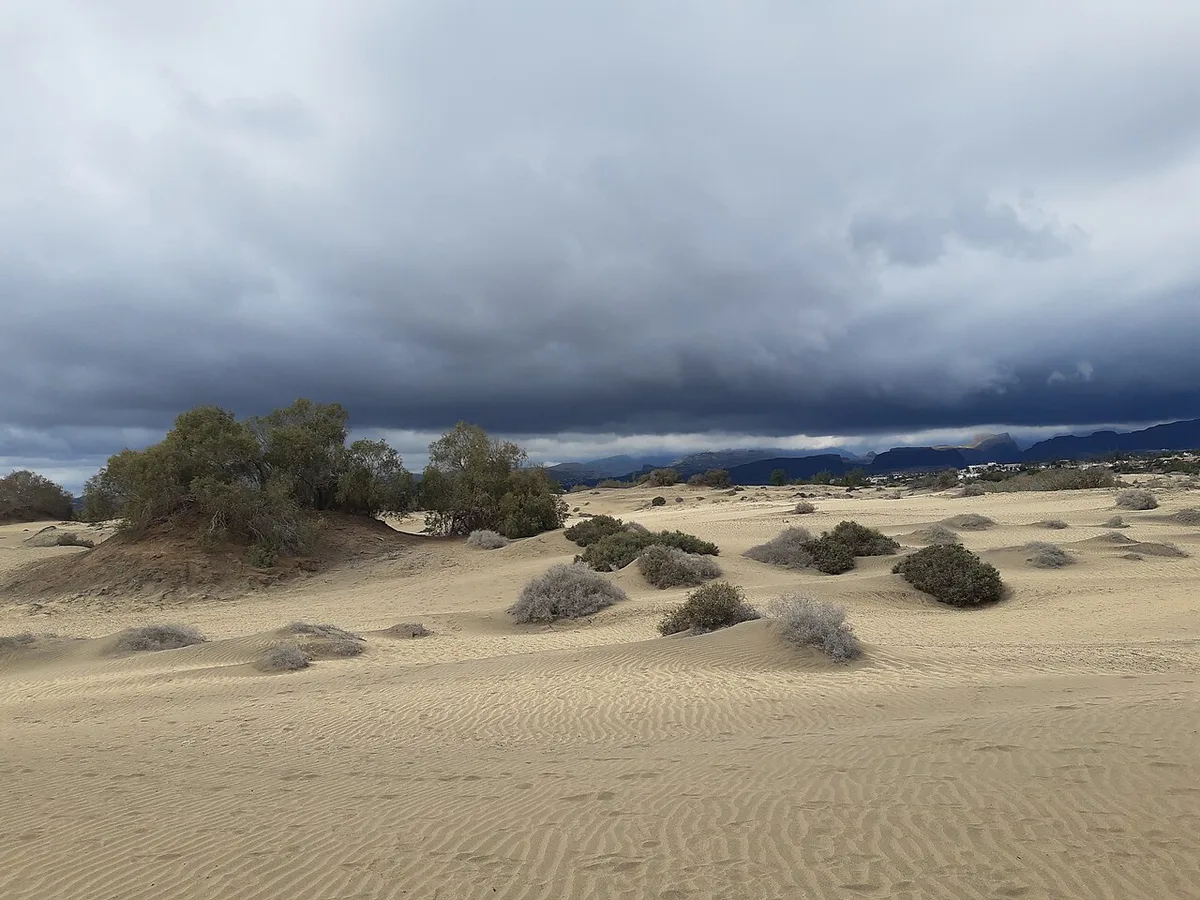
Tenerife is built around Mount Teide, listed at 3,718 m (about 12,200 ft) and the high point of Spain. Teide National Park gives you lunar-looking lava fields, and Masca is the island's best-known gorge village. Gran Canaria is rounder and gentler. Its landmark is Roque Nublo, a volcanic rock at about 1,813 m (roughly 5,950 ft), reached through a green interior of ravines and pine slopes. Down on the south coast, the Maspalomas dunes give you a desert-style walk beside the sea. The decision rule is easy. If you want one dramatic summit day, pick Tenerife. If you want varied scenery within short drives, pick Gran Canaria.
Beaches and Resorts
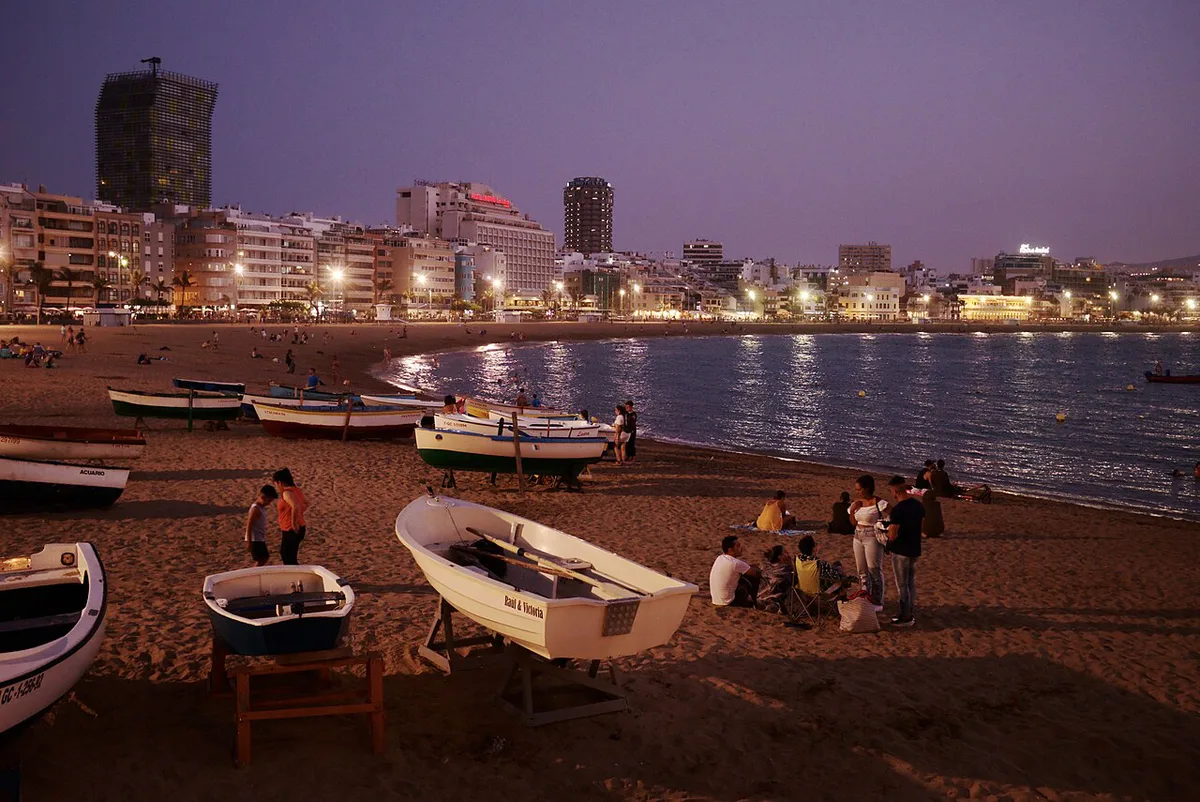
Tenerife's resort core is Costa Adeje and Playa de las Américas in the south. Families base here for Siam Park and Loro Parque, and nightlife clusters around Las Américas. Playa de las Teresitas near Santa Cruz is the notable northern beach, with imported pale sand. Gran Canaria's resort strip runs from Maspalomas and Playa del Inglés to Meloneras, with a wide sand beach backed by the dunes. In Las Palmas, Las Canteras works as a city beach you can reach on foot.
- Families: Costa Adeje on Tenerife, or Meloneras on Gran Canaria.
- Couples: Meloneras, or a quieter corner of Costa Adeje.
- Nightlife: Playa de las Américas or Playa del Inglés.
- Beach plus city: Las Canteras in Las Palmas.
Best Base on Each Island
On Tenerife, the south suits sun and resorts, but you will want a car for anything beyond the coast. The north around La Laguna and Santa Cruz is greener and more local. On Gran Canaria, Las Palmas is the strongest base for people who prefer cafes, markets and buses over a resort bubble. Its airport, LPA, is roughly 25 minutes away by road, though journey times vary with traffic. Maspalomas is the sun-first alternative. Transfer times from airport to resort differ by hotel, so treat any figure as an estimate and ask your hotel for the current route.
Weather and When to Go
On both islands the south tends to be drier and sunnier, while the north is cloudier and greener. That pattern means winter-sun seekers should book the south of either island. Travelers who dislike a resort feel can choose the north or Las Palmas and accept some cloud. For month-by-month detail, see our Canary Islands Weather by Month: Island-by-Island Guide guide.
Cost and Time Trade-Offs
Prices and hours checked November 2026. Traveler-reported averages for the two capitals are close. They put Santa Cruz at €155 per person per day and Las Palmas at €156, with a typical double room at €96 and €136. Those are capital-city estimates, not whole-island budgets, and resort areas cost more. A set lunch (menú del día) often runs around €8–€13 in local places and €15–€25 in tourist zones, but these ranges are indicative. Where you eat shifts your budget more than which island you pick. Staying longer? Rents in resort areas have risen, so test a short stay first.
| Capital estimate | Santa Cruz (Tenerife) | Las Palmas (Gran Canaria) |
|---|---|---|
| Daily cost per person | €155 | €156 |
| Double room | €96 | €136 |
| Food per day | €68 | €59 |
Getting There and Around
Tenerife has two airports: Tenerife Sur for most holiday traffic and Tenerife Norte for inter-island flights. Gran Canaria has one main airport, LPA, so arrival is simpler. Check flight options on the Aena airport pages. Las Palmas is the easiest place in either island to live without a car. Tenerife's south coast is far more car-dependent, and the Teide area is hard to reach by bus. Both islands are small enough to cross by road in a day, but winding mountain roads slow every drive. Allow extra time on the way to Masca or Roque Nublo.
Gran Canaria's LPA is roughly 25 minutes away by road, so a car-free Las Palmas base is easy to reach from arrival.
Can You Do Both?
Yes, with a 7–10 day split. A workable plan is four to five nights on Gran Canaria in Las Palmas or Maspalomas, then four to five nights on Tenerife near Costa Adeje or in the north. Inter-island flights are listed on Binter's route pages. Tenerife also has the La Gomera crossing, covered in our Tenerife to La Gomera Ferry: Times, Tickets & Tips guide. Browse the wider Canary Islands Ferry: Routes, Times and Which Islands Connect options before you commit to a route. Mistakes to avoid:
Plan a 7–10 day split, and rent a car for the Tenerife leg, since its south coast is car-dependent.
- Booking a south-coast resort and expecting the green north.
- Assuming you can day-trip around either island without a car.
- Choosing by headline price alone instead of by base.
- Splitting a short trip across both islands and losing a day to transfers.
Who Should Pick Which
Match the island to your trip. Our Canary Island comparison adds the other islands if neither fits.
- First-timer: Gran Canaria, for a simple airport and a city base.
- Family: Tenerife for the big attractions, or Gran Canaria's Meloneras for calmer beaches.
- Hiker: Tenerife, for Teide and Masca.
- Car-free: Gran Canaria, based in Las Palmas.
- City break: Gran Canaria, with Vegueta and Las Canteras.
- Nightlife: Playa de las Américas or Playa del Inglés.
Las Palmas or Santa Cruz: Which Capital Makes the Better Base?
Choose Las Palmas if you want to combine a beach holiday with city life. Las Canteras is a city beach within walking distance of restaurants, cafés and bus routes. Vegueta adds historic streets and museums without requiring a resort stay. Gran Canaria Airport is roughly 25 minutes away by road, although traffic can extend the journey.
Santa Cruz suits travelers who want Tenerife’s north and La Laguna nearby. It feels less resort-focused, and Playa de las Teresitas offers a pale-sand beach close to the city. A car is more useful here if you also plan Teide, Anaga or Masca.
Budget is not a clear deciding factor. Traveler-reported capital estimates put daily costs at €155 in Santa Cruz and €156 in Las Palmas. Typical double rooms were estimated at €96 and €136 respectively. Pick Las Palmas for a car-free city-and-beach break. Pick Santa Cruz for a local Tenerife base with northern day trips.
Frequently Asked Questions
Is South Tenerife better than North?
It depends on what you want. The south is drier and sunnier, with resorts around Costa Adeje. The north is greener, cloudier and more local, with La Laguna and Santa Cruz. Sun seekers choose the south, and sightseers often prefer the north.
Is Tenerife classed as Spain or the Canary Islands?
Both are true. Tenerife is one of the Canary Islands, and the archipelago is part of Spain. Spanish is spoken there, and prices are in euros. Our guide to where the Canary Islands are located shows the geography.
Useful notes for your next island trip
Optional updates to our guides.
You might also like

Continue reading
More guides you'll find useful