Canary Islands Ferry: Routes, Times and Which Islands Connect
Plan a Canary Islands ferry: inter-island routes, the Spain-to-Tenerife crossing, booking tips, and when flying beats the boat.
On this page
Last updated November 2026: a Canary Islands ferry links most of the islands, but not every pair, and the mainland crossing from Spain is a long overnight trip. That crossing mostly suits people bringing a car or campervan, while flying is faster for most visitors. Use the decision table below to match your trip to the right boat, and read the Canary Islands guide for the wider planning picture.
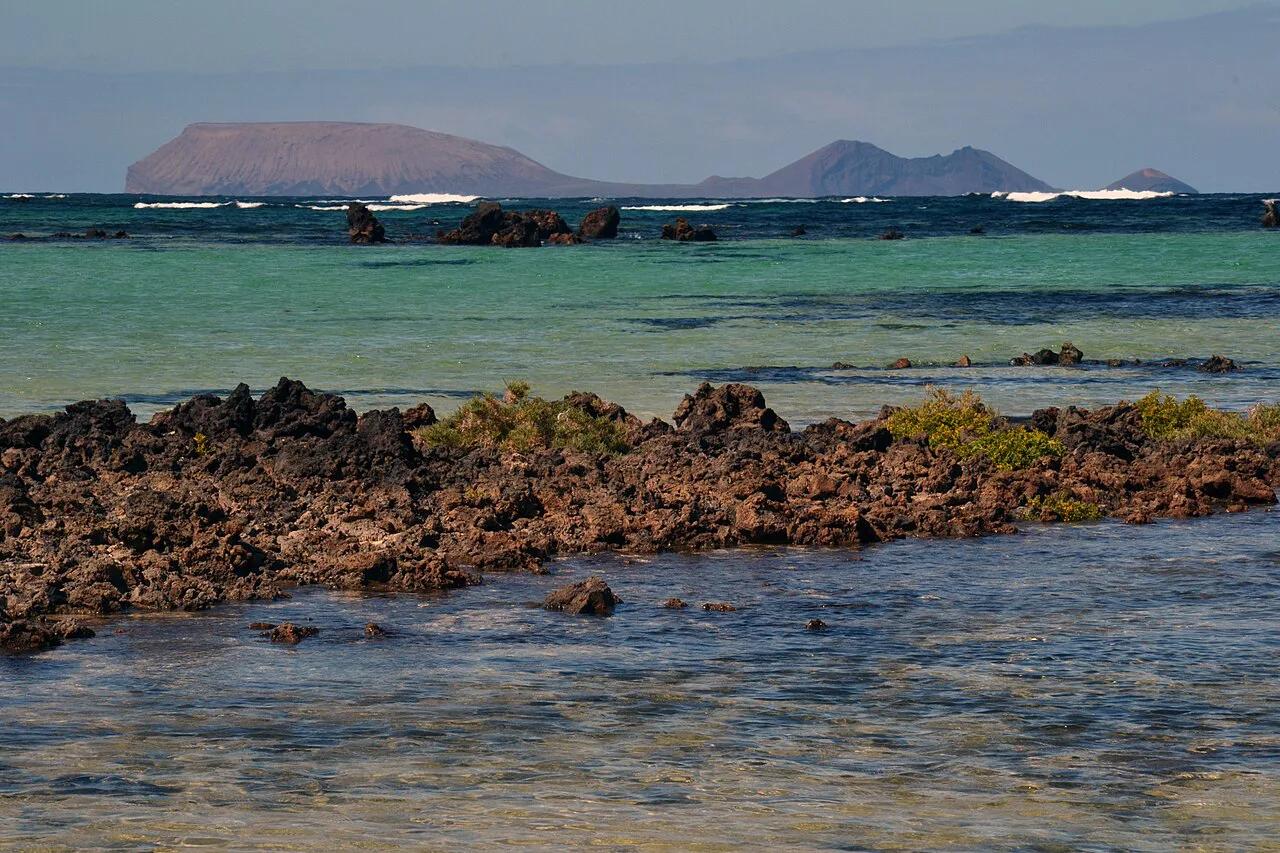
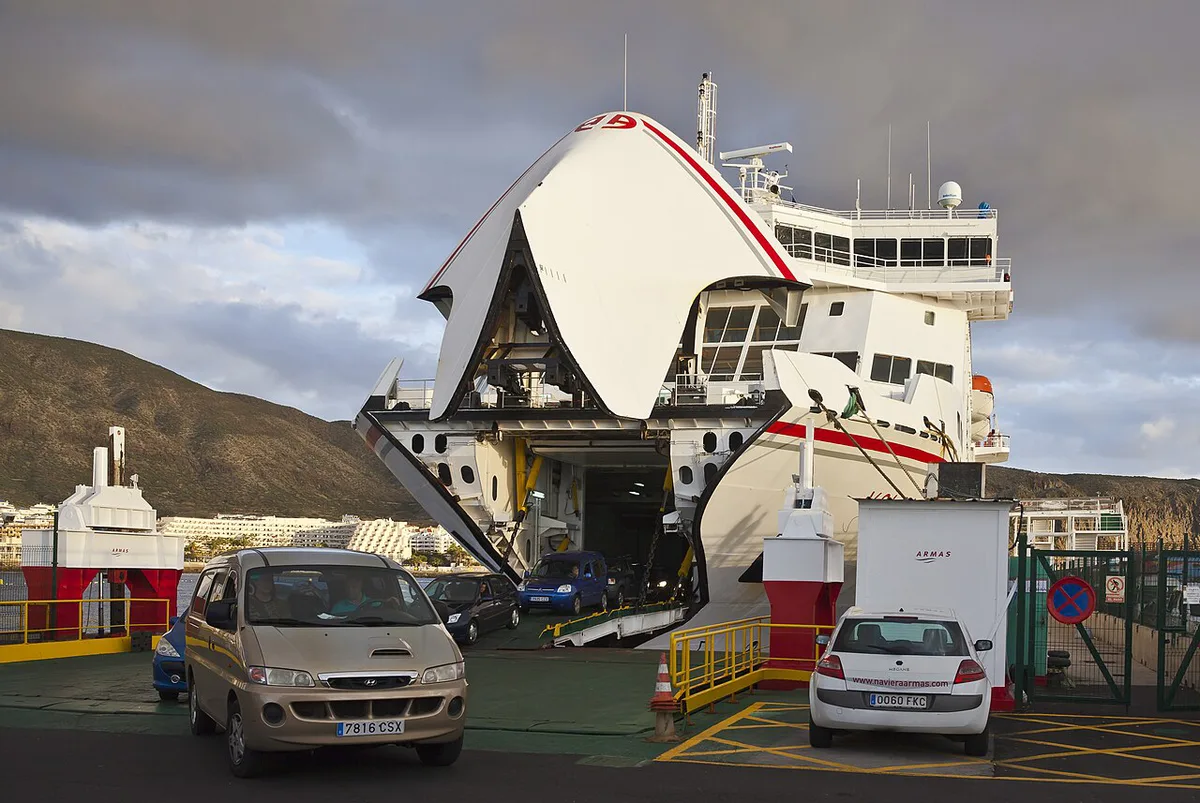
Featured image: CARLOS TEIXIDOR CADENAS, CC BY-SA 4.0, via Wikimedia Commons.
Canary Islands ferry at a glance
Two different journeys share the same search term. Inter-island ferries are short hops between neighbouring islands. The mainland crossing runs from Huelva or Cádiz and takes more than a day. The table sorts them by purpose, and each row is covered in more detail below.
| Journey | Time scale | Vehicles | Best for | Skip if |
|---|---|---|---|---|
| Tenerife to La Gomera | Short hop | Yes on most ferries | Day trips and hiking on La Gomera | You get seasick easily |
| Tenerife to Gran Canaria | Short to medium hop | Yes on larger vessels | Travellers with a car or a flexible schedule | You have a tight flight connection |
| La Palma and El Hierro links | Medium to long | Check per sailing | Slow travel across the western islands | You have only a few days |
| Lobos and La Graciosa | Short hop | No on small passenger boats | Day trips from the neighbouring island | You are bringing a vehicle |
| Huelva or Cádiz to the Canaries | More than a day | Yes | Road trips, campervans, pets | You travel solo without a vehicle |
Which islands connect by ferry (and which don't)
Ferries link most of the inhabited islands, but not every island pair has a direct sailing. Many journeys need a change at Tenerife or Gran Canaria. Check the operator timetable for your exact pair before you plan around it. The Canary Islands Map: All 7 Islands and How They Connect shows how the islands sit relative to each other. Our Canary Islands count guide explains which ones are inhabited. Readers new to the archipelago can start with where the Canary Islands are located.
Inter-island ferry routes
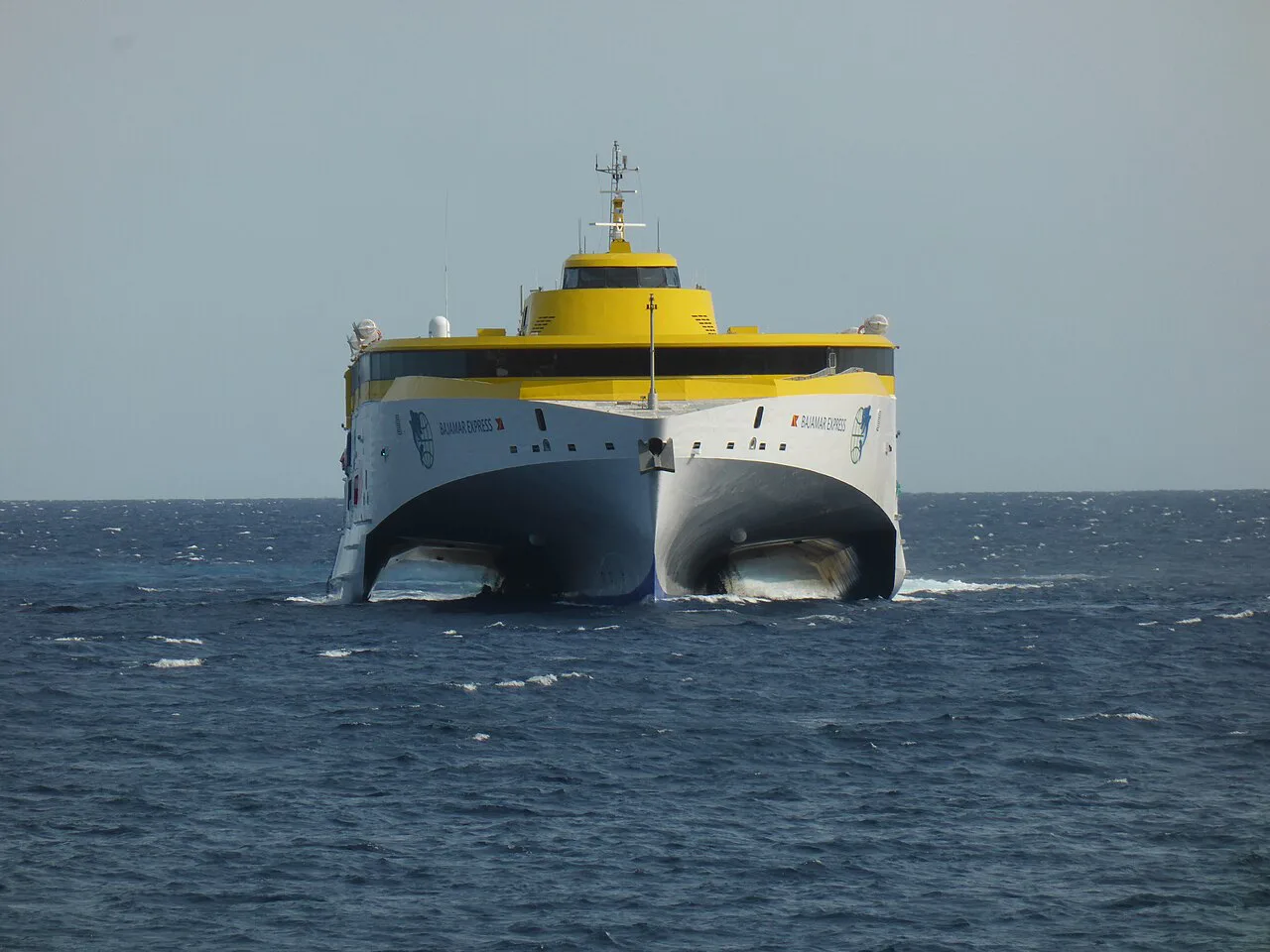
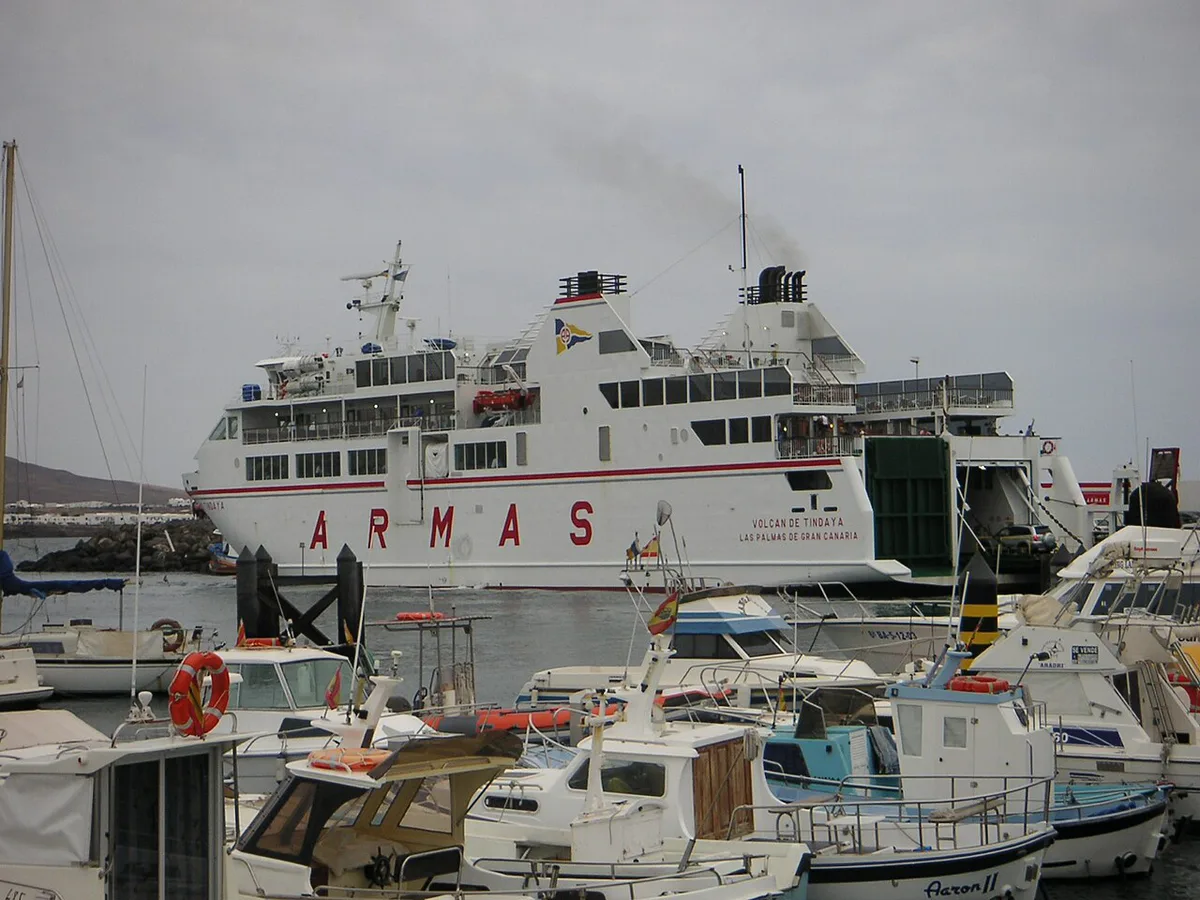
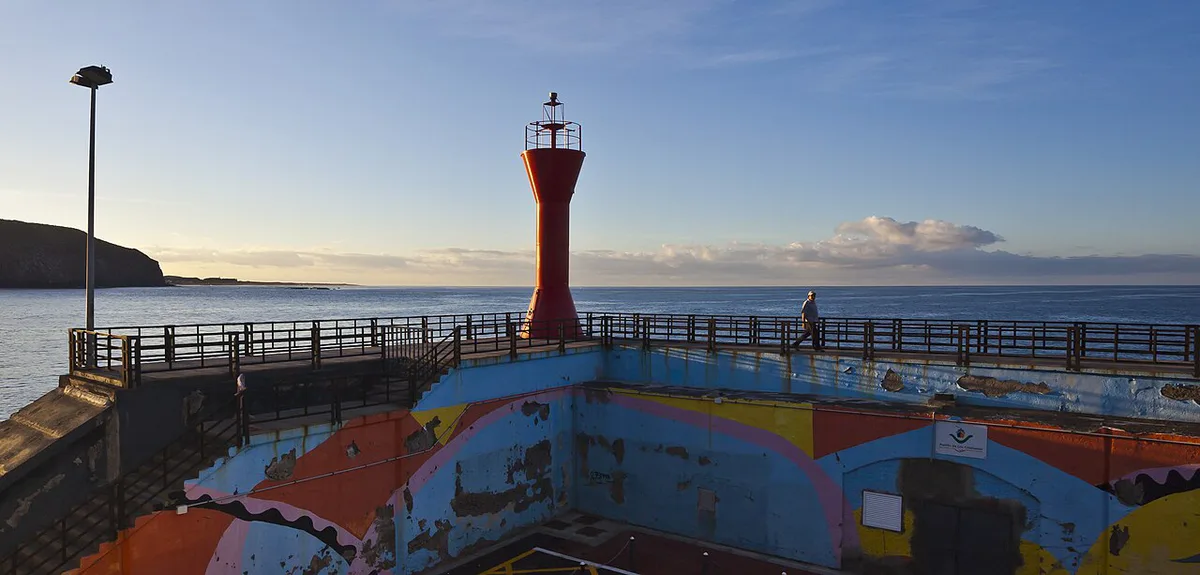
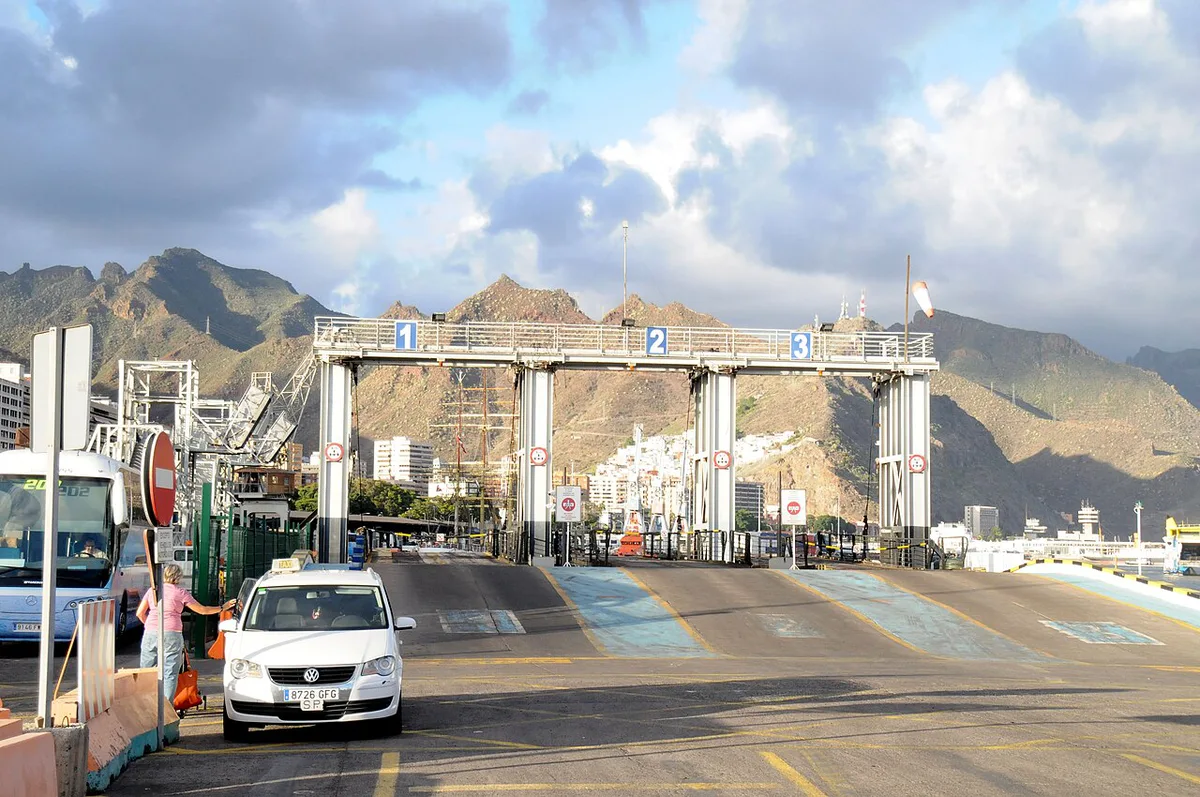
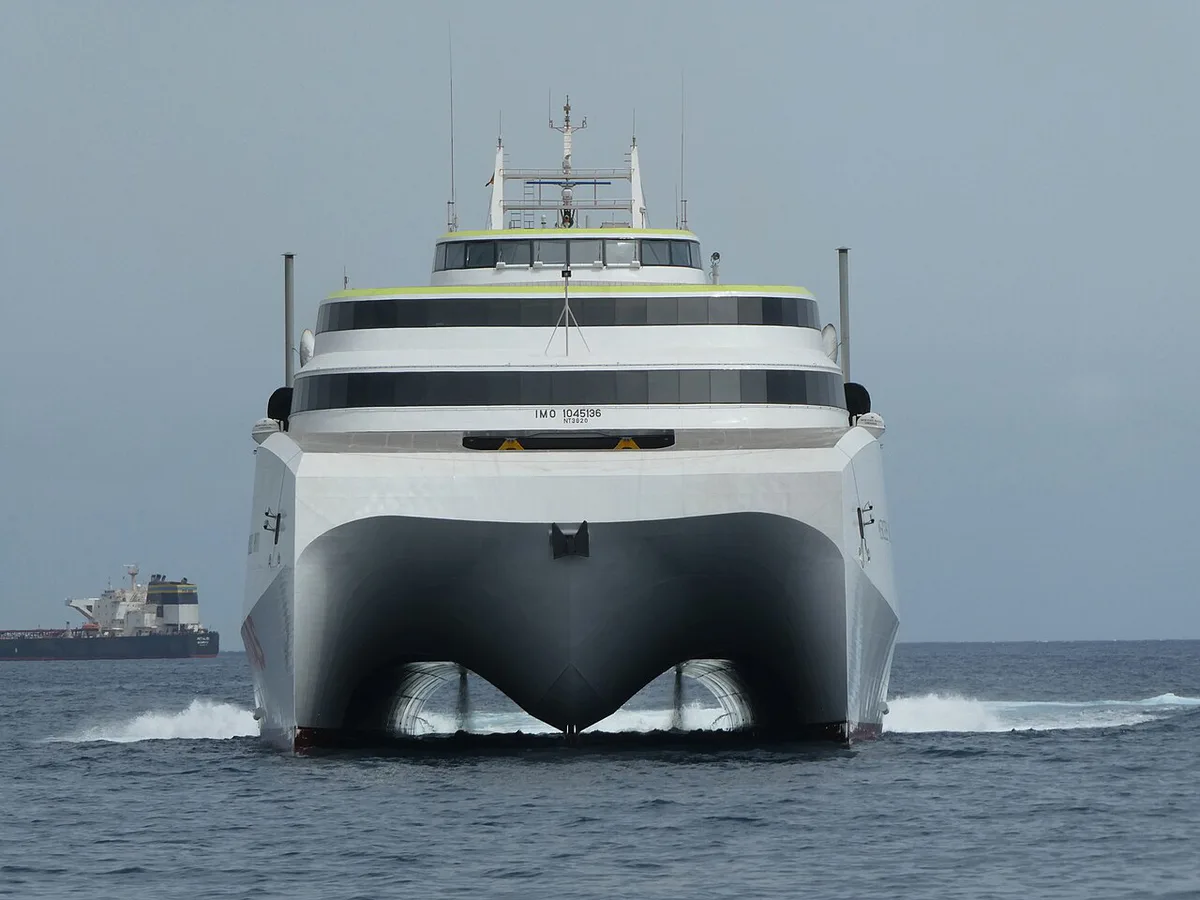
Two operators dominate the passenger network. Fred. Olsen Express sails routes such as Los Cristianos to San Sebastián de La Gomera and Agaete to Santa Cruz de Tenerife. Naviera Armas Trasmediterránea also serves several island pairs. Smaller vessels and fast ferries run reduced services on some hops, and Líneas Romero boats do not carry motor vehicles. Prices and hours were checked November 2026, but timetables change by season.
- Tenerife and Gran Canaria: the Tenerife and Gran Canaria comparison helps you choose a base. Booking platforms list Tenerife to Agaete at about 1 h 20 min, so check the operator for current sailings.
- Tenerife and La Gomera: ferries leave from Los Cristianos. Our Tenerife to La Gomera ferry guide covers the full route, and La Gomera Travel Guide: Day Trip or Overnight? has the island itself.
- La Palma and El Hierro: both appear on operator maps. Read about La Palma and El Hierro Travel Guide: Getting There, Where to Stay, What to Do before committing to the longer sailings.
- Lobos and La Graciosa: these small islands are reached by passenger boats from their larger neighbours. See Isla de Lobos: Ferry, Hikes & Day-Trip Guide and La Graciosa Travel Guide: Ferry, Beaches and Day Trips for what each day trip involves.
Canary Islands ferry from mainland Spain
Fred. Olsen Express and Naviera Armas both operate mainland links, mainly from Huelva and Cádiz. One direct 2026 sailing from Huelva to Tenerife took about 33 hours. Other itineraries stop on the way and run longer. Treat that figure as one example, not a promise for every departure. Passengers can choose reclining seats, bunks in a Sleep Lounge, or a private cabin. Meals were included in that fare, drinks were not, and dining times were assigned by wristband. Premium Wi-Fi cost about €5 per device for the crossing, and basic Wi-Fi was free.
Premium Wi-Fi costs about €5 per device, while basic Wi-Fi is free, so the choice depends on how much you need to stay online.
| Sleeping option | What you get | Best for |
|---|---|---|
| Reclining seat | Budget choice with power and USB sockets | Short budget trips |
| Sleep Lounge bunk | Flat bunk with curtain, reading light and shared bathroom; bring your own pillow | Solo travellers who want to lie flat |
| Private cabin | Bed, private bathroom and shower | Couples and long crossings |
Taking a car, campervan or pet
Vehicles are the main reason to choose the mainland ferry. Enter the correct vehicle category and exact dimensions when booking. A campervan rental company can supply those details. Arrive early, because one 2026 passenger reached Huelva about 3 hours before departure. Huelva has free campervan and motorhome parking at the terminal, but no service facilities were found there. Empty waste tanks and fill fresh water before you arrive. Pet cabins and kennels exist, though space is limited, so reserve early. Naviera Armas sets a foot-passenger baggage limit of 4 suitcases and 60 kg per person.
Campervan drivers should reach Huelva about 3 hours before departure, since one 2026 sailing to Tenerife took about 33 hours.
Ferry vs flight: which should you pick?
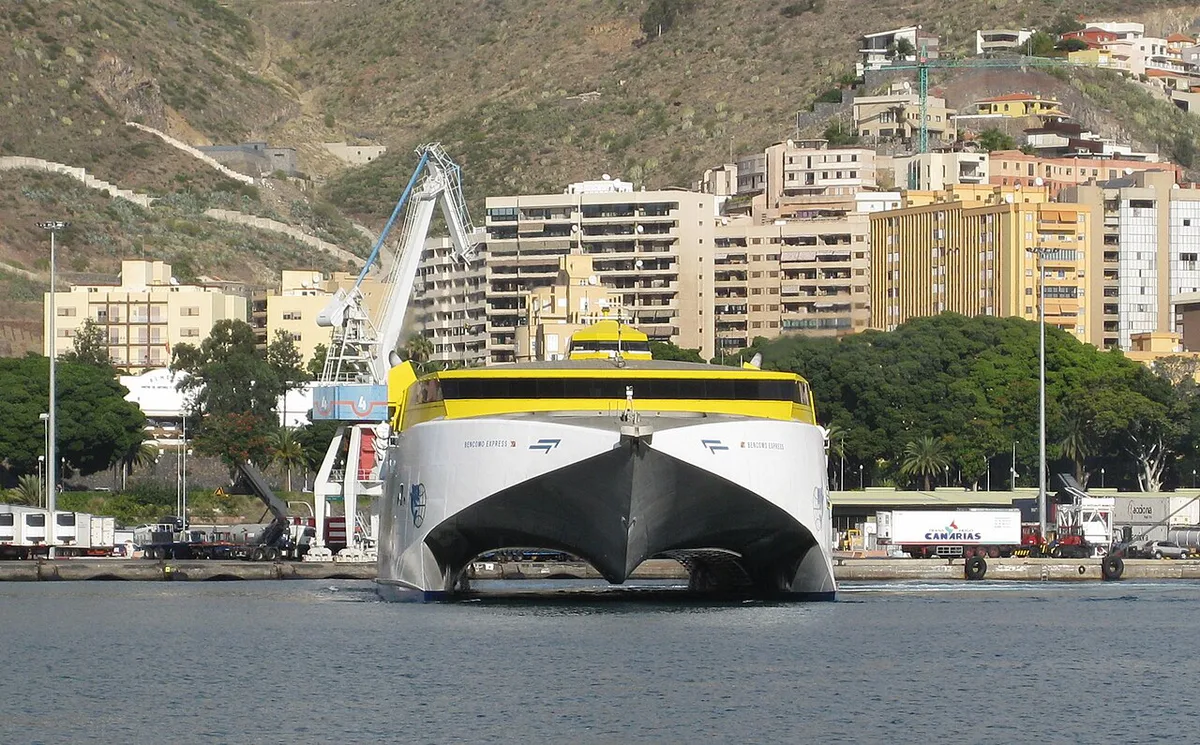
Flying is quicker for nearly every visitor, and Binter inter-island flights cover many island pairs. Ferries win when you carry a vehicle, bulky luggage or a pet. They also suit travellers who like a slower pace. Fares vary by cabin, vehicle and date, so compare the full ferry price with flights plus a rental car. Door to door, add port transfers and check-in time to the sailing. Flights add airport transfers and security queues. Still deciding where to go? Our guide to the best Canary Island narrows the choice.
How to book and what to check
Book directly on the operator websites for the clearest timetable and fare rules. Aggregators can help compare routes, but they may lag behind current schedules. Compare sleeping classes for the same sailing before paying. Canary Islands residents can get discounted fares, but the discount is for residents only. Weather can cancel or delay sailings, so read the cancellation terms and the check-in cut-off before you buy. The official Canary Islands tourism site is a useful starting point for travel planning.
Seasickness, weather and when to travel
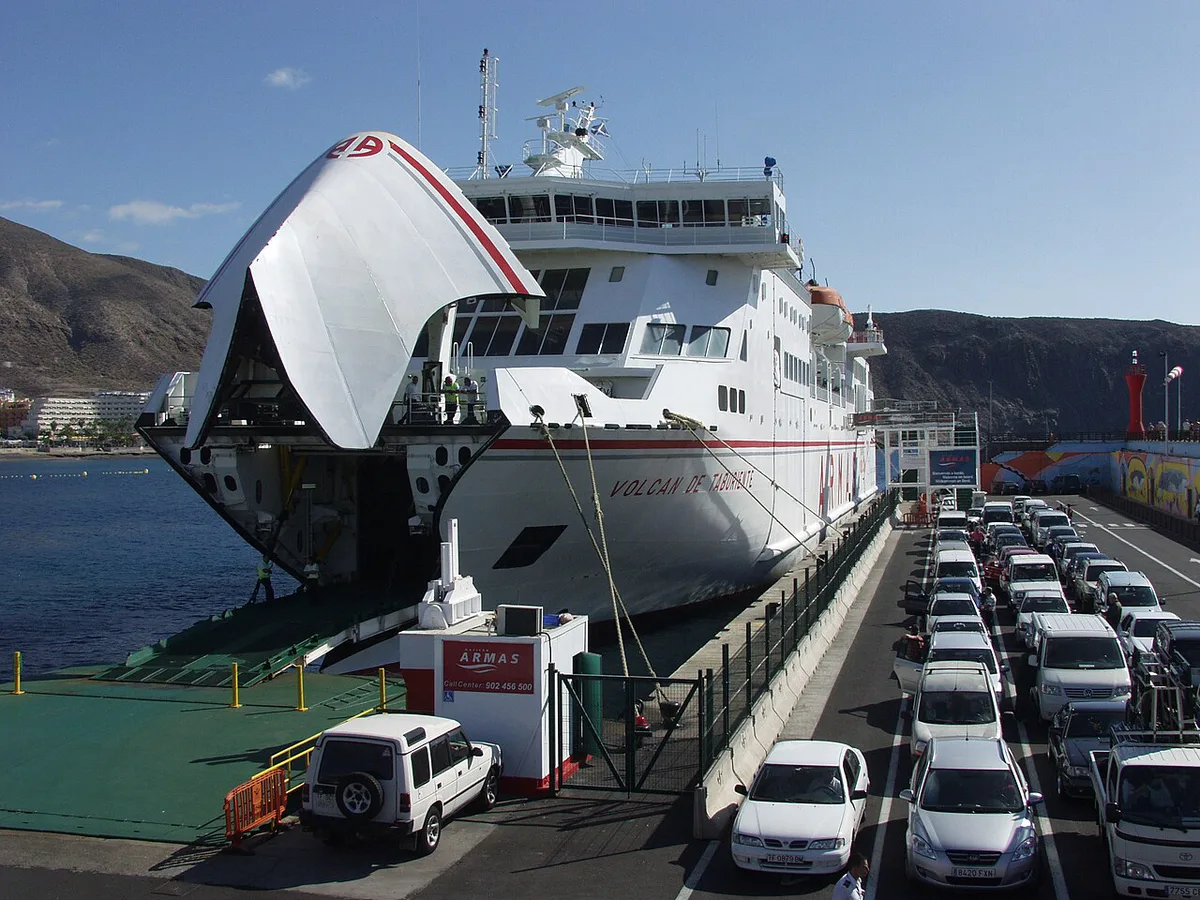
Atlantic swell can make the longer crossings uncomfortable, especially on smaller fast ferries. Pick a conventional ferry on a long route if you are prone to seasickness. Wind and sea state change by month, so see our Canary Islands Weather by Month: Island-by-Island Guide before you pick dates. Leave slack in your schedule, because a cancelled sailing can strand a tight itinerary.
Who should skip the ferry
Skip the boat if you are on a tight schedule or have a fixed flight home the same day. Solo travellers with no vehicle rarely gain anything from the mainland crossing. Anyone who gets seasick easily should fly. Travellers who are unsure about ferry timetables should also consider a flight, since fixed sailing dates leave little room to change plans.
Tenerife to Gran Canaria: Agaete or Las Palmas?
Choose your Tenerife–Gran Canaria port before booking, because the arrival point changes your onward journey. The fast route links Santa Cruz de Tenerife with Agaete, on Gran Canaria’s northwest coast. It takes about 1 h 20 min and booking listings show up to 8 daily departures.
Agaete works well for travellers heading to the northwest or central mountains. It is less convenient if your stay begins in Las Palmas de Gran Canaria. For that city, look for a sailing between Tenerife and Las Palmas instead. These crossings take about 1 h 40 min, with listings showing around 6 daily departures.
Both larger routes can take vehicles, but confirm the vessel when reserving. Compare the port transfer time alongside the sailing duration. A shorter crossing can create a longer total journey if you need to cross Gran Canaria after arrival.
Frequently Asked Questions
Are there ferries between the Canary Islands?
Yes, ferries link most of the inhabited islands. Fred. Olsen Express and Naviera Armas run the main routes. Not every island pair has a direct sailing, so check the operator timetable for your route.
Is a ferry cheaper than flying?
It depends on cabin, vehicle and date. Compare the full ferry fare with flights plus a rental car. Ferries often make more sense when you bring a vehicle.
Useful notes for your next island trip
Optional updates to our guides.
You might also like



Continue reading
More guides you'll find useful