Flights to the Faroe Islands: Airport, Routes & Booking Tips
Which airport to fly into, how routes and connections work, when to book, and what to plan for after landing.
On this page
Last updated November 2026: flights to Faroe Islands land at Vágar Airport on the island of Vágar, the archipelago's only commercial airport. Most travelers connect through a hub in another country, so route choice matters as much as the fare. Our guide to every way to reach the islands covers the options that do not involve flying.
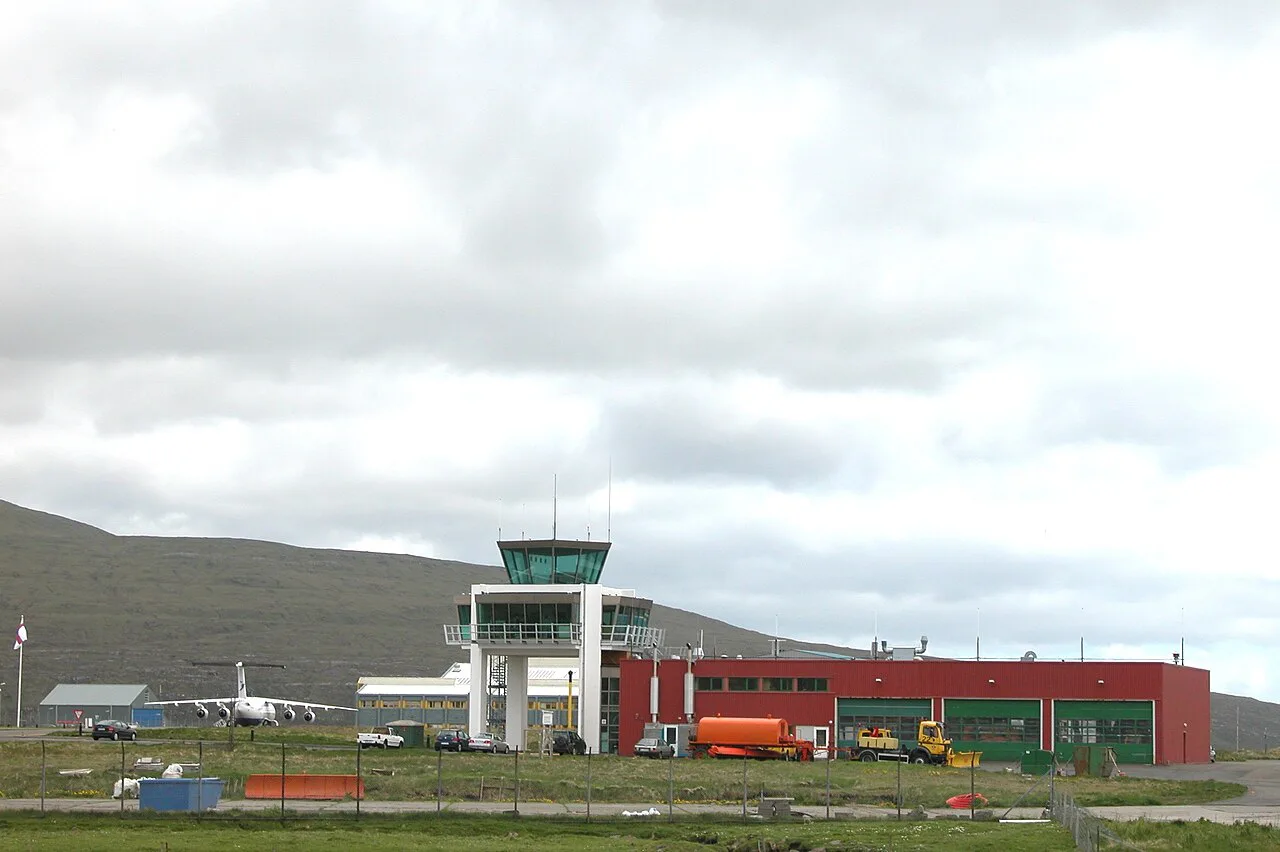
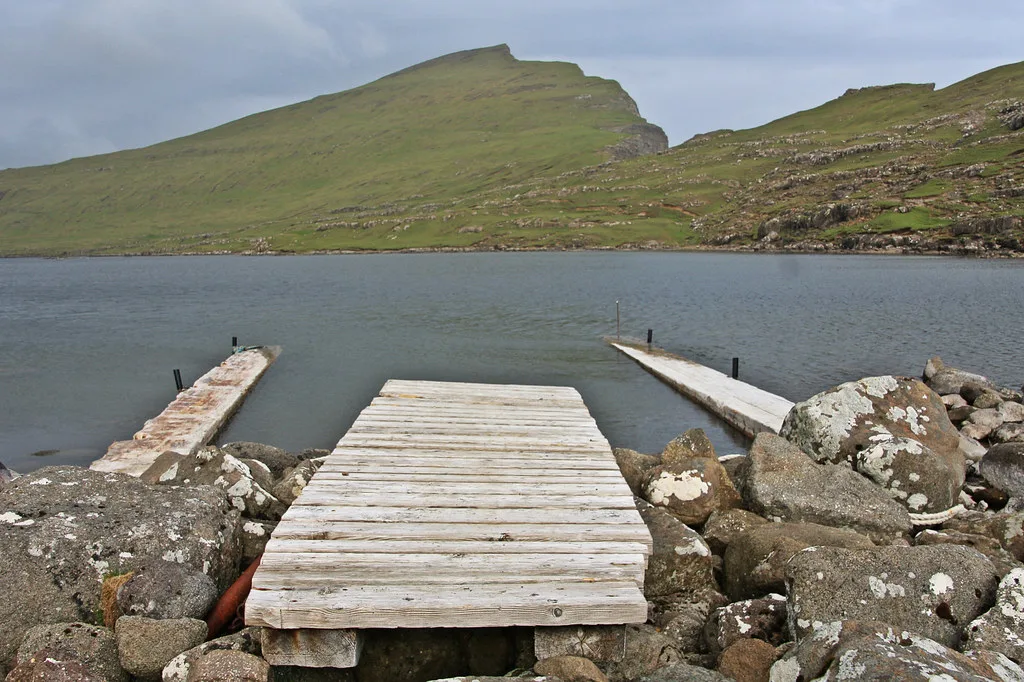
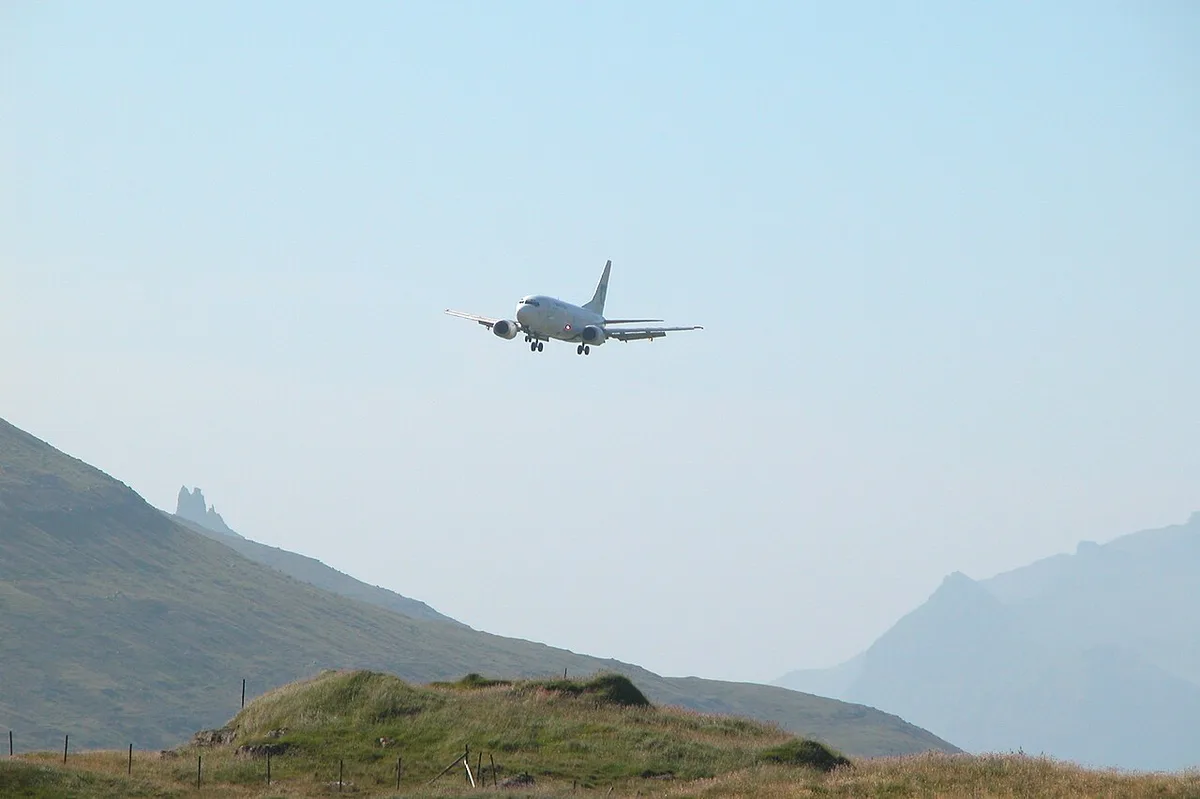
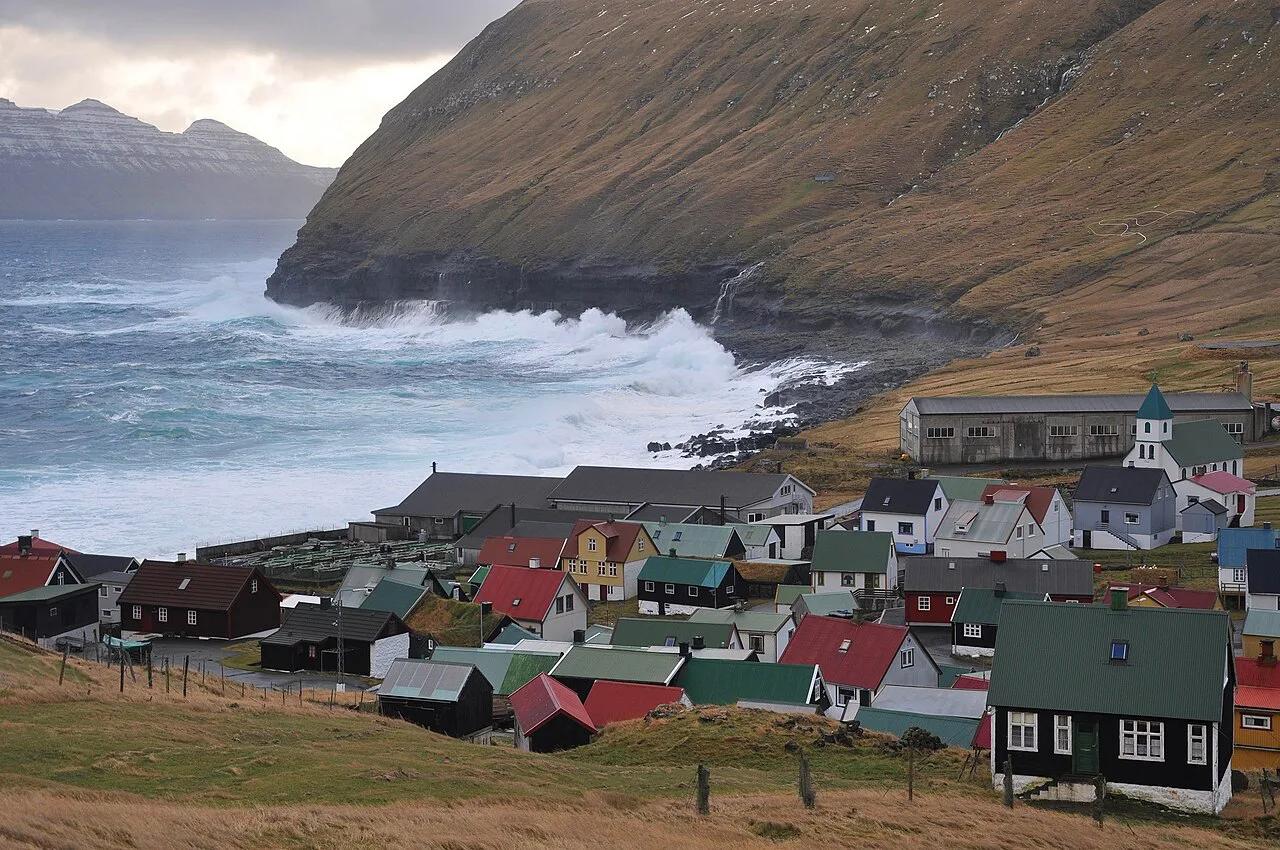
Featured image: Erik Christensen, Porkeri (Contact at the Danish Wikipedia), CC BY-SA 3.0, via Wikimedia Commons.
Flights to the Faroe Islands: where you land and how you get there
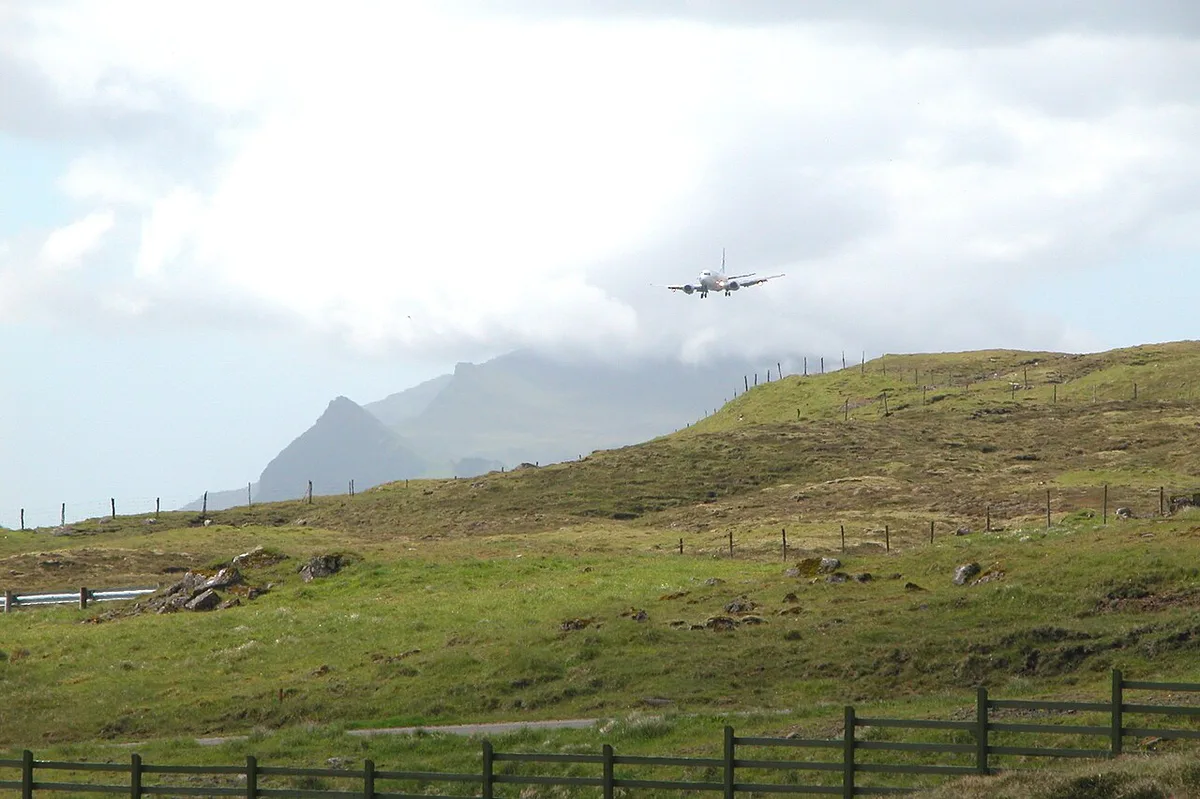
Every scheduled flight ends at Vágar Airport. Tórshavn is the capital, but it has no airport, so ignore any search result that suggests flying straight into it. Atlantic Airways is the national airline, and seasonal carriers add routes in some months. For orientation, where the islands sit explains why connections usually run through another country first. Arrival and departure information is on the Vágar Airport official site.
- Airport: Vágar Airport (FAE), the only commercial airport.
- Typical routing: a connection through a hub abroad, with direct service from some origins.
- Fares and schedules: they change strongly by season, so price your exact dates.
- Onward travel: plan your transfer to Tórshavn before you book.
Flight routes and connections: how to choose
Start with your origin region. UK, Nordic, continental European and long-haul travelers face different routings, and the right choice depends on how many days you have. On a 2–4 day trip, one missed connection can erase a whole day of hiking. Check the airport's and airline's own route pages for the current hub list before you compare fares.
| Option | Typical fit | Time cost | Risk | Who should skip it |
|---|---|---|---|---|
| Direct | Short trips, fixed itineraries | Lowest | Fewer departures, so a cancellation can mean a long wait | Anyone whose origin has no direct service |
| One stop | Most travelers | Moderate | A missed link can cost a day | Travelers with same-day ferry or hike plans |
| Multi-stop | Flexible, long-haul itineraries | Highest | Several chances for delay | Short trips and fixed arrival dates |
Airlines and departure airports that serve Vágar Airport
Two questions decide most bookings: which airline flies to Vágar, and which hub you reach first. The hubs below are the ones most often used. Schedules change by season, so look up each route on the airline's site before you pay.
Airlines to know
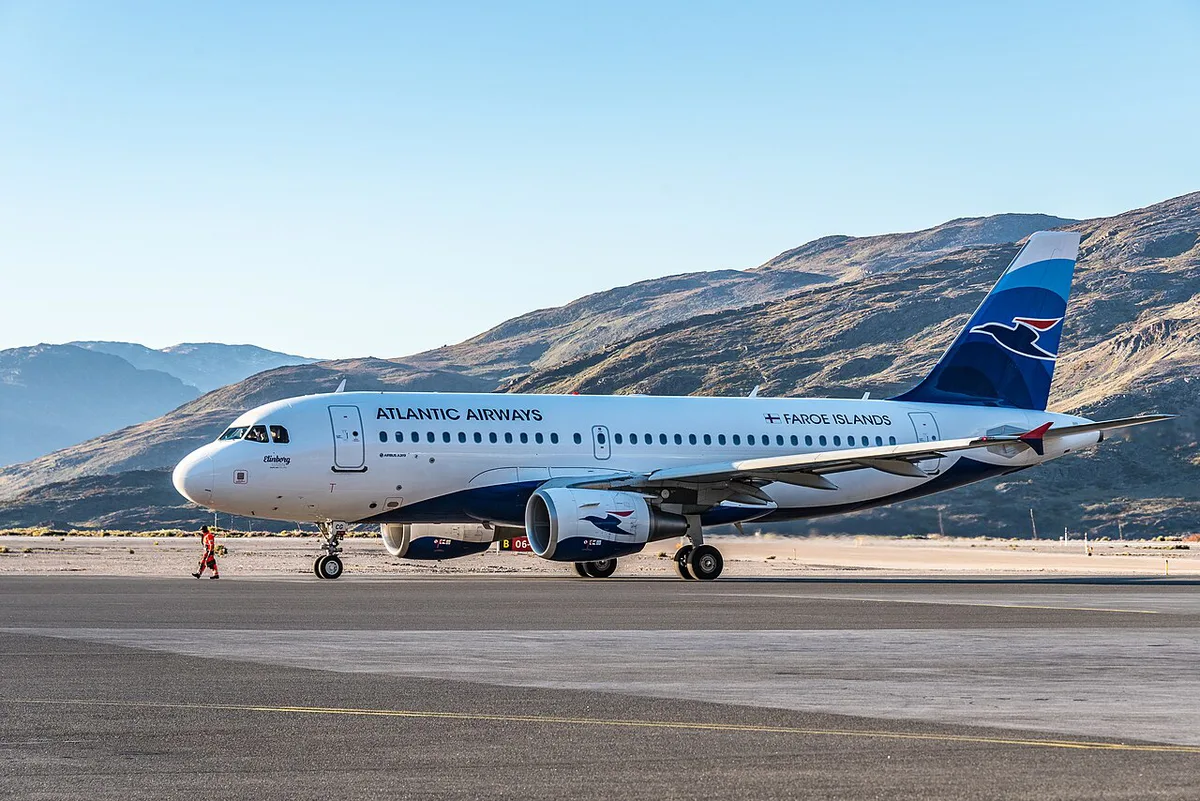
- Atlantic Airways is the Faroese national carrier and the main operator at Vágar. Its network is built around North Atlantic and northern European hubs, with extra seasonal routes in summer.
- SAS connects the islands with Copenhagen, which gives you onward links across Europe and beyond.
- Seasonal and charter carriers add routes in some months. These are the services most likely to disappear in winter, so do not build a fixed itinerary around one without checking the current timetable.
Hubs that feed the islands
- Copenhagen (CPH): the most common connection point for travelers from continental Europe and North America.
- Edinburgh (EDI): the usual choice from the UK, and often the shortest total journey for British travelers.
- Reykjavik (KEF): useful if you are already crossing the North Atlantic or combining the Faroes with Iceland.
- Bergen (BGO): a convenient option from Norway and the wider Nordic region.
When two itineraries cost about the same, choose the one with the longer connection window. As the table above shows, a missed link costs far more on a short trip than a few extra hours in a hub. Cross-check the final routing against the arrival and departure listings on the Vágar Airport site, which show which carriers actually operate on your dates.
When to fly: seasons, weather and disruption
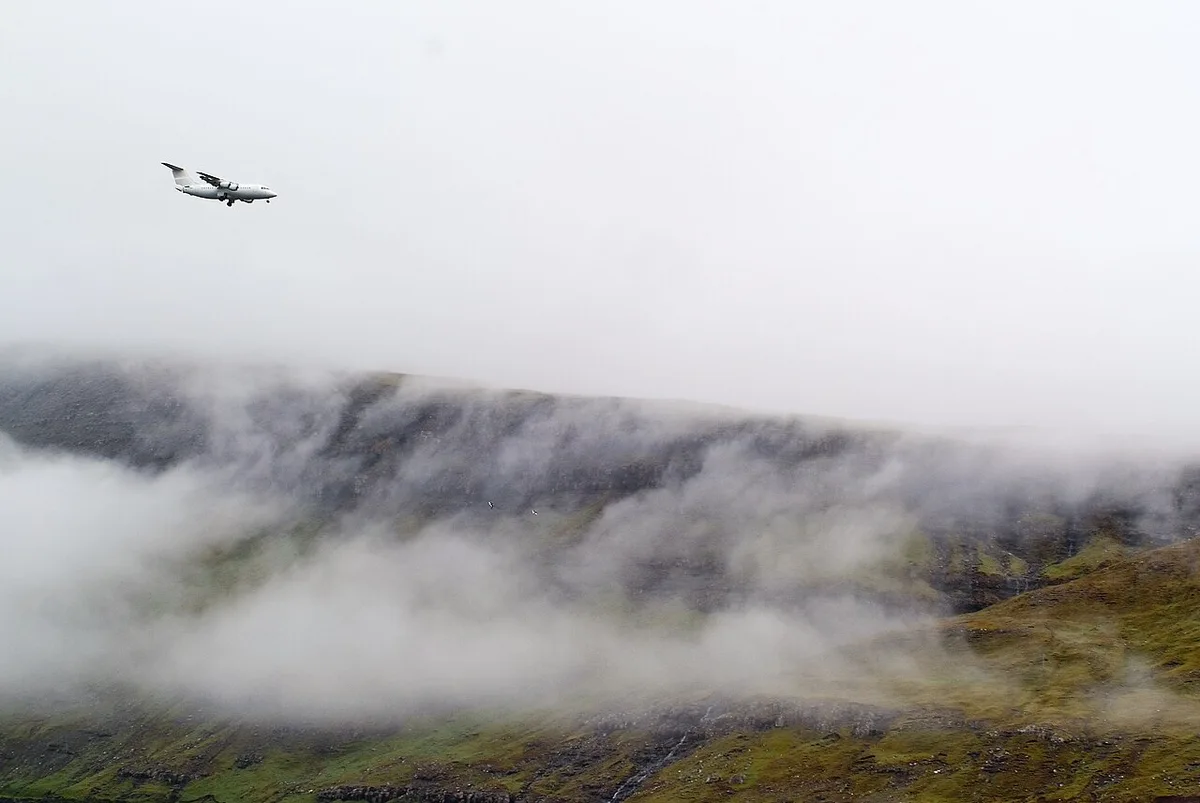
Summer brings more options and more demand. Winter brings fewer options and more disruption risk. Fog, strong wind and low cloud can delay or cancel landings at Vágar. Read our guides to the best time to visit and to winter travel before you pick dates. Day-to-day conditions are covered in our weather guide, and the Faroese Meteorological Office publishes live forecasts. Build in a buffer day for any onward connection, and for your flight home if it matters.
- Read the forecast for wind and visibility 48 hours ahead.
- Keep your first and last days free of fixed bookings.
- Avoid same-day ferry or hike commitments on arrival.
Booking strategy and cost trade-offs
Fares swing with the season, so compare several departure weeks rather than a single date. A flexible fare costs more, but it is worth considering given the weather risk. Booking with the airline gives you one party responsible for changes. An aggregator can show more routes, but check who handles disruption and what the change rules are. Buy-now-pay-later options spread the payment and only add credit terms. They do not lower the fare. Baggage rules differ by airline, so check them if you carry hiking gear. Fares are not quoted here because they shift often.
- Mistake to avoid: a tight onward connection in winter.
- Mistake to avoid: booking a ferry or rental car with no arrival buffer.
- Mistake to avoid: assuming a cheap fare includes checked baggage.
After you land: Vágar Airport to the islands

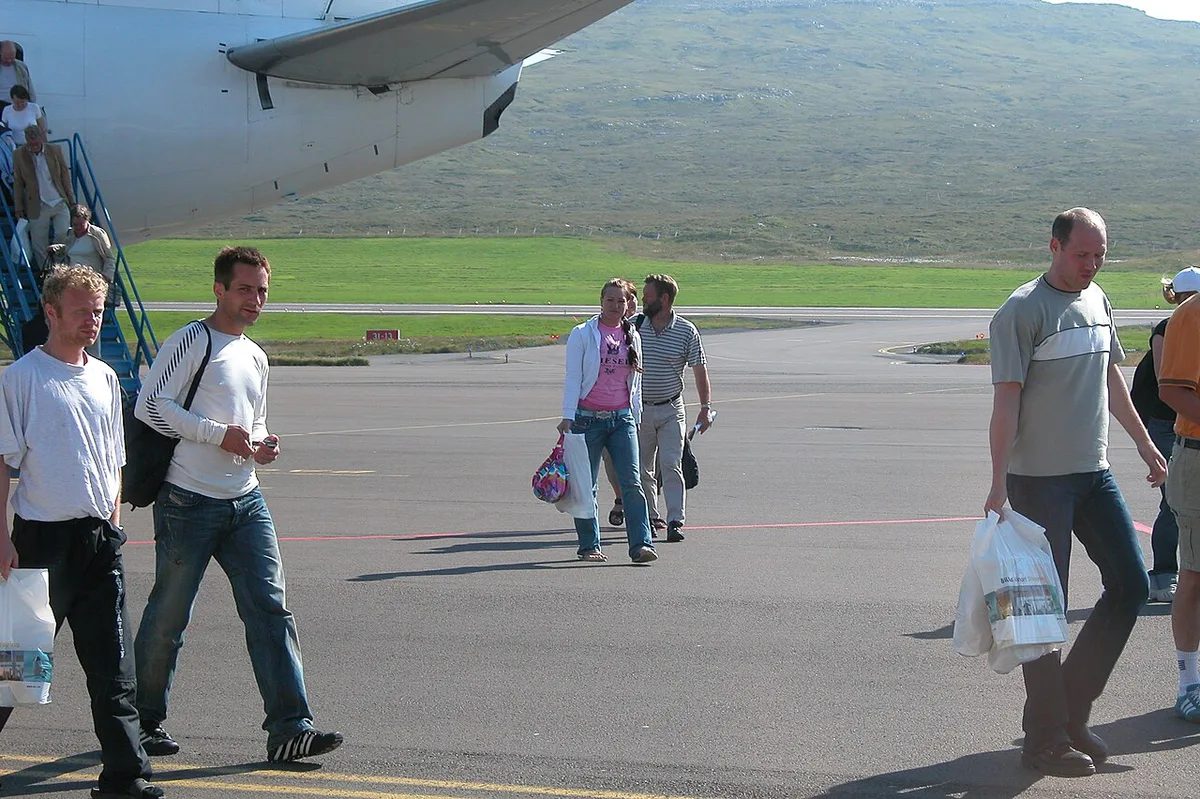
Vágar is linked to Streymoy, home of Tórshavn, by road. Some routes run through subsea tunnels, described in our tunnels guide. Rental cars give the most freedom, while buses suit travelers staying near Tórshavn. The public transport operator Strandfaraskip Landsins lists current bus and ferry timetables. Boats to some islands depend on weather, so read our ferry guide before you plan onward legs. Weather-dependent trips such as Mykines and its puffin colonies are best kept for days when you have slack. Kalsoy sits in the same category. Planning the whole trip starts at our Faroe Islands hub.
If Your Flight Is Delayed or Cancelled
Weather can disrupt flights at Vágar, especially when fog, wind or low cloud affects landing conditions. Check wind and visibility forecasts 48 hours before departure, then review your airline’s live flight status on travel day. Keep booking references, accommodation contacts and any ferry reservations available offline.
Ask the airline directly about rebooking options and whether it will arrange accommodation or meals. If you booked through an aggregator, ask whether the airline or the booking company handles changes. This matters most on a short 2–4 day trip, when a missed connection can remove a large part of the itinerary.
Do not commit to a weather-dependent boat trip immediately after arrival. Mykines and Kalsoy plans need slack, as ferry and boat services can also be affected by conditions. Keep your first night near your planned road route, and make reservations that can be changed if possible.
Frequently Asked Questions
Can you fly directly to Faroe Islands?
Direct service exists from some origins, mainly through Atlantic Airways and seasonal carriers. Most travelers still connect through a hub abroad. The Vágar Airport and airline route pages list routes from your departure city.
Is it expensive to go to Faroe Islands?
Fares depend heavily on season and how early you book, so compare several dates. Summer demand is higher and winter options are fewer. Check live fares with the airline before you commit.
Useful notes for your next island trip
Optional updates to our guides.
You might also like
Continue reading
More guides you'll find useful