Faroe Islands Weather: What to Expect and Plan
A practical guide to Faroe Islands weather: seasonal patterns, how wind and fog affect ferries, flights and hikes, and what to pack.
On this page
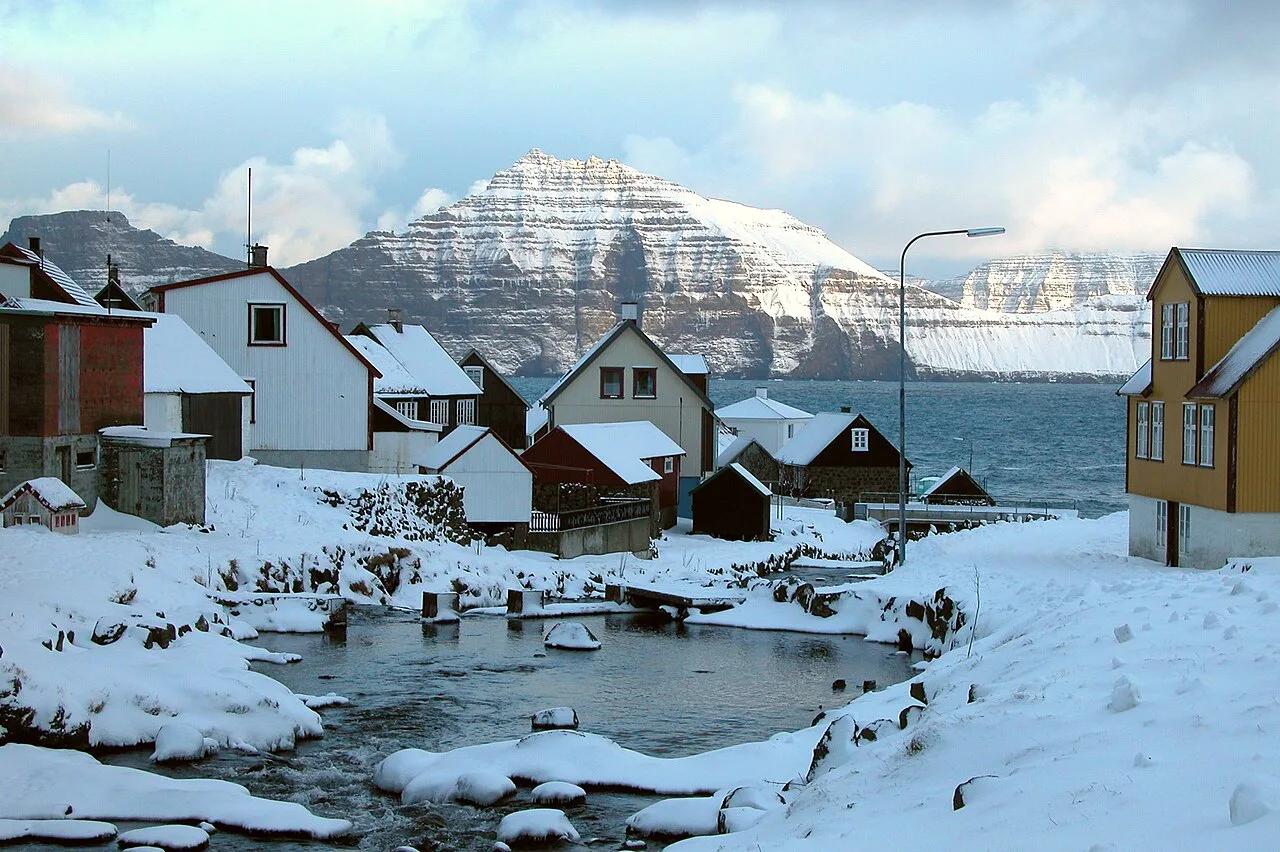
Last updated November 2026. Faroe Islands weather is mild, wet, windy and quick to change, and conditions can shift within a single hour. This guide explains the seasonal pattern and what it means for flights, ferries, hikes and packing. For live conditions, use the official forecast from the Faroese Meteorological Office.
Featured image: sergei.gussev, CC BY 2.0, via Flickr.
Faroe Islands Weather at a Glance
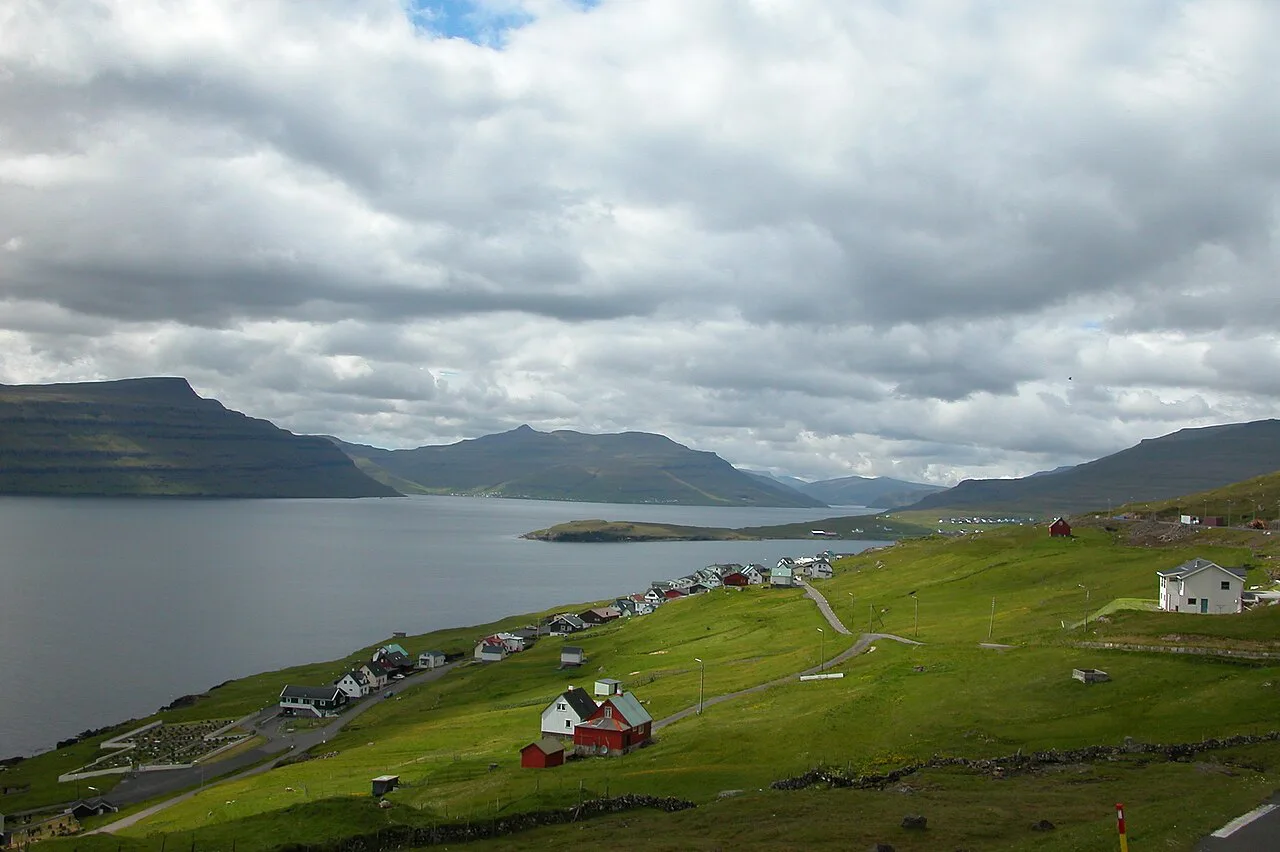
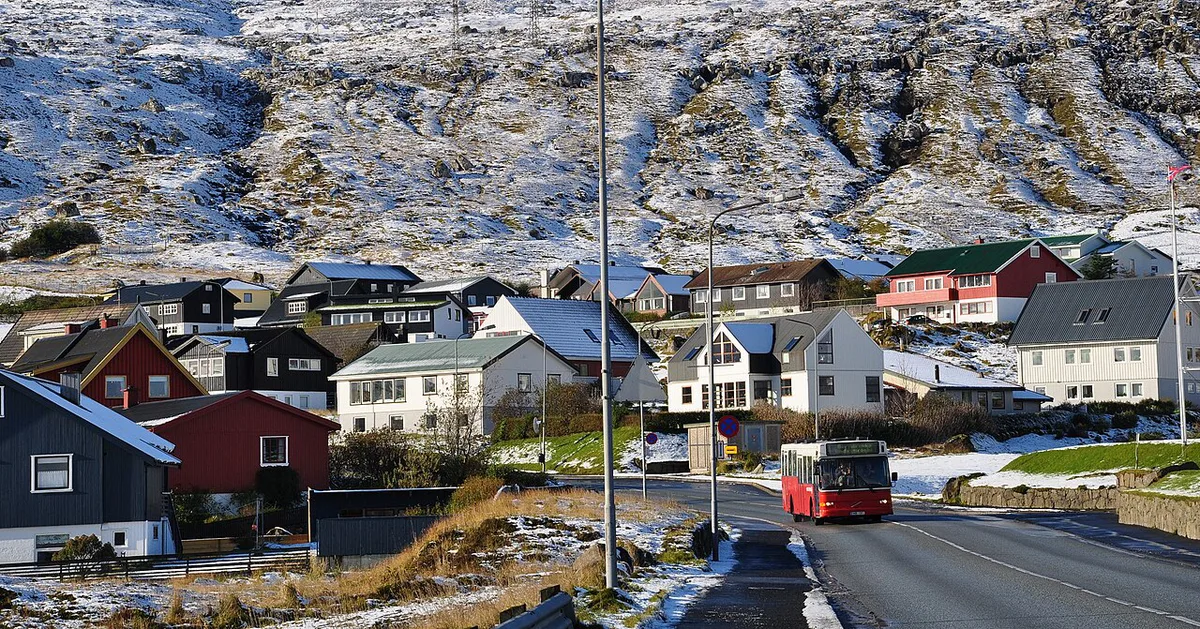
The islands have an oceanic climate with cool summers and mild winters. Tórshavn on Streymoy typically sees winter daytime temperatures around 3°C (37°F) and summer highs near 13°C (55°F). Frost and deep snow are less common at sea level than the latitude suggests. Rain, wind and cloud matter more than temperature for planning. For where the islands sit, see our guide to where the Faroe Islands are located.
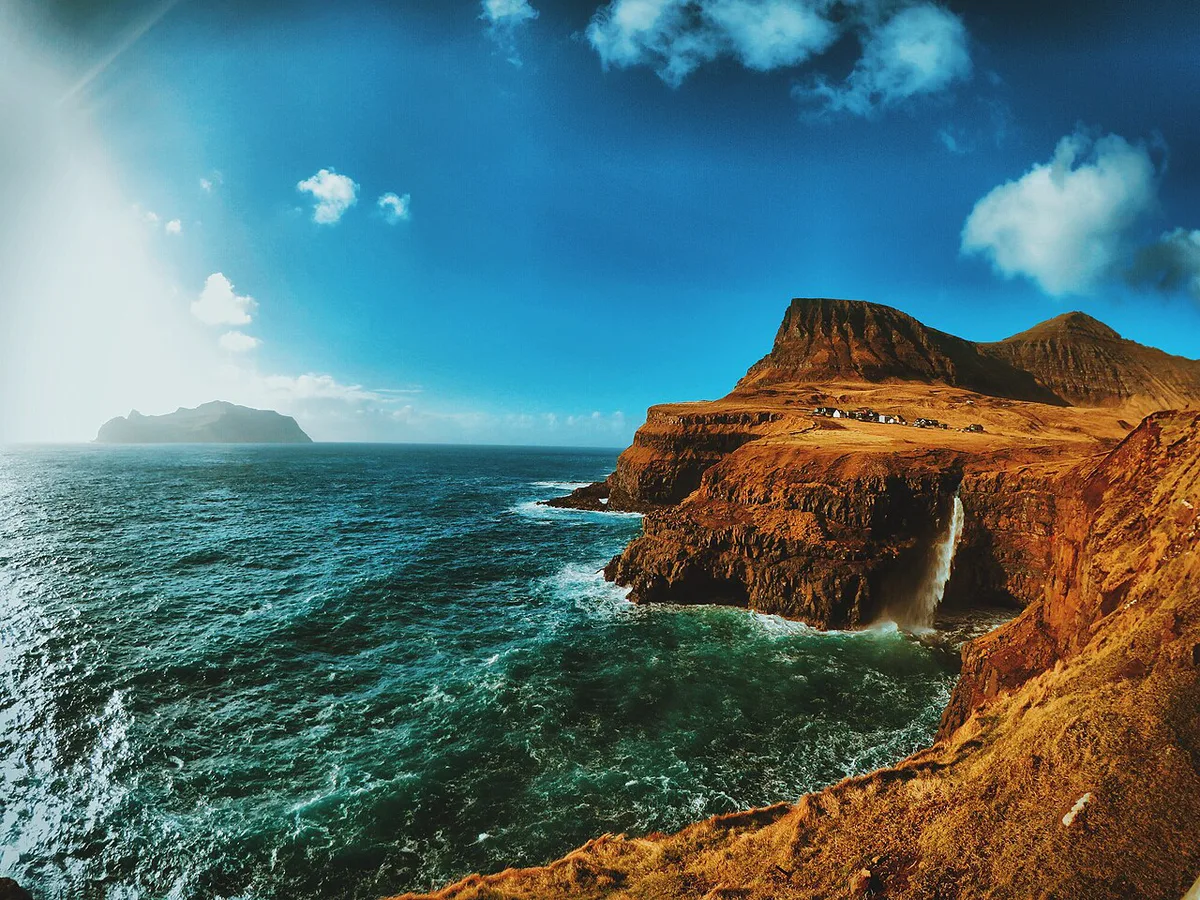
- Expect all four seasons in one day, even in summer.
- Wind and fog shape plans more than cold does.
- Layers beat a single heavy coat.
- Keep one spare day in your schedule for delays.
Faroe Islands Weather by Season and Month
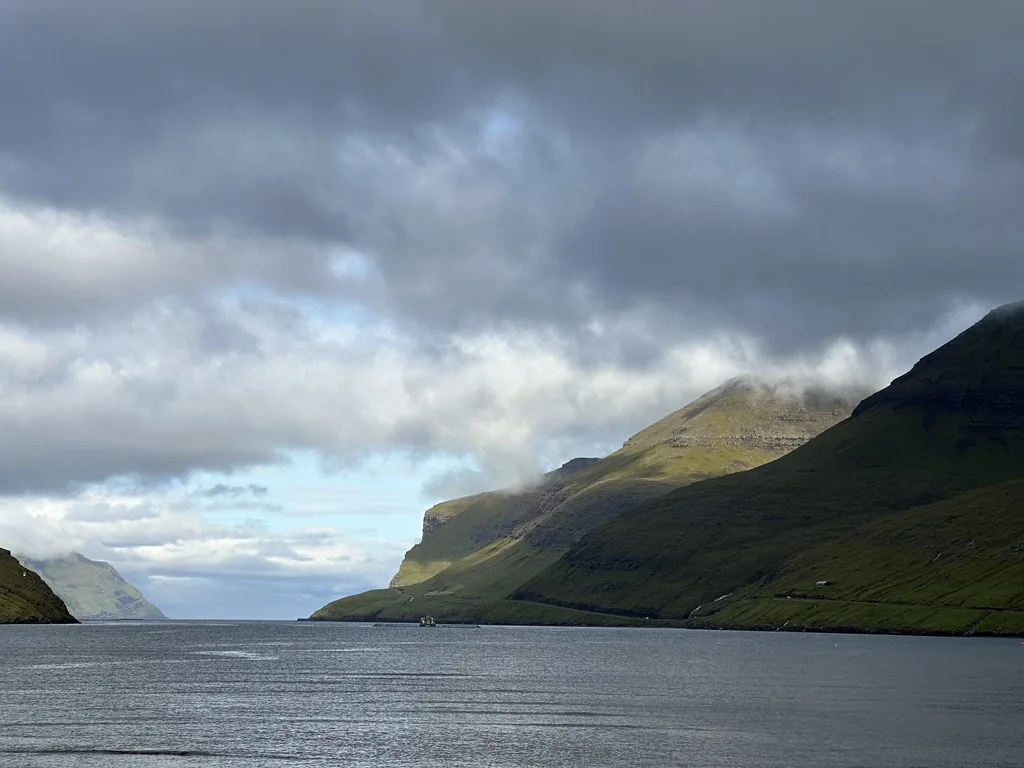
Daylight changes the feel of the year more than temperature does. Winter days are short, and summer evenings stay light late. For month-by-month timing advice, use our guide to the best time to visit. Winter travel has its own page: Faroe Islands in Winter: What to Expect and What Closes. Prices swing with the weather too. As a rough planning guide (checked November 2026), a mid-range double room around 900 kr in January can climb past 1,600 kr in July. Treat both as typical figures and check current rates before booking.
| Season | Typical feel | Best for | Watch-outs |
|---|---|---|---|
| Winter (Dec–Feb) | Around 3°C (37°F), strong wind, short days | Quiet roads, dramatic seas, cheaper rooms | Storms, cancelled sailings, little daylight |
| Spring (Mar–May) | Cool, 5°C (41°F) and rising, changeable | Lengthening days, fewer visitors | Snow showers, patchy services |
| Summer (Jun–Aug) | Highs near 13°C (55°F), long light evenings | Hiking, birdlife, widest transport choice | Fog on ridges, higher prices |
| Autumn (Sep–Nov) | Falling from 9°C (48°F), wetter and windier | Fewer crowds, moody light | Shorter days, reduced schedules |
Why the Weather Changes So Fast
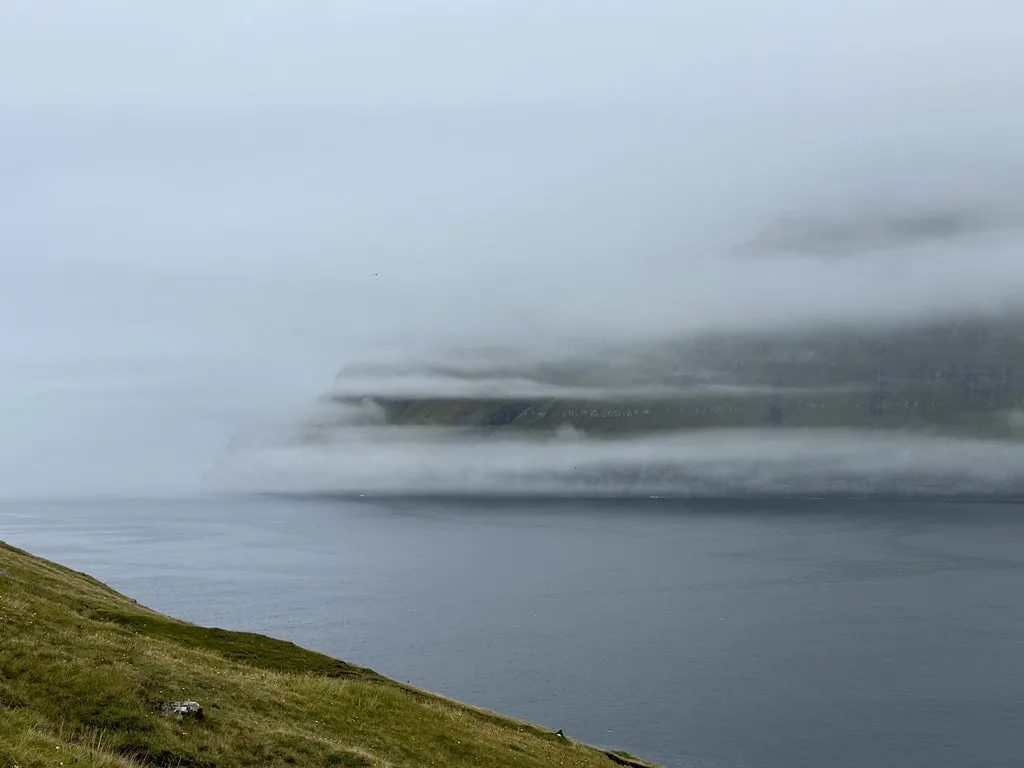
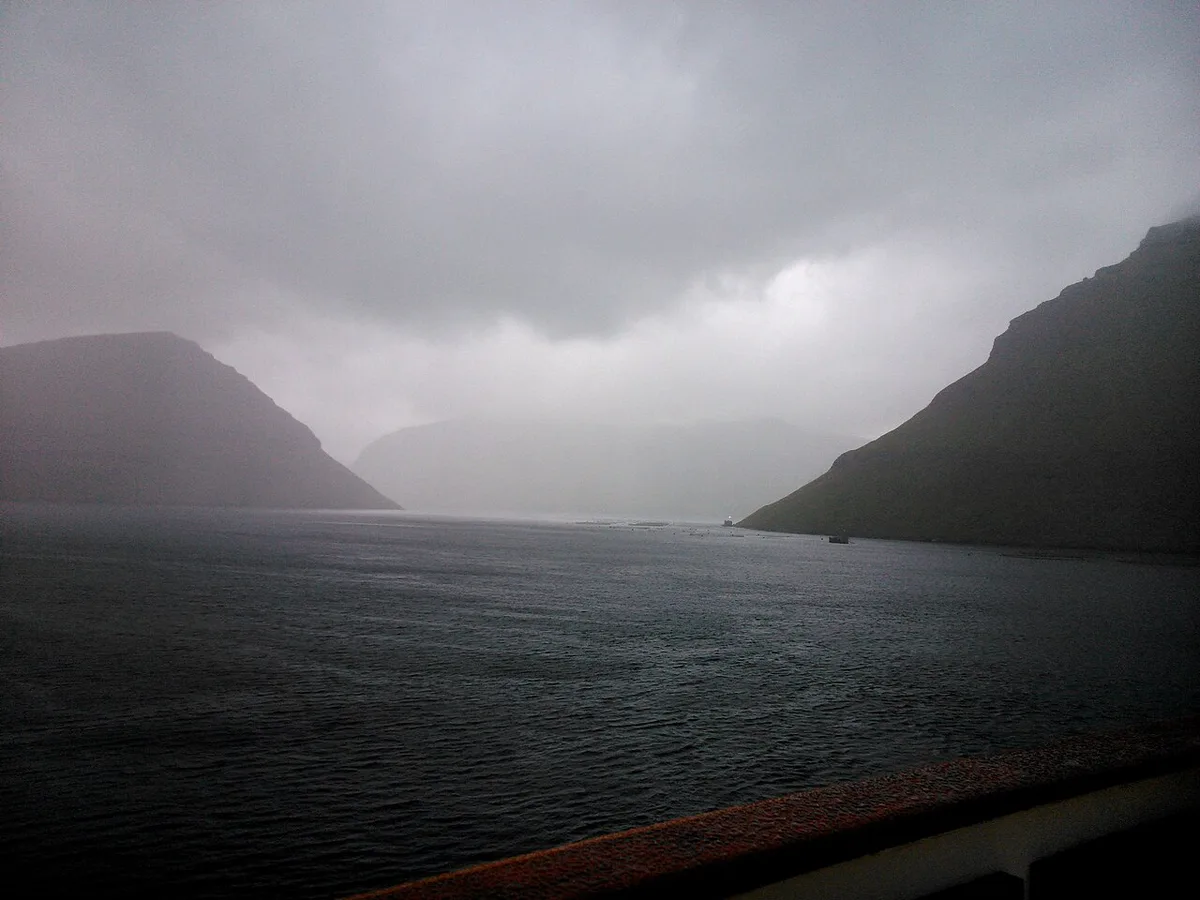
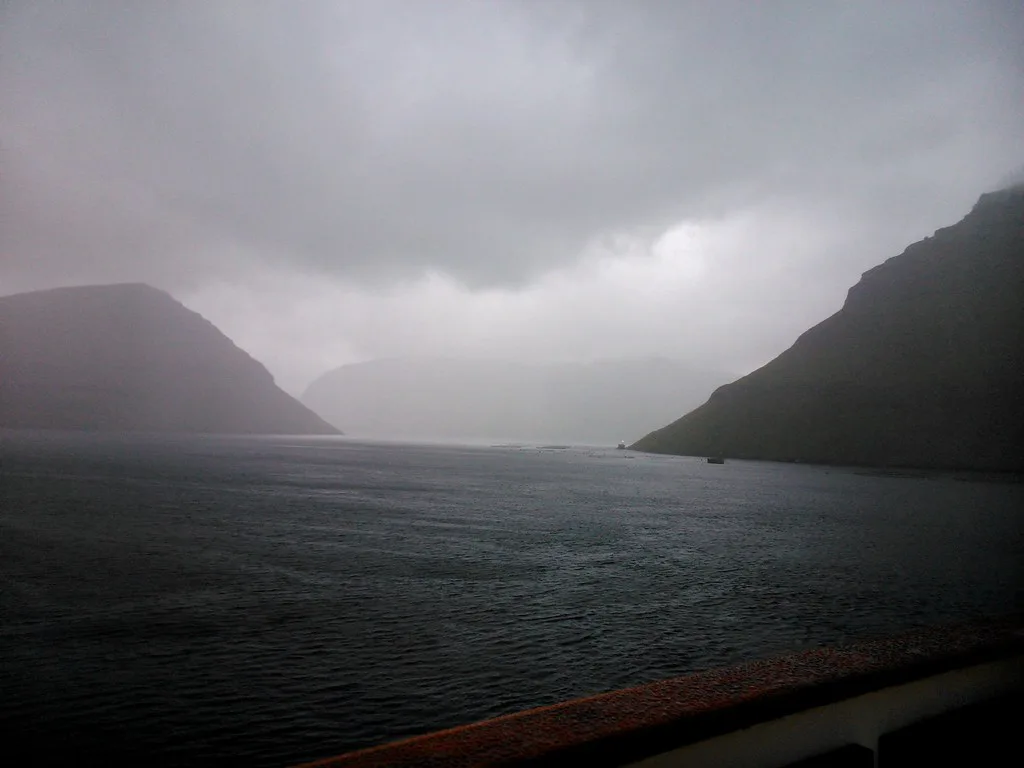
The islands sit in open North Atlantic water, so weather systems arrive with little warning. Steep valleys and sounds funnel wind. Cloud can sit on a ridge while the next valley stays clear. That is why locals check several forecasts and move plans around. Fog tends to hang on high ground, so a view that is clear at the coast may vanish at the summit. Avoid absolute thinking: a wet morning often brightens by afternoon.
How Weather Affects Your Plans
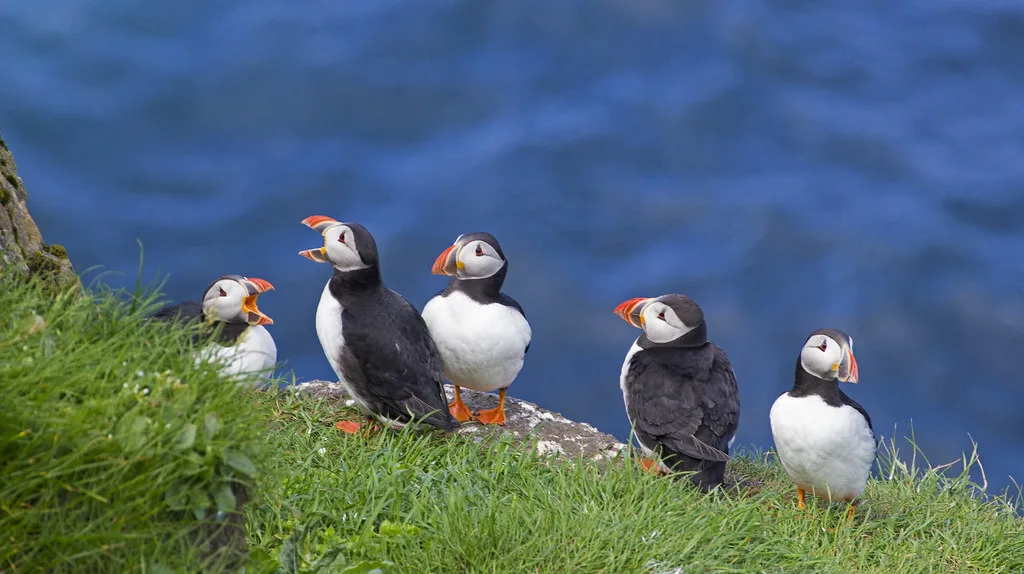
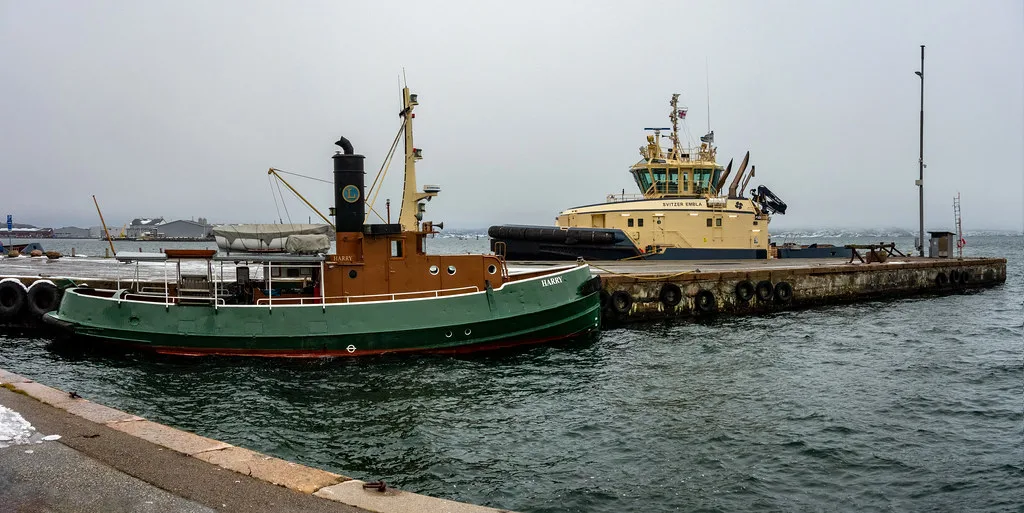
Wind and low cloud can disrupt flights into Vágar, so keep connections loose. Our flights guide covers routes, and the Vágar page covers the airport area. Check status with Atlantic Airways before leaving for the airport. Boats are more exposed than roads. Read about services in our ferry guide, and watch notices from Strandfaraskip Landsins. Mykines access depends on sea conditions, so avoid fixed single-day bookings there. Kalsoy also relies on a ferry. Undersea tunnels keep many routes open in bad weather, as covered in our tunnels guide. Puffin viewing is best on clearer days, as the puffin guide explains.
Hiking in Faroe Islands Weather: Fog, Wind and Daylight
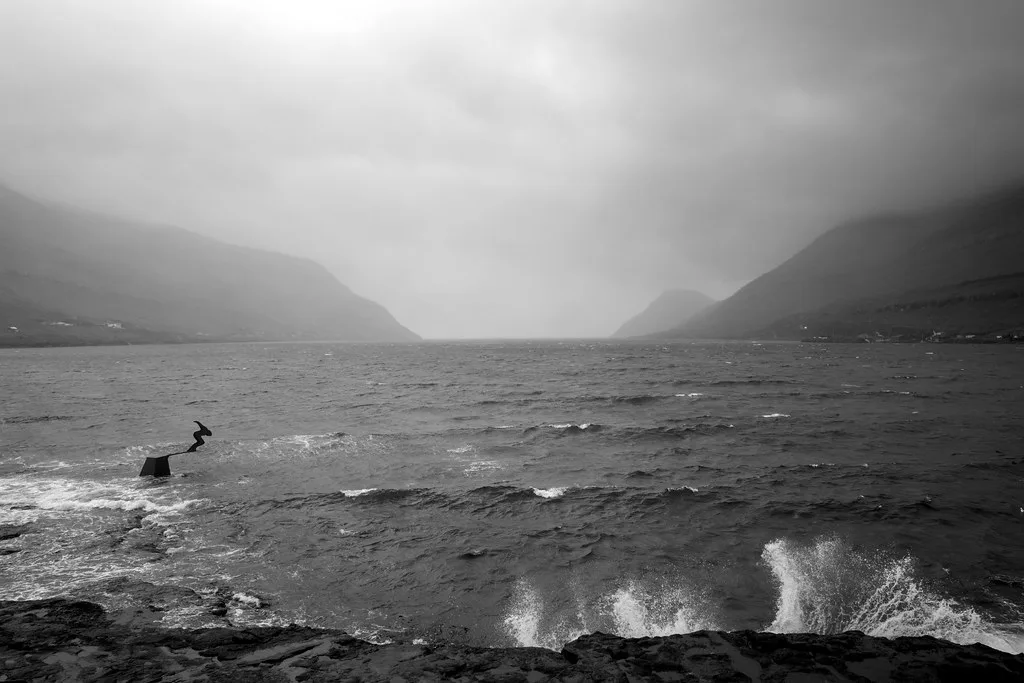
Hiking is where the weather matters most. Most routes cross open, unmarked hillside with no shelter, and fog can drop onto a ridge in minutes while the village below stays clear. Treat the forecast as a go or no-go decision, not background information.
Conditions that change the plan
- Fog and low cloud: Visibility on ridges can fall to a few metres. Skip summit and cliff-edge routes unless you have a GPS track and know how to follow it.
- Wind: Gusts are strongest on exposed headlands and passes. Near cliff edges, strong wind is a safety issue, not just discomfort.
- Wet ground: Grassy slopes turn slick after rain. Boots with good grip matter more than trekking poles.
- Daylight: Summer evenings stay light late, so a late start is workable. From late autumn the days are short, so plan to be off the hill well before dusk and carry the headlamp from your packing list.
A simple morning check
- Read the Faroese Meteorological Office forecast and any warnings.
- Look at the sky and the ridge line. If the top is already in cloud, choose a lower or coastal route.
- Tell your accommodation which route you are taking and when you expect to be back.
- Set a turnaround time and keep to it, even if the weather looks like it is clearing.
Many Faroese hiking routes cross land with private owners, and some require a guide or a fee, so check access with Visit Faroe Islands or a local operator before you set out. Guided walks are also a sensible way to go in marginal weather, since guides decide on the day and know which valleys stay clear.
What to Pack for Faroe Islands Weather
Pack layers you can add or remove in minutes. Waterproof and windproof outerwear matters more than a thick coat. Dry feet make a long day easier.
- Waterproof shell jacket and rain trousers
- Warm mid-layer such as fleece or wool
- Waterproof hiking boots with good grip
- Hat, gloves and a buff, even in July
- Day pack with a spare layer, snack and headlamp
Wet-Weather and Flex-Day Planning
Keep one buffer day per week and an indoor or low-exposure backup. Decide each morning from the latest forecast, not the one you checked at home.
| If the weather is | Then do this |
|---|---|
| Low cloud on ridges | Switch to a coastal walk or village visit |
| Strong wind | Skip exposed cliffs and boat trips |
| Heavy rain | Drive tunnel routes, visit museums and cafés |
| Clear spell | Move your biggest hike to today |
Best Forecast Sources and How to Use Them
Start with the Faroese Meteorological Office for forecasts and warnings. Add local guidance from Visit Faroe Islands. Compare at least two sources, and recheck before each outing. For the wider trip, see our Faroe Islands guide and our advice on getting to the islands.
Faroe Islands Weather: Common Questions Answered
How much does it rain in the Faroe Islands?
A lot, though usually in short showers rather than all-day downpours. Tórshavn receives roughly 1,300 mm of rain a year, spread across a large share of the days. Pack waterproofs whatever the month.
Is it ever warm?
Rarely. Summer highs sit near 13°C (55°F) in Tórshavn, and a day above 18°C (64°F) is unusual. Sunshine feels warmer out of the wind, but the wind rarely stops for long.
Does it snow?
Snow falls mostly from December to March and tends to melt quickly at sea level. Mountain roads and high ground can hold it longer, so check conditions before driving over passes.
Which month is driest?
No month is truly dry. Late spring and early summer, roughly May to July, usually bring the most settled spells and the longest daylight, but expect showers even then.
Can the weather cancel my trip plans?
It can delay flights into Vágar, cancel sailings and close exposed hikes. Build in a spare day, keep bookings flexible where you can, and check with the airline or ferry operator on the morning you travel.
Should I trust one forecast?
No. Conditions vary valley to valley, so compare the official forecast with a second source and look out of the window before committing to a route.
Useful notes for your next island trip
Optional updates to our guides.
You might also like
Continue reading
More guides you'll find useful