Faroe Islands in Winter: What to Expect and What Closes
Is winter worth it in the Faroes? Weather, daylight, ferries, flights, what's closed, and who should go. Plan with realistic trade-offs.
On this page
Last updated November 2026. Faroe Islands in winter suit flexible, weather-tolerant travellers who want empty landscapes and can live with short days, strong wind and reduced services. Winter does not suit anyone who needs fixed hiking, boat or puffin plans. For a fuller month-by-month comparison, see our guide to the best time to visit.
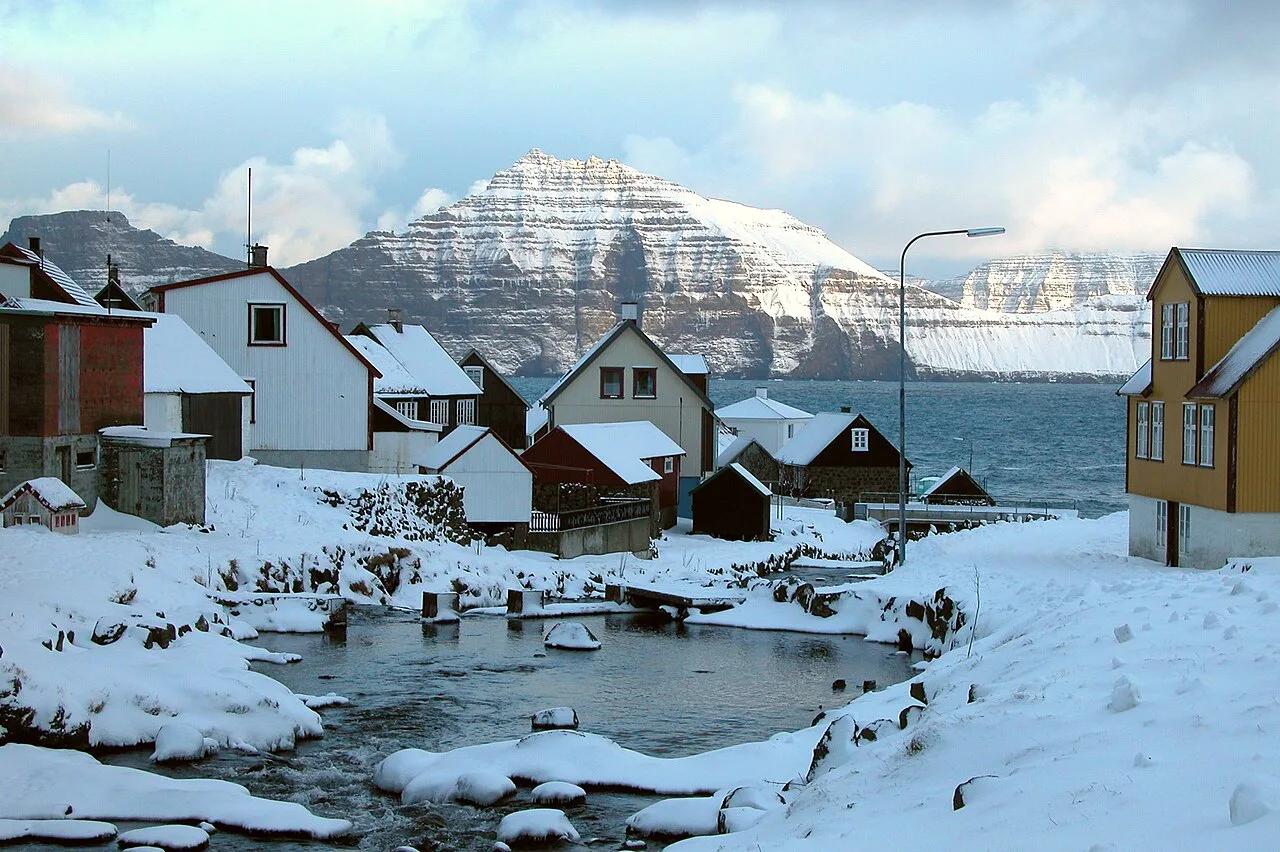
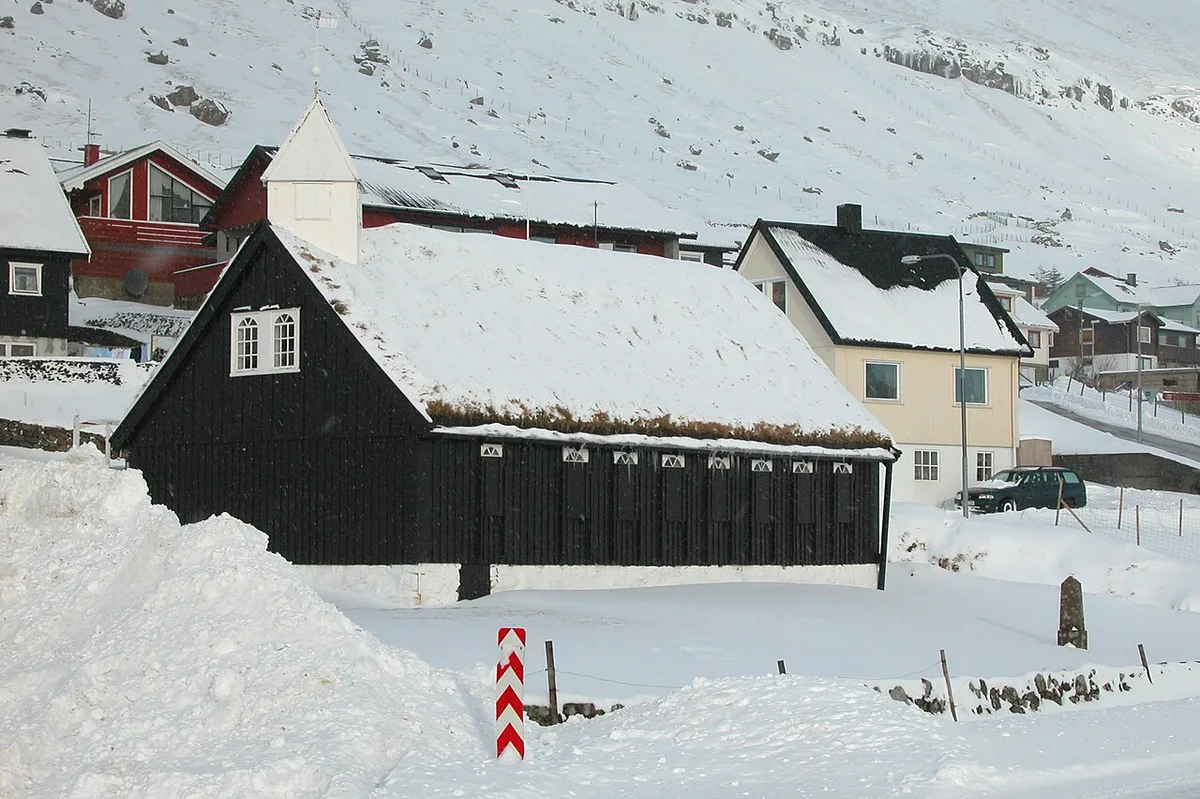
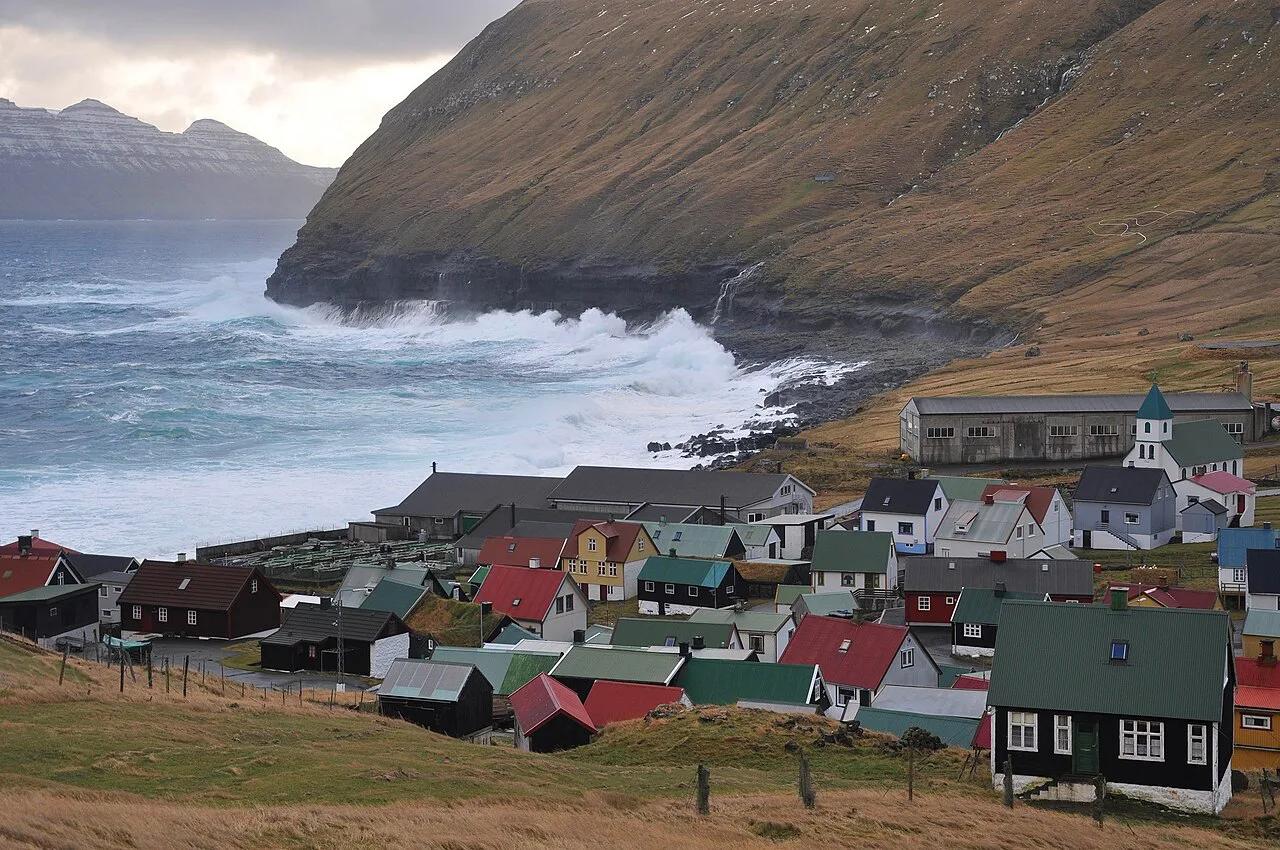
Featured image: Erik Christensen, Porkeri (Contact at the Danish Wikipedia), CC BY-SA 3.0, via Wikimedia Commons.
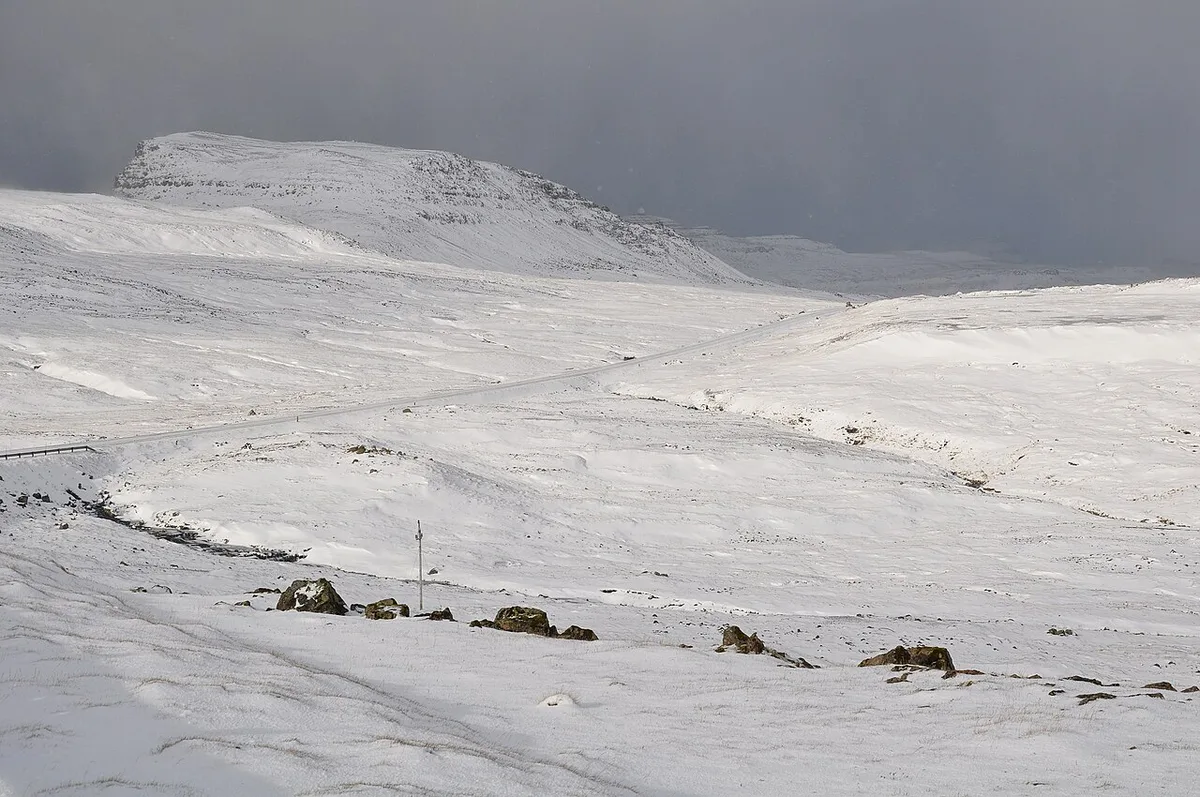
Is Winter in the Faroe Islands Worth It?
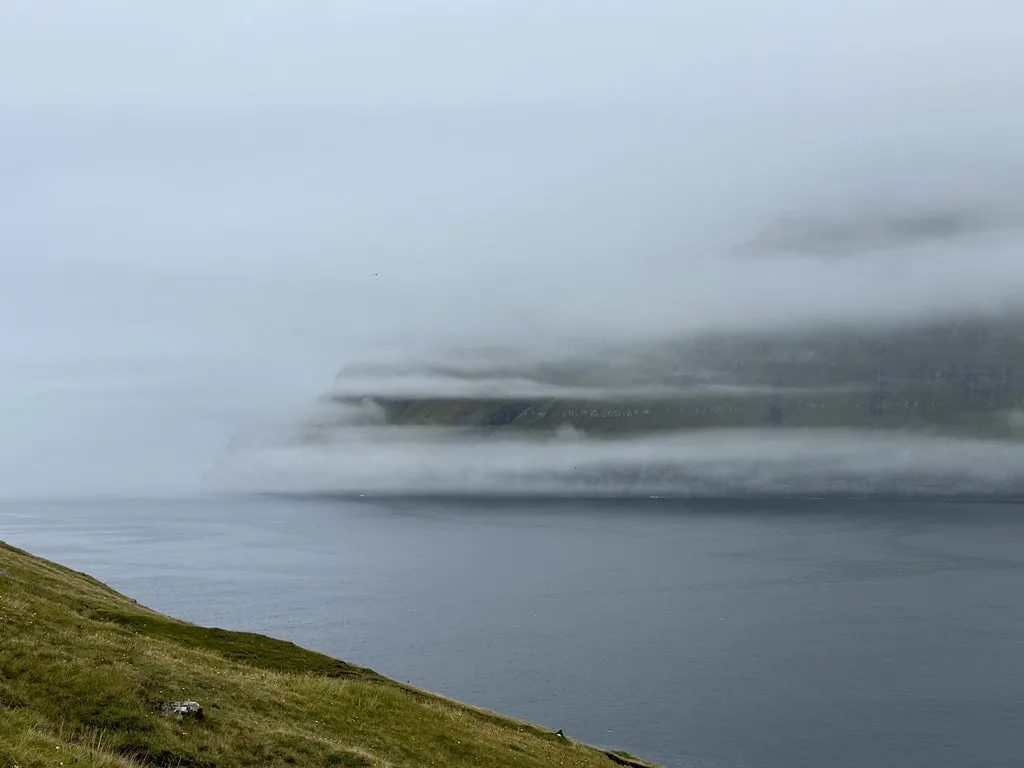
Winter is worth it if you treat the weather as the main attraction. Coastal temperatures usually sit around 3°C to 6°C (37°F to 43°F), which is mild for the latitude but feels colder in wind. Rain, low cloud and gusts shape every day. Go if you can shift plans by a day or two. Skip winter if your trip hinges on one boat trip, one hike or one flight. Orientation first? Our location guide places the archipelago in the North Atlantic, and the Faroe Islands overview covers the wider trip.
What Winter Actually Changes
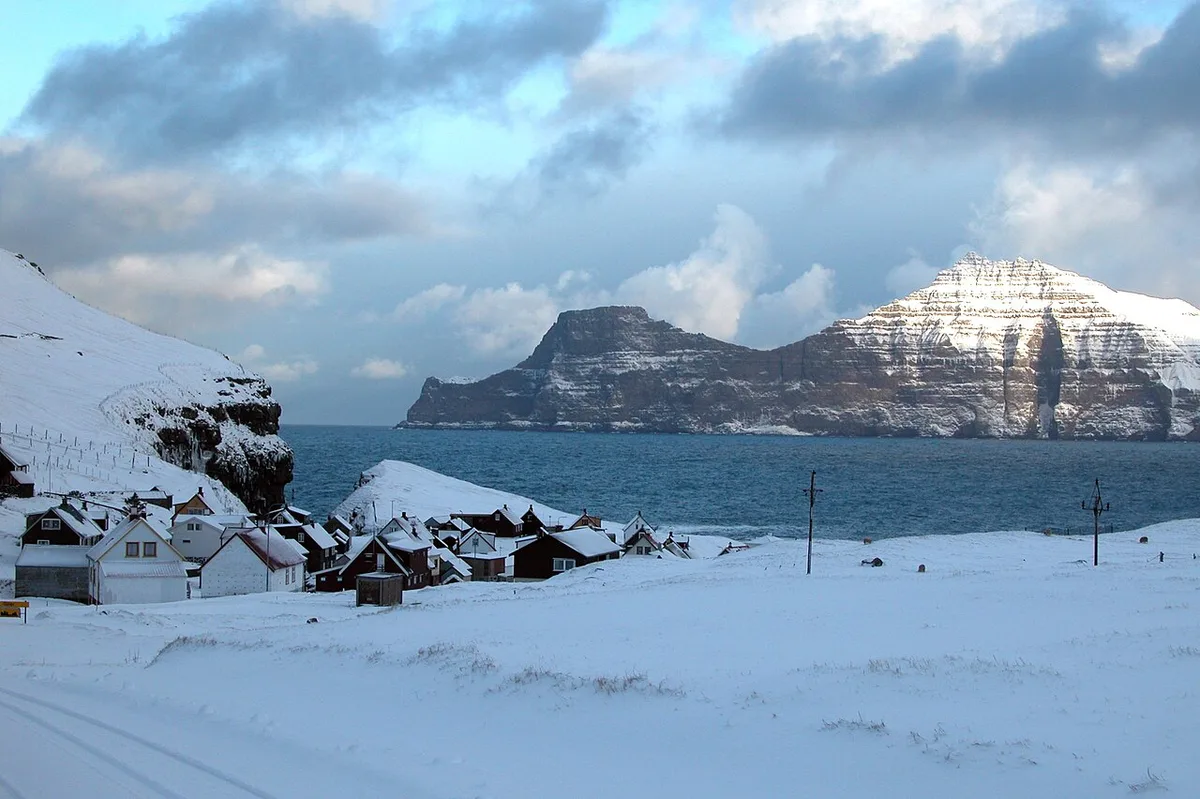
Daylight is the biggest shift. December days are short, so you plan drives and walks around a narrow window in the middle of the day. Summer temperatures of 11°C to 13°C (52°F to 55°F) feel far gentler than a winter gale at 4°C (39°F). Check the Faroese Meteorological Office each morning for wind and warnings. Our weather guide explains the patterns in more detail. Prices and hours checked November 2026: indicative off-season double rooms in Tórshavn often run near 1,100 kr a night, against roughly 1,900 kr in July. Treat both as ballpark figures and ask the property.
| Factor | Winter | Summer |
|---|---|---|
| Daylight | Short days, narrow window | Long, bright evenings |
| Temperature | About 3°C to 6°C (37°F to 43°F) | About 11°C to 13°C (52°F to 55°F) |
| Hiking | Exposed routes risky in wind and ice | Open and popular |
| Boats and ferries | Reduced, weather-dependent | Fuller schedules |
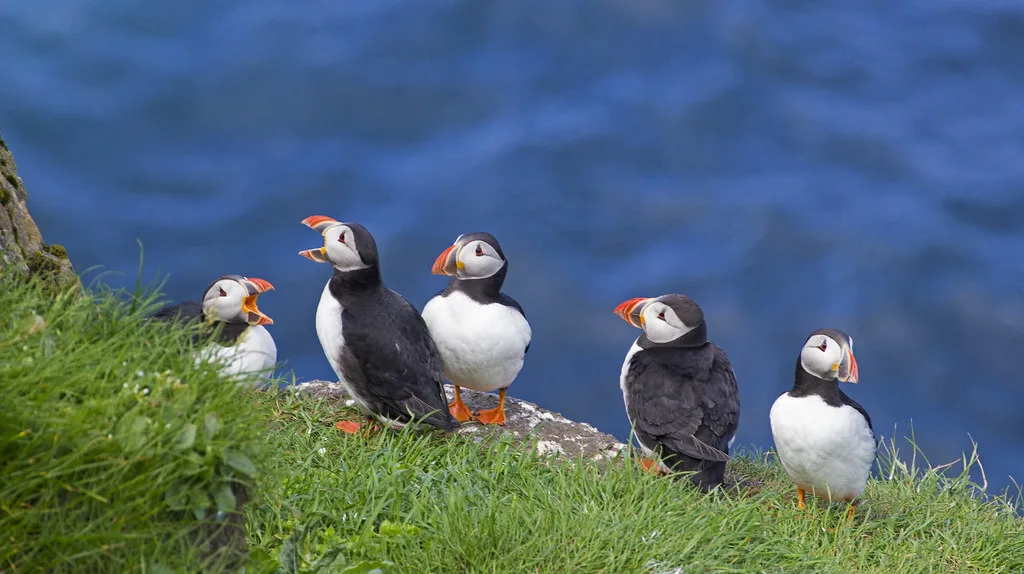
| Puffins | Absent from the cliffs | Present on the cliffs |
| Flights | Higher disruption risk | More stable |
| Closures | More seasonal closures | Most services open |
| Crowds | Very few | Busiest season |
Getting There and Getting Around in Winter
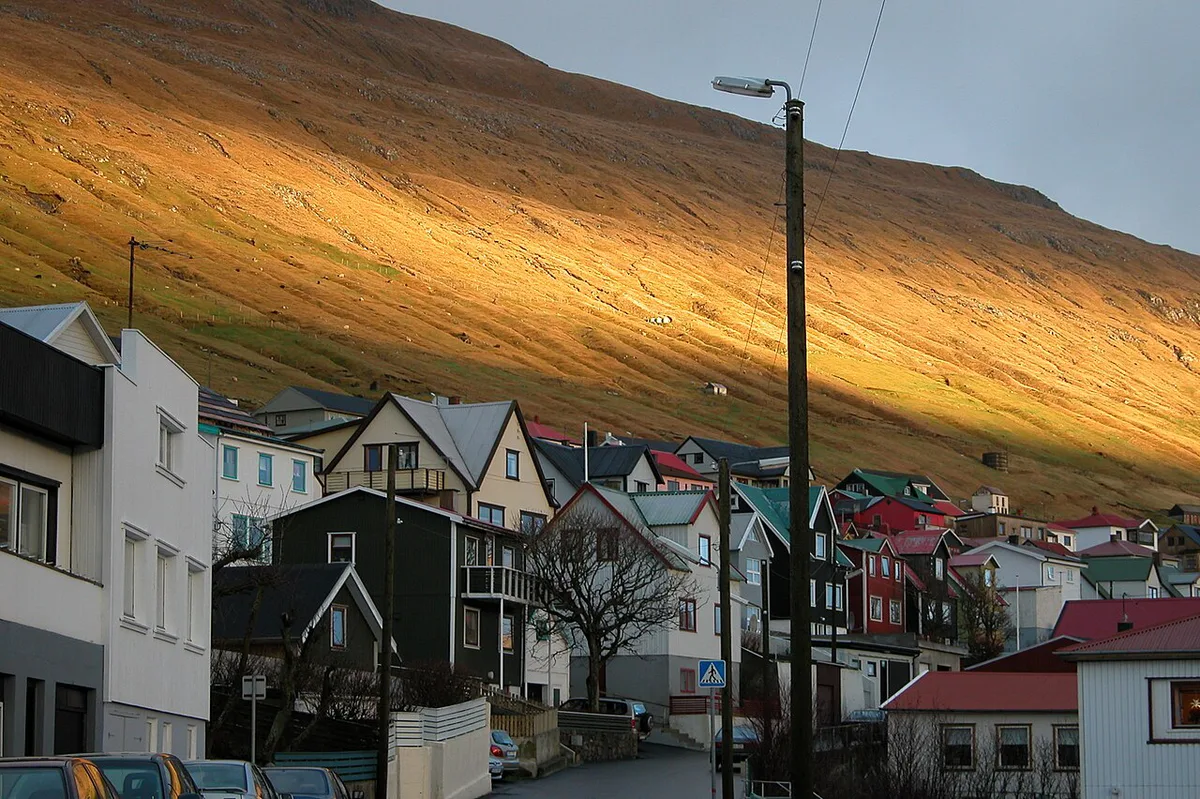
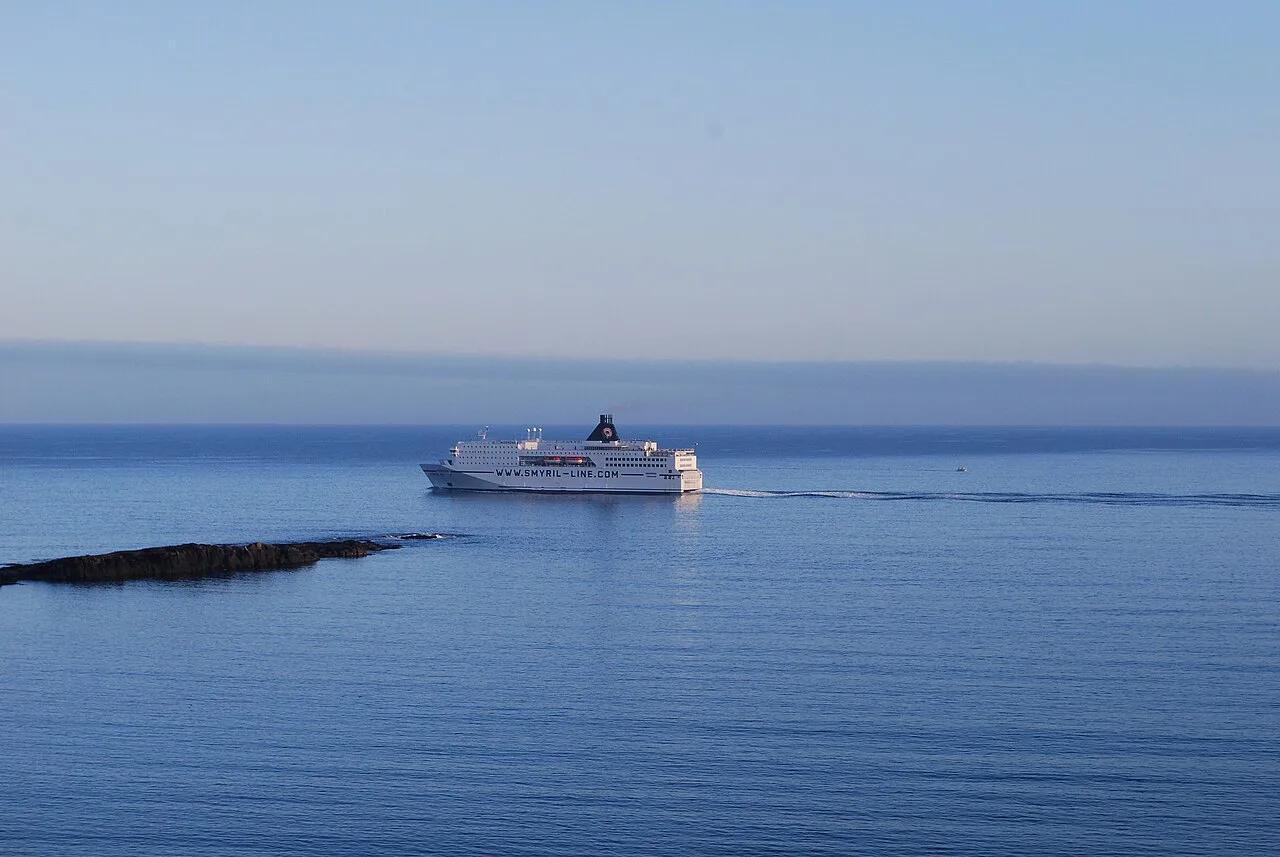
Most visitors land at Vágar Airport. Strong crosswinds can delay or cancel flights, so leave a buffer day at both ends. Read our flights guide for routes. Atlantic Airways publishes its own schedule. The Smyril Line crossing from Denmark is the slower option and swell can alter sailings. Our getting there guide compares both. The Vágar island page covers the airport area. Inside the islands, the sub-sea tunnels keep many links open in storms. Ferries are less certain, so check the ferry guide and the operator's current timetable.
- If your flight is cancelled: rebook through the airline, then move your first-night hotel by a day.
- If a ferry is cancelled: switch to a tunnel-linked base such as Tórshavn and drop the island day.
- If wind warnings stack up: spend the day indoors in Tórshavn and keep the coast for the next window.
Best Things to Do in Winter
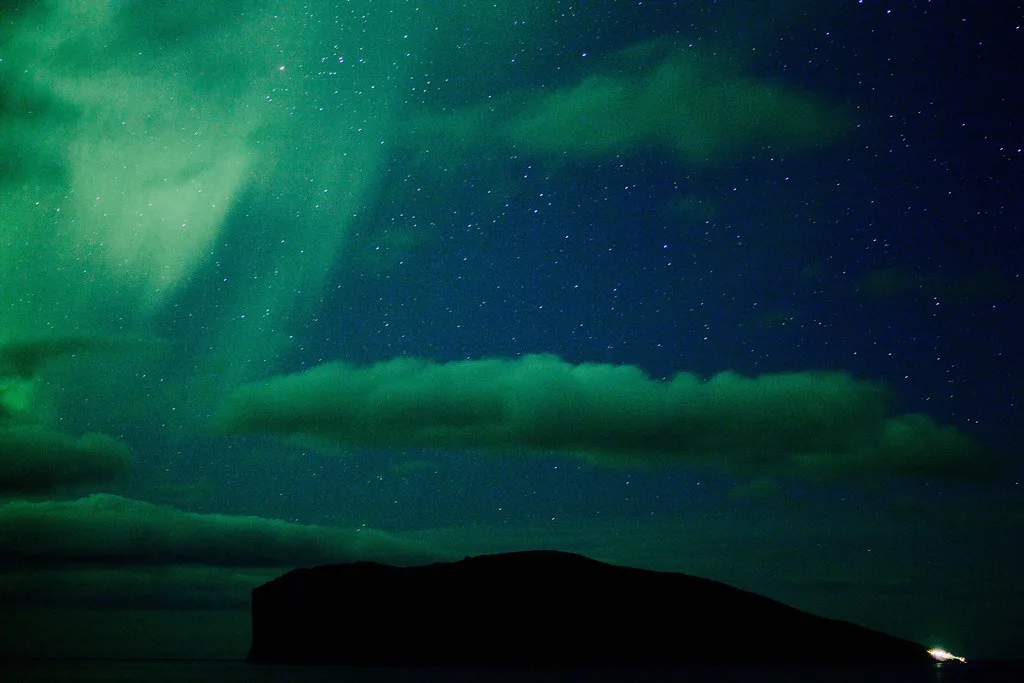
Plan by weather window, not by attraction list. On rough days, stay in Tórshavn on Streymoy for cafés, museums and harbour walks. On clearer days, take sheltered village drives on roads linked by tunnels. Save exposed headlands for calm spells, and read official guidance first at Visit Faroe Islands. Northern lights are possible but depend on clear skies, so treat them as a bonus.
What to Skip or Not Count On
Do not build a trip around Mykines, which relies on boat service. Puffins leave the cliffs after summer, as our puffin guide explains. Island ferries such as the one to Kalsoy can run on reduced timetables, so allow for changes. Avoid tight itineraries, single-day dependencies and summer-style hiking assumptions.
- Mistake: booking back-to-back boat days with no spare day.
- Mistake: underestimating gusts on exposed roads.
- Mistake: relying on one flight day to connect onward.
Where to Stay and Costs
Off-season rooms cost less, but fewer guesthouses stay open, so book early for the places you want. A base in Tórshavn gives the most choice for food and transport. Budget for taxis or a rental car, since buses thin out in winter. Compare current rates directly with properties before you pay.
Sample Winter Plans
Build every plan around one weather-flex day that you leave empty until the forecast settles.
- 2-3 days: Tórshavn base, one village drive, one flex day.
- 4-5 days: Tórshavn plus a Vágar day, two scenic drives, one flex day.
- Always: watch the forecast each morning and swap days freely.
What to Pack for a Faroe Islands Winter Trip
Pack for wet wind and quick plan changes, rather than extreme cold alone. Coastal winter temperatures usually sit around 3°C to 6°C, but a 4°C day can feel much colder on an exposed road or harbour. Use a waterproof outer layer with a hood, then add warm layers underneath. Waterproof footwear with good grip is more useful than fashion boots when rain, sleet or icy patches appear.
Keep spare dry socks and gloves in your day bag. Bring a small waterproof bag for a phone, camera and documents. A portable charger is useful during short December daylight, especially when a delayed ferry or flight changes your plans. For a 4 to 5 day trip, pack enough flexible layers to stay comfortable if one scenic day becomes an indoor day in Tórshavn. Look at the forecast each morning before choosing exposed coastal stops.
Frequently Asked Questions
Does it snow a lot in the Faroe Islands?
Snow falls, but coastal areas often see rain and sleet instead, and snow melts quickly at sea level. Higher roads and hiking routes hold ice longer, so look at the forecast before you drive.
How much time do you need to explore the Faroe Islands?
In winter, 4 to 5 days gives enough room to absorb a cancelled day. A short 2 to 3 day trip works if you stay near Tórshavn and keep plans loose.
Useful notes for your next island trip
Optional updates to our guides.
You might also like
Continue reading
More guides you'll find useful