Faroe Islands Puffins: Where & When to See Them
When and where to see puffins in the Faroe Islands: Mykines vs. easier spots, season timing, how to get there, and responsible viewing tips.
On this page
Last updated November 2026: Faroe Islands puffins are summer visitors, so treat this page as a plan for next season. Mykines is the best-known colony, and the comparison table below lists the easier alternatives. Puffins are present from roughly late April to late August, but they only come ashore in full numbers around mid-June.
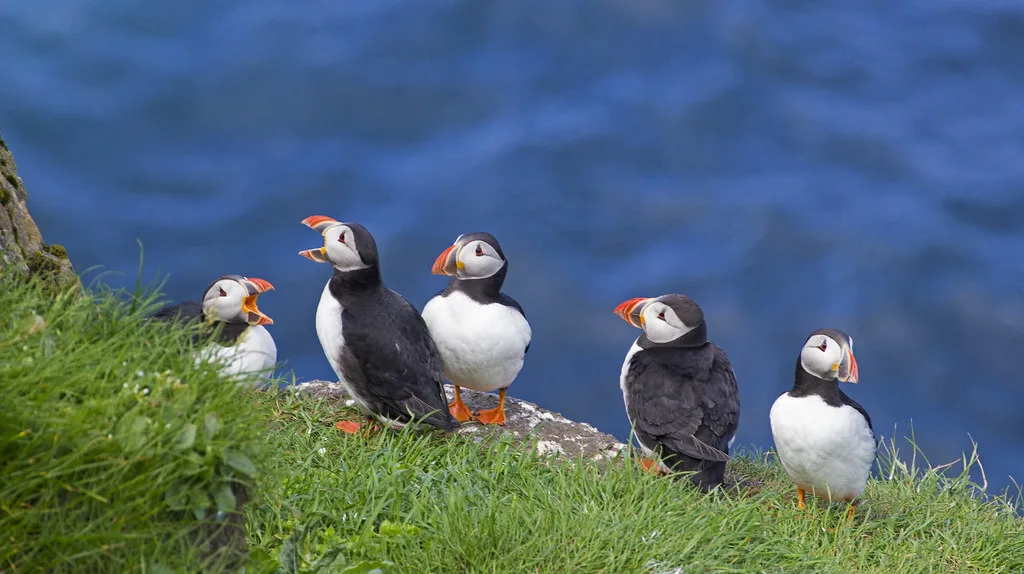
Featured image: Stefan Wisselink, CC BY 2.0, via Flickr.
When to see puffins in the Faroe Islands
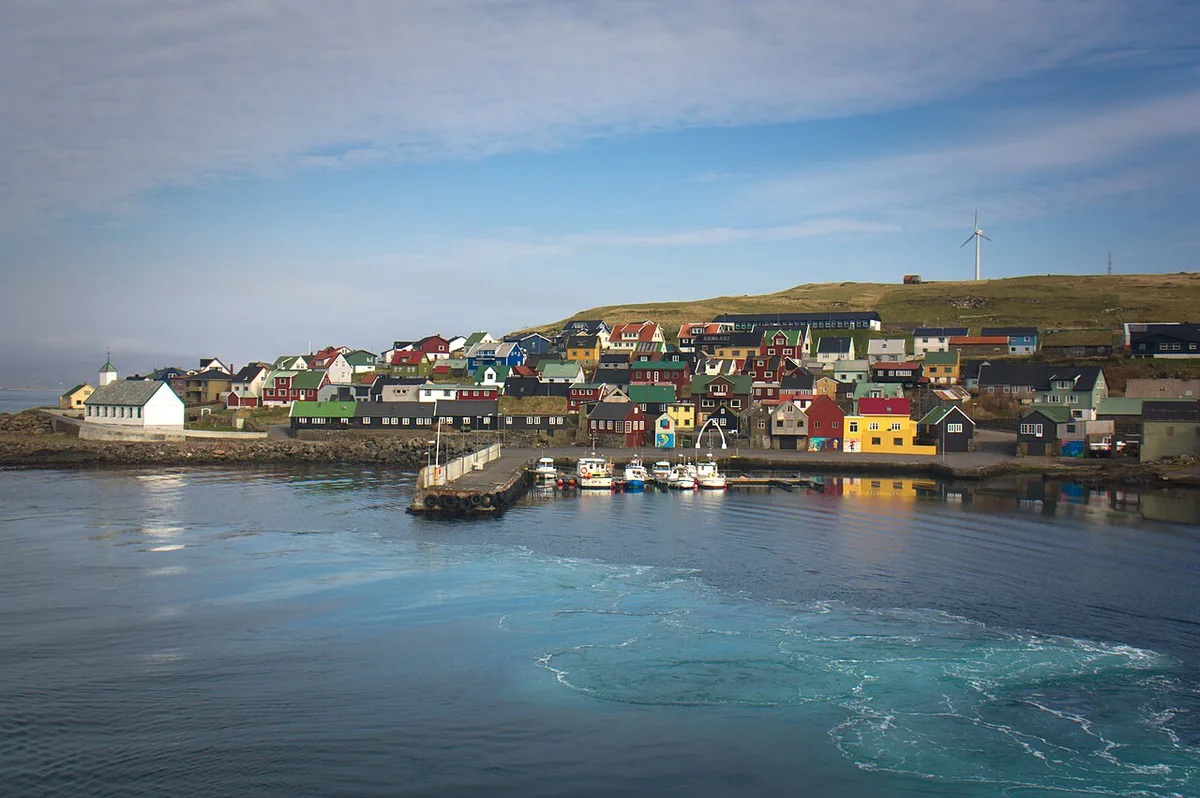
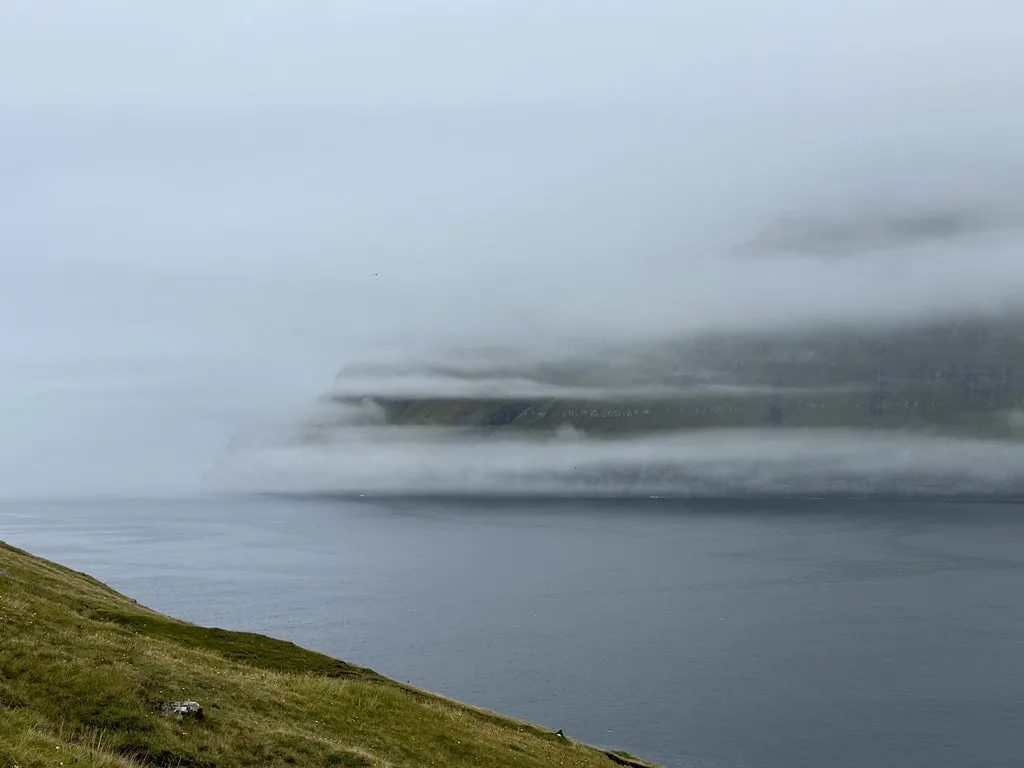
Puffins arrive from roughly late April and head back out to sea in early September, according to Visit Faroe Islands. Local sources differ by a week or two, so treat every date as approximate. "Puffin season" and "puffins on land" are not the same thing. Early arrivals spend their first weeks on the water, where young birds find a lifelong mate. From late April to early June, the best option is to look from the sea. On Mykines, puffins come ashore in full numbers around mid-June to prepare their burrows. Early morning and evening are when they are most active around the burrows. Fog can lift within an hour, so a grey start does not rule out a bright afternoon. Our guide to the best time to visit the Faroe Islands covers the wider seasons. In late November no puffins are on land, so use the winter to book transport and lodging for summer. If you travel before then, Faroe Islands in Winter: What to Expect and What Closes shows what to do instead.
| Period | What you will actually see |
|---|---|
| Late April to early May | First arrivals. Birds spend most of their time on the sea. |
| Mid-May to early June | Still mostly at sea. Look from a boat rather than from clifftops. |
| Mid-June | Puffins come ashore in full numbers on Mykines and prepare burrows. |
| Late June to July | Birds around the burrows. Pufflings hatch underground in July. |
| August | Pufflings usually leave the burrow in mid-August. Many adults are gone by the end of the month. |
| Early September | Birds are back at sea for the winter. |
Best places to see Faroe Islands puffins
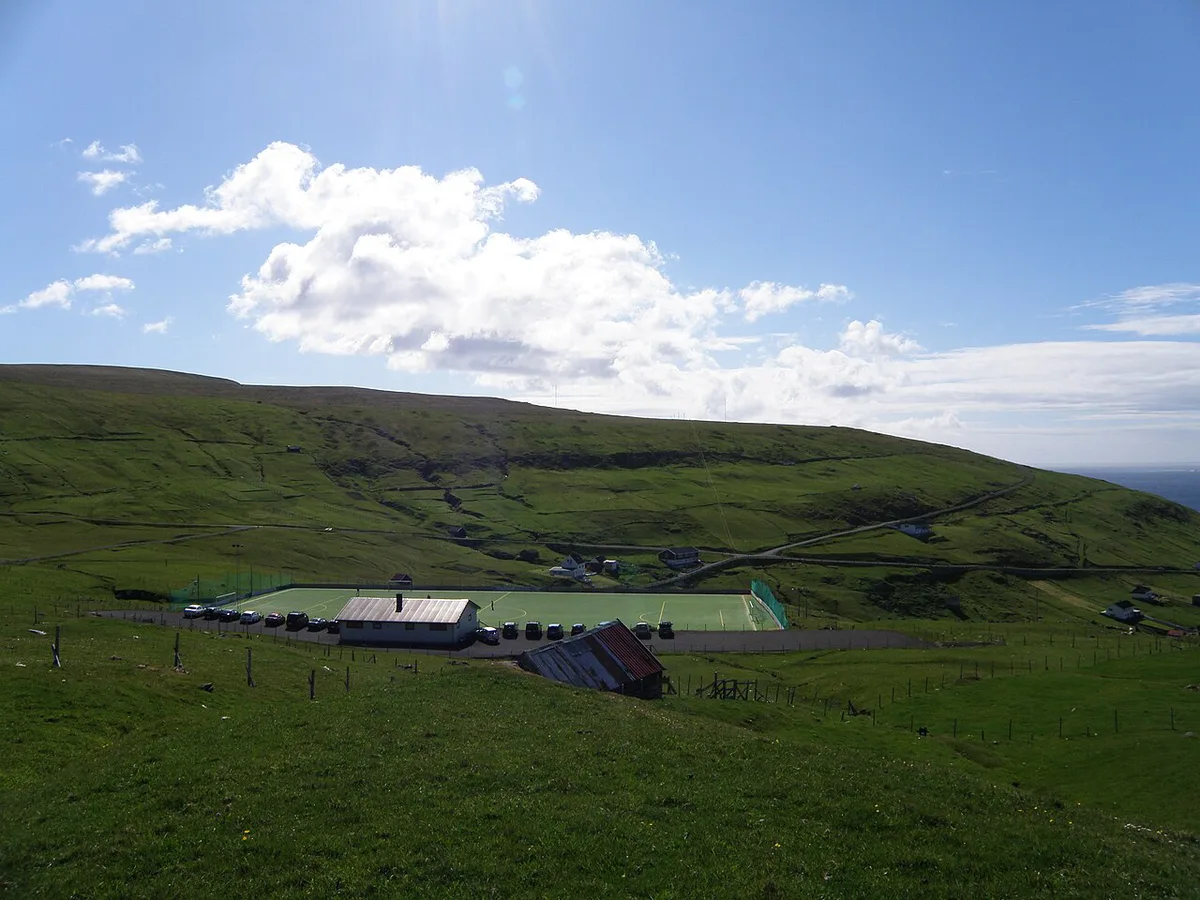
Mykines is the westernmost island and is reached only by boat or helicopter. Its southern coast is one of the few places where you can get this close to puffins. Visit Faroe Islands lists several other colonies across the 18 islands. Each one trades access against sighting quality. Anything not confirmed in published sources is marked "check locally" in the table.
| Spot | Access | Effort | Sighting reliability | Best time of day | Best fit |
|---|---|---|---|---|---|
| Mykines | Helicopter or boat, then on foot | Hiking on muddy paths | Highest of the listed spots from mid-June | Early morning or evening | First-timers, photographers |
| Vestmanna bird cliffs | Boat tour | Low | Check locally | Check locally | Non-hikers, families |
| Nólsoy | Island just off Tórshavn | Check locally | Check locally | Evening | Short stays near Tórshavn |
| Fugloy | Island trip, check locally | Check locally | Check locally | Early or late | Travelers with spare days |
| Suðuroy (Beinisvørð) | Island trip, check locally | Check locally | Check locally | Check locally | Travelers already touring Suðuroy |
| Skúvoy | Island trip, check locally | Check locally | Check locally | Check locally | Bird-focused travelers |
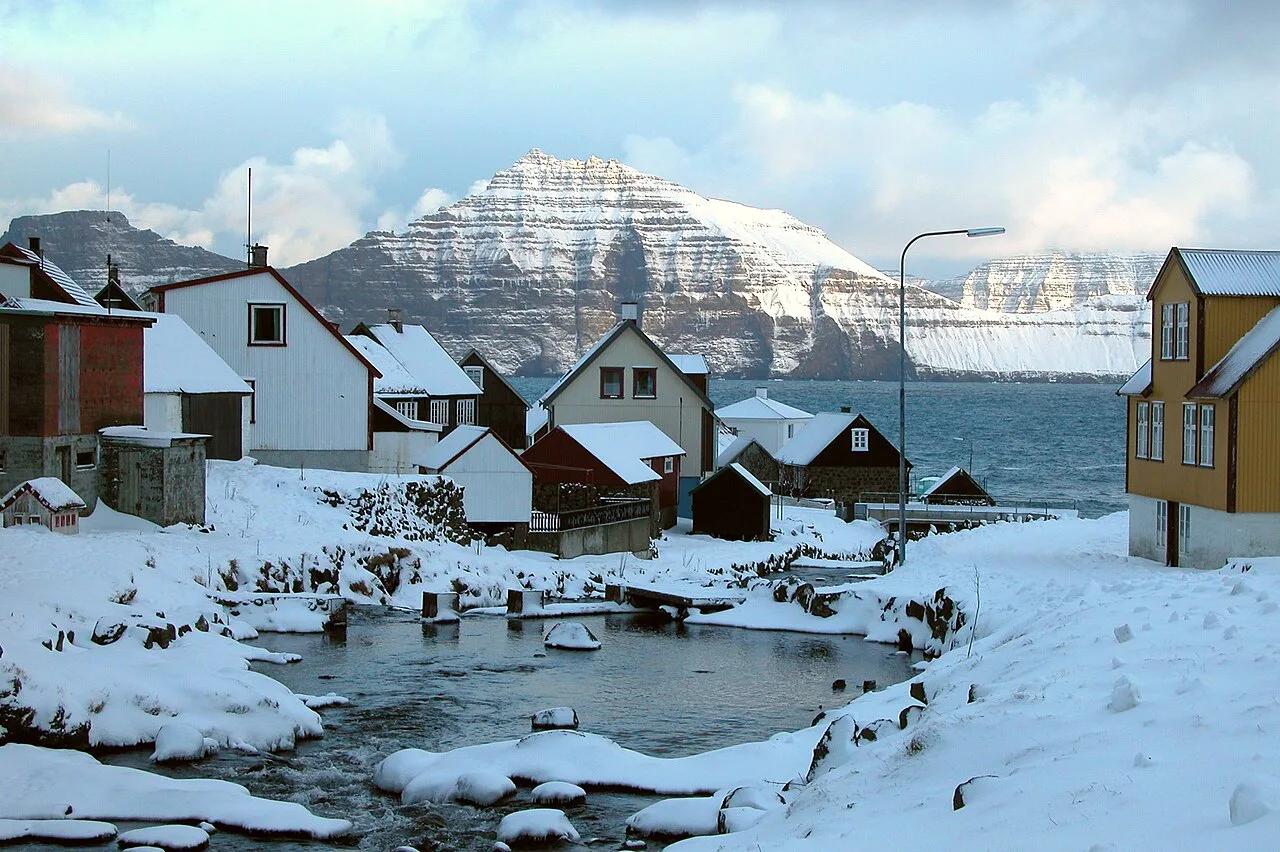
| Gjógv trail | Marked trail from the village | Check locally | Opportunistic, not a known colony | Check locally | Hikers who want a bonus sighting |
- Mykines: the first choice for most visitors. See the Mykines island guide for the wider island picture.
- Vestmanna bird cliffs: towering cliffs of about 700 m (roughly 2,300 ft), best seen from a boat that sails beneath the seabird colonies.
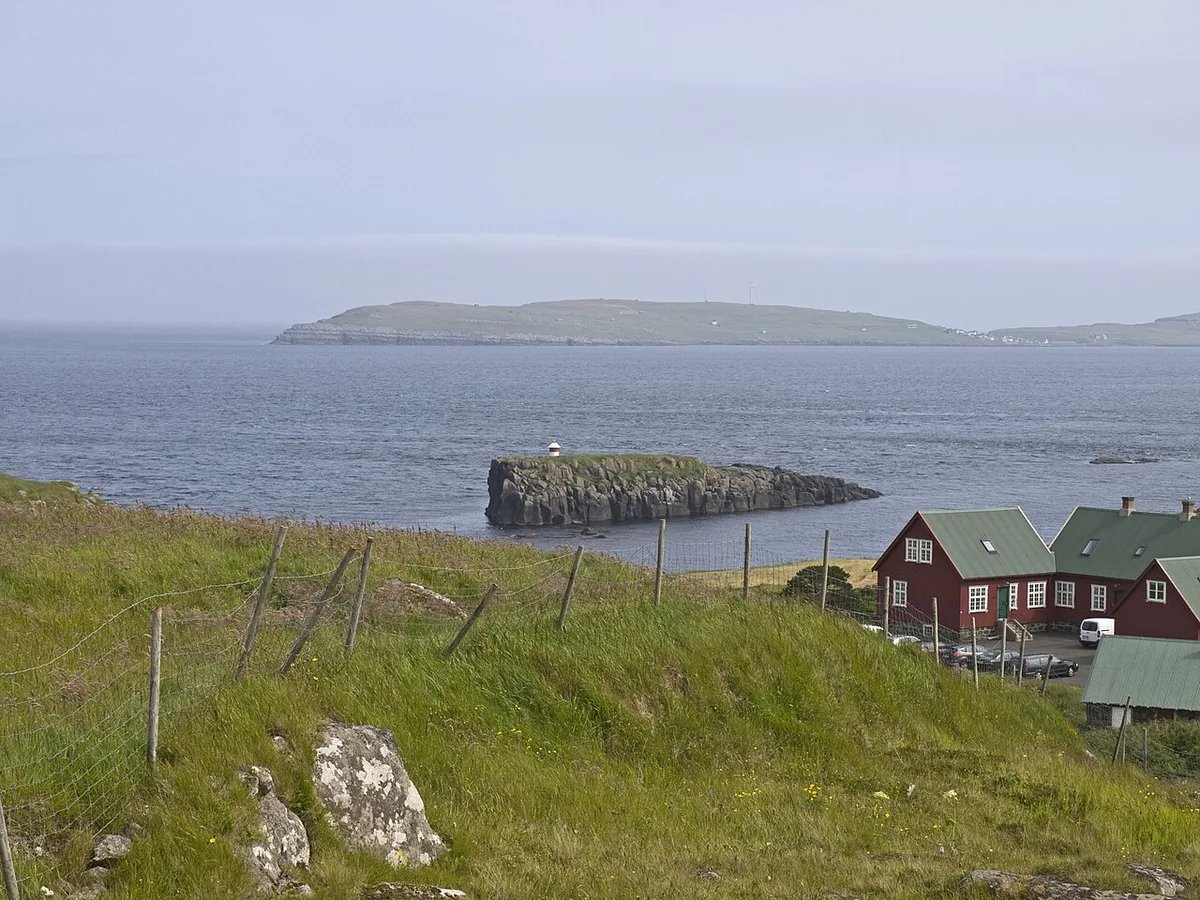
- Nólsoy: puffins on its quieter northern cliffs, often best in the evening.
- Fugloy: named Bird Island, with puffins nesting on steep sea cliffs. Visit early or late in the day.
- Suðuroy: the western cliffs around Beinisvørð give suitable breeding habitat for puffins and other cliff nesters.
- Skúvoy: a historic island with several seabird colonies, puffins among them.
Mykines puffin day: helicopter or ferry
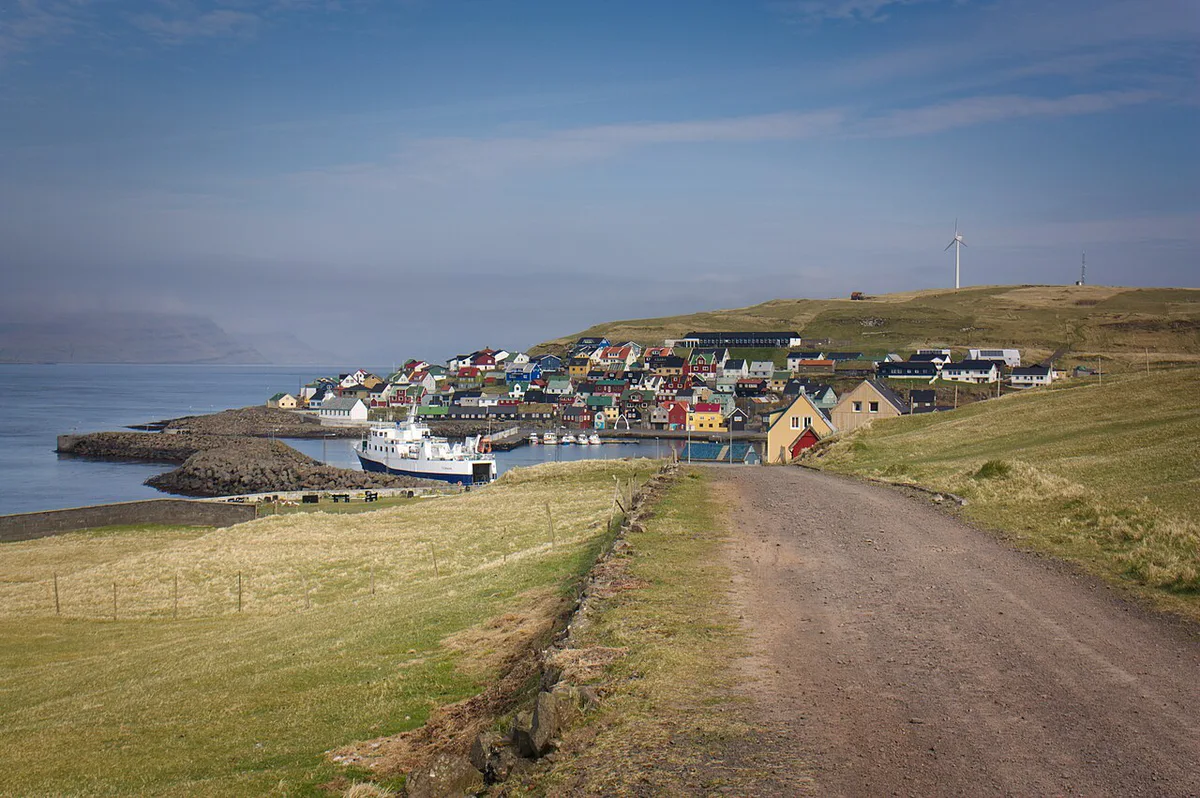
Most travelers base themselves on Vágar, where the airport sits. The Mykines boat leaves from Sørvágur, close to the airport. Local advice says the boat is the more dependable choice because helicopter seats are fewer and fill quickly. Reported summer sailings are limited to one boat a day, so a same-day return leaves a fixed window ashore. Our Vágar guide covers the airport and Sørvágur area. Public ferries elsewhere in the islands are covered in our Faroe Islands ferry guide. Both Mykines routes can be cancelled by wind or fog. Book transport as soon as summer timetables appear, and check each operator's current timetable and booking rules. An overnight stay buys more hiking time and a weather buffer, but beds on the island are very limited. Never plan a tight flight connection for the same evening. If transport is cancelled, switch to Vestmanna or Nólsoy rather than waiting on the pier.
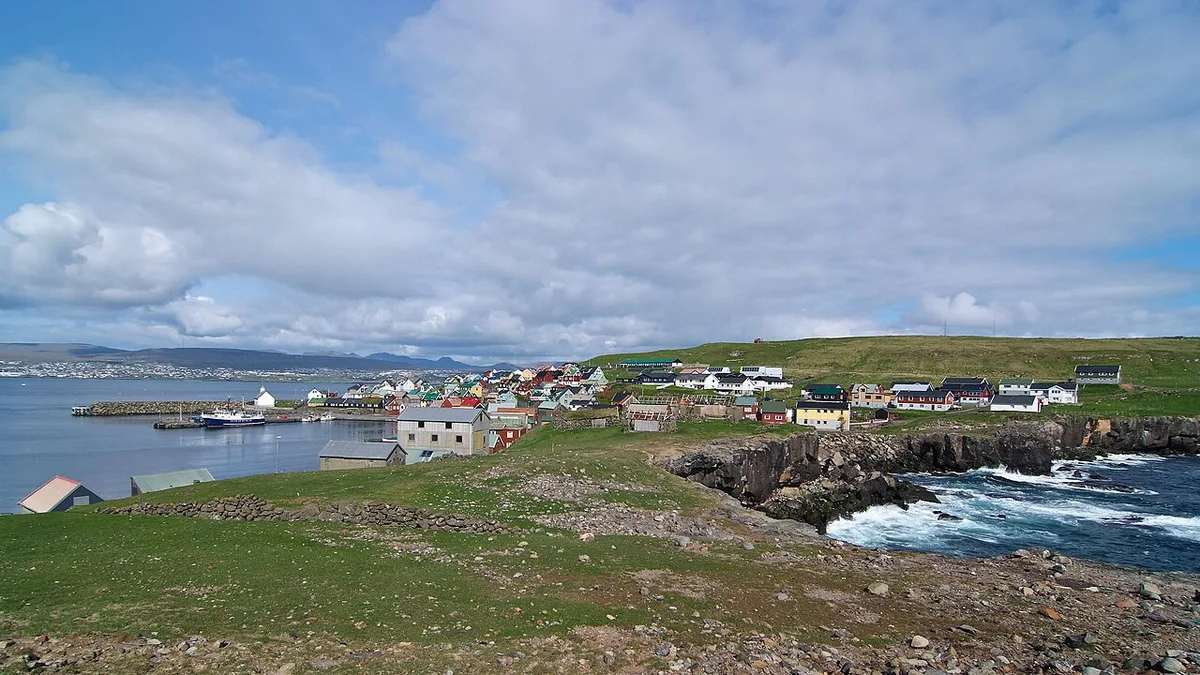
- Waterproof jacket and trousers, since fog and rain arrive without warning.
- Grippy hiking boots for muddy, slippery paths.
- Hiking poles for uneven ground and steep sections.
- Binoculars with 7 to 10 times magnification, as Visit Faroe Islands recommends.
- Warm layers, food and water for a long day with no shop stops.
Boat tours and guided options
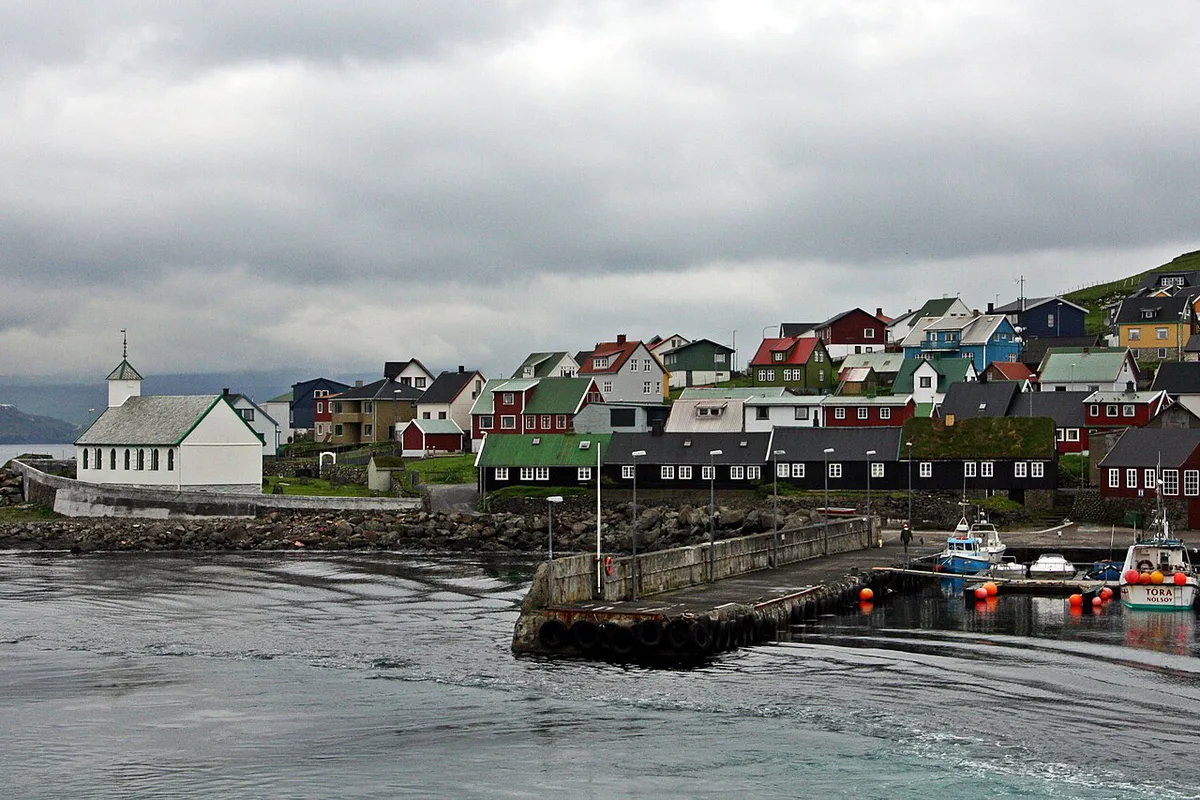
Boats solve two problems. They work in early season, when puffins are still on the water. They also suit travelers who cannot manage the Mykines trails. Vestmanna is the classic choice, with boats passing beneath cliffs of about 700 m. Operator names, prices and sailing times change each year, so use the current listings on Visit Faroe Islands. Private guides are also listed for Mykines. A guide is worth it if you want help with weather calls, trail choices or identifying other species. Skip a guide if you only want a few hours on the south coast.
Easier alternatives without Mykines
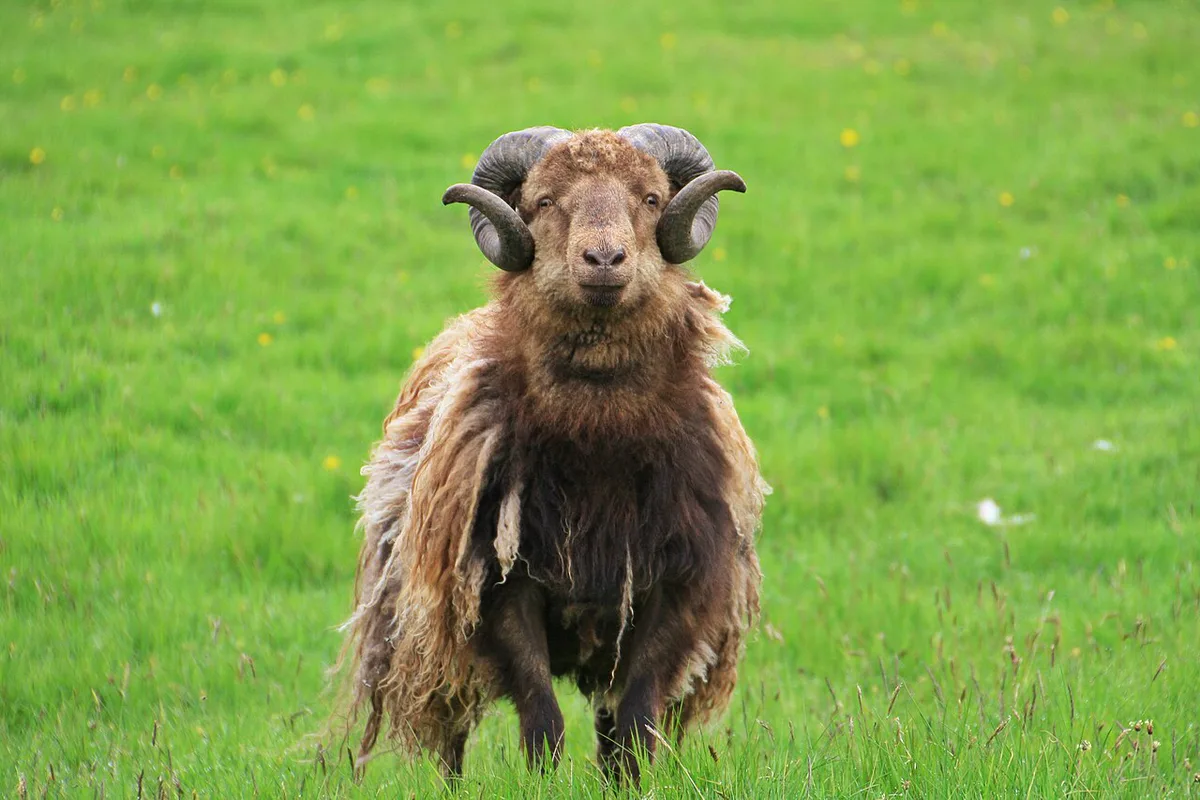
Nólsoy sits just off Tórshavn and has puffins on its quieter northern cliffs. Evenings are usually best there. It works for a short stay when Mykines transport is cancelled. Vestmanna is on Streymoy, so see our Streymoy guide for the base towns. Road links between the islands, including undersea tunnels, are explained in our Faroe Islands tunnels guide. Gjógv is not known as a puffin colony. Its marked trail still gives chances to see puffins and other seabirds along the cliffs in summer. Treat it as a bonus, not a plan.
When Mykines transport is cancelled, Vestmanna's cliffs rise about 700 m (roughly 2,300 ft) and you see them from a boat.
Watching puffins responsibly
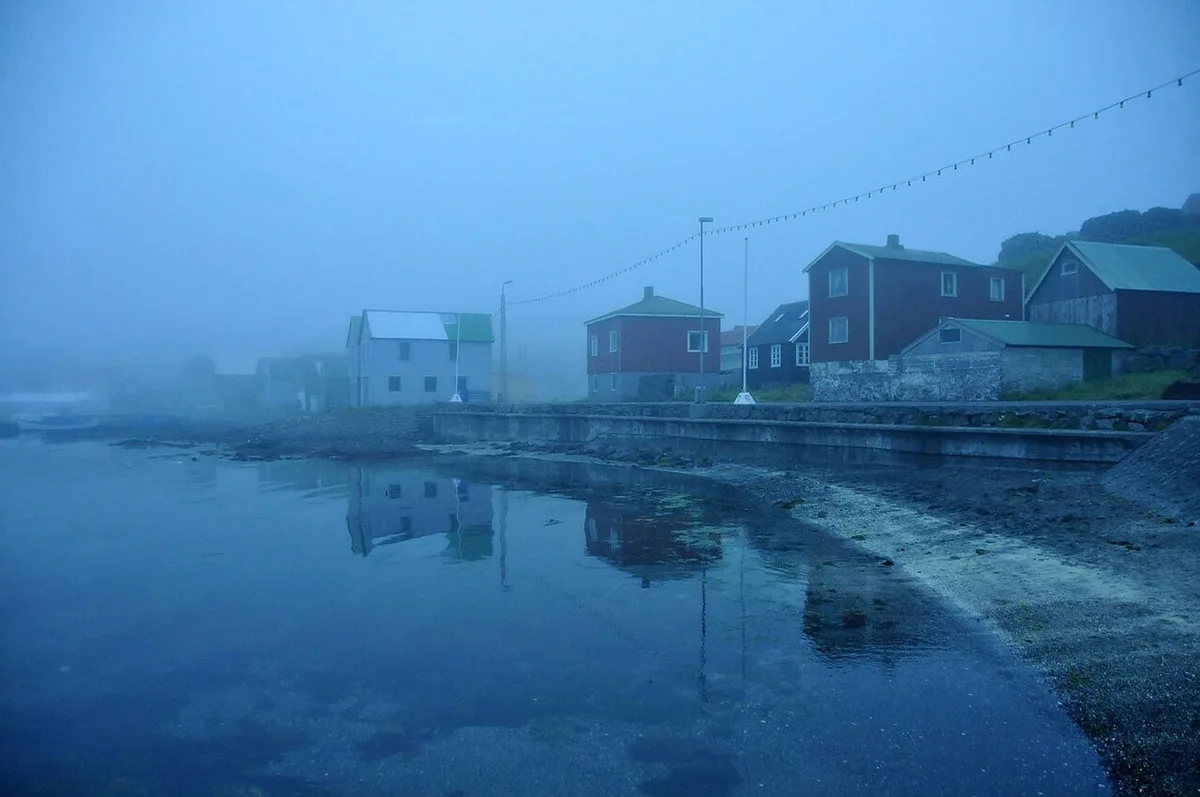
Puffins nest in burrows more than a meter (about 3 ft) deep, often right beside the path. That makes it easy to disturb them without noticing. Stopping on the path keeps adults away from their pufflings, and this can lead to the chicks starving. Pufflings hatch in July and usually leave the burrow in mid-August. Their poor flying means not all of them reach the sea. The official birdwatching guidance also points visitors to the free Birds of the Faroe Islands booklet and the eBird app.
- Stay on marked paths and look down to avoid nests.
- Do not stop or linger on the path beside burrows.
- Never flash a camera into a burrow.
- Never fly a drone near nesting birds.
- If birds hover or give warning calls, you are too close, so move away.
- Leave lone chicks where they are. Never pick up eggs or chicks, and leave the area so the parents can return.
Mistakes to avoid on a puffin trip
Most disappointments come from timing and transport, not from the birds.
Burrows run more than a meter (about 3 ft) deep, so a photo stop on the path can sit right over an active nest.
- Going in early season and expecting cliff crowds. Puffins are mostly at sea until around mid-June.
- Booking a tight same-day connection on Mykines day.
- Skipping waterproofs and grippy footwear.
- Standing on the path to photograph burrows.
- Flying a drone or using flash near nests.
- Treating a forecast as a promise. Fog and wind change quickly, so keep a spare day.
Other birds you will see
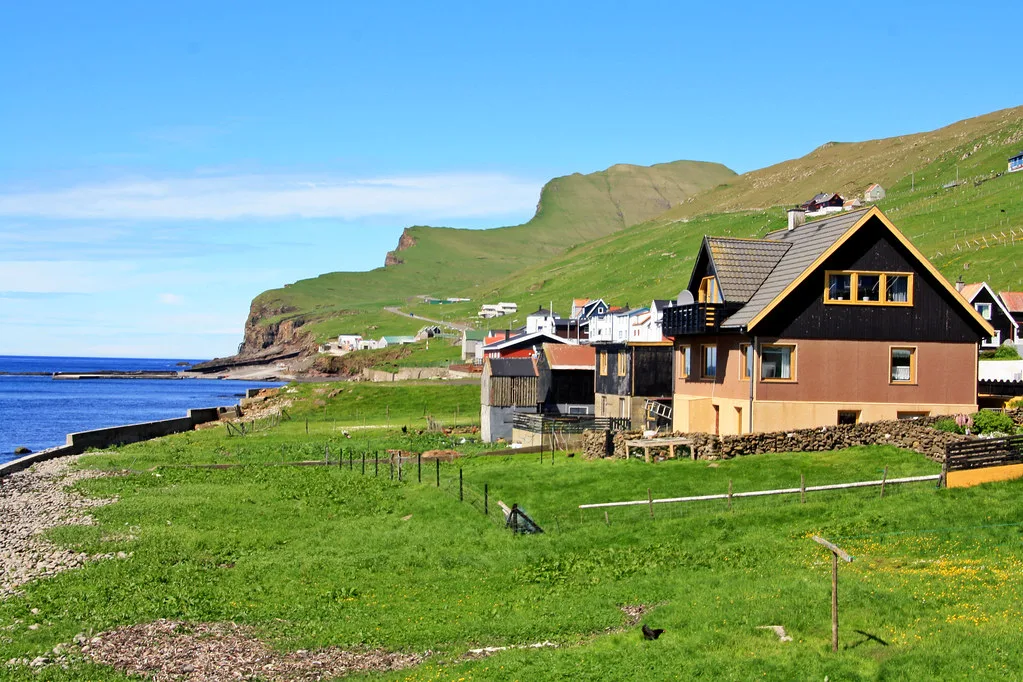
Around 50 species nest in the Faroe Islands regularly. Three areas are protected as Ramsar sites: Mykines, Skúvoy and Nólsoy. Cliff colonies hold several species besides puffins. Heaths and moorland add their own birdsong. Great skuas can be aggressive if you get too close to a nest.
- Cliffs: kittiwakes, gannets, fulmars, guillemots and razorbills.
- Moorland: oystercatcher (the national bird), whimbrel, snipe and golden plover.
- Great skua: nests on heathland, so keep your distance.
Planning a puffin trip around your itinerary
Puffins deserve a place on even a short Faroese itinerary if you travel between mid-June and August. Plan one full day for Mykines plus a spare day for weather. Our guide to getting to the Faroe Islands explains the routes in. Compare options in our flights to the Faroe Islands guide. Use Faroe Islands Weather: What to Expect and Plan to set expectations, and the Faroese Meteorological Office for current forecasts. For orientation across the whole archipelago, start with our Faroe Islands guide.
Frequently Asked Questions
Does the Faroe Islands have puffins?
Yes. Atlantic puffins nest in burrows on grassy sea cliffs across the islands each summer. Visit Faroe Islands describes hundreds of thousands returning from the open ocean.
Where is the best place in the world to see puffins?
Sources do not rank the world, so no single answer is safe. Within the Faroe Islands, Mykines is the best-known spot. Its southern coast lets you get unusually close to puffins from mid-June.
Useful notes for your next island trip
Optional updates to our guides.
You might also like
Continue reading
More guides you'll find useful