Best Time to Visit the Faroe Islands: Month-by-Month Guide
When to visit the Faroe Islands: compare weather, daylight, puffins and ferry reliability by month, plus who should go in summer, shoulder season or winter.
On this page
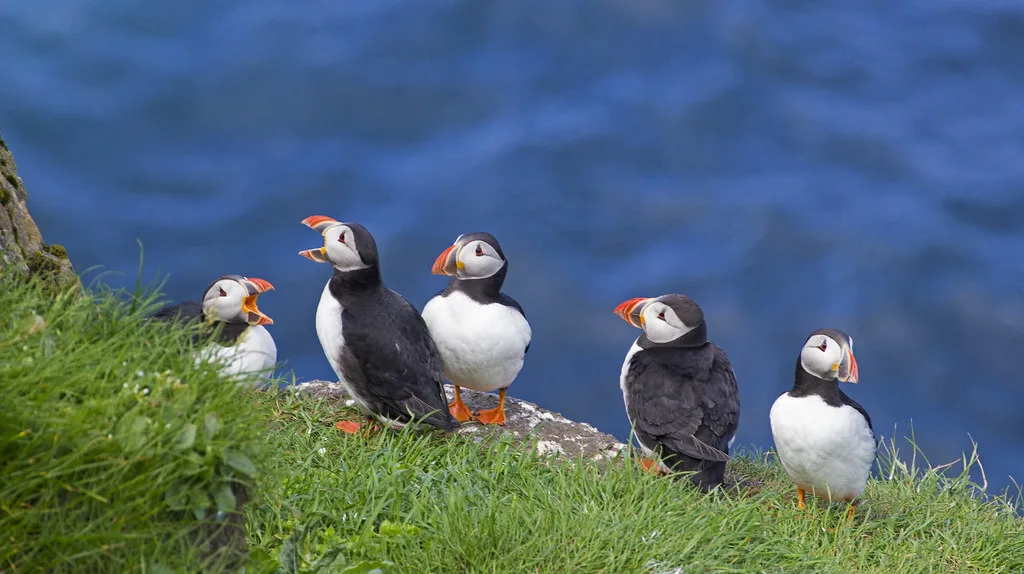
Last updated November 2026. The best time to visit Faroe Islands is late May to early September, when long daylight and puffin season line up. Summer gives you the best chance of a dry window, while spring, autumn and winter trade that for fewer visitors, tighter services and more weather disruption. Hikers and puffin watchers should aim for June and July, and budget travellers and photographers do better in the shoulder months.
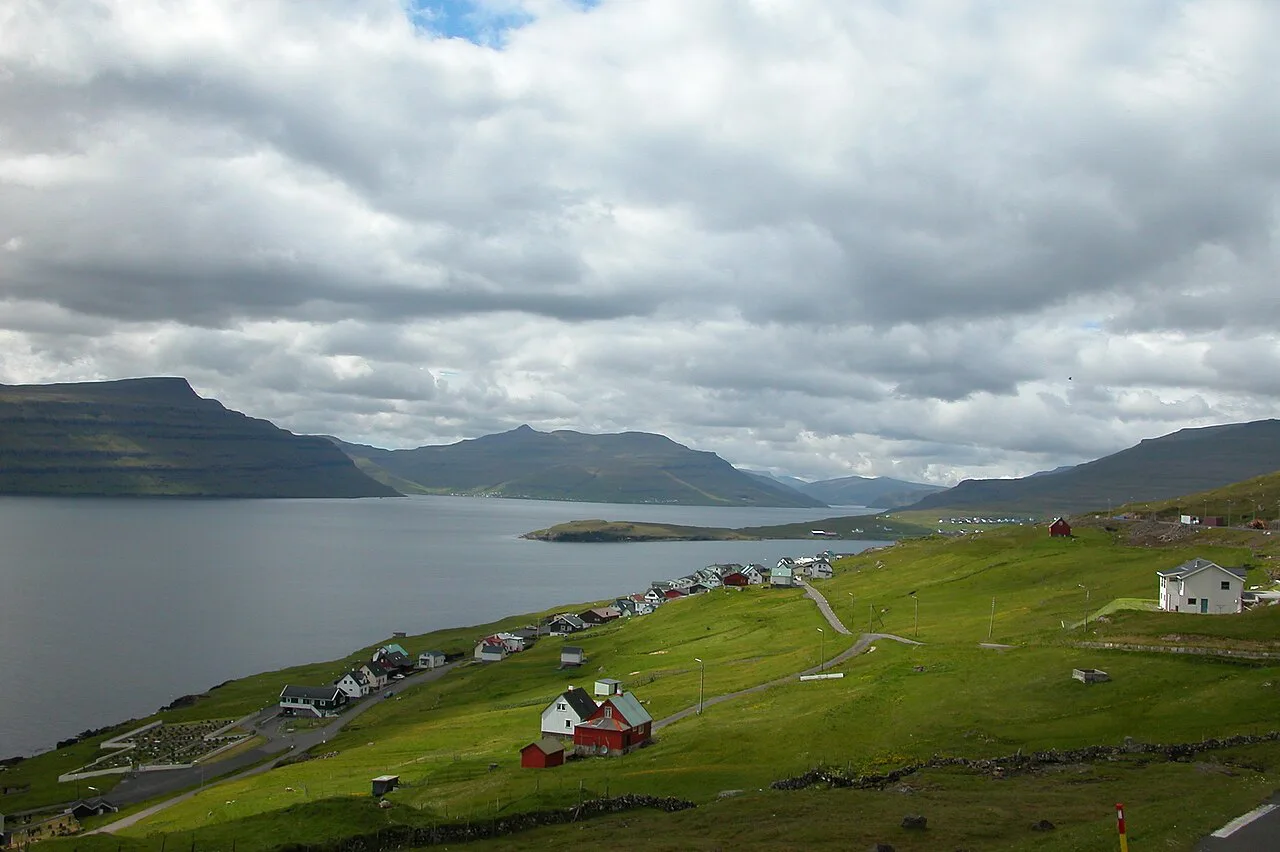
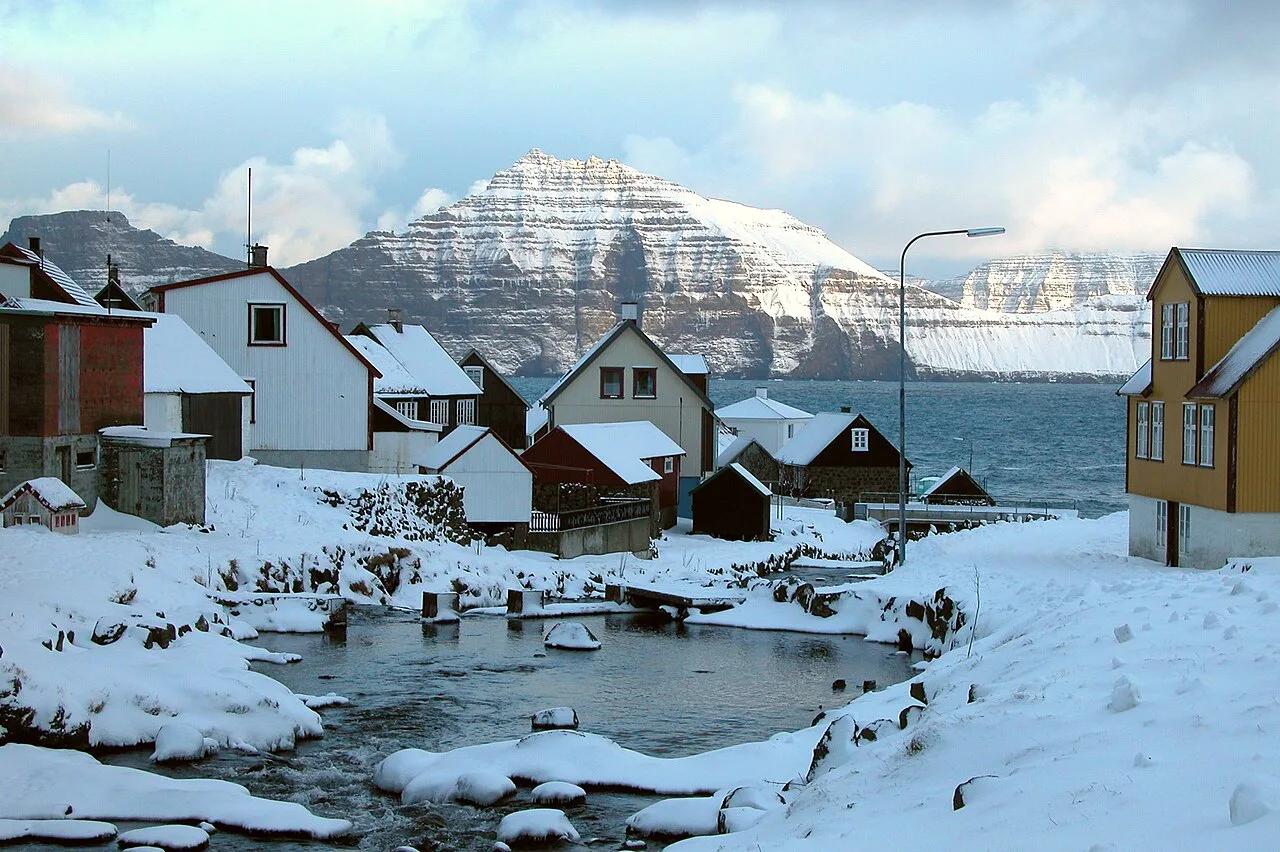
Featured image: Vincent van Zeijst, CC BY-SA 3.0, via Wikimedia Commons.
Best Time to Visit the Faroe Islands: The Short Answer
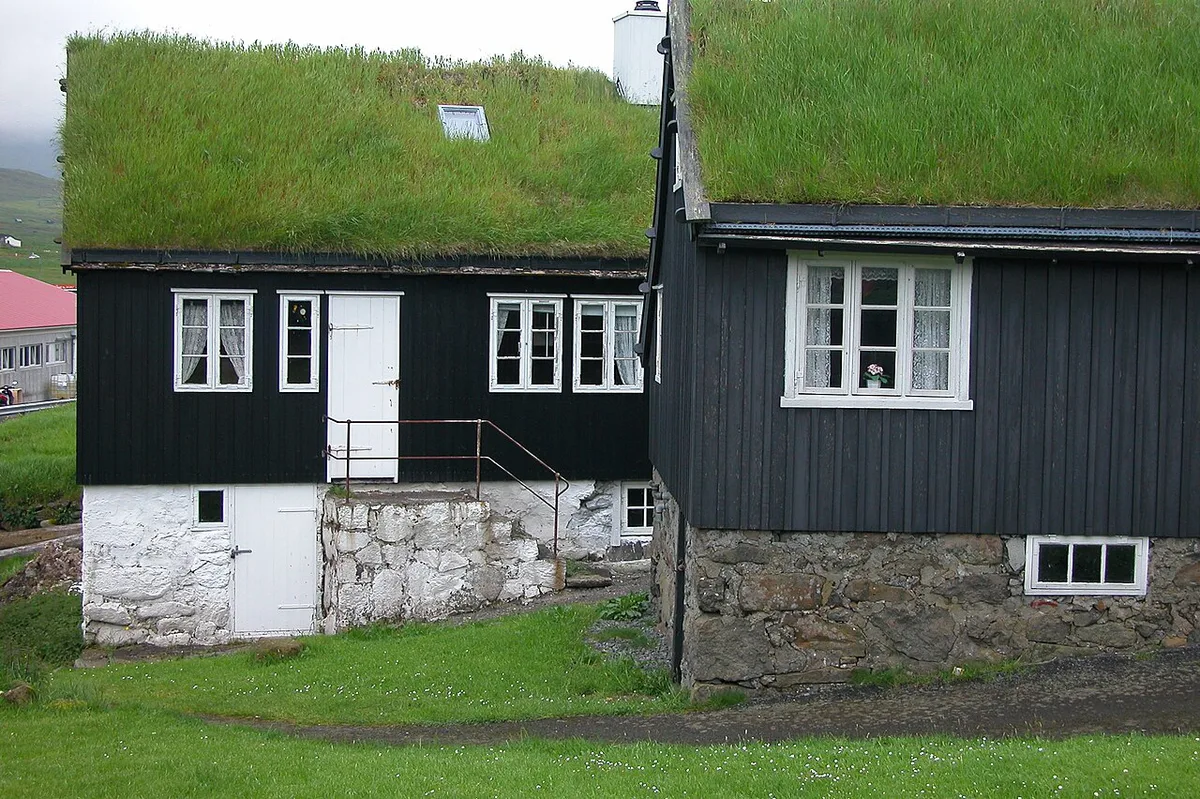
Pick late May to early September if you want the easiest trip. Highs reach about 13°C (55°F) in July and August, and daylight stretches far into the evening at roughly 62°N. Do not plan around "warm and sunny", because no Faroese month delivers that. Plan around a dry window instead, and expect sun and showers to swap places within a single day. Our editorial verdict follows in the table. The wider archipelago is covered in our Faroe Islands guide.
| Season | Months | Typical highs | Best for |
|---|---|---|---|
| Peak | June to August | About 11–13°C (52–55°F) | Puffins, long days, hiking, full services |
| Shoulder | April to May, September to October | About 7–12°C (45–54°F) | Fewer crowds, easier lodging, moody light |
| Winter | November to March | About 6–8°C (43–46°F) | Quiet roads, aurora chances, storm watching |
- Quick facts: flights from the UK take about 5 hours.
- Quick facts: the time difference with the UK is 0 hours.
- Quick facts: the currency is the Danish krone, with the Faroese króna issued at par.
- Quick facts: plugs are types C, E, F and K at 230V, and you drive on the right.
Faroe Islands Weather by Month
Tórshavn temperatures stay narrow all year. Winter highs sit near 6°C (43°F), and July and August top out near 13°C (55°F). Sea water peaks at about 10–11°C (50–52°F), so treat swimming as a non-factor. April is the sunniest month by share of daylight, with about 4 hours of bright sun a day. Summer still has more total daylight hours, so "sunniest" does not mean brightest. Rainfall figures vary by source, so check normals with the Faroese Meteorological Office. Our Faroe Islands weather guide goes deeper on each month. Figures below are approximate.
| Month | Low | High | Sea |
|---|---|---|---|
| January | 2°C (36°F) | 6°C (43°F) | 8°C (46°F) |
| April | 3°C (37°F) | 7°C (45°F) | 8°C (46°F) |
| July | 9°C (48°F) | 13°C (55°F) | 11°C (52°F) |
| August | 10°C (50°F) | 13°C (55°F) | 11°C (52°F) |
| October | 6°C (43°F) | 10°C (50°F) | 10°C (50°F) |
| December | 2°C (36°F) | 7°C (45°F) | 8°C (46°F) |
Summer (June to August): Pros, Cons, Who It Suits
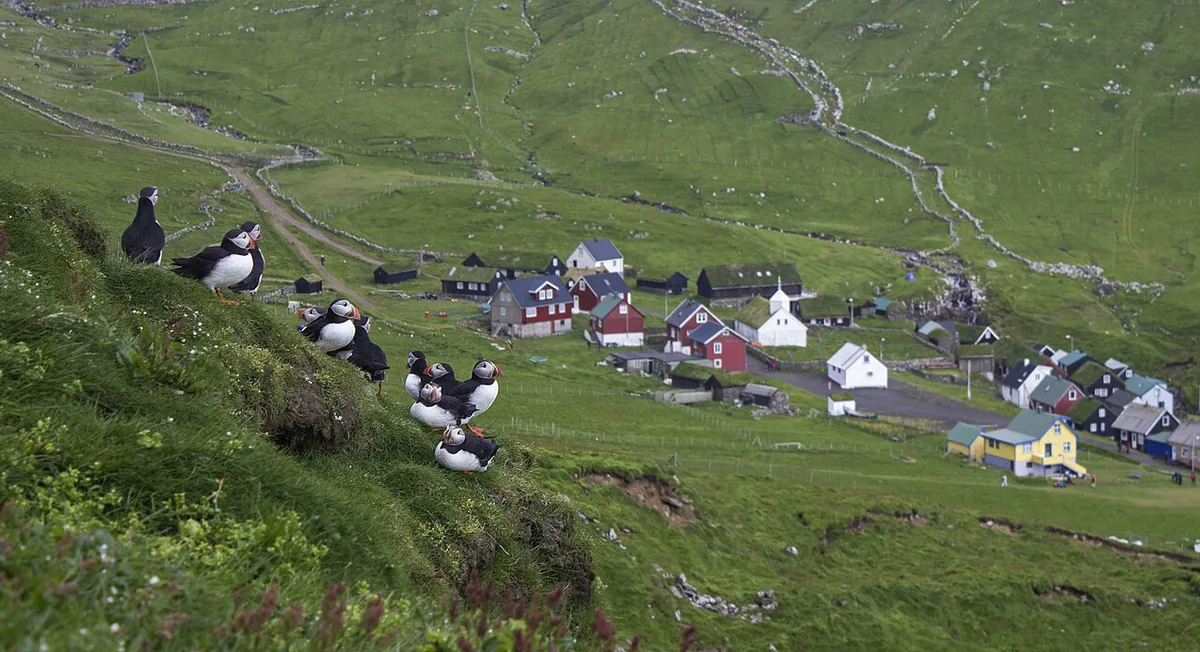
Summer is the safest pick for a first visit. Evenings stay light, hiking routes are in their best condition, and seasonal services run at full strength. Puffins are present in summer, and the official tourism board lists current guidance. Island hopping works best now, for example on Kalsoy. The cons are demand and unpredictability. Flights, rental cars and guesthouses fill first, and cloud can still close a viewpoint for hours. Summer suits first-timers, hikers and anyone with a fixed holiday window.
Shoulder Seasons: April–May and September–October
Spring and autumn reward flexible travellers. April brings highs near 7°C (45°F) and the best share of sunshine, but daylight is shorter than in June. May reaches about 9°C (48°F) and is a strong compromise before peak crowds. September holds about 12°C (54°F), while October drops to about 10°C (50°F). October also has the heaviest rain in one weather dataset, so build in slack. Some guesthouses, restaurants and ferry runs reduce service outside summer. Photographers and budget travellers usually do best here.
Winter (November to March): Daylight, Aurora and What Stays Open
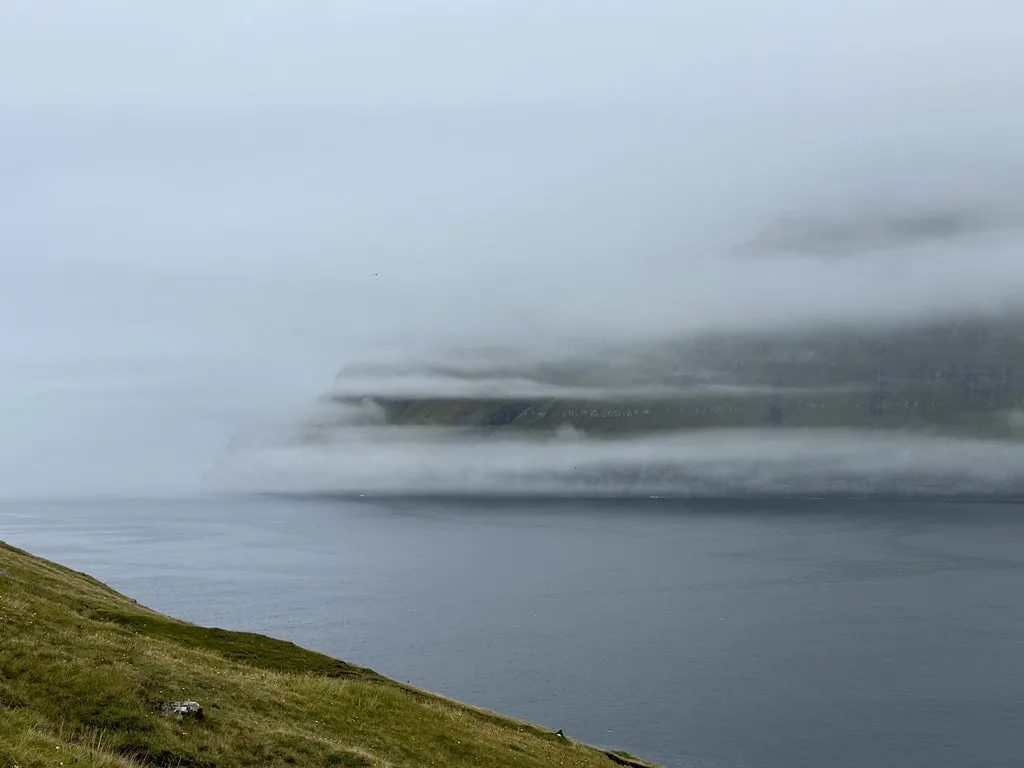
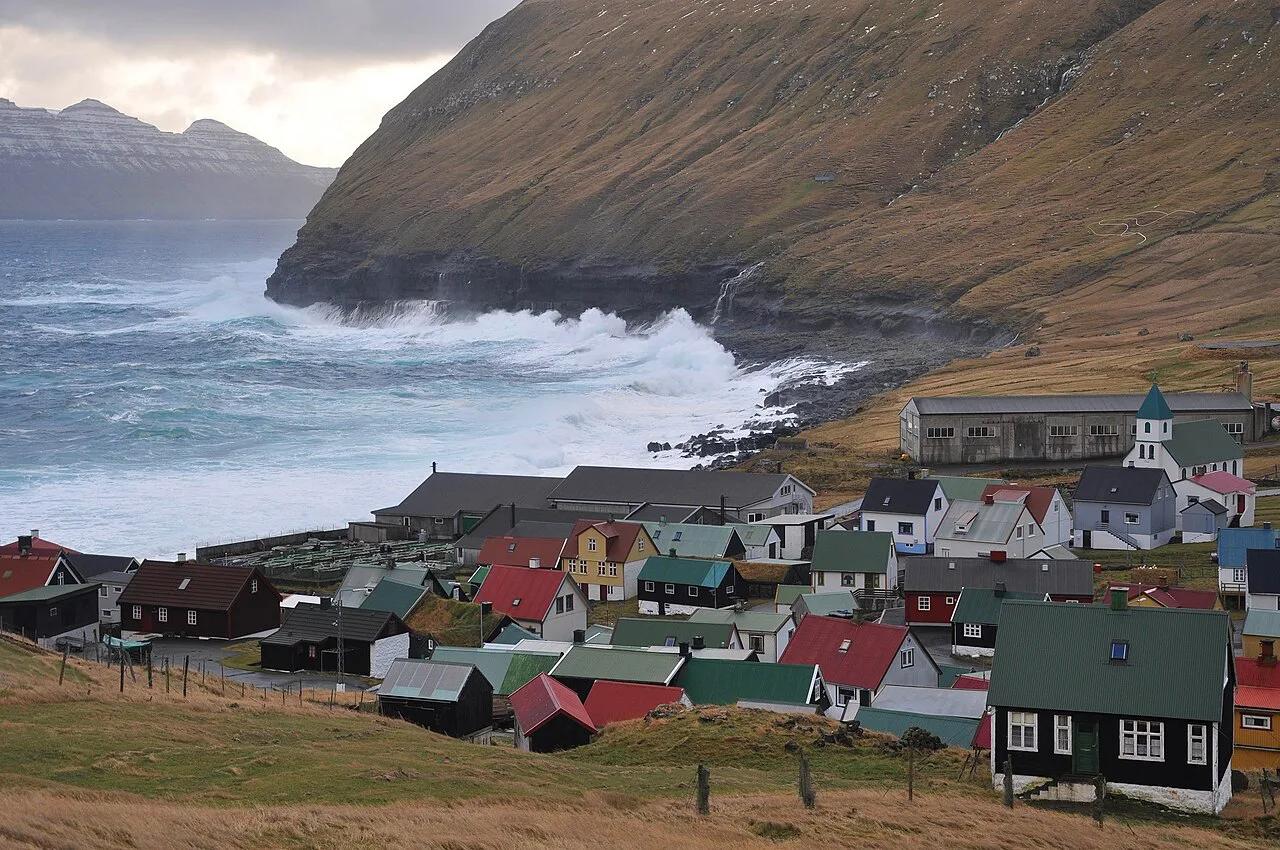
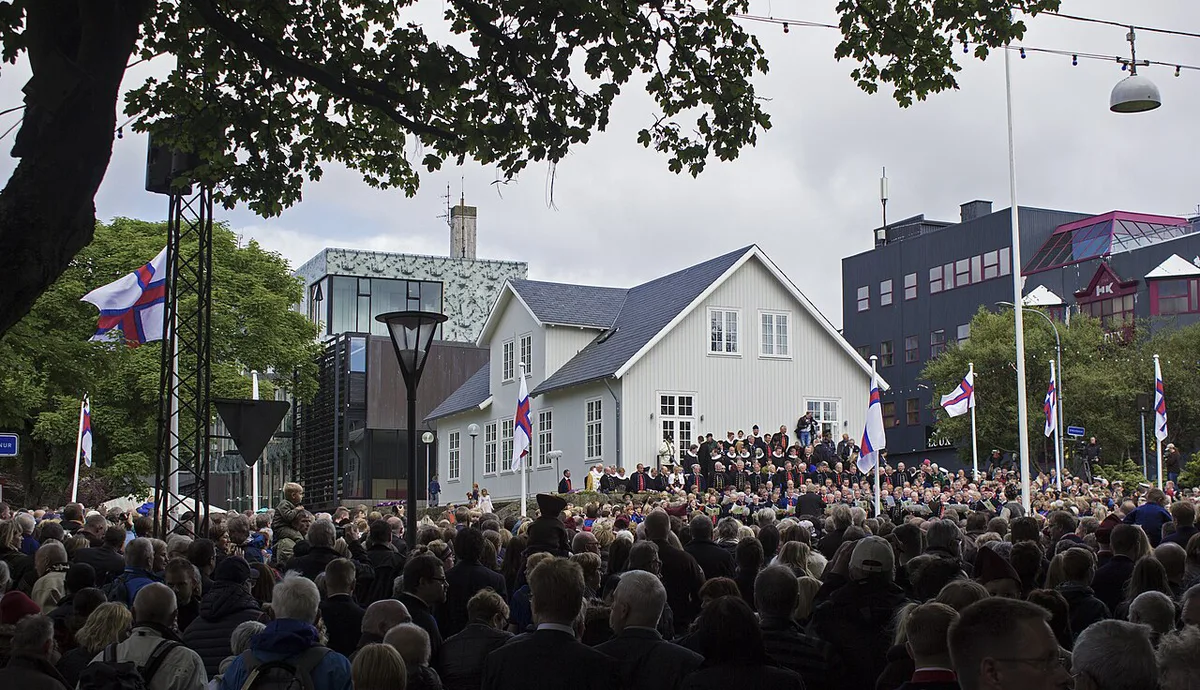
Winter means short days, steady wind and frequent rain, with highs of about 6–7°C (43–45°F) and lows near 2°C (36°F). Roads stay usable, and the undersea links keep working in most conditions. Northern lights are possible on clear, dark nights, but cloud is common and they are never guaranteed. Expect fewer open attractions and weather-driven flight changes. Our winter guide covers what to pack and where to base yourself. Winter suits aurora hunters, photographers who like storm light, and travellers who want empty roads.
What to Do by Season
Daylight is the real seasonal variable, because high latitude stretches summer evenings and shrinks winter days. Match your plans to that, not just to temperature. Ratings below are editorial judgement, not measured data. For puffins, read our puffin guide. For the island itself, see Mykines.
| Activity | Dec–Feb | Mar–Apr | May–Jun | Jul–Aug | Sep–Oct |
|---|---|---|---|---|---|
| Mykines puffin visits | Not advised | Not advised | Good | Good | Limited |
| Village-to-village hiking | Limited | Limited | Good | Good | Good |
| Kalsoy | Limited | Limited | Good | Good | Good |
| Ferry network and tunnels | Good, reduced | Good | Good | Good | Good |
| Northern lights photography | Good | Good | Limited | Not advised | Good |
| Quiet roads and low crowds | Good | Good | Good | Limited | Good |
Getting Around by Season
Timetables change between seasons, so check Atlantic Airways and Strandfaraskip Landsins before booking. Start with Atlantic Airways for flights and Strandfaraskip Landsins for ferries and buses. Wind and low cloud can delay arrivals on Vágar, the airport island. Our flights guide and route guide cover booking. Mykines depends on boat or helicopter conditions, so never lock it into a single day. Use the ferry guide and the tunnel guide to plan. Many visitors base themselves on Streymoy, near Tórshavn.
Costs and Crowds: How to Book Around Peak Demand
June to August brings the most demand for flights, rental cars and guesthouses. Shoulder and winter lodging is easier to find and often cheaper. As a budgeting illustration, not a quoted rate, a guesthouse night might run 900 kr in March against 1,500 kr in July. Prices and hours checked November 2026, so look up current rates before you commit. For a July trip, book flights, cars and lodging early. Offseason, you can usually book later, but confirm that your chosen guesthouse and restaurants are open.
Common Mistakes and a Packing Note
Most weather disappointments come from planning errors rather than bad luck. Pack layers, a waterproof shell and windproof trousers in every season. Sun and showers can alternate within a day, so dress for both.
- Planning around "sunny and warm" instead of a dry window.
- Booking Mykines as one fixed day, so one cancellation ruins it.
- Leaving no flexible buffer day in your schedule.
- Booking cars and lodging last minute in July.
- Under-packing layers for 7–13°C (45–55°F) days.
Who Should Go When
Use this short picker to choose a month.
- First-timer wanting hiking and puffins: June, for long days and full services.
- Photographer after moody light: late September or October, for dramatic skies.
- Budget traveller: May or September, for easier lodging.
- Winter aurora seeker: February, for dark nights and fewer visitors.
- One-weekend visitor: June, for the best odds of seeing something in a short stay.
Useful notes for your next island trip
Optional updates to our guides.
You might also like
Continue reading
More guides you'll find useful