
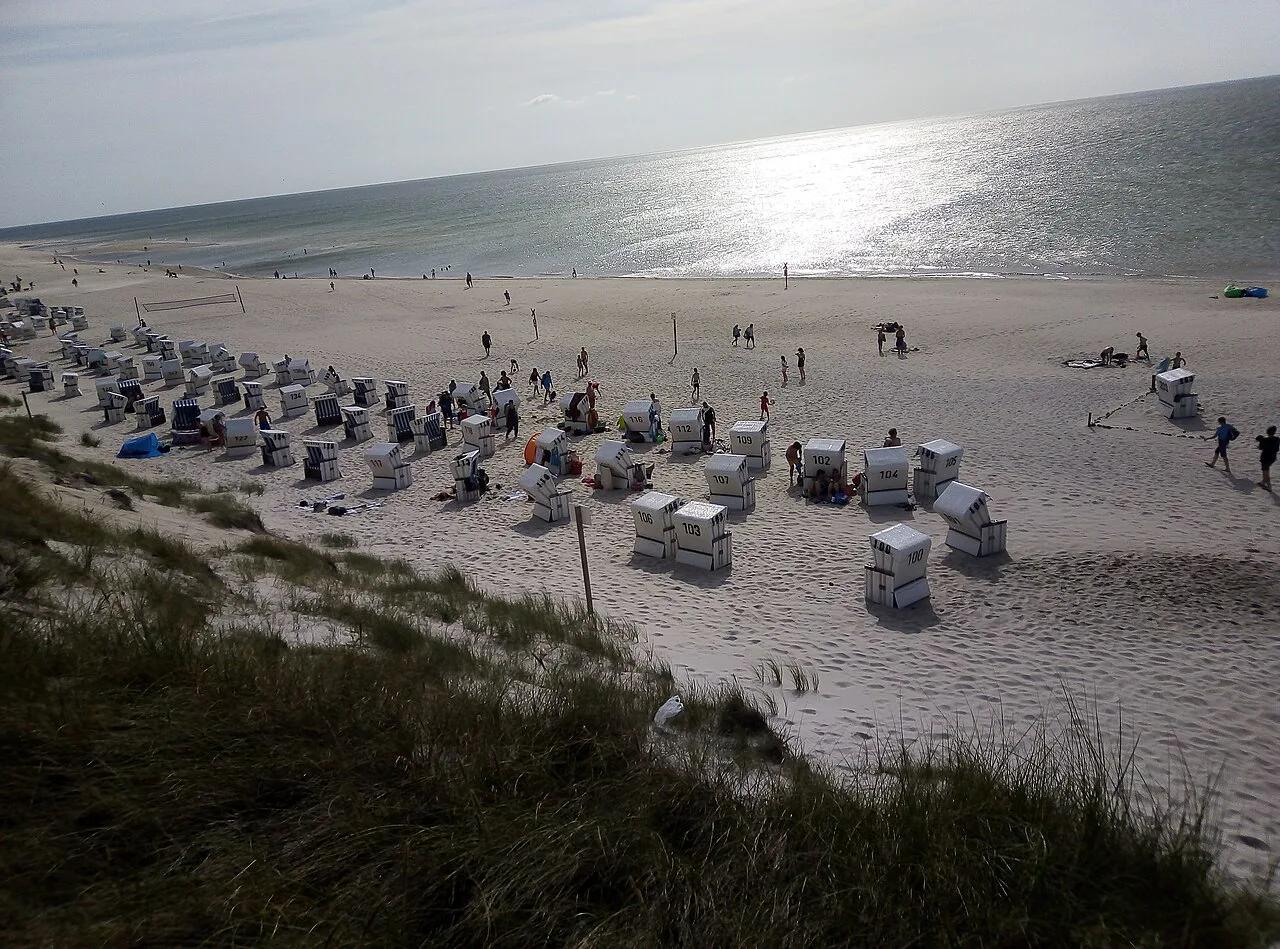
Sylt Travel Guide: Stay, Get There & When to Go
Plan Sylt with village-by-village base picks, car-free transport advice, season trade-offs, budget levels and a comparison with nearby North Sea islands.
On this page
Last updated November 2026: Sylt is Germany's northernmost and largest North Sea island, part of the North Frisian Islands in Schleswig-Holstein. Trains reach it over the Hindenburgdamm causeway, and the draw is a 40 km west-coast beach, Wadden Sea mudflats and high-end dining. It suits walkers, food-focused couples and wind-tolerant cyclists, but skip it if you want cheap, sheltered, guaranteed sun.
Featured image: Wilhelm II. Hohenzollern, CC BY-SA 4.0, via Wikimedia Commons.
Quick answer: what Sylt is and who it's for
Sylt lies 9 to 16 km off the mainland and runs about 38 km from north to south. Its area is roughly 99 km², and it narrows to 320 m at Königshafen in the north. For wider context, start with our Wadden island overview of the North Frisian chain. Trains cross the Hindenburgdamm, which has linked the island to the mainland since 1927. Half of the island's land is registered as protected, according to Germany's national tourism board. In our editorial assessment, Sylt rewards visitors who pick one base and book early.
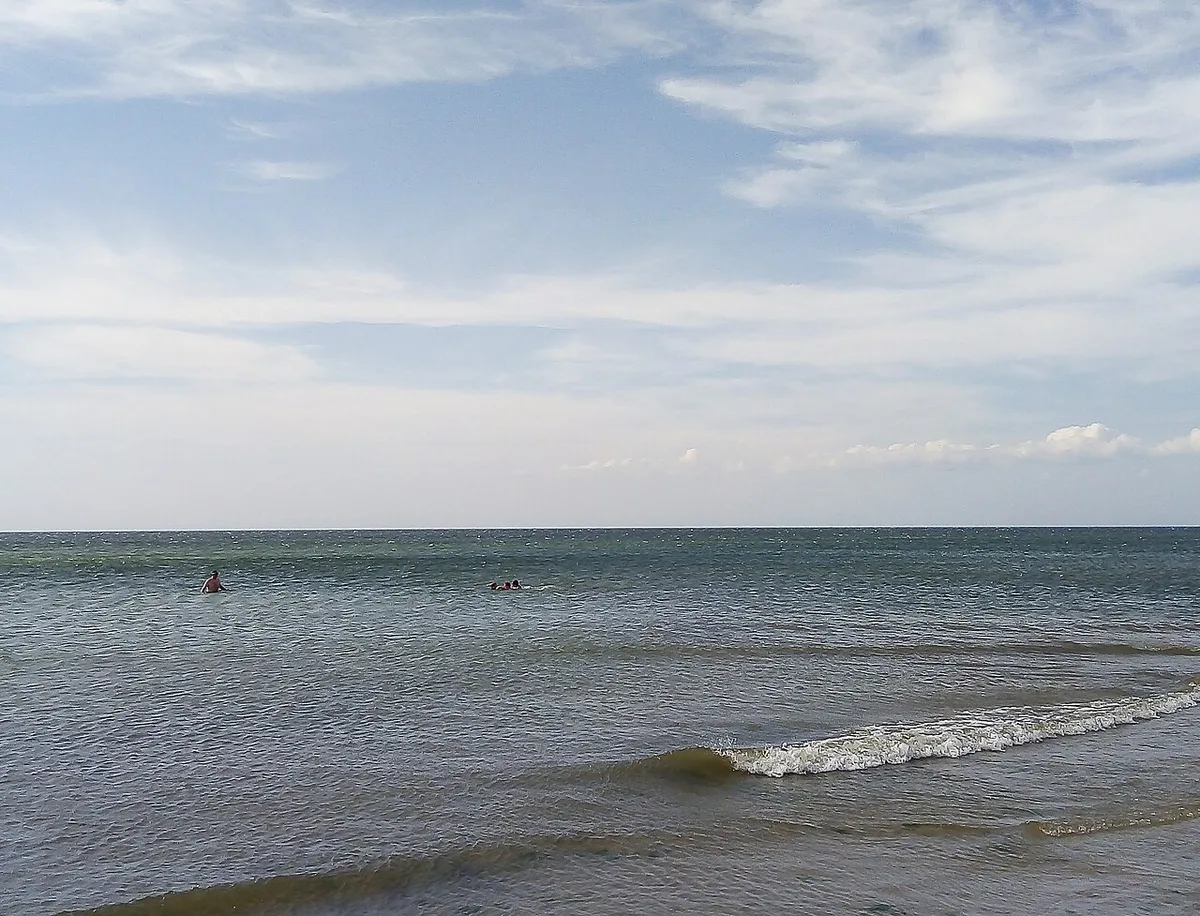
- Best for: long beach walks, seafood, spa breaks and cycling in a steady westerly wind.
- Best for: couples and friends who book restaurants ahead.
- Skip if: you need a low-cost trip, guaranteed sunshine or a spontaneous July booking.
- Skip if: you want a sheltered, calm-water beach holiday.
Getting to Sylt
Hamburg to Westerland takes about three hours by direct train, as reported in 2022. Island officials list the new ICE L and a regional train from Hamburg as the rail options. Morsum is the first village you pass, and Westerland is the end of the line. Driving changes the plan. Load your car onto the Sylt Shuttle car train on the mainland side and ride it across the causeway. A ferry between Havneby on Rømø and List is the alternative if you approach from Denmark. Leaving the car on the mainland skips the loading step and pushes you onto buses and bikes. Fares and departure times change, so check Deutsche Bahn or the shuttle operator before booking.
- By train: direct services from Hamburg end in Westerland.
- By car: the car shuttle over the Hindenburgdamm, or the Rømø–List ferry from Denmark.
- By camper: motorhomes and caravans have their own section on the island's travel page.
- By plane: the tourism board lists direct flights from various cities.
Getting around the island
Geography decides your day. At 38 km long and very narrow, Sylt punishes zigzag plans. Pick one end of the island per day and stay there. Kampen to Westerland is roughly 6 km on foot along the coastal trail. Someone based in List who wants Hörnum faces nearly the full 38 km each way. Bikes suit the east side around Archsum, with salt marshes and dike paths. Hörnum has an e-bike hub, according to the tourism board's news page. Wind matters on two wheels, so check the direction before a long ride.
- Public buses link the main villages.
- Bicycles and e-bikes can be hired.
- Rental cars and scooters are available.
- Taxis cover short hops and late evenings.
Sylt village by village: which base fits you
Official island sources describe 12 places, each with its own character. Use the table to match a village to your travel style. Choose one village and treat the rest as day trips. In our editorial assessment, first-timers without a car do best in Westerland, where the train arrives. Rantum shows why geography matters: only about 600 m separates the Wadden Sea from the North Sea there.
| Village | Character | Best for | Car-free ease | Trade-off |
|---|---|---|---|---|
| List | Ferry port and Germany's northernmost municipality | Ellenbogen walks, oysters, Rømø ferry | Bus or bike | Far from Hörnum in the south |
| Kampen | Upscale people-watching, red cliff | Fine dining, cliff walks | Bus, or a long coastal walk | Well-heeled and pricey |
| Wenningstedt-Braderup | Fine sand, promenade, quiet Braderup | Families, hikes, bike rides | Bike-friendly in Braderup | Quiet evenings in Braderup |
| Westerland | Largest town, shops, bars, restaurants | First visits, rail arrivals | Easiest: the train ends here | Busiest and most urban |
| Tinnum | Island centre, close to Westerland | Central base, Bodendorf's restaurant | Close to Westerland | Not on the sea |
| Keitum | Former capital, 18th-century captain's houses | Quiet history, gardens | Bus or bike | Calm rather than lively |
| Munkmarsch | Old ferry port, marsh and Wadden Sea | Walkers, local delicacies | Good on foot locally | Small, not for nightlife |
| Archsum | Smallest village, thatched farms | Cyclists, salt-marsh rides | Bike | Rural and very quiet |
| Morsum | First village by train, Morsum Kliff | Nature, quiet stays | Train gateway, then bike | Away from the west-coast surf |
| Rantum | Narrowest point, about 600 m across | Beach plus mudflats | Bus or bike | Small, with fewer services |
| Hörnum | Lighthouse, southern tip, Budersand Hotel | Families, nature, peace | Bike, with an e-bike hub | Far end of a 38 km island |
Best things to do on Sylt
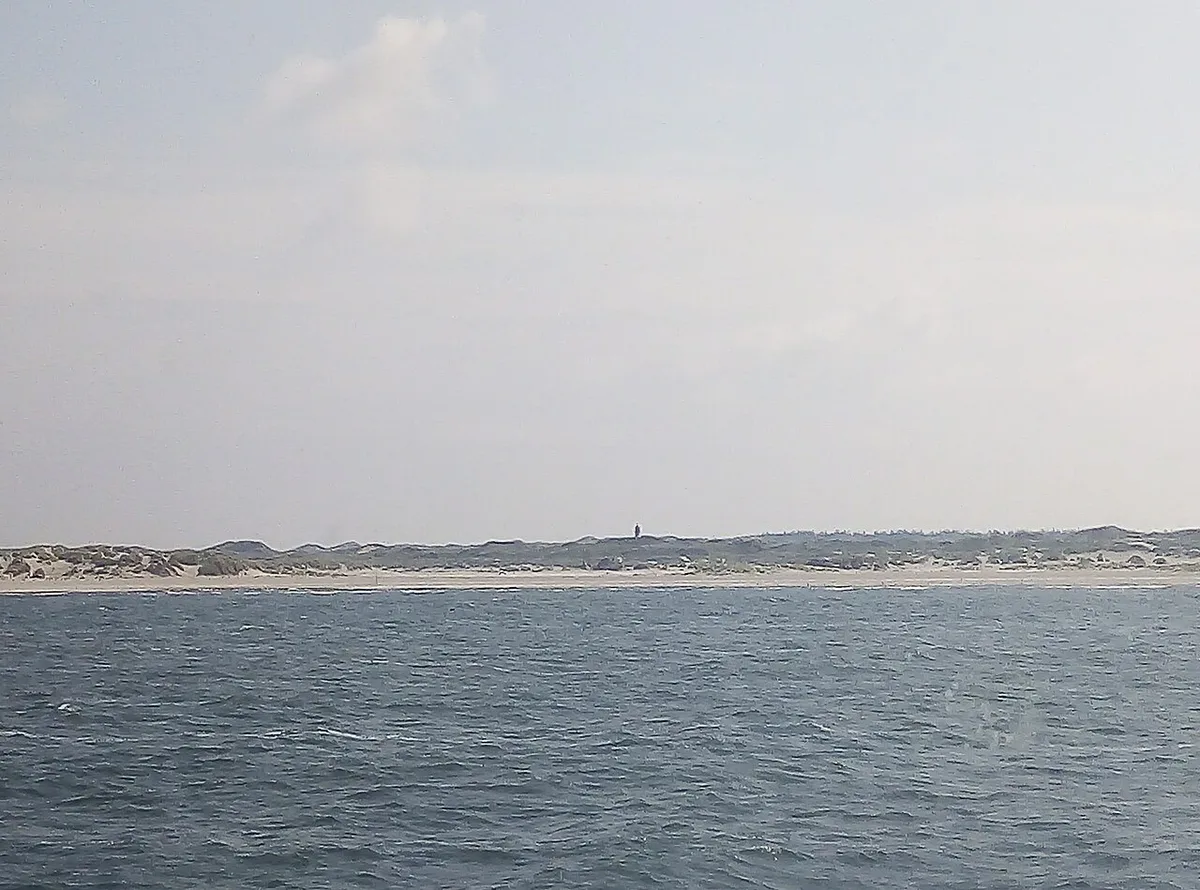
Most sights cluster by village, so group them the way the list below does. Denghoog is a Neolithic burial site about 5,000 years old, built into a hillside. Altfriesisches Haus, a thatched house first built as a Frisian residence in 1640, now works as a museum. Keitum's captain's houses mostly date to the 18th century, when whaling paid the island's bills. Food is the other draw. As of National Geographic's 2022 reporting, Michelin stars sit at the restaurant of Budersand Hotel and at Bodendorf's in Tinnum, while Söl'ring Hof holds two. Book all three well ahead. Oysters are the local specialty, with Dittmeyer's Austern Compagnie producing them and Gosch in List serving them.
- North, List: walk the Ellenbogen peninsula toward Germany's northernmost point, then try Sylter Eismanufaktur ice cream made with milk from Sylt herds.
- Kampen: follow the Rotes Kliff coastal trail above the golden beach.
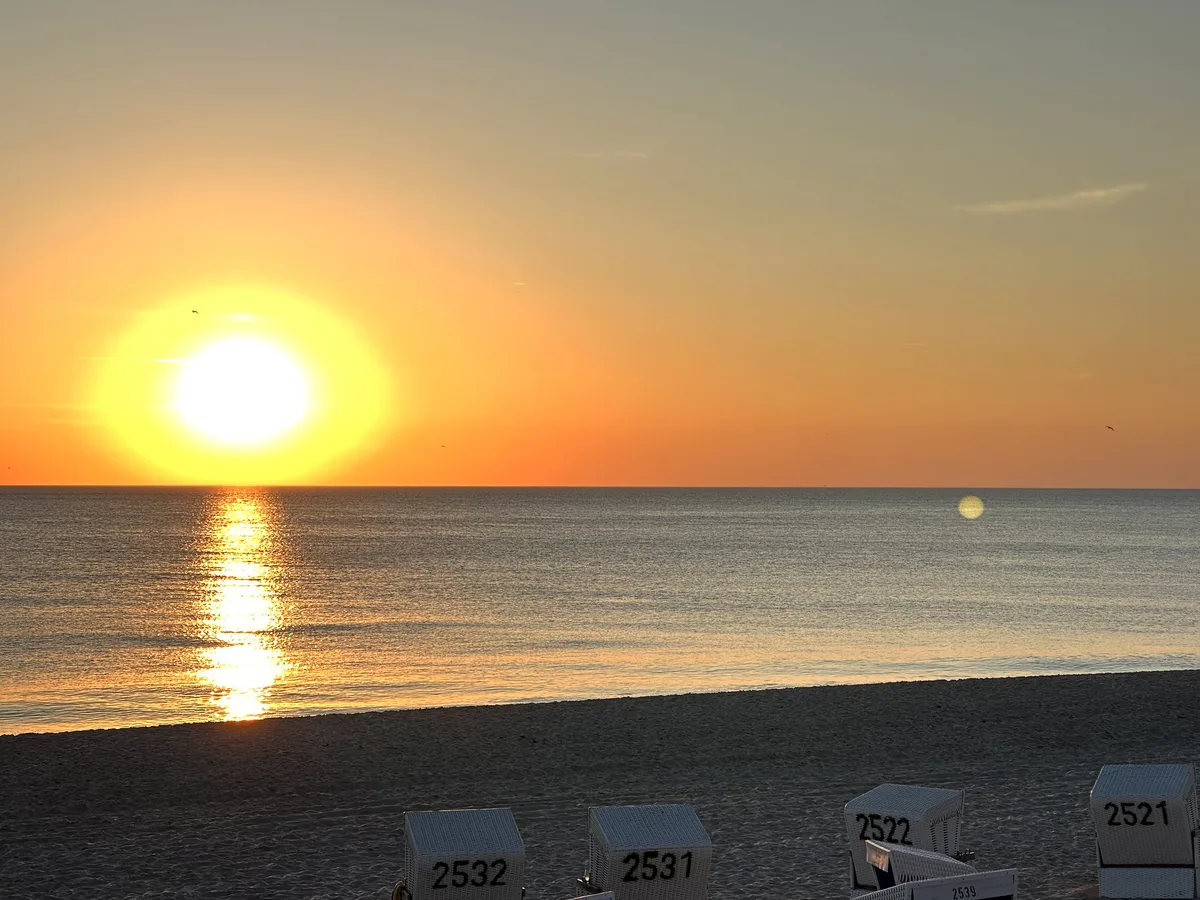
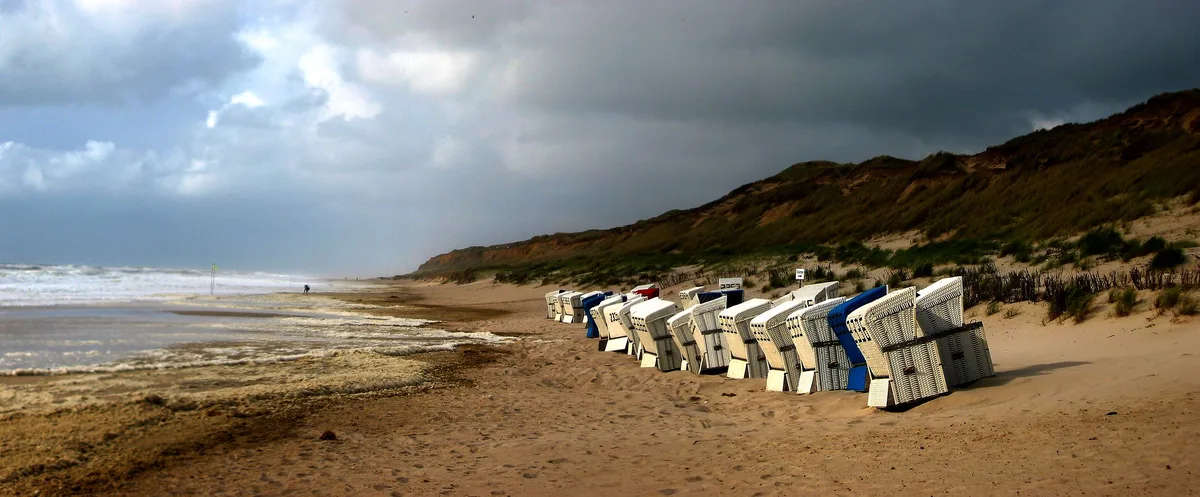
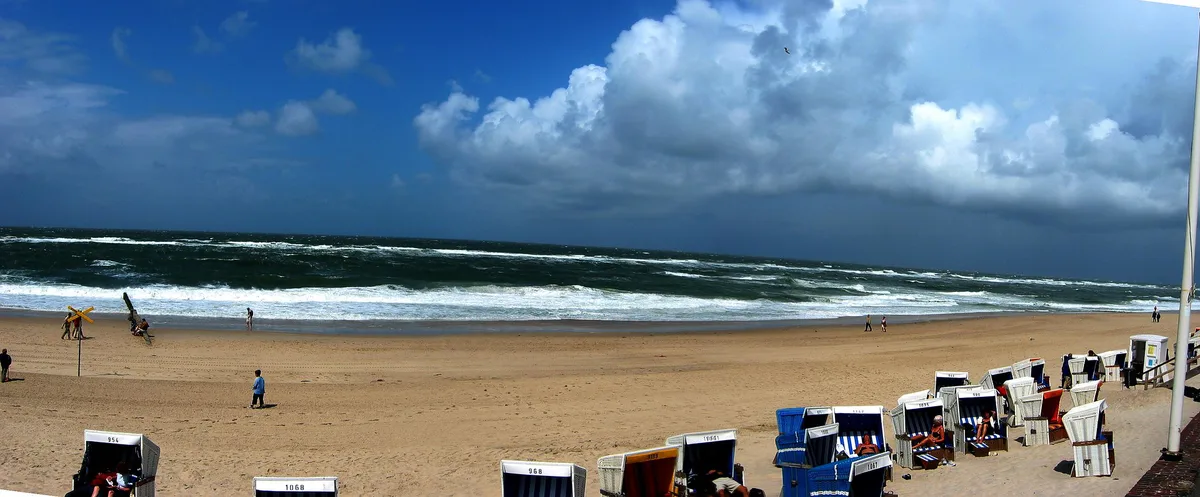
- Westerland: book a strandkorb at sunset and look west over open North Sea.
- Centre: visit Denghoog and Altfriesisches Haus, then eat at Brot & Bier in Keitum.
- East: see Morsum Kliff, where sedimentary rock shows the island's geology.
- South, Rantum and Hörnum: climb to the Bunker Hill outlook, visit Hörnum Lighthouse and look for brent geese at Rantumbecken in summer.
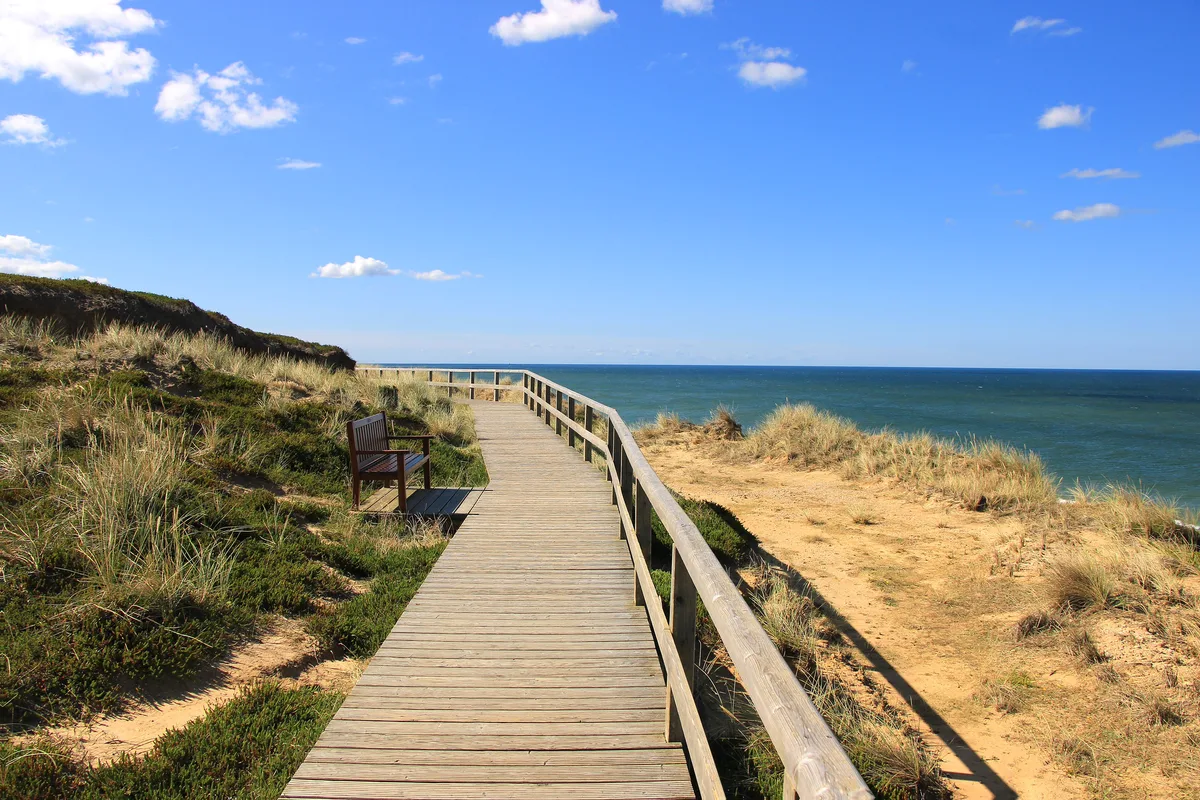
Beaches: what to expect
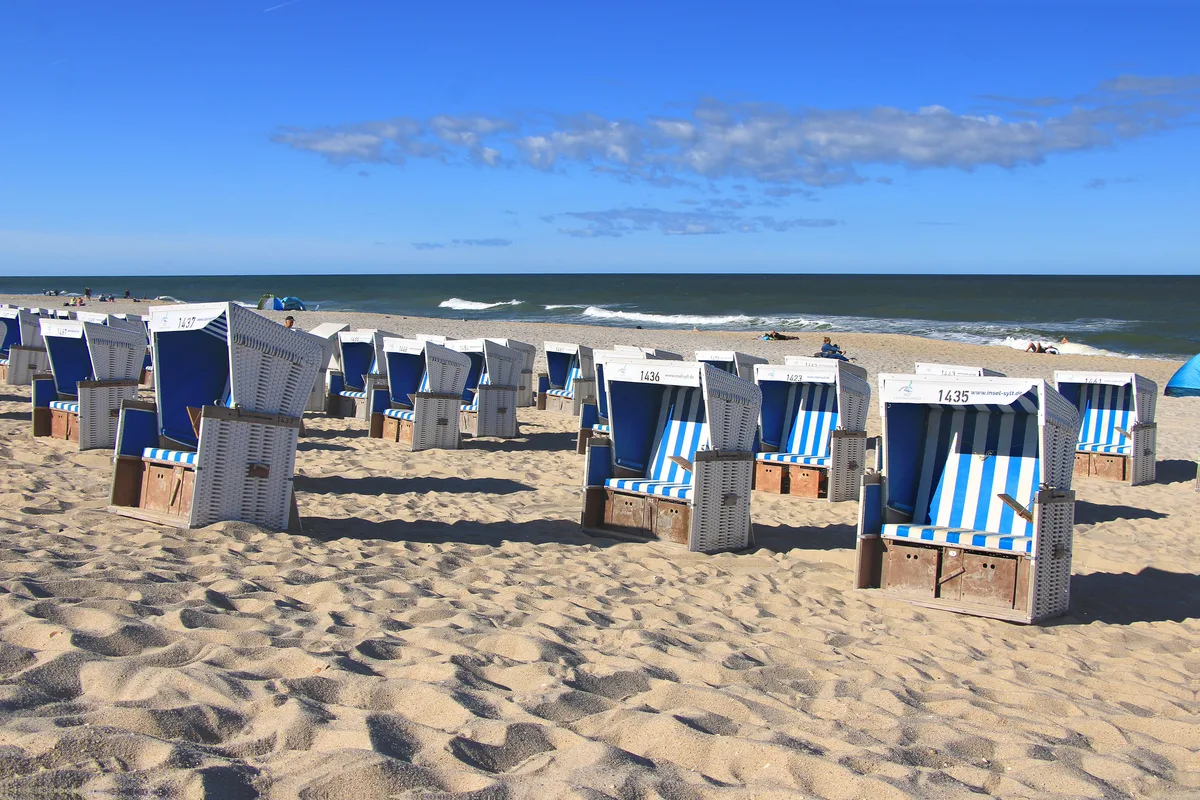
West-coast sand runs for about 40 km, while the Wadden Sea mudflats on the east side mostly fall dry at low tide. Hundstrand Rotes Kliff beach near Kampen charged €3.50 in 2023, a fee that helps fund erosion management. Prices and hours checked November 2026. Coastal protection shapes the beach you walk on. Since 1972, around 60 million cubic metres of sand have been pumped onto the west coast, at annual costs of up to €10 million. Federal, state and EU funding pays for it. From 1870 to 1951, the island lost about 0.4 m a year in the north and 0.7 m in the south. Storm surges cut Hörnum off temporarily in 1962. Swimming is possible but cold. Sea temperature averages about 19 °C in August and about 5 °C in January. Beach life centres on strandkörbe, the hooded wicker chairs, with hundreds to rent at Südwäldchen. Around a third of the island's beaches are reported as designated nude (FKK) areas, including Buhne 16 near Kampen. Look for the signage before you spread a towel.
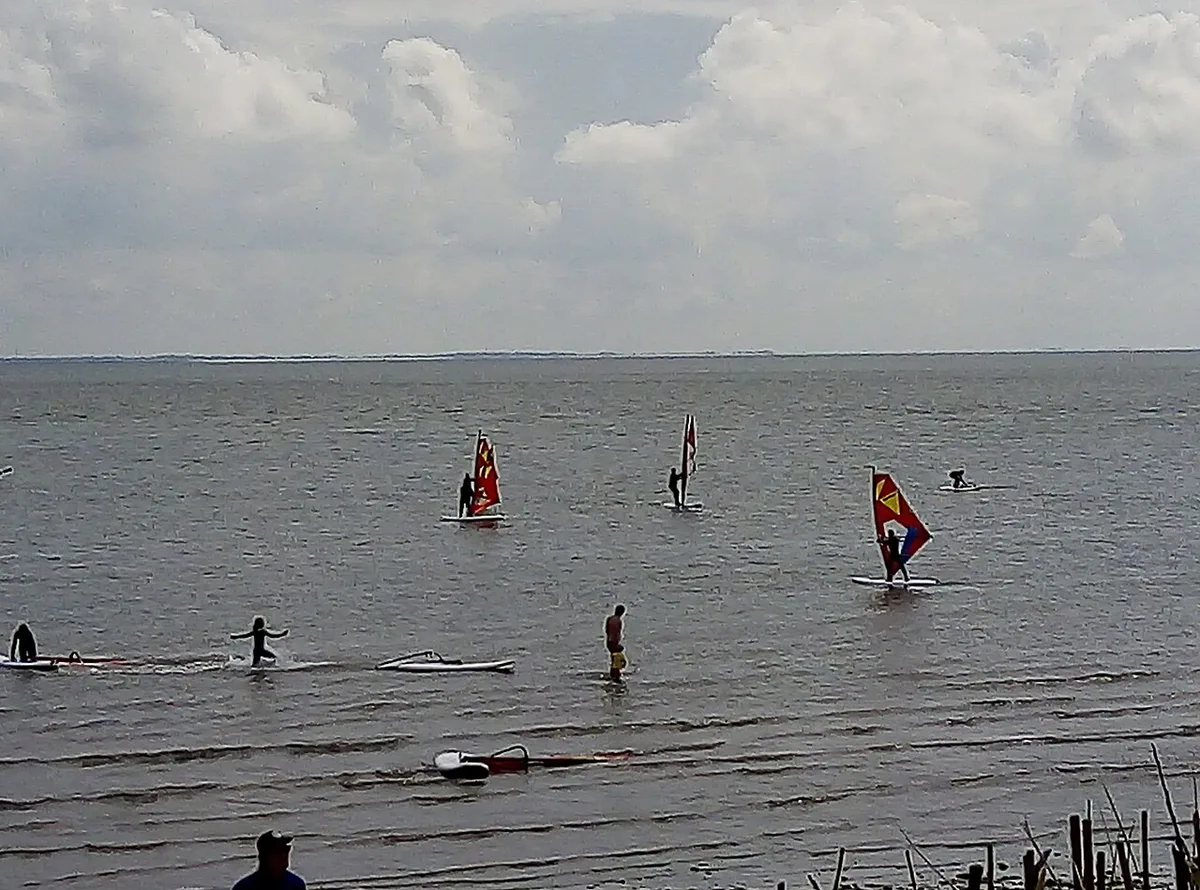
- Hörnum Weststrand: one of the least visited, with concrete tetrapods against erosion.
- Rantum: the Bunker Hill outlook shows how narrow the island is.
- Morsum Kliff: calmer water on the sheltered side, popular with seabirds.
- Buhne 16: a designated nude stretch near Kampen.
- Südwäldchen: strandkörbe, summer events and bars nearby, on the edge of Westerland.
Where to stay
Apartments and holiday homes suit families and groups. Hotels range from 5-star luxury to wellness hotels and guesthouses. Campers choose among 7 campsites, from glamping to camping on the sand. Budersand Hotel in Hörnum is known for its spa and golf course. Hotel Miramar in Westerland has welcomed guests since 1903. Match your base to the village table above, then book early for peak season.
- Westerland: easiest for train arrivals and evening dining.
- Keitum: quieter, with thatched houses and a historic core.
- Hörnum: a southern base for nature and peace.
- Campsites: the lowest-cost option for outdoor travelers.
Costs and what to budget
Accommodation type sets most of your budget. Table levels below are our editorial assessment, since official rates change by season. That €3.50 beach fee is the one widely reported price, so treat everything else as a level rather than a number. Check sylt.de for current rates and fees. Fine dining sits at the splurge end, while beach bistros sit lower. The 7 campsites are the cheapest bed on the island.
A €3.50 beach fee is a small charge set against sand pumping that has cost up to €10 million a year.
| Option | Budget level | What drives the price |
|---|---|---|
| Campsites | Low | Season and pitch type |
| Apartments and holiday homes | Mid | Season, village and group size |
| Hotels and guesthouses | Mid to splurge | Star rating, spa access, season |
| Beach bistros | Low to mid | Location and portion size |
| Michelin-starred restaurants | Splurge | Tasting menus and advance booking |
- Travel outside peak summer to lower accommodation costs.
- Book far ahead for the best choice of apartments and hotels.
- Eat at beach bistros and save tasting menus for one special night.
Best time to visit (seasons)
Westerly winds blow all year, averaging 6.7 m/s. Winter months average about 2 °C, slightly milder than the mainland. Summer's median is about 17 °C, somewhat cooler than inland despite more sun. Annual mean temperature is 8.5 °C. Bad weather plans matter more than in most beach destinations. Spas, museums such as Altfriesisches Haus, and beach bistros keep rainy days useful, and the tourism board publishes bad-weather tips. Christmas markets and New Year's Eve both have seasonal pages on the official site.
Summer air runs cooler than the water: the median is about 17 °C, while the sea averages about 19 °C in August.
| Season | What to expect | Plan around |
|---|---|---|
| Winter | Frosty dunes, tranquil beaches, Christmas markets and New Year's Eve events | Wellness breaks and long coastal walks |
| Spring | Cafés open terraces, lambs on the dikes, rapeseed fields near Archsum | Bike rides and short walks |
| Summer | Longest days, surfing and mudflat hiking, the busiest beaches | Early bookings and strandkorb reservations |
| Autumn | Tea rooms, long hikes, strong wind | Dune walks and spa afternoons |
Sample itineraries (1 day, a weekend, 3–4 days)
Each plan keeps one area per day, so you avoid backtracking along the 38 km island.
- 1 day, Westerland: arrive by train. Walk the beach near Südwäldchen. Eat seafood at Restaurant Fisch Hüs Sylt. Book a strandkorb for sunset.
- Weekend, day 1 north: List and Ellenbogen in the morning. Lunch at Gosch. Take a bus to Kampen for the Rotes Kliff trail. Dinner in Westerland.
- Weekend, day 2 centre and south: Denghoog and Altfriesisches Haus, then Hörnum Lighthouse and Weststrand. Return via Rantumbecken in summer.
- Days 3 and 4: bike Keitum, Munkmarsch, Archsum and Morsum Kliff. Add Bunker Hill at Rantum. Keep one buffer afternoon for a spa or wind-blown beach walk.
Sylt for families, solo travelers, dog owners and accessibility
Families get playgrounds, activities and bad-weather tips on the official family page. Wenningstedt's promenade and Hörnum's beaches suit children, according to the tourism board. Solo travelers can use the island's social places and offers listed on the solo-travel page. Dog owners should read the island's dog page, which covers accommodation, rules and dog beaches. Rules vary by beach and season, so confirm them before arrival. Mobility, leisure and beach options for visitors with disabilities have their own page on sylt.de.
Sylt vs. other North Sea islands
No bridges or ferries link Sylt to Föhr, Amrum or Pellworm, as National Geographic reports. Reach them by mainland ferries instead. For a broader German comparison, browse other German island trips. Dutch options form a separate family, covered in our Dutch Wadden options guide.
| Island | Feel compared with Sylt |
|---|---|
| Föhr | Flattest and most agricultural, with cycling paths and dike walks; Wyk auf Föhr has most restaurants and hotels |
| Amrum | Quieter, best by bike, with a long main beach popular with day-trippers |
| Pellworm | Least touristy of the three, with an Old Church ruined for over 300 years |
- Dutch contrast: Texel's ferry crossing is the largest-island option.
- More Dutch Wadden: Terschelling island guide for another pace.
- More Dutch Wadden: Ameland island guide for a smaller base.
- More Dutch Wadden: Vlieland island guide for the quietest option.
- Offshore alternative: Helgoland by ferry sits in the North Sea.
- Baltic alternative: Rügen on the Baltic for a different coast.
- Baltic alternative: Usedom on the Baltic for a Mecklenburg-Vorpommern coast.
Mistakes to avoid on Sylt
Most problems come from planning, not from the island itself.
- Booking late for peak season, when apartments and hotels fill first.
- Basing in List while planning daily trips to Hörnum, nearly 38 km away.
- Assuming a car is necessary when buses, bikes and trains cover most trips.
- Underestimating wind and cold on the beach, even in summer.
- Arriving without restaurant bookings, especially for the Michelin-starred tables.
Frequently Asked Questions
Why is Sylt famous?
It is known for a 40 km sandy west-coast beach and for resorts such as Westerland, Kampen and Wenningstedt-Braderup. Michelin-starred dining and a reputation as a retreat for Germany's jet set add to its profile.
Is Sylt German or Danish?
It is German, part of the Nordfriesland district in Schleswig-Holstein. Its name also has Danish and North Frisian forms, Sild and Söl. List long belonged to the kingdom of Denmark, and the Danish island of Rømø lies to the north.
Useful notes for your next island trip
Optional updates to our guides.
You might also like

Continue reading
More guides you'll find useful