
7 Frisian Islands Compared: Dutch, German and Danish
Compare 7 Frisian Islands by country, access and style. Pick the right island and plan ferries, bikes and the best season.
On this page
Last updated November 2026. The Frisian Islands are a chain of North Sea barrier islands along the Wadden Sea coast, split between the Netherlands, Germany and Denmark. This guide compares seven of them so you can pick one island, then follow the links to our island guides.
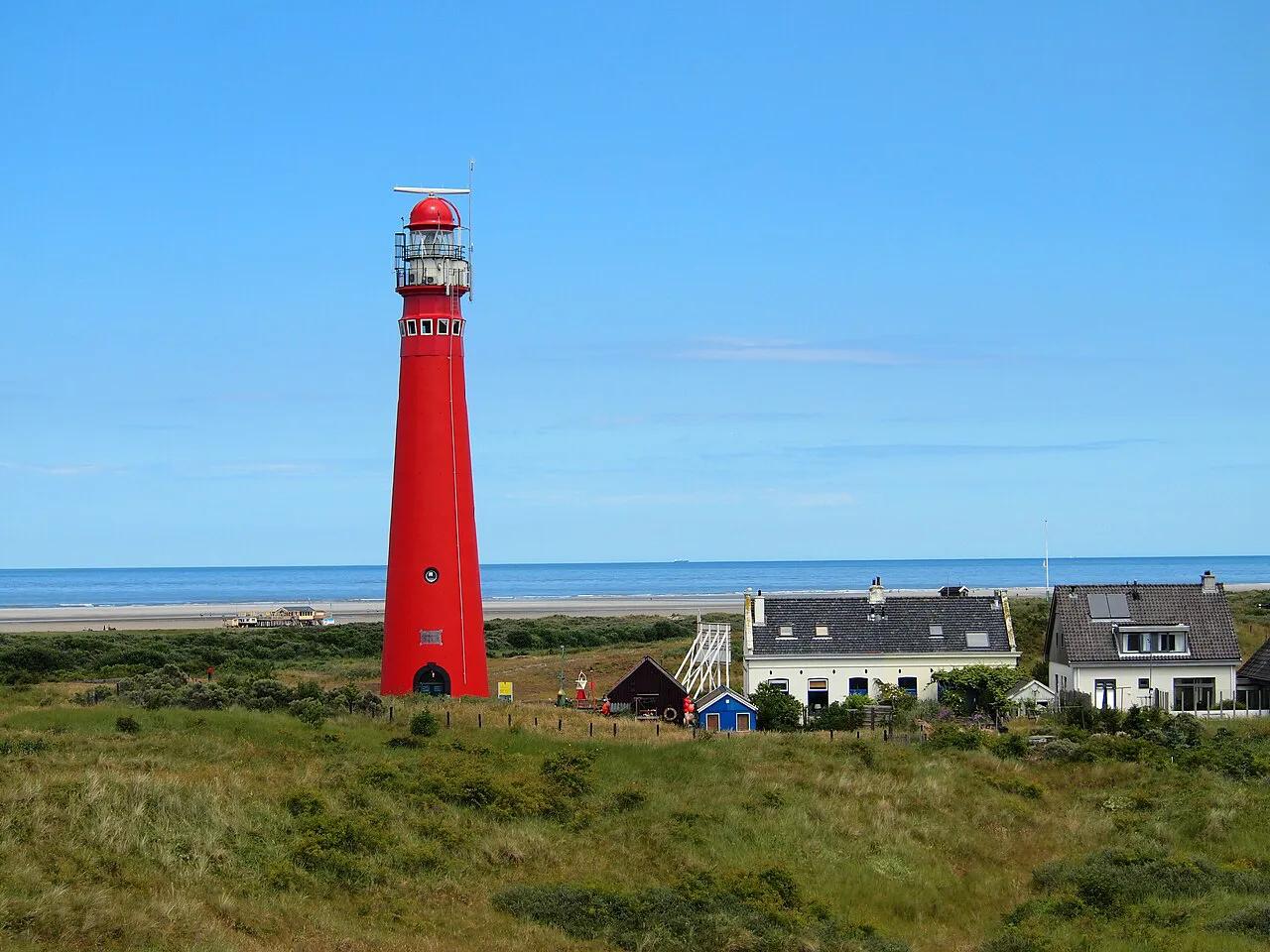
Featured image: Baykedevries, CC BY-SA 4.0, via Wikimedia Commons.

What Are the Frisian Islands?
Frisian Islands is a loose label, and it covers three groups. The Dutch group is the West Frisian Islands: Texel, Vlieland, Terschelling, Ameland and Schiermonnikoog. Germany has the East and North Frisian Islands, with Sylt and Föhr among the best known. Denmark's Wadden islands include Rømø, Mandø and Fanø. Many Dutch-focused readers want the Dutch Wadden islands first. German-side planners can start with our German islands guide. All three groups sit beside the Wadden Sea, a UNESCO World Heritage Site of mudflats and tidal wetlands.
Frisian Islands at a Glance: Comparison Table
Use this table to narrow the field before reading the island entries. Access details come from the operators' own sites, so check live timetables before you book.
| Island | Country | Best fit | Main access | Guide |
|---|---|---|---|---|
| Texel | Netherlands | First-timers, cyclists | TESO ferry | /texel |
| Vlieland | Netherlands | Quiet retreat | Ferry from the mainland | /vlieland |
| Terschelling | Netherlands | Festival-goers | Ferry from the mainland | /terschelling |
| Ameland | Netherlands | Families, birdwatchers | Ferry from the mainland | /ameland |
| Schiermonnikoog | Netherlands | Nature seekers | Ferry from the mainland | No guide yet |
| Sylt | Germany | Short breaks | Sylt Shuttle train or ferry | /sylt |
| Föhr | Germany | Slow-paced stays | Ferry from the mainland | /german-islands |
7 Frisian Islands Worth Choosing
Each entry covers what the island offers, one thing to do and who should skip it. Prices and hours checked November 2026; this page quotes no fares, so use each operator's site for current costs.
1. Texel
Texel is the first Dutch island many visitors pick, and it has its own ferry operator in the TESO ferry service. Our Texel island guide covers where to stay and what to do. Rent a bike and ride the dune and polder paths to see the mix of beach, sheep country and nature reserves.
Lodging gets busy in summer, so book early for July and August. Skip it if you want a tiny, near-empty island, because Texel is the busiest Dutch option.
2. Vlieland
Vlieland suits travelers who want quiet over choice. It has fewer services than Texel, so plan meals and rentals in advance. Spend a day cycling its dunes and forest edges, then walk the beach at low tide.
Ferry timetables shape every trip, so leave a buffer before any return sailing. Read our Vlieland guide before booking. Skip it if you want nightlife or a large choice of restaurants.
3. Terschelling
Terschelling is best known for Oerol, a theatre festival that stages performances in the island's landscapes. Festival dates change, so read them off the official Oerol site rather than relying on memory. Outside the festival, the island works well for cycling and long beach walks.
Our Terschelling guide covers the practical details. Skip it in festival week if you want calm, because beds and bike hire fill early.
4. Ameland
Ameland is a good fit for families and birdwatchers who want beaches, dunes and an easy bike network. Seals and seabirds are the main wildlife draw, so bring binoculars and keep your distance from resting animals. Spring and summer bring flowers and breeding birds, while autumn brings migration.
Start with our Ameland island guide for routes. Skip it if you need a car on arrival, because rules differ by island and the ferry operator lists them.
5. Schiermonnikoog
Schiermonnikoog is the fifth Dutch island and the one for travelers who want nature above all. It has no guide on this site yet, so use the official island tourism pages for planning. Walk the dunes and beaches, and watch for seals and seabirds.
Services are limited compared with Texel. Skip it if you want a packed itinerary or a lively evening scene.
6. Sylt
Sylt is the German option for a short break, and the Sylt tourism board lists what to do. Cars can cross by train on the Deutsche Bahn Sylt Shuttle, so book early in peak season. Cycle the dune paths or walk the long beach on the North Sea side.
Our Sylt travel guide has the full planning detail. Skip it if you are watching your budget, as lodging is a major cost driver.
7. Föhr
Föhr is a North Frisian island that suits slow, low-key stays. It is a ferry trip from the mainland, so your timing depends on sailings and tides. Rent a bike and explore the villages and flat farmland paths.
Our German islands overview covers the wider region. Skip it if you want big-resort amenities or an easy day trip with no overnight.
How to Choose: Best Island by Traveler Type
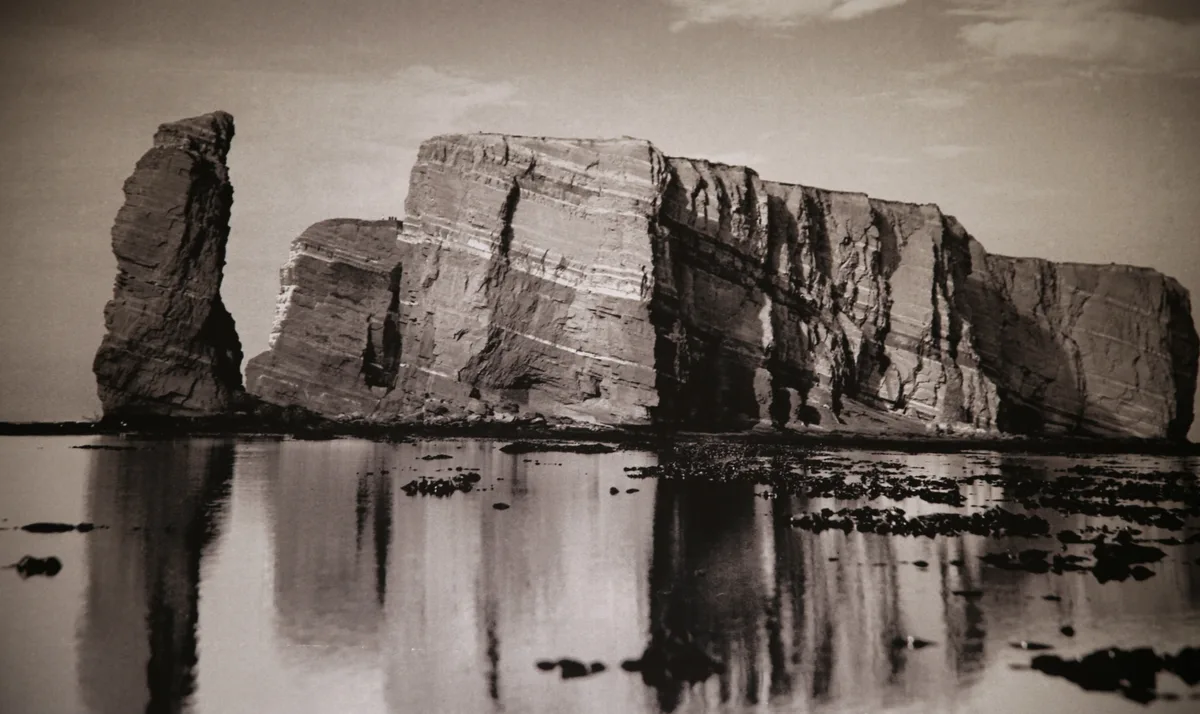
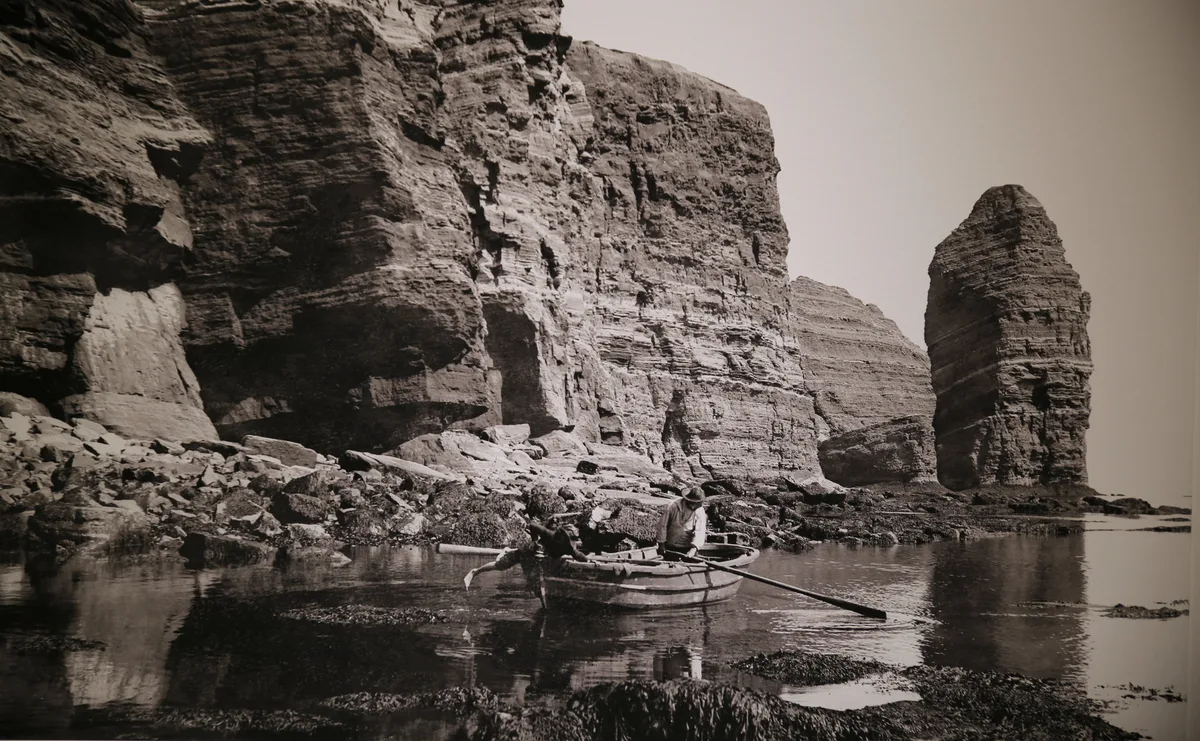
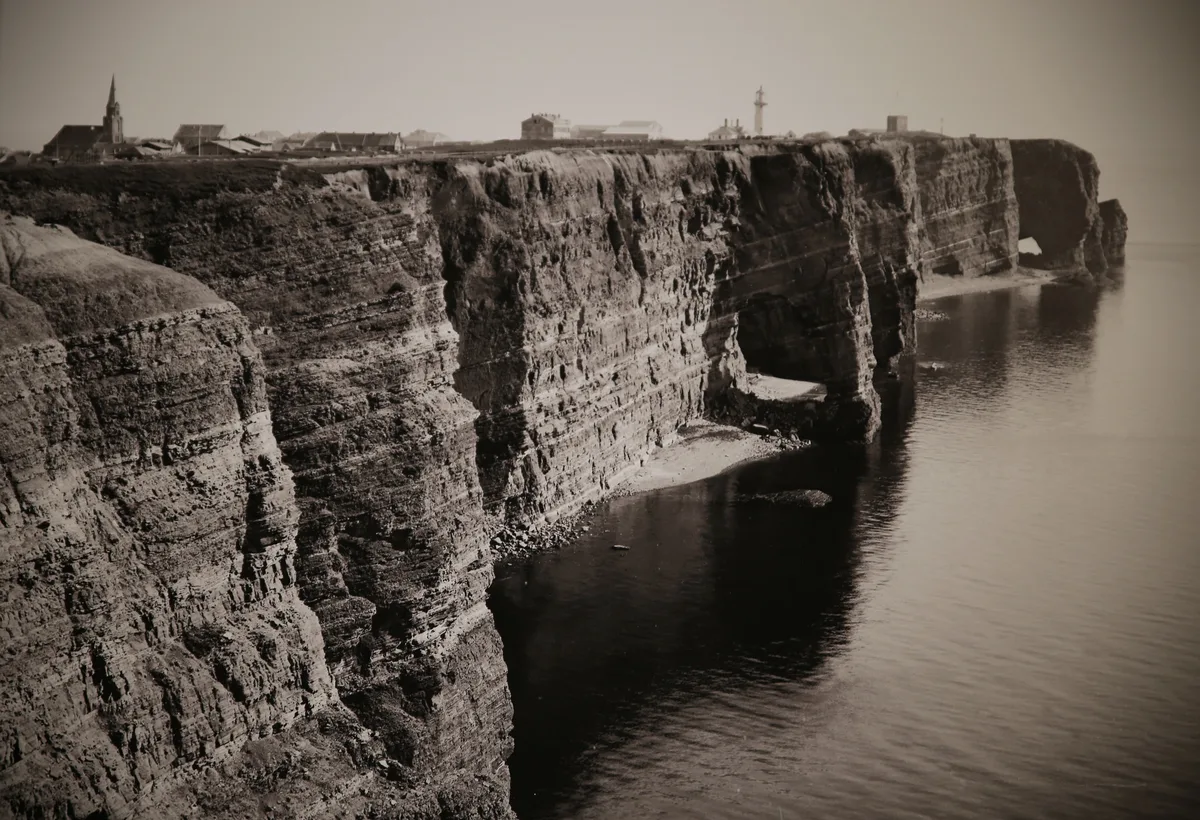
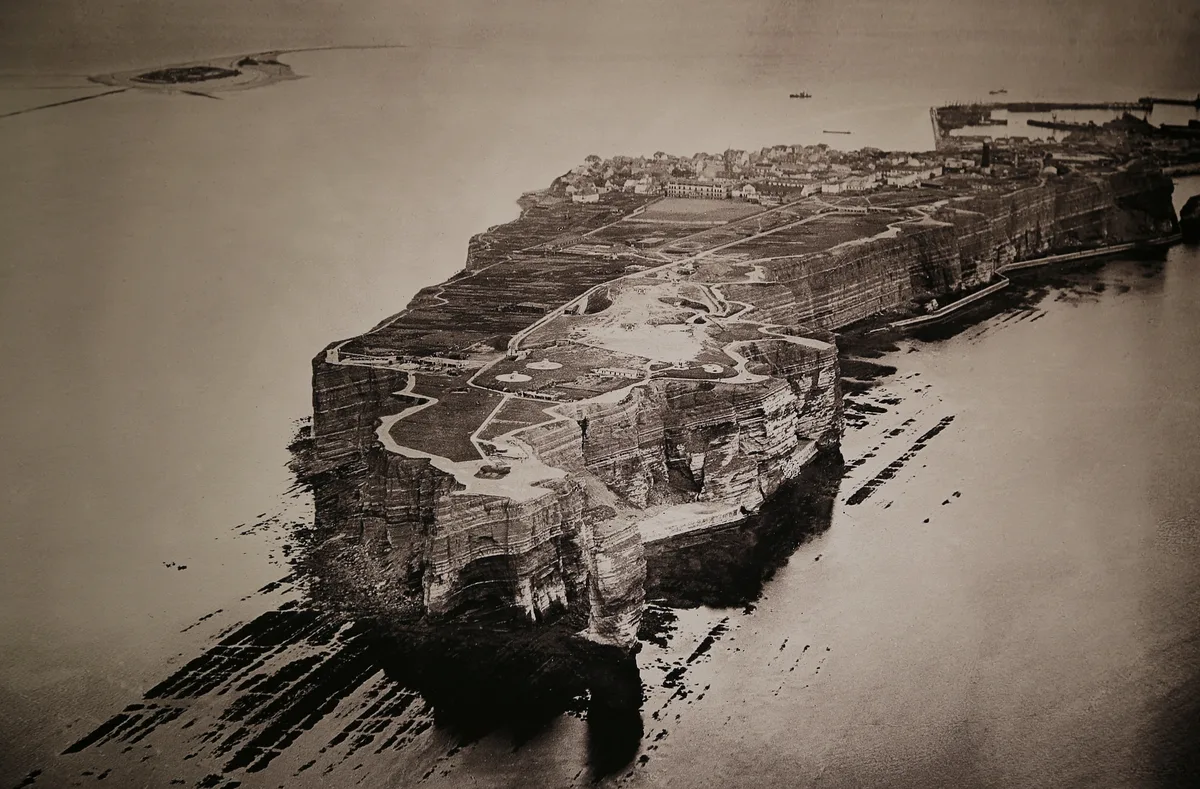
First-timers and cyclists should start with Texel. Festival-goers should pick Terschelling and check the Oerol dates. Quiet-retreat seekers should look at Vlieland or Schiermonnikoog. Families and birdwatchers will like Ameland. Short-break travelers on the German side should consider Sylt. Helgoland is a nearby German North Sea island rather than part of the Frisian chain, so see our Helgoland guide separately. Usedom and Rügen are Baltic islands, so they belong to another trip.
Getting There and Around: Ferries, Cars and Bikes
Most islands need a ferry, and Sylt also has a car-carrying train. The Doeksen ferry site publishes Dutch timetables, and FRS Helgoline serves Helgoland. Tides and weather can disrupt sailings, so keep a buffer before any flight or train home. Bikes are the main transport on most islands. Book car spaces early in peak season, and check each operator for luggage and bike rules.
Costs, Seasons and Nature Rules
Costs rise with ferry fares plus any car fee, peak-season lodging, bike hire and minimum stays. Sylt sits at the premium end, while quieter Dutch islands generally cost less. Spring and summer bring flowers and birds, autumn brings migration and quiet, and winter brings storms. Treat mudflat hiking, known as wadlopen, as a guided activity that depends on tide knowledge. Stay on paths and keep away from seals and nesting birds. Underestimating the wind is a common mistake, as is assuming every island has the same services.
Frequently Asked Questions
How do you get to the Frisian Islands?
Most trips start with a ferry from the mainland. Sylt also has a car-carrying train, the Sylt Shuttle. Check each operator's live timetable before booking.
What are the names of the Dutch islands in the North Sea?
The five Dutch Frisian Islands are Texel, Vlieland and Terschelling. The other two are Ameland and Schiermonnikoog.
Explore More Guides
Keep planning your trip with these guides.
Guides
Useful notes for your next island trip
Optional updates to our guides.