
German Islands: Which One to Visit?
Compare German islands by sea, access, season and traveler type, from Sylt and the Frisian islands to Baltic Rügen, Usedom and Hiddensee.
On this page
Last updated November 2026. German islands fall into three groups: North Sea islands (East and North Frisian), Baltic islands, and a few lake and city islands. Pick Sylt, Föhr or Amrum for beach and mudflat trips, Rügen, Usedom or Hiddensee for Baltic resorts and cycling, and Mainau or Museum Island for a single day out. Our guide sorts them by access effort, season and traveler type, so you can choose before you book.
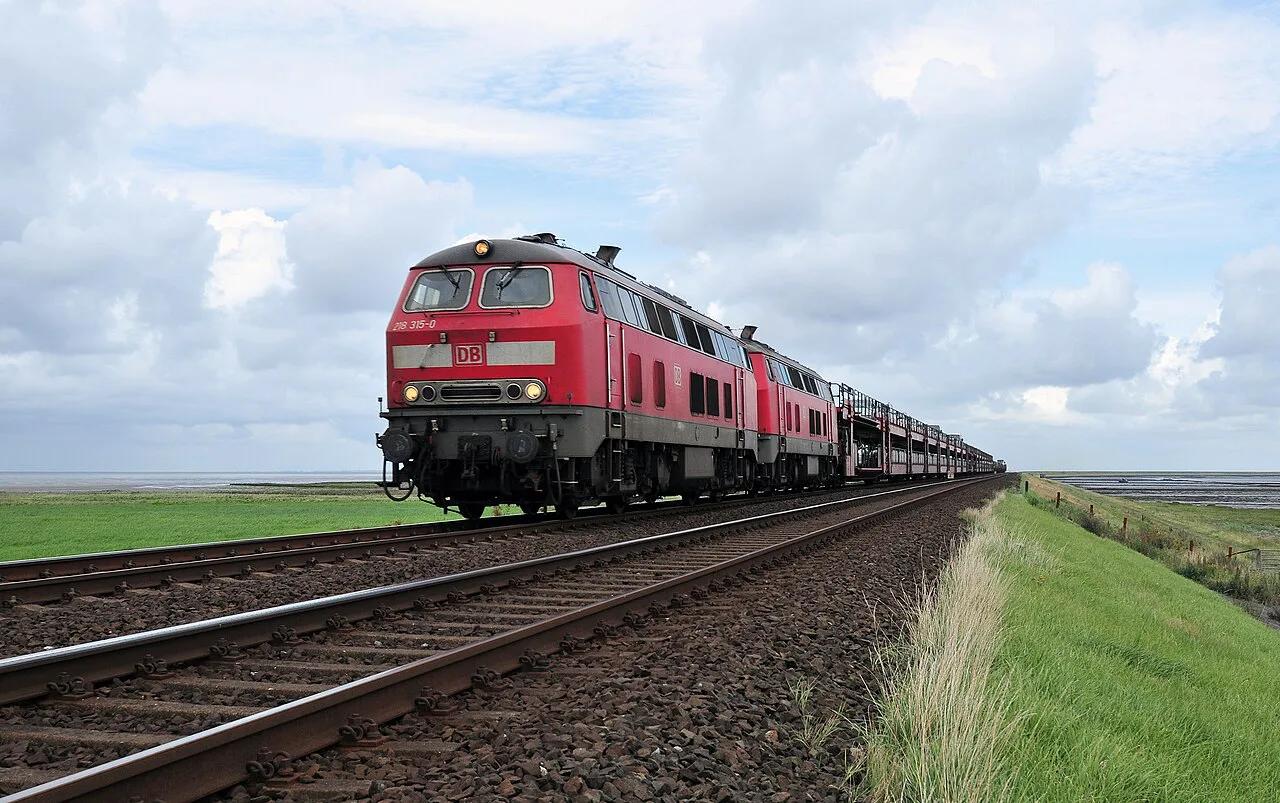
Featured image: Michael Gäbler, CC BY-SA 3.0, via Wikimedia Commons.
German Islands at a Glance
Here, German islands means islands that belong to Germany. Each sea gives a different trip. North Sea islands come with tides, mudflats and boat or train access. Baltic islands lean toward long beaches, resort towns and bike paths. Lake and city islands work as day visits.
| Group | Examples | Access | Character |
|---|---|---|---|
| North Sea, North Frisian | Sylt, Föhr, Amrum | Rail causeway to Sylt; ferries to Föhr and Amrum | Sandy beaches, thatched villages, Wadden Sea views |
| North Sea, East Frisian | Borkum, Juist, Norderney, Baltrum, Langeoog, Spiekeroog, Wangerooge | Ferry, with tide-dependent timetables on some routes | Dunes, birdlife, strict car limits on many islands |
| North Sea, offshore | Helgoland | Sea crossing only | Remote cliff island, day trip or overnight |
| Baltic | Rügen, Usedom, Hiddensee | Road links to Rügen and Usedom; Hiddensee is car-free | Resorts, cycling, national park shoreline |
| Lake and city | Mainau, Museum Island | Mainau on Lake Constance; Museum Island linked by bridges in Berlin | Gardens and museums, best as a day visit |
Which German Island Is Right for You?
Start with how much travel effort you will accept. Then match the island to your group. In our editorial assessment, the table below suits most first trips.
| Traveler | Best fit | Why |
|---|---|---|
| First-timer | Sylt | Rail access, varied villages, cycling and a long beach |
| Families | Hiddensee or Föhr | Car-free roads on Hiddensee, a sandy beach at Vitte, calm promenade at Wyk on Föhr |
| Couples | Keitum on Sylt, or Amrum | Thatched cottages on Sylt; a quieter pace on Amrum |
| Cyclists | Föhr, Sylt, Hiddensee | Flat pasture and dykes on Föhr, bikes or feet only on Hiddensee |
| Birdwatchers | Wadden Sea coast, East Frisian islands | Mudflats and national park habitat |
| Day-trippers | Mainau, Museum Island, Helgoland | Compact sights, no overnight stay needed |
| Budget travelers | Föhr and Amrum | Generally less expensive than Sylt |
North Sea German Islands: Frisian Islands and Helgoland
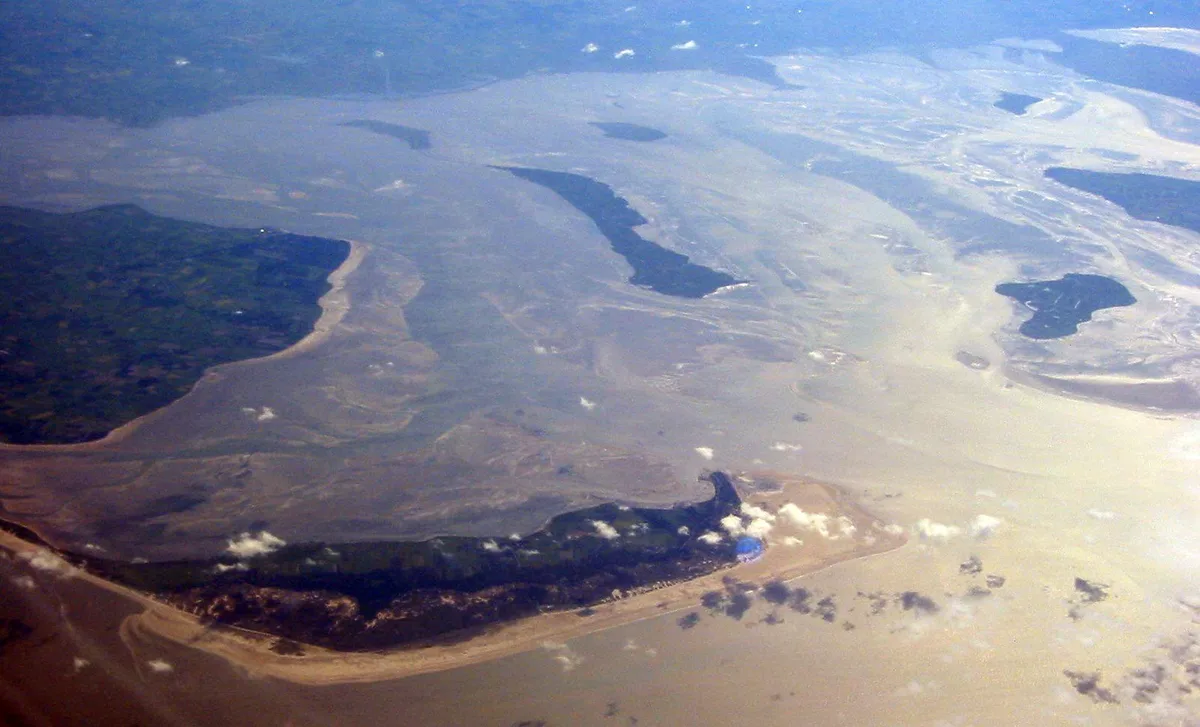
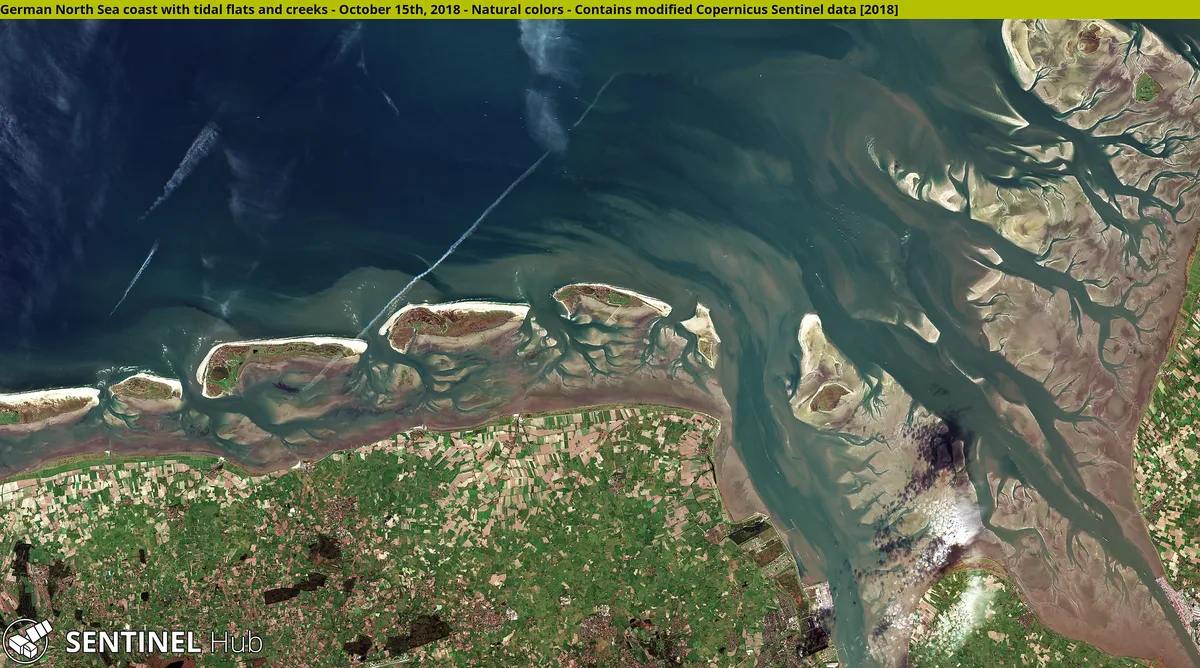
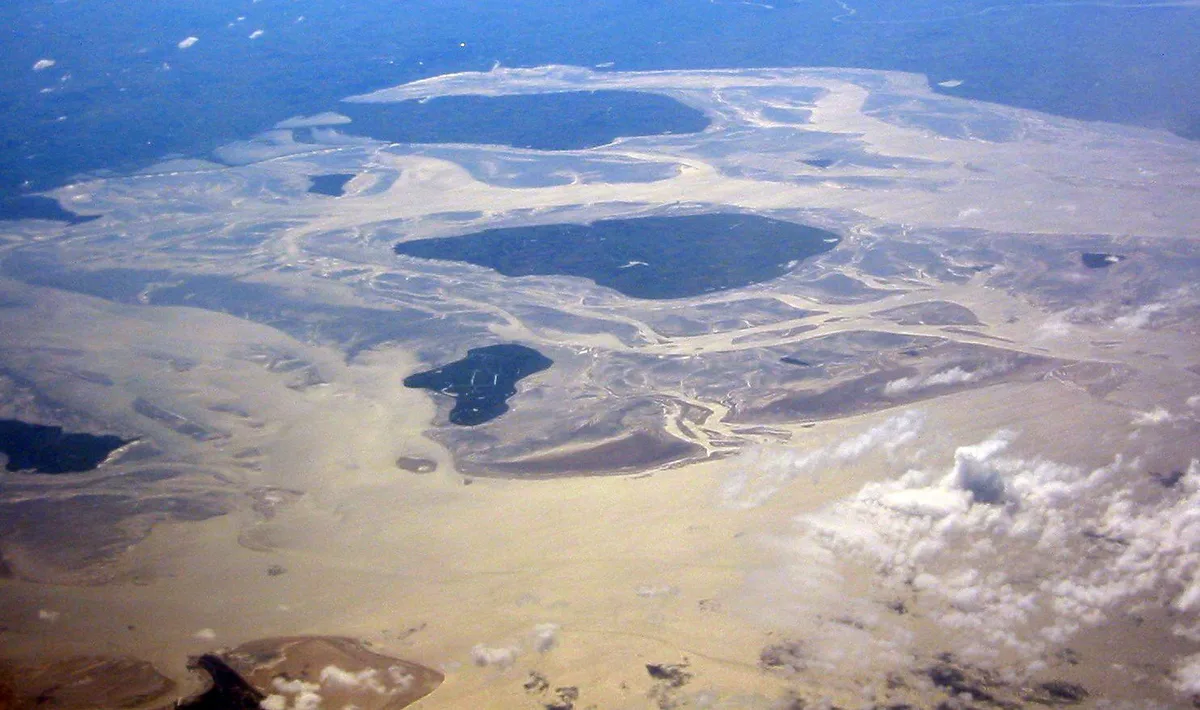
The North Sea islands sit along the Wadden Sea, where tides shape ferry times and mudflat access. Our Frisian islands guide covers the wider island chain. Sylt is the largest North Frisian island, with a 35 km stretch of pale quartz sand. A rail causeway built in 1927 links it to the mainland. Cars cross on a shuttle train from Niebüll, which Sylt Shuttle operates. Our Sylt travel guide goes deeper on villages and beaches.
- Westerland: the main resort, with a strong beach but less charm than the villages.
- Keitum: thatched cottages on the east coast, a calmer base.
- Kampen: the island's most exclusive village, full of boutiques.
- Hörnum: the southern tip, with a striped lighthouse and ferry departures to other islands.
Föhr, Amrum and the East Frisian Islands
Föhr and Amrum are quieter and less developed than Sylt. Föhr has 17 villages, including Nieblum and Oevenum, and a promenade at Wyk. Amrum is smaller still, with around 2,400 residents in older published figures. Ferries link them to the mainland and to Hörnum on Sylt, so check current sailings on the operator's site. Further west, the East Frisian chain includes Borkum, Juist, Norderney, Baltrum, Langeoog, Spiekeroog and Wangerooge. Many of them restrict cars, and boats may follow the tides. The Nordsee tourism board lists each island's access rules.
Helgoland: The Offshore Case
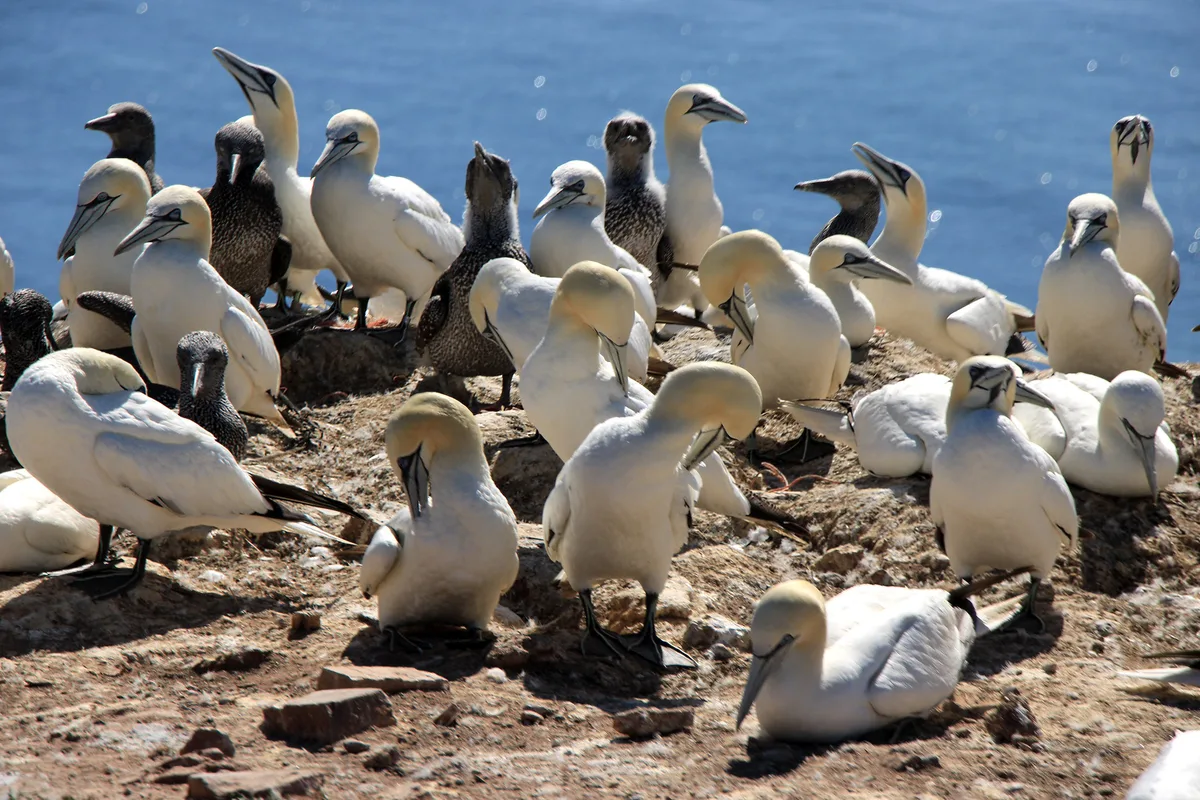
Helgoland lies far out in the North Sea and has no rail or road route. You reach it by boat, for example with FRS Helgoline. Many visitors treat it as a day trip, though staying overnight gives more time on the island. Our Helgoland island guide covers what to do once you land. Island details are on the Helgoland tourism site.
Baltic German Islands: Rügen, Usedom and Hiddensee
Baltic islands feel different from the tidal North Sea. There are no mudflat walks to plan around. Instead you get resort towns, long beaches and bike routes. Read our Rügen island guide for the largest resort-style option. Usedom shares a border with Poland, and our Usedom beach guide covers its seaside towns. Hiddensee is car-free, so you explore it on foot or by bike. It lies within Vorpommersche Boddenlandschaft National Park and has a sandy beach at Vitte. It also works well as a day visit.
Lake and City Islands: Mainau and Museum Island
Mainau sits on Lake Constance and is known as the Flower Island. Its draw is gardens: rosebushes, tulips, rhododendrons and dahlias, plus an arboretum more than 150 years old. Museum Island is in the middle of Berlin, reached by bridges from the mainland. It holds five museums and has UNESCO World Heritage status. The Pergamon Museum has been under renovation, with reports pointing to 2027, so check the Staatliche Museen zu Berlin before building your visit around it. Both places suit one day, not a full island holiday.
How to Get to German Islands and Get Around
Access decides most island trips. Sylt is the simplest for drivers because the car shuttle train runs from Niebüll. Föhr, Amrum, Helgoland and the East Frisian islands need a boat. Hiddensee is car-free, so leave the car on the mainland and bring a bike or good shoes. Tide-dependent routes can change your departure time, so build slack around the ferry. In peak summer, book your boat or car-shuttle slot well before you travel.
Best Time to Visit and What to Expect
Summer is beach season and the busiest period on every coast. Shoulder months give quieter villages and easier bookings. Winter brings storms, limited ferry days and many closed seasonal businesses. The Wadden Sea is also a bird habitat, so spring and autumn migration can reward birdwatchers. Check the national park authority for exact timing. Föhr feels sleepy even in season, with little nightlife beyond the cafés of Wyk.
Costs: What Drives the Price
Prices and hours were checked in November 2026. We give relative tiers only. In our editorial assessment, Sylt sits at the higher tier. Föhr and Amrum are generally less expensive. Other costs depend on island, season, accommodation style and whether you bring a car. Car transport can add noticeably to a trip. Check current fares on the Sylt tourism board and operator sites, and use Germany Travel for broader planning.
Mistakes to Avoid on German Islands
A few errors cause most of the trouble.
- Walking the mudflats alone. Tides and quicksand are real risks, so join a guided Wattwanderung.
- Arriving in peak season without a ferry or car-shuttle booking.
- Assuming every island has a road or rail link. Helgoland and Hiddensee do not, in the sense most drivers expect.
- Treating Sylt as a budget stop. Föhr or Amrum usually cost less.
- Scheduling a Berlin trip around the Pergamon without checking its current status.
Frisian Islands Beyond Germany
The Frisian chain continues into the Netherlands. Those islands are Dutch, not German. Our Dutch islands guide covers them, if you want to compare routes.
Useful notes for your next island trip
Optional updates to our guides.
You might also like

Continue reading
More guides you'll find useful