
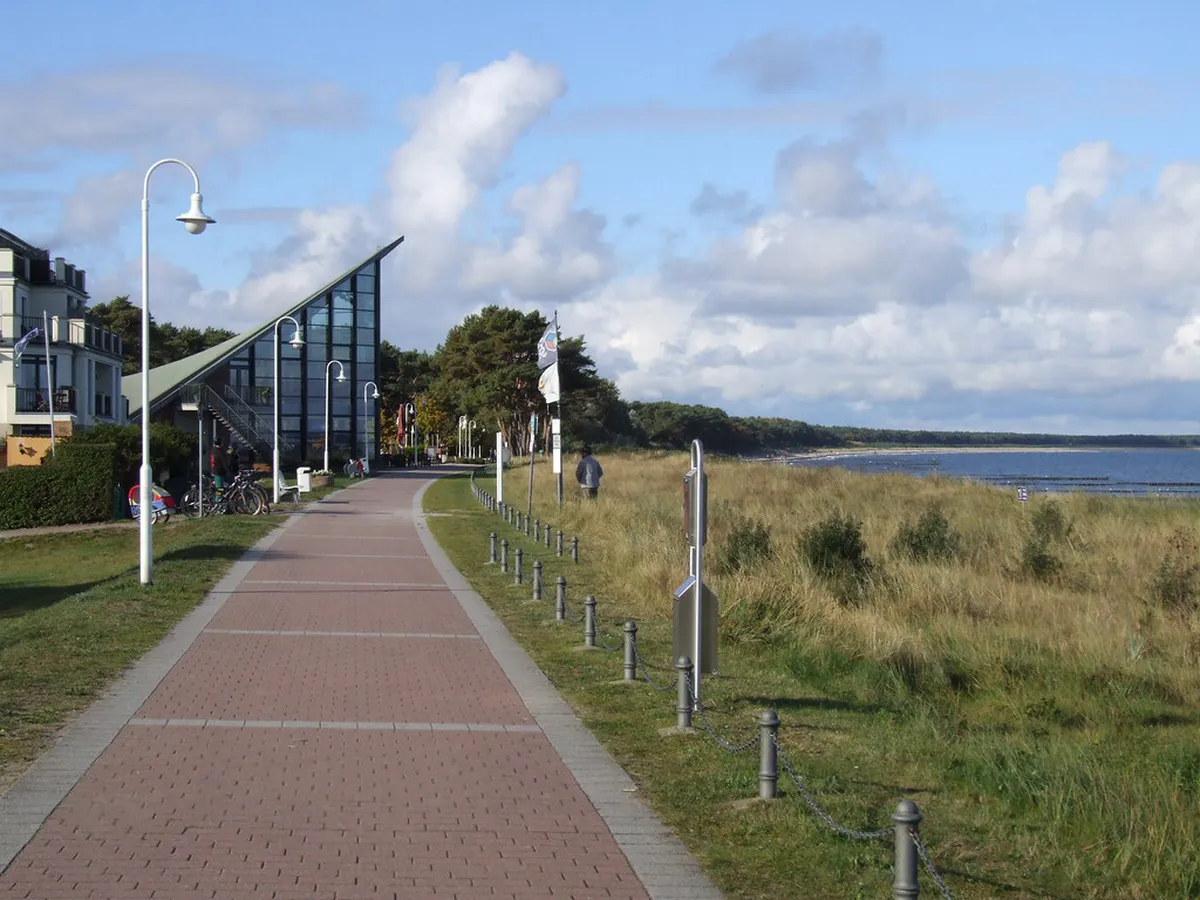
Rügen Island Guide: What to Do and Where to Base
Planning Rügen? See what to do, how long to stay, how to get there and around, and which bases suit your trip.
On this page
Last updated November 2026. Rugen, written Rügen in German, is Germany's largest island and sits in the Baltic Sea off the coast of Mecklenburg-Vorpommern. It is not a North Sea or Frisian island, so none of the tide-flat, dune-and-ferry logic of the western islands applies. This guide covers what to do, how long to stay, how to get there and which base fits your trip.
Featured image: hjs_schulze, CC BY 2.0, via Flickr.
Rügen at a Glance
Rügen is a Baltic island, not a Frisian one. If you arrived here looking for the Wadden Sea, start with our Frisian Islands guide instead. Rügen is much larger and more spread out than those islands, so you cannot cover it in a single day. You reach it by road and rail over the Rügen Bridge (Rügenbrücke), which links the island to the mainland at Stralsund. No ferry is needed for the main crossing. The official Rügen tourism site is the best place for current event and attraction listings. Rügen also belongs to the wider set of German Islands: Which One to Visit? worth comparing.
| Fact | Detail |
|---|---|
| Sea | Baltic Sea (Ostsee) |
| State | Mecklenburg-Vorpommern, Germany |
| Main access | Rügen Bridge (Rügenbrücke) from the mainland |
| Island railway | Rasender Roland narrow-gauge steam line |
| Best for | Coast and cliffs, heritage rail, family stops, Hiddensee day trip |
Best Things to Do on Rügen
Group your plan by type rather than chasing a ranked list. Rügen's sights are spread out, so pick two or three clusters and skip the rest. Each line below notes who it suits.
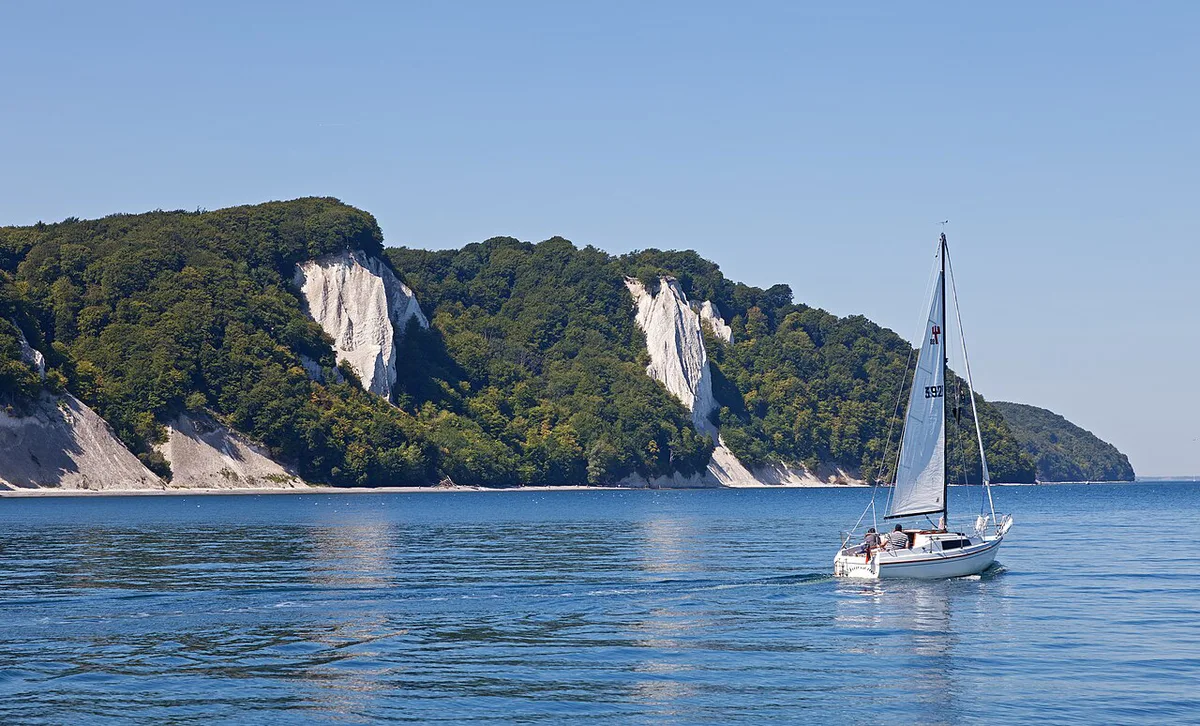
- Coast and cliffs: Jasmund National Park holds the chalk cliffs and the Königsstuhl viewpoint. See the Jasmund National Park site for current access. Suits walkers and photographers; skip it if you dislike woodland paths.
- Chalk cliffs by water: a boat trip shows the cliffs from the sea. Suits anyone who prefers sitting to hiking; skip it in rough weather.
- Railway and heritage: the Rasender Roland runs from Putbus to Lauterbach Mole or Göhren. Suits families and rail fans; skip it if you need fast transfers.
- Family stops: Rügenpark miniature park, the Rodelbahn toboggan run in Bergen auf Rügen, and Welt der Experimente in Putbus, where children can touch the exhibits. Suits younger children; skip them on a couples' trip.
- Culture and views: the Ernst-Moritz-Arndt-Tower and the Marienkirche, both in Bergen auf Rügen. The church's northern clock face is a small curiosity. Putbus also has a Clockmaker's Museum. Suits a rainy-day plan.
- Events: the Störtebeker Festspiele run as open-air theatre in Ralswiek and are seasonal. Suits summer visitors; skip them in winter, when the stage is not in use.
- Day trip: Hiddensee offers beaches and horse-drawn carriages. Suits a quiet day away from the main island; skip it if time is short.
How Long to Stay: 1 Day vs 3 Days vs a Week
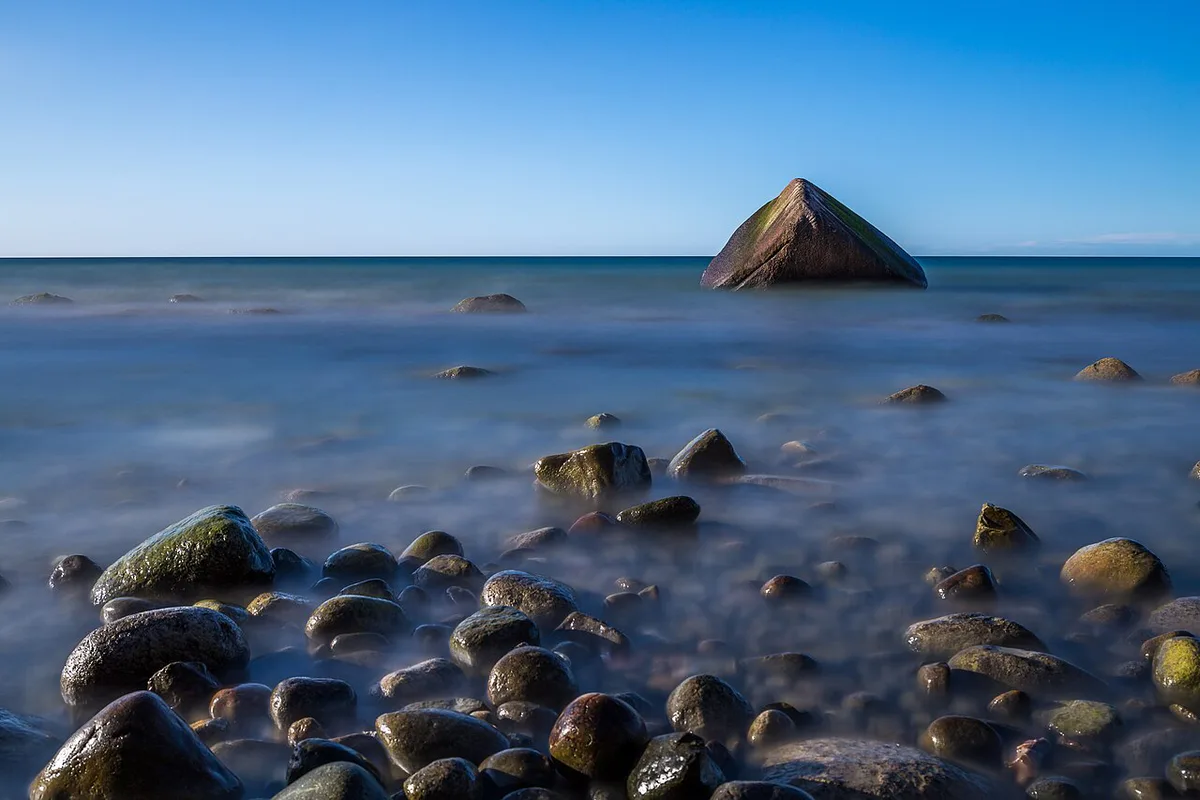
Rügen rewards a base and a slow plan. A single day only works if you accept one theme, such as the cliffs or the railway. Three days let you combine a coastal walk, the Rasender Roland and a Hiddensee trip. A week suits repeat visitors and anyone who wants beach days between sights.
| Length | Plan | Who it suits |
|---|---|---|
| 1 day | One cluster: Jasmund cliffs, or Putbus and the Rasender Roland | Drive-through visitors |
| 3 days | Cliffs, steam railway, Bergen sights, plus Hiddensee | First-timers |
| 1 week | All of the above, plus beach time in the resorts and an evening at Ralswiek in summer | Families and repeat visitors |
Getting There and Around Rügen
Cross the Rügen Bridge by car or train and you are on the island without a ferry. Distances on Rügen are large enough that your route matters. A car gives the most freedom between Bergen auf Rügen, Sassnitz, Putbus and the resorts. Public transport works if you base yourself in one resort and plan around the railway. The Rasender Roland is both transport and attraction. It links Putbus with Lauterbach Mole and Göhren but moves slowly, so treat it as a scenic ride. Hiddensee needs a separate ferry crossing. It is reported to be car-free, so plan to walk, cycle or take a carriage. Check the operator's current timetable before you commit to a day trip.
Where to Stay on Rügen: Which Base Fits Your Trip
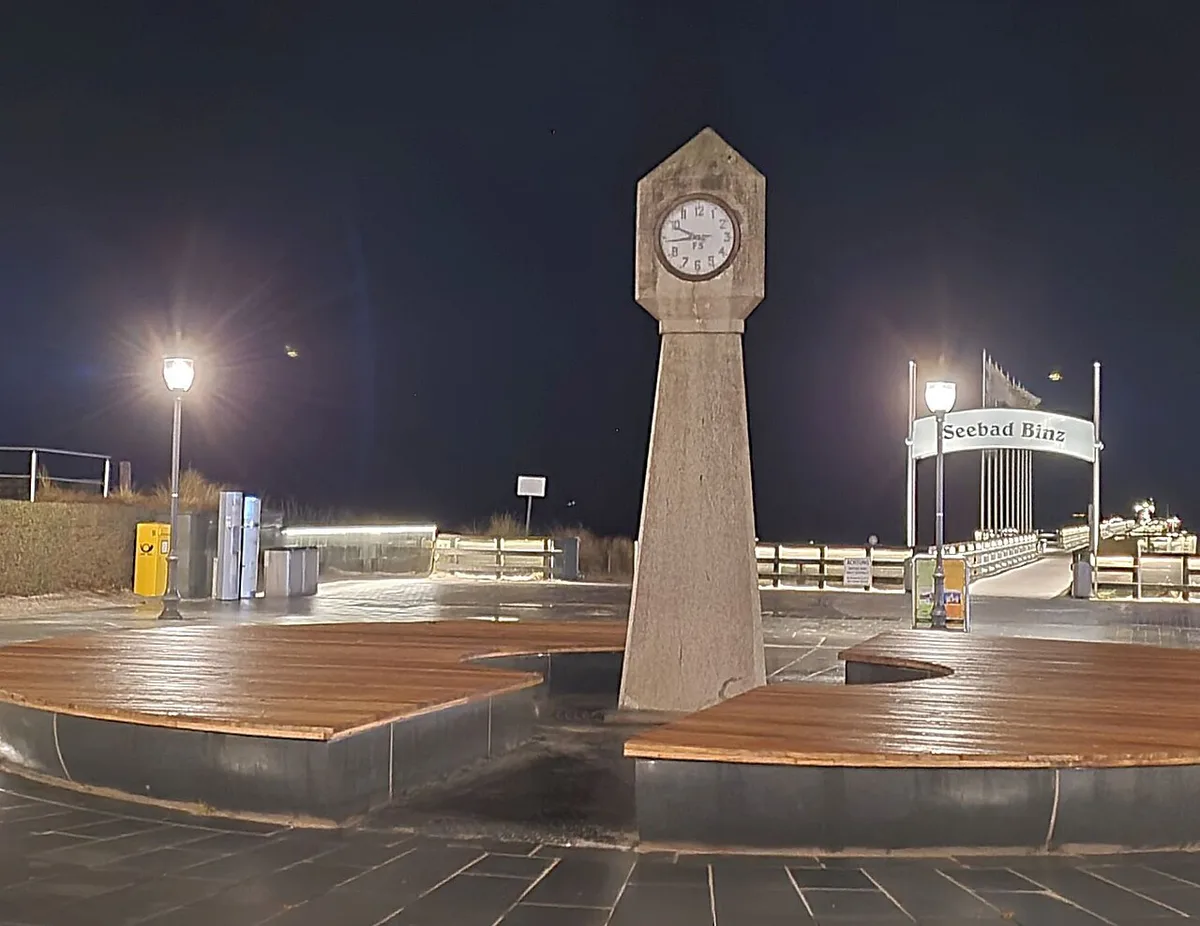
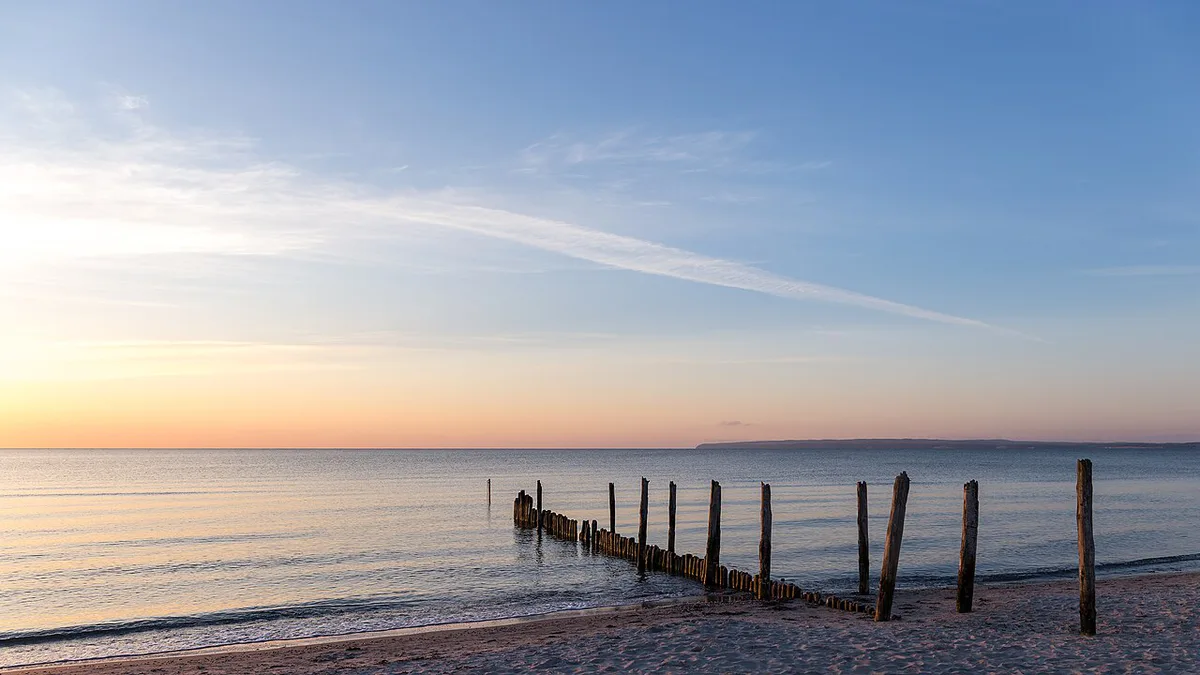
Choose your base by trip type, because the island is too spread out to see from one place. Binz and Göhren are seaside resorts that suit beach holidays. Putbus works for a railway-and-culture stay. Bergen auf Rügen is central for sights and for families. Sassnitz sits close to the cliff country.
| Base | Best for | Trade-off |
|---|---|---|
| Binz | Resort and beach days | Busier in summer |
| Göhren | Beach plus Rasender Roland terminus | Further from the cliffs |
| Putbus | Heritage, museums, rail | Fewer beach options |
| Bergen auf Rügen | Central sights, family stops | Not on the coast |
| Sassnitz | Cliffs and Jasmund | Less resort feel |
Costs, Tickets and Opening Hours
No current published fares or entry prices were available for this guide. Check the Rügen tourism board and each operator's own site for rail, ferry, museum and festival tickets.
When to Go and Mistakes to Avoid
Summer brings the Störtebeker Festspiele and the busiest beaches. Shoulder seasons suit cliff walks and quieter towns. Winter works for museums and indoor sights, though some attractions run reduced hours off-season. Common mistakes are easy to avoid. Do not try to see the whole island in one day. Do not assume Hiddensee ferries match mainland rail times. Do not plan beach days around a cliff walk without allowing for weather. Skip the Rodelbahn and Rügenpark if you travel without children.
Rügen vs the North Sea Islands
Rügen offers scale and variety, while the North Sea islands offer a smaller, tide-shaped feel. For the closest Baltic comparison, look at Usedom. For a German North Sea alternative, try Sylt. Open-sea travel by boat is the draw at Helgoland. If you want the car-light Dutch alternative, read about the Dutch Islands Guide: Wadden Islands Compared (Texel, Terschelling & More).
Frequently Asked Questions
What is Rugen Island known for?
Rügen is known for its chalk cliffs in Jasmund National Park. The Rasender Roland steam railway and the Störtebeker Festspiele in Ralswiek are also well known. It is Germany's largest island.
Can you swim in Rügen?
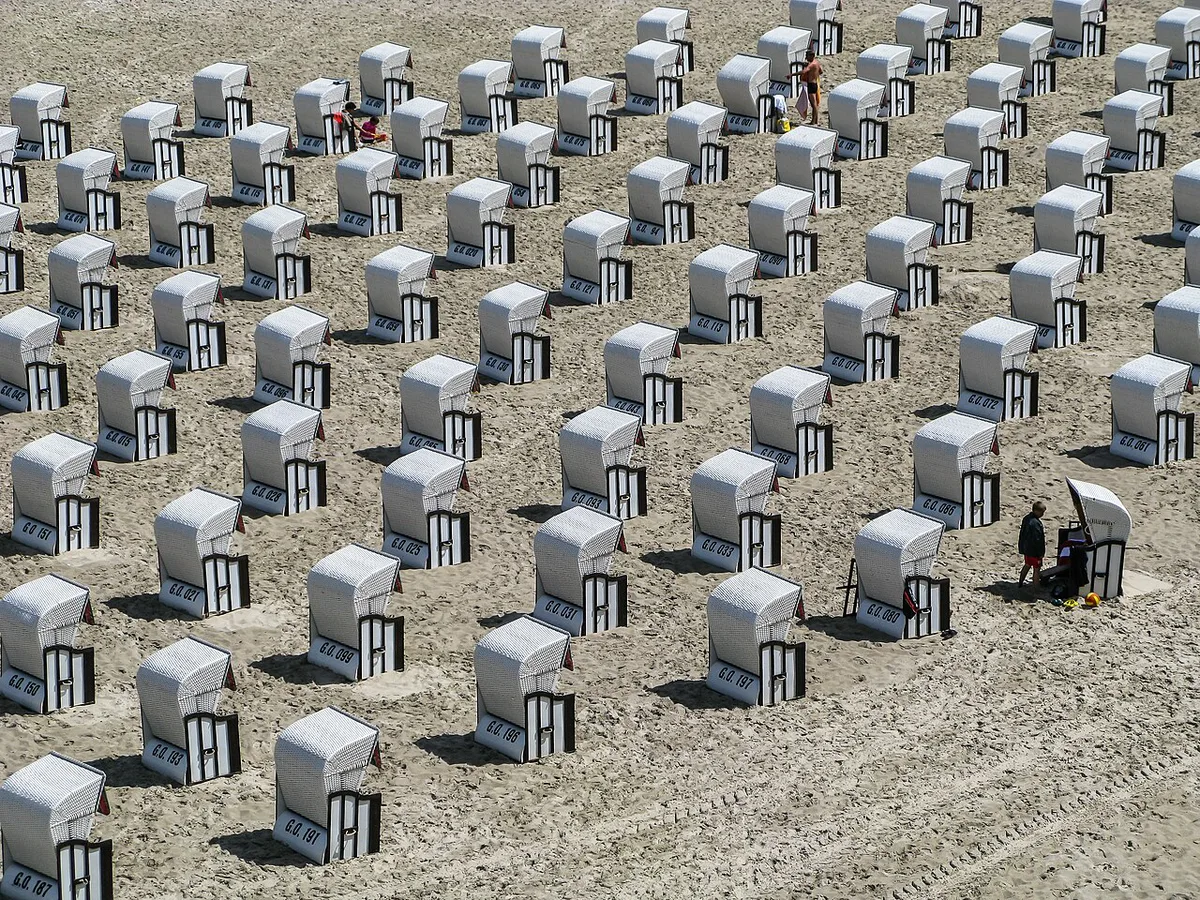
Yes, Rügen has Baltic beaches at resorts such as Binz and Göhren. Water quality and lifeguard cover vary by beach and season, so check local notices before swimming.
What does the German word "Rügen" mean?
As a lowercase verb, rügen means to reprimand or criticize. The island name Rügen is a place name and refers to the Baltic island in Mecklenburg-Vorpommern.
Useful notes for your next island trip
Optional updates to our guides.
You might also like
Continue reading
More guides you'll find useful