
Helgoland Travel Guide: Getting There, Day Trip vs Stay
Plan Helgoland, Germany's offshore North Sea island: how to get there, day trip or overnight, Düne, Oberland cliffs, food and seasonal tips.
On this page
Last updated November 2026. Helgoland is Germany's only high-sea island, about 70 km (roughly 43 miles) off the Schleswig-Holstein coast in the North Sea. Plan around the crossing, the weather and your time ashore, because those three decide whether a Helgoland trip works. Use this guide to choose between a day trip and an overnight stay, pick a departure port and plan your hours on the rock.
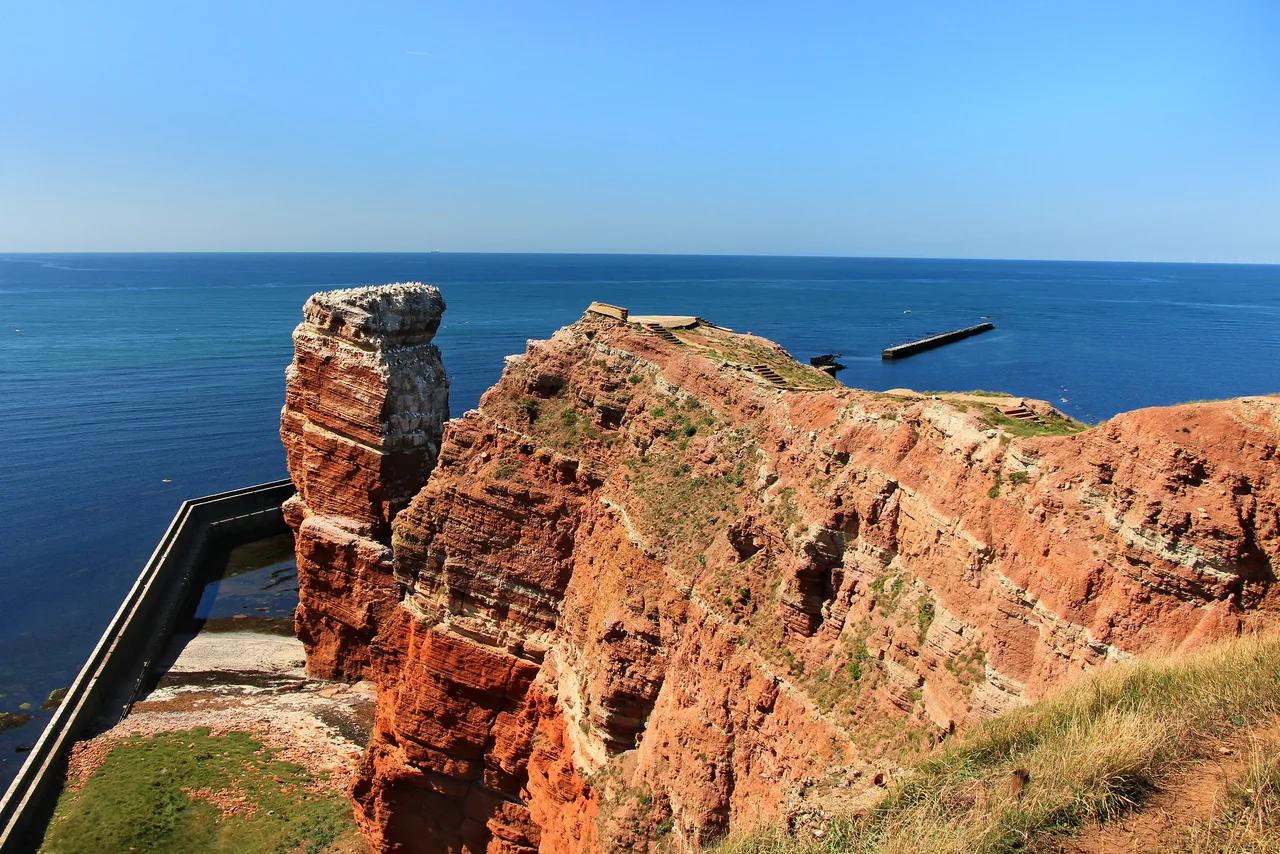
Featured image: Ruben Holthuijsen, CC BY 4.0, via Flickr.
Helgoland at a Glance
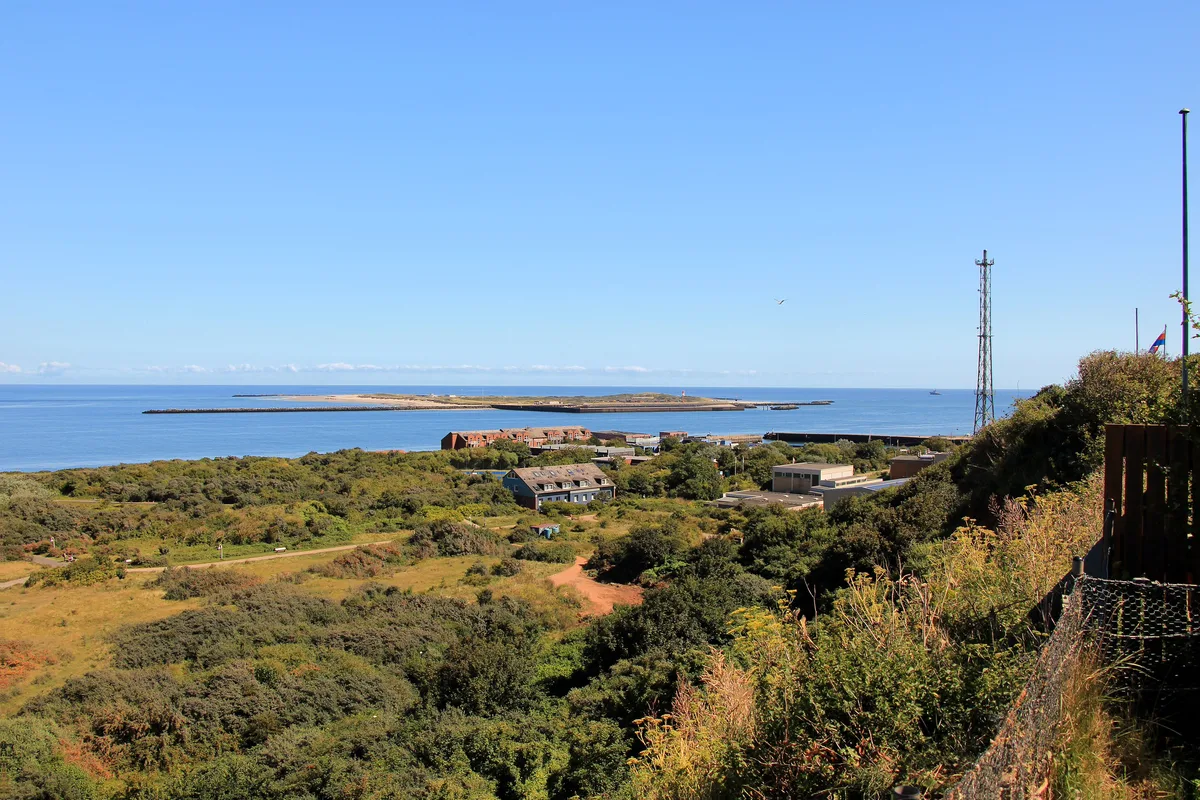
Helgoland (English spelling Heligoland) is a red-rock island in the German Bight. It is not part of the Frisian chain, so you will not find it in our Frisian Islands guide as a stop on the island-hopping route. Treat it as a separate offshore trip. Within Germany, it sits alongside the coastal options in our German islands overview. Local tourism information is on the official Helgoland tourism site.
- Location: about 70 km off the Schleswig-Holstein coast; one older reference puts it 65 km (40 miles) northwest of Cuxhaven.
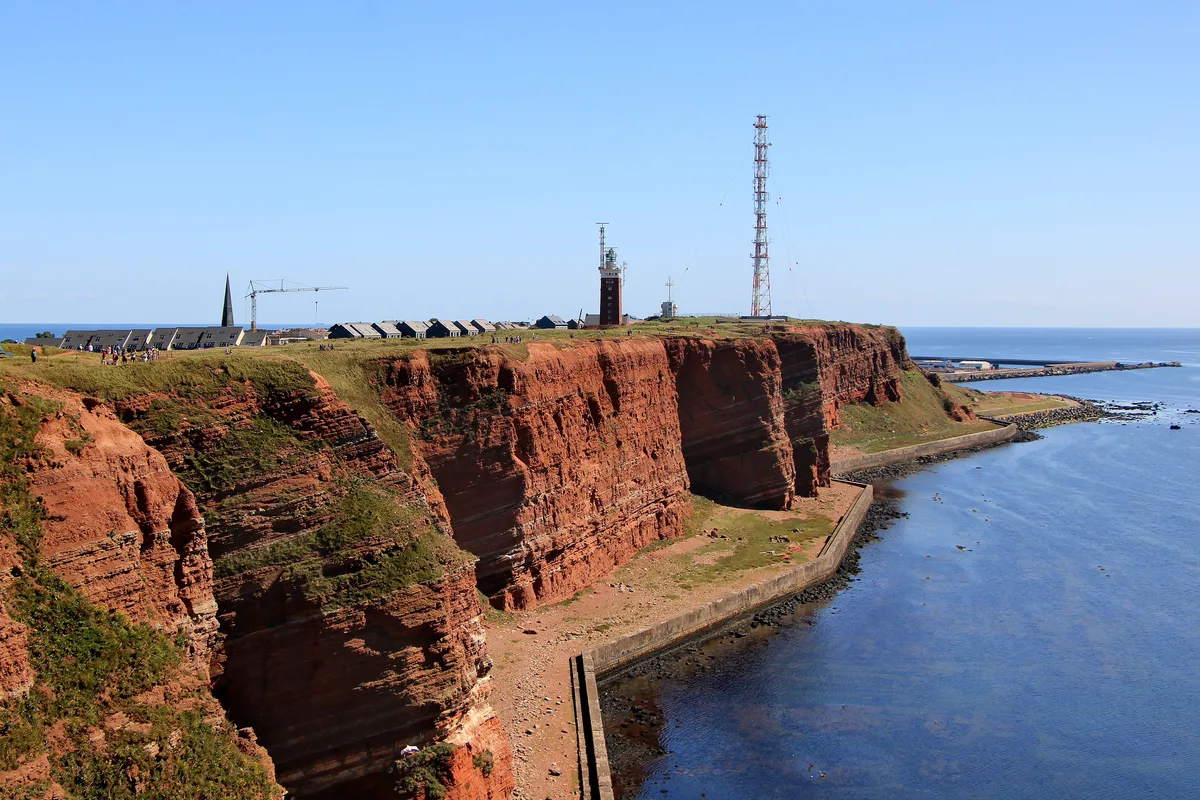
- Layout: a red sandstone plateau called the Oberland, a low Unterland with the harbor, and the separate sandy islet of Düne.
- Currency: euro (EUR).
- Best fit: birdwatchers, seal spotters, walkers and anyone who wants a short, rugged North Sea escape.
Is Helgoland Worth Visiting? Day Trip vs Overnight
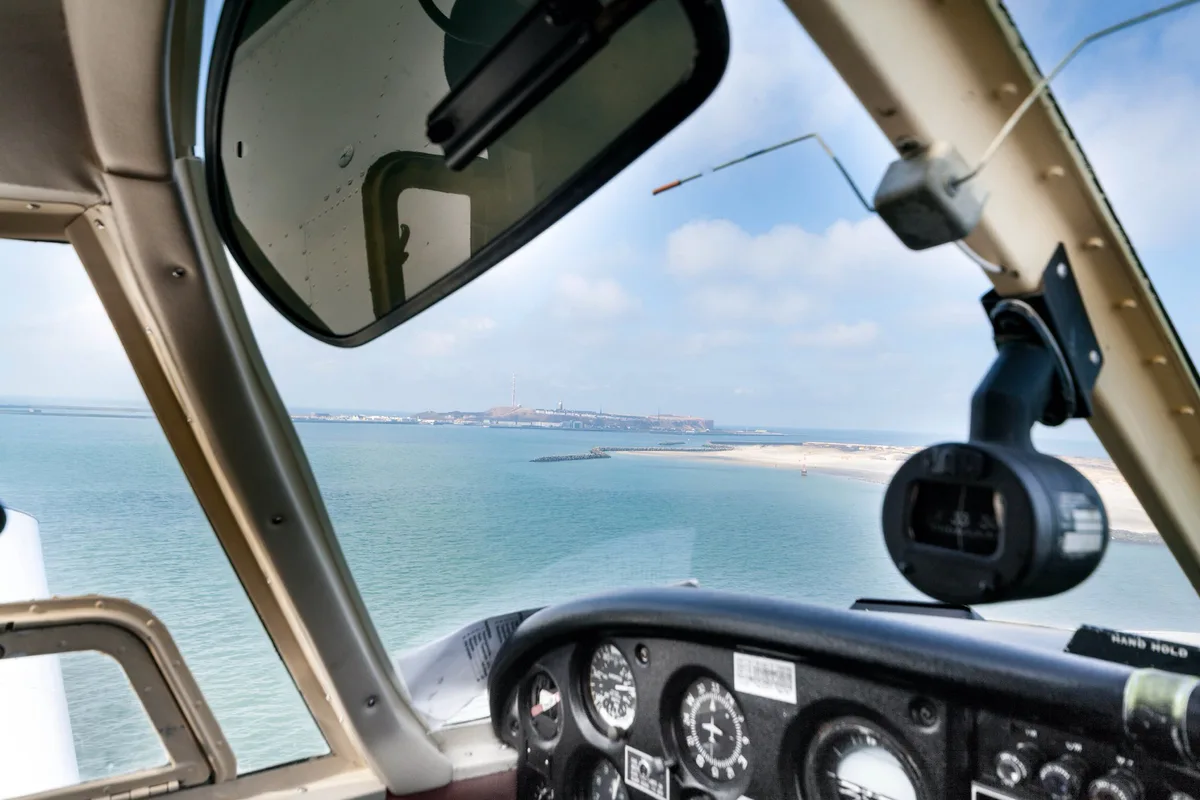
Helgoland rewards visitors who want cliffs, sea air and wildlife more than resort facilities. Your main trade-off is time ashore against crossing time. A day trip is set by the ship timetable, and rough seas can cancel a sailing. An overnight stay gives you slack for weather and lets you reach Düne without watching the clock. Costs are shown below in relative terms, because fares and room rates change each season.
| Format | Time on island | Cost level | Flexibility | Best fit |
|---|---|---|---|---|
| Day trip | A few hours, fixed by sailings | Lowest | Low; one missed boat ends the day | First-timers, short itineraries |
| 1 night | Evening plus a full morning | Medium | Medium; one weather buffer | Cliff walks plus Düne |
| 2+ nights | Full days, flexible plans | Highest | High; room to swap days | Birdwatchers, hikers, slow travelers |
How to Get to Helgoland
Reach Helgoland by sea from mainland ports, and Cuxhaven is the departure point named most often in the sources we checked. Operators such as FRS Helgoline publish current sailing days, crossing times and fares. Seasons differ by route, so do not assume year-round service. Choose a port by where your trip starts, then book the crossing before the room.
- Starting in or near Hamburg: look for a direct sailing first, then compare it with a train to a closer port.
- Starting on the coast near Cuxhaven: the shortest transfer, so a day trip is most realistic.
- Starting in Bremen or Lower Saxony: compare a coastal port against the longer transfer to Cuxhaven.
- Seasickness: the North Sea can be rough, so pack remedies and sit midship.
- Fallback: keep a refundable mainland hotel or an alternative coastal plan in case a sailing is cancelled.
Planning Your Time on the Island
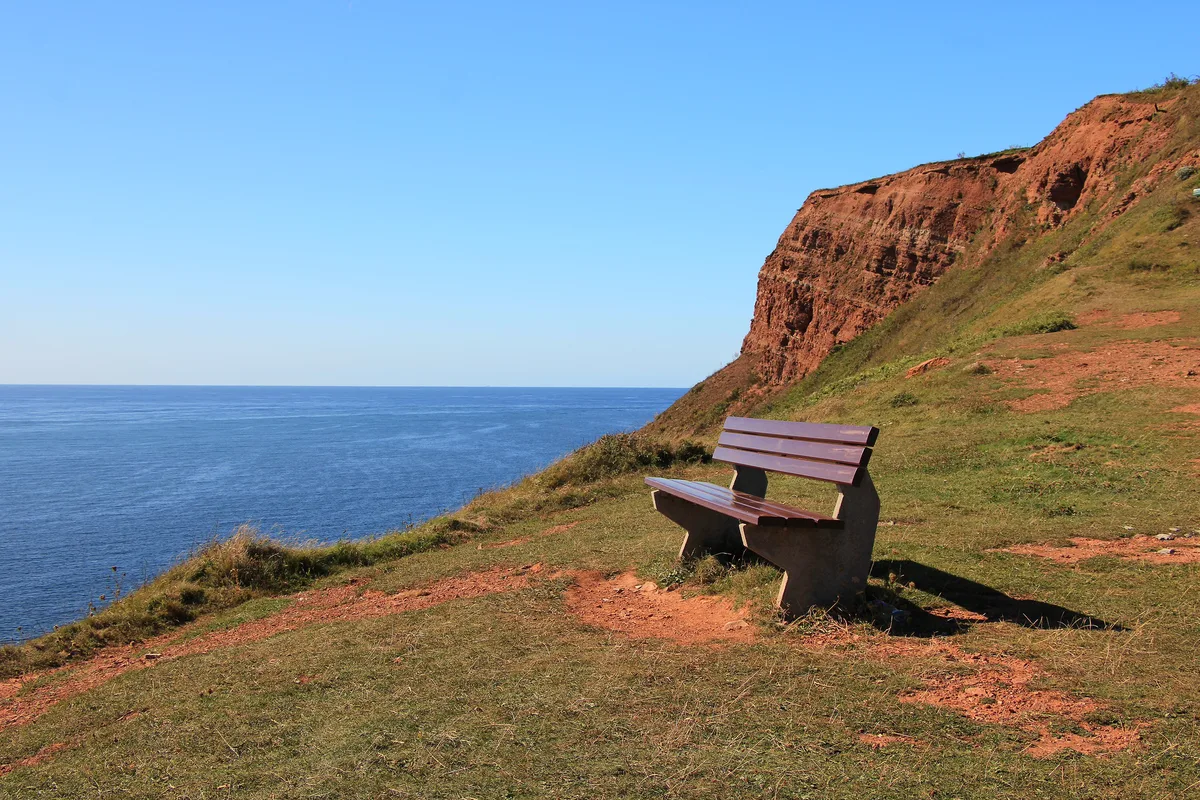
Your hours ashore depend on the return sailing. Land, then head up to the Oberland for the cliff-edge path, either by the lift or the stairs. Allow the middle of the day for the harbor and the Unterland shops. Finish with the boat transfer to Düne if time allows. Treat the plans below as timing logic, not a fixed schedule.
- Short visit (about 4–6 hours): Oberland cliff loop first, harbor lunch, then Düne only if the return sailing leaves a buffer.
- Full day or overnight: Oberland in the morning, Düne beach and seals after lunch, harbor and Unterland in the evening.
- Rule of thumb: be back at the quay well before your return boat boards.
Helgoland Map: Oberland, Unterland and Düne Layout
The island is compact, so a simple mental map is enough to plan your hours. Three zones matter: the harbor level, the plateau above it, and the separate islet of Düne across the water. Check current walking routes and ferry stops with the official tourism office, since paths and nature-reserve closures can change.
| Zone | What you find there | How to reach it |
|---|---|---|
| Unterland | Harbor, shops, cafés, restaurants and the landing area | On foot from the quay |
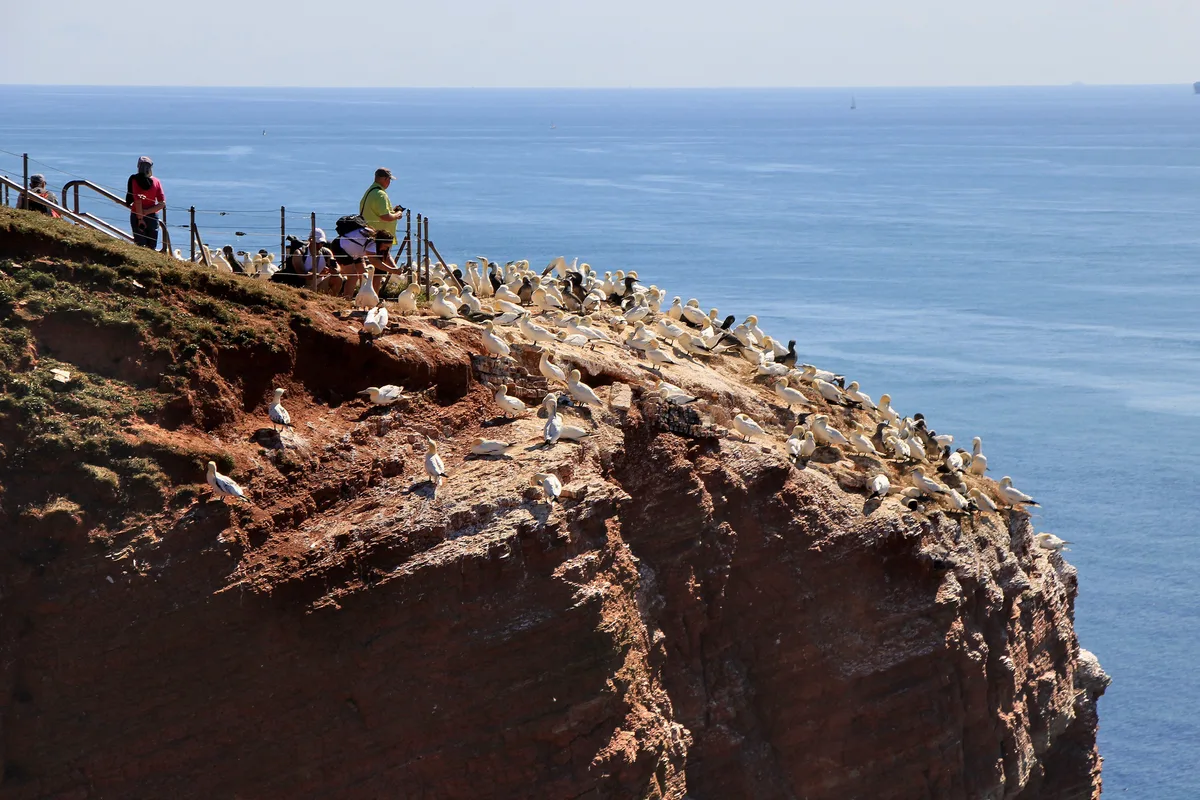
| Oberland | Red sandstone plateau, cliff-edge path, viewpoints, seabird cliffs, the Lange Anna sea stack at the northwest tip | By the lift or the stairs up from the Unterland |
| Düne | Sandy beach, dunes and seal habitat | By the small boat transfer from the harbor |
Reading the layout
- Start high. The cliff path on the Oberland is a loop that you can shorten or extend, so it is the easiest part of the day to adjust if the weather turns.
- Keep Düne for last. It is the only part that depends on a second boat, so do it when you know how much time is left before your return sailing.
- Follow the signs. Bird cliffs and seal areas have marked boundaries, and staying outside them protects both the wildlife and your visit.
Printed island maps are usually available at the tourist office near the harbor, and a phone map works offline once you have downloaded the area before you sail.
Düne, Beaches and Wildlife
Düne lies a short boat ride east of the main island, roughly 0.4 km away by one older reference. It has a sandy beach and a seal habitat. Keep your distance from seals and follow posted nature-reserve signs. Bird numbers and species change by season, so ask at the tourist office for the current picture. Research has a long record here too: water samples have been taken at Helgoland Roads since 1962.
Food, Drink and Duty-Free Shopping
Expect seafood, fish sandwiches and café stops around the harbor and the Unterland. Lobster is promoted as a local specialty, so ask the restaurant where it comes from. Shops on the island have a reputation for tax-exempt goods, so read the current customs rules on the official tourism site before you plan a shopping stop. Opening times shift in the off-season, so keep lunch plans flexible.
Where to Stay and Getting Around
The island is small enough to cover on foot, and its promoters stress low traffic and quiet. Rooms range from guesthouses to hotels with sea views. Book early for summer weekends and events, since beds are limited. Baggage handling and any vehicle rules are best checked with your lodging before you sail. If you want more beds and services, compare Sylt or the Baltic coast at Usedom.
Weather, Season and What to Pack
Weather is maritime, mild and windy. Pack layers and a windproof shell in every season. Summer suits beaches and swimming, spring and autumn suit birdwatching, and winter brings quiet and a higher chance of storm cancellations. Check the live forecast the day before you sail, because a day trip leaves little room to wait out a squall.
Mistakes to Avoid
Most Helgoland trips go wrong in logistics, not sightseeing. These are the errors that cost visitors the most time.
- Booking a day trip with a tight turnaround and no time for the Oberland and Düne.
- Having no weather backup if a sailing is cancelled.
- Ignoring the Düne boat timing and missing the beach window.
- Assuming ferries run year-round on every route.
- Booking late in peak summer, when rooms and sailings fill up.
Nearby Islands and Next Steps
If a rock in the open sea is too exposed for your plans, walkable island alternatives are easier. Start with the 7 Frisian Islands Compared: Dutch, German and Danish. Families and cyclists may prefer Texel across the Dutch border. On the Baltic side, Rügen offers longer beaches and more lodging.
Frequently Asked Questions
Where is Heligoland island?
Heligoland (Helgoland) lies in the German Bight of the North Sea. It is about 70 km off the Schleswig-Holstein coast. It is not one of the Frisian Islands.
Are there cars on Heligoland?
The island is small and promoted as a quiet, low-traffic place. Ask your lodging about current vehicle rules and luggage transport before you sail.
Useful notes for your next island trip
Optional updates to our guides.
You might also like
Continue reading
More guides you'll find useful