
Texel Travel Guide: Ferry, Bikes, Beaches and Stay
Plan Texel: how to get there, where to cycle, which dunes and beaches to pick, and how it compares with Vlieland and Terschelling.
On this page
Last updated November 2026: texel is the largest and most visited Dutch Wadden island, and about one third of it is nature reserve. Cyclists, birders, seal spotters and beach families get the most from it, while anyone chasing a car-free hush may prefer a smaller island. Transport and day-count decisions come first below, followed by a comparison with Vlieland, Terschelling and Ameland.
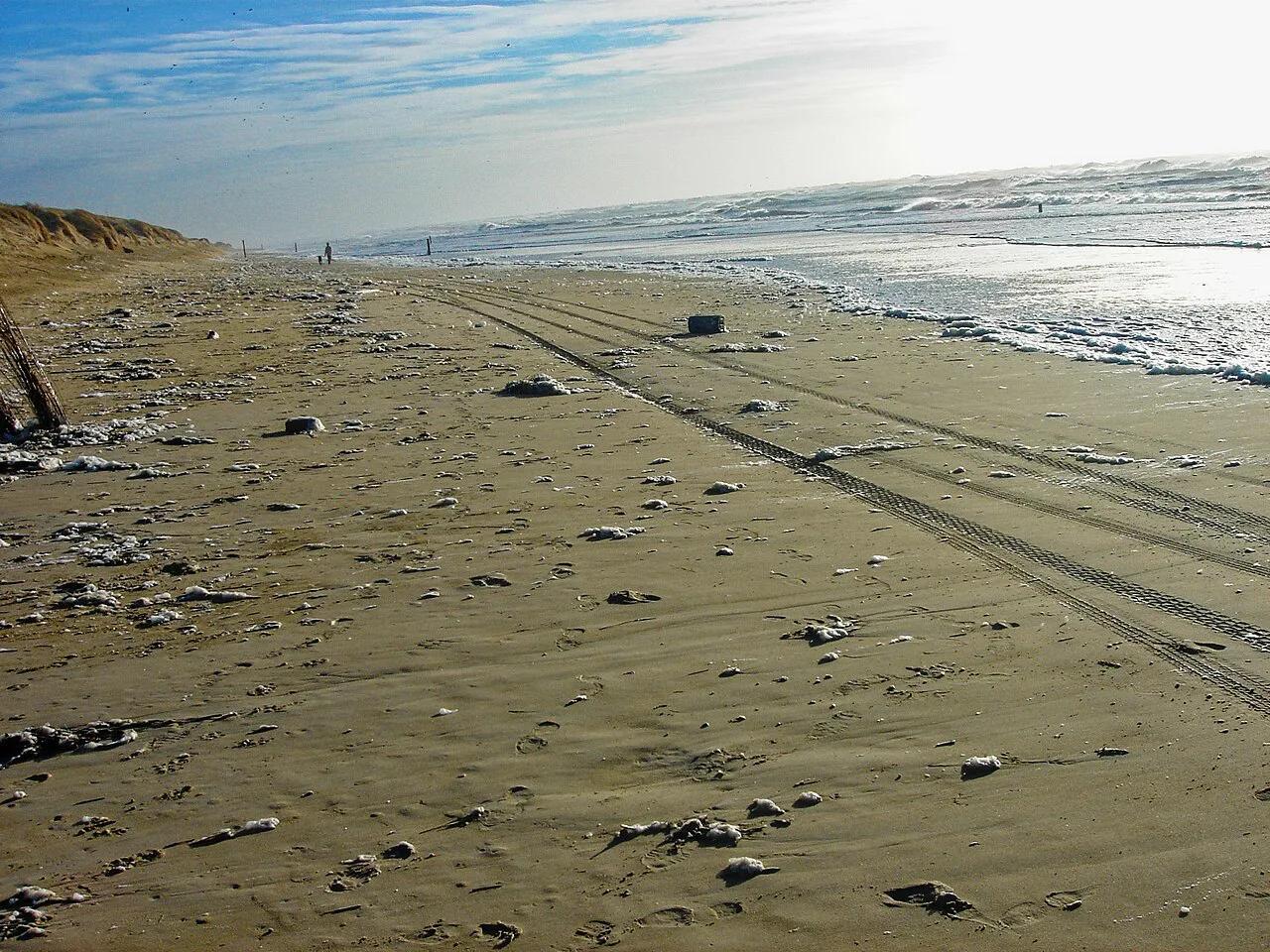
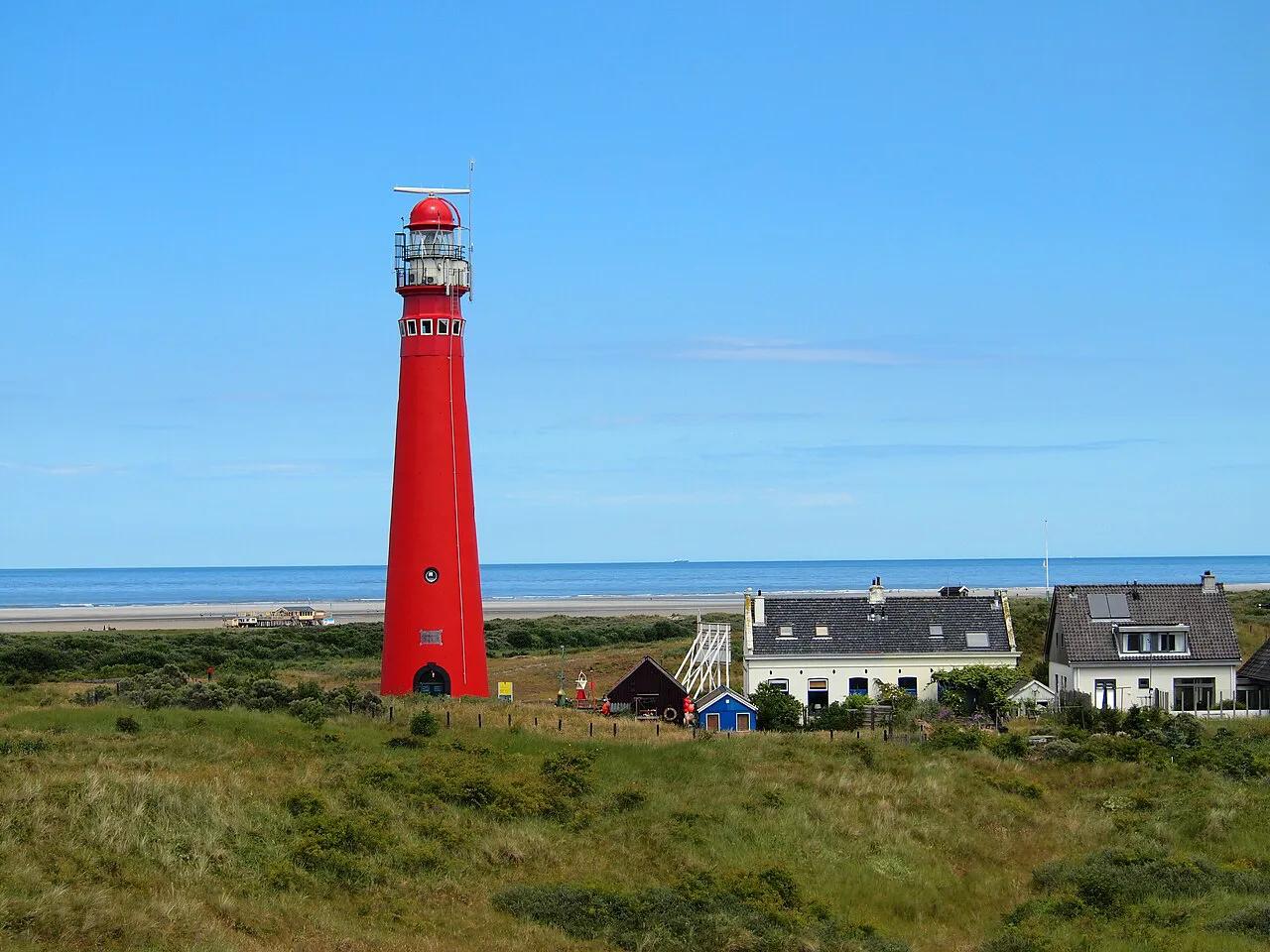
Featured image: Txllxt TxllxT, CC BY-SA 4.0, via Wikimedia Commons.
Texel at a glance
Texel sits north of Den Helder in the Kop van Noord-Holland and belongs to the wider 7 Frisian Islands Compared: Dutch, German and Danish chain. Measuring 23.7 km by 9.6 km, it covers 162 km² of land. Dunes and woods on the west side form Dunes of Texel National Park. Ecomare, the island's nature centre, describes Texel as especially famous for birds. Seals, beaches and long cycle routes round out the appeal. Pick another island if your priority is a tiny, traffic-free place with almost no visitors, because Texel draws the greatest number of visitors of any Dutch Wadden island.
| Quick fact | Texel |
|---|---|
| Size | 23.7 km long, 9.6 km wide, 162 km² of land |
| Villages | Den Burg, De Koog, De Cocksdorp, Oudeschild, Oosterend, Den Hoorn |
| Nature share | About one third is nature reserve |
| Main transport | TESO car ferry from Den Helder; bike, bus line 28, Texelhopper or car on the island |
| Best season | Spring to autumn for birds and colour; winter for geese, swans and storms |
Getting to Texel and getting around
TESO runs the car ferry from Den Helder to the island. Ecomare confirms you cannot walk to Texel from the mainland at low tide, so the boat is the only practical route. Crossing times, fares and booking rules for cars sit on the TESO site. On the island, bus line 28 runs at fixed times between Veerhaven, Den Burg Centrum and De Koog. Texelhopper minibuses must be reserved in advance. A Texelvignet parking card makes parking easy in the villages and near the beaches.
| Option | Best for | Trade-off |
|---|---|---|
| Bike | Dunes, polders and villages at your own pace | Wind and rain decide the day; plan shorter legs |
| Bus line 28 | Veerhaven, Den Burg and De Koog | Fixed route; it does not reach remote dunes |
| Texelhopper | Places the fixed bus misses | Reservation required |
| Car | Families with luggage, bad weather | Needs a ferry booking and a Texelvignet for parking |
Best things to do on Texel
Sort your days by what you want to see rather than ticking off a ranked list. Dunes between De Koog and Den Hoorn are the island's oldest and reach up to 25 m, according to Ecomare. Hoge Berg, near Den Burg, tops out at 15 m. Spoonbill and cormorant colonies nest at the Muy, and the Geul holds another large spoonbill colony. From the dike, Mok Bay is very suitable for birdwatching. Seals and wading birds favour the quiet flats between Texel and Vlieland.
- Dunes: De Slufter is a salt marsh in an open dune slack on the North Sea side. De Hors shows dune formation in action, and De Muy and De Geul are wilder, bird-rich slacks.
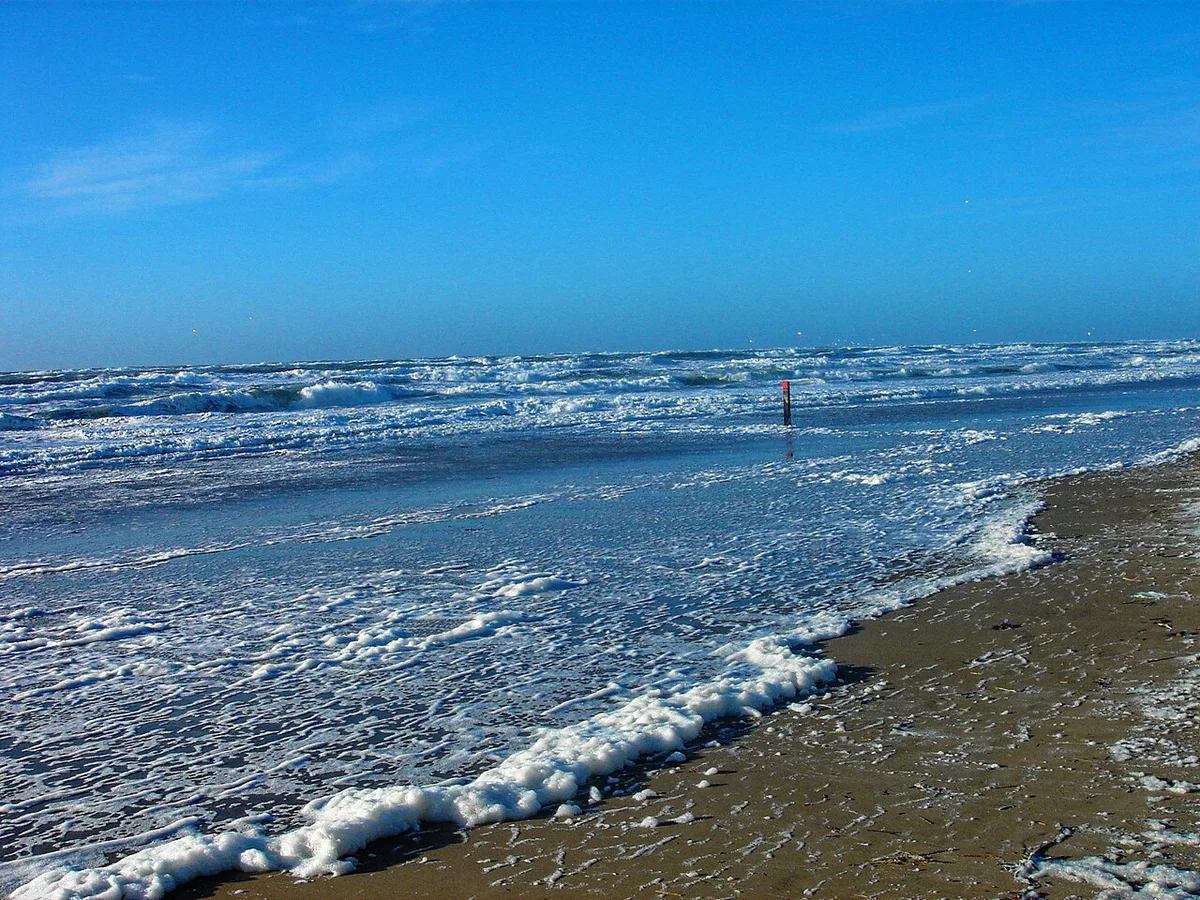
- Beaches: the North Sea borders the west coast, and seals swim offshore. Swimming has an official safety page on texel.nl, including a rip-current sheet, so read it first.
- Birds: spoonbills at the Muy and the Geul, plus Mok Bay from the dike. Dune orchids bloom in young slacks, and salt marshes turn bright red in autumn.
- Mudflats: short flat excursions start from Krassekeet near Oost and from the dike monument in De Cocksdorp. Group walks on the flats without a licence are forbidden and dangerous.
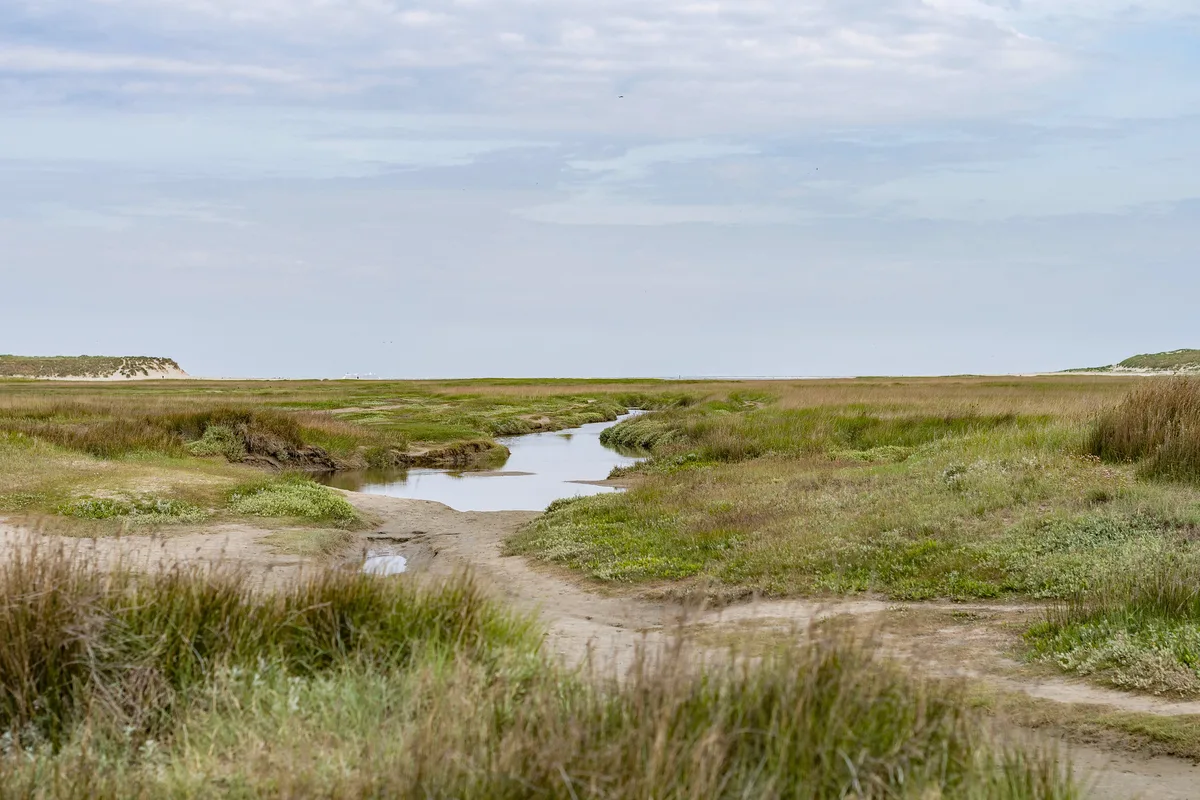
- Villages: Den Burg is the main town and shopping centre. De Koog sits by the dunes, De Cocksdorp in the north and Oudeschild at the harbour, where fishing is traditional. Oosterend lies near the Schorren salt marsh.
- History: Eierland Lighthouse marks the north end. In the Georgian uprising of 1945, fighting lasted from 5 April to 20 May, and a cemetery on the island holds the Georgians who died.
How the island changes as you cycle north
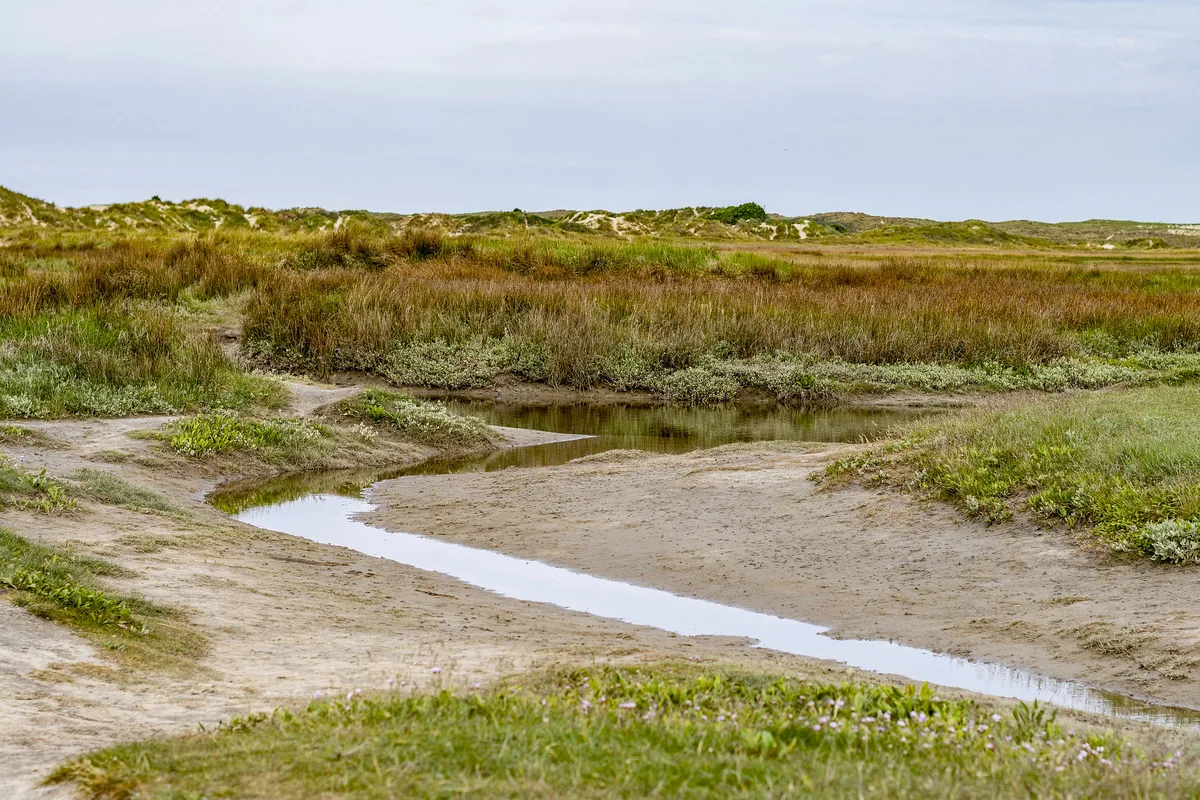
Texel shifts character quickly from south to north. Around Den Hoorn and De Koog, the Dennen woods were planted in the early twentieth century, mostly with black pines. East of the dunes, a lateral moraine from about 150,000 years ago forms rolling land around Den Burg. Old polders such as Waal and Burg, reclaimed in 1610, now suit meadow birds. Farther north, nineteenth-century polders give flat, rectangular fields. In winter, many geese and Bewick's swans feed there. North of that, the Eierland dunes shelter migrating birds.
How many days do you need on Texel?
Plan the length of your stay around the transport you choose. Texel is 23.7 km long, so cycling from end to end is a day-long project with stops. A day trip suits one focused loop, while longer stays let weather decide your route.
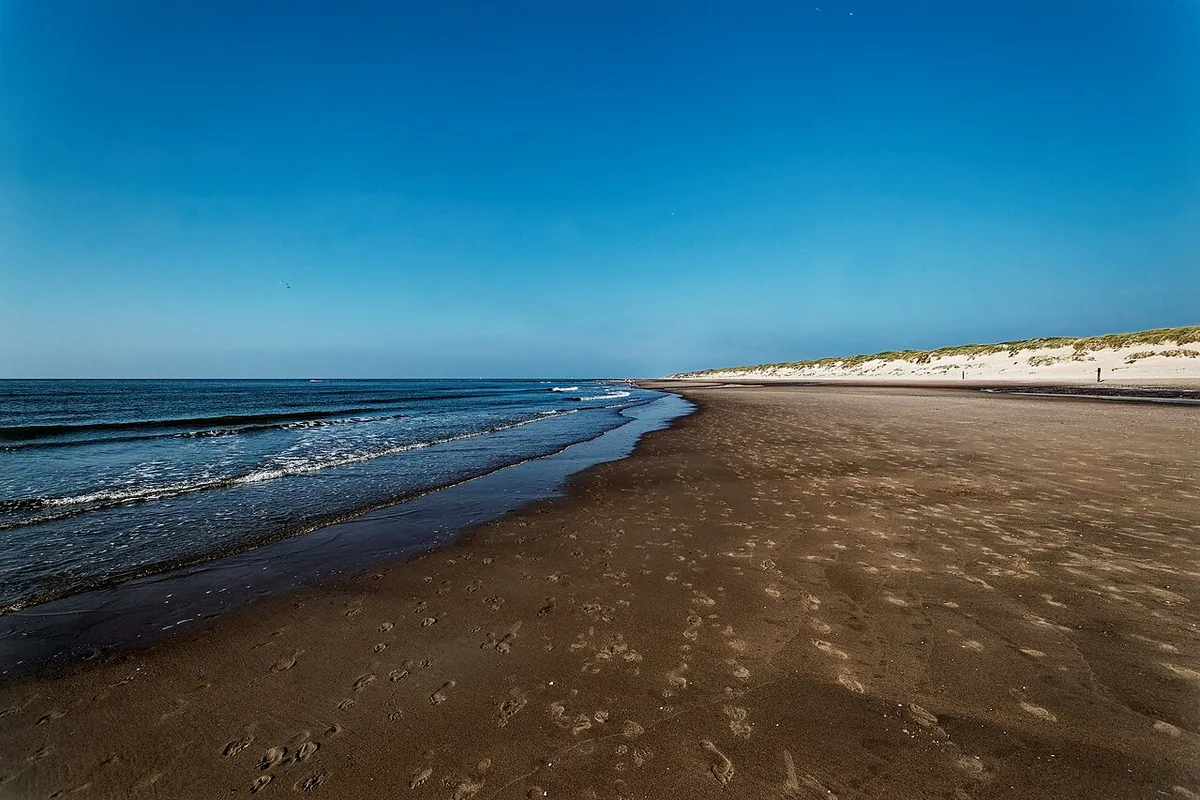
- Day trip: take the ferry from Den Helder, then pick one area. Choose De Koog and the dunes, or Den Burg and the south. Bus line 28 links Veerhaven, Den Burg and De Koog.
- Weekend: add the north. Cycle to De Cocksdorp for Eierland Lighthouse and the dike monument, and book a short mudflat excursion from the same village.
- 4-5 days: split the island by landscape. Spend one day on dunes and De Slufter, one on bird areas, one on villages and polders, and keep a spare day for storms or sea fog.
- Rainy-day fallback: Ecomare, the nature centre, has a visitor section and guided tours. Check its current opening hours before you go.
When to go
Spring and summer bring the most birds, and also the most visitors. Autumn colours the salt marshes purple, light green and bright red, according to Ecomare. Winter fills the new polders with geese and Bewick's swans, and seabirds fly close to the beach during storms. Plan layers year-round, since the island sits on the exposed North Sea coast. No source in our notes gives reliable monthly temperatures, so check a forecast close to your travel date.
Where to stay on Texel
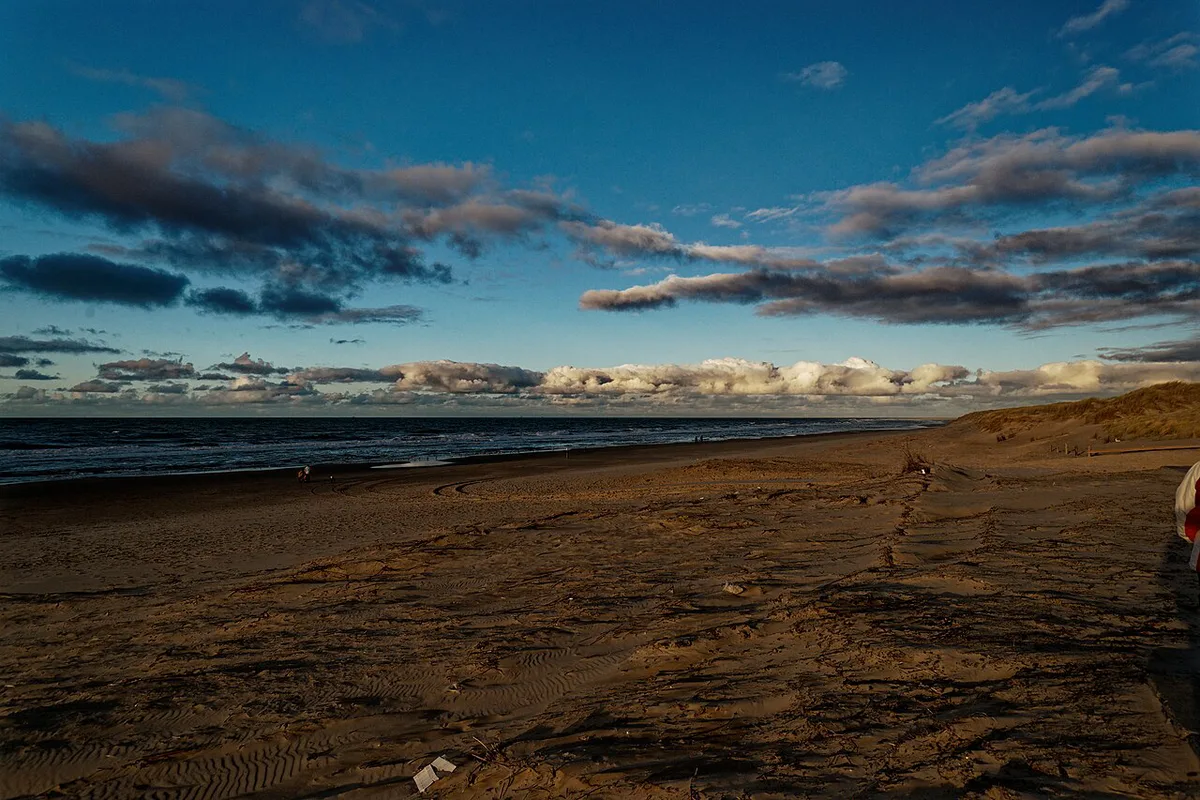
Base yourself where your plan starts. De Koog suits dune walkers because bus line 28 runs there. Den Burg is central and has the shops. De Cocksdorp is quieter and sits in the north. Oudeschild is the harbour village. Services vary by village, so read listings before booking. VVV Texel handles tourist information and online booking.
| Village | Best for | Why pick it |
|---|---|---|
| De Koog | Dunes and bus 28 | Close to the western dunes and the Slufter |
| Den Burg | First-timers and shops | Central; bus 28 stops at Den Burg Centrum |
| De Cocksdorp | Quiet and birds | North end; Eierland Lighthouse and flat excursions |
| Oudeschild | Harbour atmosphere | Traditional fishing village |
Costs and booking
Rates change by season, so read current figures from each operator. Bringing a car is the choice that most changes the budget, while walking on and renting a bike keeps costs simpler.
| Cost | What to check | Where |
|---|---|---|
| Ferry | Fares, car rules, booking window | TESO |
| Bike rental | Daily rates, e-bike options | Rental shops via VVV Texel |
| Accommodation | Nightly rates by village | VVV Texel booking |
| Parking | Texelvignet card price | texel.nl |
| Tourist tax | Per-night amount (page is in Dutch) | texel.nl |
| Entry fees | Ecomare tickets and guided tours | Ecomare |
Texel vs the other Dutch Wadden islands
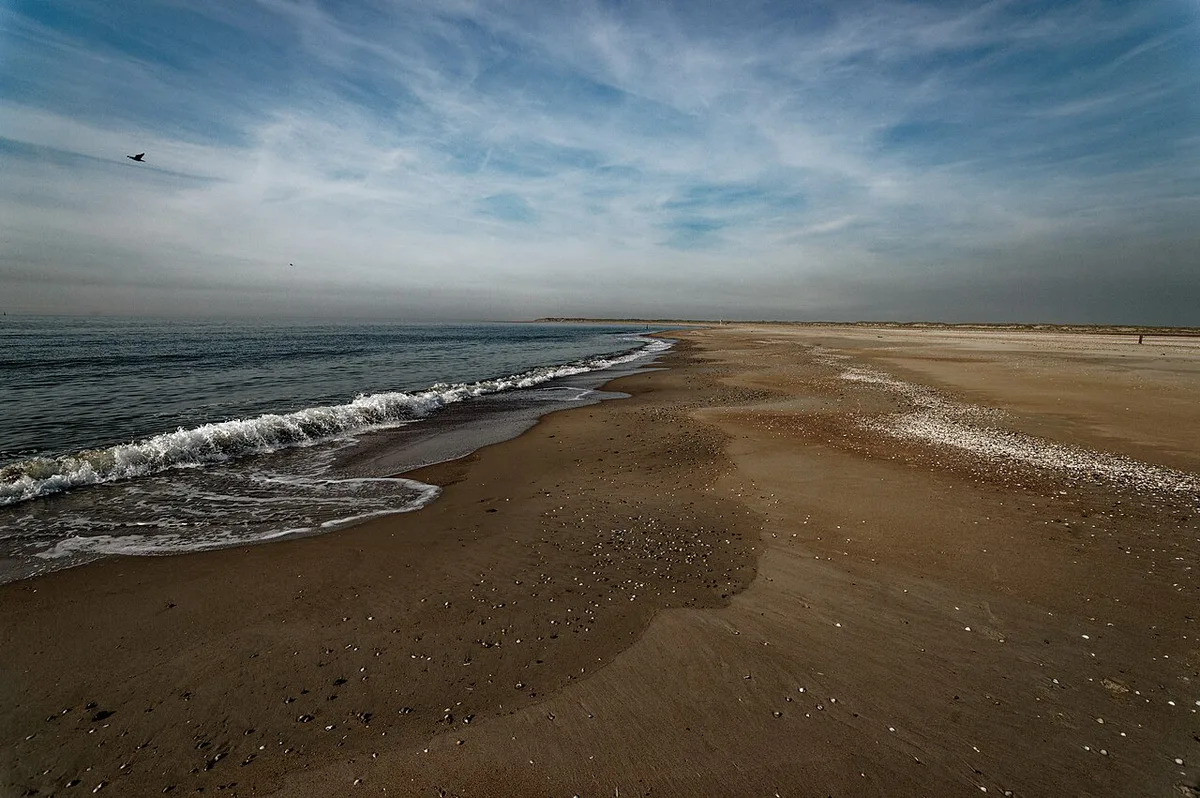
Ecomare calls Texel the largest Dutch Wadden island by a wide margin in visitor numbers. Vlieland lies northeast across the flats. Our guide to Dutch Islands Guide: Wadden Islands Compared (Texel, Terschelling & More) sets the full picture. Choose Texel for variety, a bus network and many villages. Pick a smaller island for fewer crowds, and check car rules on that island's own page.
| Island | How it compares | Read next |
|---|---|---|
| Vlieland | Neighbour to the northeast; the flat crossing needs two low-tide periods and experienced hikers | Vlieland guide |
| Terschelling | Further east along the Wadden chain | Terschelling guide |
| Ameland | Further east again; compare busyness and car rules before choosing | Ameland guide |
Mistakes to avoid
A few errors cause most of the trouble on Texel. Mudflats are the biggest danger, and the sea comes second.
- Heading onto the mudflats unguided. Group walks without a licence are forbidden.
- Swimming without reading the rip-current advice on texel.nl.
- Relying on buses for remote dunes. Bus line 28 serves only Veerhaven, Den Burg and De Koog.
- Arriving without a ferry booking in peak season. Check TESO's current rules.
- Forgetting a Texelvignet if you drive.
Other islands beyond the Wadden Sea
If you are also weighing the German side, our German islands guide covers it. Those islands suit a different trip from Texel.
Frequently Asked Questions
What is Texel famous for?
Texel is especially famous as a bird island, according to Ecomare. Spoonbill colonies at the Muy and the Geul draw birders. Dunes, North Sea beaches and seals add to the appeal.
Is Texel worth visiting?
Yes, if you want varied landscapes in one place. About one third of the island is nature reserve, and dunes cover the west. Cycling links villages, polders and woods.
How do you pronounce Texel in Dutch?
Dutch speakers say it roughly as "Tessel". The name is Frisian in origin. Dutch replaced its x sounds with s sounds, so the spelling and speech differ.
Useful notes for your next island trip
Optional updates to our guides.
You might also like

Continue reading
More guides you'll find useful