
Swedish Islands: Best Islands to Visit and How to Get There
Which Swedish islands are worth visiting? Compare Stockholm and Gothenburg archipelagos, Öland and Gotland by access, season and trip length.
On this page
Last updated November 2026. Swedish islands number in the hundreds of thousands under the widest official count, but only a handful suit a normal trip. This guide sorts the visitable ones by access and character, so you can choose between the Stockholm archipelago, the Gothenburg archipelago, Öland and Gotland. For wider comparisons, start with our Baltic islands guide.
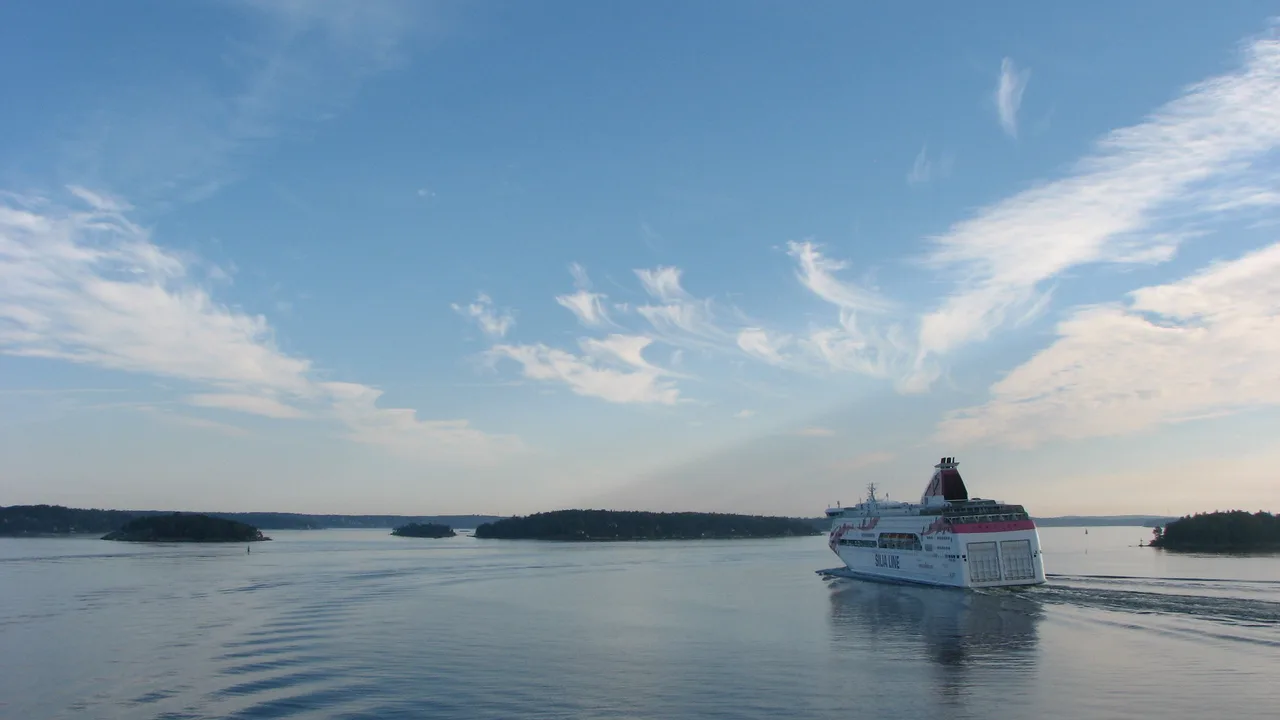
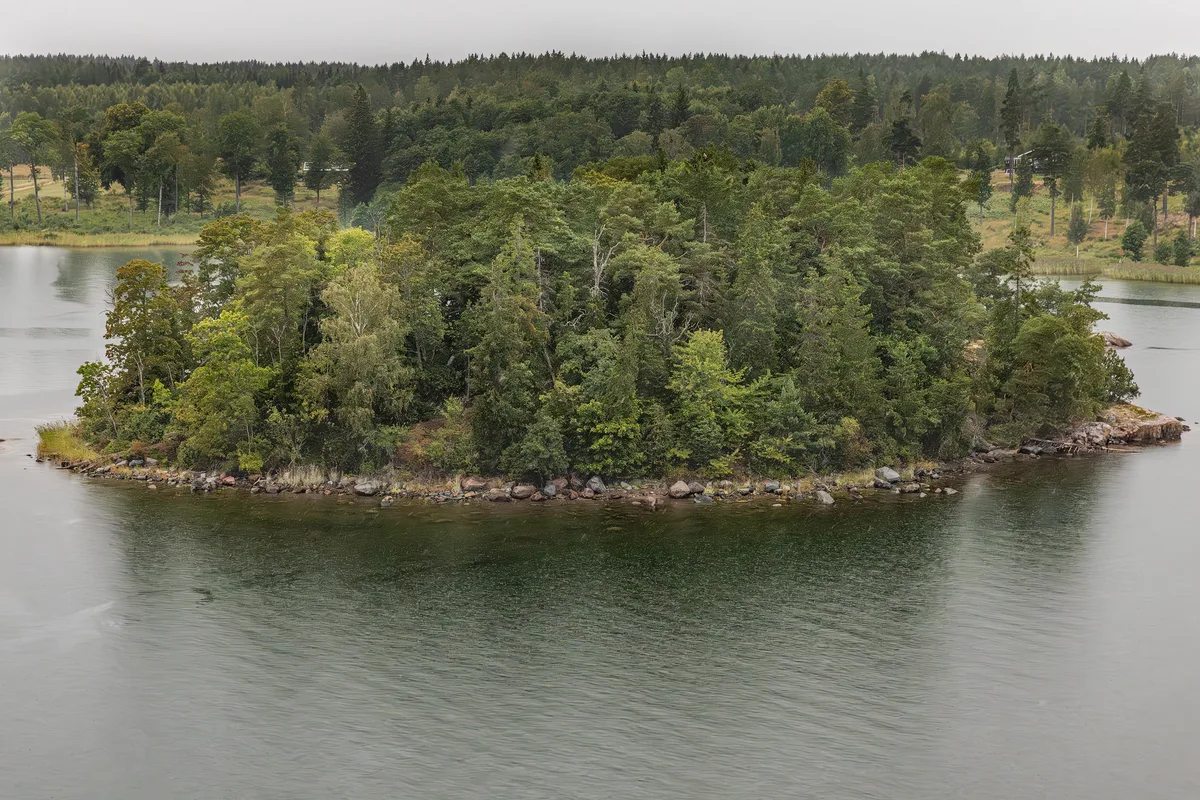
Featured image: ЕгорЖуравлёв, CC BY-SA 2.0, via Flickr.
Swedish Islands at a Glance
Sweden's visitable islands fall into four groups. Two sit on the Baltic side, Öland and Gotland, and two are archipelagos near Stockholm and Gothenburg. Access is the best way to choose between them. A bridge, a car ferry and a passenger boat each suit a different kind of trip.
| Area | Access | Best for | Skip it if |
|---|---|---|---|
| Stockholm archipelago | Passenger ferry or your own boat | Day trips and overnight stays | You want a single big-island road trip |
| Gothenburg archipelago | Ferry; several islands are car-free | Car-free island hopping | You need to drive everywhere |
| Öland | Road bridge from the mainland | Driving and cycling trips | You want a remote, ferry-only feel |
| Gotland | Ferry or flight; Visby is the main town | A week-long trip with Visby as the base | You only have one free day |
How Many Islands Does Sweden Have?
The answer depends on the definition. A 2001 Swedish official study counted 221,831 islands, many of them bare rocks. Only 593 of those are larger than 1 km², and 984 are populated all year round. Under a strict European definition, Sweden has just 24 islands. That definition requires at least 1 km² of land, more than 1 km of water from the mainland and more than 49 inhabitants. Land uplift of roughly 2–4 mm a year keeps revealing new islets. For exact current figures, check Statistics Sweden or Lantmäteriet.
Under the strict European count, a place needs more than 49 inhabitants to qualify, so a populated islet with fewer residents falls outside the 24.
Best Swedish Islands to Visit by Area
Each area rewards a different kind of traveler. Pick the access type you are comfortable with first, then the island.
- Stockholm archipelago: Plan either a day trip or an overnight stay. Passenger ferries serve the main islands, and a private boat gives more freedom for those who have one.
- Gothenburg archipelago: This is the choice for car-free island hopping. Reach the islands by ferry from the city and leave the car on the mainland.
- Öland: A road bridge makes it the easiest island to drive onto. Our Öland guide covers it in detail.
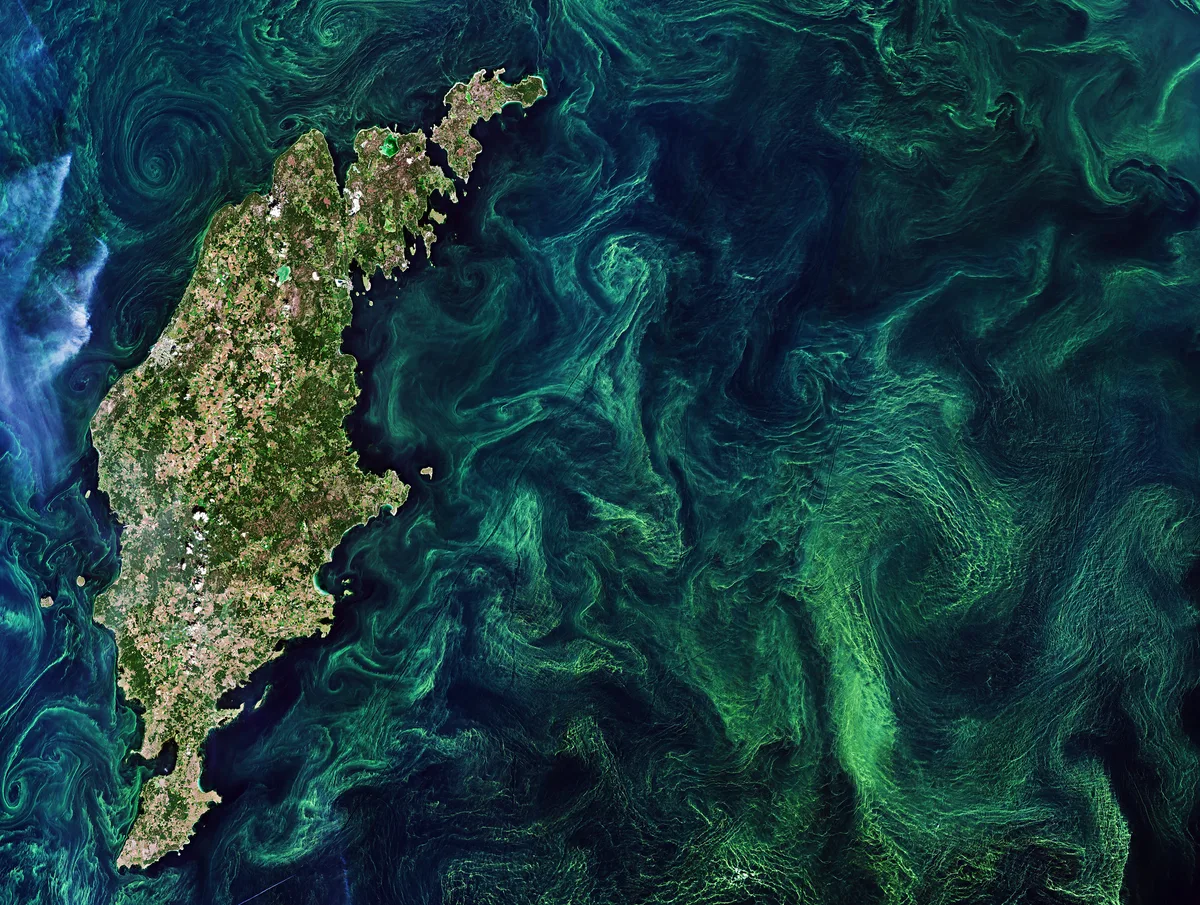
- Gotland: Ferry-only unless you fly. Visby is the main town, and you book ahead for summer crossings.
- Orust, Tjörn and Värmdö: These rank among Sweden's larger islands. Research each one locally before planning around it.
Other Well-Known Swedish Islands Worth Knowing
Several small islands are better known than their size suggests. Each hangs off one of the four main areas above, so you can add one without changing your overall plan.
- Fårö: A short ferry hop from the northern tip of Gotland. It is known for its raukar (limestone sea stacks) and quiet beaches, and it works as a day trip from a Gotland base.
- Gotska Sandön: A remote national park island north of Gotland, covered in sand dunes and pine forest. Access is by seasonal boat, so confirm sailing dates before you plan around it.
- Visingsö: An island in Lake Vättern, reached by a short ferry from Gränna. It is a car-light place suited to cycling and horse-and-cart rides.
- Ven: A small island in the Öresund strait, known for its link to the astronomer Tycho Brahe. It is reached by ferry from Landskrona and is easiest to explore by bike.
- Marstrand: A car-free island on the Bohuslän coast with a fortress and a sailing culture. A short passenger ferry runs from the mainland.
- Vaxholm, Grinda, Sandhamn and Utö: The best-known Stockholm archipelago stops, ranging from an easy commuter-style ferry ride to a longer outer-archipelago trip.
- Styrsö and Vrångö: Car-free southern Gothenburg archipelago islands, reached by city ferry.
Pick one or two rather than trying to collect them all. Timetables on the smaller routes thin out outside summer, so check the operator's seasonal schedule first.
How to Plan Your Time
One day suits a Stockholm archipelago ferry trip or a short Gothenburg archipelago hop. A weekend works for one archipelago with an overnight stay. Öland also fits a long weekend, because the bridge removes ferry timing. A full week is the right length for Gotland. Crossing by sea takes real time from Nynäshamn or Oskarshamn, so a single night there wastes most of the trip. Avoid combining Gotland with other islands unless you have more than a week.
Costs, Tickets and Timetables
Öland is usually the cheapest to reach by car, since the bridge avoids a ferry booking. Archipelago passenger ferries are moderate. Gotland is the priciest, because ferry and accommodation costs add up. Prices and hours checked November 2026 against operator sites, which publish current fares. Destination Gotland runs the ferries from Nynäshamn and Oskarshamn and lists current timetables and booking windows. Summer departures fill early, so reserve before you plan the rest of the trip.
Where to Stay and How to Get Around
Cabins and guesthouses dominate on the smaller islands, while hotels cluster in Visby on Gotland. Bikes are the default transport on car-free archipelago islands. On Öland and Gotland, a car or a bike both work, depending on how far you want to range. Choose lodging close to the ferry landing if you have a late arrival.
Best Time to Visit
Summer brings the most frequent ferry service and the widest choice of lodging. Shoulder seasons are quieter, but timetables thin out. Winter service on archipelago routes and to Gotland is reduced, so a last-minute trip can run into gaps. Look at the operator's seasonal timetable before fixing dates.
Mistakes to Avoid
A few planning errors cause most of the problems on Swedish islands.
- Skipping the booking in peak season, especially for Gotland ferries and cars.
- Assuming a ferry runs daily on every route.
- Underestimating transfer time from the nearest city to the departure pier.
- Bringing a car to an island where it has to stay on the mainland.
- Treating the island count as a guide to how many are worth visiting.
Nearby Baltic Islands to Combine
Åland is autonomous Finland, not Sweden. Read our Åland Islands guide before comparing routes, and see Visit Åland for local details. Finland's Finnish Archipelago: Zones, Ferries & Best Islands offers a similar island-hopping style. Day-trip seekers can look at Suomenlinna. In Estonia, Saaremaa, Hiiumaa, Muhu and Kihnu are the main options. None of those are Swedish.
What Are Sweden’s Largest Islands?
Gotland and Öland are the two large Baltic islands most useful for a visitor deciding on a longer trip. Orust, Tjörn and Värmdö are other substantial islands worth researching if you are travelling on Sweden’s west coast or near Stockholm. Hisingen and Väddö also appear among Sweden’s larger islands, though their appeal and access differ greatly from Gotland’s ferry crossing or Öland’s bridge connection.
Size lists need context. The 2001 official count included 221,831 islands, but only 593 were larger than 1 km². Just 984 were populated year-round. That is why a list of large islands is not automatically a list of holiday destinations. Choose by transport and trip style first. Gotland suits a week based around Visby, while Öland works well for driving or cycling. The archipelago islands suit shorter ferry-based stays.
Sweden's Largest Islands Ranked by Area
Area figures vary slightly between sources, depending on whether bridged or adjoining islets are counted, so treat these as approximate. The ranking below follows the usual order for Sweden's sea islands.
| Rank | Island | Approx. area | Access | Visitor angle |
|---|---|---|---|---|
| 1 | Gotland | about 3,000 km² | Ferry or flight | Week-long trip based in Visby |
| 2 | Öland | about 1,340 km² | Road bridge | Driving and cycling |
| 3 | Orust | about 350 km² | Road bridge and ferry links | West-coast fishing villages |
| 4 | Hisingen | about 200 km² | Bridges and tunnel from Gothenburg | Mostly part of the city; few visit it as an island |
| 5 | Värmdö | about 180 km² | Road and bridge from Stockholm | Gateway to the outer archipelago |
| 6 | Tjörn | about 150 km² | Bridge from the mainland | Harbour villages and seafood |
The list shows why size is a poor guide to a holiday. Only the top two need real trip planning. Hisingen is largely urban, and Värmdö matters mainly because ferries to the smaller Stockholm archipelago islands leave from its piers.
Measure for measure, Gotland is more than twice the size of Öland, which is why a single weekend only scratches it. For a size-led comparison across the continent, see our guide to the best islands in Europe.
Frequently Asked Questions
What are the islands in Sweden called?
The Swedish word for island is ö. A holme is a small island or islet. A kobbe is a bare rock or skerry.
Does Sweden have the most islands in the world?
It depends on the definition. Sweden's 2001 count of 221,831 islands is among the highest in the world. Under the strict European definition, the total falls to 24.
Why has Sweden got so many islands?
Ice-age glaciers shaped the coast. Since the ice melted, land uplift of roughly 2–4 mm a year has kept raising new islets from the sea.
Useful notes for your next island trip
Optional updates to our guides.
You might also like
Continue reading
More guides you'll find useful