
Öland Travel Guide: Getting There, When to Go and What to See
Öland is Sweden's second-largest island, linked to Kalmar by road bridge. Learn how to get there, where to stay, what to see and how it compares with other Baltic islands.
On this page
Last updated November 2026. Öland is Sweden's second-largest island, lying off the Småland coast and reached by road bridge from Kalmar, so no ferry is needed. It suits cyclists, birders, heritage fans and slow road-trippers who want open landscape more than nightlife. It is not Åland, the autonomous Finnish archipelago, so keep the two apart when you plan.
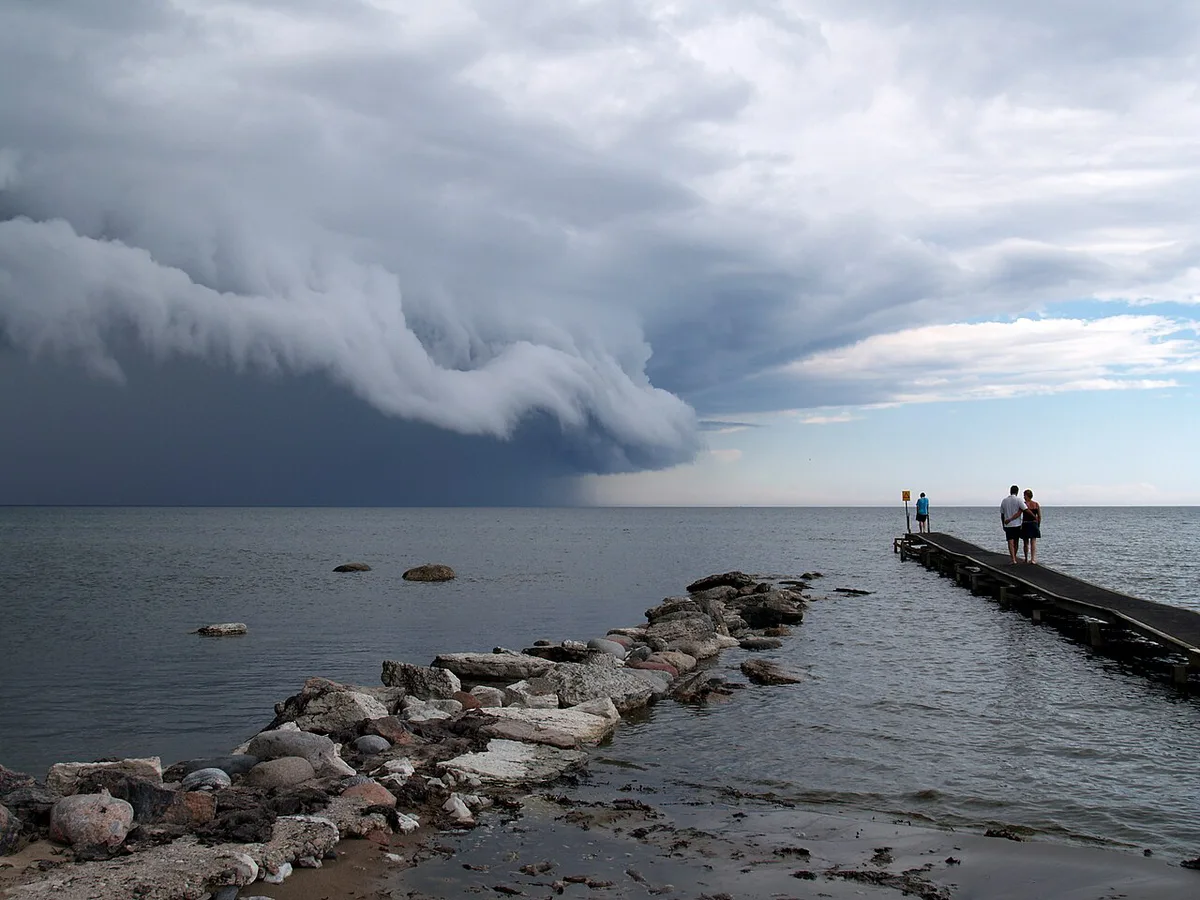
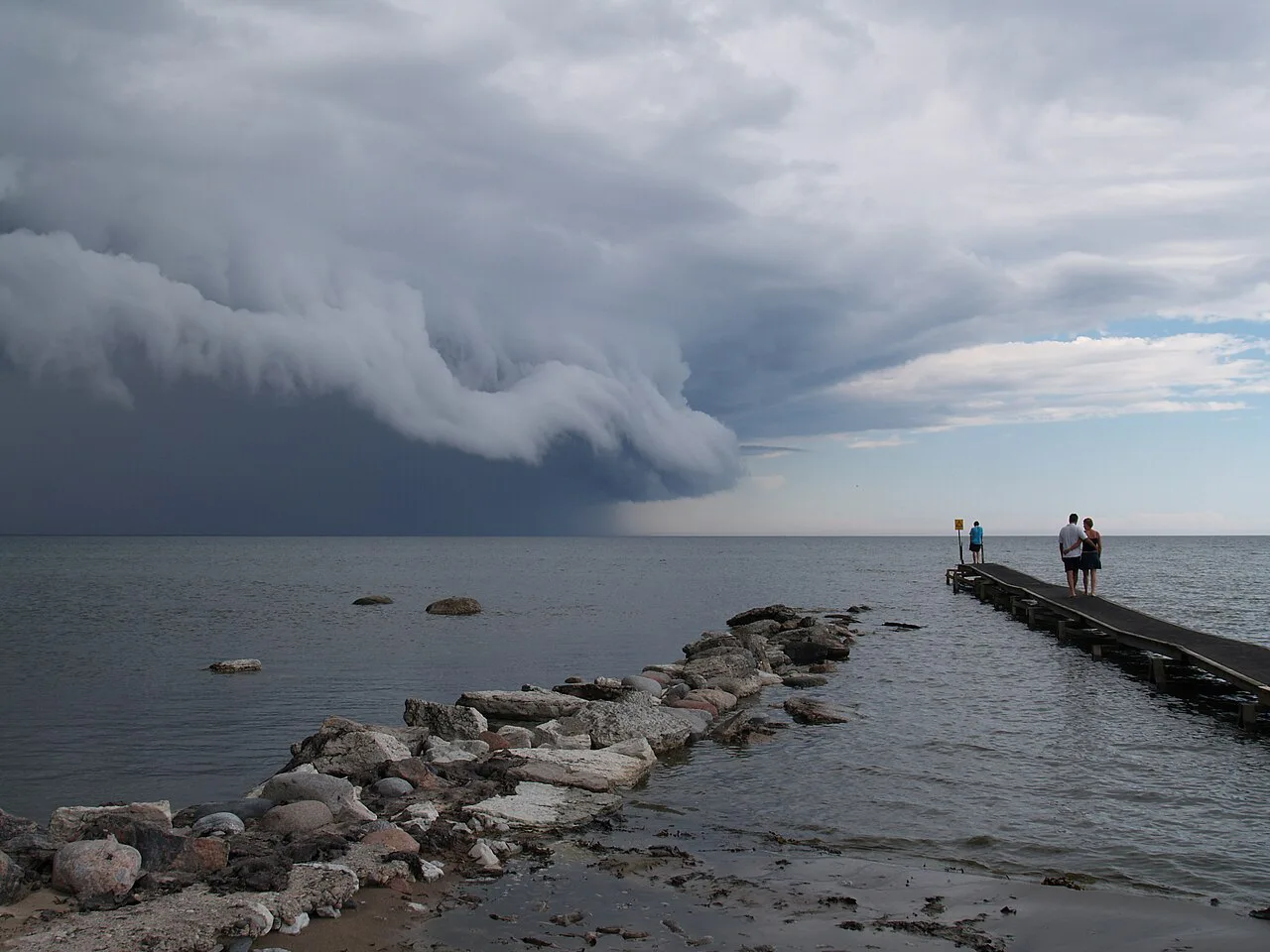
Featured image: Sinikka Halme, CC BY-SA 4.0, via Wikimedia Commons.
Öland at a Glance: Who It Suits
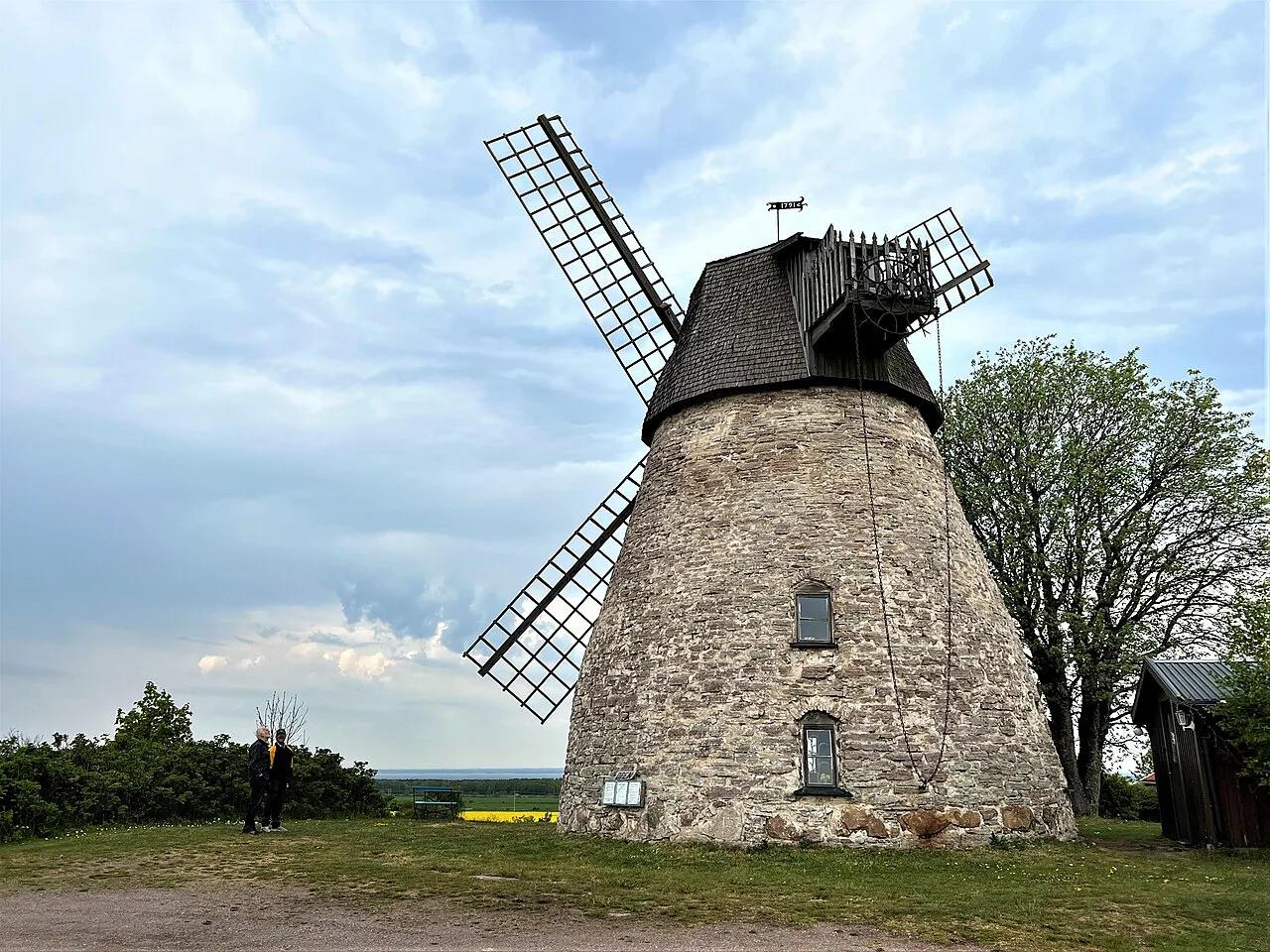
Öland is a long, flat island with a limestone plain, windmills, farm villages and a coastline of small harbours. It rewards slow travel. Fast sightseeing works less well here.
The island suits cyclists, because the terrain is flat and the distances between villages are short. It suits birders, who come for the open alvar habitat. It suits families who want beaches and easy driving. Travellers who need big-city nightlife or dramatic mountains should look at another island.
A weekend gives you one region in depth. A longer stay lets you cover both the north and the south. Our guide to the Baltic islands shows where Öland sits among the alternatives.
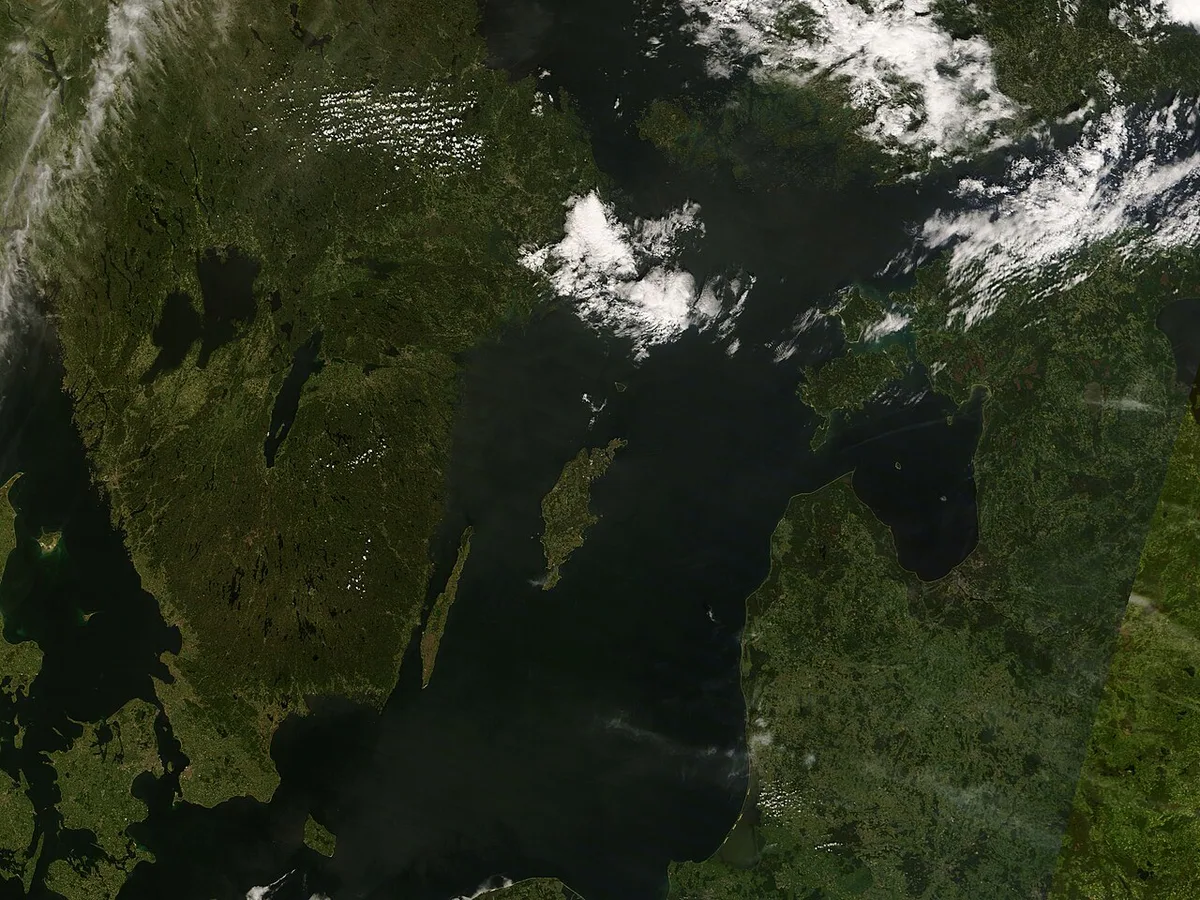
- Location: off the Småland coast of southeastern Sweden, opposite Kalmar.
- Best for: cycling, birdwatching, heritage landscapes, quiet coastal stays.
- Not for: nightlife, mountains, or travellers who dislike driving between villages.
Getting to Öland and Getting Around
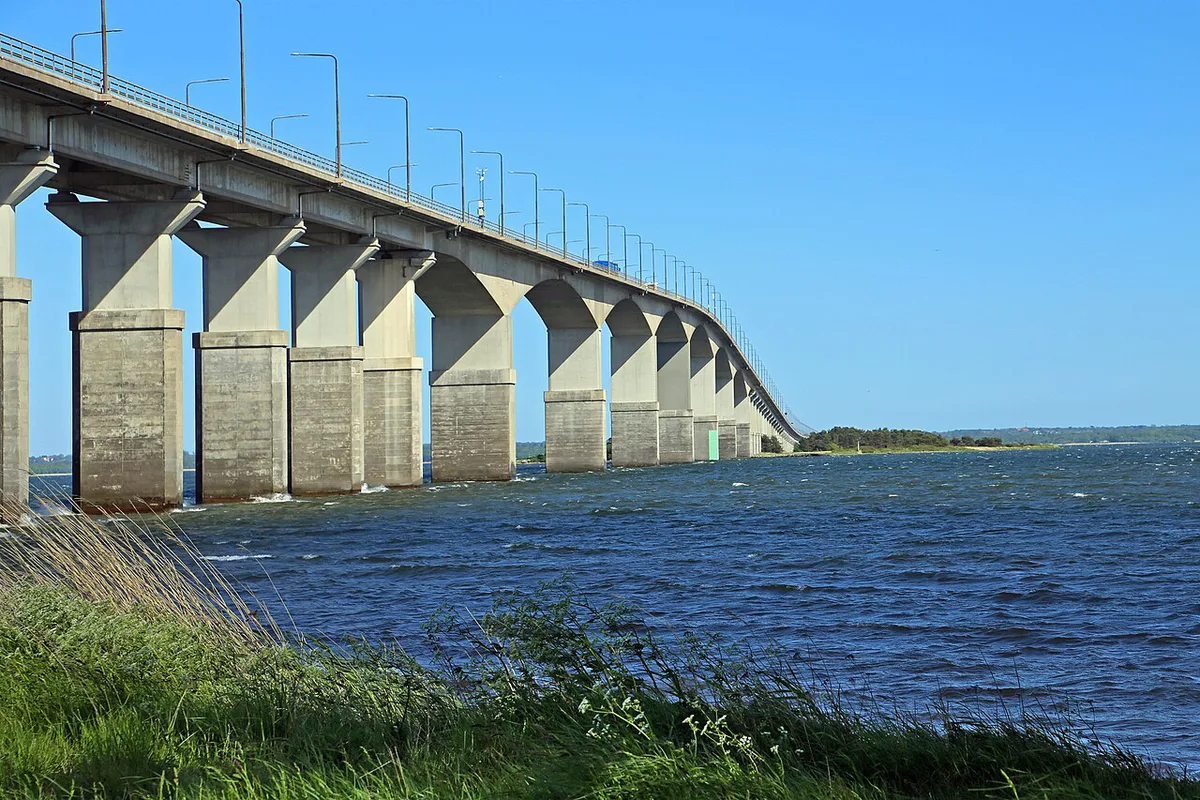
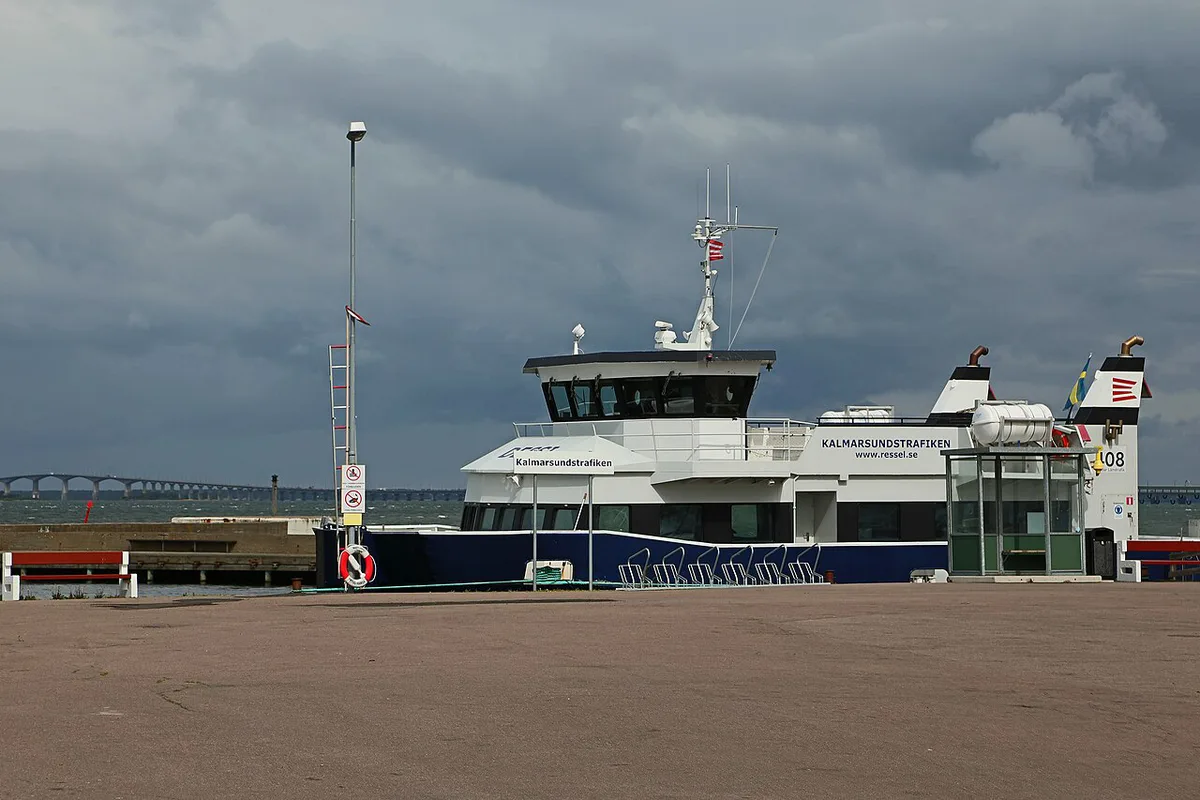
You reach Öland by road over the Öland Bridge from Kalmar. No ferry is involved. That makes it one of the easiest Baltic islands to visit with a car, a coach or a rented bike on a train-and-bus trip.
A car gives you the most freedom, because sights are spread along the whole length of the island. Bikes work well for a base-and-explore stay in one area. Buses connect the main towns, but frequencies drop in the off-season. Check the regional public transport operator's timetable before you plan a car-free visit.
A car-free trip realistically covers Borgholm and the villages near your base. It will not cover the whole island in a short stay. Look up any bridge toll or fee with the Swedish Transport Administration before you travel.
When to Visit Öland
Summer brings the longest days, open cafés and the heaviest booking pressure. Beach stays and bike routes are at their best then. Book rooms early for July.
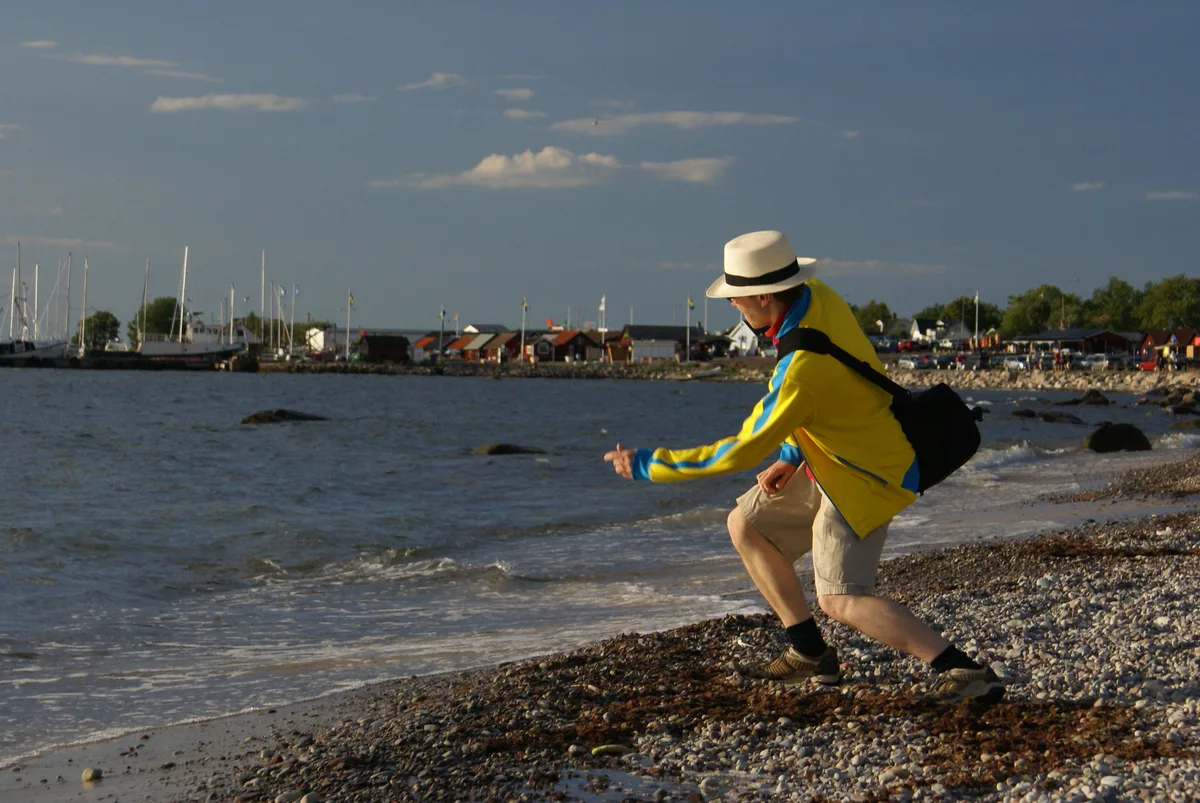
Shoulder seasons are quieter. Many seasonal venues, including some windmill cafés and farm shops, open late or close early. Spring and autumn also suit birders, since the open plain is good ground for migrating birds. Winter is quiet, and many tourist services shut down.
Opening windows vary by venue and year. Check each sight's own site before you build a day around it.
Öland's Size, Landscape and Weather
Öland is a narrow island, roughly 137 km long and no more than about 16 km wide, with an area of around 1,340 km². The Öland Bridge from Kalmar is about 6 km long and lands you near the middle of the island's west side. Driving from the southern tip to the northern tip takes around two hours without stops, so a base-and-explore stay works better than moving hotels every night.
Landscape
- South: the flat limestone alvar plain around Stora Alvaret, with thin soil, few trees and long views. Ottenby at the southern tip is the island's best-known birding area.
- Middle: farmland, windmills and the Borgholm area on the west coast, where the ground is a little more varied.
- North: more forest and sandy shoreline, with a lonelier feel and fewer services.
There are no real hills. A ridge on the west side and the sea wind are the only things that slow a cyclist, and the wind is often the bigger factor.
Climate and weather
Öland has a mild, sea-influenced climate and is one of Sweden's drier and sunnier areas. Summer days are usually pleasantly warm, often around 20 to 23°C in July. Winters stay close to freezing, and the wind off the Baltic can make them feel colder. Because the plain is so open, there is little shelter from wind or sun, so bring a windproof layer even in summer, plus sun protection and water for long bike rides.
Spring and autumn can be changeable, with cool mornings and sudden showers, so pack for several conditions. Use a local forecast from the Swedish Meteorological and Hydrological Institute (SMHI) before you set out, and check it again if you plan a long ride across the alvar.
Where to Base Yourself on Öland
Borgholm is the obvious base for first-timers. It has the most services, and its castle ruin is a short walk away. It suits families, short stays and visitors without a car.
The south suits travellers who come for the agricultural landscape and the alvar plain. Staying in a farm village there gives you quiet evenings and easy access to cycling roads. The north suits visitors who want a remote coastline and fewer crowds.
If you travel by car and want to see most of the island, choose a central base and drive out each day.
Öland Highlights by Interest
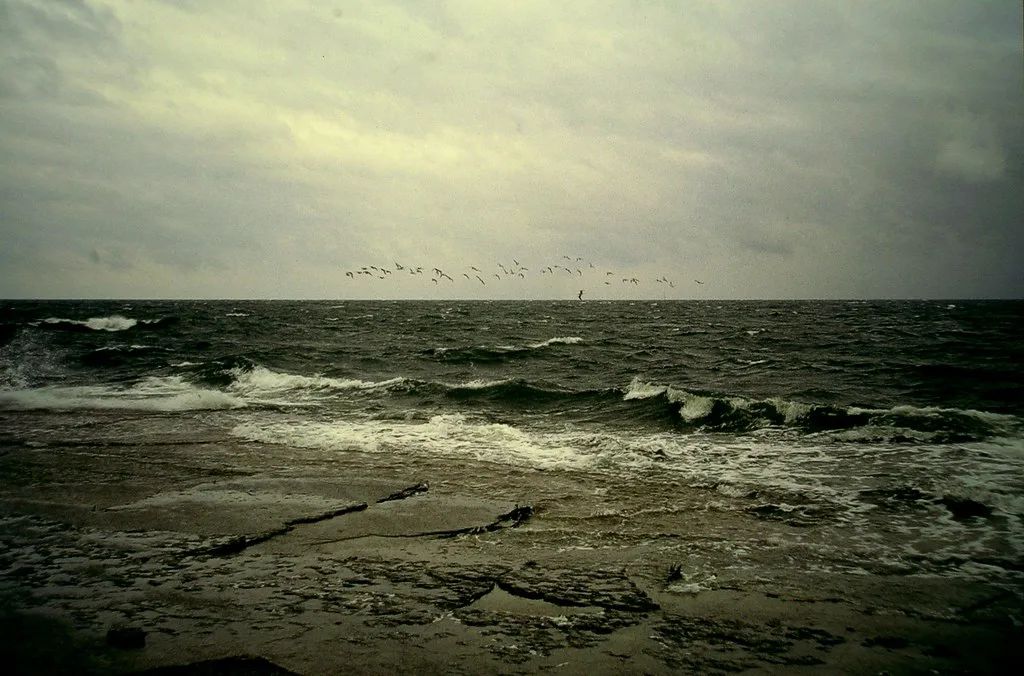
Borgholm Castle is the island's best-known ruin and the easiest heritage stop. Stora Alvaret, a vast limestone plain, is part of the UNESCO-listed Southern Öland agricultural landscape. Its thin soil and open skies shape everything from farming to birdlife.
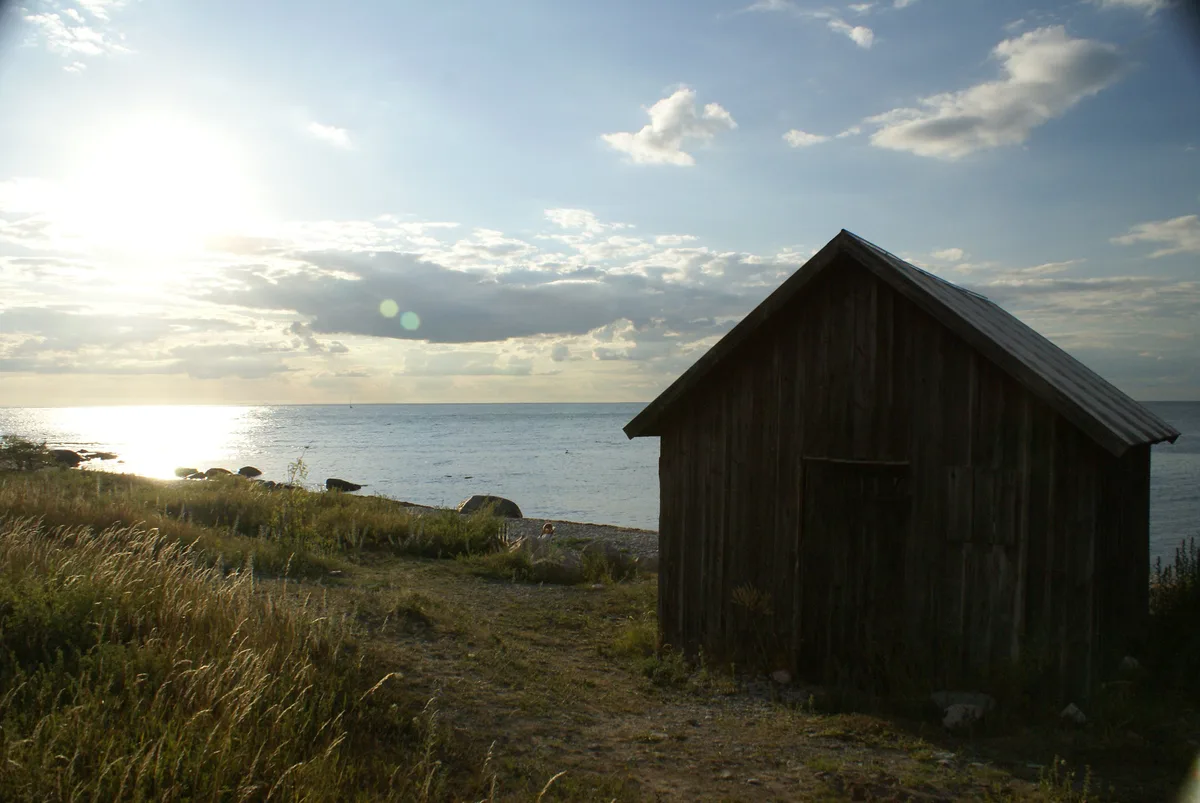
Villages and coast fill the gaps between these stops. Expect windmills, stone walls and small harbours. Pick two or three stops per day instead of trying to tick off every one.
- Heritage: Borgholm Castle ruin and the Southern Öland agricultural landscape.
- Nature and birding: Stora Alvaret and the open coastal meadows.
- Villages and coast: windmills, harbours and farm villages along the main road.
- Families: beaches and short, flat bike rides around Borgholm.
A Two- or Three-Day Öland Plan
On a two-day visit, spend day one in Borgholm and the nearby coast. Spend day two on Stora Alvaret and the southern villages. Keep drives short and leave time for slow stops.
A third day lets you reach the far north or take a long bike loop from your base. Add it if you travel in summer, when daylight is generous. In shoulder season, use it as a buffer for venues with limited hours.
Öland Compared With Other Baltic Islands
Öland is the easiest of the group to reach, since a road bridge replaces the ferry. Other islands offer a different feel. Åland has a ferry-linked archipelago style, and Visit Åland covers its routes and seasons. Estonian islands such as Saaremaa and Hiiumaa suit visitors who want bikes and quiet roads. Visit Estonia lists the Estonian island options.
For a tiny, traditional island, look at Kihnu. For more Swedish options, browse the Swedish Islands: Best Islands to Visit and How to Get There. For a short Swedish-side contrast, try Ven. Finnish alternatives are in the Finnish Archipelago: Zones, Ferries & Best Islands guide.
| Island | Access | Best for |
|---|---|---|
| Öland | Road bridge from Kalmar | Cycling, birding, heritage landscapes |
| Åland | Ferry | Archipelago touring, cycling |
| Saaremaa | Ferry | Castles, quiet roads |
| Hiiumaa | Ferry | Remote coast, slow travel |
| Kihnu | Small ferry | Island culture, short visits |
Costs and Booking Pressure on Öland
Öland costs less to reach than ferry-only islands, because you skip the crossing fare. That saving matters most if you arrive by car. Lodging is the main variable, and prices are higher in summer.
Farm stays and campsites sit at the lower end. Hotels in Borgholm cost more in July. Rental bikes are cheaper than a car for a one-area stay. Exact prices change by season, so check each provider's site and book summer beds early.
Useful notes for your next island trip
Optional updates to our guides.
You might also like

Continue reading
More guides you'll find useful