
Saaremaa Travel Guide: Ferry, Days Needed & Best Things to Do
Plan Saaremaa, Estonia: how to get there by ferry, how many days you need, what to see, when to go, and whether to bring a car.
On this page
Last updated November 2026: Saaremaa is the largest island in Estonia, reached by ferry from the mainland via Muhu, with Kuressaare as its main town. It suits travellers who want a medieval castle, a meteorite crater, windmills and spas, and who can plan around a ferry and a car. This guide sits inside our wider Baltic island group and covers access, timing, routes and trade-offs.
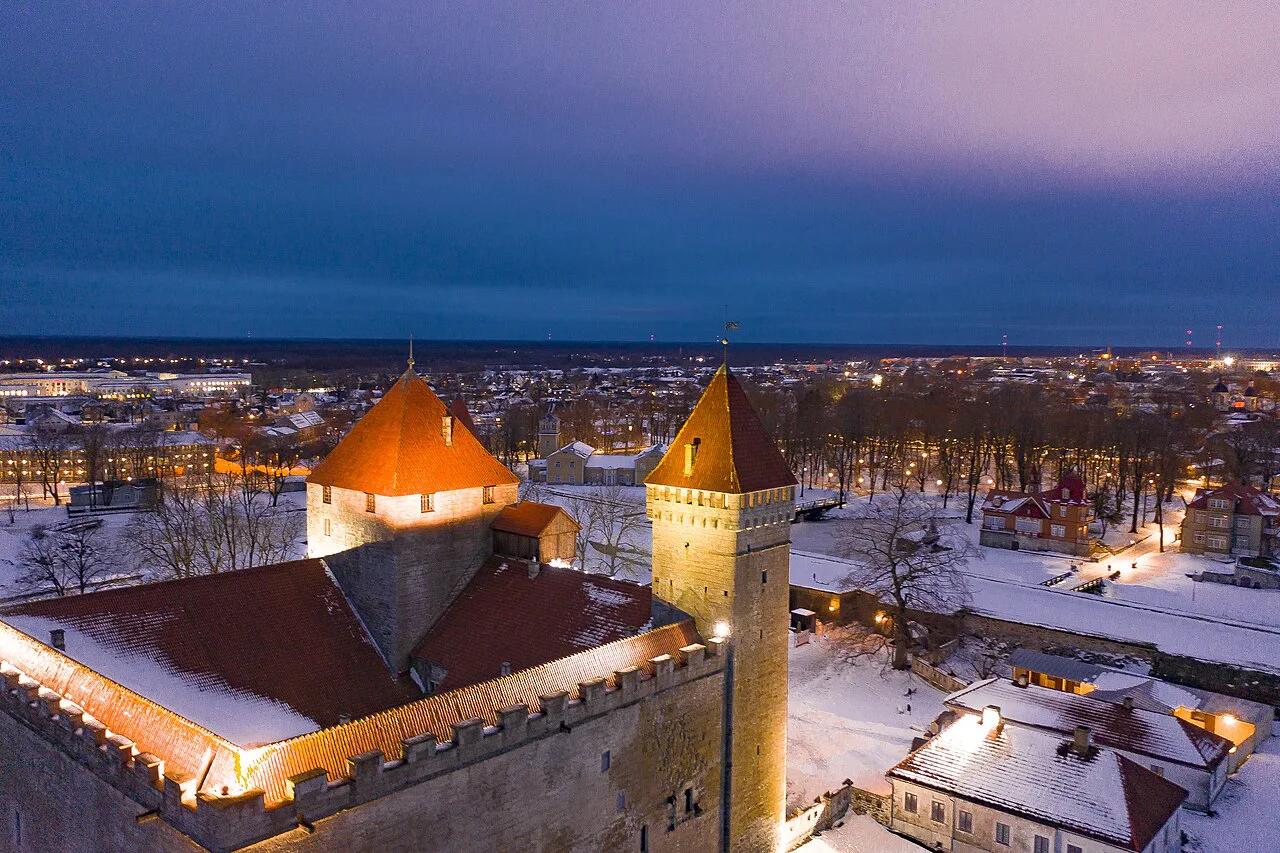
Featured image: Williamson.est, CC BY-SA 4.0, via Wikimedia Commons.
Is Saaremaa worth visiting?
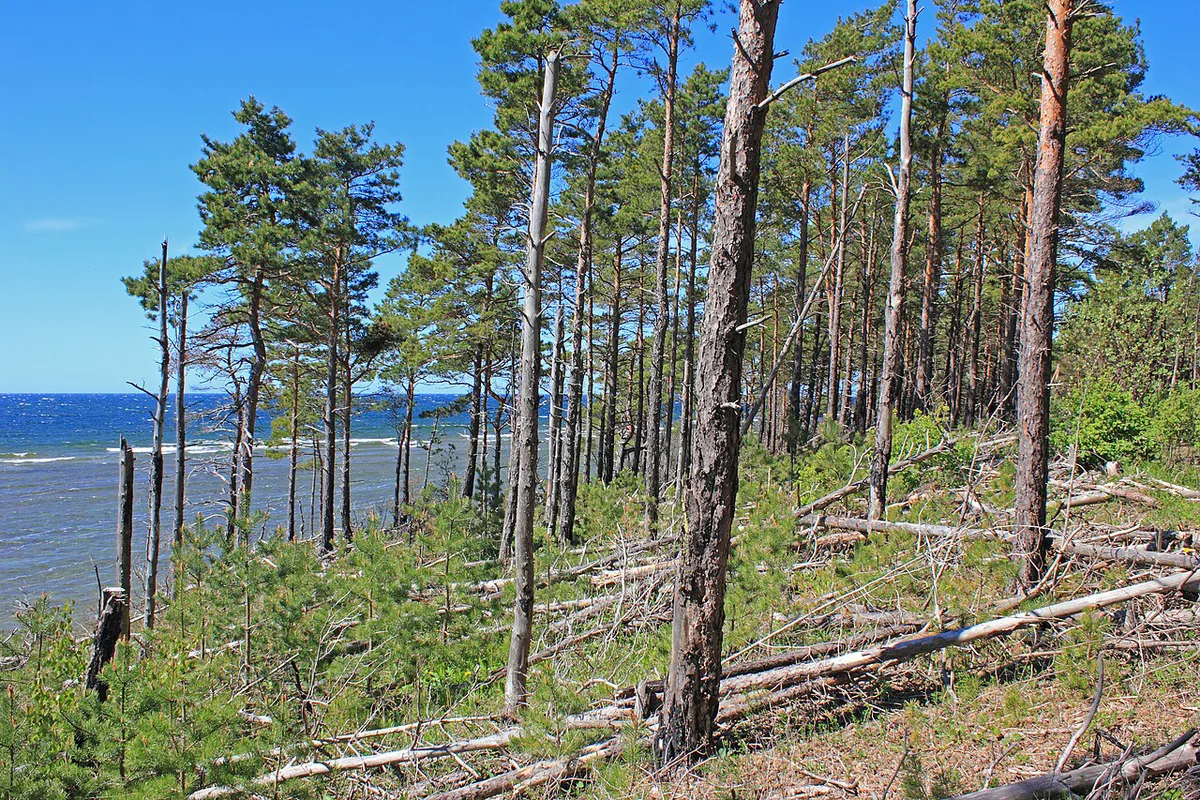
Yes, if you like slow travel with a clear theme. The island covers 2,673 km², and over 40% of it is forest. Kuressaare gives you a moated medieval fortress, Kaali gives you geology, and the west coast gives you birds and open shoreline. Saaremaa also has more spas than anywhere else in Estonia, so it works well for a restful break.
Skip it if you have a single free day, or if you dislike driving and ferry planning. Distances between sights are real, and public transport is limited. Travellers who want dense nightlife or many museums in one walkable area will do better on the mainland.
How to get to Saaremaa
Most visitors cross by ferry from Virtsu on the mainland to Kuivastu on Muhu. A road causeway then joins Muhu to Saaremaa, so you never need a second boat. Cars should be booked ahead in summer, because crossings fill up on weekends. Foot passengers and bus travellers can also use the crossing, which is the simpler option if you stay in Kuressaare.
Ferry times and fares change by season, so read the operator's current timetable before fixing your plans. Visit Estonia's island pages give a general overview of the islands. This guide does not quote drive times from Tallinn, Pärnu or Tartu, because they vary with traffic and the queue at Virtsu.
- Mainland port: Virtsu.
- Island port: Kuivastu, on Muhu island.
- Onward route: the causeway from Muhu to Saaremaa.
- Car in summer: book a space in advance and leave spare time.
- Without a car: bus or foot passenger, best if you stay in Kuressaare.
How many days do you need in Saaremaa?
A day trip is not recommended. The ferry and the causeway eat a large part of the day, and the best sights lie in different directions from Kuressaare. A weekend covers the essentials. Three to four days lets you reach the west coast and the south without rushing.
| Time | Route | Trade-off |
|---|---|---|
| 1 day | Ferry, Kuressaare Castle, Kaali | Little time left; mostly transit |
| Weekend | Koguva on Muhu, Kuressaare, Kaali, Angla windmills, Panga Cliff | Skips Vilsandi, Harilaid and Sõrve |
| 3–4 days | Weekend route plus west coast and Sõrve peninsula | More driving; best for birds and quiet coast |
Best things to do in Saaremaa
Group your stops by area to save driving. Each stop below comes with a short test of whether it is worth the detour for you.
- Kuressaare Castle: a medieval fortress with a moat, a park and a museum. Worth it if you like history. Guides list daily 10:00–18:00, but hours are seasonal, so check the Saaremaa Museum before you go.
- Kuressaare town walk: low houses and a town hall on the main square. Worth it as an easy evening stroll.
- Kaali crater: a round crater lake with a short walking path. Worth it if you want a quick geology stop.
- Angla windmills: a hilltop row of wooden mills. Worth it for photographs and the island's farming past.
- Karja Church: a medieval church with carved stone details outside. Worth it if you like old architecture.
- Panga Cliff: a limestone cliff on the north coast with a Baltic view. A quick roadside stop.
- Vilsandi National Park: low coast, islets and bird habitats. Worth it for birdwatching, but follow park access rules.
- Harilaid: a sandy shoreline walk in a protected area. Follow signs and local rules.
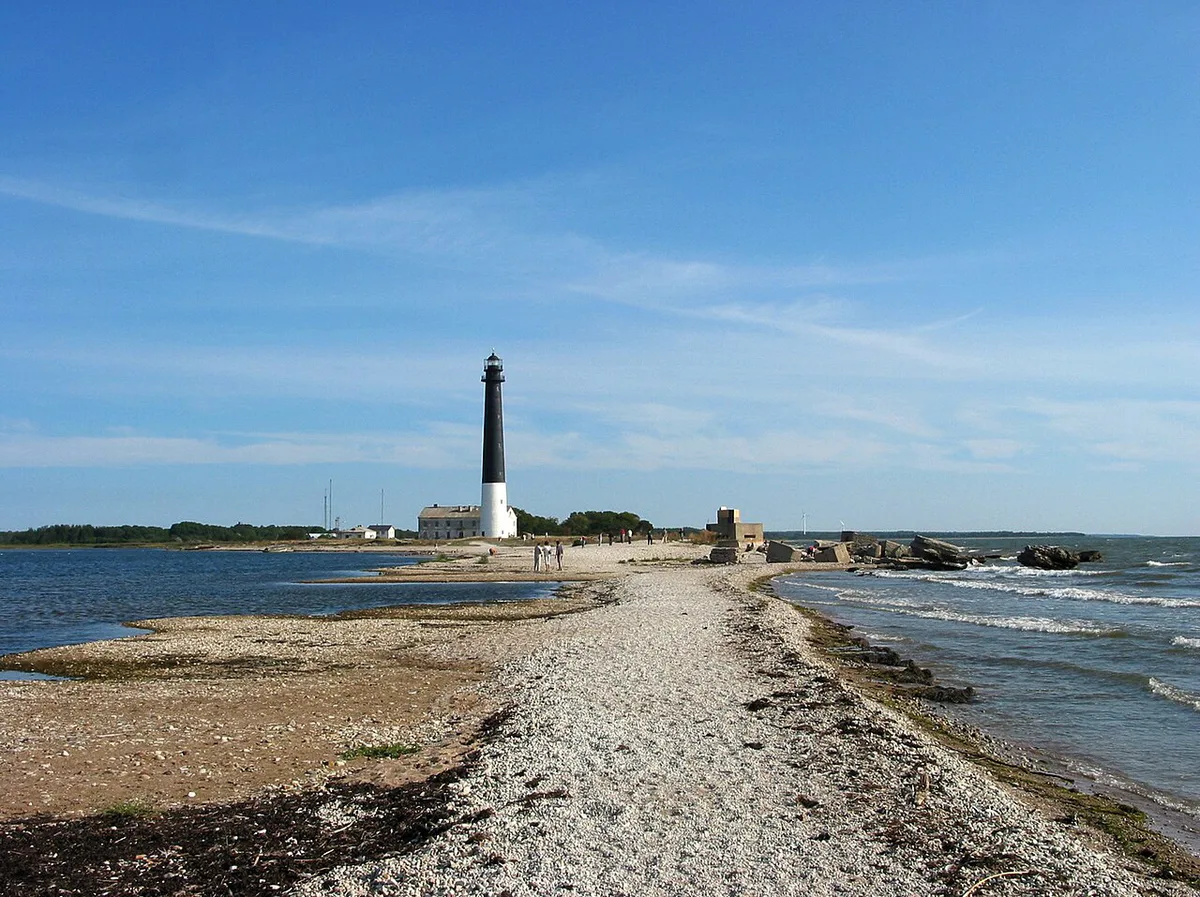
- Sõrve peninsula: about 30 km south of Kuressaare, with Sõrve Lighthouse and the Sääre Tirp sand spit. Worth it only if you have a full day.
Getting around Saaremaa
A car is the practical choice for covering several sights. Roads are quiet, but watch for wildlife at dusk. Buses exist, yet they will not link every sight on a tight schedule. Cyclists can manage a small area, especially around Kuressaare.
| Option | Best for | Trade-off |
|---|---|---|
| Car | Multi-day routes, west coast, Sõrve | Summer ferry booking; fuel and rental costs |
| Bike | Kuressaare and a small nearby area | Long distances to Sõrve and Panga |
| Bus | Kuressaare-based stays | Limited coverage; tight timing for remote sights |
When to visit Saaremaa
Summer brings the most services and the longest days. It also brings ferry queues, festivals and insects. Bring repellent, since mosquitoes and ticks are common near the coast and in forests. Check festival names and dates on Visit Estonia before you book.
Spring and autumn suit birdwatchers. Hundreds of thousands of migratory birds pass the island each year on the East Atlantic Flyway. Expect fewer visitors and reduced hours in these months. Winter is quiet, with limited services, so it suits spa stays more than sightseeing.
Where to stay on Saaremaa
Kuressaare gives you restaurants, the castle and bus links. That makes it the best base without a car. Village and farm stays put you closer to the coast and quiet roads, but you will need to drive. Spa hotels suit short rest-focused breaks, and they are easy to combine with a castle visit. Book early for summer weekends.
Costs and opening hours on Saaremaa
Costs here sit at a mid level for Estonia, with ferry and car rental as the largest variable items. Castle tickets and ferry fares change by season, so check the Saaremaa Museum and the ferry operator's pages. Many natural sights, including Kaali and Panga Cliff, are listed as open around the clock. Museums and windmills keep seasonal hours.
Common mistakes to avoid on Saaremaa
Most problems come from timing and distance rather than from the sights themselves.
- Skipping the summer car booking at the ferry.
- Staying one night and spending most of it in transit.
- Underestimating distances: Sõrve is about 30 km south of Kuressaare.
- Ignoring access rules in Vilsandi and Harilaid.
- Confusing neighbouring islands: Muhu, Hiiumaa and Kihnu are separate.
Nearby islands to combine with Saaremaa
Muhu sits on your route in, so add Koguva village on Muhu island. Hiiumaa is a separate neighbouring island, covered in our guide to the island of Hiiumaa. For a small island with its own culture, see the small island of Kihnu.
For comparison, the Åland archipelago offers another ferry-linked island trip. Öland and the Swedish island options suit a different route. Suomenlinna sea fortress works as a short Helsinki outing. Browse the full Baltic island hub to compare them.
Frequently Asked Questions
What is the population of Saaremaa?
Roughly 31,000 people live on Saaremaa, based on published estimates. Check Statistics Estonia for the latest official figure.
Useful notes for your next island trip
Optional updates to our guides.
You might also like

Continue reading
More guides you'll find useful