
Muhu Island Guide: Getting There, Koguva & Planning Tips
Plan Muhu with ferry logistics, Koguva village, timing tips, costs and when to stay overnight or continue to Saaremaa.
On this page
Last updated November 2026. Muhu is a small island in the West Estonian archipelago, best known for the preserved village of Koguva and its rural heritage. It sits between the mainland and Saaremaa, so most travelers pass through on the way to the larger island. Slow-travel, culture and cycling fans get the most from it, and it pairs naturally with the rest of the 8 Best Baltic Islands to Visit: Estonia, Finland & Sweden.
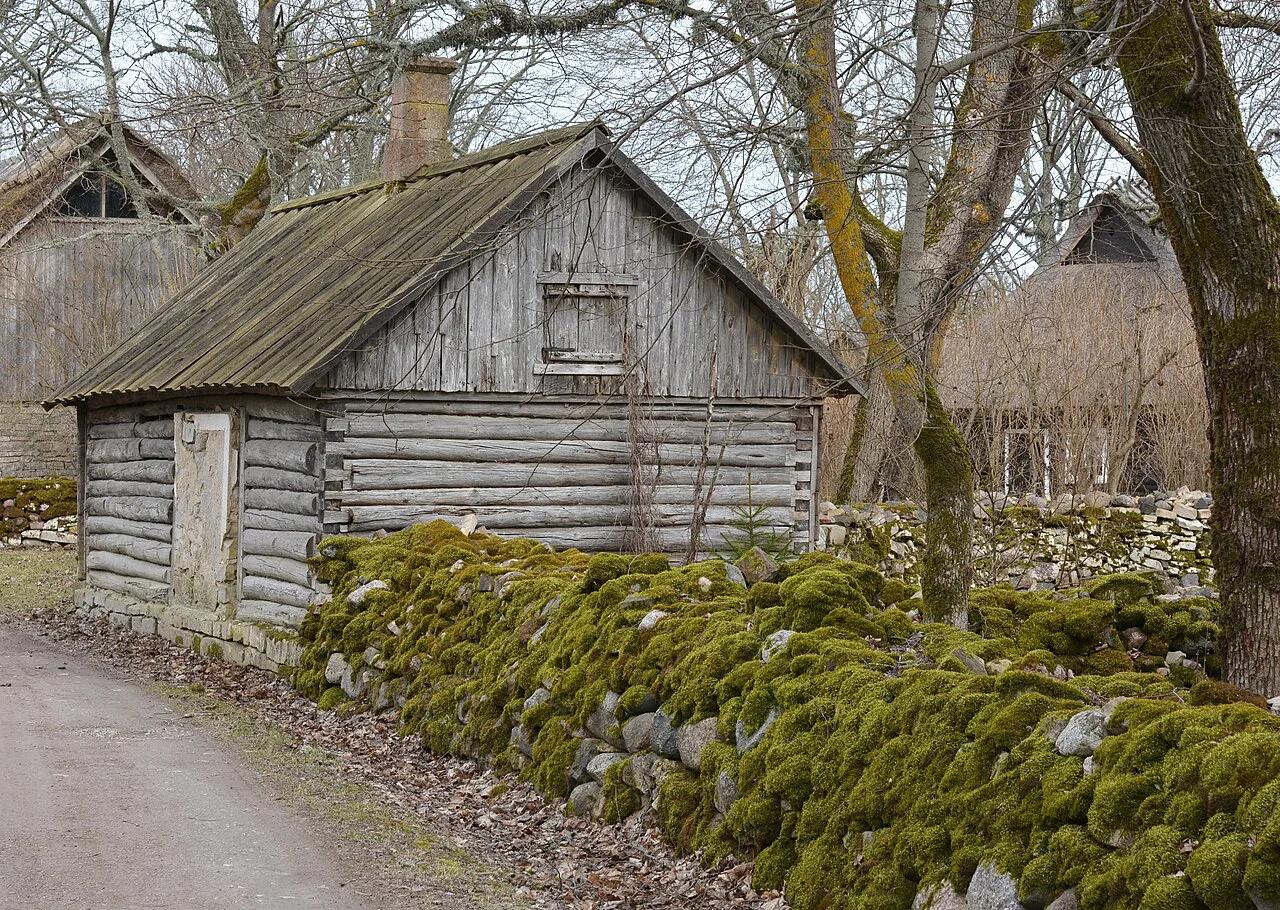
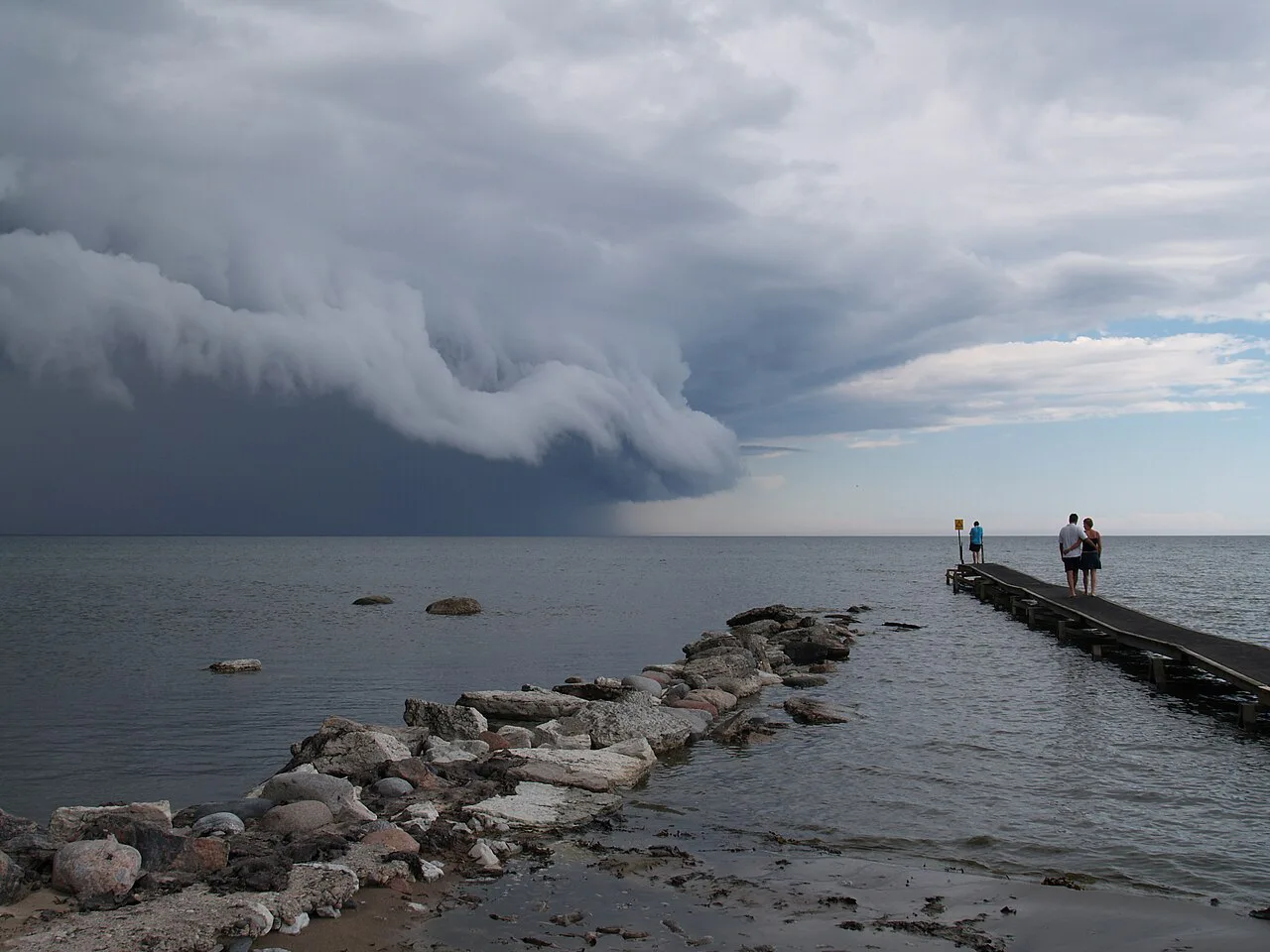
Featured image: A.Palu, CC BY-SA 3.0 ee, via Wikimedia Commons.
Muhu at a glance
Muhu is the stepping stone between the Estonian mainland and Saaremaa. Ferries from the mainland land at Kuivastu on Muhu, and a causeway then continues to Saaremaa. Plan on a half day if you are driving through, or one night if you want to cycle and eat slowly. Official island overviews are on Visit Estonia.
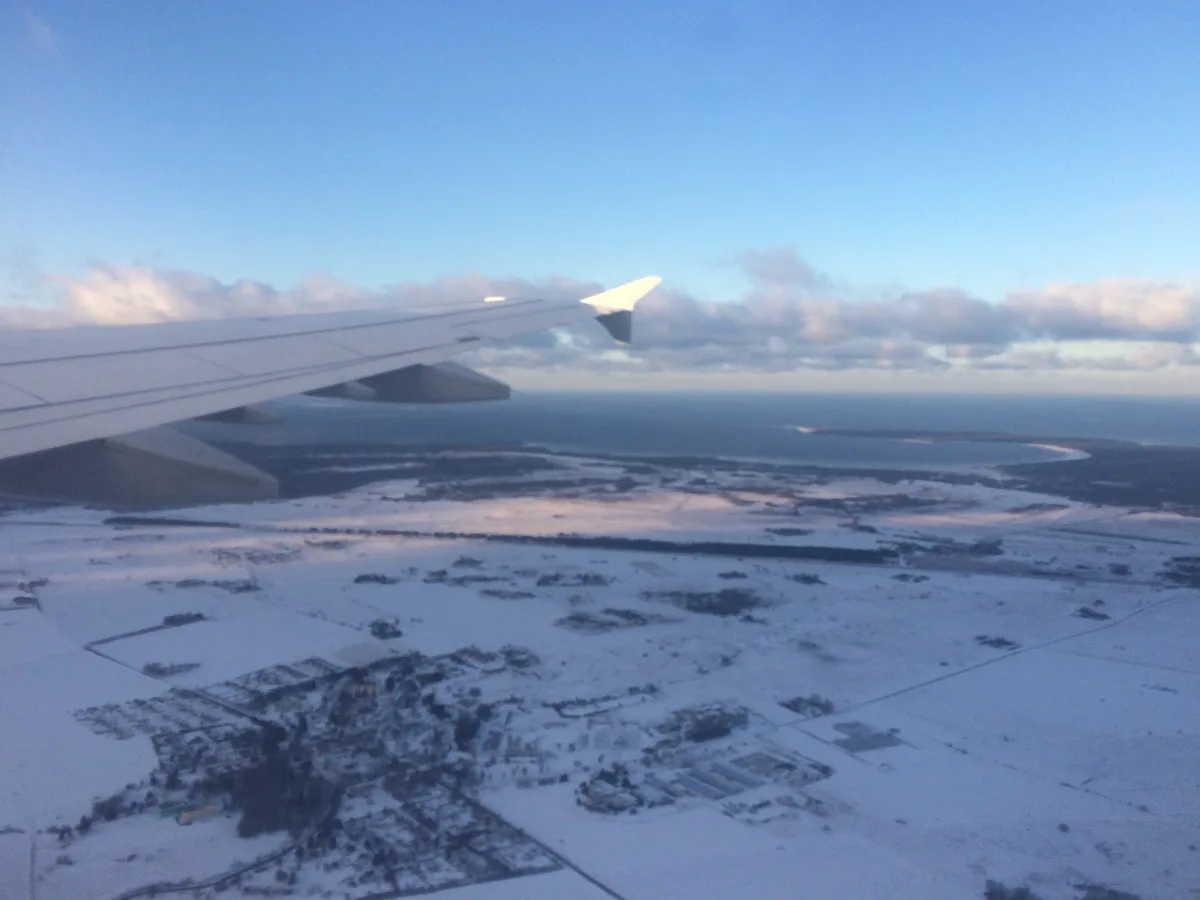
- Location: West Estonian archipelago, between the mainland and Saaremaa.
- Mainland link: Virtsu–Kuivastu ferry.
- Saaremaa link: road causeway from Muhu.
- Best for: slow travel, village heritage, cycling.
- Skip if: you want nightlife or big-name sights.
- Getting around: car or bike; distances between sights are real.
How to get to Muhu
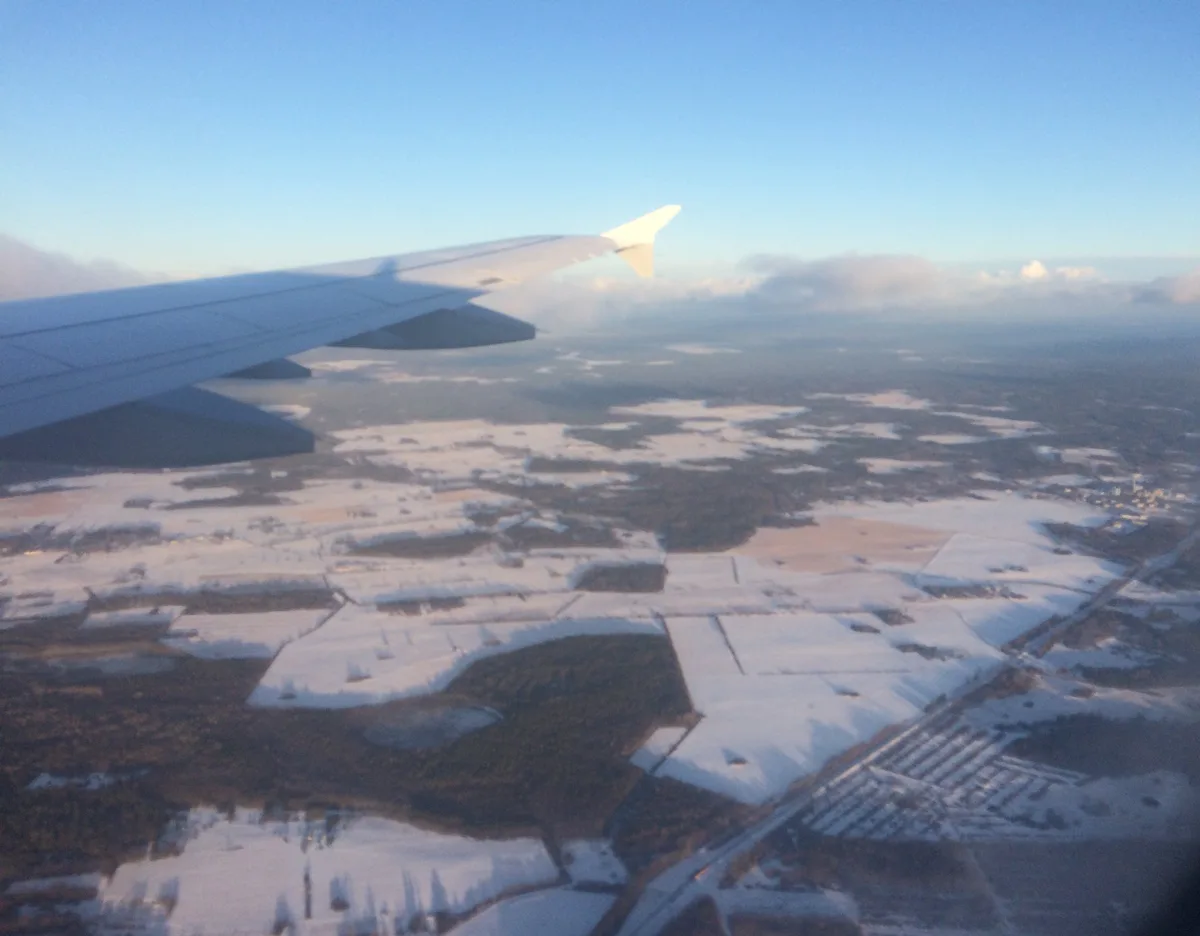
Think in routes, not airports. From the mainland you take the Virtsu–Kuivastu ferry, which lands on Muhu. From Muhu you drive or ride over the causeway to Saaremaa. Ferries run to a timetable, so build your day around departures rather than arriving and hoping. In summer, book vehicle space in advance on the operator's site. Fares and timetables change by season, so read the current ones before you commit.
| Option | Best for | Trade-off |
|---|---|---|
| Own car on the ferry | Reaching Koguva, restaurants and Saaremaa in one trip | Pricier crossing; plan around summer queues |
| Bus via Virtsu | Travelers without a car | Fewer departures; sights are spread out on arrival |
| Bike on the ferry | Cyclists on a multi-day island route | Slower; weather matters |
Top things to do in Muhu
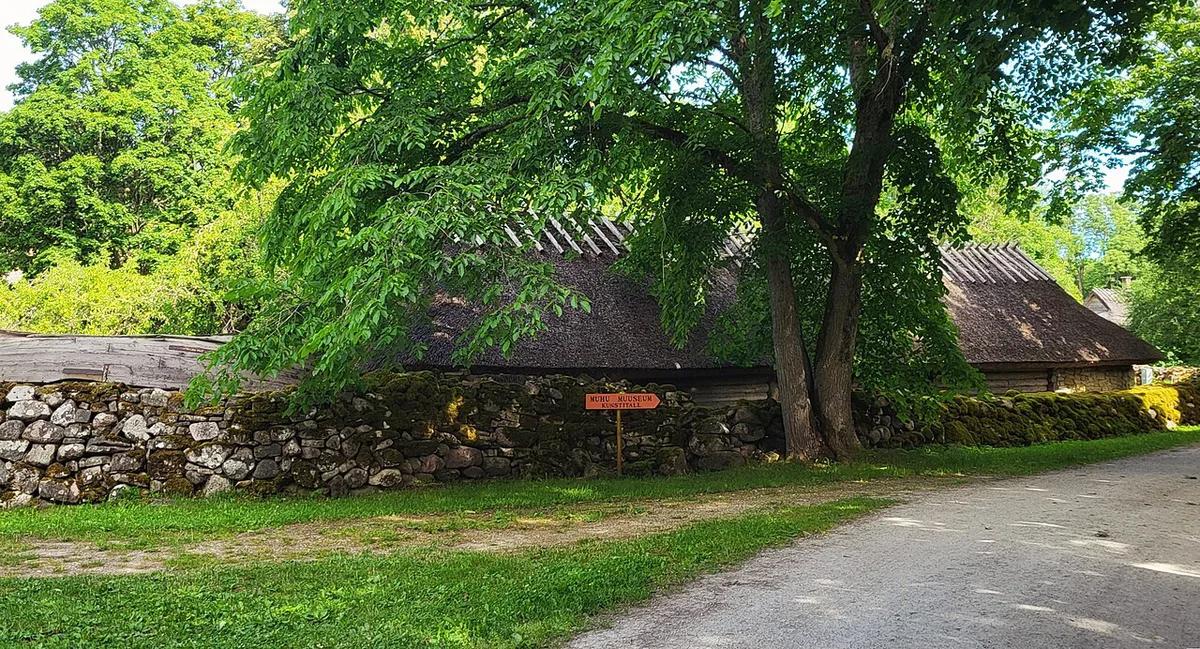
Koguva is the anchor. Allow about 2 hours to walk the village of old farmsteads, stone walls and thatched roofs. It suits anyone who enjoys rural heritage, and you can skip it if you only care about beaches. The Muhu Museum fits in about 1 hour and adds context on island life. Opening hours shift outside summer, so check them before a winter visit. Muhu Saint Catherine's Church and the village of Liiva are worth a short stop if you are driving between sights. Countryside restaurants are the third pillar of a visit. Cyclists can plan a ride of 2–3 hours between villages. Beaches are a summer extra rather than a reason to come.

- Koguva village: about 2 hours, best for heritage lovers, skip in heavy rain.
- Muhu Museum: about 1 hour, best for context, skip if closed in the off-season.
- Church and Liiva: short stops, best by car or bike, skip if short on time.
- Countryside restaurants: book ahead in summer, skip if you only have a few hours.
Muhu itineraries: half day, one day, overnight
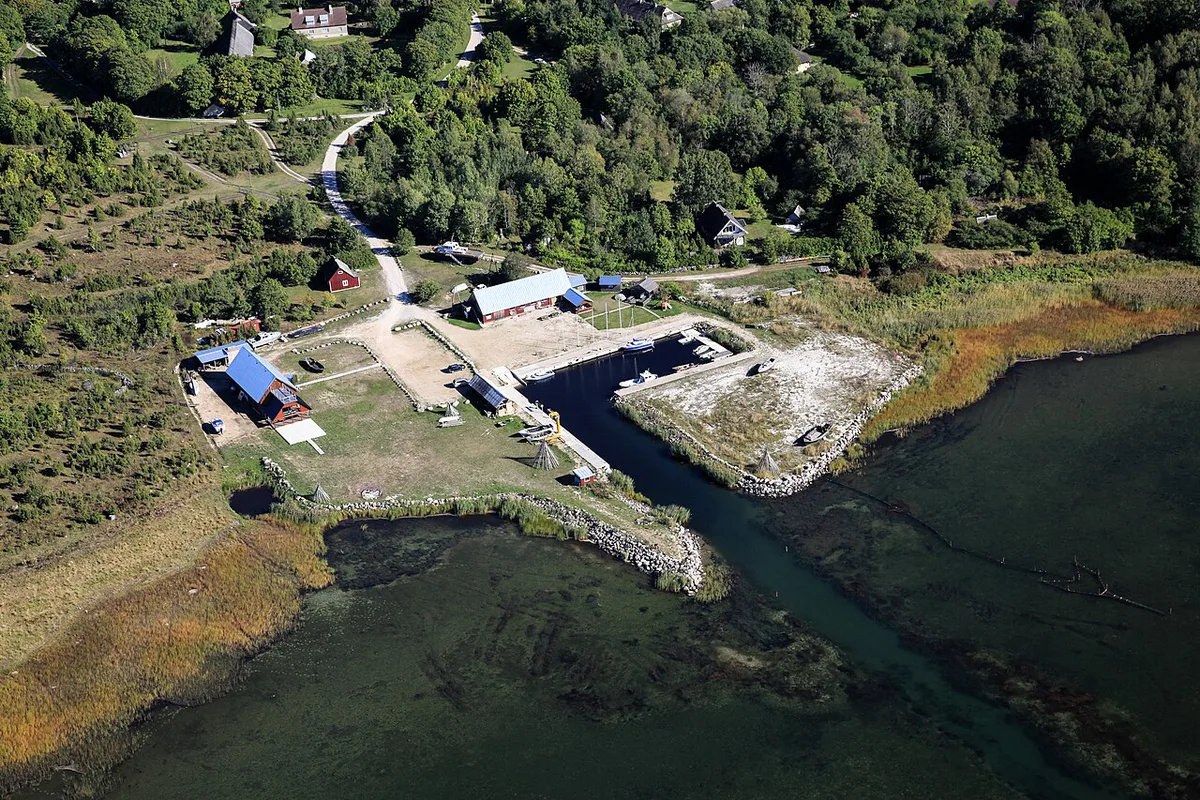
Pick by transport mode and ferry timing. With a few hours, choose Koguva and one meal, then continue. With a full day by car, add the museum and the church. Overnight stays pay off for cyclists and anyone who wants evening quiet after the day visitors leave. Trying to cover Muhu and Saaremaa together in one rushed day usually shortchanges both. Give each island its own block of time.
- Few hours: Koguva, one meal, back on the road.
- One day: Koguva, museum, church, lunch, then onward.
- Overnight: add a bike loop, a slow dinner and a morning ferry.
Best time to visit Muhu
Summer gives you open attractions, the longest days and beach weather. Shoulder seasons bring fewer people and easy cycling. Winter is quiet, with short daylight and likely reduced opening hours at the museum and some restaurants. Match the season to your priority. Beach and festival seekers should go in summer. Solitude seekers should pick late spring or early autumn.
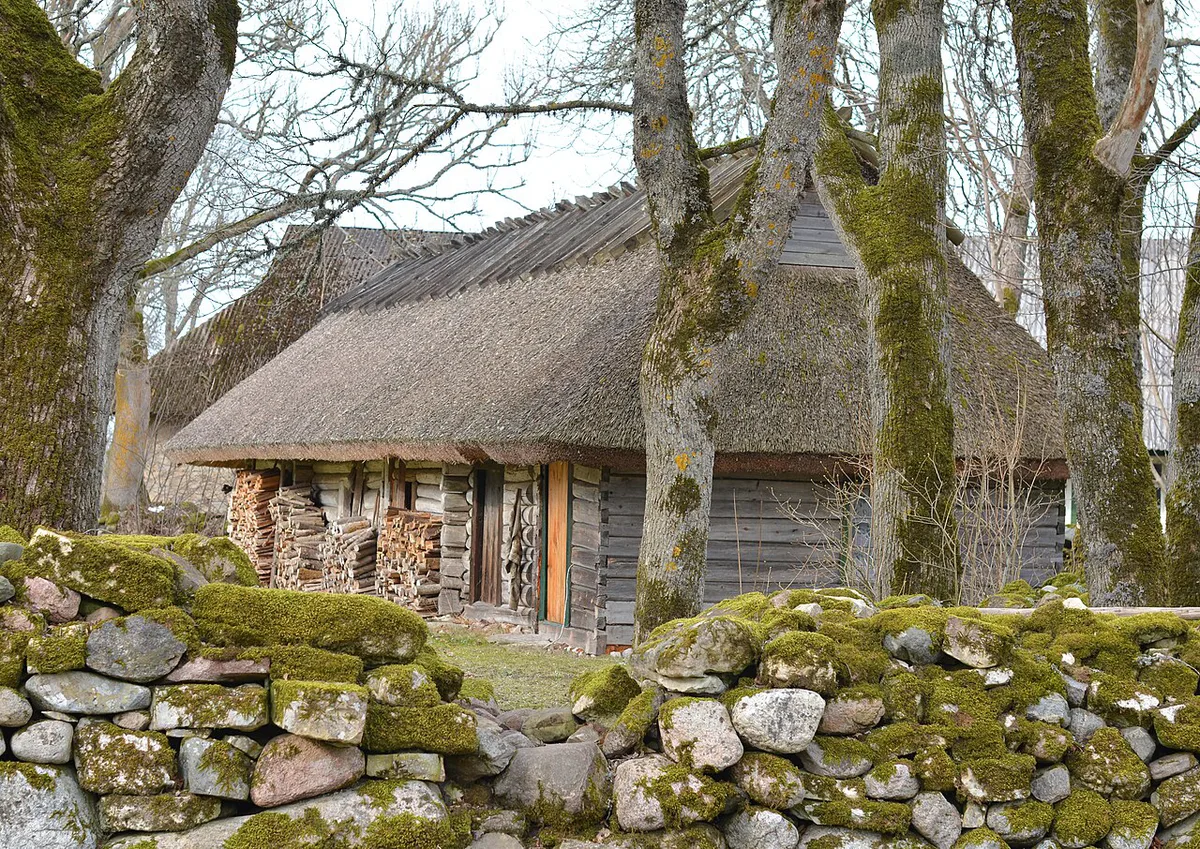
- Summer: everything open, busiest ferries.
- Spring and autumn: calmer roads, mixed weather.
- Winter: very quiet, limited services, plan around daylight.
Where to eat and where to stay
Choose between countryside restaurants and guesthouses on Muhu, or stay in Kuressaare on Saaremaa and visit Muhu as a day. Staying on Muhu puts you near Koguva in the evening. Staying in Kuressaare gives more dining and lodging choice. Book dinner and beds ahead in summer. Carry a little cash as a backup, since small places can vary on cards. A car or bike makes dining far easier because restaurants are spread across the island.
Muhu budget and cost trade-offs
Walking Koguva is free, and the museum is a low-cost stop. A countryside meal is the mid-range item. Transport is where costs split. A car on the ferry costs the most, a bus is cheaper, and a bike is the lowest-cost way to cover the island once you are there. Check current ferry fares and bike rental rates with the operators before you set a budget.
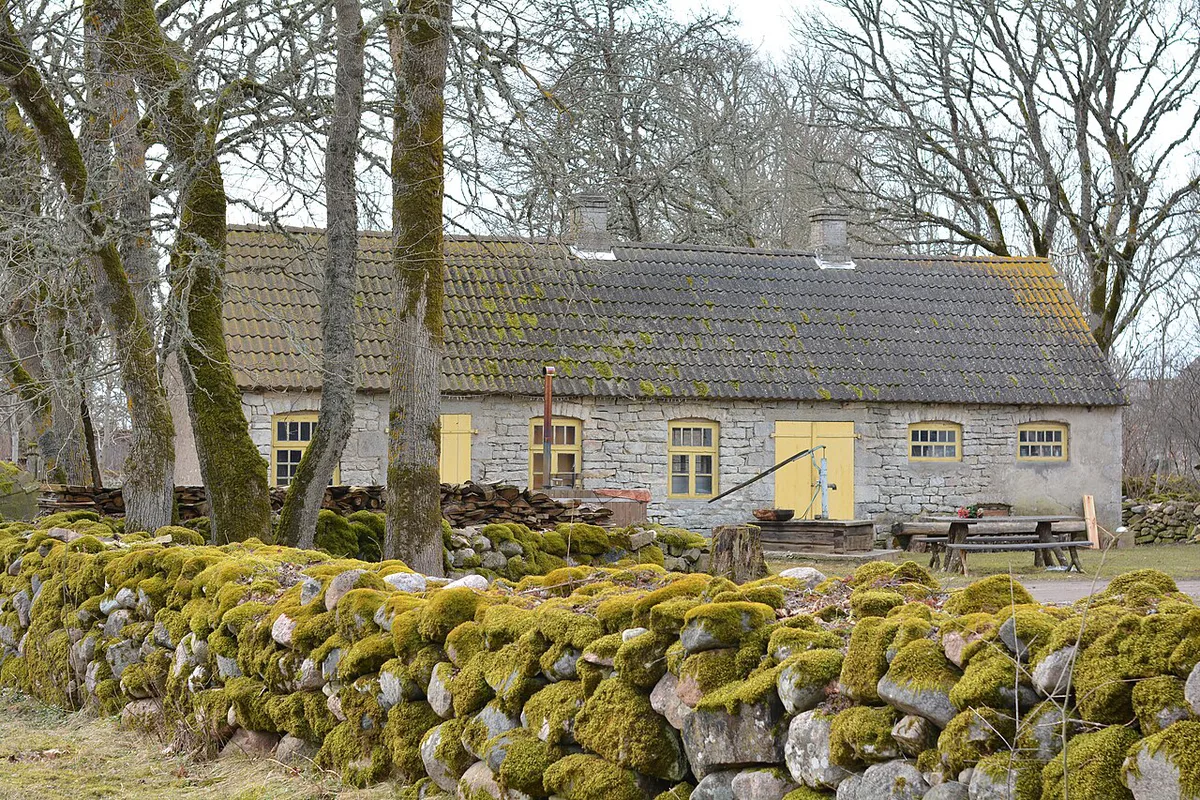
Bikes cost least to cover the island, but a ride of 2–3 hours between villages makes a rushed half day tight.
Combining Muhu with Saaremaa and nearby islands
The natural route is Muhu, then Kuressaare and the rest of Saaremaa. A longer archipelago loop can add Hiiumaa and the small island of Kihnu. Stay only on Muhu if you want a slow, village-focused trip. Skip it and go straight to Saaremaa if castle sights and a bigger town matter more. Readers who like this pace may also enjoy the Finnish Archipelago: Zones, Ferries & Best Islands. The Åland Islands offer a similar feel.
Koguva alone takes about 2 hours on foot, so a same-day Saaremaa visit needs its own separate time block.
| Priority | Muhu | Saaremaa |
|---|---|---|
| Village heritage | Strong | Moderate |
| Nightlife and variety | Minimal | Better |
| Quiet and cycling | Strong | Good |
| Lodging choice | Limited | Wider |
Practical tips and common mistakes
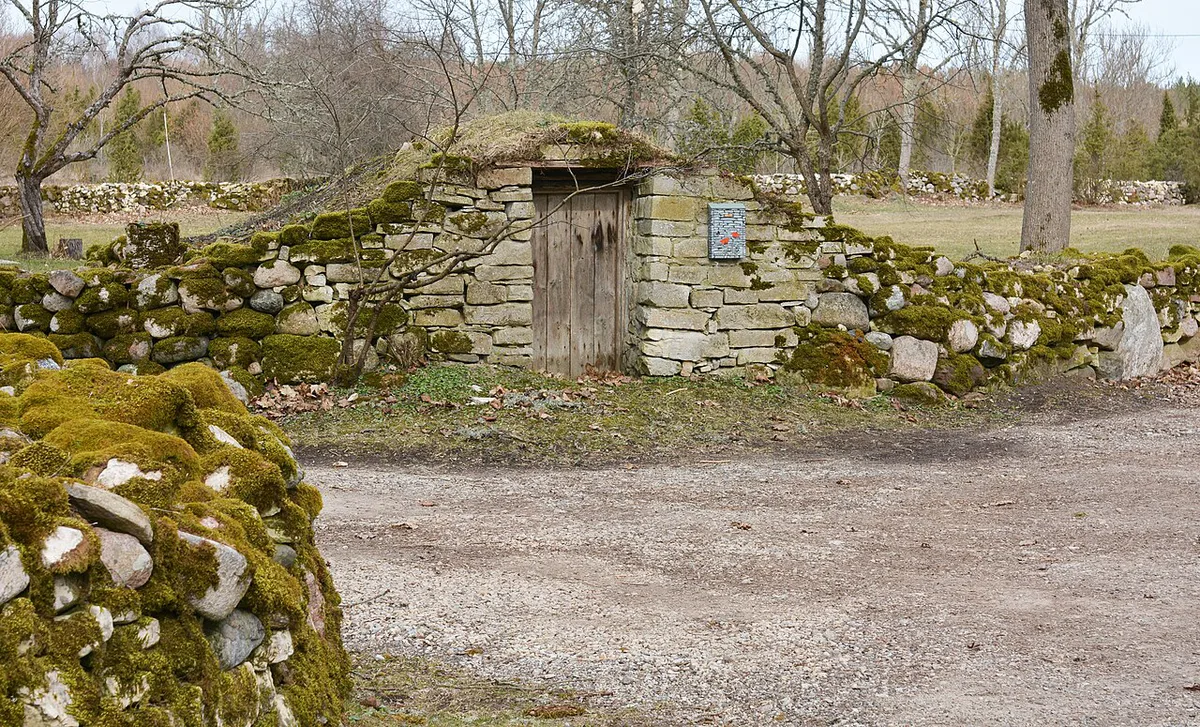
Do not arrive without a ferry plan. Do not rely on cards alone. Do not underestimate distances between sights. Off-season daylight is short, so start early. Mobile coverage can be patchy in rural stretches, so download an offline map before you cross.
- Check the ferry timetable before you set out.
- Keep some cash as a backup.
- Give Muhu and Saaremaa separate time blocks.
- Download offline maps.
FAQ
Is Muhu worth visiting? Yes, especially for Koguva’s rural heritage, quiet roads and a slower alternative to larger Saaremaa. It works best as a deliberate stop rather than a hurried ferry break.
Do I need a car on Muhu? No, but a car makes scattered sights and countryside restaurants easier to reach. A bike suits slower travelers, although a village ride can take 2–3 hours.
How much time does Muhu need? Allow a half day for Koguva and a meal. Give it one night if you want a relaxed cycle, dinner and time between ferry departures.
Can Muhu be a day trip from Tallinn? It can, but ferry timings make it a long day. A focused visit should prioritize Koguva, where a walk through the village takes about 2 hours.
Is Muhu connected to Saaremaa? Yes. A road causeway links Muhu with Saaremaa after the Virtsu–Kuivastu ferry arrives on Muhu.
What is Koguva? Koguva is Muhu’s best-known historic village, with old farmsteads, stone walls and thatched roofs. Add the Muhu Museum if it is open; allow about 1 hour for the museum.
Useful notes for your next island trip
Optional updates to our guides.
You might also like

Continue reading
More guides you'll find useful