
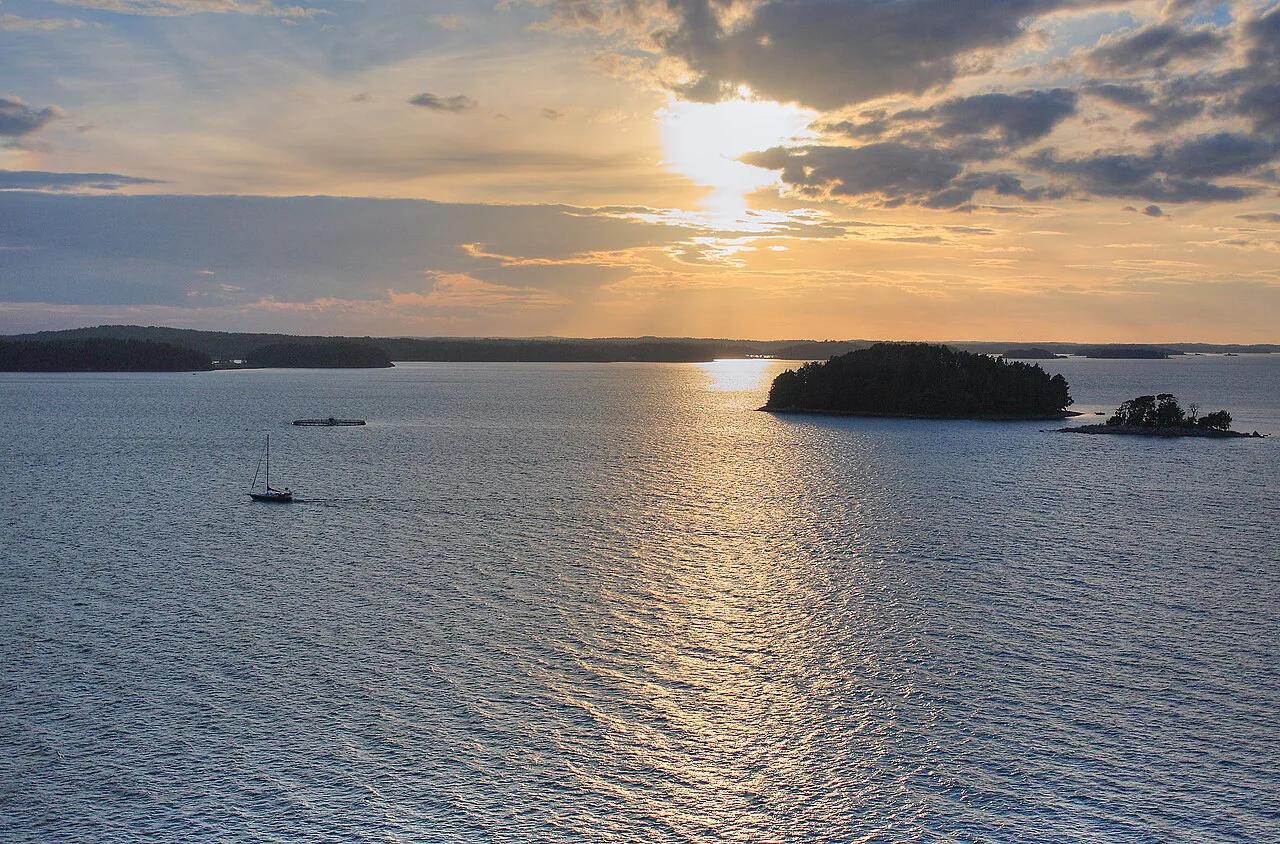
Finnish Archipelago: Zones, Ferries & Best Islands
Plan the Finnish archipelago: which island zone suits you, how ferries and boats work, when to go, and the trade-offs between day trips and longer stays.
On this page
Last updated November 2026: the Finnish archipelago is the belt of islands along Finland's south and southwest coast, with the Archipelago Sea off Turku at its core. Most visitors pick one zone, not the whole coast, because ferry links decide how far a trip can stretch. This guide sorts the zones by traveller type, then covers transport, seasons and where to stay, and it fits into our wider Baltic islands overview.
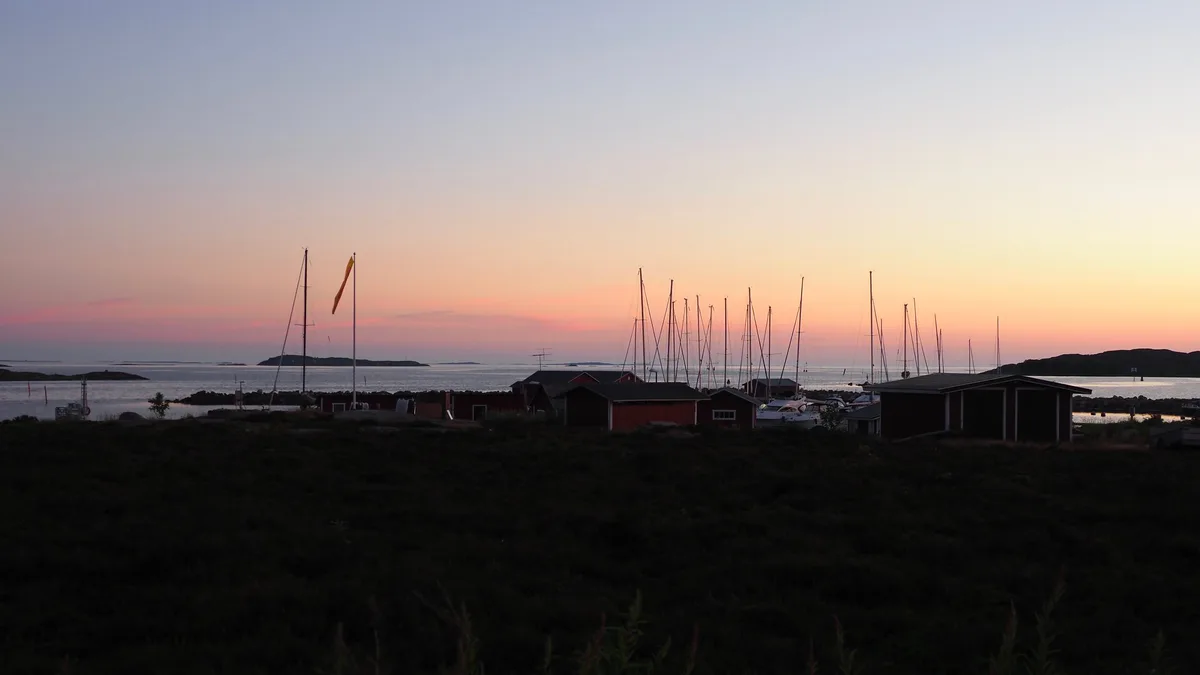
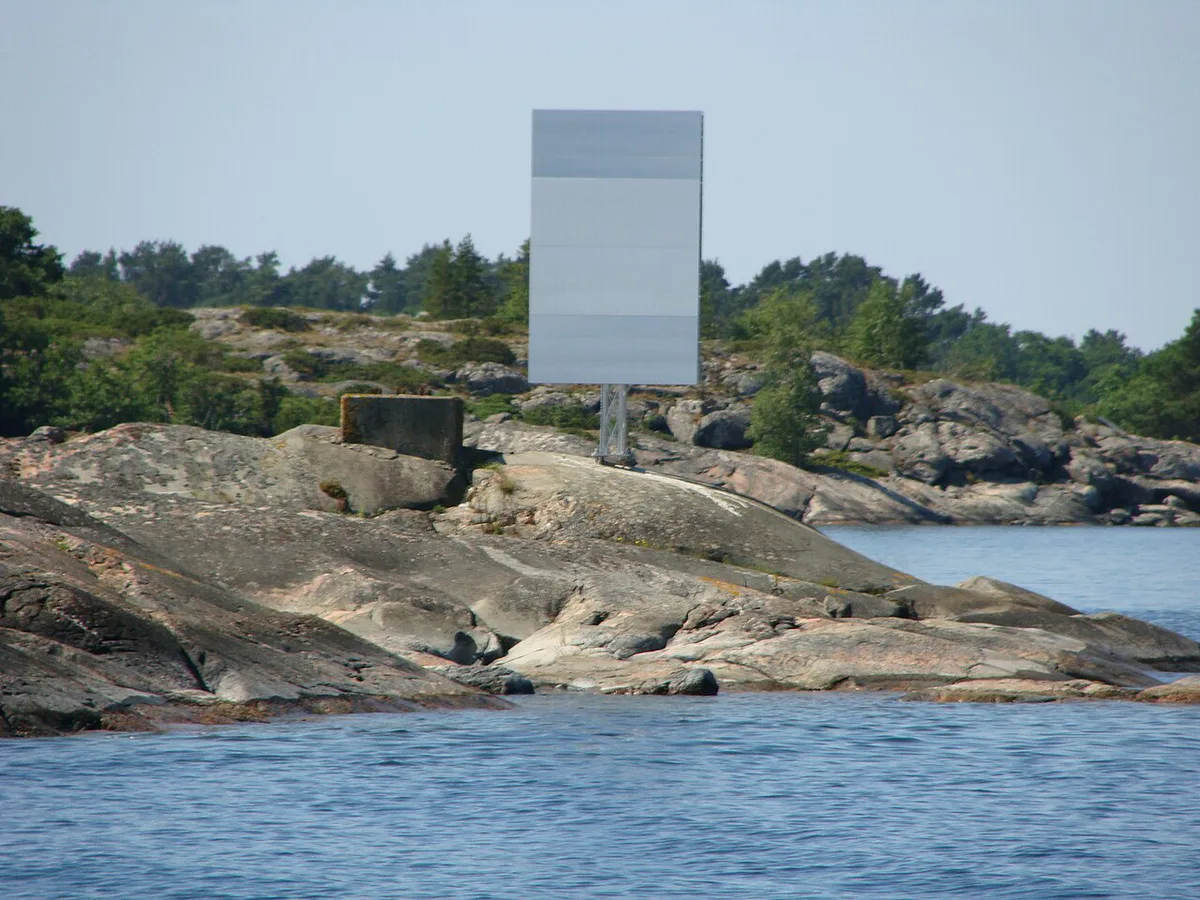
Featured image: Sergey Ashmarin, CC BY-SA 3.0, via Wikimedia Commons.
What the Finnish archipelago is and how it is divided
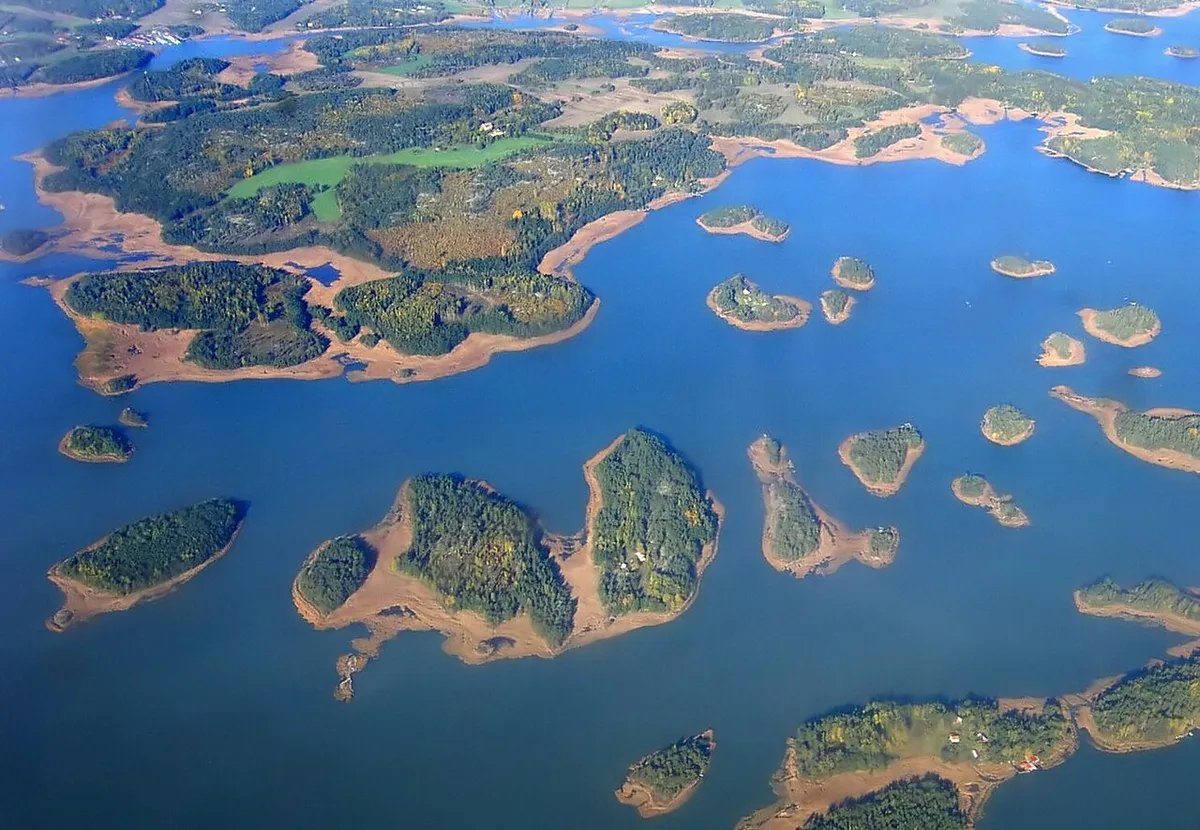
Think of the Finnish archipelago as three overlapping zones, not one destination. The Archipelago Sea off Turku is the largest and the most island-hopping friendly. Closer to the capital, the outer islands off Helsinki, Espoo and Porvoo work as short boat trips. Åland sits between Finland and Sweden and is a separate, self-governing island group with its own ferry system. Our Åland Islands guide covers it in full.
- Archipelago Sea (Turku archipelago): Nagu (Nauvo), Korpo (Korppoo), Houtskär and Iniö, linked by the Archipelago Trail.
- Helsinki region: fortress island Suomenlinna plus outer islands reached by boat from the coast.
- Åland: an autonomous island group with its own ferry network and tourism board.
Which part should you visit?
Match the zone to the time you have and whether you drive. First-timers with a car do best in the Archipelago Sea. Short stays without a car do best around Helsinki. Anyone who wants a full island holiday with cycling and dense ferry links should look at Åland.
| Zone | Best for | Access | Effort | Car needed | Season fit |
|---|---|---|---|---|---|
| Archipelago Sea (Nagu, Korpo, Houtskär, Iniö) | Island-hopping, cottages, slow travel | Road ferries and cable ferries; passenger boats to outer islands | Medium to high | Helpful for the main route | Summer strongest; shoulder months quieter |
| Helsinki outer islands and Suomenlinna | Day trips, first visit to Finland | Scheduled ferry or private boat | Low | No | Summer best; Suomenlinna open beyond it |
| Åland | Cycling, longer stays | Ferry from Finland or Sweden, then local roads and ferries | Medium | Not essential for cyclists | Summer strongest |
Best things to do on the islands
Group your plans by interest, then pick the zone. Hiking and swimming suit the Archipelago Sea, where the road-and-ferry route lets you stop on several islands in one trip. Fortress history is easiest at Suomenlinna, a sea fortress reached from Helsinki by ferry. Cycling and cottage stays work well on Åland. Nagu, Korpo, Houtskär and Iniö each give a different island feel, from road-connected villages to ferry-only outposts.
- Nature and hiking: shoreline paths and forest walks on the larger Archipelago Sea islands.
- Island-hopping: follow the Archipelago Trail between Nagu, Korpo and Houtskär.
- Sauna and cottage stays: book a waterside cottage on a smaller island for a slower pace.
- Fortress history: Suomenlinna, one island, one ferry, one day.
How to get there and get around
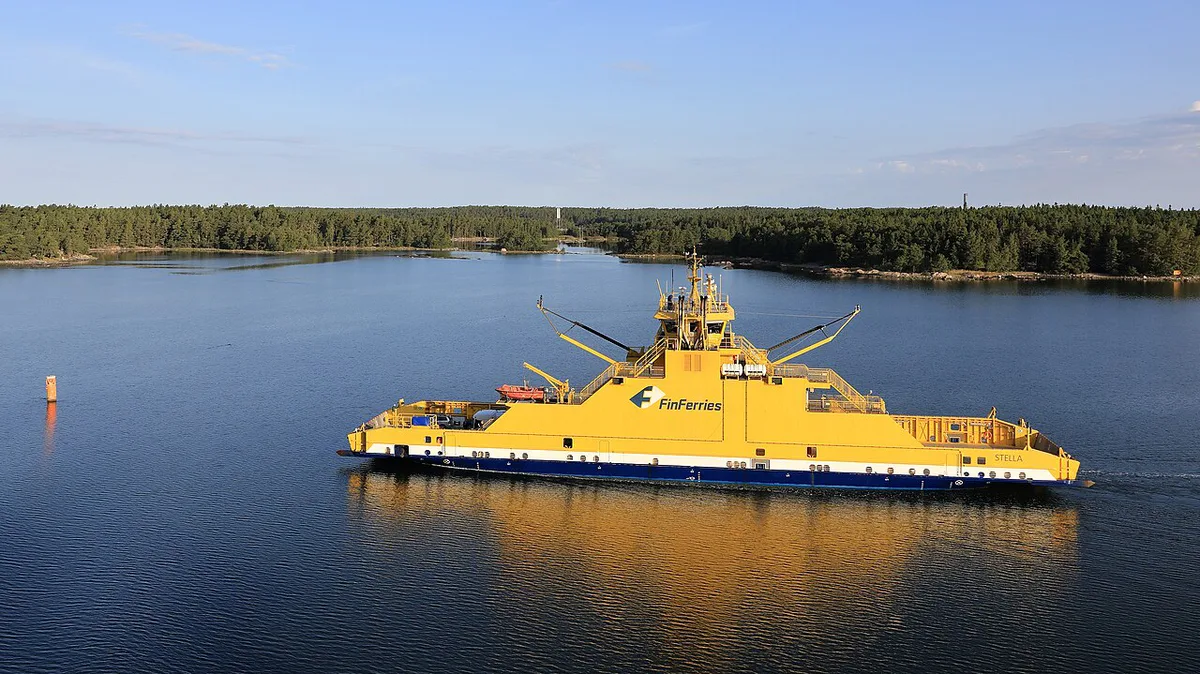
Access comes in four types: road-connected islands, cable ferries, scheduled passenger boats and water taxis. Road ferries on the main routes are run by Finferries, and they take cars as well as foot passengers. Outer islands such as Iniö depend on timetables, so work backwards from the last departure. Suomenlinna runs on its own ferry, with details on the official Suomenlinna site. Åland has a separate network run through Ålandstrafiken. Without a car, base yourself on one island and use passenger boats, not a multi-island loop.
When to go and how long to stay
Summer is the peak, and it is when most boats, cafés and guesthouses operate. Shoulder months are quieter but services thin out, and weather can affect ferries. Winter suits travellers who want empty shorelines, not full services. For length, a day trip works for Suomenlinna or a nearby outer island. A weekend suits one Archipelago Sea island. Four to five days lets you follow the Archipelago Trail without rushing.
Costs and booking realities
Three things drive cost: ferry or boat fares, scarce island accommodation and food on remote islands. Many road ferries on the main routes are part of the public road network, while passenger boats and water taxis are priced by the operator. Fares and timetables change by season, so read the current listings on Visit Archipelago before you build an itinerary. Book beds early for midsummer weekends, because small islands have few rooms.
Where to stay
Options include guesthouses, rental cottages, campsites, hostels and a few hotels. Smaller islands have fewer beds, so the choice often decides the route. Finland's right of public access lets you walk and camp briefly on many open areas, but rules differ near homes and in protected areas. Check park and landowner rules before you pitch a tent. Carry cash and a card, since tiny islands may have no shop or payment terminal.
Other Baltic island trips to compare
If you want a bigger, better-linked island group, Åland is the closest alternative. For the Stockholm side of the sea, our Swedish islands guide compares the options. Estonia offers Saaremaa, Muhu, Hiiumaa and Kihnu as other Baltic choices. Each is one island, so none gives the island-hopping of the Archipelago Sea.
Frequently Asked Questions
Is Åland an archipelago?
Yes. Åland is an island group in the Baltic Sea between Finland and Sweden. It is autonomous, has its own ferry network and is usually planned as a separate trip from the Turku archipelago.
Does Finland border the Baltic Sea?
Yes. Finland's southern and western coasts face the Baltic Sea. The islands off that coast form the Finnish archipelago.
Useful notes for your next island trip
Optional updates to our guides.
You might also like

Continue reading
More guides you'll find useful