
Kihnu Island Guide: Getting There, Day Trip vs Overnight, Culture
Plan a trip to Kihnu, Estonia: how to reach the island, day trip or overnight, culture and etiquette, getting around, and the best season.
On this page
Last updated November 2026. Kihnu is a small Estonian island in the Gulf of Riga, known for women-led island culture, traditional dress and folk crafts. It has no airport and no major port, so every visit starts with a sea crossing from the mainland. Day trips work for culture and cycling, and an overnight stay suits anyone who wants the island after the day visitors leave. Kihnu also sits in our wider Baltic islands guide.
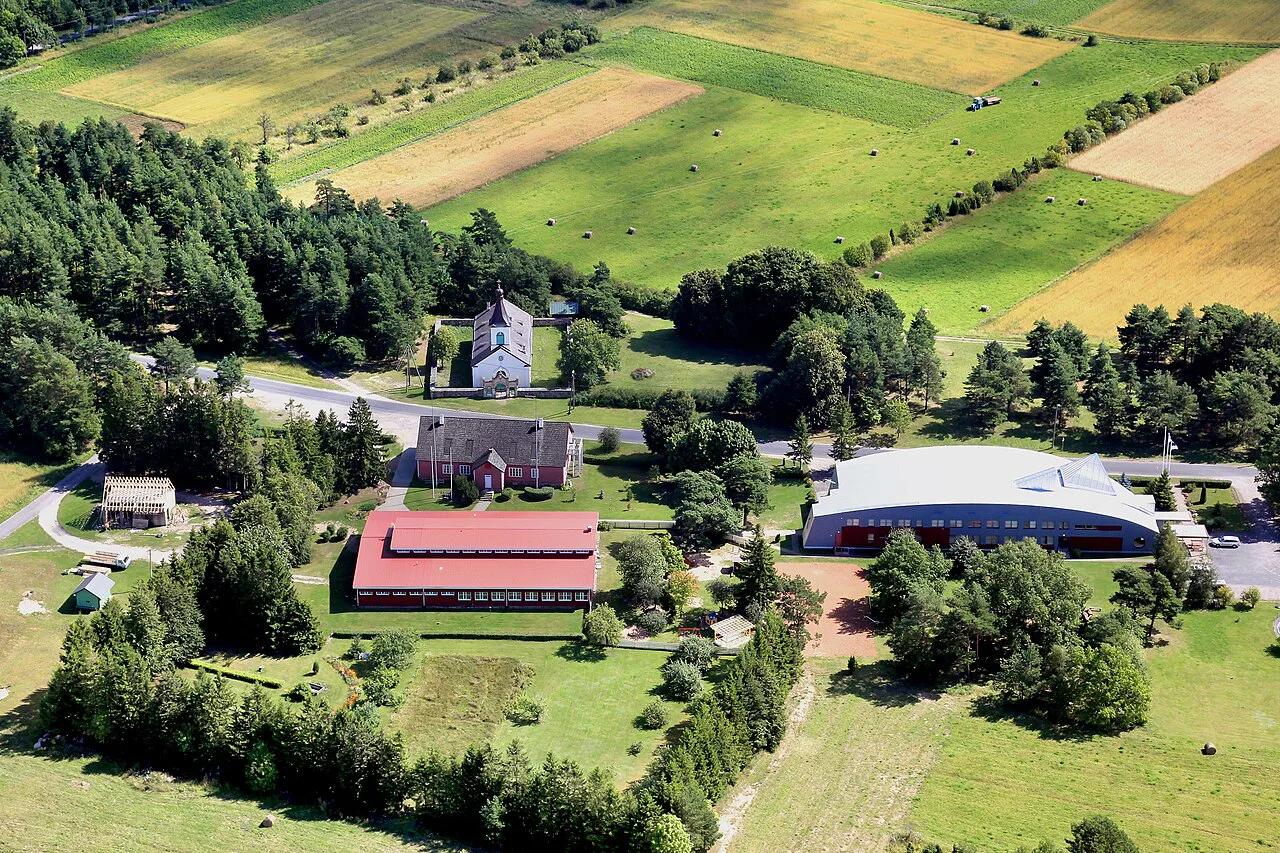
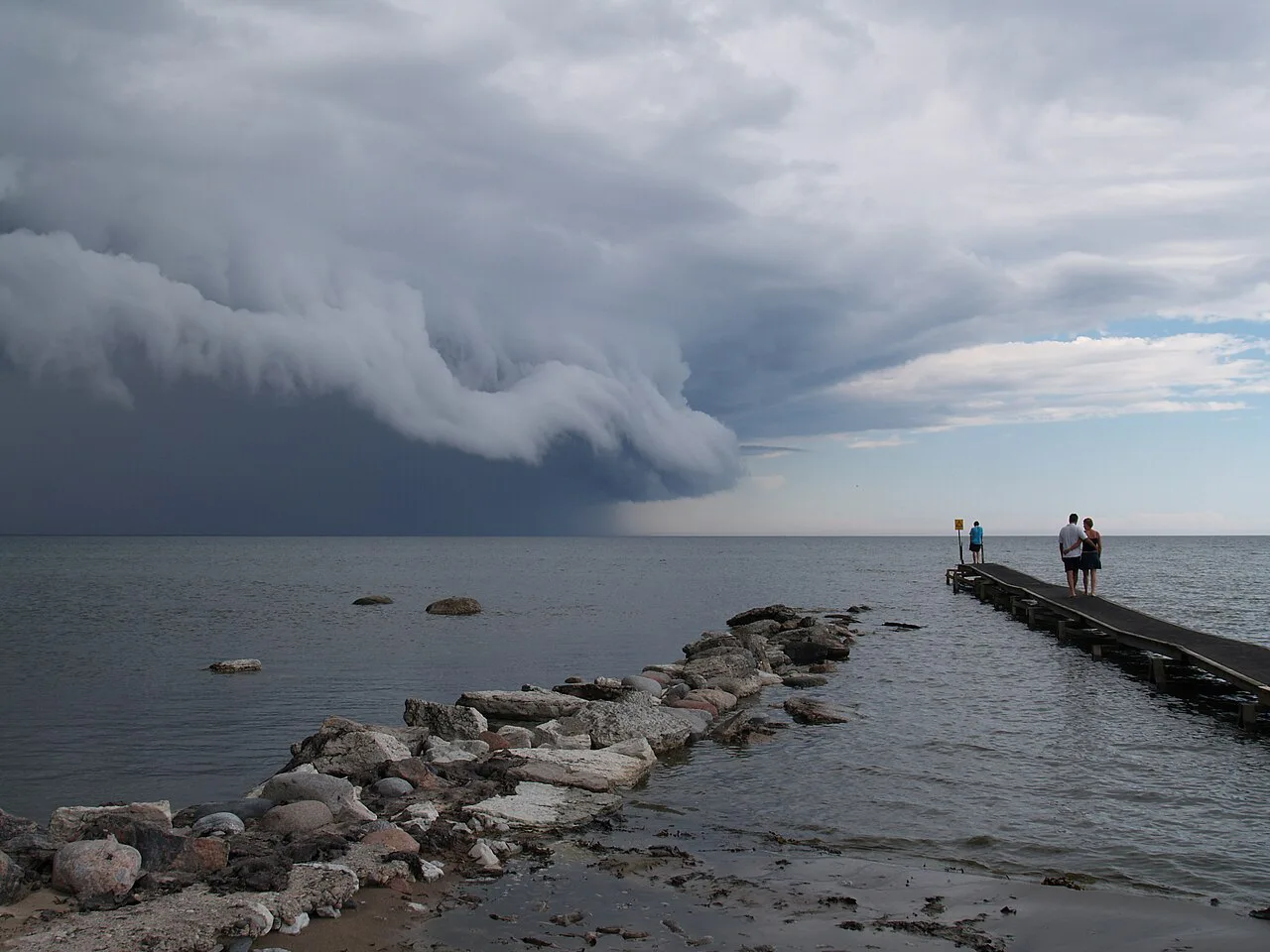
Featured image: Hiiumaamudeliklubi, CC BY-SA 4.0, via Wikimedia Commons.
Is Kihnu Worth Visiting? Who It Suits
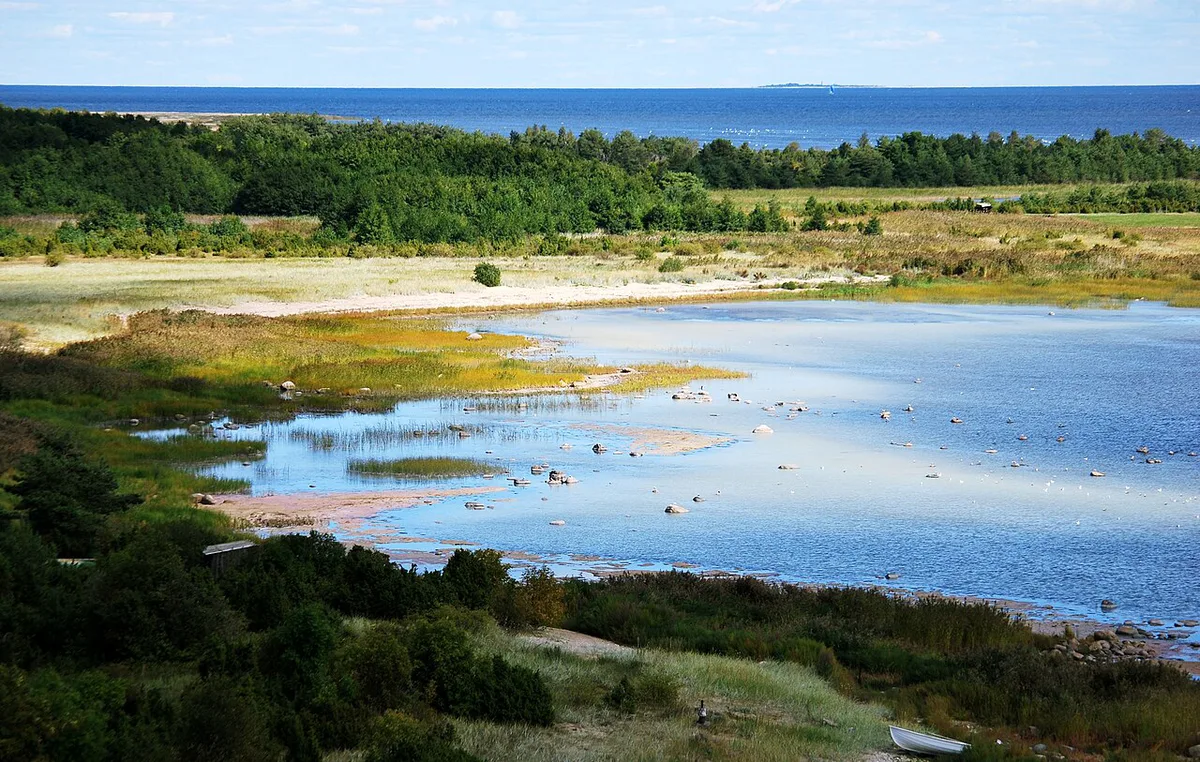
Kihnu covers about 18.2 km² and has roughly 200 residents. Expect a quiet, flat island with limited infrastructure rather than a resort. Its value is cultural: UNESCO recognises the Kihnu cultural space as a Masterpiece of the Oral and Intangible Heritage of Humanity. Crossings depend on weather, so build slack into your plans. If you want nightlife, big beaches or a packed sightseeing list, skip it. If you like cycling, craft traditions and slow days, it is a strong pick.
| Traveler | Fit | Why |
|---|---|---|
| Culture-minded travelers | Strong | Living dress, song and craft traditions are the main draw |
| Cyclists | Strong | Flat terrain, low traffic and short distances |
| Families | Good | Easy cycling and open space, but few indoor options |
| Birders | Good | Coastal and farmland habitat; check seasons locally |
| Travelers short on time or flexibility | Weak | Ferry timetables and weather can change your return |
How to Get to Kihnu
Kihnu has no scheduled airport and no major port, so you arrive by boat from the Estonian mainland. Ports, operators, crossing times and vehicle rules change by season. Read the current timetable on Visit Estonia's official tourism site and the national transport timetable before you commit. Pärnu is the practical base for most visitors. Road figures to a mainland departure area are about 50 km and 1 hour from Pärnu, 205 km and 2 hours 50 minutes from Tallinn, and 118 km and 2 hours 10 minutes from Riga. These are drive times to the coast, not crossing times. Add the ferry on top, plus buffer for check-in. Book vehicle space early in summer, because car places on small island ferries fill first. Foot passengers have an easier time, and you do not need a car on a flat island this size. In rough weather, services can be delayed or cancelled, and winter ice can change how crossings run. Ask the operator about any winter alternative rather than assuming one exists.
| Origin | Road distance to coast | Road time | Then |
|---|---|---|---|
| Pärnu | About 50 km | About 1 hour | Take the ferry; check the timetable |
| Tallinn | About 205 km | About 2 hours 50 minutes | Drive or bus to the port, then ferry |
| Riga | About 118 km | About 2 hours 10 minutes | Drive north, then ferry |
| Saaremaa | About 40 km across water | Varies | Go via the mainland; check for direct options |
- Pärnu is about 50 km by road from the mainland departure area.
- Saaremaa lies roughly 40 km from Kihnu, according to travel guides.
- Straight-line airport figures are not travel times, so ignore them when planning.
Kihnu Day Trip or Overnight: How to Plan Your Time
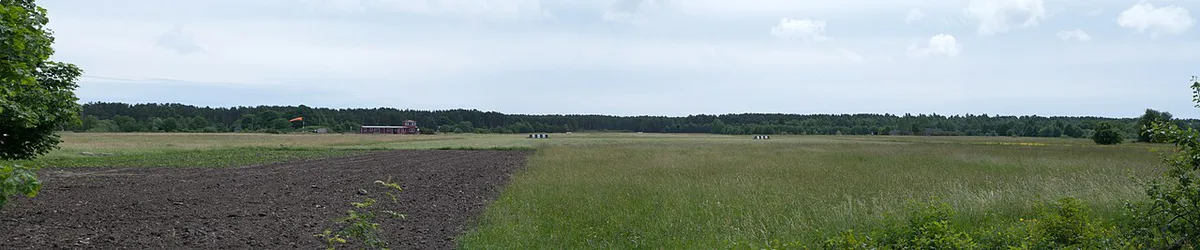
A day trip covers the main village, a bike loop and one craft stop. A same-evening return limits you, because the last departure sets your schedule. Overnight stays let you cycle in the quiet evening and morning hours. Some guides suggest three days. Treat that as an upper limit. One night is plenty if you came for culture and cycling. Two nights suit slower travelers or birders. Ask your accommodation about local craft visits before you book, since small workshops often run by arrangement.
With a coastline of 21.5 km, a bike loop fits inside a day, but a same-evening return still sets the pace.
| Plan | Time on island | Ferry constraint | Best for |
|---|---|---|---|
| Day trip | A few hours | Tight; return time sets everything | Culture and one bike loop |
| One night | About a day and a half | Looser; two crossings, one overnight | Cyclists and craft visitors |
| Two nights | Two full days | Flexible; weather buffer | Birders and slow travel |
- One-day logic: arrive early, cycle first, visit a craft stop, eat, then reach the harbour before the last return.
- Two-day logic: day one for the village and lighthouse, day two for coast, birds and a slower return.
Best Things to Do on Kihnu
Start with the lighthouse and the island's craft and heritage experiences. Cycling and walking are the main activities, with beaches for a quiet swim in summer. Birdwatching suits spring and autumn, and seals may appear along the coast. Treat wildlife as a bonus rather than a promise. Workshops and museum visits can need advance booking, so ask early. Opening hours change by season, so check locally before you cross.
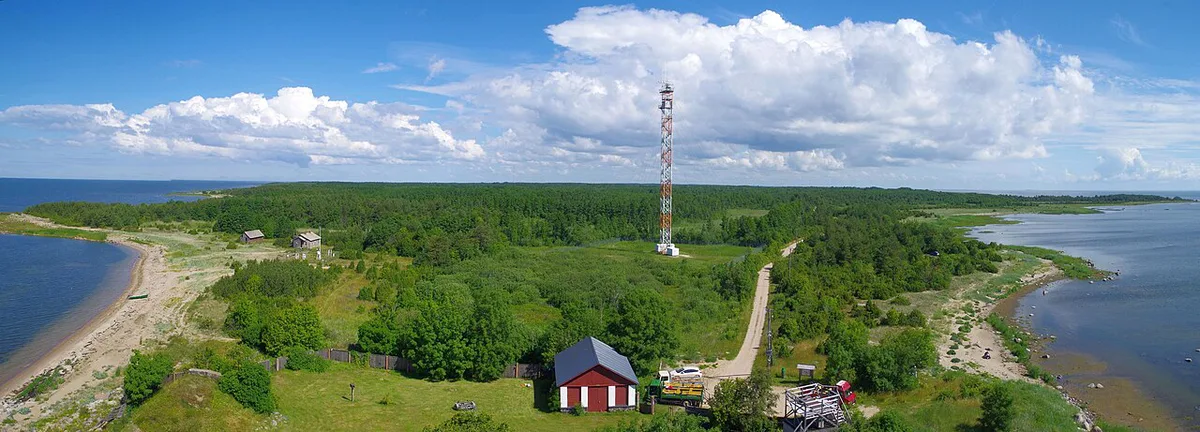
- Lighthouse: best on a bike loop; allow a short stop for the view.
- Craft and heritage visits: best with advance arrangement; ask your host.
- Cycling: best fit for most visitors; flat and easy.
- Beaches: best in warm months; expect quiet shores, not facilities.
- Birdwatching and seals: best outside peak summer; bring binoculars.
Kihnu Culture and Etiquette
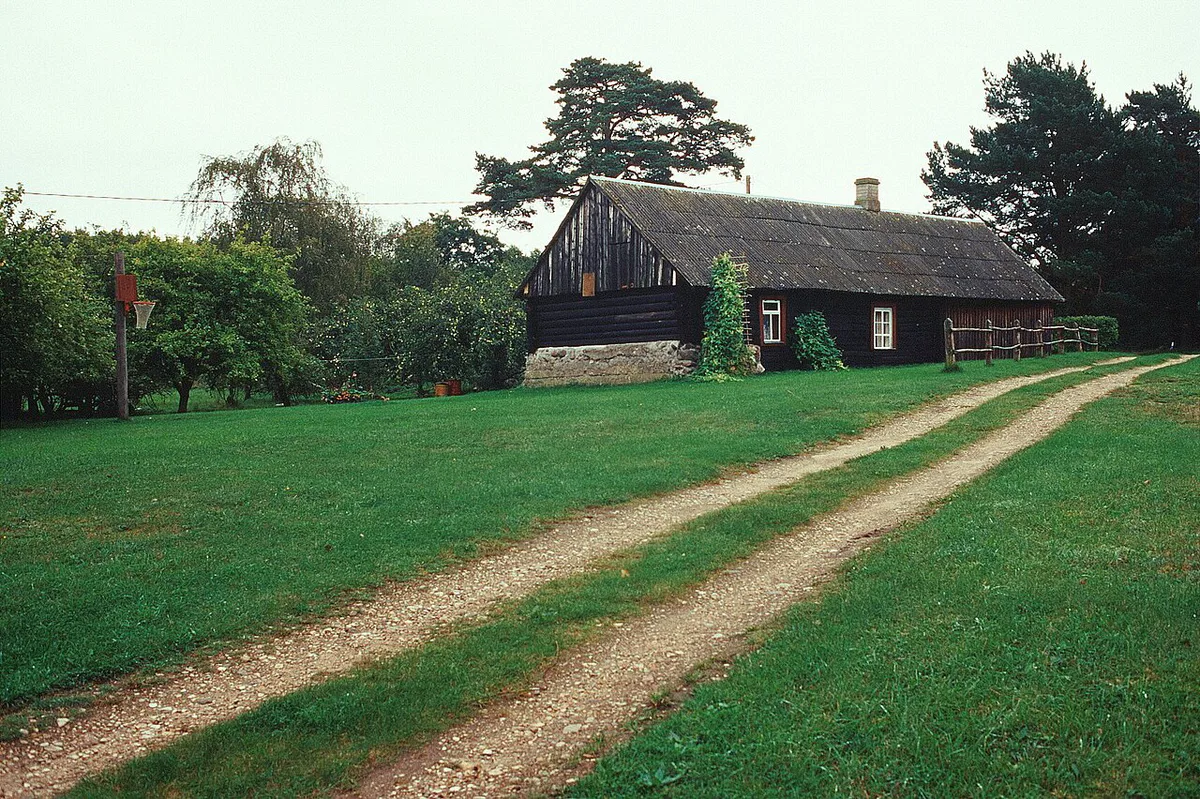
Kihnu's women-led folk tradition is the island's identity. Traditional dress, song and craft are part of daily life, not only a show for visitors. When men were away at sea, women carried much of community life, and that history shaped the culture you see today. Ask before you photograph residents, and never treat people as exhibits. Buy crafts from makers where you can, and keep noise down in the village. Be careful with festival names you may read online. Confirm event dates with official Estonian tourism sources before you plan around them. UNESCO's recognition covers the cultural space, which is separate from any nature designation.
- Ask before photographing people, especially in traditional dress.
- Respect private yards and farm gates.
- Buy directly from craft makers when possible.
Getting Around Kihnu: Bike, Walk, Taxi
Kihnu is flat. Its highest point is about 13 m above sea level, and the mean elevation is about 6 m. The island measures about 18.2 km² with a coastline of about 21.5 km, so a bike loop is realistic in a day. Walking works for the main village and nearby sights. Bike hire is common on small Estonian islands, but ask your host or the operator about availability and booking. Cars are not essential. Some guides mention local buses, but you should ask locally rather than relying on a schedule. Ask your accommodation about transfers from the harbour to the main village.
- Bring a rain layer, because coastal weather changes fast.
- Carry water and snacks for longer loops.
- Book bike hire ahead in summer.
Where to Stay and Eat on Kihnu
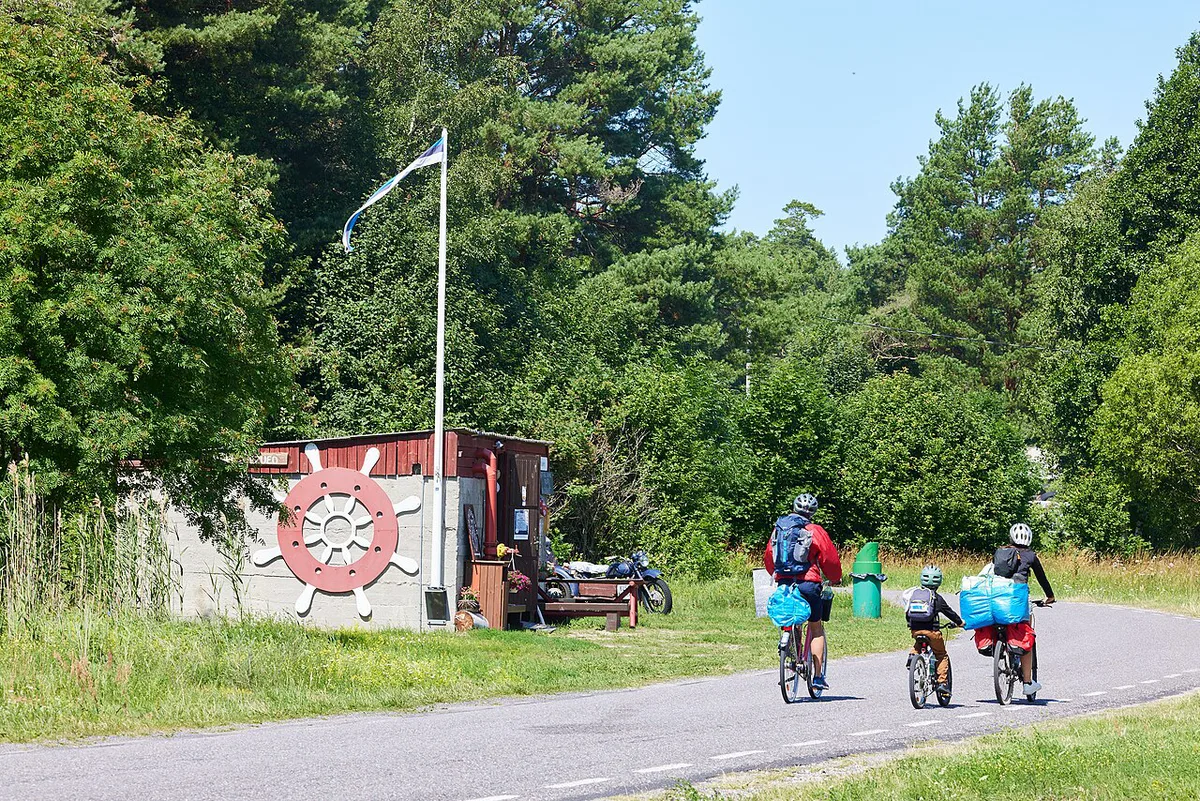
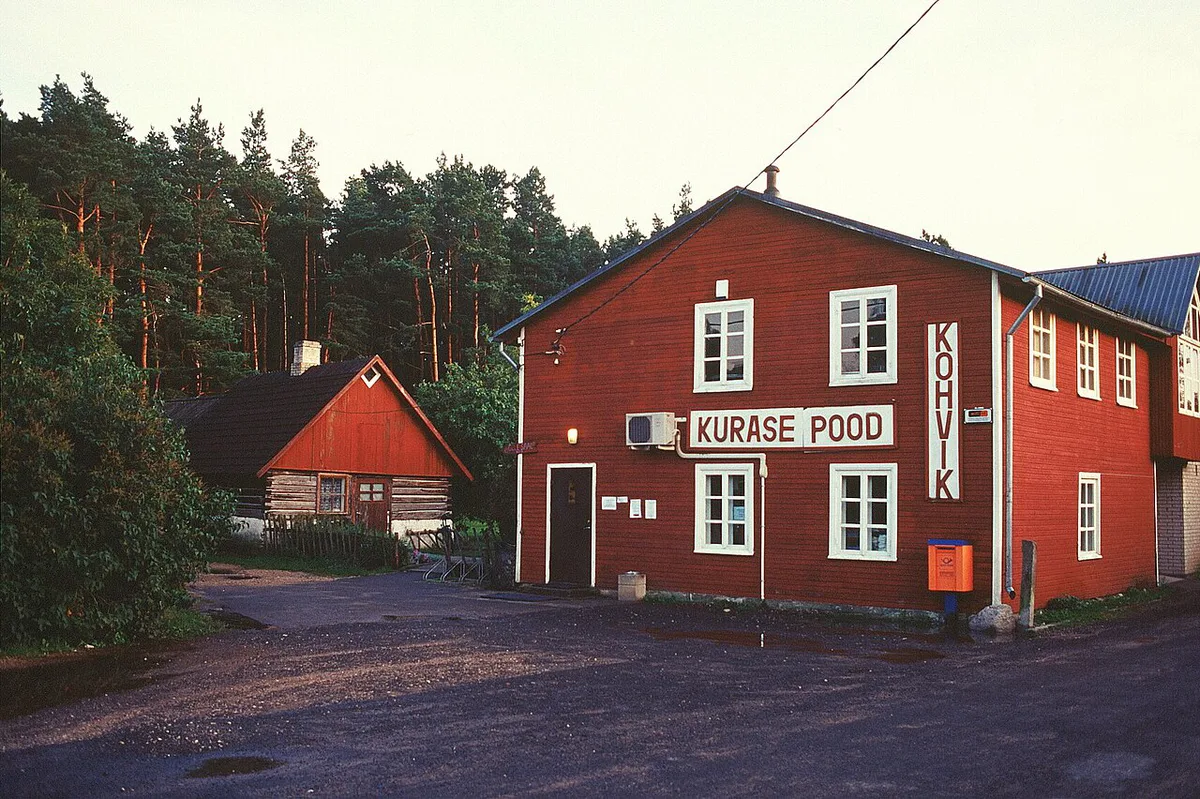
Options include guesthouses, farmstays and camping. Book ahead for summer and any festival weekend, because beds are limited on a small island. Food shops and cafés can have short hours or close seasonally, so plan meals around your crossing. Bring snacks if your arrival is late or your visit is off-season. Ask your host about card acceptance and bring some cash as a backup. Local smoked fish, rye bread and potato dishes are common island foods, but ask where to buy them. We name no individual businesses here, since opening status changes. Use official tourism listings for current options.
Best Time to Visit Kihnu
Kihnu has a warm-summer humid continental climate. May to August is the main season, with summer temperatures roughly 15°C to 25°C. Winter runs about -5°C to 0°C, with snow and shorter daylight. Services are fullest in summer and thinnest in winter. Shoulder months, especially September, can suit walking and birding with fewer people. Crossings are least reliable in rough sea or ice conditions. Check annual event dates with official sources rather than relying on web listings.
Winter sits around -5°C to 0°C with shorter daylight, and that is also when ferry risk peaks, so keep your return flexible.
| Season | Crowds | Services | Ferry risk |
|---|---|---|---|
| Summer (May–August) | Highest | Most open | Lower, but weather still matters |
| Shoulder (April, September) | Lower | Mixed; some closed | Moderate |
| Winter | Lowest | Limited | Higher; ice and storms |
Kihnu Costs
Official fares and hire rates change, so check current prices with the ferry operator and your accommodation. In relative terms, the ferry is the biggest fixed cost for a foot passenger. Bringing a car raises that cost, and it adds little value on an island this small. Bike hire is usually modest. Guesthouse and farmstay beds cost more in summer than in the shoulder months. Meals are cheapest when you buy from shops and cook, or eat at your guesthouse. Compared with a mainland day, a Kihnu trip costs more mainly because of the crossing.
Mistakes to Avoid on Kihnu
Most problems come from timing and expectations. Plan around the return crossing first, then build the day around it.
- Not checking the return timetable before you leave.
- Assuming you can hire a car on the island.
- Arriving off-season and expecting shops and cafés to be open.
- Treating Kihnu as a beach resort.
- Photographing residents without asking.
Combine Kihnu With Nearby Islands and Mainland Stops
Pair Kihnu with Pärnu on the mainland, since most routes pass through it. For a longer trip, add Saaremaa, the nearest large island. Then continue to Muhu on the same western Estonian route. Hiiumaa works as a separate trip for another quiet island stay. Farther afield, compare the Åland Islands or the Finnish Archipelago: Zones, Ferries & Best Islands. Both offer a different island rhythm in the northern Baltic.
Frequently Asked Questions
Where is Kihnu island located?
Kihnu is an Estonian island in the Gulf of Riga, part of the Baltic Sea. Travel guides place it roughly 40 km from Pärnu and from Saaremaa.
Useful notes for your next island trip
Optional updates to our guides.
You might also like

Continue reading
More guides you'll find useful