Skye in Winter: Is It Worth Visiting? What to Expect in 2026
Skye in winter means short days, snow on the Cuillin and reduced ferries and buses. See who it suits, a weather Plan A/B/C ladder and a sample 3-day plan.
On this page
Last updated November 2026. Skye in winter is worth it if you want empty roads, dramatic light and a flexible plan. It is a poor fit if you need boat trips, full opening hours or a rigid 1-2 day schedule. Our guide to the 15 Best Things to Do on the Isle of Skye by Area covers the island year-round, and this page covers what changes between roughly November and March.
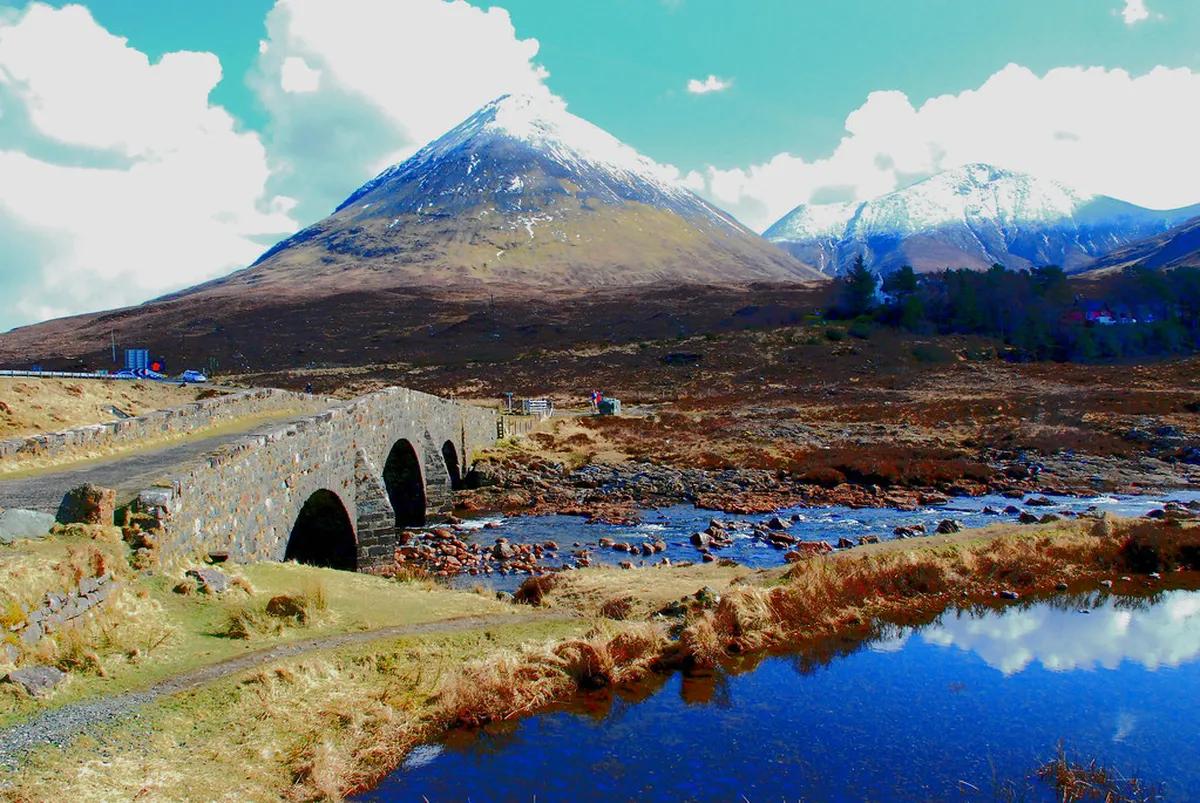
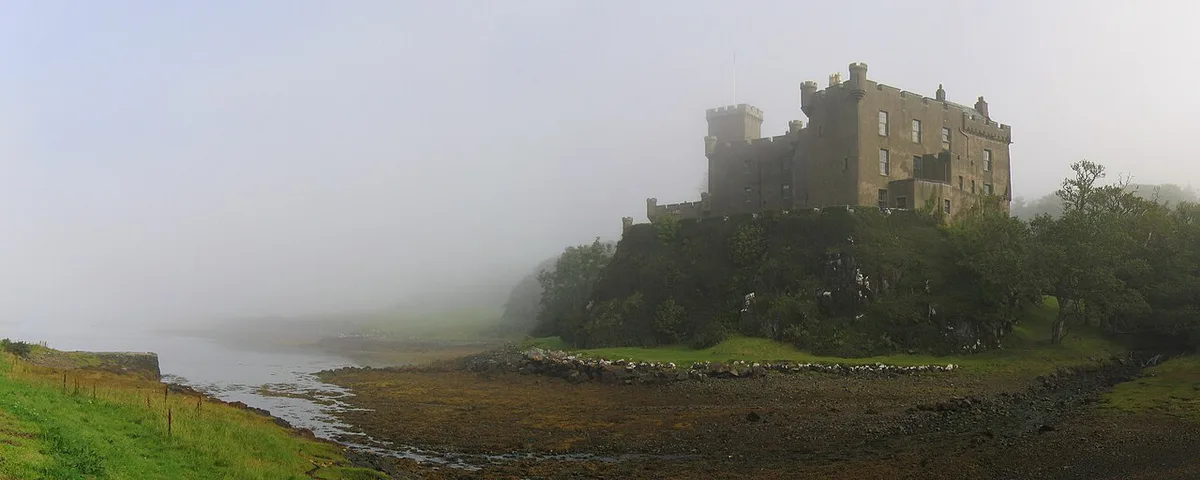
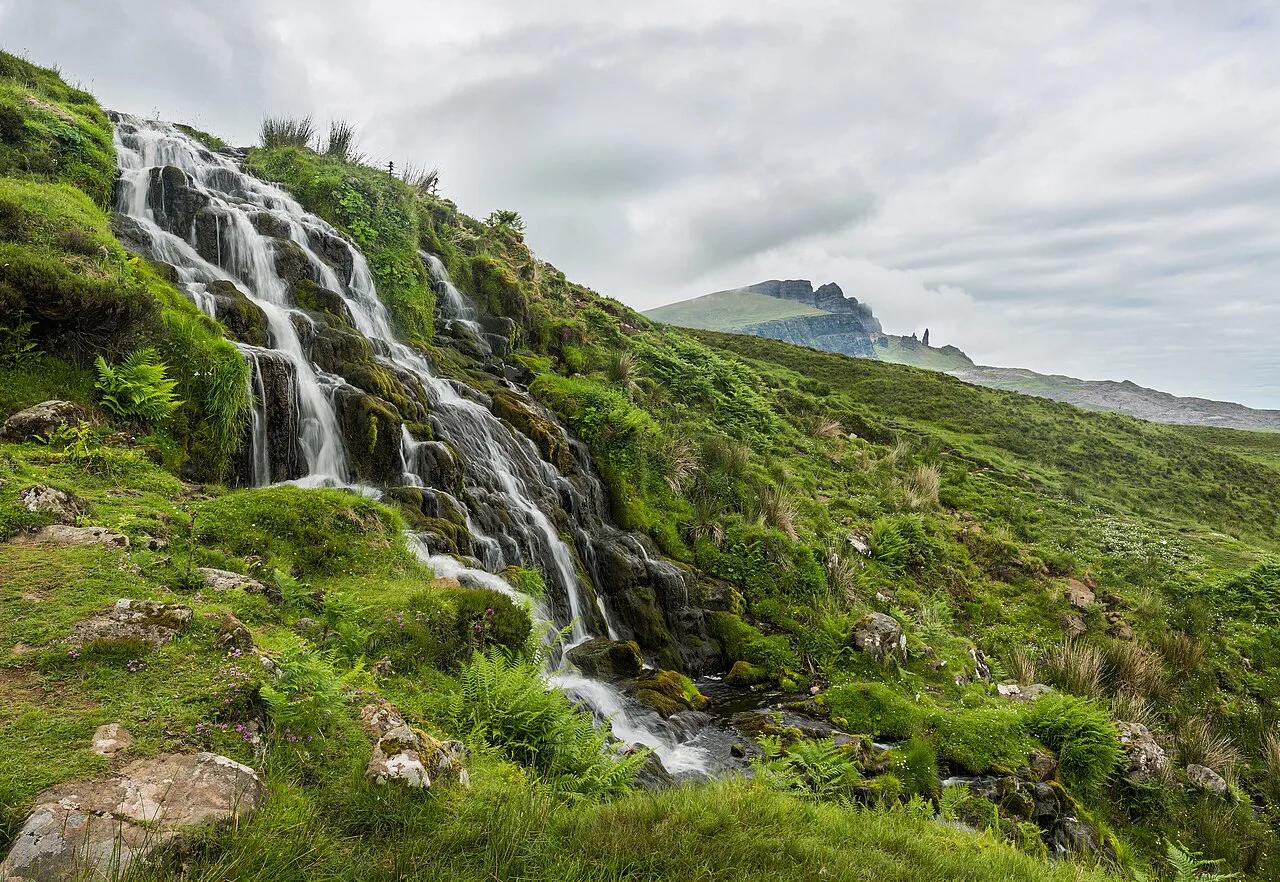
Featured image: Richard Szwejkowski, CC BY-SA 2.0, via Flickr.
Is Skye in Winter Worth It? Who Should Go
Winter suits photographers, hillwalkers with winter skills and travellers who value quiet over coverage. It also suits anyone who can move plans around when the weather shuts a day down. Skip it if you want boat trips, long evenings or a tight 1-2 day itinerary. Compare the seasons in our guide on the best time to visit Skye.
- Go if: you shoot landscapes, walk with navigation skills, or want lodging in the quiet season.
- Go if: you can spend 3 or more days and treat each one as flexible.
- Skip if: you want full coverage of the island's boat trips and seasonal attractions.
- Skip if: your trip is a fixed 1-2 day loop with no spare time.
Weather, Daylight and What to Expect
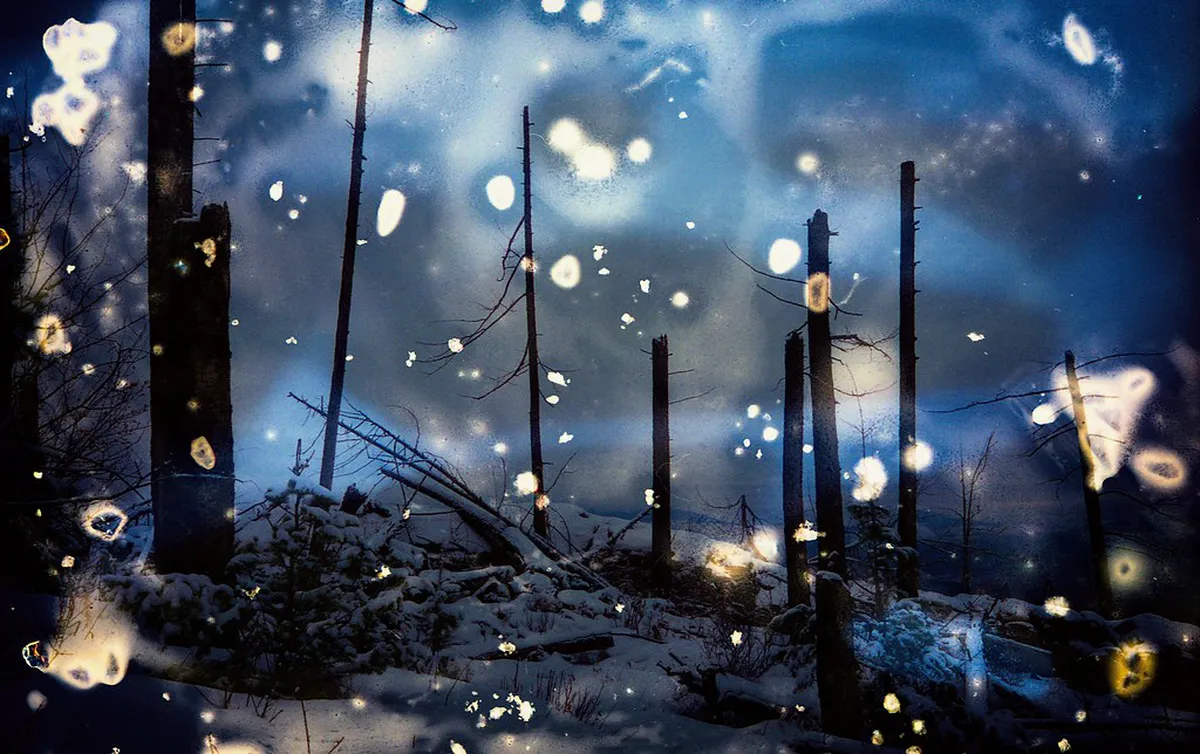
Expect cloud, rain and wind more often than clear skies. Daytime highs are typically around 6°C (43°F), and nights hover near 1°C (34°F). Snow often sits on the Cuillin while the coast stays wet rather than white. Daylight in late December is roughly 6 to 7 hours, so check exact sunrise and sunset for your dates. For regional climate averages, use the Met Office climate pages. Viewpoints can sit in cloud all day, and aurora is possible on clear nights but never reliable.
| Season | Typical daytime high | Daylight | Services | Best for |
|---|---|---|---|---|
| Winter (Dec-Feb) | About 6°C (43°F) | Roughly 6-7 hours in December | Reduced; many B&Bs and cafes shut | Moody light, quiet roads, snowy Cuillin views |
| Spring (Mar-May) | About 10°C (50°F) | Long and rising fast | Reopening through the season | Balanced crowds and longer days |
| Summer (Jun-Aug) | About 17°C (63°F) | Very long evenings | Full timetables, busiest roads | Boat trips, long hikes |
| Autumn (Sep-Nov) | About 11°C (52°F) | Shortening quickly | Tapering off from October | Colour, fewer visitors |
Getting to Skye in Winter
Driving is the most reliable way in. The Skye Bridge: Toll, Route and Alternatives costs £0 to cross and runs year-round, though high winds can restrict vehicles, so check road status before you set off. From Mallaig, ferry sailings change by season and can be cancelled in rough weather. Read our Mallaig to Armadale ferry guide and check CalMac's service status on the day. For general routes, see how to get to Skye.
- From Edinburgh: Edinburgh to Skye is a long winter drive, so start early to use daylight.
- From Glasgow: see Glasgow to Skye for road and rail options.
- From Inverness: Inverness to Skye is the shortest of the three.
Getting Around: Roads, Buses and Fuel
Many Skye roads are single-track with passing places, and ice can linger on shaded stretches and hill passes. Slow down and allow extra time for every leg. Buses run to a reduced winter timetable, so check Traveline Scotland and Transport Scotland for road and travel updates. Fill your tank in Portree or Broadford before heading to remote peninsulas. Charge an EV whenever you pass a working charger, because gaps between them are long.
What's Open and What's Closed
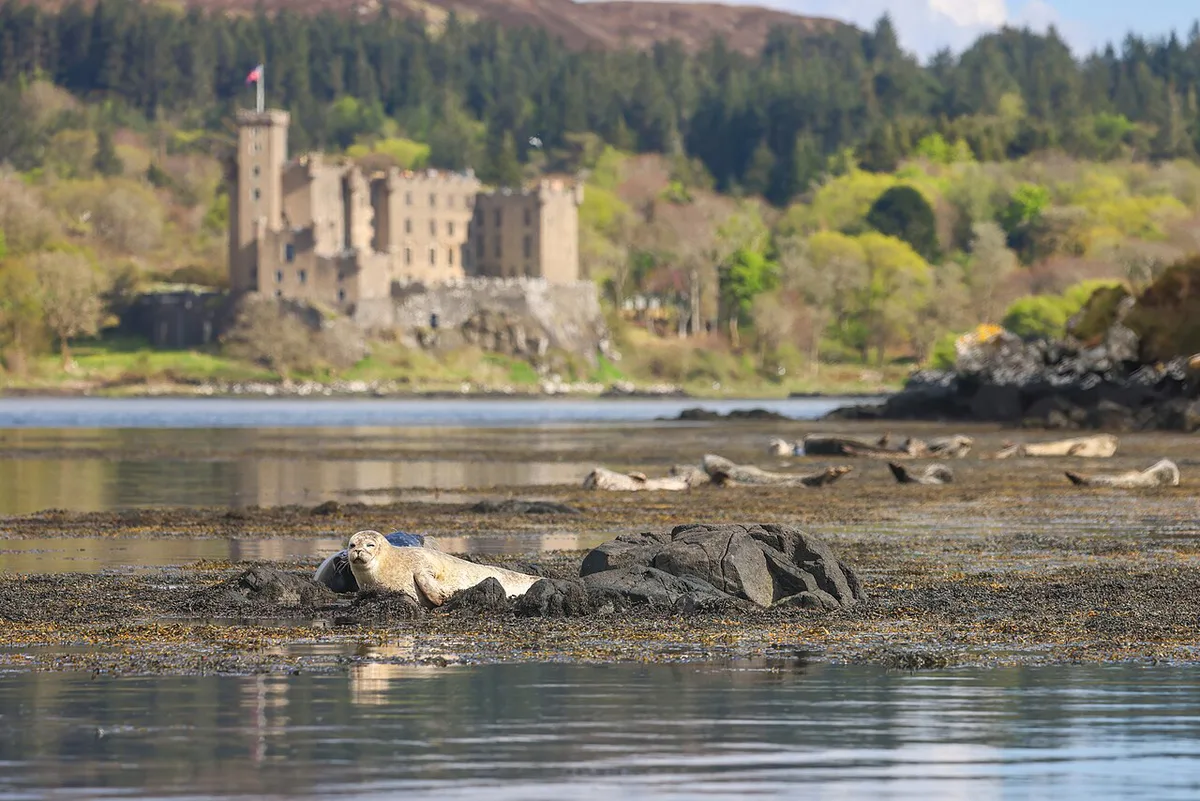
Many B&Bs, cafes and boat trips run reduced hours or close for the season. Some attractions shorten their opening days, so check the operator before you build a day around one. For example, Armadale Castle publishes its own current opening details. Book accommodation and meals ahead, because fewer places are open to catch you at short notice.
Best Things to Do: Plan A, B and C
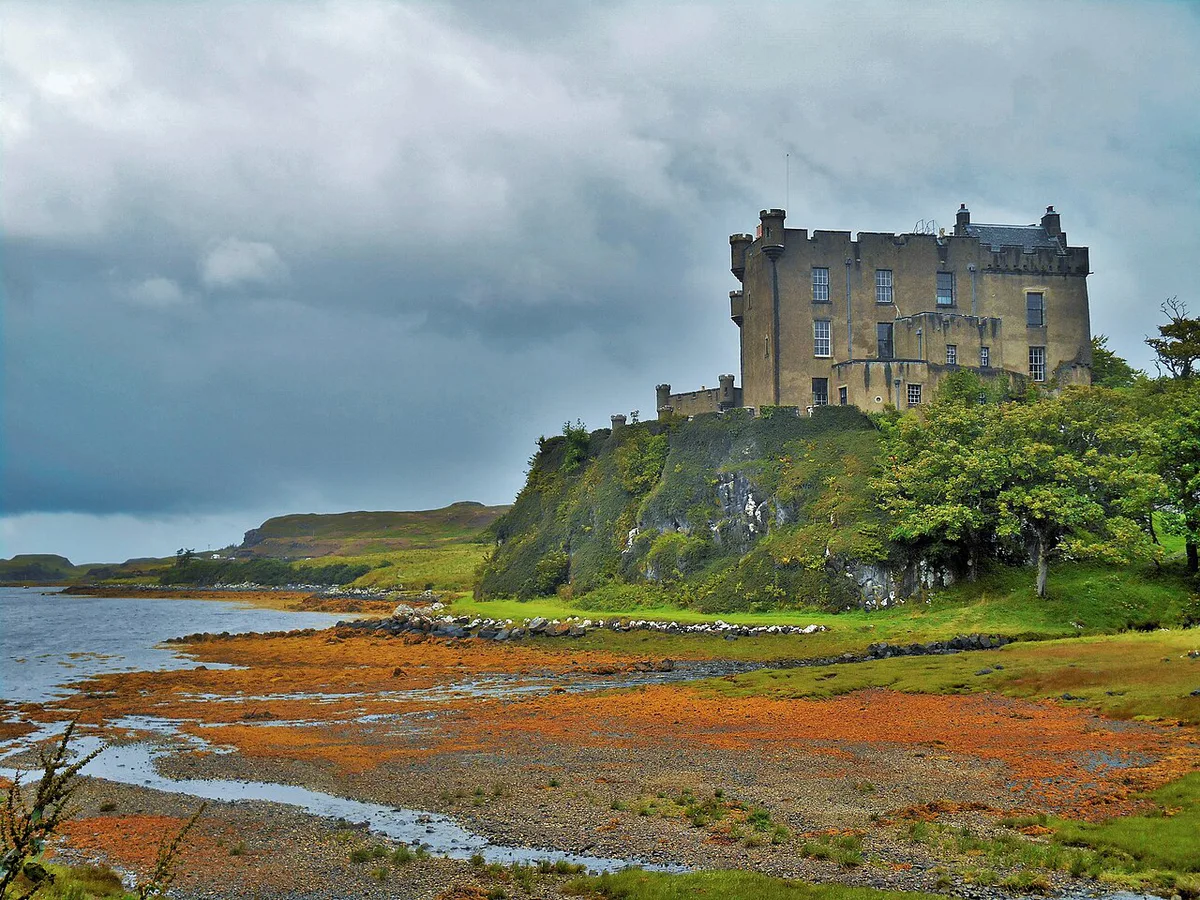
Build each day around one main stop, one backup and one indoor option. Daylight is short, so start the headline outdoor stop first thing. Use the ladder below and switch down as the weather turns.
| Plan | Type | Example |
|---|---|---|
| Plan A | Outdoor headline sight | A coastal or viewpoint stop on a clear morning |
| Plan B | Sheltered or low-level | A short low-level shore walk or a village stop |
| Plan C | Indoor or drive-only | A museum, castle visit or a scenic drive between open cafes |
Winter Hiking: What's Realistic
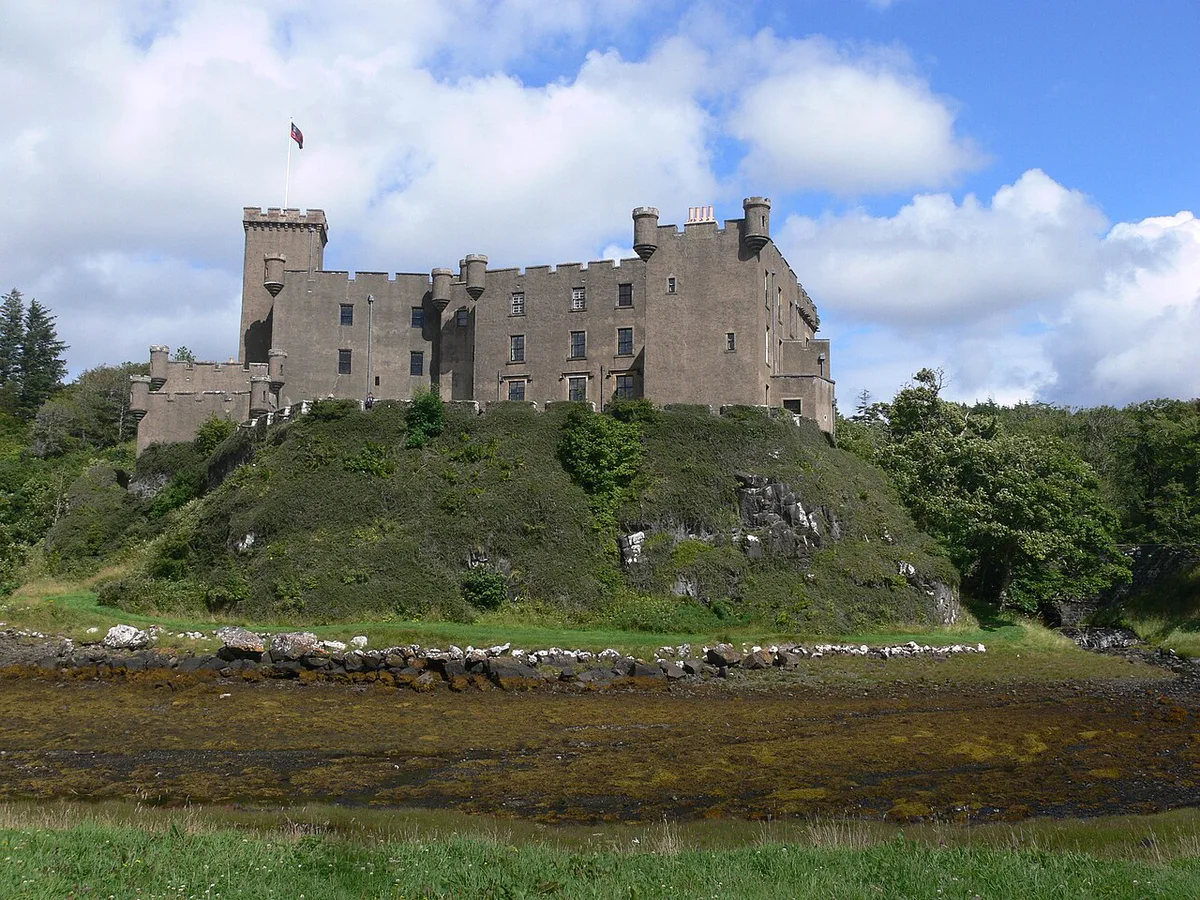
Winter hill and pinnacle walking needs navigation skills, proper kit and a mountain-weather check. The Old Man of Storr, the Quiraing and the Cuillin ridges are not casual winter walks. Snow, ice and cloud change them completely. Check MWIS and Mountaineering Scotland guidance before any hill day. Stick to low-level coastal paths if you lack winter experience.
Where to Stay and Base Yourself
Winter lodging is often cheaper, but you pay in time through slower driving and fewer services. Portree and Broadford keep the most shops and fuel, so they make the safest bases. A single base saves you from repeated icy transfers. Island-hopping to Raasay, Rum or Eigg is optional, because winter ferry service is limited. Confirm sailings with the operator, and see the Isle of Eigg site for island details.
Sample 3-Day Winter Itinerary
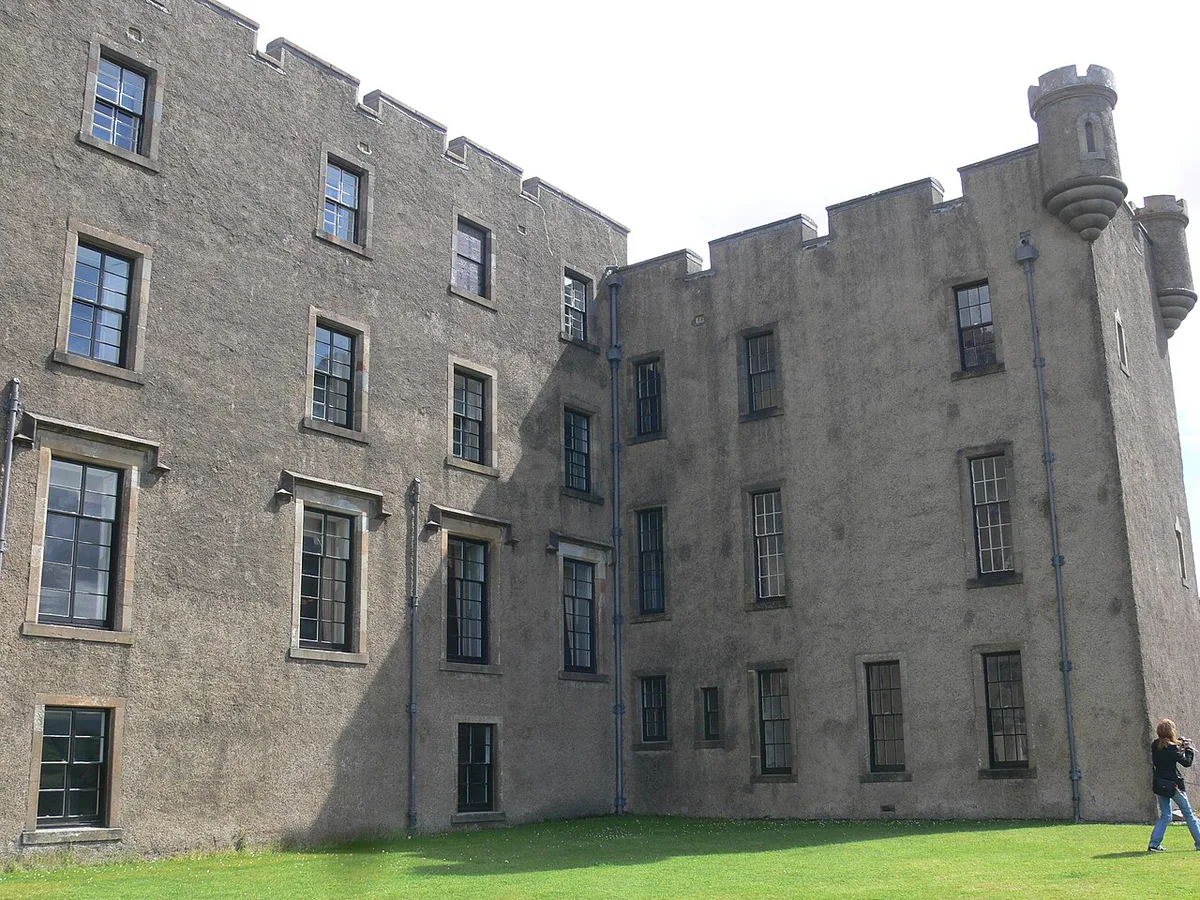
Keep this outline loose and swap days around the forecast.
Allow 3 or more days so a bad-weather day can move, and the sample 3-day plan swaps cleanly around the forecast.
- Day 1: Arrive by daylight via the bridge, settle in Portree, and keep a short coastal walk as your Plan A.
- Day 2: Take your headline viewpoint on the clearest morning, with a sheltered shore stop as Plan B and an indoor visit as Plan C.
- Day 3: Drive a scenic route with set stops, and leave margin to reach your onward transport before dark.
Packing and Safety Checklist
Pack for wet, wind and sudden temperature drops. Daytime may reach 6°C (43°F), but wind chill makes hills feel near 0°C (32°F).
Wind chill can push hill temperatures toward 0°C (32°F) on a day that reaches 6°C (43°F), so pack for the colder figure.
- Waterproof jacket and trousers, plus warm layers
- Boots with good grip and a head torch
- Paper map, compass and a charged phone
- Full fuel tank and a flask
- Weather and road check each morning
Useful notes for your next island trip
Optional updates to our guides.
You might also like
Continue reading
More guides you'll find useful