Best Time to Visit Isle of Skye: Month-by-Month Guide for 2026
Best time to visit Isle of Skye by priority: crowds, midges, daylight, hiking, cost and ferries. Compare spring, summer, autumn and winter before you book.
On this page
Last updated November 2026. The best time to visit Isle of Skye for most people is late May to June, or September. Those windows balance long daylight, workable weather and fewer midges than high summer. If you are planning a first trip, start with our Isle of Skye guide and then pick the season that fits your priority below.
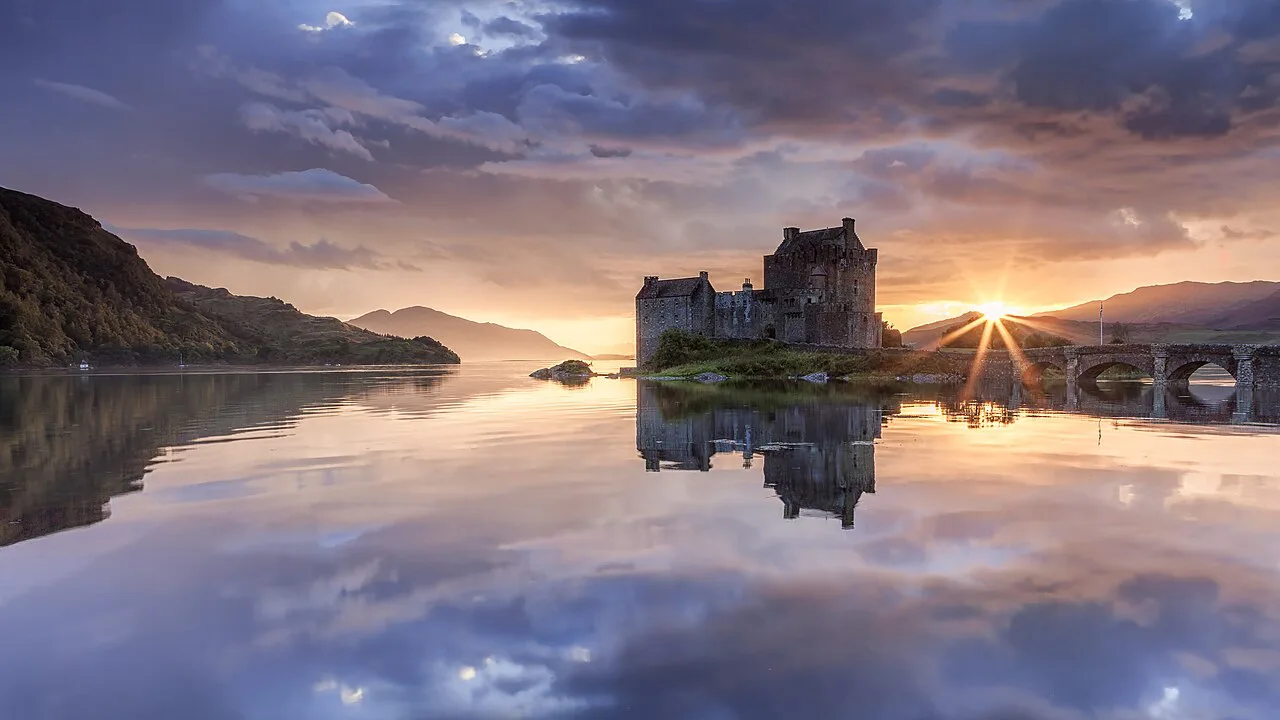
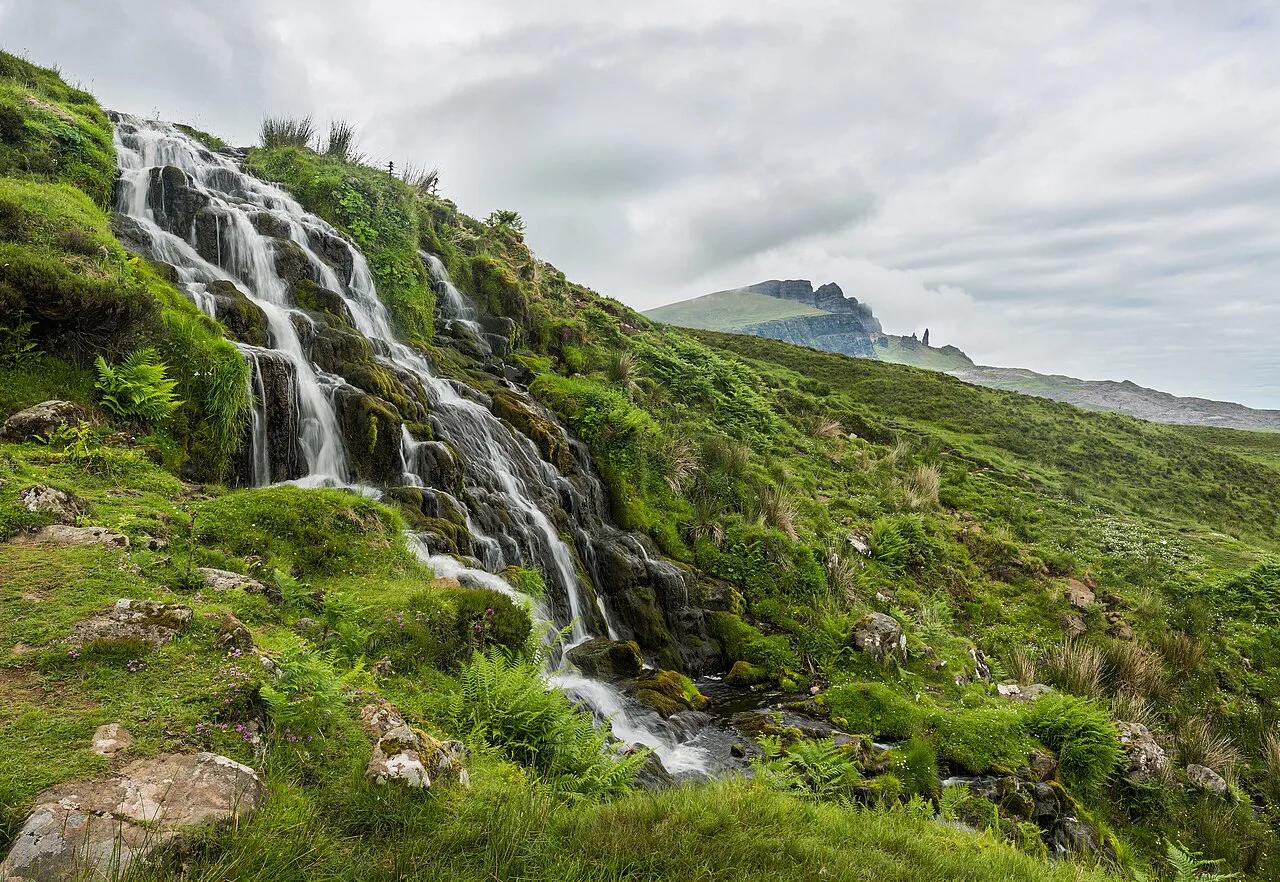
Featured image: Bill Casman, CC0 1.0, via Flickr.
Quick Answer: Which Month Suits Which Trip
Late May and June give you roughly 18 hours of daylight and the longest hiking days. September trades some of that light for thinner crowds and a lower midge risk. July and August are the busiest months, so accommodation and car hire sell out earliest. Winter is viable but short: December has about 6 hours of usable daylight, and some services run reduced timetables. Our editorial assessment is that first-timers and drivers do best in early June or mid-September.
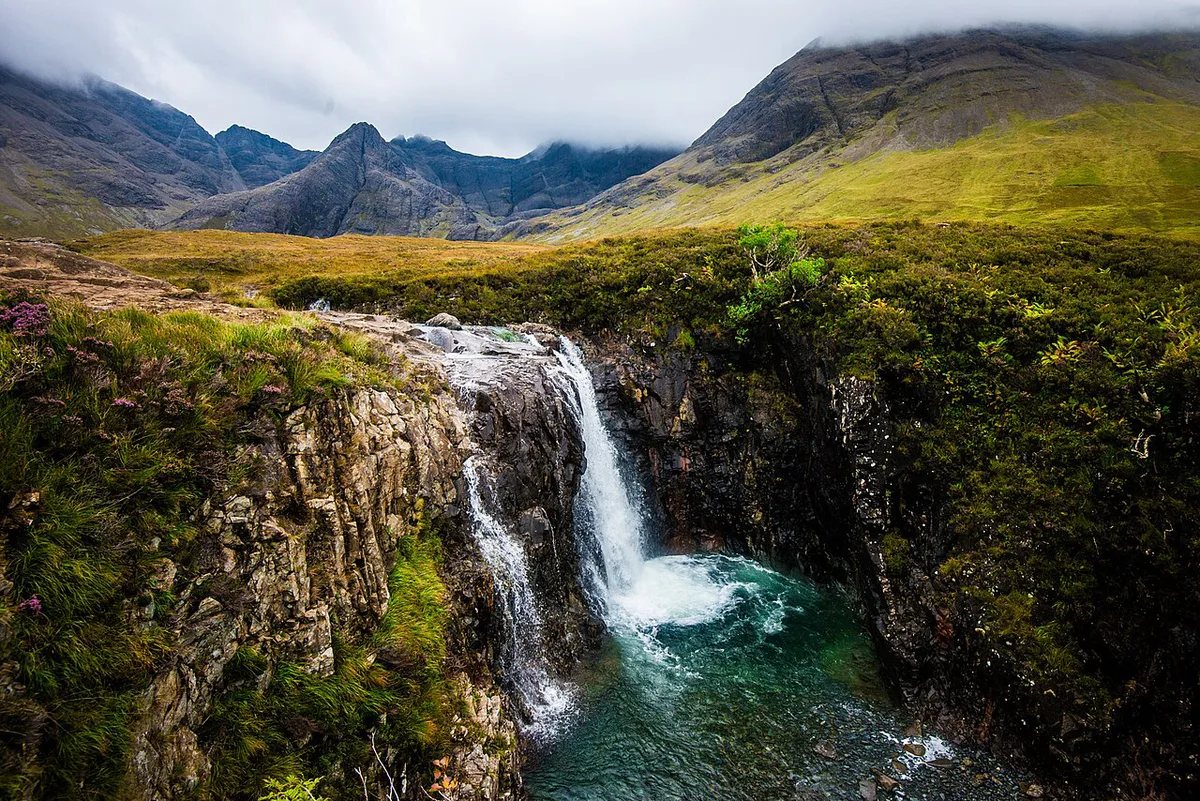
- First-timers: late May to June, or September.
- Hikers: May to June for dry ground and long days.
- Photographers: April, October and winter for low light.
- Budget travellers: April, early May and October.
- No-car visitors: summer, when bus and ferry services run fullest.
Best Time to Visit Isle of Skye by Priority
Match your top priority to the season using this table. Prices and hours were checked November 2026, and the cost column reflects our editorial assessment rather than a published tariff.
| Priority | Best season | Trade-off | Practical caveat |
|---|---|---|---|
| Fewest crowds | November to March | Short days, some closures | Check opening times for each sight before driving |
| Best hiking | May to June, September | Weather still changes fast | Check mountain forecasts before any ridge walk |
| Long daylight | June | Midges and peak demand | Book months ahead |
| Lowest cost | October to April | Colder, wetter, shorter days | Fewer ferry and bus services |
| Wildlife and autumn colour | September to October | Shorter evenings | Pack waterproofs |
| Winter atmosphere | December to February | Roads can be icy | Read our Skye in Winter: Is It Worth Visiting? What to Expect in 2026 guide |
Season by Season: Spring, Summer, Autumn and Winter
Spring (April to May) brings daytime highs near 10°C (50°F) in April and the first long evenings. Hill paths can still be wet, and snow may linger on the Cuillin tops. Summer (June to August) peaks around 16°C (61°F) in July, which is mild by most standards. Expect the most visitors, the most traffic on single-track roads and the strongest midge activity. Autumn (September to October) averages about 11°C (52°F) in October. Crowds fall away and the light turns low and golden for photography. Winter (November to February) sits near 6°C (43°F) in January, with strong wind and rain more likely than snow at sea level. Skye can deliver several types of weather in one day, so build slack into every plan.
Midges, Daylight and Weather: What to Plan Around
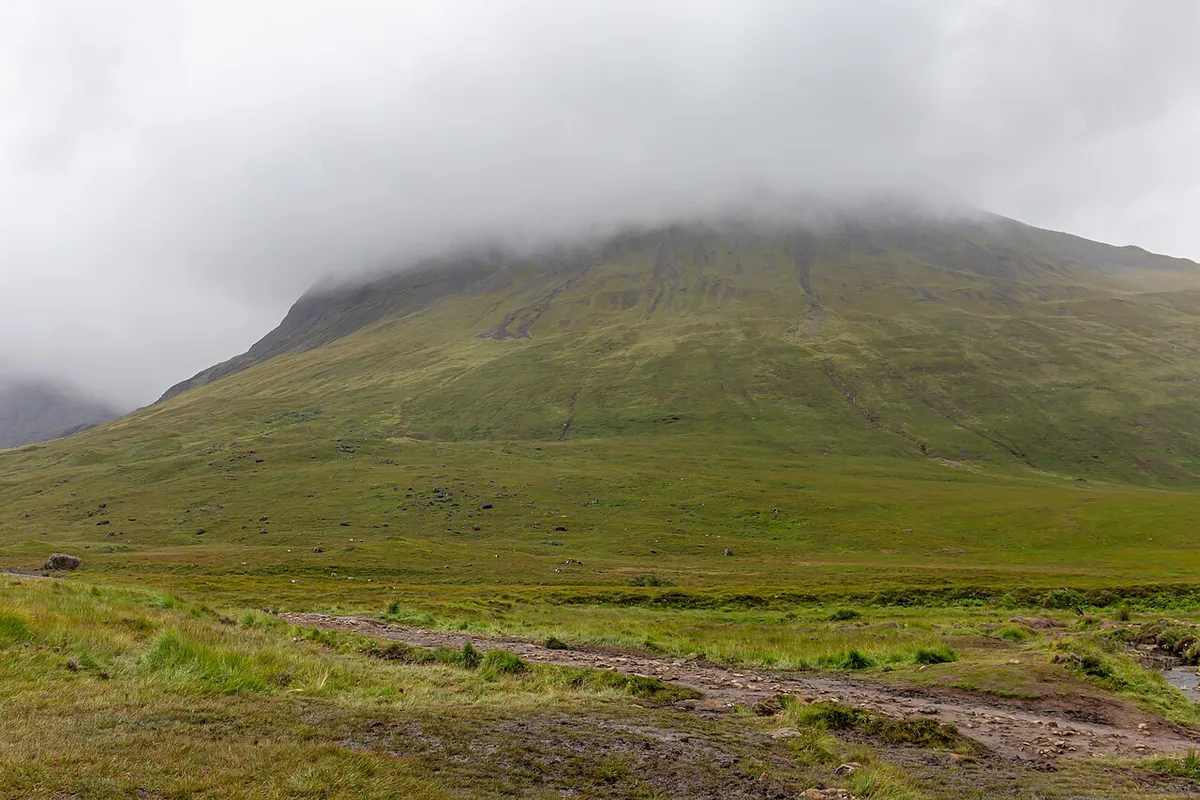
Midges are a seasonal nuisance, typically worst from late May to early September, especially on still, damp evenings. Wind and direct sun keep them down, so plan exposed viewpoints for midday and carry repellent. Daylight swings from about 18 hours in June to about 6 hours in December, which changes how many stops you can fit. In winter, start before 9am and finish drives before dark. For the island's weather pattern, check the Met Office climate pages before you book. Before any hill walk, read a mountain-specific forecast as well, because conditions on the Cuillin ridge differ sharply from the coast.
Getting There and Around by Season
The Skye Bridge: Toll, Route and Alternatives is the year-round road link, so you can reach the island in any month unless severe weather affects the route. Most drivers arrive from Inverness, Glasgow or Edinburgh, and our getting to Skye guide compares all three. The Mallaig to Armadale ferry runs a fuller timetable in summer. Check CalMac Ferries for current sailings, because winter services are reduced. Many Skye roads are single-track with passing places. Pull in early to let others pass, and allow extra time in winter ice or summer traffic.
Booking and Cost Timing
Peak demand runs June to August, and the best rooms and cars go first. In our editorial assessment, a mid-range double might cost around £90 a night in March against £150 or more in July. Treat those as planning estimates, not quotes. Book summer stays several months ahead and shoulder-season stays at least a few weeks ahead. Car hire in Inverness tightens in July and August. Winter and early spring are cheapest, but fewer cafés and tours operate, so check each operator's page for its season.
Add-On Island Trips
Small-island ferries depend on both season and weather, so keep a spare day. Raasay is the easiest day add-on from Skye. Rum and Eigg suit May to September, when sailings are most frequent. You can read more on Eigg in our guide. Cancellations in strong wind are common outside summer.
Sample Itineraries by Season
Use these as a starting point and adapt them to your own pace.
- 3 days in June: base near Portree, walk early, and use the long evenings for viewpoints.
- 4 days in September: split time between the north and south, with Armadale Castle on a wet day.
- 2 days in January: keep to short drives, finish by mid-afternoon, and book accommodation with parking.
Best Time to Visit Skye Without a Car
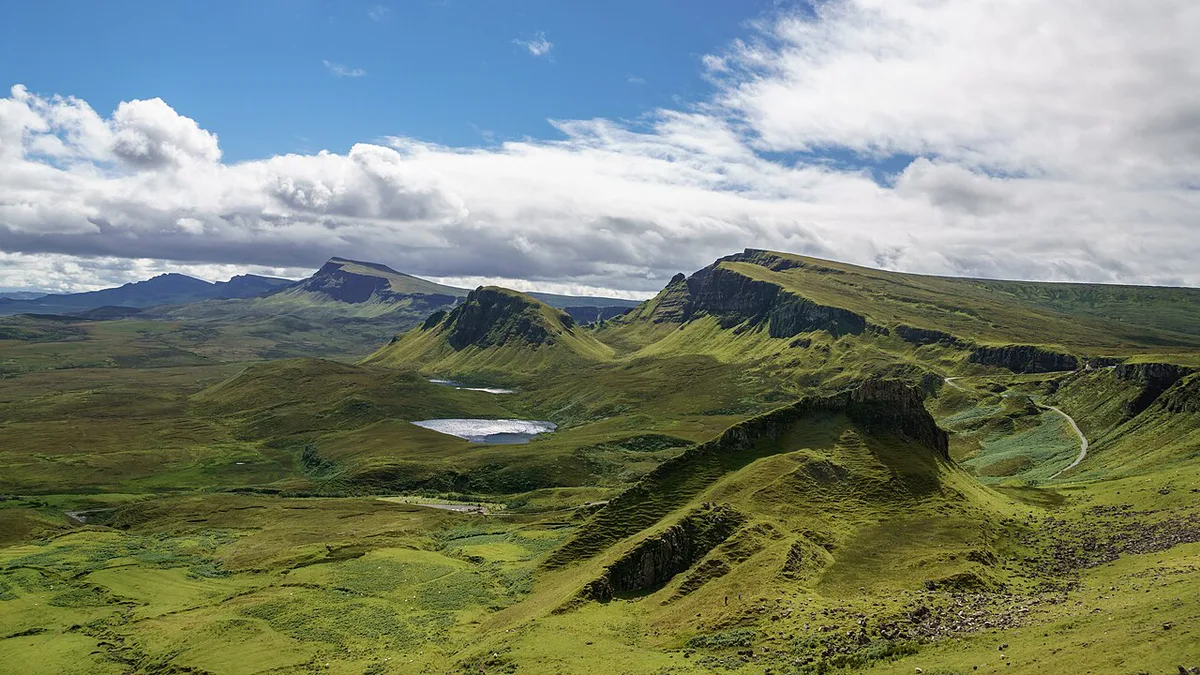
Summer is the easiest season for visiting Skye without a car. Bus and ferry services run most fully from June to August, and June offers roughly 18 hours of daylight. That gives you more flexibility if a connection limits your sightseeing time. Base yourself near Portree where possible, then plan one main area each day rather than trying to cross the island repeatedly.
Winter needs more careful planning. December has about 6 hours of usable daylight, while some bus and ferry services use reduced timetables. A 2-day January visit works best with short drives, early finishes and accommodation that is close to your planned stops. The Mallaig to Armadale ferry also runs a fuller timetable in summer, so check CalMac sailings before committing to a no-car route.
For a first no-car trip, late May, June or September offers the most practical balance. Build slack into every connection, especially when wind affects ferry travel.
Useful notes for your next island trip
Optional updates to our guides.
You might also like
Continue reading
More guides you'll find useful