How to Get to the Isle of Skye: Routes, Ferries & Trains Compared
How to get to the Isle of Skye by car, train, bus or ferry. Compare routes from Edinburgh, Glasgow and Inverness, plus seasonal ferries and winter caveats.
On this page
Last updated November 2026: how to get to Isle of Skye comes down to a handful of routes, and the best one depends on where you start. Most visitors drive over the Skye Bridge, which carries no toll. Ferries, trains and buses offer alternatives, and each one has a catch covered below.
Featured image: ievaha, CC BY 2.0, via Flickr.
How to get to Isle of Skye: the main routes compared
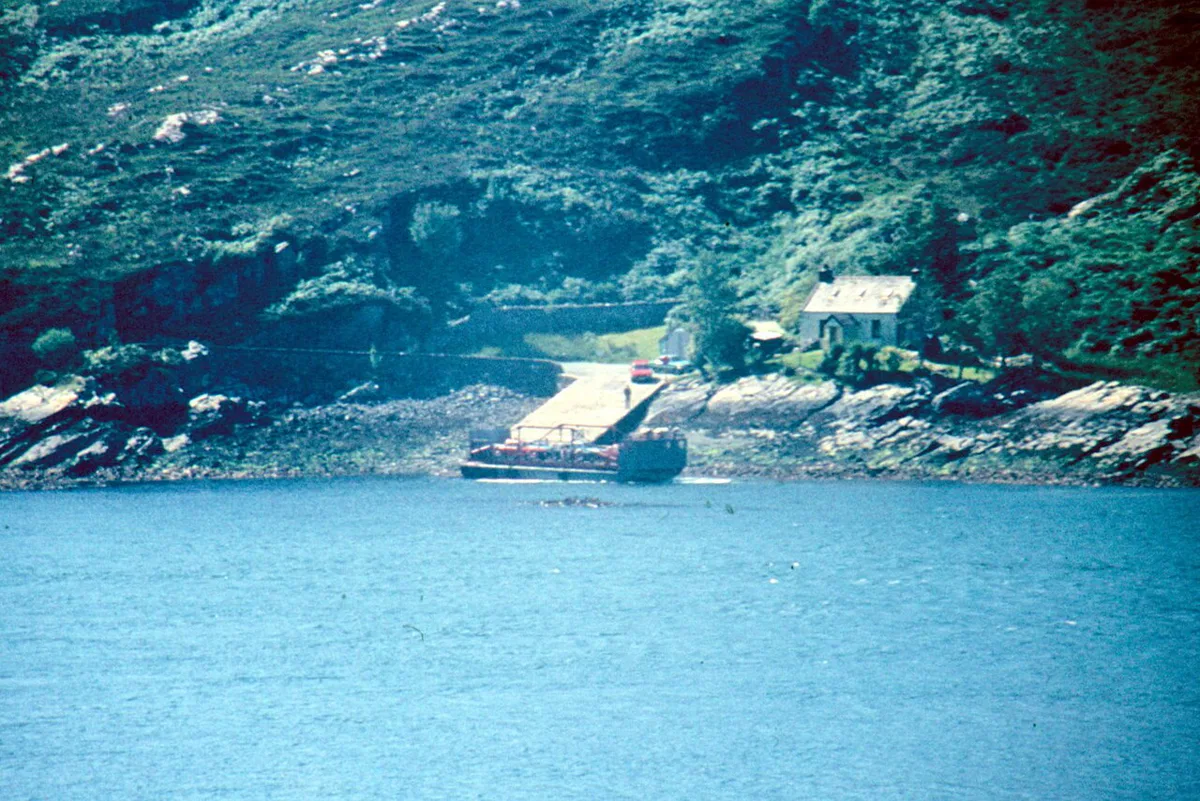
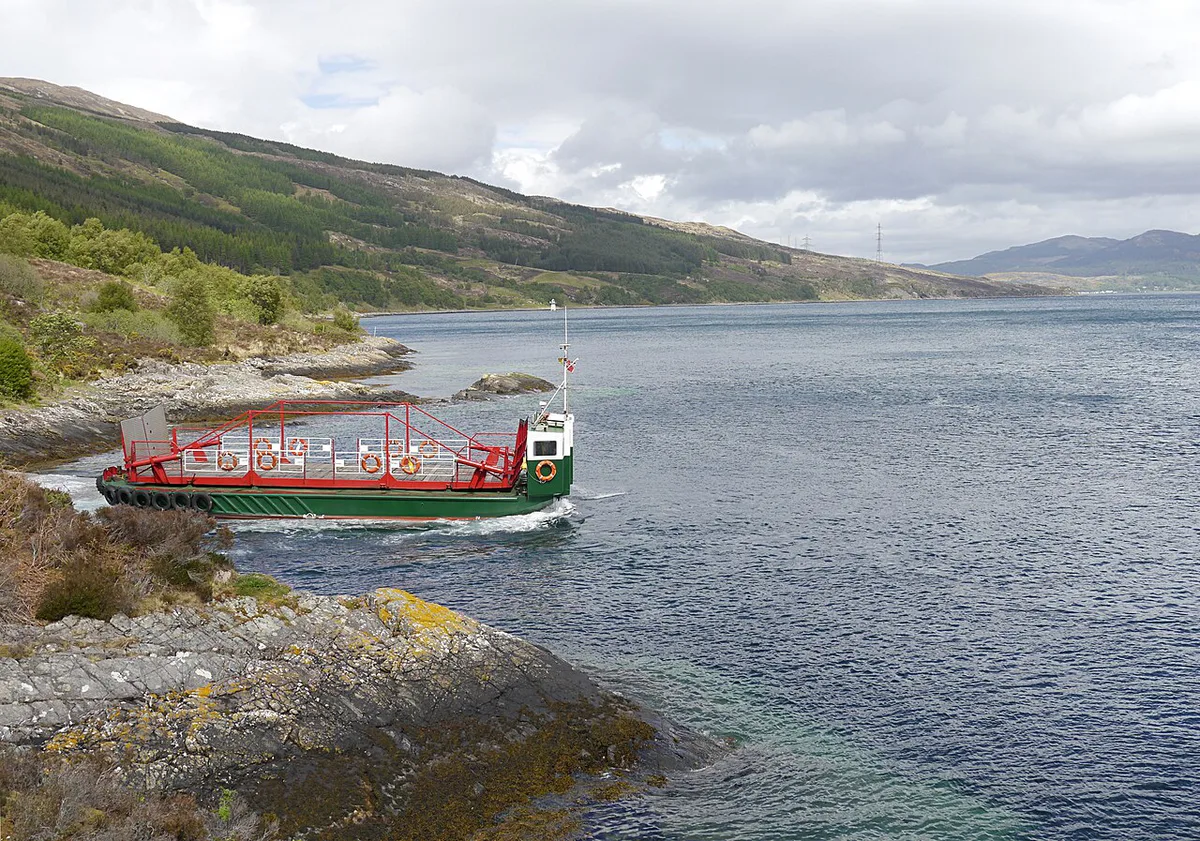
Skye joins the mainland by road at the Skye Bridge, which links Kyle of Lochalsh with Kyleakin. Crossing costs nothing, and our bridge crossing details cover the approach. Ferries give two alternatives. The Glenelg to Kylerhea hop covers 800 m in no more than 15 minutes and runs from April to mid-October. Mallaig to Armadale is a CalMac Ferries route, with its timetable and booking rules on the operator's site. Trains stop at Kyle of Lochalsh and Mallaig, so rail travellers still need a ferry or bus to reach the island itself. Pick a route by origin, vehicle, season and tolerance for single-track driving.
| Route | Best for | Mainland starting point | Season | Main catch |
|---|---|---|---|---|
| Skye Bridge by car | Most drivers, any vehicle | Kyle of Lochalsh | Open to traffic all year | Long drive from the cities; weather can slow it |
| Mallaig to Armadale ferry | Rail-plus-ferry trips and a scenic arrival | Mallaig | Check CalMac for current sailings | Capacity and booking rules; weather delays |
| Glenelg to Kylerhea ferry | Short crossing with a car | Glenelg | April to mid-October, weather permitting | Seasonal; closed in winter; size limits |
| Train plus onward connection | Travellers without a car | Kyle of Lochalsh or Mallaig | ScotRail timetable | Last-mile gap on the island |
| Coach or bus | Budget travel from larger cities | Varies by operator | Check operators | Few services once on Skye |
- Skip the Skye Bridge if you want a short sea crossing and are travelling in summer.
- Skip the Glenelg ferry between late autumn and early spring, because it does not run.
- Skip the Mallaig ferry if you must arrive on a fixed schedule in rough weather.
- Skip the train if you plan to cover several corners of the island in one day.
- Skip the bus if your itinerary depends on early-morning or late-evening starts.
Which route fits you: best choice by origin
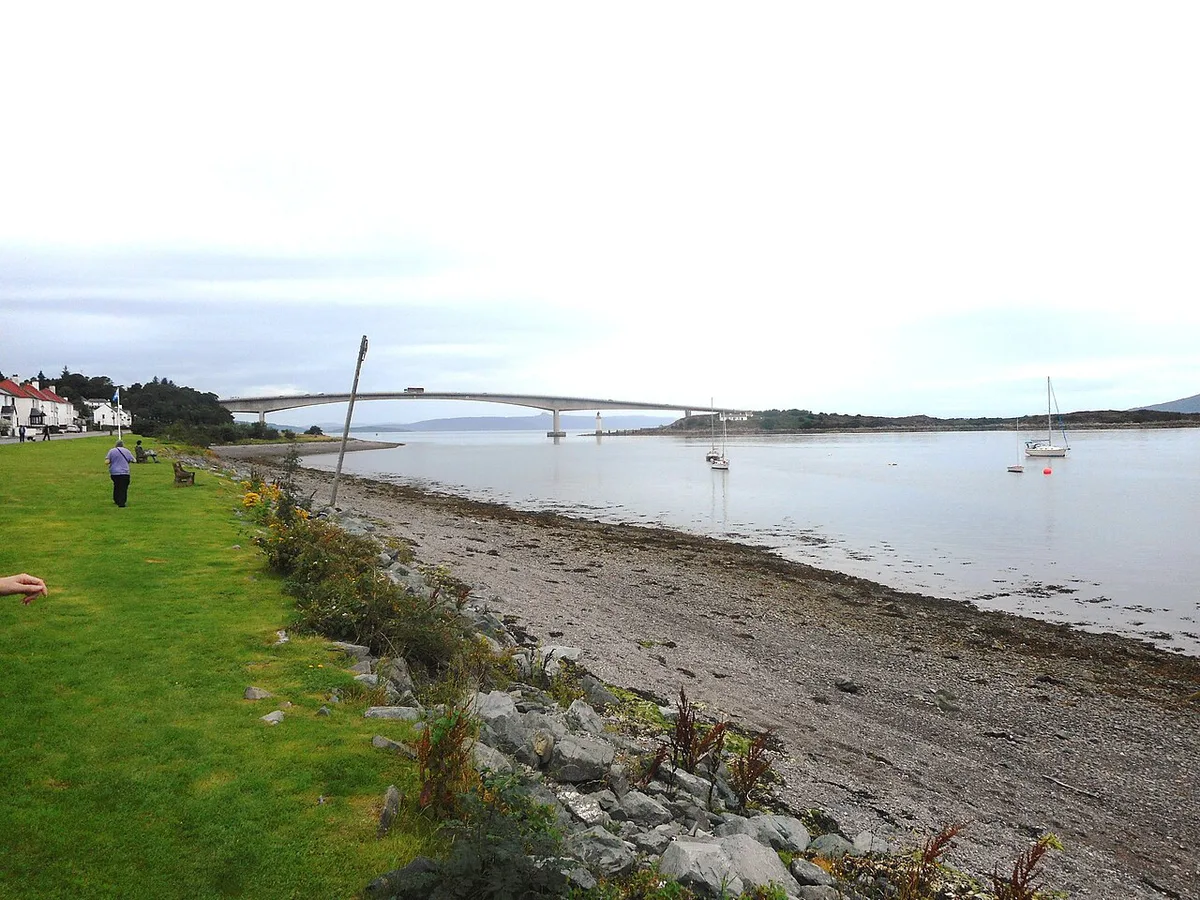
Origin matters more than any other factor. Driving times shift with roadworks and traffic, so use a mapping app for a current estimate from your starting point. Our Edinburgh route guide covers that start in detail. For Glasgow, see the Glasgow to Skye options. Inverness visitors can read the Inverness route notes. Fort William and Glencoe travellers can head to Mallaig for the Armadale ferry. Alternatively, they can continue by road toward the Skye Bridge. Use the defaults below as a starting point, then adjust for season and vehicle.
| Starting point | Default route | Fallback |
|---|---|---|
| Edinburgh | Drive to the Skye Bridge | Train to Inverness, then the Kyle of Lochalsh line |
| Glasgow | Drive to the Skye Bridge | Train to Mallaig, then the CalMac ferry to Armadale |
| Inverness | Drive to the Skye Bridge, or take the Kyle of Lochalsh line | Glenelg to Kylerhea ferry, April to mid-October |
| Fort William or Glencoe | Mallaig to Armadale ferry | Drive to the Skye Bridge |
Driving over the Skye Bridge
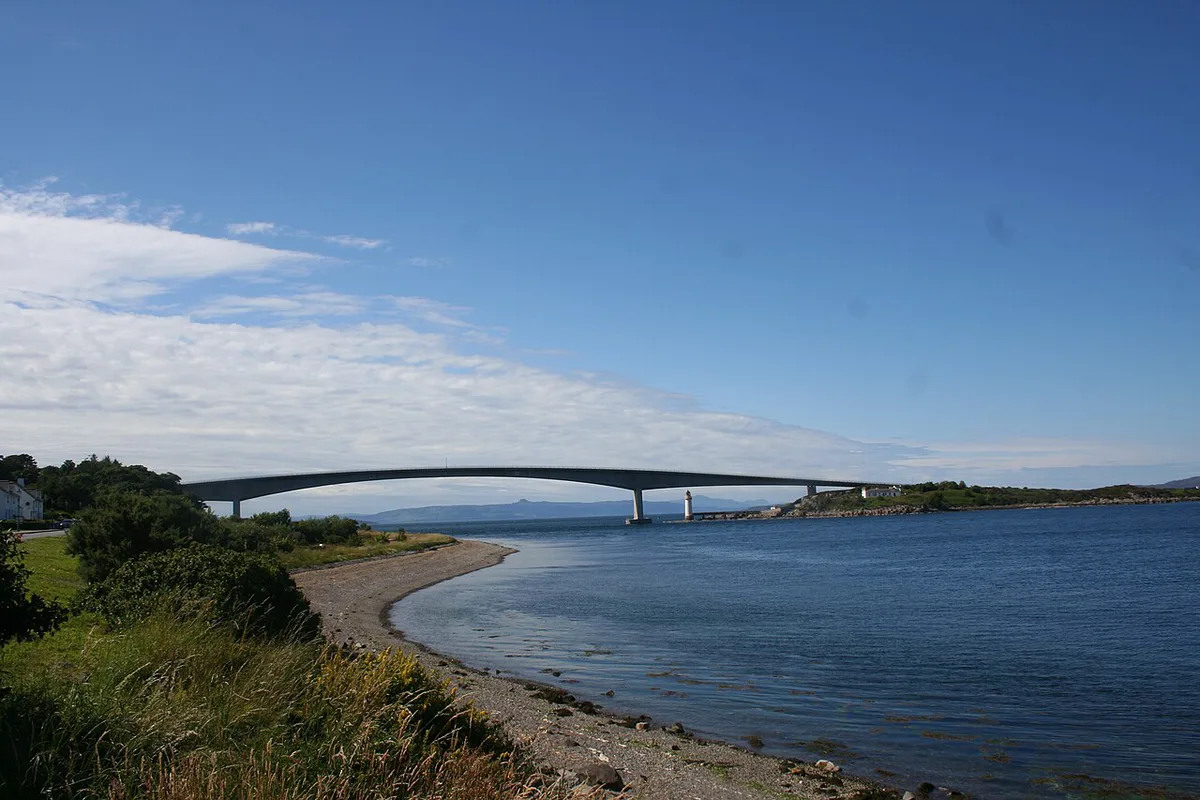
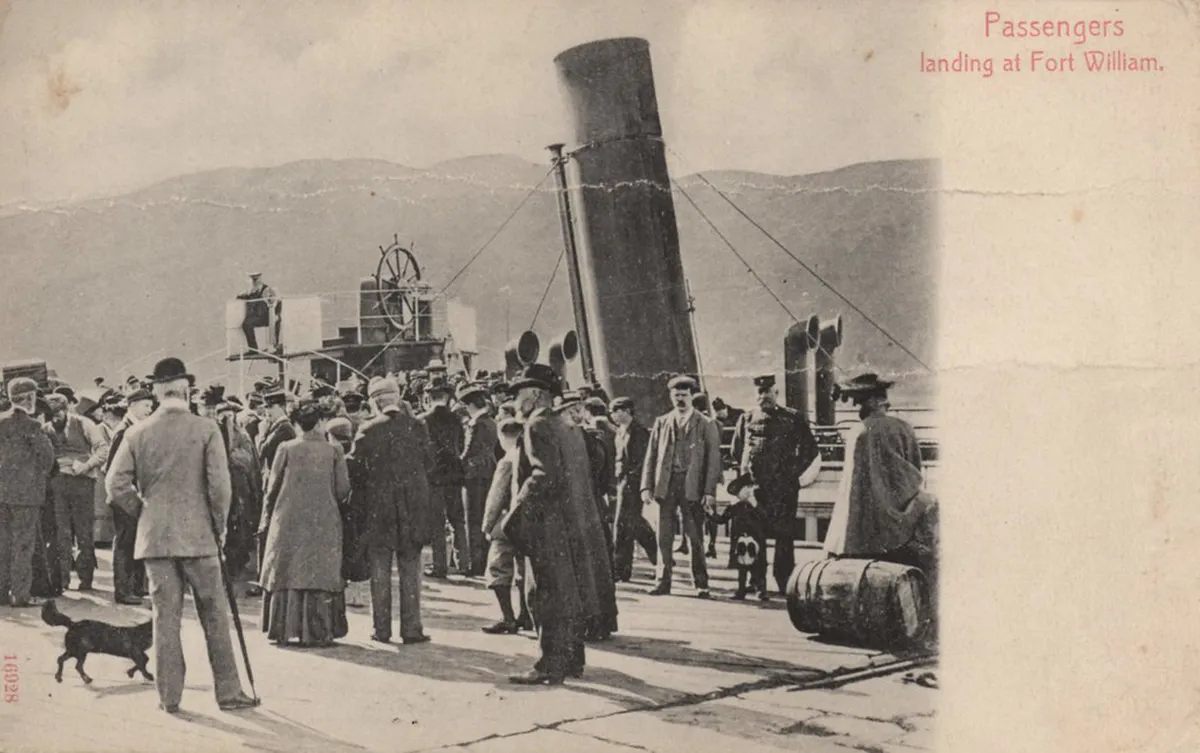
Driving is the most flexible way to reach Skye, and the bridge is open without a toll. Fuel up on the mainland before you cross. Island fuel stations are fewer, and some close early. Kyleakin is the first village after the bridge, and it offers a short stop for parking, food and a map check. For bridge basics, see crossing the Skye Bridge. Beyond Kyleakin, many roads are single-track with passing places. Pull into a passing place on your left. If the place is on the right, stop opposite it. Never park in a passing place. Wave on faster traffic behind you. Allow extra time, because average speeds on Skye are well below mainland A-road speeds. Strong wind can restrict high-sided vehicles on bridges, so check Transport Scotland before a windy-day crossing.
- Fill the tank on the mainland before the bridge.
- Keep passing places clear for oncoming and following traffic.
- Reverse to the nearest place rather than forcing a squeeze.
- Watch for sheep on unfenced roads.
- Add buffer time to any ferry or check-in deadline.
Ferry options compared
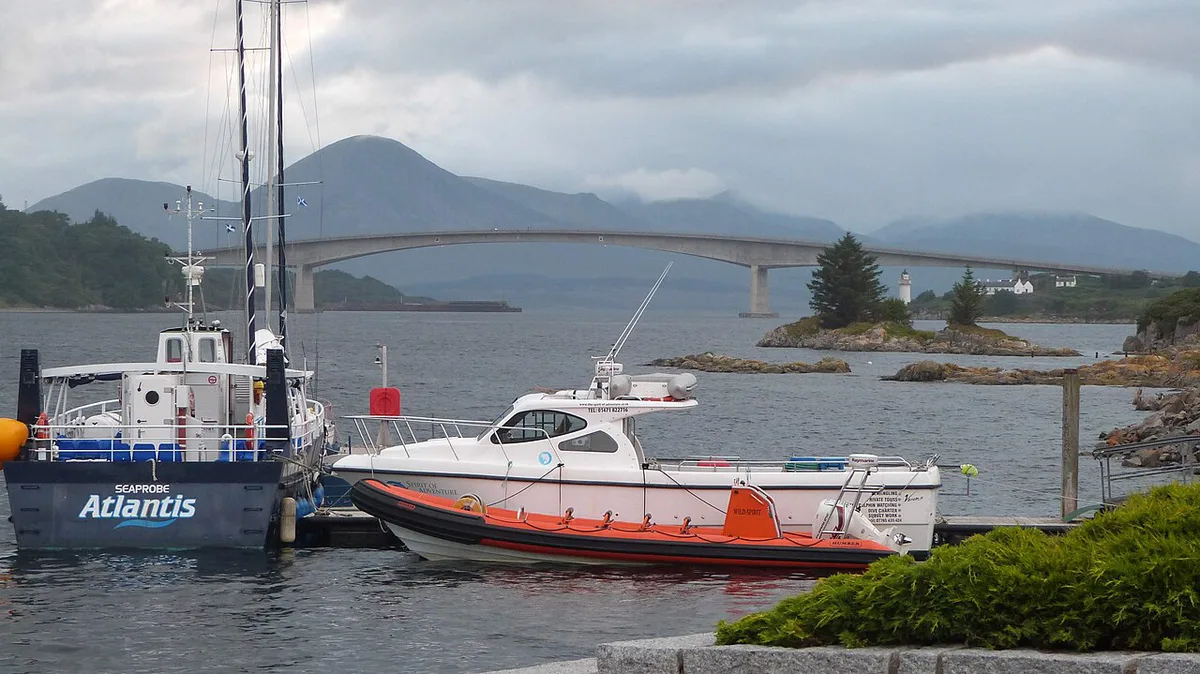
A ferry beats the bridge when you want a short sea crossing, a more scenic arrival, or a different approach road. It loses when weather, capacity or season gets in the way. Ferries also add a booking or queueing step that a bridge never needs.

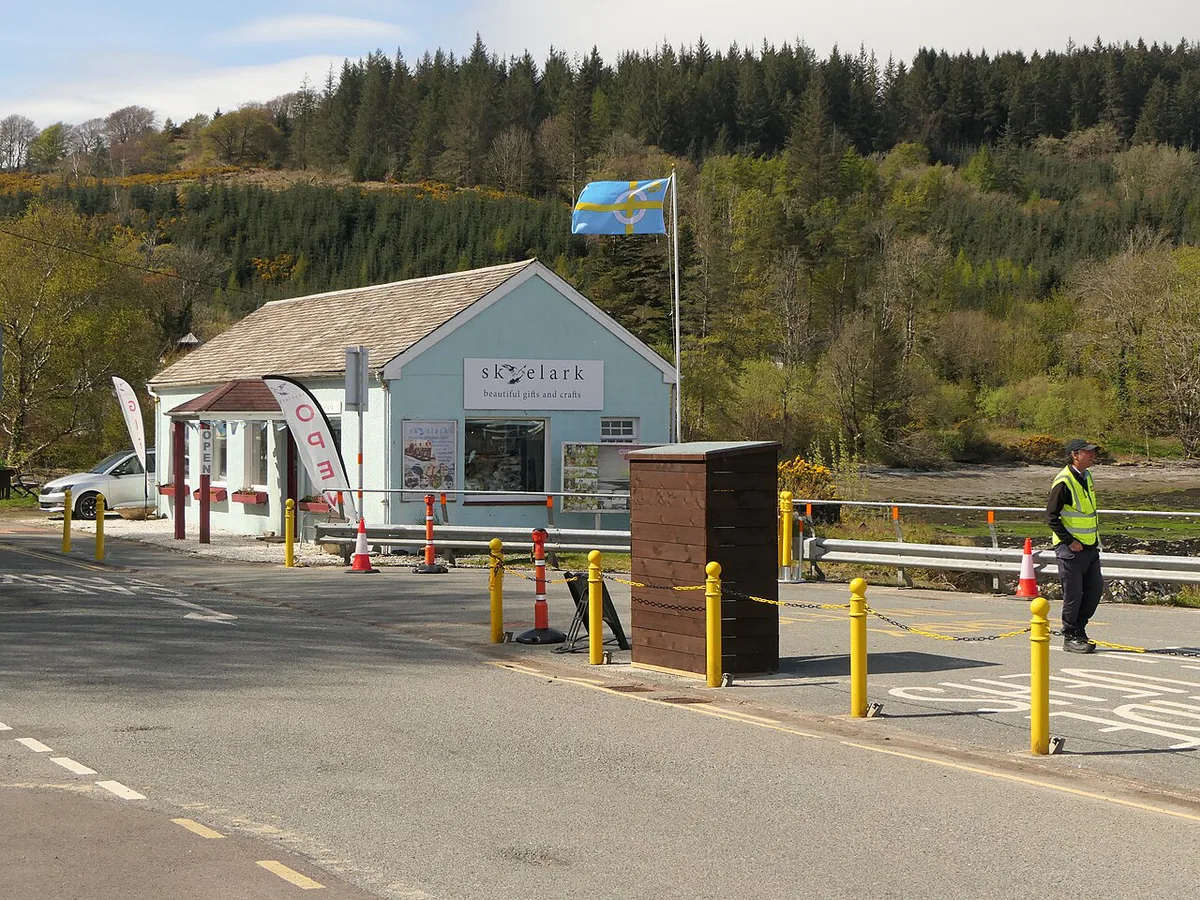
- Glenelg to Kylerhea: the crossing covers 800 m and takes no longer than 15 minutes. It runs April to mid-October, seven days a week, between 10am and 6pm. Sailings leave every 20 minutes or as required. You pay on board, by cash or major card, with no advance purchase.
- Glenelg road signs: the ferry is signposted from Shiel Bridge and from the turning on Skye. Closures for weather are posted at the junctions, on the website and on social media.
- Glenelg vehicle limits: contact the operator before arriving with a non-standard vehicle. The rule of thumb is 3 tonnes per axle, no more than 10 tonnes, 13 m long and 4 m wide.
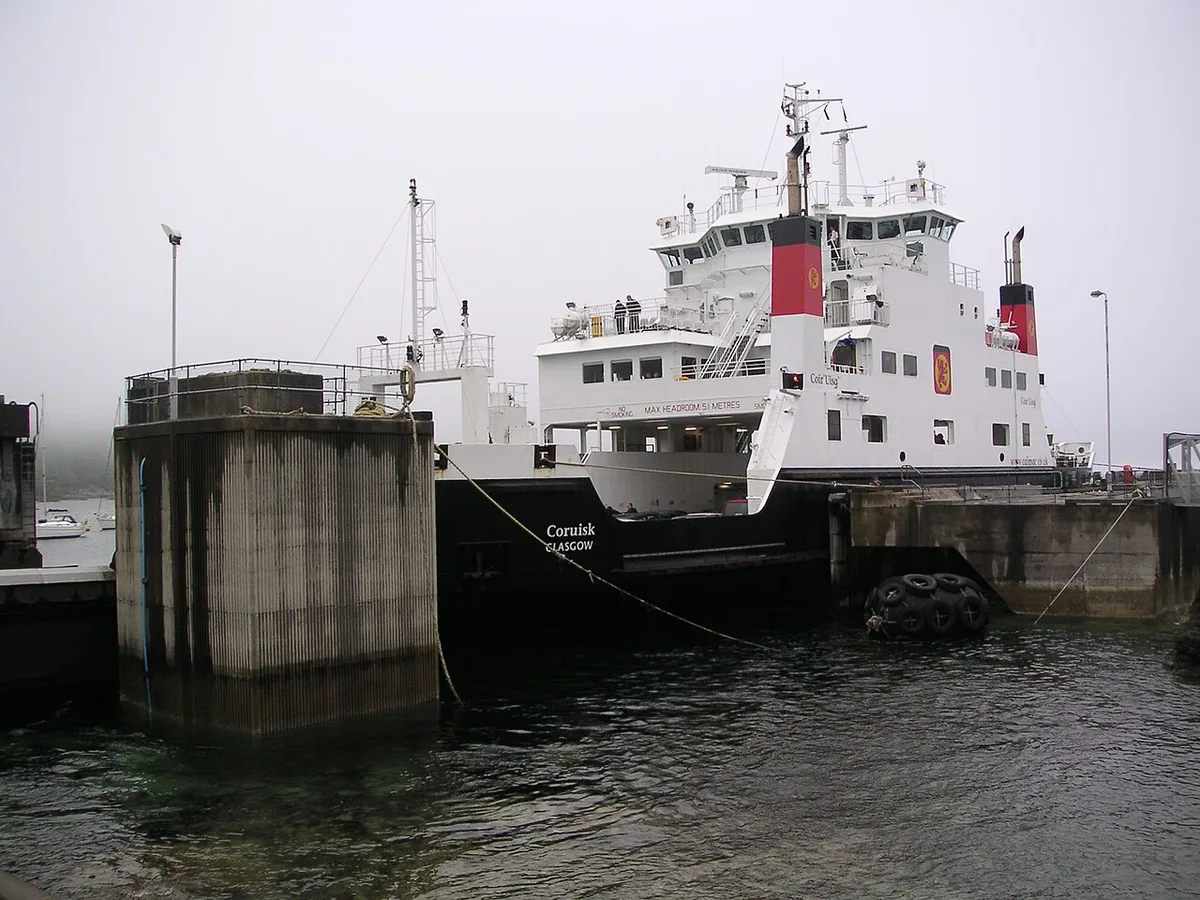
- Mallaig to Armadale: CalMac runs this route. Timetable, fares, journey time and any reservation rules sit on the CalMac booking pages. Our Mallaig to Skye ferry guide adds route context.
- Boarding delays: Glenelg timings are approximate because loading can run late. Build slack into onward plans.
Getting to Skye by train and bus without a car
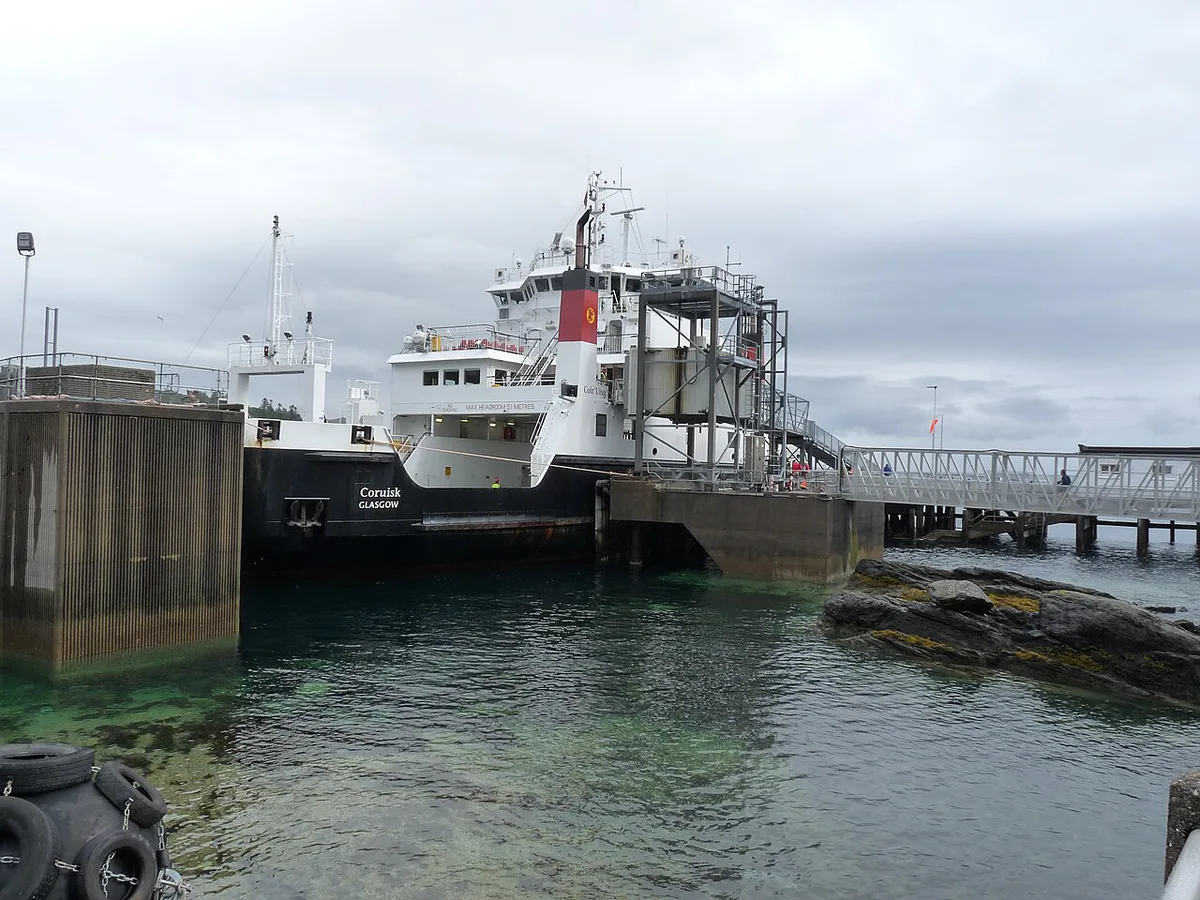
A car-free trip is workable if you plan around fixed points. ScotRail serves Kyle of Lochalsh and Mallaig, the two rail endpoints closest to Skye. From Kyle of Lochalsh, you still need to cross to the island. From Mallaig, the Armadale ferry fills that gap. Once on Skye, bus services are limited, so check the current operator timetable before you rely on them. Our Isle of Skye guide maps the main areas. Base yourself in one place for a few nights. Day plans then depend on a single bus line instead of a chain of connections. Taxis, tours and car hire are alternatives for the last stretch. Coaches from larger cities also reach the area. Confirm the operator, route and drop-off point before you book.
- Rail ends at Kyle of Lochalsh and Mallaig, never on the island.
- Pair a Mallaig train with the CalMac sailing to Armadale.
- Check the last bus before you head out for sunset.
- Pack for weather, because waiting at a stop can mean a long, exposed stretch.
Seasonal and weather constraints
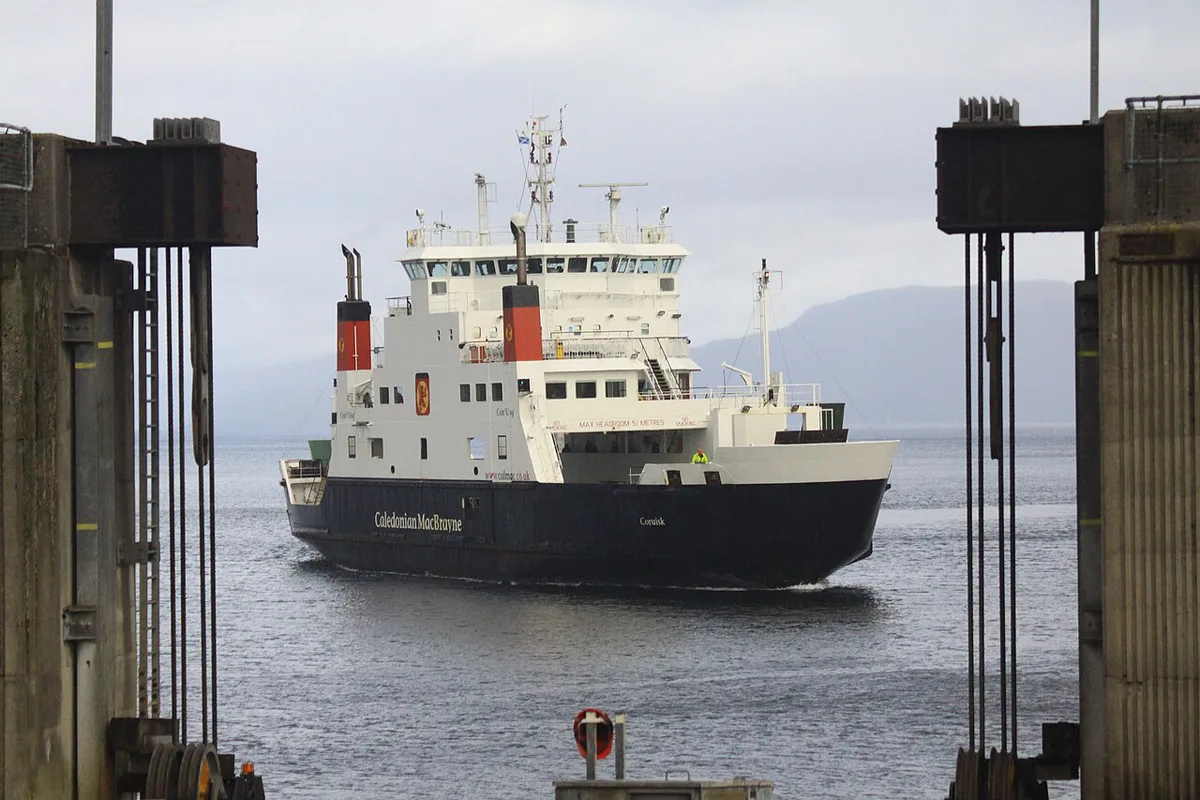
Season changes the list of workable options. The Glenelg ferry runs only from April to mid-October, and the operator updates the site each year with opening and closing dates. Sailings run 10am to 6pm, so late arrivals miss them. The Skye Bridge and the Mallaig route stay on the menu in winter, but weather can still disrupt both. Short winter daylight makes single-track driving slower and more tiring. Read winter on Skye before a cold-season trip. Our best months for Skye compares conditions across the year. For climate context, see the Met Office climate pages.
Glenelg sailings run 10am to 6pm, so a late arrival on a short winter day should use the Skye Bridge instead. Skye Bridge stays open all year, so it remains the winter fallback.
| Route | Winter | Weather risk |
|---|---|---|
| Skye Bridge | Open | Wind can restrict some vehicles; ice on approach roads |
| Mallaig to Armadale ferry | Check CalMac | Sailings can be cancelled in rough seas |
| Glenelg to Kylerhea ferry | Closed outside April to mid-October | Bad weather can pause even in season |
| Train | Check ScotRail | Disruption can affect connections |
- Check CalMac service status on the day you sail.
- Check the Glenelg ferry website and social media for closures.
- Look at Transport Scotland and Traffic Scotland for road updates.
- Watch for wind warnings on bridge days.
- Check sunset time before a late arrival.
Costs and time trade-offs
The bridge is free, so a car crossing costs only fuel. Glenelg adds a fare but shortens the sea gap to a few minutes. Prices and hours checked November 2026 from the operator's published Glenelg fares. A single car with up to four passengers pays £20, while a return costs £30. Two singles would cost £40, so a return saves £10. The six-journey book costs £75, which works out at £12.50 a trip. For a foot passenger, the fare is £5. A cyclist with a bicycle pays £6, or £10 return. Motorbikes pay £10, or £15 return. Camper-vans and larger vehicles pay more.
- Car with up to 4 passengers: £20.00 single, £30.00 return.
- Six-journey ticket book: £75.00.
- Foot passenger: £5.00.
- Bicycle and cyclist: £6.00, or £10.00 return.
- Motorbike: £10.00, or £15.00 return.
- Small camper-van: £25.00. Motorhome: £40.00.
- Minibus: £50.00, with up to 12 passengers included and £5 per additional passenger.
- Mistake to avoid: counting on the Glenelg ferry outside April to mid-October.
- Mistake to avoid: arriving with an oversized vehicle without calling ahead.
- Mistake to avoid: underestimating single-track driving time.
- Mistake to avoid: skipping fuel before the island.
Arriving and getting around once there
Expect single-track roads soon after you leave the main routes. Plan fuel stops rather than waiting for a low warning light. Our main Isle of Skye guide covers where to go next. Keep daily distances modest, because slow roads and passing places stretch travel time.
Combining Skye with other islands
Skye pairs well with nearby islands. Read our Raasay island guide for a short extension. The Small Isles ferries leave from Mallaig, and CalMac lists current sailings. Rum and Eigg both sit on that network. Eigg also has its own community site at Isle of Eigg. Match island days to your ferry timetable before you book accommodation.
Frequently Asked Questions
Is there a train service that goes to the Isle of Skye?
No train runs on Skye itself. ScotRail trains reach Kyle of Lochalsh and Mallaig on the mainland. From Kyle of Lochalsh you cross by road, and from Mallaig you take the CalMac ferry to Armadale.
How long is the ferry ride to the Isle of Skye?
The Glenelg to Kylerhea crossing covers 800 m and takes no longer than 15 minutes. It runs from April to mid-October, weather permitting. For the Mallaig to Armadale crossing, check the current CalMac timetable.
Is it difficult to drive on the Isle of Skye?
Many roads beyond the main routes are single-track with passing places. Pull in on your left or stop opposite a place on the right. Allow extra time and keep passing places clear.
Useful notes for your next island trip
Optional updates to our guides.
You might also like

Continue reading
More guides you'll find useful