Isle of Rum Travel Guide: Getting There, Hiking and Stays
Plan a trip to the Isle of Rum: passenger ferry logistics, hiking, Kinloch Castle, where to stay, and day trip vs overnight trade-offs.
On this page
Last updated November 2026. The Isle of Rum is the largest of the Small Isles, off Scotland's west coast, and it is reached by passenger ferry. That ferry schedule shapes every decision, so this guide starts with access and then covers hiking, Kinloch Castle and where to stay.
Featured image: nschouterden, CC BY 2.0, via Flickr.
Isle of Rum at a Glance
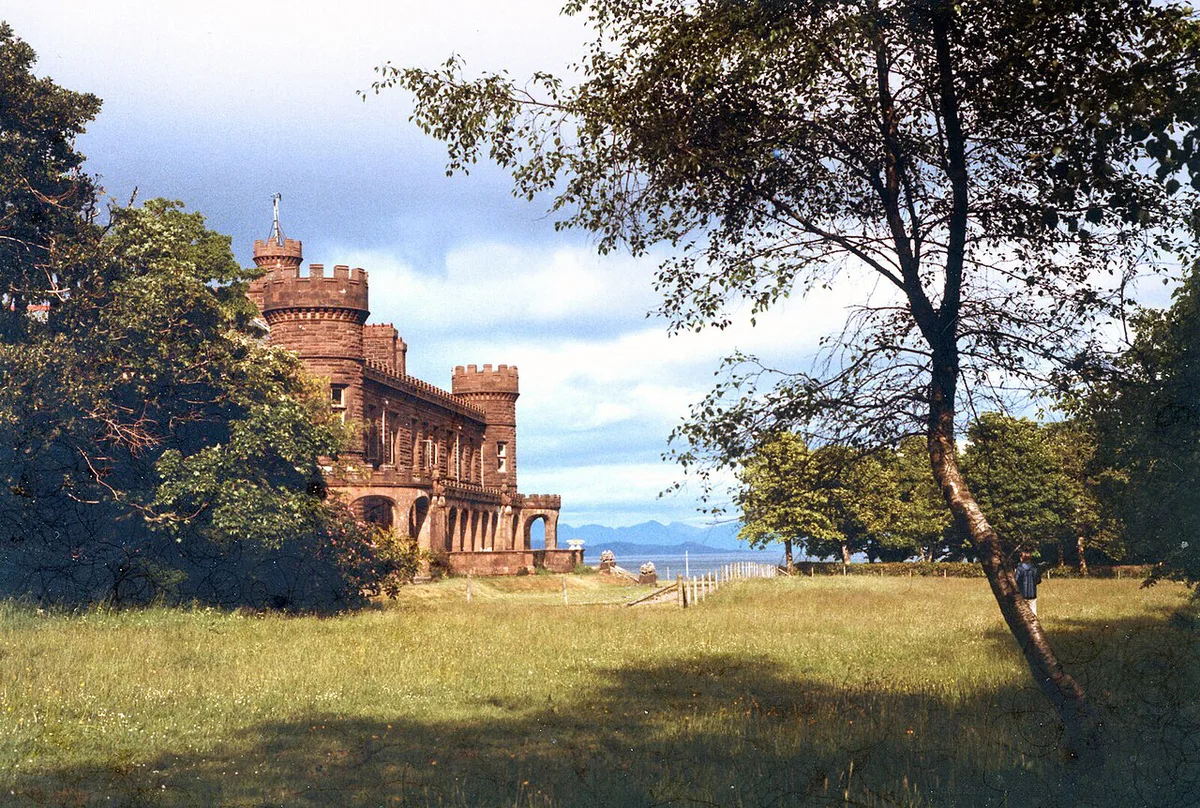
Rum is a National Nature Reserve owned and managed by NatureScot. Its main settlement is Kinloch, where Kinloch Castle stands. There is no road network built for sightseeing, and the island rewards walkers more than drivers. Plan around the ferry, the weather and your own supplies.
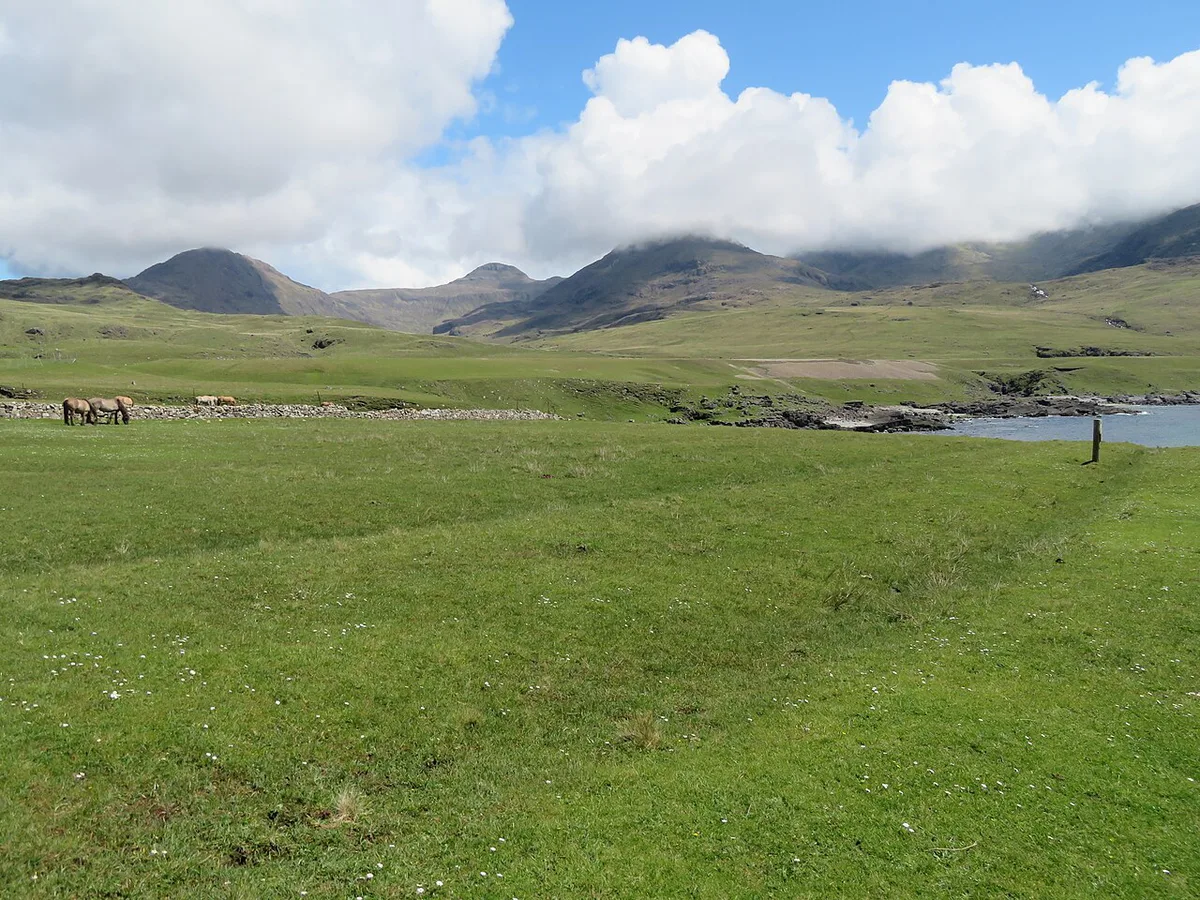
- Location: Small Isles, Inner Hebrides, west coast of Scotland.
- Suits: hikers, wildlife watchers and people who want a quiet, car-free island.
- Arrival: passenger ferry only, so plan without a car.
- Hard parts: changeable weather, a fixed sailing pattern and limited services.
- Who should skip it: travellers who want cafés, shops and short, easy sights, and anyone with tight onward connections.

How to Get to the Isle of Rum
Rum is served by a CalMac passenger ferry, not a car ferry. Sailings to the Small Isles leave from Mallaig on the mainland. Check the CalMac Small Isles timetable for the days and times that apply to your dates, because the schedule changes by season. For mainland logistics around the port, our Mallaig ferry guide covers the Skye crossing, not the Rum route. Prices and hours were checked November 2026, but fares and sailings are set by the operator and can change.
| Option | Time on island | Flexibility | Weather risk | Best for |
|---|---|---|---|---|
| Day trip (only if the current timetable allows a same-day return) | Short and fixed by the sailings | Low | High: a cancelled return sailing can strand you | Fit walkers who want one coastal route |
| One night | Most of two partial days | Medium | Moderate | Hikers and wildlife watchers |
| Two nights or more | Enough for a mountain day and a slower day | High | Lower, with a spare day as a buffer | Campers and self-catering guests |
Day Trip or Overnight? Time Trade-Offs
A ferry-limited day gives you a few hours at most. That is enough to land at Kinloch, walk locally and see the castle exterior. It is not enough for a serious mountain day. Treat the return sailing as a fixed deadline and leave a margin before it. One or two nights change the trip. You can walk a longer route in settled weather and keep a spare half-day if the forecast turns. If the timetable does not offer a same-day return, the day trip is not an option, so look at the overnight plan instead.
Best Things to Do on the Isle of Rum
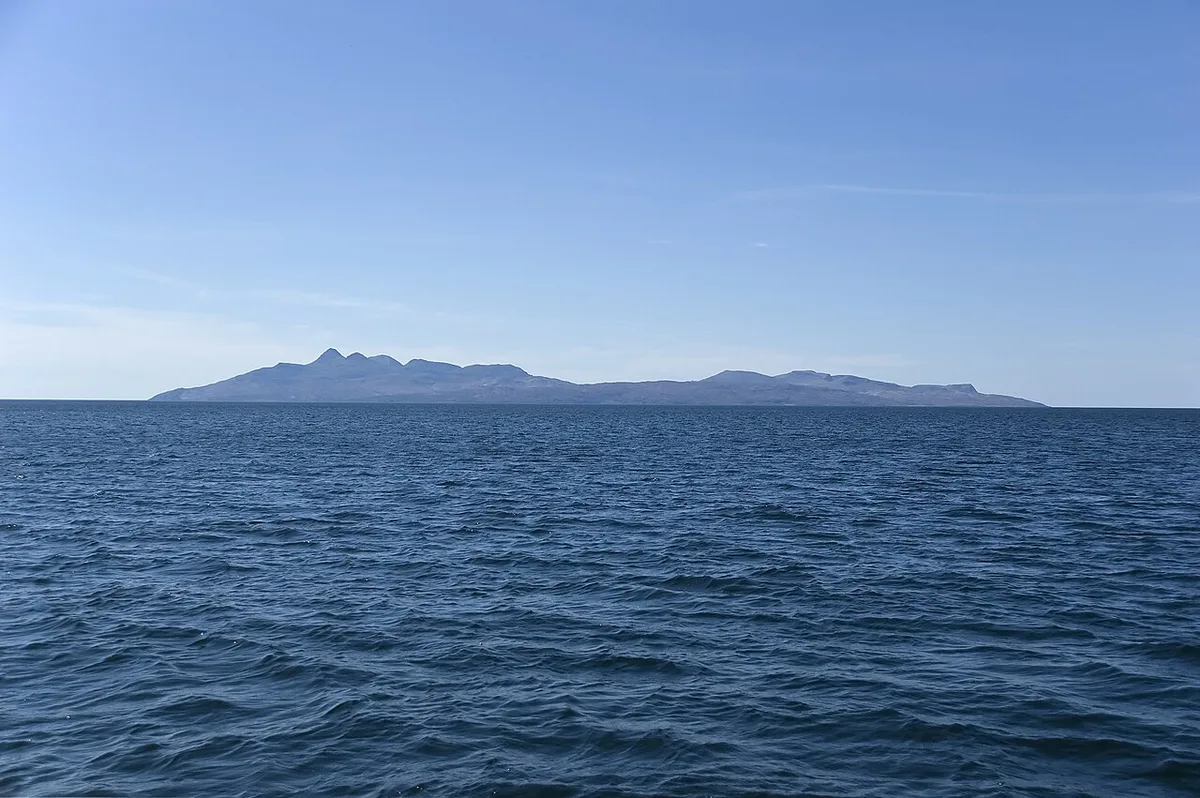
Hiking is the main draw. Coastal walks are the gentler choice, while the mountain routes are rough, exposed and quick to change with the weather. Carry a map, waterproofs and spare layers, and turn back early if cloud drops. Kinloch Castle is the island's best-known building, and its visiting arrangements can change, so ask the island's current operators about tours before you plan around them. Wildlife is part of the reserve's appeal. Red deer, sea eagles and otters are the species people most often hope to see, but sightings are never guaranteed. Bring binoculars and be patient.
- Mistake: relying on a day trip without checking the return sailing.
- Mistake: underestimating mountain terrain and weather.
- Mistake: arriving without food or supplies.
- Mistake: leaving accommodation unbooked in peak months.
- Mistake: planning a car trip.
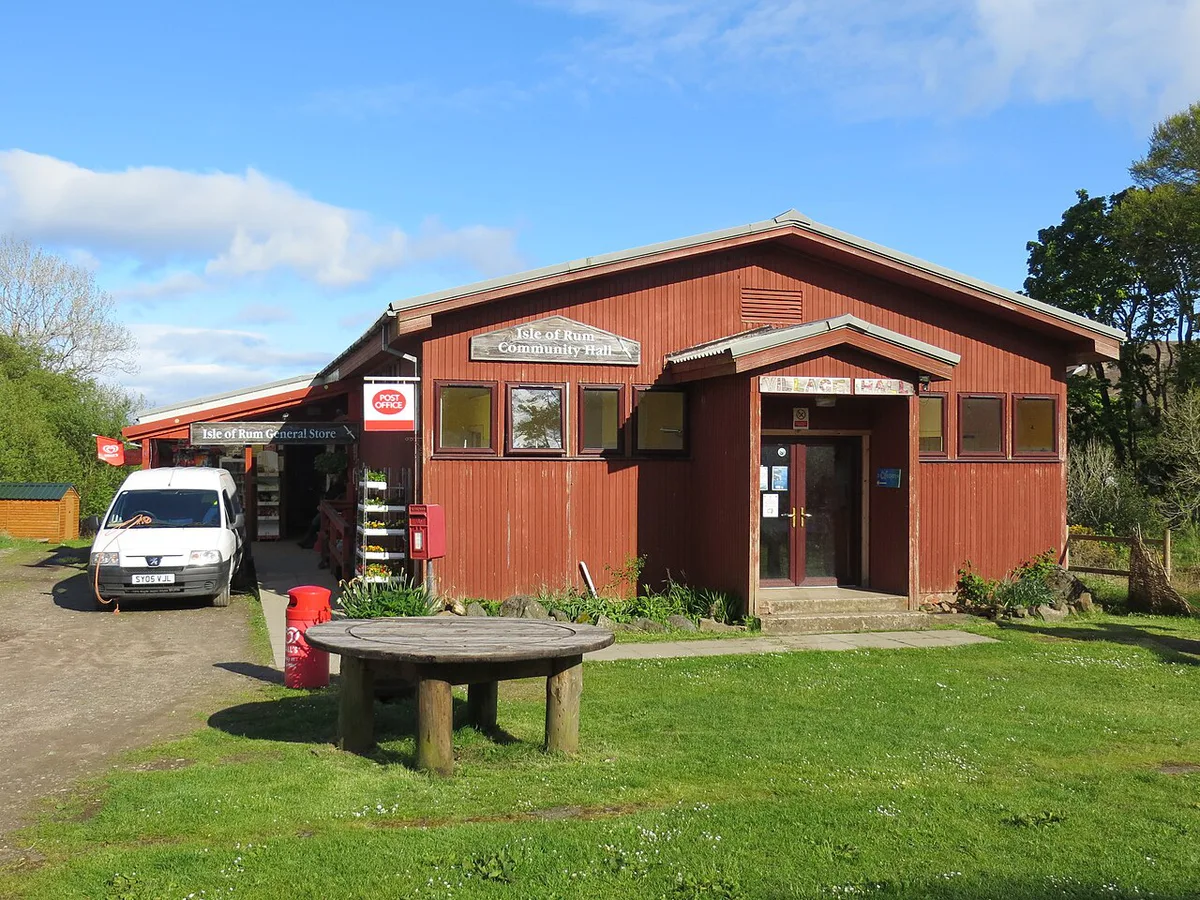
Named Walks on Rum: Coast, Glens and the Cuillin
Rum has few waymarked trails, so choose a route by the weather and your sailing times, not by distance alone. These are the walks visitors most often plan around.
- Kinloch village and shore paths. The easy option. It suits a short stay or a half-day, and it keeps you close to the pier.
- Kinloch to Kilmory. A long track walk to the north coast, known for red deer. Expect a full day, and check the return plan before you set out.
- Kinloch to Harris Bay. A long walk to a remote bay on the southwest side. It makes a good overnight objective for people with camping gear and a spare day.
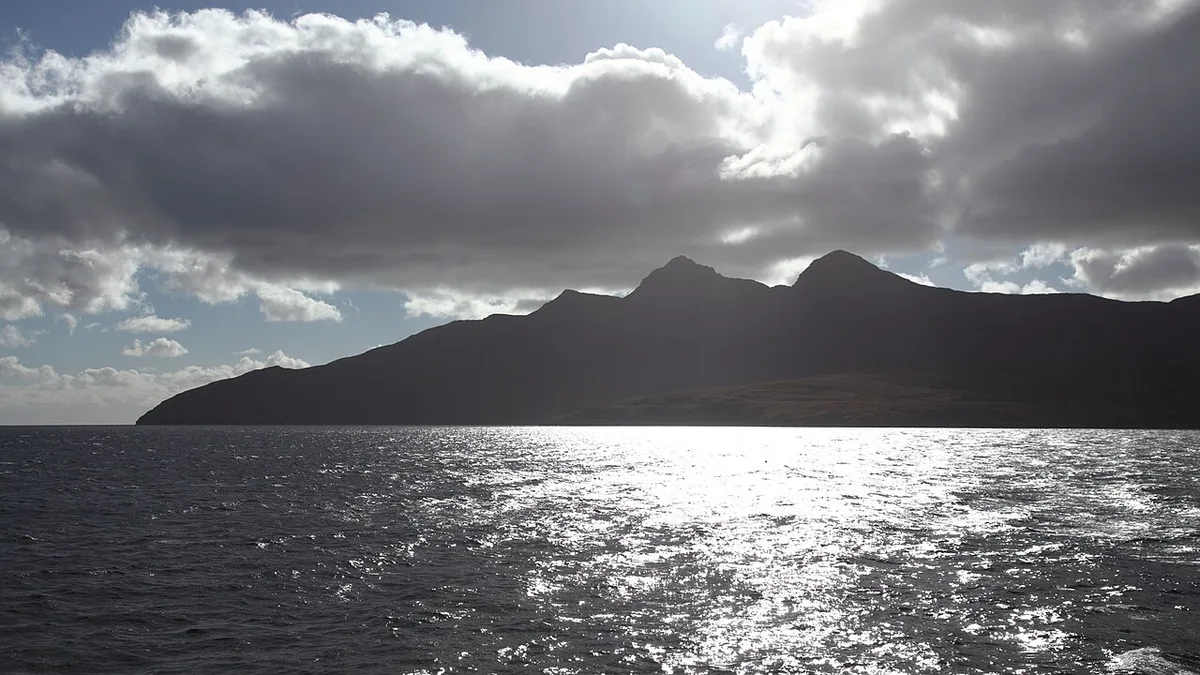
- The Rum Cuillin. Askival (812 m) and Hallival are the island's mountain days. The terrain is steep and rocky, and cloud can arrive without warning. Treat them as hill-walking routes that need navigation skills, not as casual strolls.
The upland slopes of Hallival and Askival are known as nesting ground for Manx shearwaters, which is one reason to stay on the ground you have planned for. Dogs and loose gear can disturb wildlife on a reserve, so follow the guidance NatureScot gives visitors.
Judge every route by when you can get back, because Rum has no road network built for easy returns. If a longer walk would leave no margin before the ferry, pick a shorter one. A day trip rarely leaves time for more than a Kinloch-area walk, while a two-night stay opens up the longer coastal routes in good weather.
Where to Stay and What to Bring
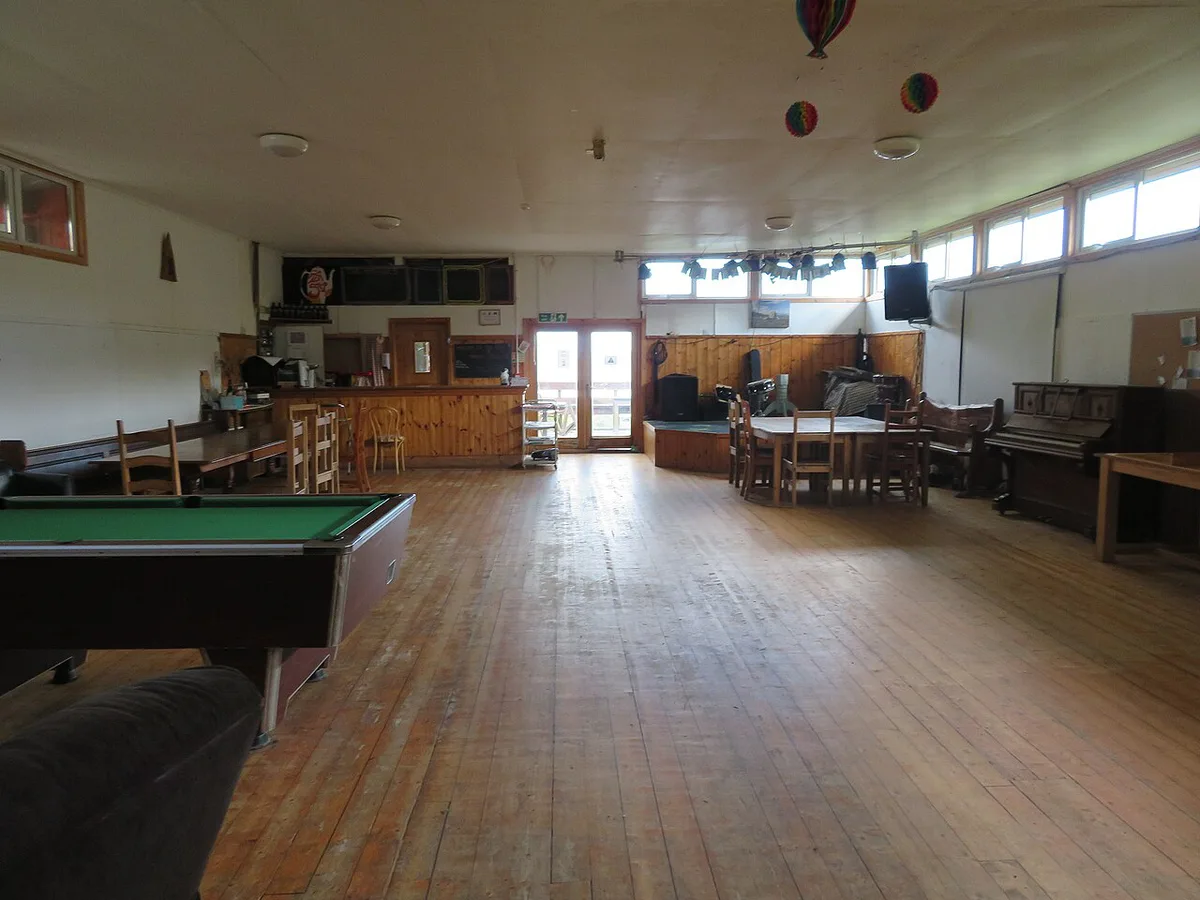
Accommodation on Rum is limited and small-scale, so book early for summer. Expect a mix of simple stays and camping rather than hotels. Confirm booking rules and what each place provides before you sail. Treat food as something you may need to carry. Services on a remote island are thin, so pack meals, snacks and a stove if you self-cater. Add midge repellent and a head net for still, damp evenings. Bring a charged power bank, a paper map and a full set of wet-weather gear.
Costs, Access and Safety
Your main costs are the ferry, a bed or pitch, food and gear. Fares and lodging rates are set by the operator and the providers, so read them on the CalMac site and each accommodation page. Camping is the cheaper end, while a bed indoors costs more. Weather exposure is the biggest safety issue, and a missed last ferry is the biggest planning risk. Mobile coverage can be patchy on remote islands, so tell someone your route and do not rely on a phone for navigation.

| Cost area | Relative level | Notes |
|---|---|---|
| Ferry | Moderate | Passenger fares only, no car |
| Lodging | Low to moderate | Camping lowest, indoor beds higher |
| Food | Moderate | Carry supplies from the mainland |
| Gear | Varies | Waterproofs, boots, midge protection |
Isle of Rum vs Eigg, Raasay and Skye

Rum suits walkers who accept a rougher, quieter trip. Eigg is its Small Isles neighbour and has its own community-run character. Raasay is a gentler step from Skye. Skye is the busiest and best-connected of the four, with roads and a much wider choice of places to eat and stay. Eigg's own site, Isle of Eigg, is the place to check its visitor information.
| Island | Access | Car? | Best for | Feel |
|---|---|---|---|---|
| Rum | Passenger ferry | No | Hikers | Remote and quiet |
| Eigg | Passenger ferry | Plan without | Casual and walking visitors | Small and community-run |
| Raasay | Short crossing from Skye | Possible | Easy walks | Quiet |
| Skye | Road bridge and ferries | Yes | Everyone | Busiest |
Frequently Asked Questions
Where is the Isle of Rum?
Rum is the largest of the Small Isles, part of the Inner Hebrides off Scotland's west coast. Sailings leave from Mallaig on the mainland.
Can you take your car to the Isle of Rum?
No, the ferry is a passenger service. Plan to arrive on foot and carry what you need.
Useful notes for your next island trip
Optional updates to our guides.
You might also like
Continue reading
More guides you'll find useful