Mallaig to Skye Ferry: Armadale Crossing vs Skye Bridge
The Mallaig to Skye ferry runs to Armadale on Sleat. See how it compares with the Skye Bridge, how to get to Mallaig, and how to plan for weather and booking.
On this page
Last updated November 2026. The Mallaig to Skye ferry is the CalMac crossing from Mallaig on the mainland to Armadale on the Sleat peninsula in south Skye. It suits travelers starting from Fort William or Glenfinnan who want to reach southern Skye without the long drive around by the bridge. If you are heading for Portree or the north, the bridge route in our guide to reaching Skye may fit better.
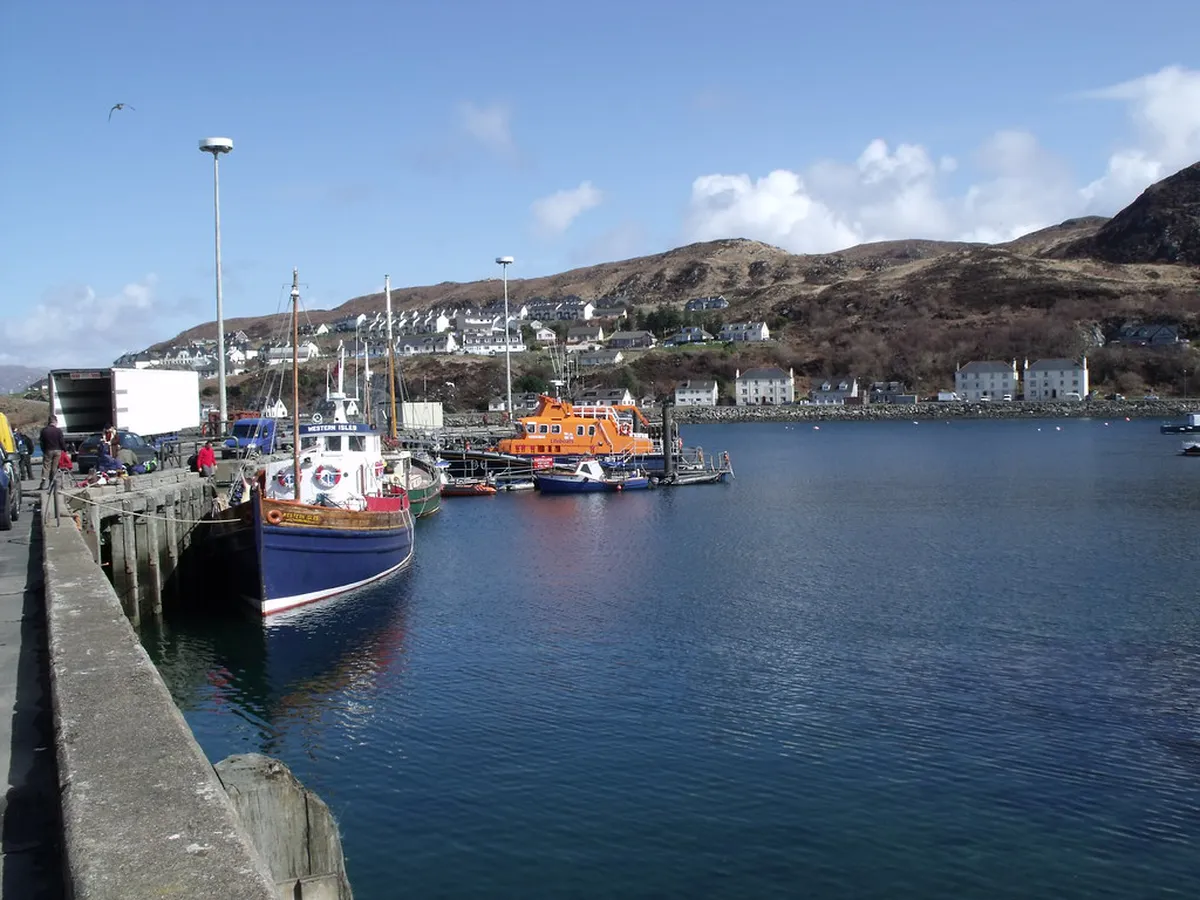
Featured image: nathanrjones1979, CC BY-SA 2.0, via Flickr.
Ferry or Bridge: The Quick Decision
Your starting point and your destination on Skye settle most of this choice. Use the two lists below, then read the comparison table further down.
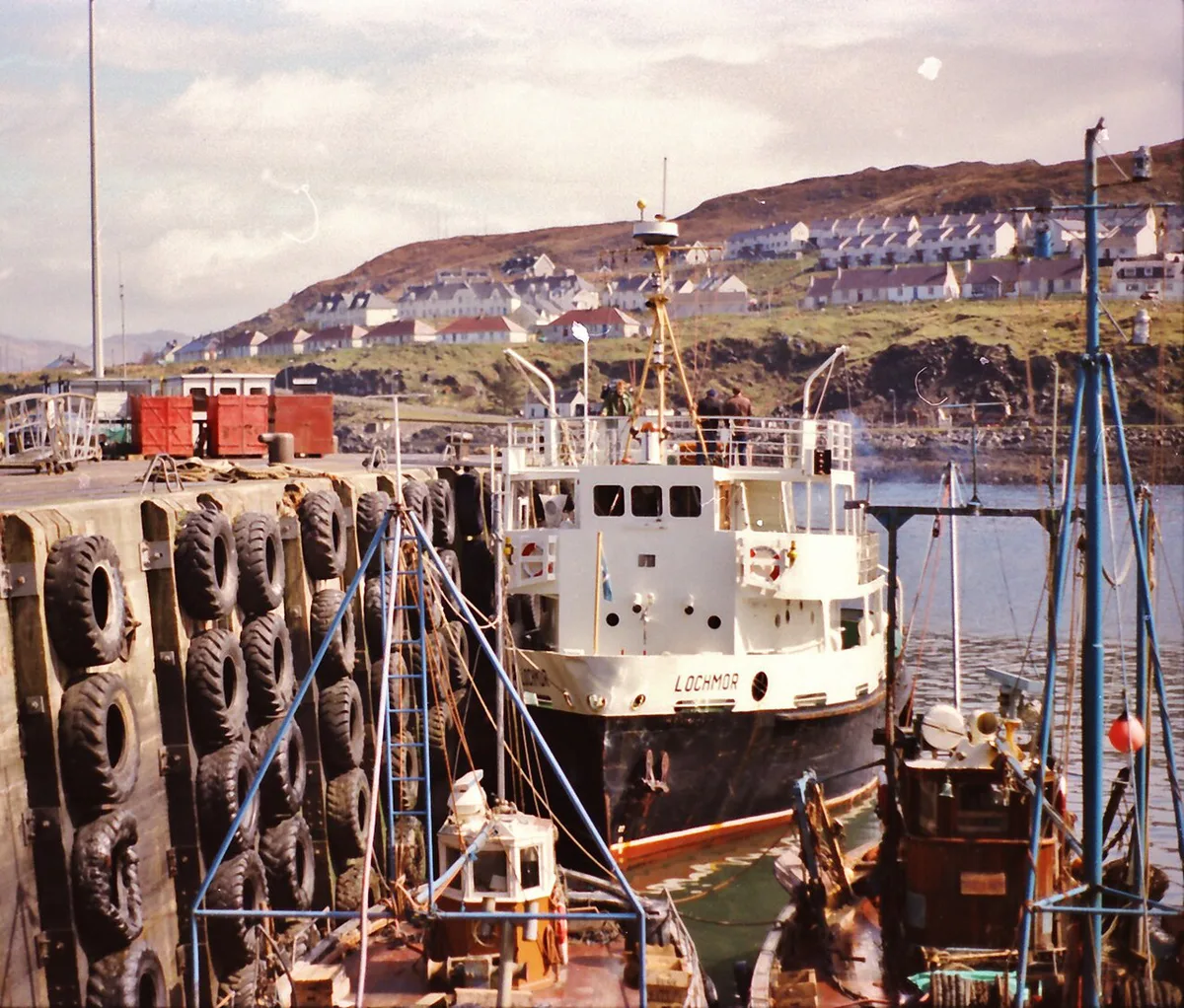
- Take the ferry if you start near Fort William or Glenfinnan and want to stay in the south of Skye.
- Take the ferry if you are building a loop and want to cross one way by sea.
- Take the ferry if you travel by train on the West Highland Line and want to finish the journey on foot.
- Take the bridge if you are coming from Inverness, where the road route is the natural one.
- Take the bridge if your base is Portree or the north, because Armadale is nowhere near either.
- Take the bridge if you cannot tolerate a cancelled sailing or a sold-out vehicle deck.
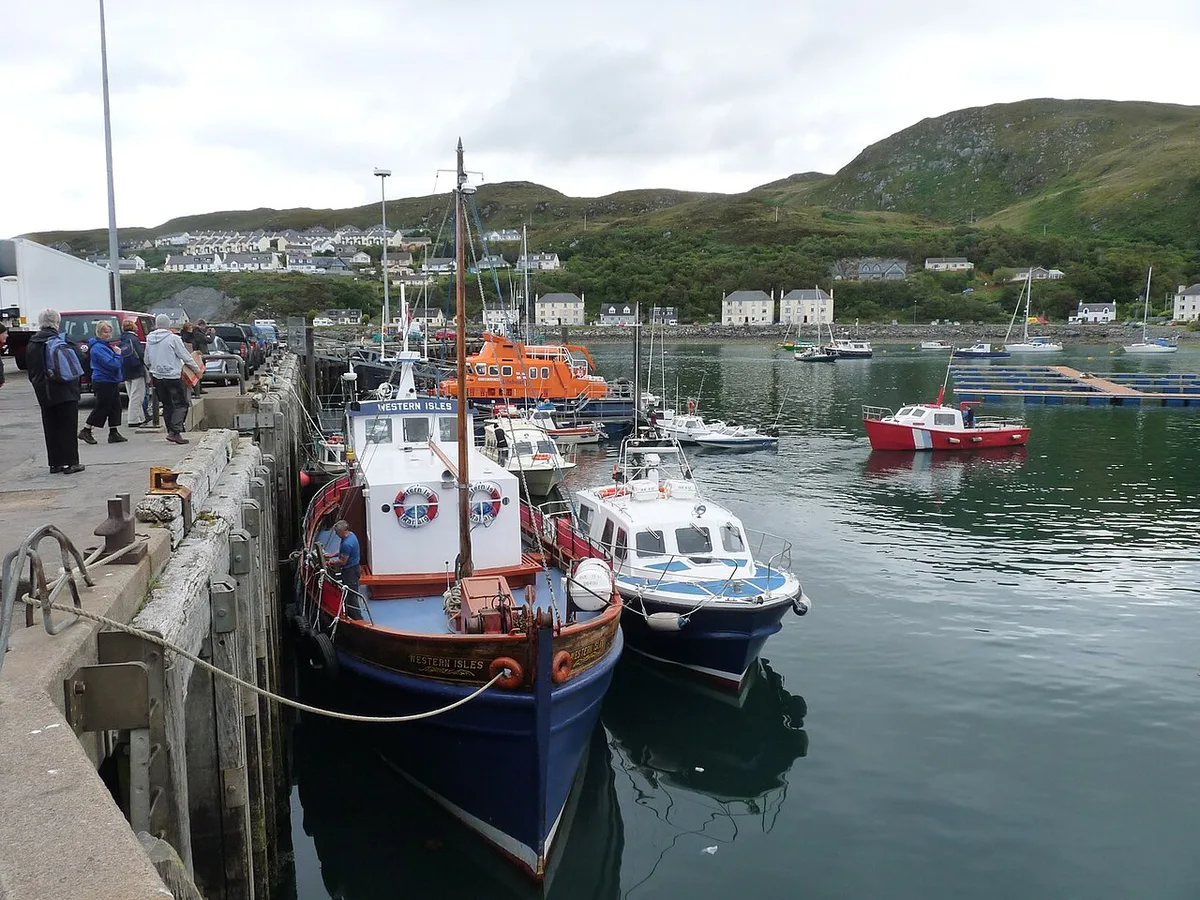
How the Mallaig to Skye Ferry Crossing Works
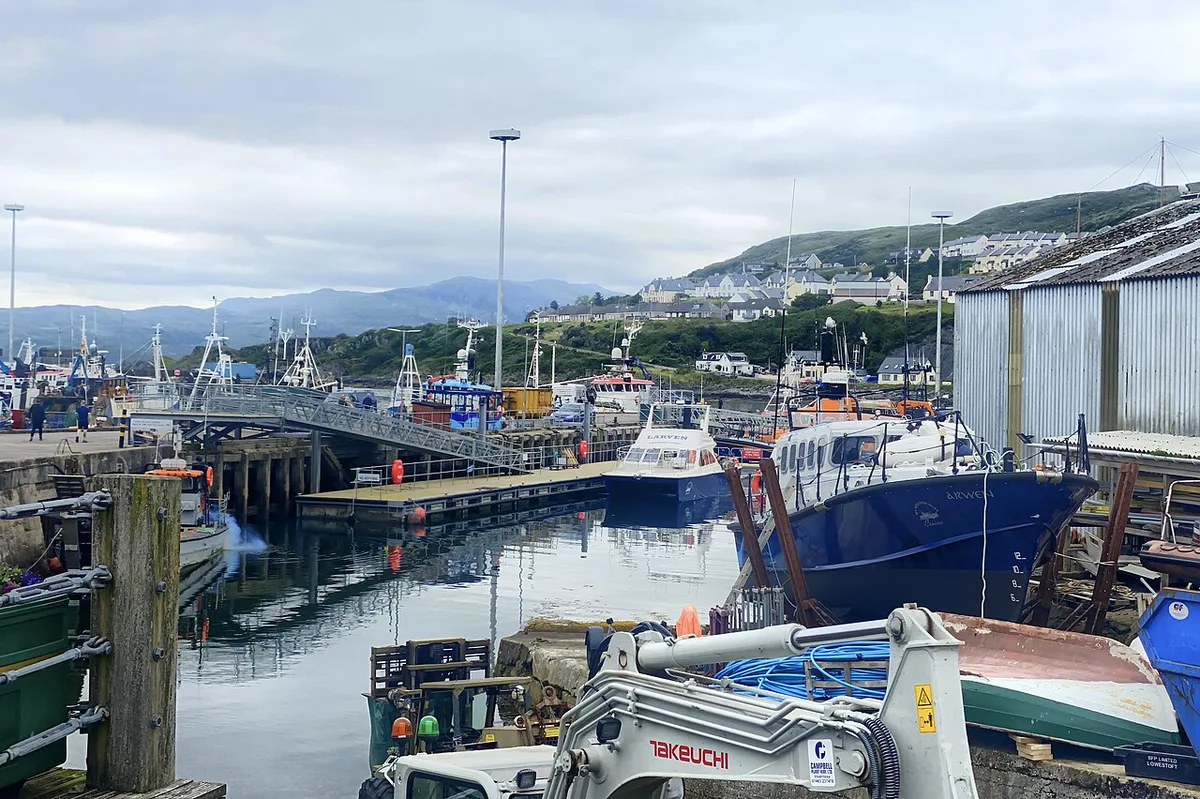
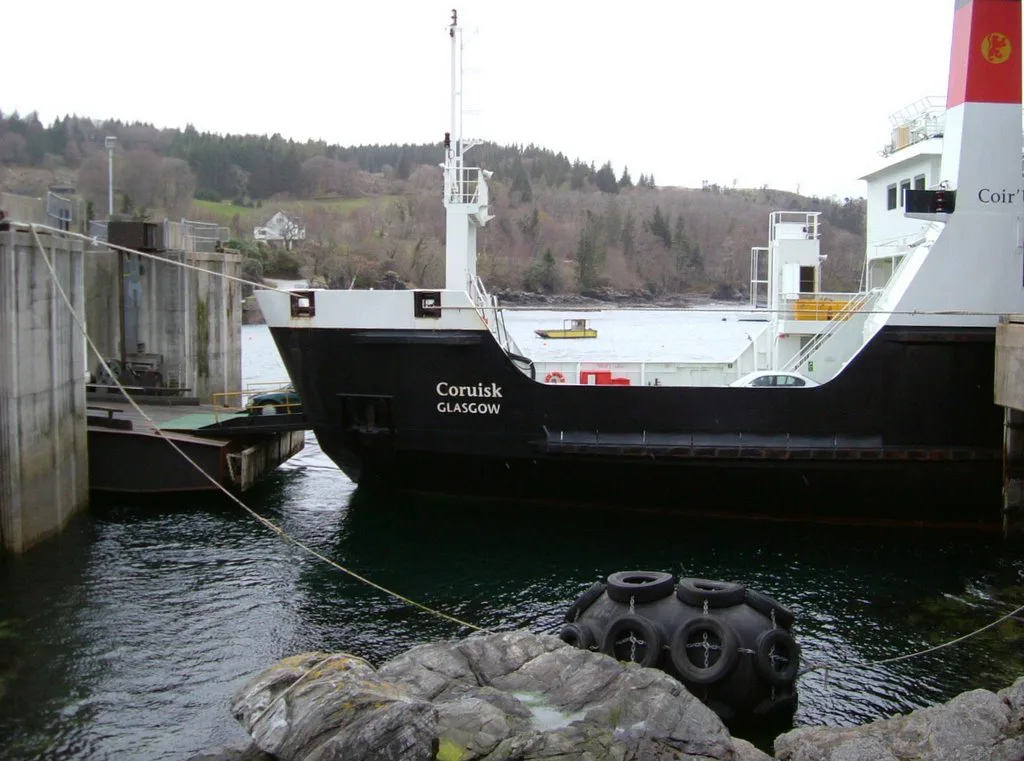
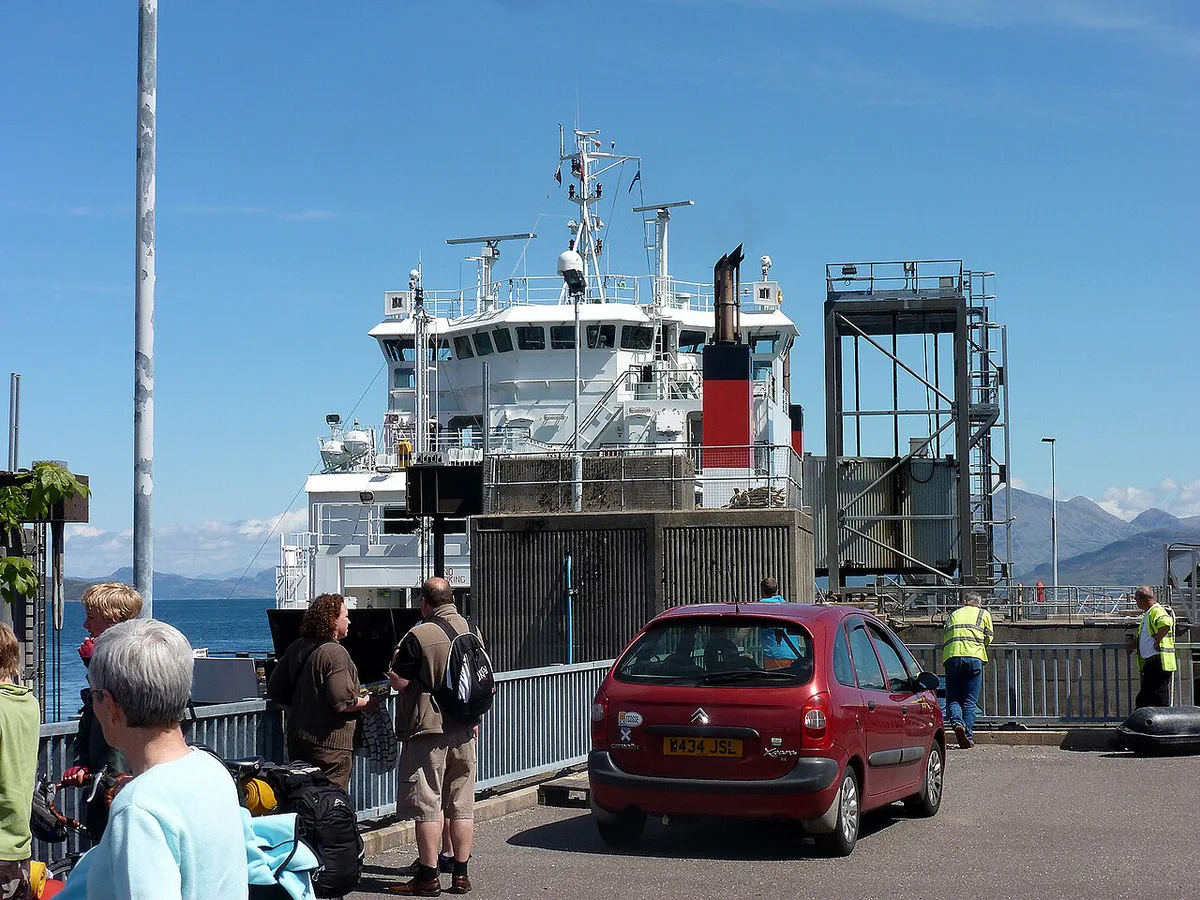
The ferry leaves from Mallaig and lands at Armadale on Sleat. CalMac runs the route, and its timetable is the only reliable source for sailing times, crossing time and fares. Sailings change between summer and winter, so read the current season's timetable rather than an old screenshot. Foot passengers, cyclists and vehicles are handled differently at booking, so check the vehicle rules on the same page before you commit to a plan. Our Isle of Skye overview shows where Sleat sits among the island's other areas.
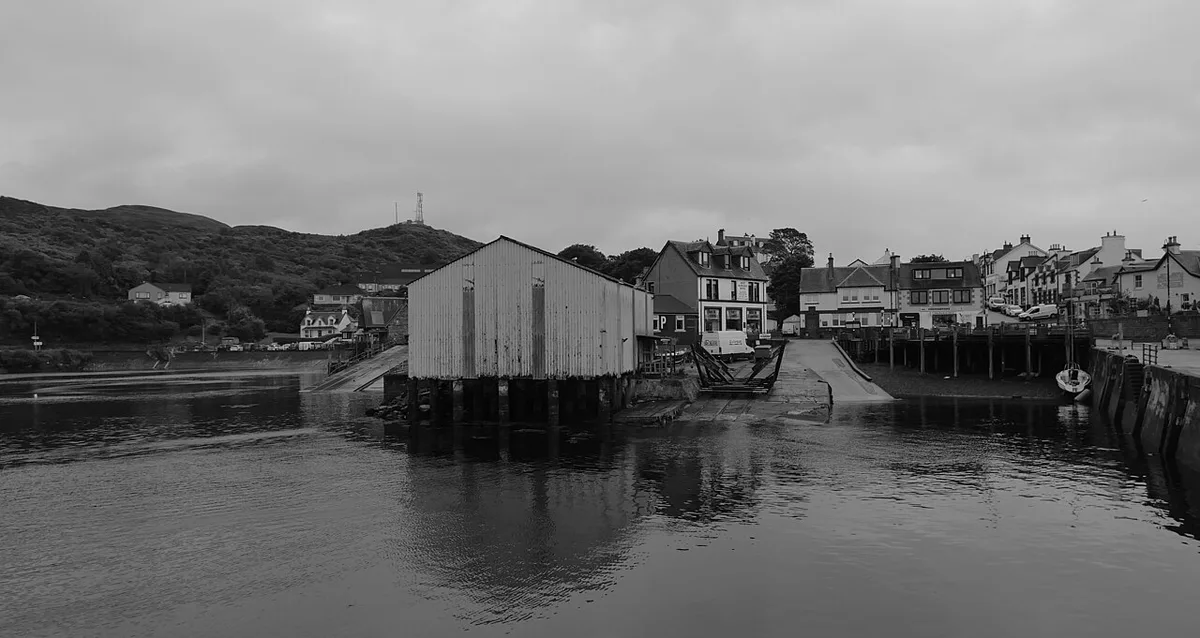
Getting to Mallaig
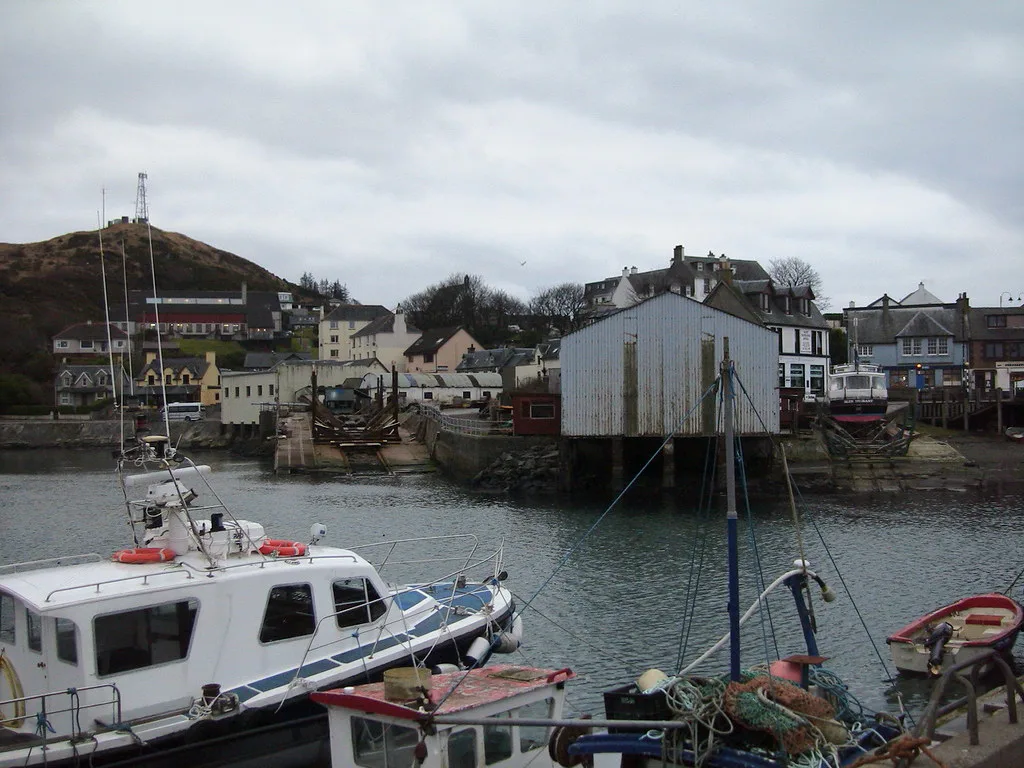
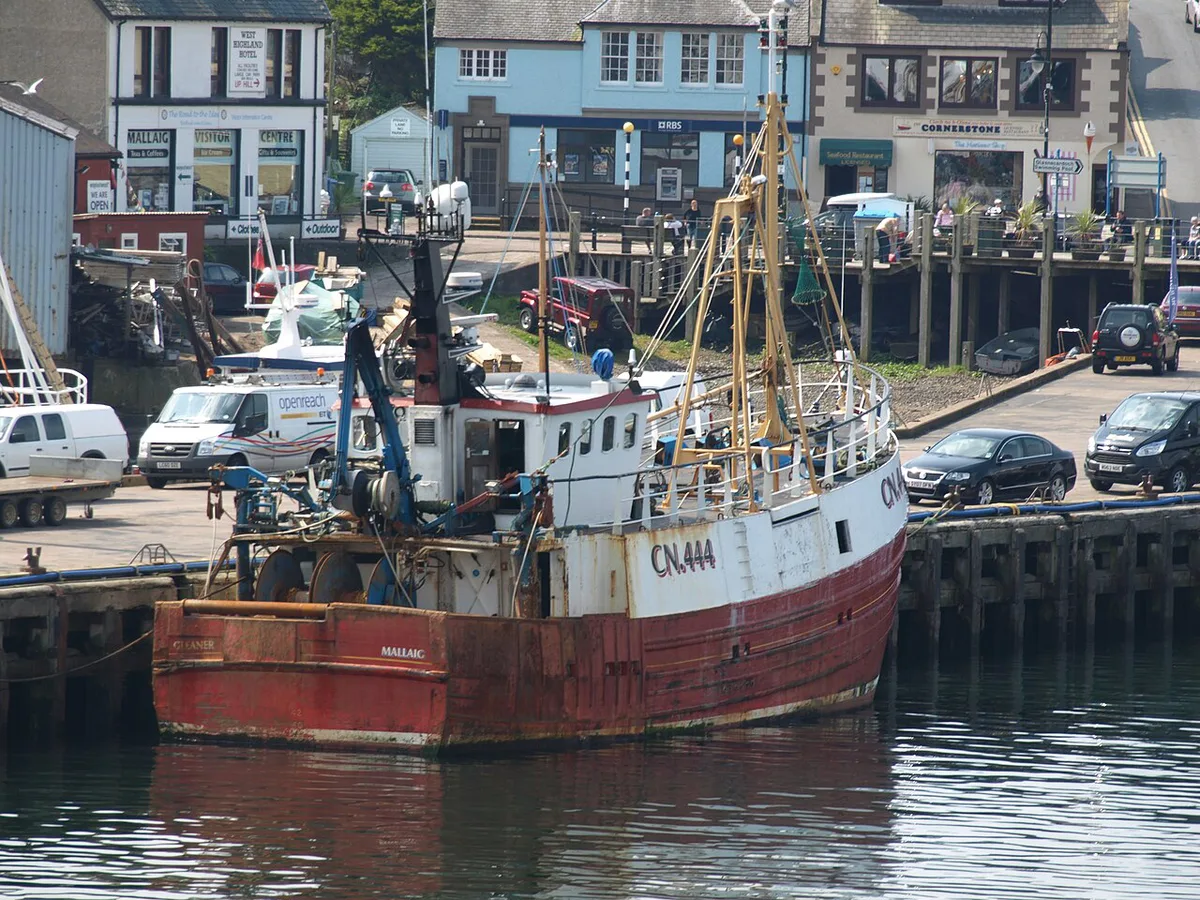
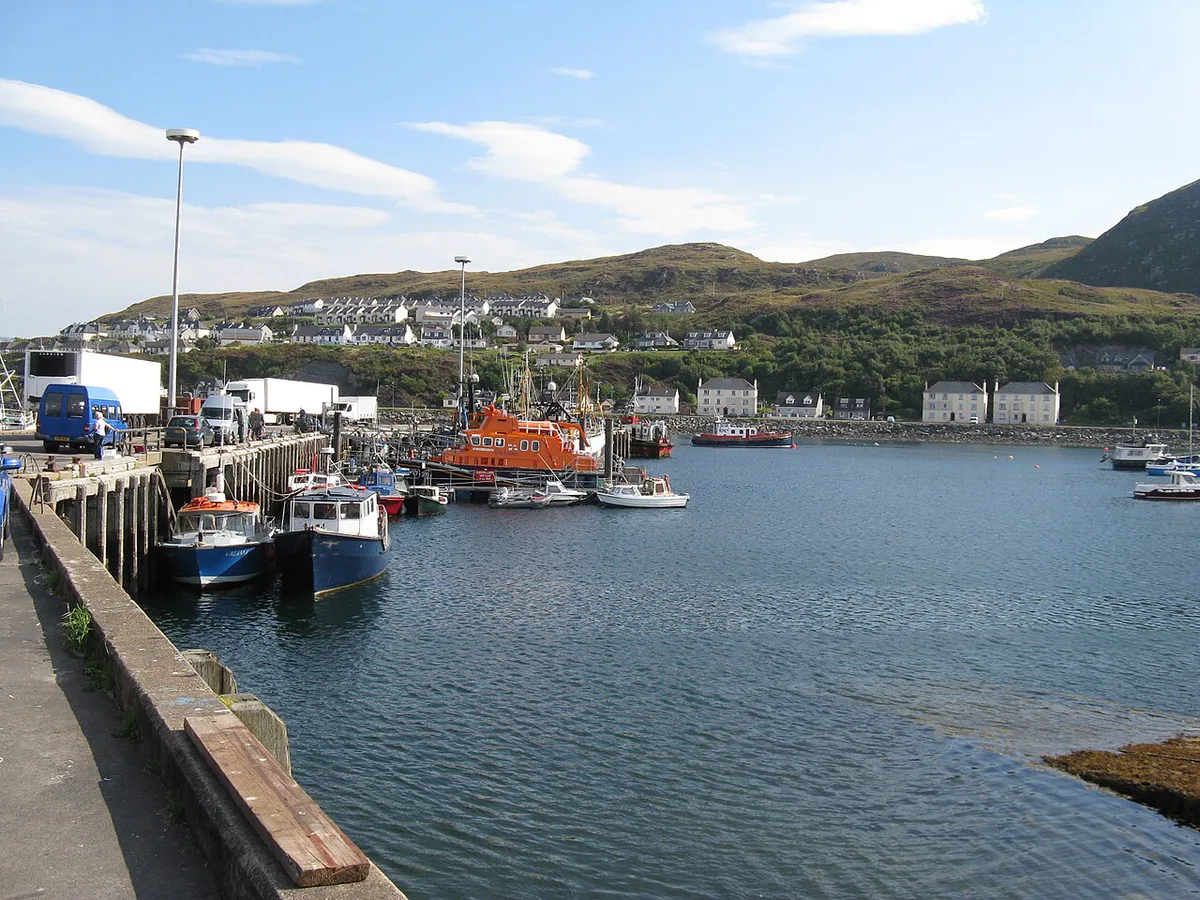
Mallaig is the end of the West Highland Line, so trains from Fort William and Glenfinnan arrive in the village itself. Check connections on the ScotRail site before building a foot-passenger itinerary. By road, the A830 runs into Mallaig from the Fort William direction. It is a single route, so allow slack for slow traffic and roadworks. Parking space in a small harbour village is limited, so look at current parking arrangements before you drive in with a large vehicle. If you are starting far south, our guides from Glasgow to Skye and Edinburgh to Skye compare the road and rail options. Inverness travelers should read the Inverness to Skye route first, since the bridge is usually the simpler way.
Arriving at Armadale and Moving On
Armadale is on Sleat, the southern peninsula of Skye. It is a long way from Portree and from the northern sights, so do not treat the ferry as a shortcut to them. Armadale Castle and its gardens are close to the landing, which makes a natural first stop. Without a car you will need to check onward bus and taxi options for Sleat before you sail. Do that in advance, because services in southern Skye are limited. With a car, plan the drive north to Portree as a separate leg of the day and do not assume it is quick.
Ferry vs Skye Bridge Compared
The table below compares the two routes in general terms. Exact costs and times depend on your origin, your vehicle and the season.
| Factor | Mallaig to Armadale ferry | Skye Bridge |
|---|---|---|
| Cost | A ferry fare is paid on top of fuel for a shorter drive | No toll on the bridge; the cost is fuel for a longer drive |
| Time | Shorter driving, plus the crossing and check-in time | Longer driving, with no fixed departure |
| Scenery | Sea crossing and the end of the West Highland Line | Road approach over the Kyle of Lochalsh crossing |
| Flexibility | Tied to sailing times and capacity | Open whenever you arrive |
| Arrival point | Sleat, south Skye | Closer to central and northern Skye |
| Weather risk | Sailings can be delayed or cancelled | Road route stays open in most conditions |
Booking, Capacity and Disruption
Vehicle space on a small ferry is the limiting factor, especially in summer and on holiday weekends. Book your car or campervan slot as early as the operator allows, and read the current booking policy on the CalMac site. Foot passengers and cyclists often have more flexibility, but confirm their rules on the same page. Weather is the other risk, so build a buffer day into any trip with a fixed onward booking. Your fallback is to drive round to the bridge, which our Skye Bridge guide covers. For seasonal context, read about Skye in Winter: Is It Worth Visiting? What to Expect in 2026. Our guide to the best time to visit Skye covers the busier months. For road conditions on the day, Transport Scotland is the place to look.
Itinerary Ideas Using the Ferry
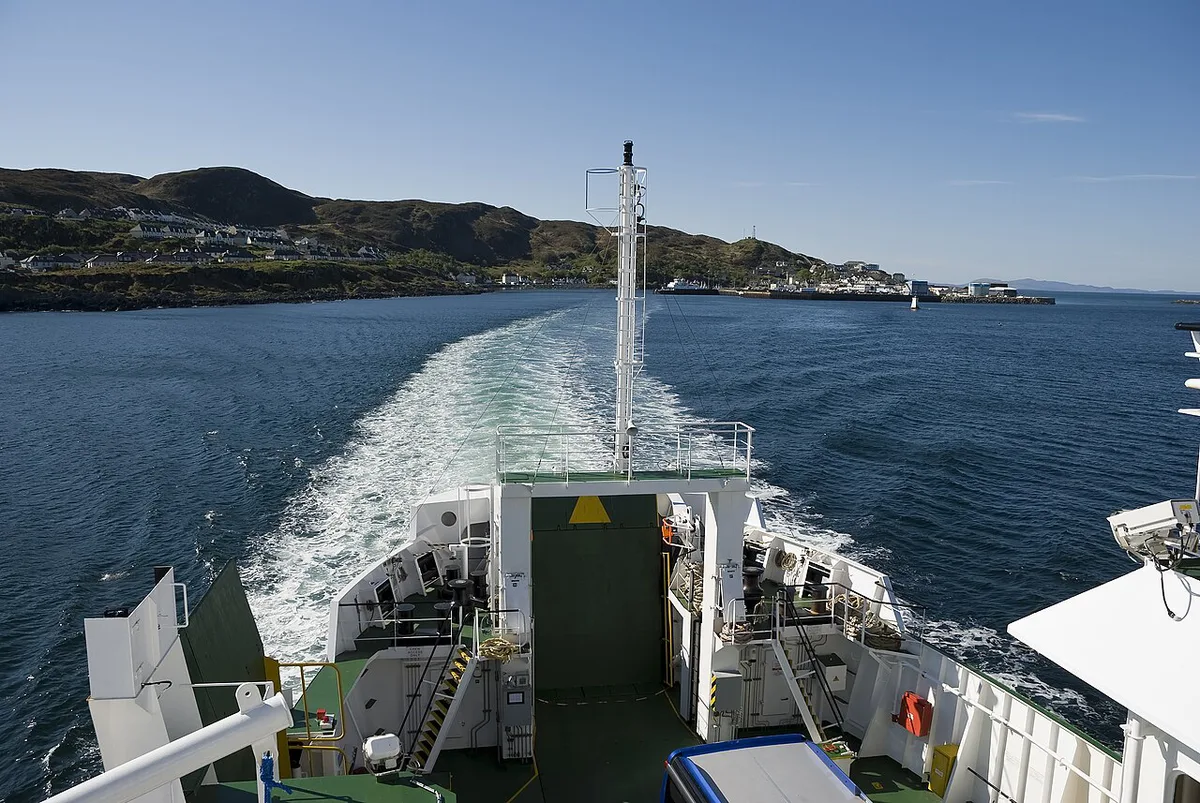
A loop works well. Cross by ferry to Armadale, explore Sleat, drive north to Portree, then return over the bridge. You can also run it in reverse if your trip starts from Inverness. A one-way crossing suits travelers who take the train to Mallaig and continue by bus on Skye. Mallaig is also a gateway to the Small Isles, so Rum and Eigg can be added if you check that a sailing fits. Raasay is a contrast, because its ferry leaves from Sconser on Skye and not from Mallaig. Our Isle of Raasay guide explains that crossing.
What Catches People Out
Many travelers assume the ferry lands near Portree. It does not, because Armadale is in the south on Sleat. Others assume sailings run on the same pattern all year, which is not safe, so read the timetable for your travel dates. Some forget that a cancelled sailing can strand an onward booking, so leave slack. A last error is arriving in Mallaig by car without a reservation in high season. Book first, then plan the rest of the day around the sailing.
Useful notes for your next island trip
Optional updates to our guides.
You might also like
Continue reading
More guides you'll find useful