Skye Bridge: Toll, Route and Alternatives
Everything about the Skye Bridge: how to cross, what it costs, the route to it, and when the Mallaig ferry is the better way onto Skye.
On this page
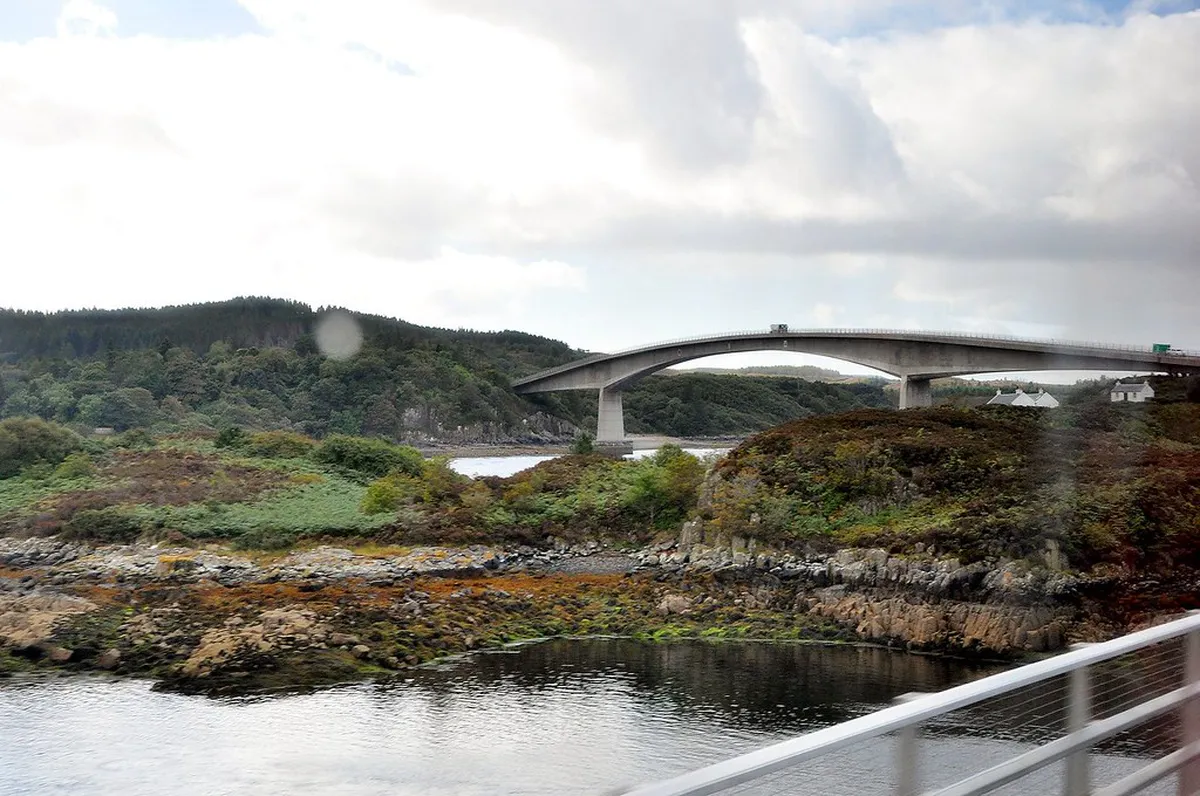
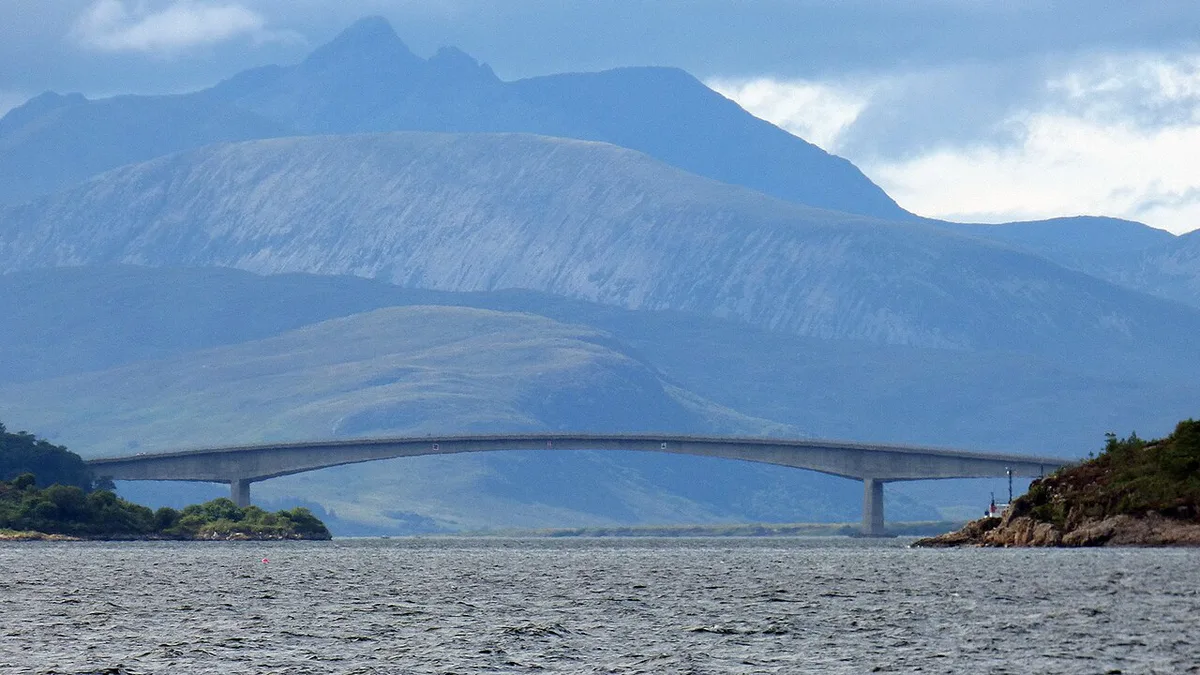
Last updated November 2026: the Skye Bridge links Kyle of Lochalsh on the mainland to Kyleakin on the Isle of Skye, and crossing it is free. It carries the A87 over Loch Alsh, with the small island of Eilean Bàn in the middle. Full route options are in our guide to reaching Skye.
Featured image: liakada-web, CC BY 2.0, via Flickr.
Skye Bridge at a glance
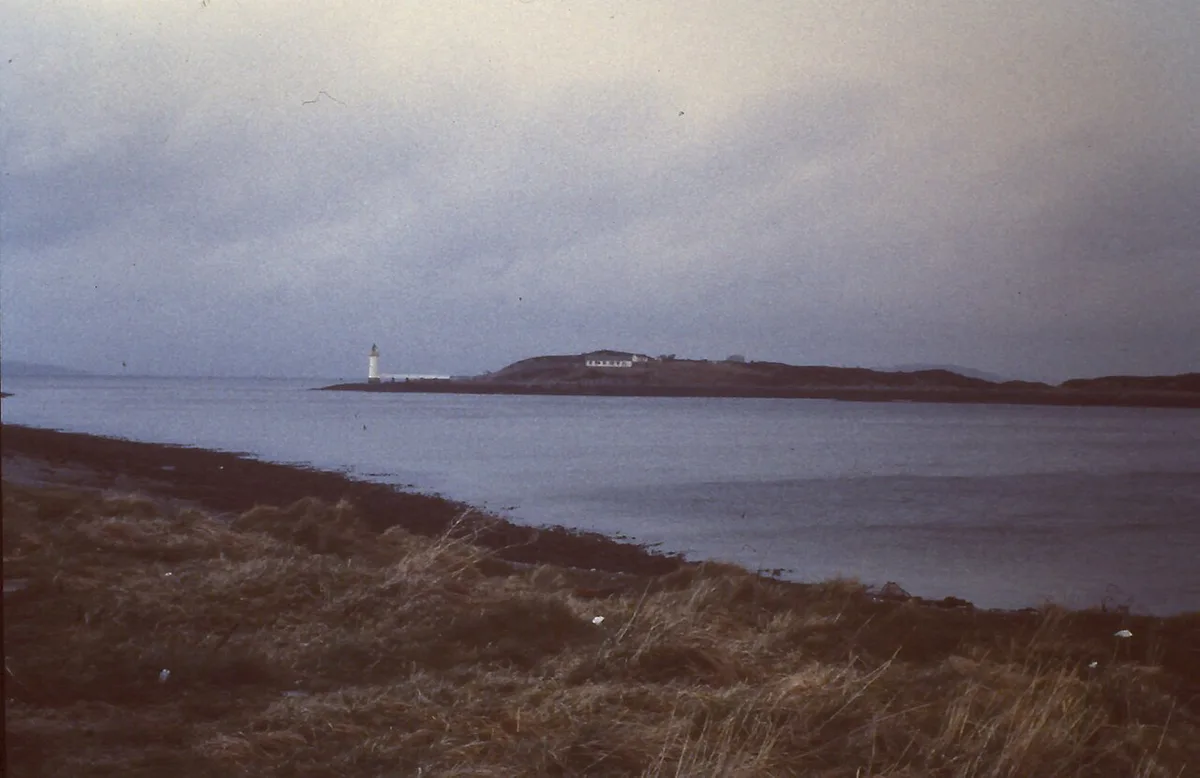
Skye Bridge is the only fixed road link between the mainland and the Isle of Skye. There is no toll, so you drive across without paying. Roads authority updates on the route, including weather restrictions, are published by Transport Scotland. Prices and hours checked November 2026, though the bridge itself has nothing to book.
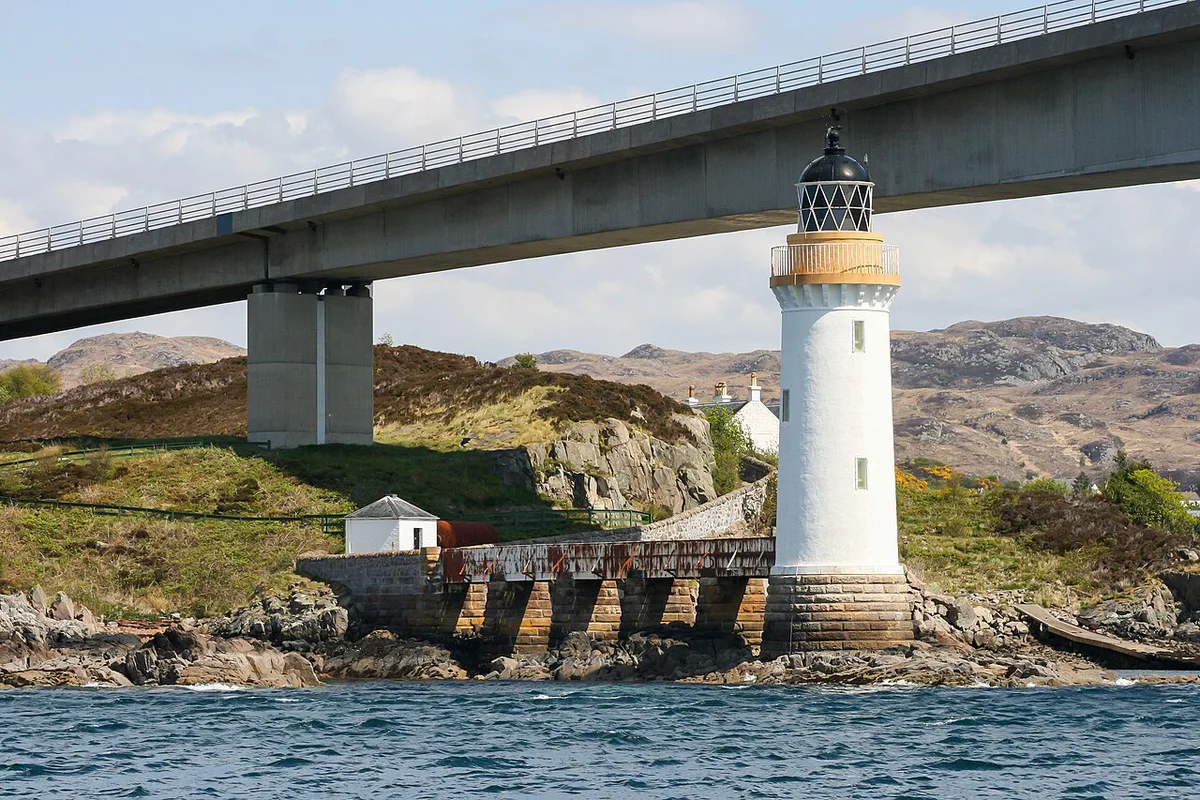
- Connects: Kyle of Lochalsh (mainland) and Kyleakin (Skye).
- Road: A87 over Loch Alsh.
- Midpoint: the small island of Eilean Bàn.
- Cost to cross: none.
- Booking: none needed.
Skye Bridge history: opening, tolls and how it is built
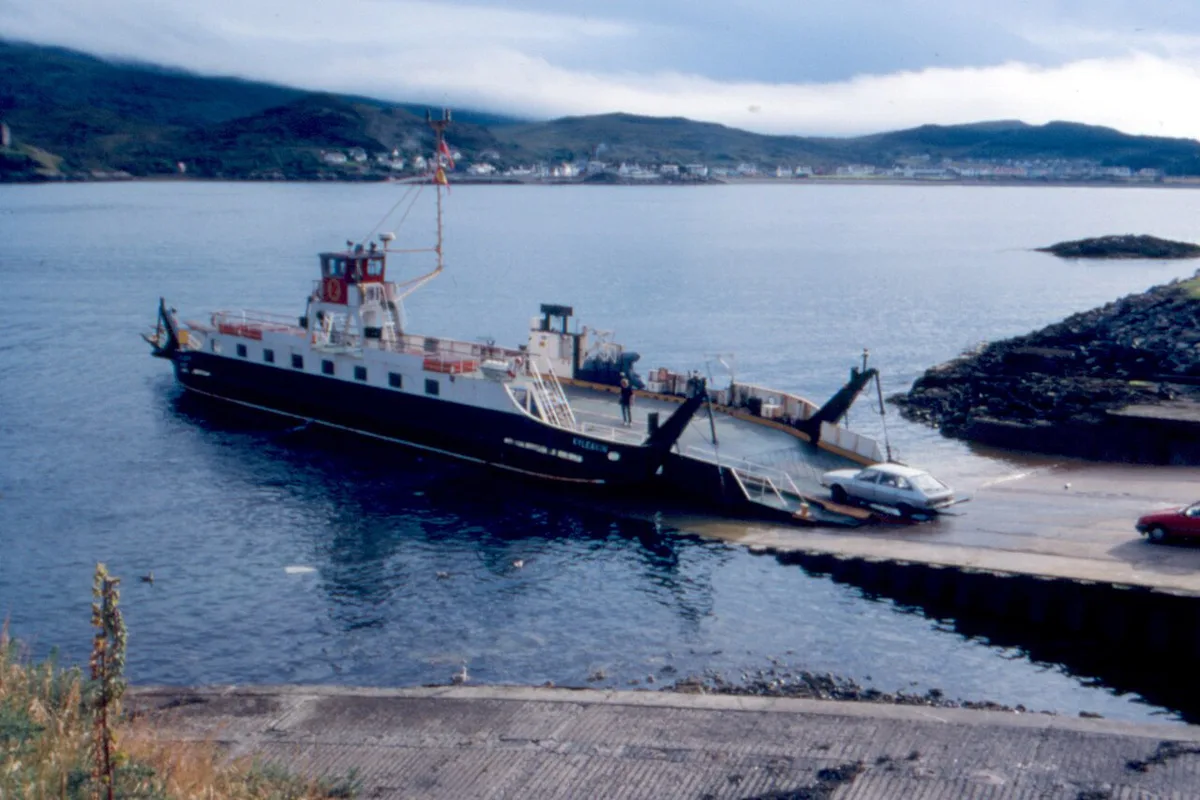
The Skye Bridge opened in 1995, replacing the short car ferry that had run between Kyle of Lochalsh and Kyleakin. It is roughly half a kilometre long and reaches Skye by way of Eilean Bàn, so the crossing is really two spans rather than one.
The bridge was not free for its first nine years. It was built under a private finance arrangement, and the tolls were among the highest per mile in the UK. They became a long-running local controversy and were abolished in December 2004. That is why older articles and forum threads still mention charges, even though the crossing costs nothing today.
- Before 1995: a ferry across the narrow strait, with queues in summer.
- 1995 to 2004: a tolled bridge.
- Since December 2004: free to cross, with no booking and no payment point.
For the full engineering and ownership background, see the Skye Bridge entry on Wikipedia.
How to reach the bridge
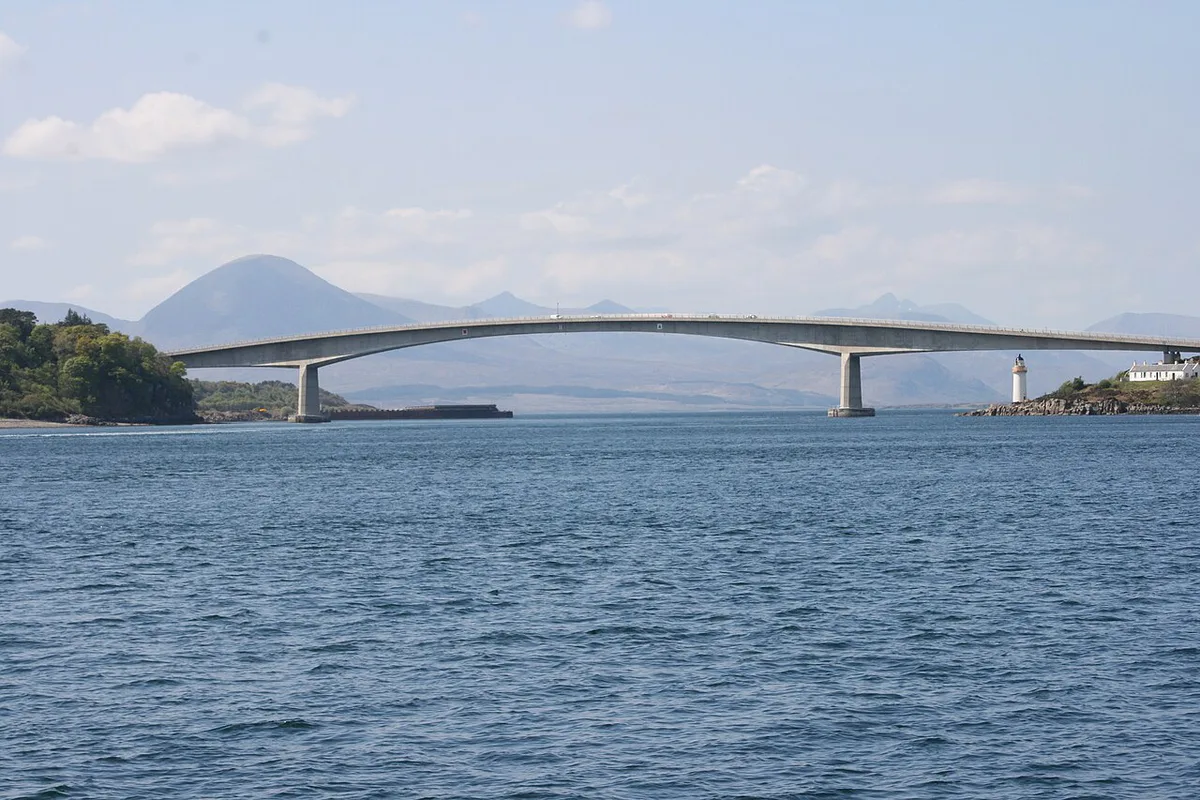
Most drivers arrive on the A87 from the east. From Inverness, our Inverness to Skye route is the most direct approach. Coming from the south, the Glasgow to Skye drive is the usual choice. Edinburgh visitors can follow the Edinburgh to Skye route, which is the longest of the three. Without a car, Kyle of Lochalsh is the mainland railhead. ScotRail publishes the current timetable, and local buses cover the final crossing to Skye.
Because the A87 carries traffic from the east, a Kyle of Lochalsh stop before the bridge is a natural place to fill up.
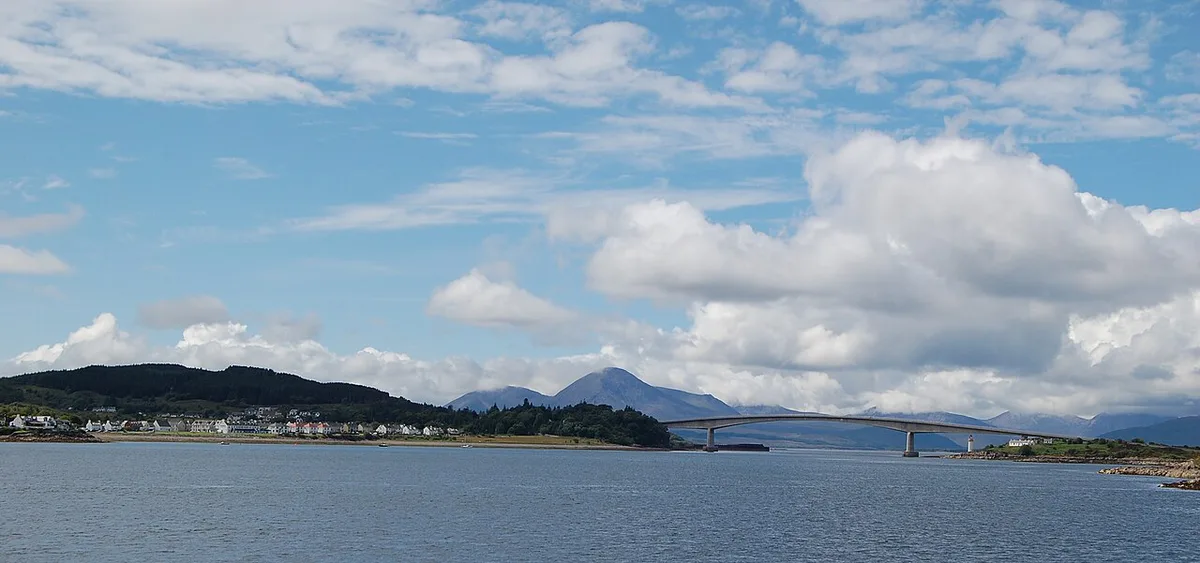
Crossing the Skye Bridge on foot, by bike or by bus
You do not need a car to use the Skye Bridge. The crossing is free for every kind of traveller, and the bridge carries the A87, so the same road serves drivers, coaches and anyone arriving under their own power.
By bus
Long-distance coaches and local services run over the bridge between Kyle of Lochalsh and Kyleakin, and most of them continue towards Broadford and Portree. Because Kyle of Lochalsh is the mainland railhead, the usual car-free route is a ScotRail train to Kyle followed by a bus onto the island. Timetables and operators change from season to season, so check the current times before you travel, especially outside summer, when services thin out.
On foot or by bike
Walking or cycling across is possible, and it is the best way to take in the views over Loch Alsh and Eilean Bàn without the pressure of traffic behind you. Keep these points in mind:
- Wind: the span is exposed, and a strong crosswind is more noticeable on a bike or with a heavy pack than in a car. Check the forecast before you set off.
- Traffic: this is a main road, so stay on the pedestrian side and keep children and dogs close.
- Luggage: if you are carrying bags from the station, the walk from Kyle of Lochalsh to Kyleakin is manageable, but a bus is easier in rain or wind.
- Onward travel: once you are on Skye, distances grow quickly and many roads are single-track, so plan how you will reach your first night's stay before you cross.
For most car-free visitors the simplest plan is train to Kyle, bus over the bridge, then a short onward connection or pre-arranged pickup from Kyleakin.
Skye Bridge or the Mallaig ferry
The bridge is the simpler crossing. The Mallaig to Armadale ferry is slower to organise but gives a different approach and a scenic road to Mallaig. CalMac publishes current sailings and booking rules. Our Mallaig to Skye ferry guide covers that route in detail. Armadale, the Skye landing, is also home to Armadale Castle.
| Criteria | Skye Bridge | Mallaig to Armadale ferry |
|---|---|---|
| Cost | No toll | Fare set by the operator |
| Booking | None | Check sailing rules in advance |
| Weather risk | Wind can affect high-sided vehicles | Rough seas can disrupt sailings |
| Scenery | Short, simple crossing | Longer sea passage and a scenic approach road |
| Best for | Direct, flexible arrival | A slower, more scenic arrival |
Glenelg to Kylerhea: the small seasonal ferry alternative
The Mallaig crossing is not the only ferry option. A small community-run ferry links Glenelg on the mainland with Kylerhea on Skye. It is a short hop across the Kylerhea narrows, and the boat is a turntable ferry that carries only a handful of cars at a time.
- Season: it runs in the warmer months, roughly Easter to October, and does not operate through the winter. Confirm dates and sailing times with the operator before you plan around it.
- Capacity: very few vehicles per sailing, so large campervans may not fit and queues form on busy summer days.
- Approach roads: the road to Glenelg from the A87 is steep and narrow, with tight bends, so it suits patient drivers rather than anyone in a hurry.
- Landing: Kylerhea is on the quieter side of Skye, and the road from there joins the main route towards Broadford.
It makes sense if you want a more scenic, less direct arrival and have time to spare. For a fast, dependable entry in any weather or season, the bridge remains the better choice, as it is open all year and has no sailing times to check.
Driving and crossing tips
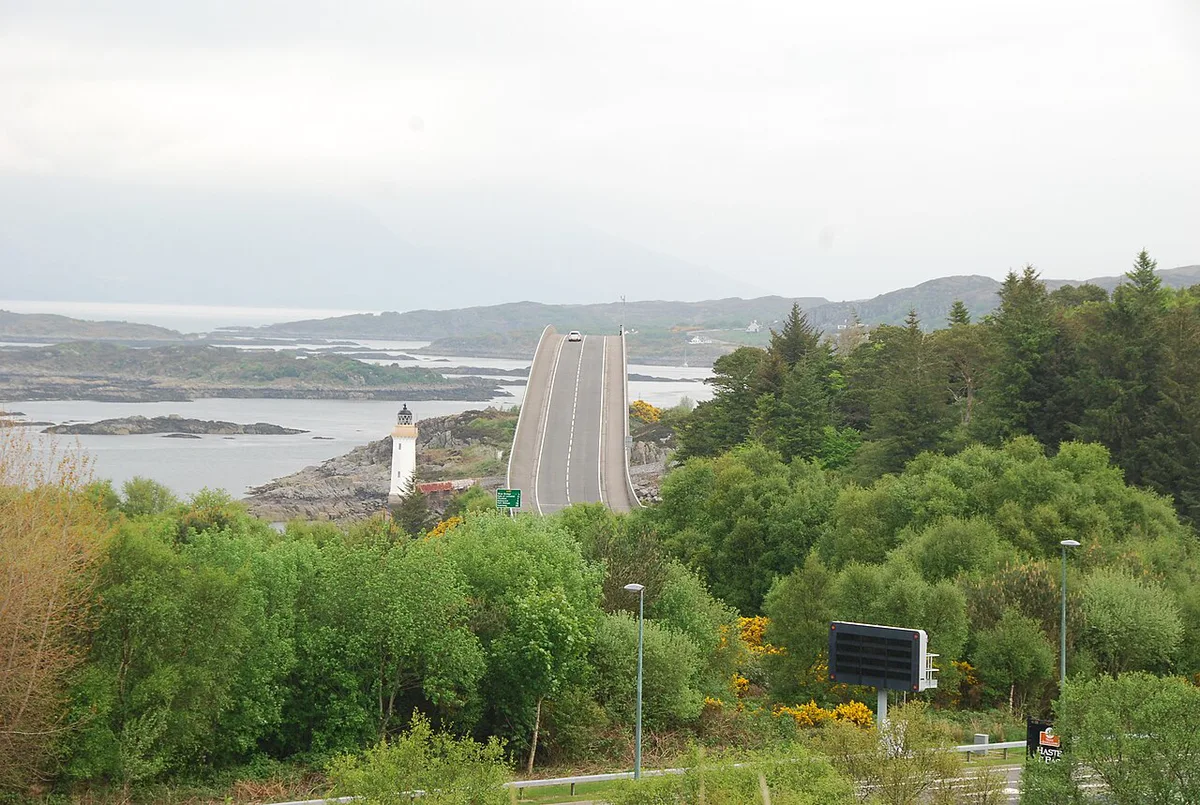
Fill your tank and buy food on the mainland before you cross. Roads on Skye include single-track stretches with passing places, so allow extra time for every leg. Wind can affect high-sided vehicles, so check Transport Scotland before you set off in a van or with a trailer.
- Mistake: leaving fuel and groceries until after the bridge.
- Mistake: assuming every road on Skye is double width.
- Mistake: ignoring a wind warning when towing or driving a tall vehicle.
What to see around the bridge
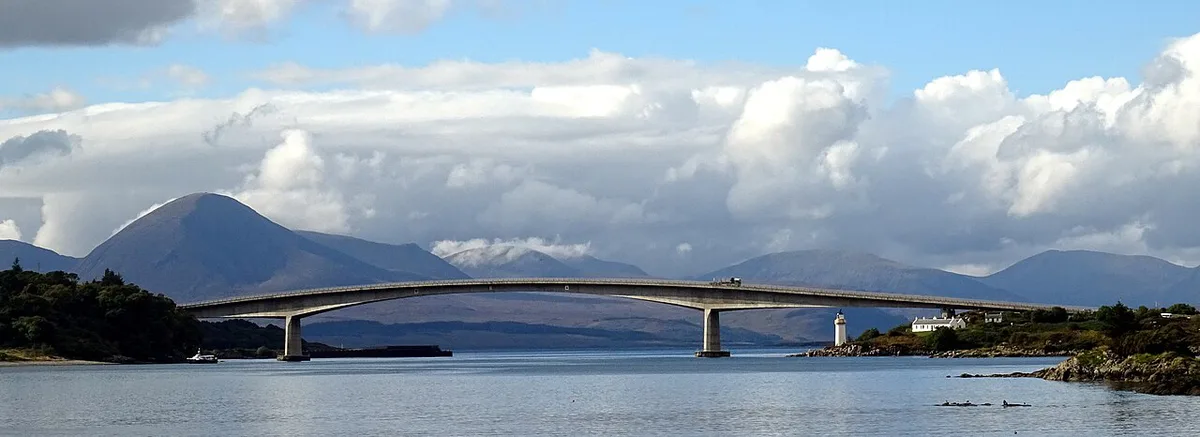
Kyle of Lochalsh is the mainland base, with the railway station and loch views. Kyleakin sits on the Skye side and works as a first stop after you cross. Eilean Bàn lies directly beneath the bridge, so you pass over it without stopping. For a longer trip, our Isle of Skye guide covers the whole island.
Skye Bridge or Sligachan Bridge
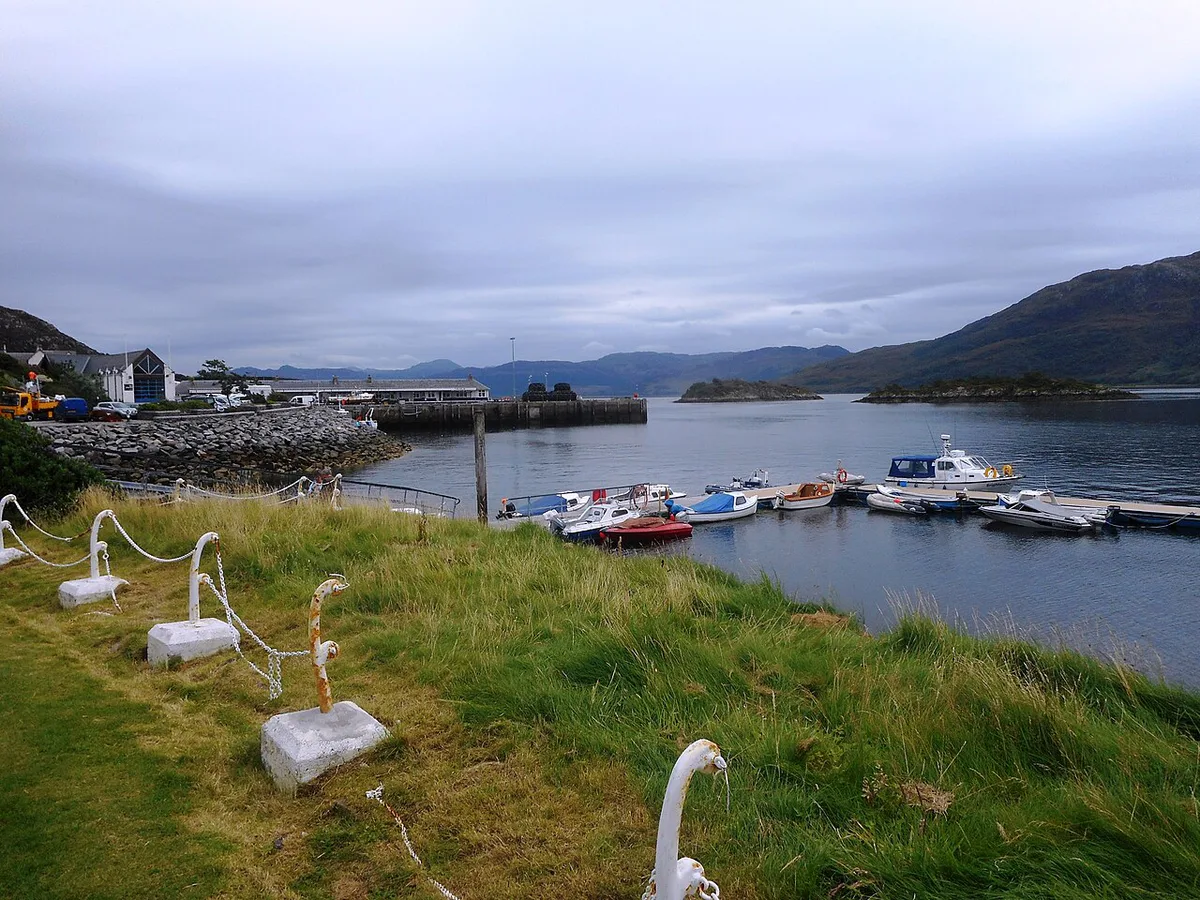
Sligachan Bridge is a different structure, found on Skye itself. It does not connect the island to the mainland. If you are planning your arrival, you want the Skye Bridge at Kyleakin. Sligachan is a stop you may reach later, once you are on the island.
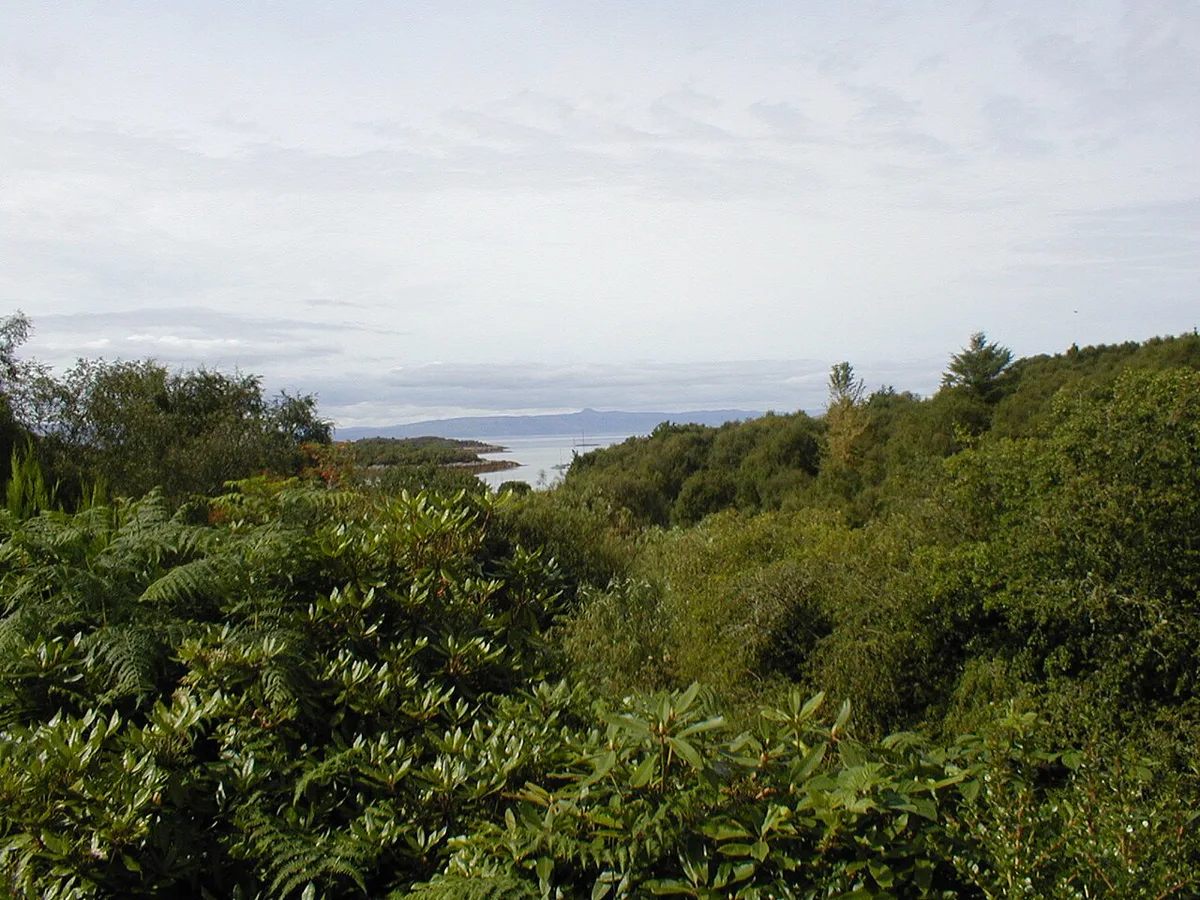
Seasonal notes
Winter brings shorter daylight and more weather disruption on the approach roads. Our winter guide to Skye covers conditions in more detail. For picking your month, see the best time to visit Skye. The Met Office climate pages give regional weather context.
Frequently Asked Questions
Is the bridge to Skye free?
Yes. The Skye Bridge has no toll, so you can drive across without paying.
Can you drive directly to the Isle of Skye?
Yes. The Skye Bridge carries the A87 from Kyle of Lochalsh to Kyleakin. The Mallaig to Armadale ferry is the alternative route.
Useful notes for your next island trip
Optional updates to our guides.
You might also like
Continue reading
More guides you'll find useful