Where Is Corsica? Location, Map & How to Get There
Corsica is a French island in the Mediterranean, north of Sardinia. See distances from Nice, Italy and Sardinia, and how to get there.
On this page
Last updated November 2026. Wondering where is Corsica? It is a French island in the western Mediterranean, roughly 170 to 180 km from the southeast coast of mainland France and about 12 km north of Sardinia. Arrival is by ferry or plane only, and the guide to getting to Corsica covers both.
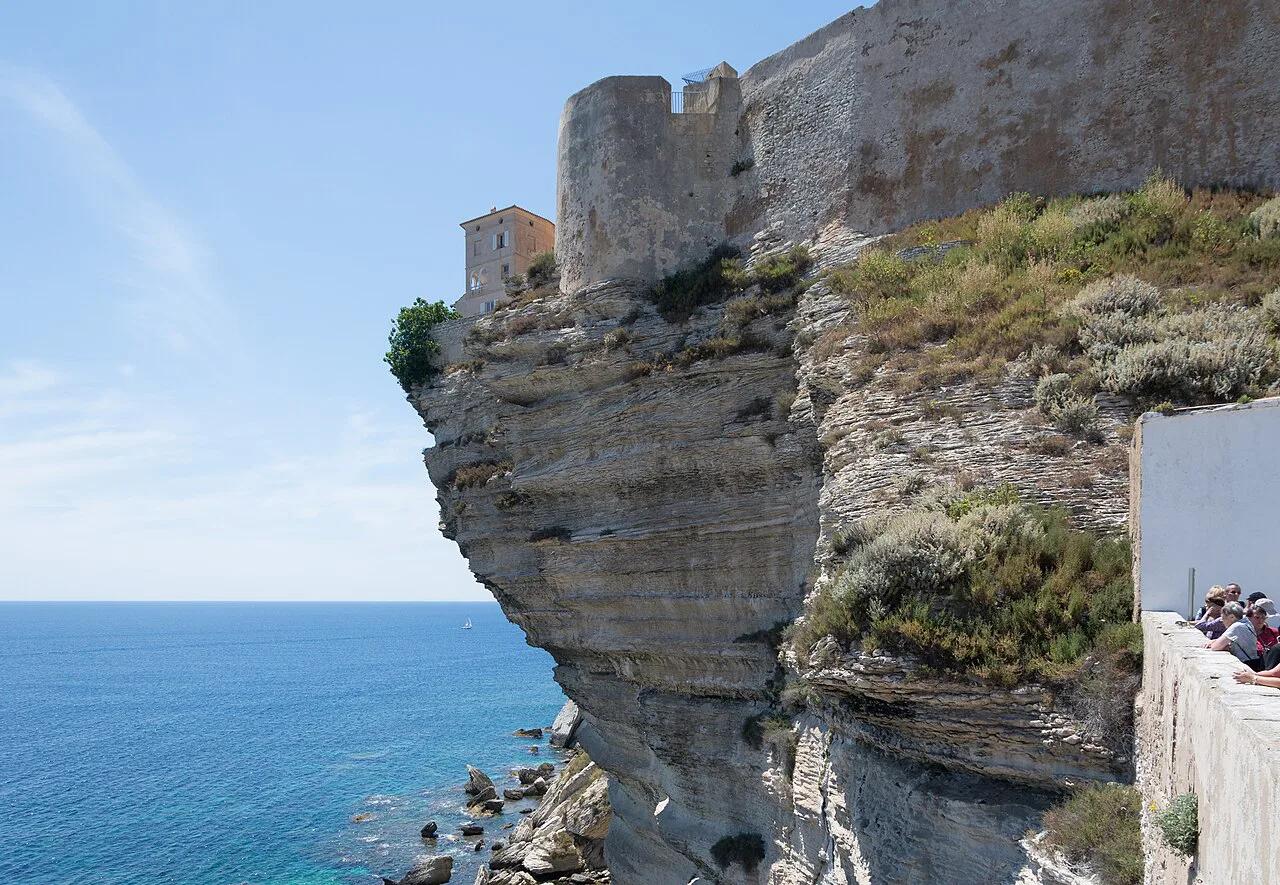
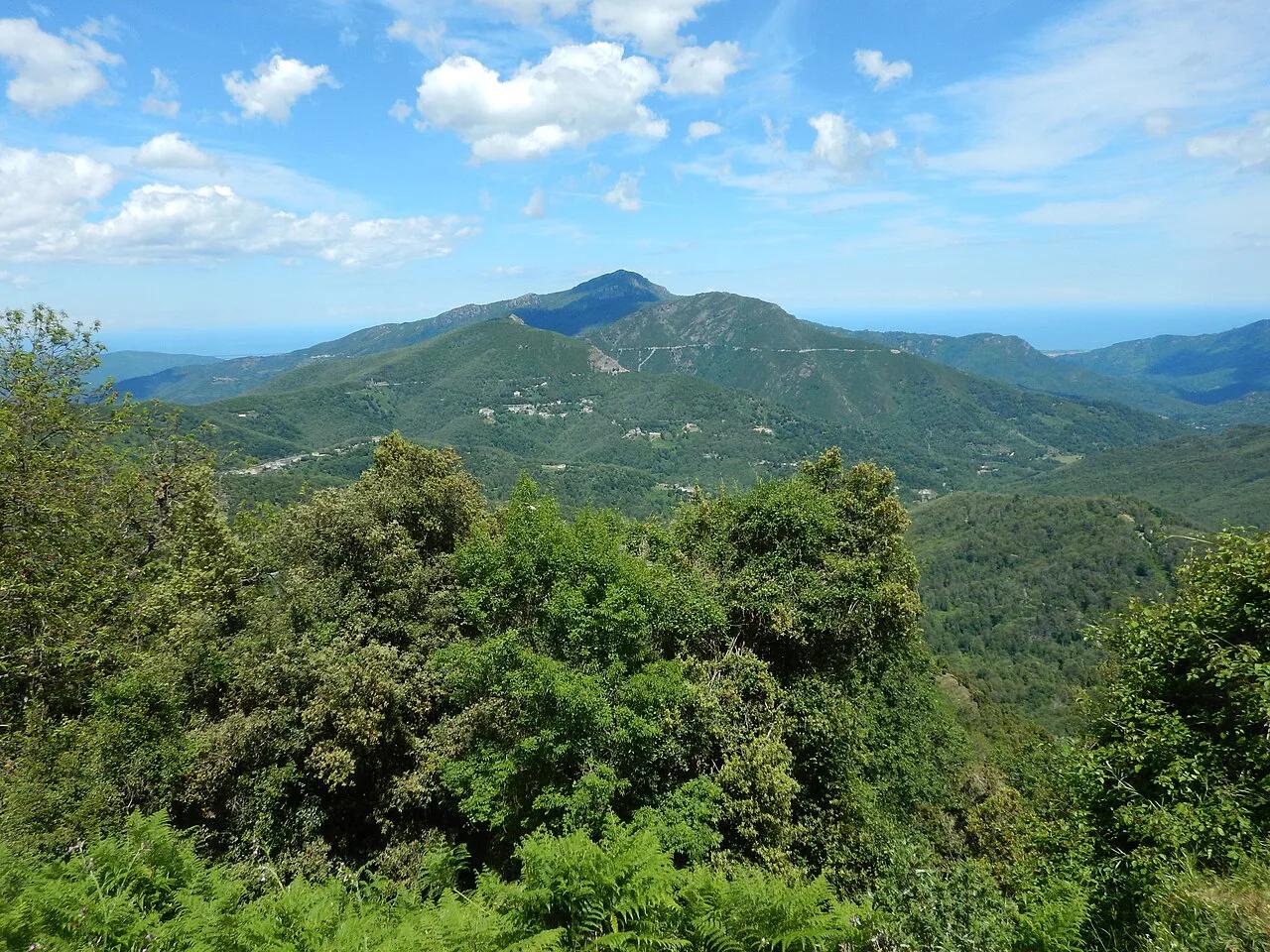
Featured image: Olivier Dugornay, CC BY 4.0, via Wikimedia Commons.
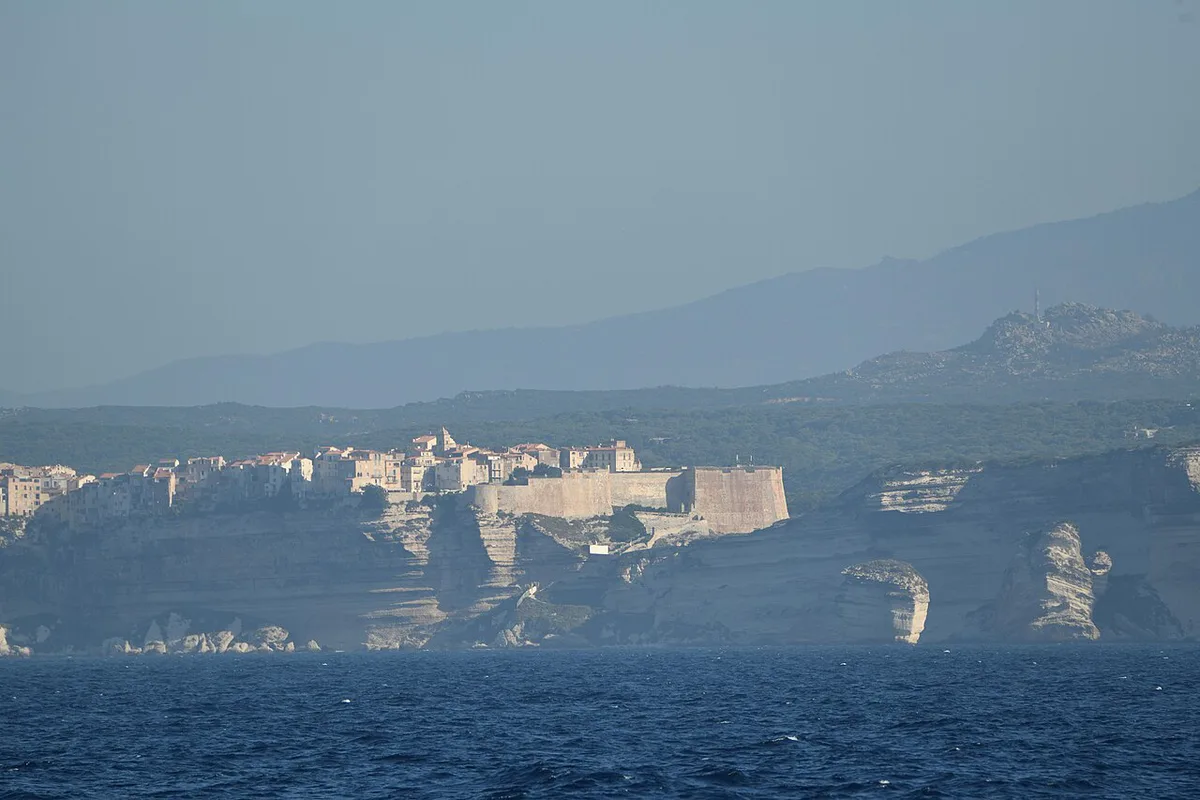
Where Corsica is on the map
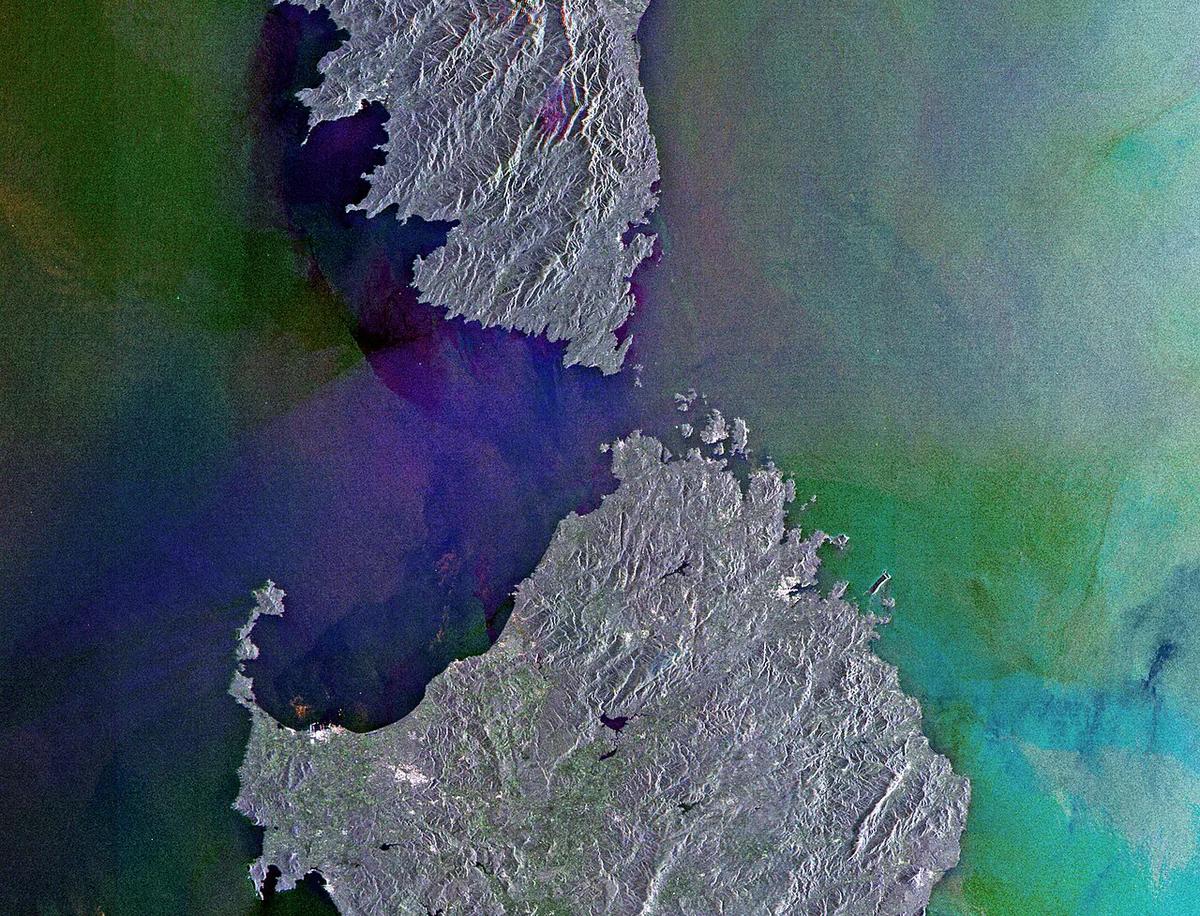
Corsica lies in the Mediterranean Sea, west of Italy and north of the Italian island of Sardinia. Mainland France sits to the northwest and north. Its position runs between the 41st and 43rd degrees north latitude and the 8th and 10th degrees east longitude. Distances from the island to the main reference points are roughly 180 km to Nice, 85 km to Livorno and 12 km to Sardinia. The coastline adds up to about 1,000 km, so most of the island is within reach of the sea. Distances are approximate and measured across open water.
| Reference point | Approx. distance | How you cross | Where to read more |
|---|---|---|---|
| Nice (France) | About 180 km | Ferry or flight | Nice to Corsica Ferry: Route, Timetable, Cost & Tips |
| Marseille (France) | Ferry and flight options | Ferry or flight | Marseille to Corsica Ferry: Routes, Times, Prices & Booking Tips |
| Livorno (Italy) | About 85 km | Ferry | Ferry routes to Corsica |
| Sardinia (Italy) | About 12 km | Short strait crossing from Bonifacio | Corsica vs Sardinia: Which Island Should You Visit? |
Is Corsica in France or Italy?
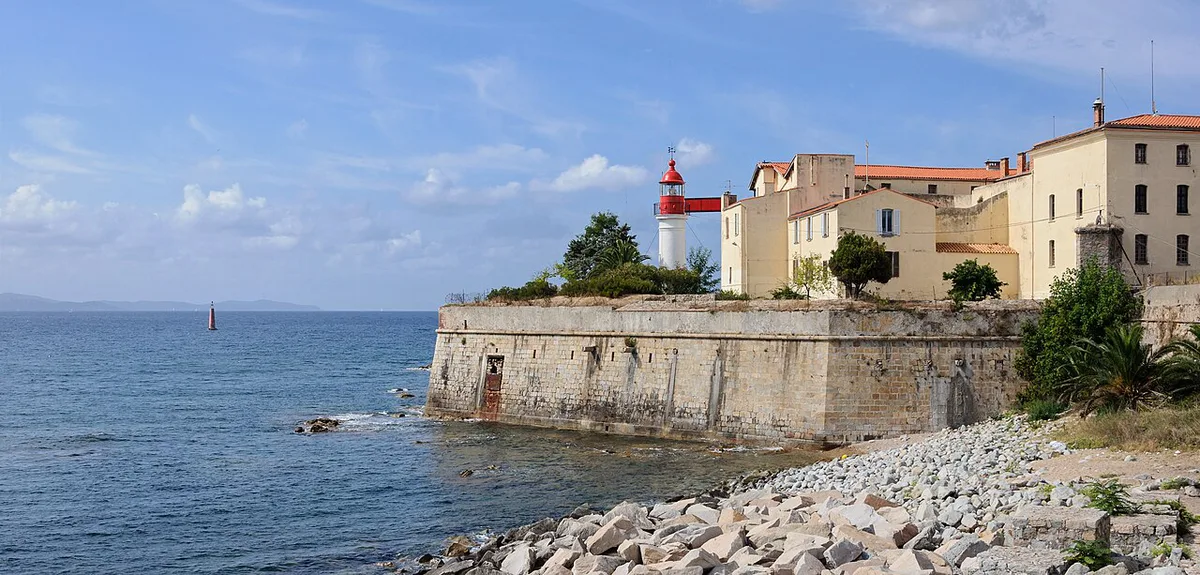
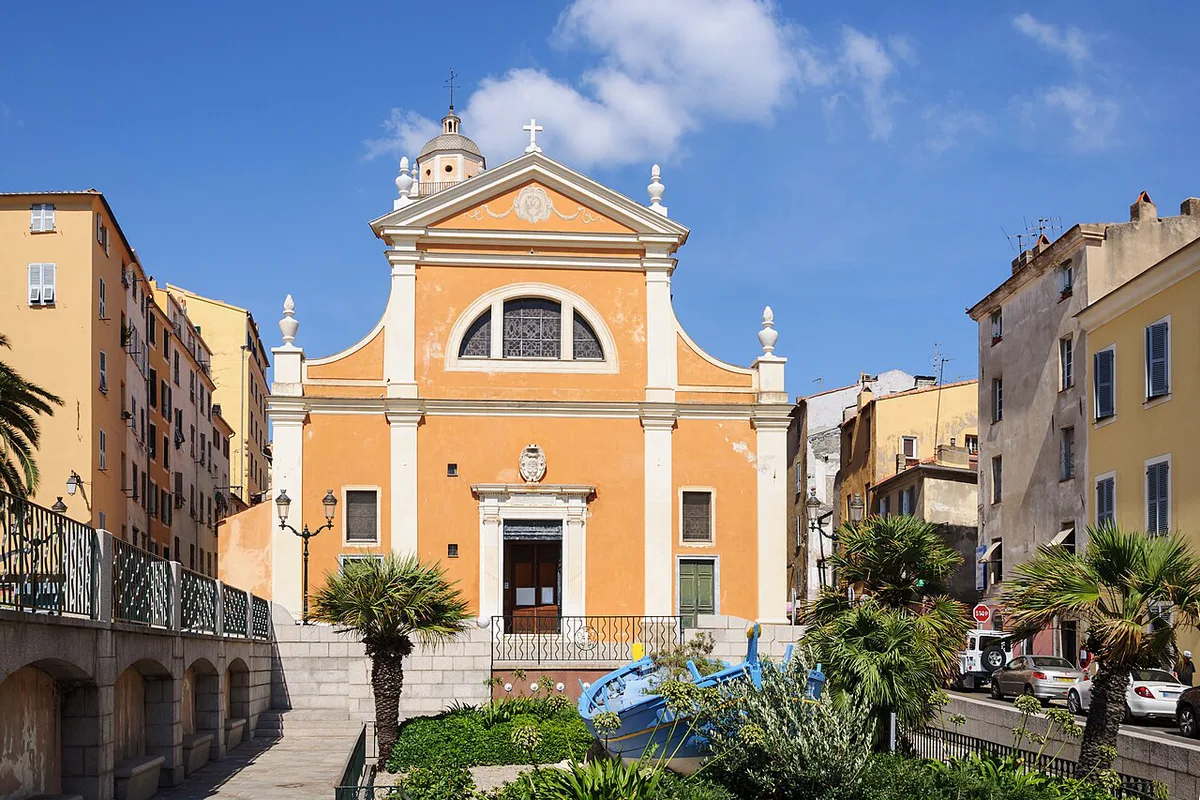
Corsica belongs to France. Administratively it is a single territorial collectivity, the Collectivité de Corse. It is divided into two départements, Haute-Corse (prefecture Bastia) and Corse-du-Sud (prefecture Ajaccio). Ajaccio is also the island's capital. The Italian feel comes from history. Genoa ruled Corsica for centuries and sold its rights to France in 1768, and the island became a French province after 1769. Napoleon Bonaparte was born in Ajaccio that same year. Everyday practicalities follow France. The currency is the euro, and French is the official language. Corsican is still spoken by an estimated 60,000 to 100,000 people but has no official status as a second language. Constitutional autonomy for the island is still under political discussion, and the outcome is open.
Corsica vs Sardinia: how to tell them apart
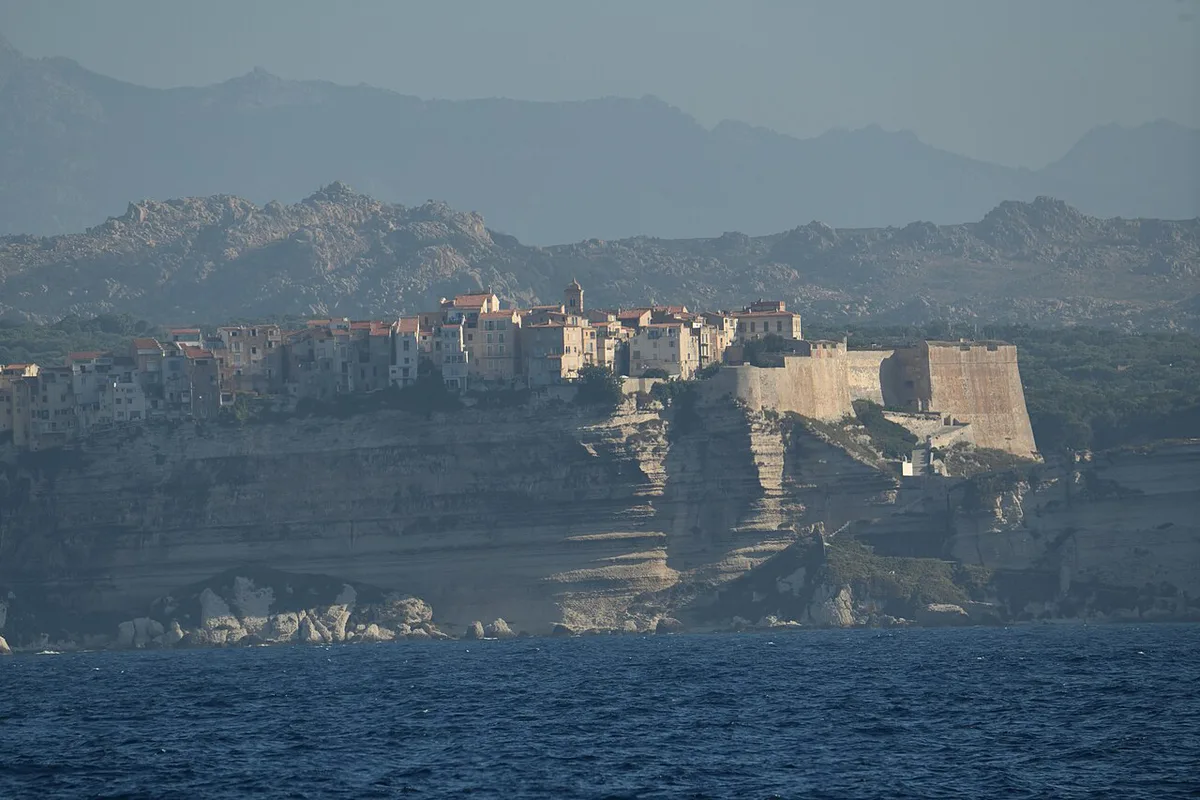
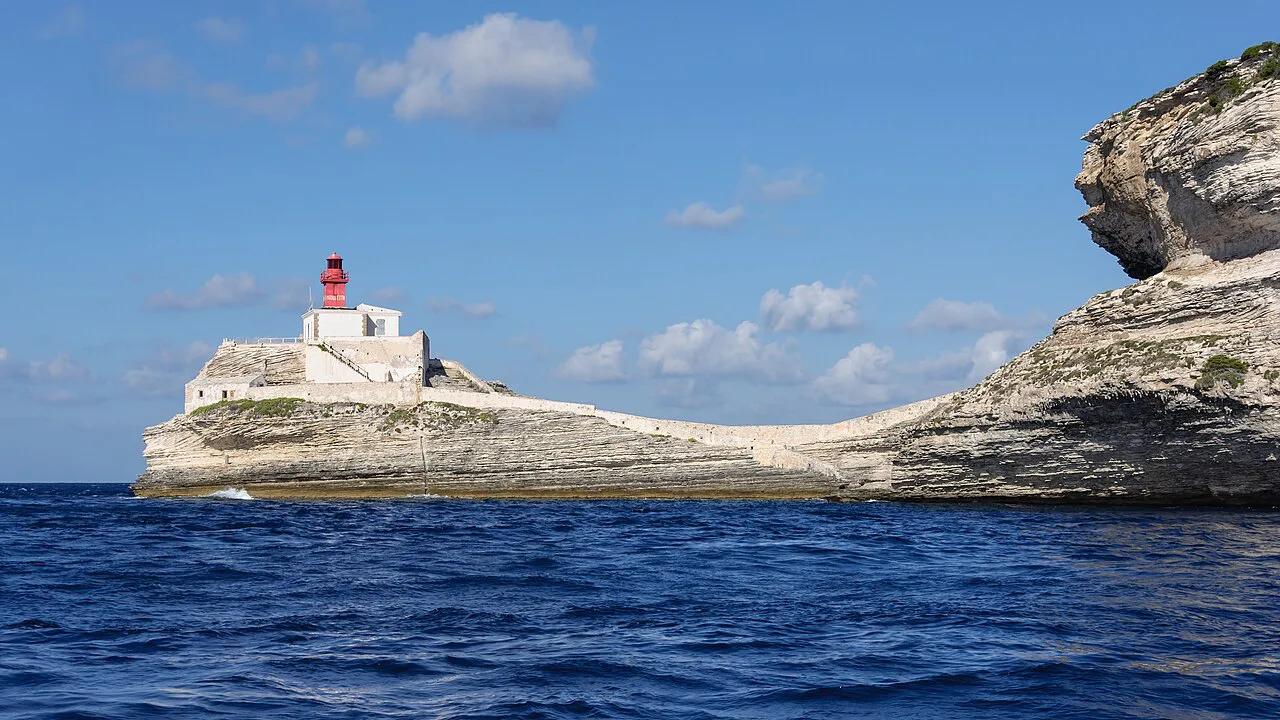
Corsica is the northern island and belongs to France. Sardinia is the southern island and belongs to Italy. Between them runs the Strait of Bonifacio, about 12 km wide at its narrowest. The Lavezzi Islands: How to Visit From Bonifacio (Boats, Rules, Tips) sit in that strait near Bonifacio. A marine reserve protects the area, and the Bouches de Bonifacio nature reserve publishes its rules. For a full side-by-side, read our Corsica and Sardinia comparison. Sardinia's own visitor information is at Sardegna Turismo.
| Corsica | Sardinia | |
|---|---|---|
| Country | France | Italy |
| Position | North | South |
| Size order | Smaller of the two | Larger of the two |
| Language | French, with Corsican | Italian, with Sardinian |
| Currency | Euro | Euro |
Size and shape: what it means for planning
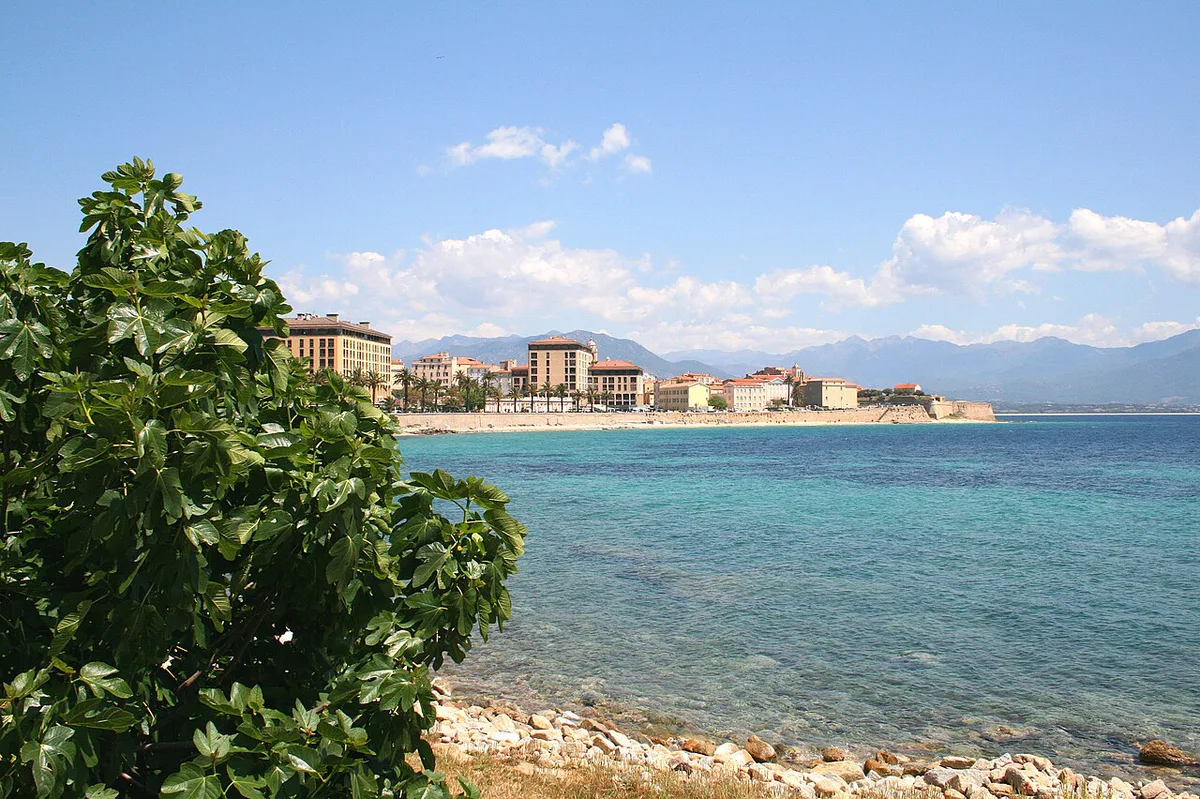
Corsica covers about 8,680 km², which makes it the fourth largest island in the Mediterranean. It measures roughly 183 km from north to south and 83 km from east to west. Sources round these figures slightly differently, so treat them as approximate. A small map hides a steep interior. Monte Cinto rises to 2,706 m and stands only about 25 km from the sea. Around 86% of the island is mountainous, with roughly 14% coastal lowland. Distances look short on paper. Winding mountain roads make real journeys slower than the kilometres suggest, so plan a base in one or two regions rather than trying to cross the whole island in a day.
Main gateways and regions at a glance
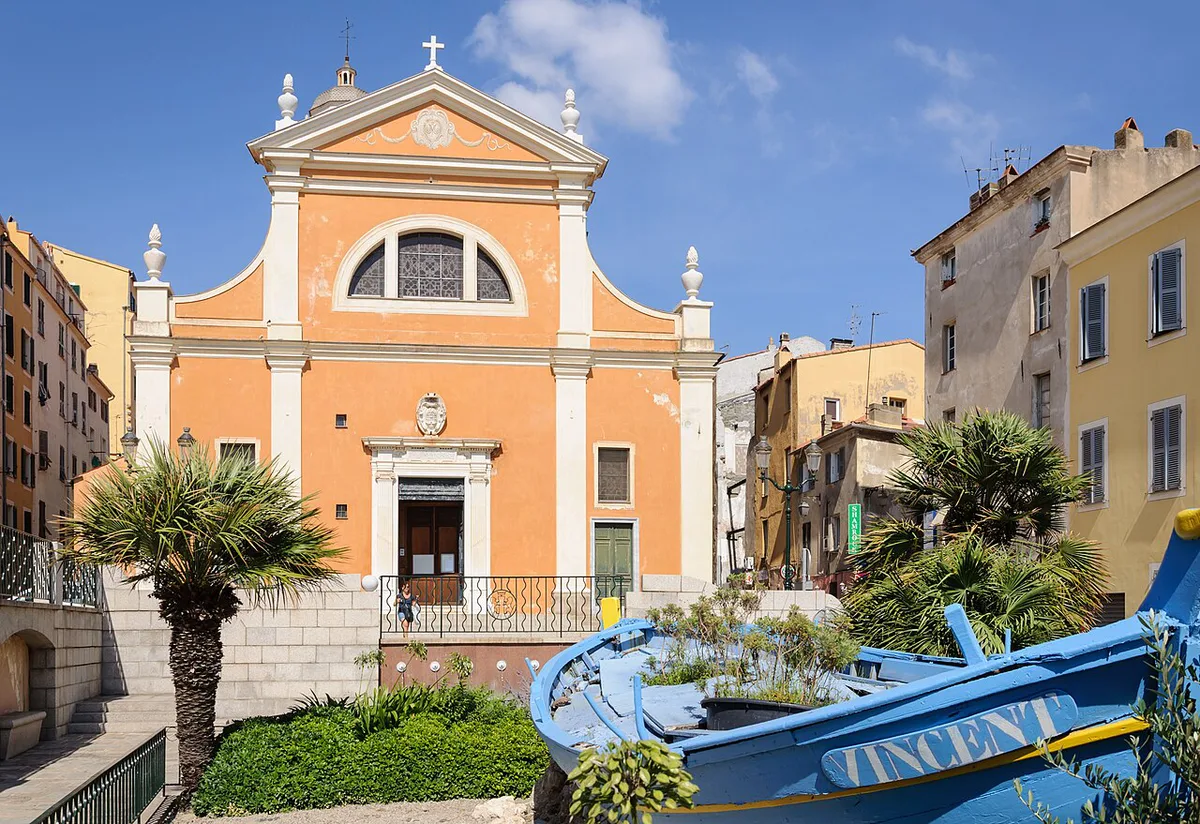
Ajaccio in the southwest and Bastia in the northeast are the two main cities. Around 40% of the island's roughly 355,000 residents live in and around them. Other bases suit different trips. The table below gives a quick match, and the Corsica hub guide goes deeper on each area.
| Place | Part of the island | Best for |
|---|---|---|
| Ajaccio | Southwest | City base, Napoleon's birthplace |
| Bastia | Northeast | Port town, access to Cap Corse |
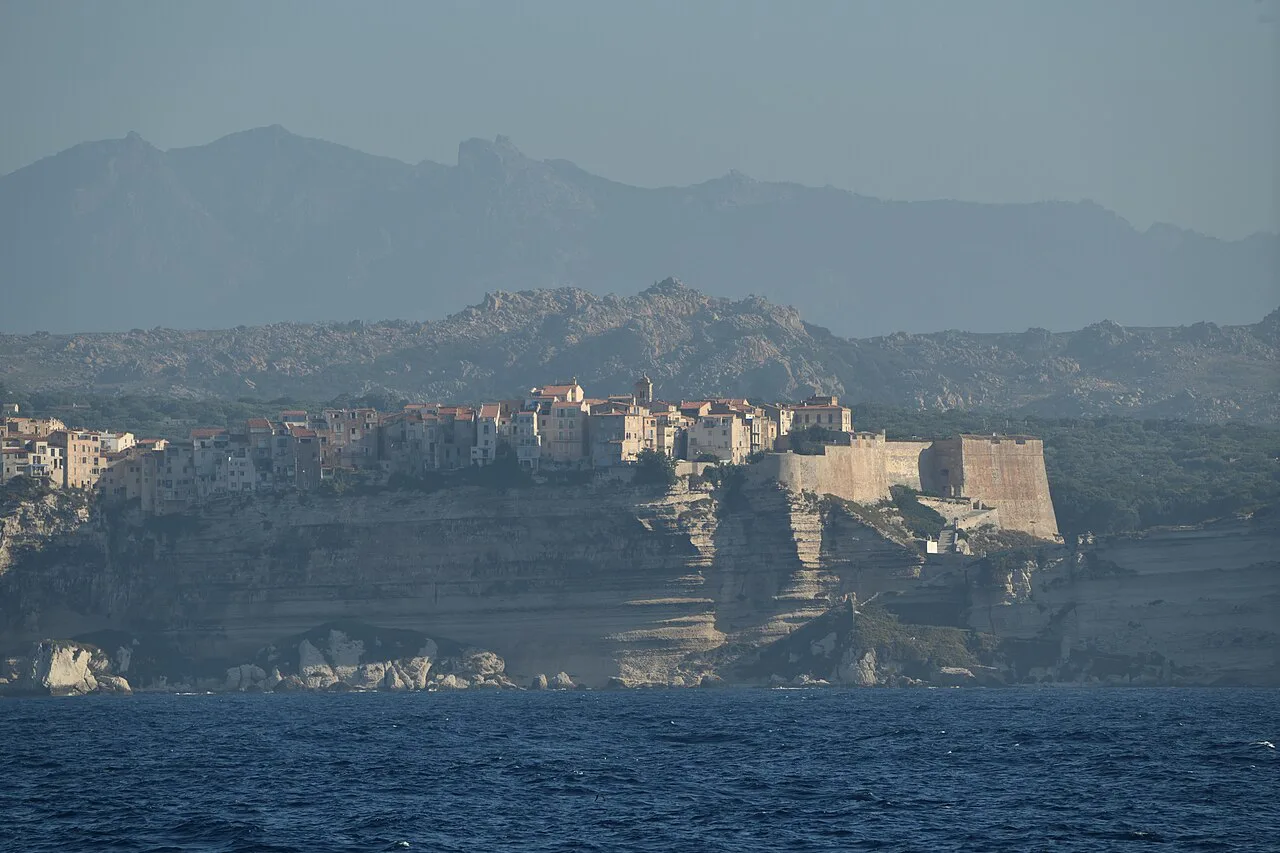
| Bonifacio | South | Cliffs, Lavezzi Islands boat trips |
| Calvi | Northwest, Balagne | Beaches, coastal stays |
| Porto-Vecchio | Southeast | Beach holidays |
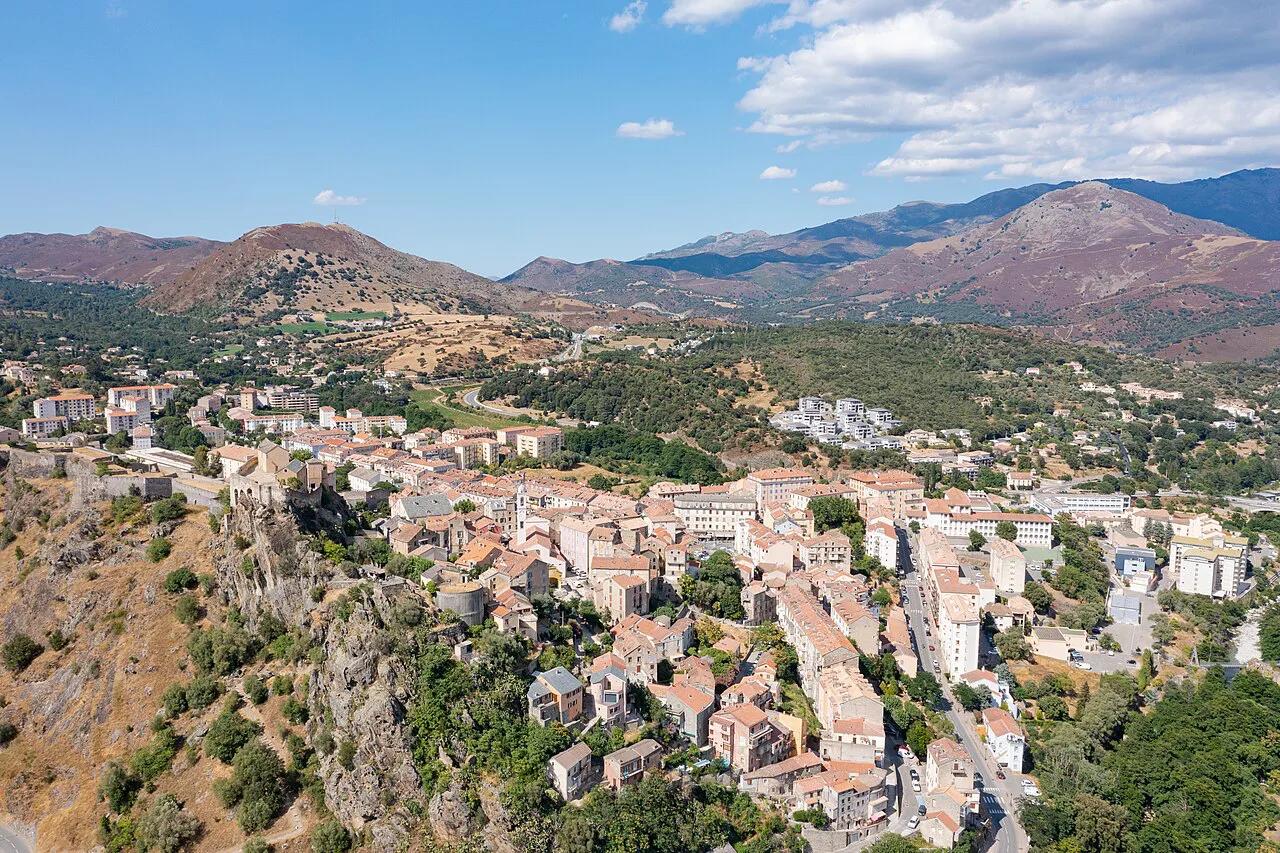
| Corte | Interior | Mountains, hiking |
How to get to Corsica from where it is
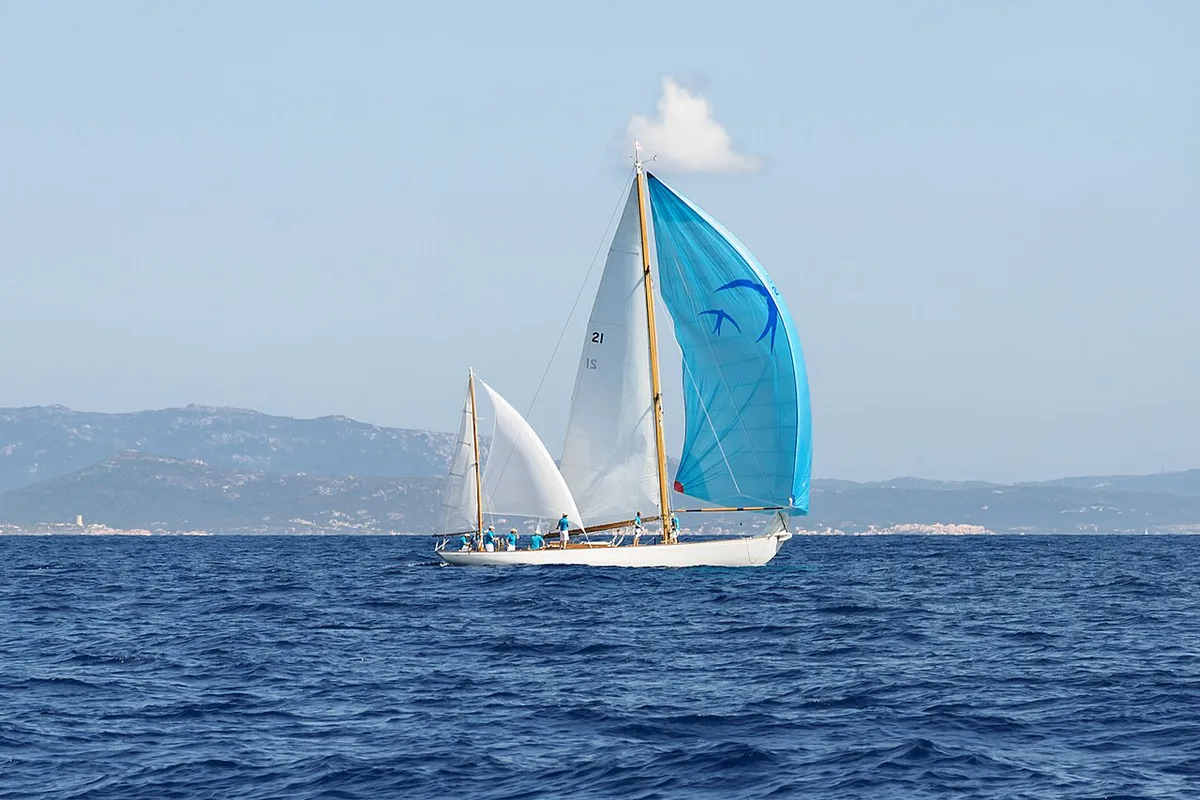
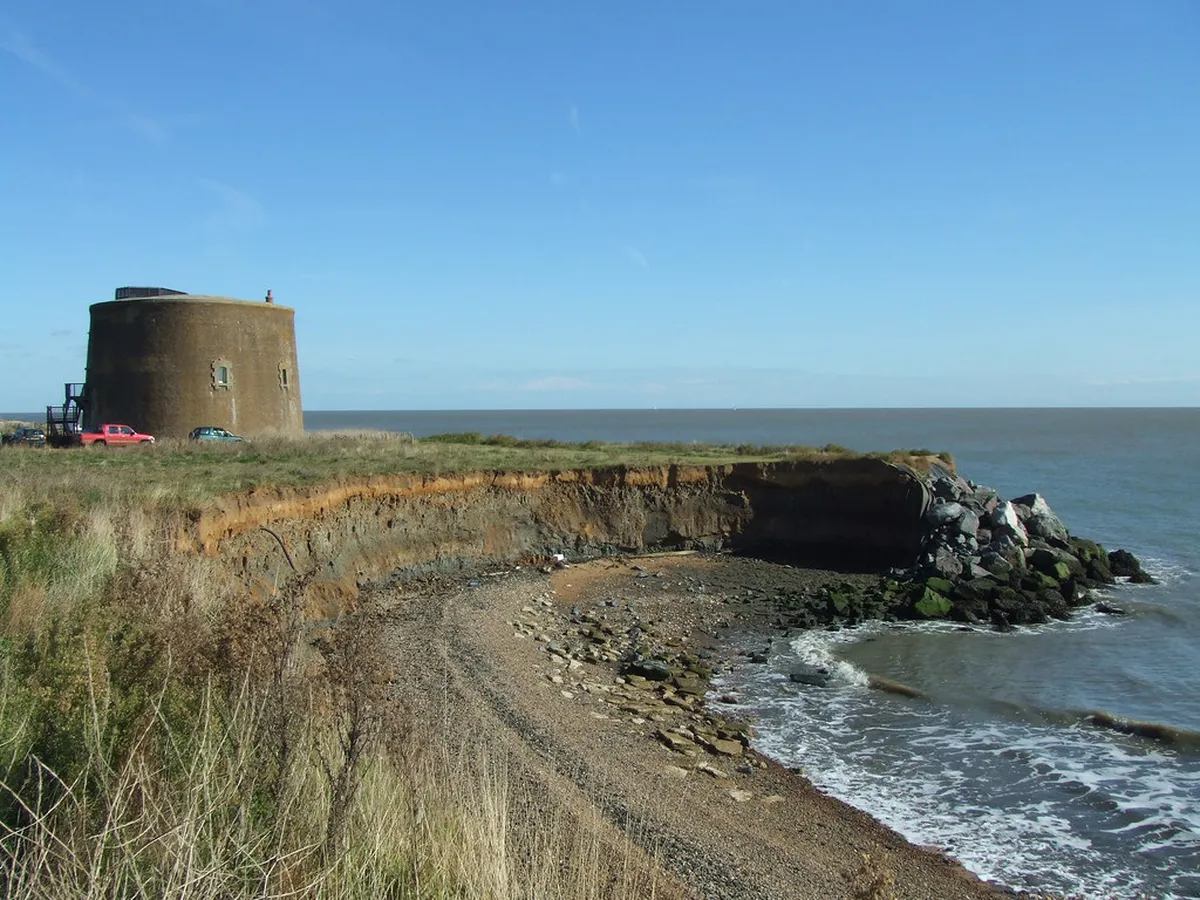
Because Corsica is an island, you arrive by ferry or by plane. Ferries run from Nice, Marseille and Toulon in France. Several Italian ports, including Livorno, Genoa and Savona, also have links, as does Sardinia. Operators such as Corsica Linea and La Méridionale publish current routes and timetables. Flights land at Ajaccio, Bastia, Calvi and Figari. Airport details are on the Aéroports de Corse site. Seasonal direct flights from several European airports are common in summer. Outside the high season, connections often go through Paris, Lyon, Marseille or Nice. Routes and schedules change by season, so check operators before booking. Pick a ferry if you bring a car or heavy luggage. Pick a flight when you want a shorter trip and flexible dates. Start with the ferry overview for route choices.
- Nice: the closest major French port, covered in our Nice route guide.
- Marseille: a second French departure option with its own ferry guide.
- Livorno and other Italian ports: useful if you travel from Italy.
- Flights: Ajaccio, Bastia, Calvi and Figari airports.
When location affects timing
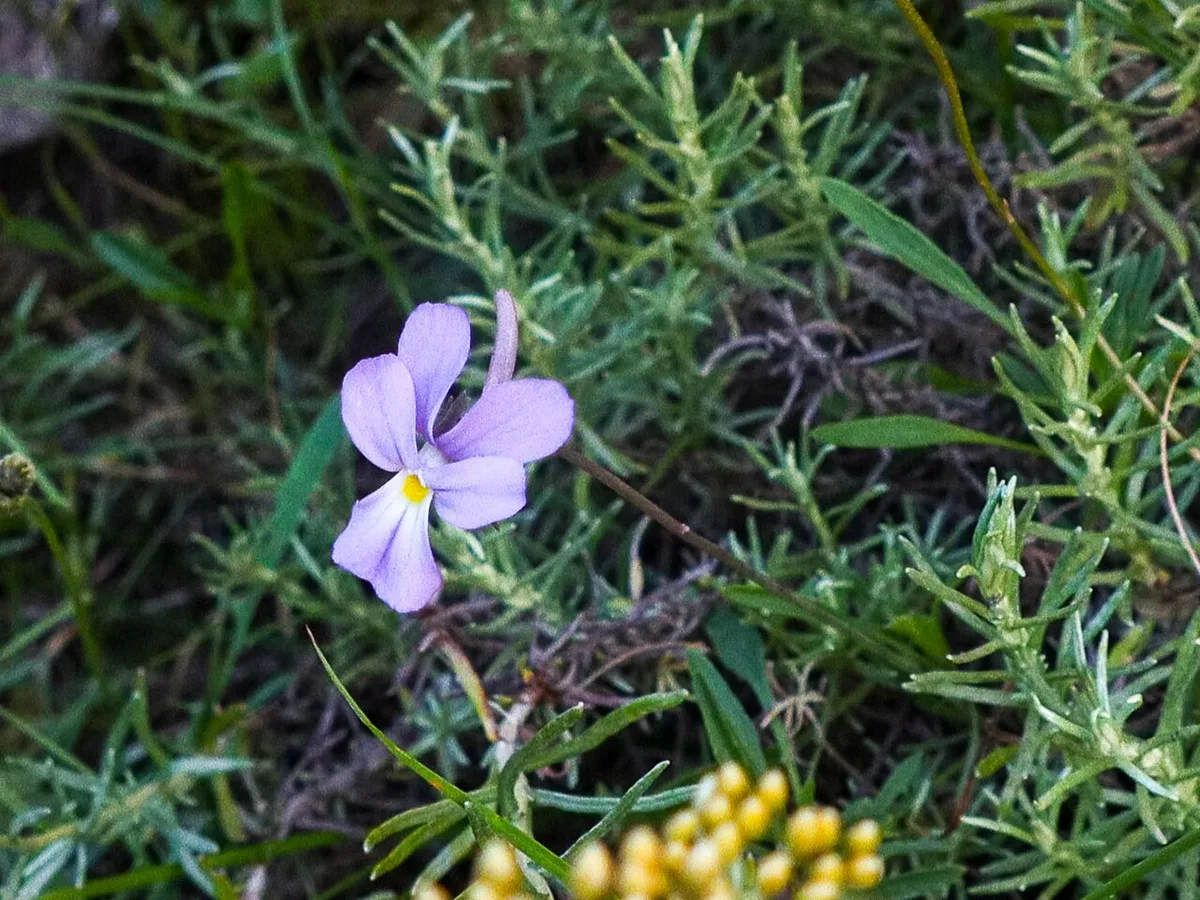
Corsica has a western Mediterranean climate with warm, dry summers and mild, wetter winters. Midsummer coastal temperatures often pass 30 °C, and the sea reaches around 25 °C. July and August are the peak months, so book ferries and accommodation early. May, June, September and October bring lower crowds and pleasant weather. Our Best Time to Visit Corsica: Month-by-Month Picks by Priority page explains the seasons. For monthly detail, see Corsica Weather by Month: Temperatures, Rain and Sea. October travellers can read what Corsica is like in October.
Is it worth the trip?
Corsica suits travellers who want mountains and sea in one compact island. Hikers, beach visitors and road-trippers all find a base. Skip it if you want a short, flat, low-cost city break, since accommodation prices are comparable to the Côte d'Azur. For the full verdict, read Is Corsica Worth Visiting? An Honest Verdict (Who It Suits). Then return to the main Corsica guide to plan regions.
Mistakes to avoid when placing Corsica
A few assumptions trip up first-time planners.
- Corsica is not Sardinia: they are separate islands in two countries.
- Corsica is French, so the euro and French rules apply.
- Ferry schedules are not constant year-round, so check the season.
Frequently Asked Questions
What is the Corsican language?
Corsican is a regional language spoken alongside French. French is the official language and the everyday lingua franca. An estimated 60,000 to 100,000 people still speak Corsican actively.
Is Corsica very expensive?
Accommodation is priced at roughly Côte d'Azur levels, and high-season weeks in July and August cost the most. Fish and shellfish are also comparatively expensive. May, June, September and October are cheaper.
Useful notes for your next island trip
Optional updates to our guides.
You might also like

Continue reading
More guides you'll find useful