12 Best Places to Visit in Corsica (Regions and Planning)
A practical Corsica guide: 12 best places by region, how to get there, when to go, how many days to stay and whether you need a car.
On this page
Last updated November 2026: Corsica is a mountainous French island in the western Mediterranean, about 170 km from the mainland and 12 km north of Sardinia. It suits hikers, beach travelers and history readers, but it is slow to cross, so choose one or two bases. Our 12 picks below run region by region, followed by a base table, a flight-or-ferry box and season trade-offs.
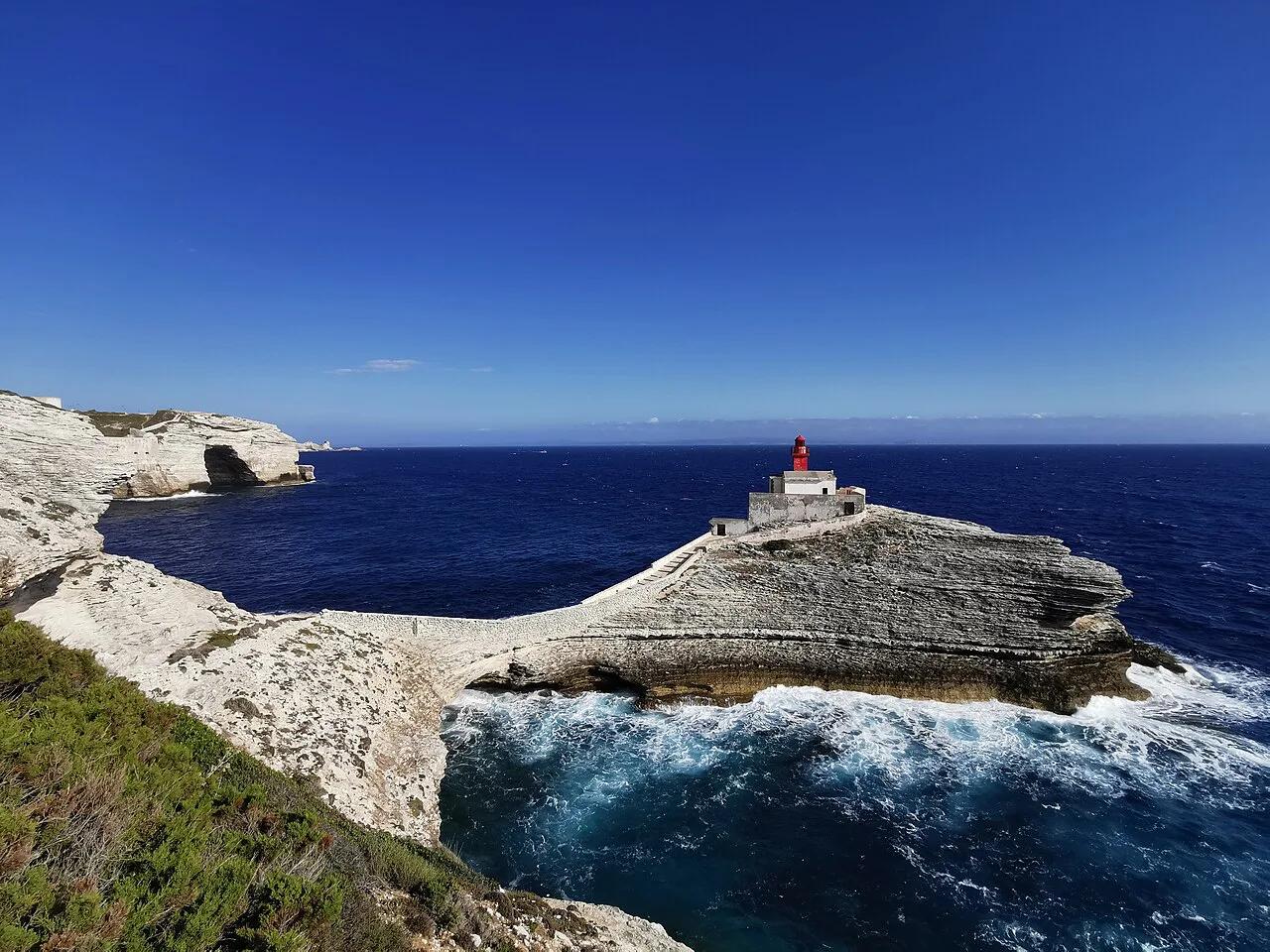
Featured image: Myrabella, CC BY-SA 3.0, via Wikimedia Commons.
Corsica at a Glance
Corsica belongs to France and splits into Haute-Corse and Corse-du-Sud. Pasquale Paoli led an independent Corsican Republic from 1755 to 1769, and Napoleon was born in Ajaccio in 1769. For map context, read where Corsica sits relative to France and Sardinia. Planning starts with the gateways and windows in the table below.
| Fact | Detail |
|---|---|
| Location | About 170 km from mainland France and 12 km north of Sardinia |
| Terrain | Granite spine with 20+ summits over 2,000 m |
| Languages | French and Corsican |
| Airports | Ajaccio (AJA), Bastia (BIA), Calvi (CLY), Figari (FSC) |
| Ferry ports | Nice, Toulon, Marseille, Livorno, Savona |
| Best window | May-June and September |
| UNESCO area | Gulf of Porto, including Piana, Girolata and Scandola |
12 Best Places in Corsica, Region by Region
Prices and hours checked November 2026. Entries move from the south and west toward the north and then the interior. Each one ends with who should skip it.
1. Ajaccio
Ajaccio is the main city on the southwest coast, set on the Golfe d'Ajaccio. Napoleon was born here in August 1769, and Maison Bonaparte on Rue Saint-Charles holds the family collection. Walk to the cathedral on Rue Forcioli-Conti, built in 1582 and the site of his baptism, then to Musée Fesch on Rue Cardinal-Fesch for its Italian old masters.
Place Foch, with its white marble Napoleon statue, is the easy orientation point. The Genoese citadel dates from 1492 but now serves as a military base, so you can only see it from outside. Good for first-timers, history readers and anyone arriving by air or ferry; skip it if you want empty beaches or mountains from your base.
2. Sanguinaires Islands
The Sanguinaires Islands are a red granite archipelago at the entrance to the Golfe d'Ajaccio, opposite Punta della Parata. Sunset boat trips run from Ajaccio and Porticcio, and the headland at Pointe de la Parata gives a free view from land. Plage Terre Sacrée on the D111 looks straight at the islands and has free parking.
Coastal paths along that shore suit short walks with a swim afterward. Larger boats are the calmer choice for anyone with back or heart problems. Skip the boat if rough seas bother you, and take the headland view instead.
3. Bonifacio
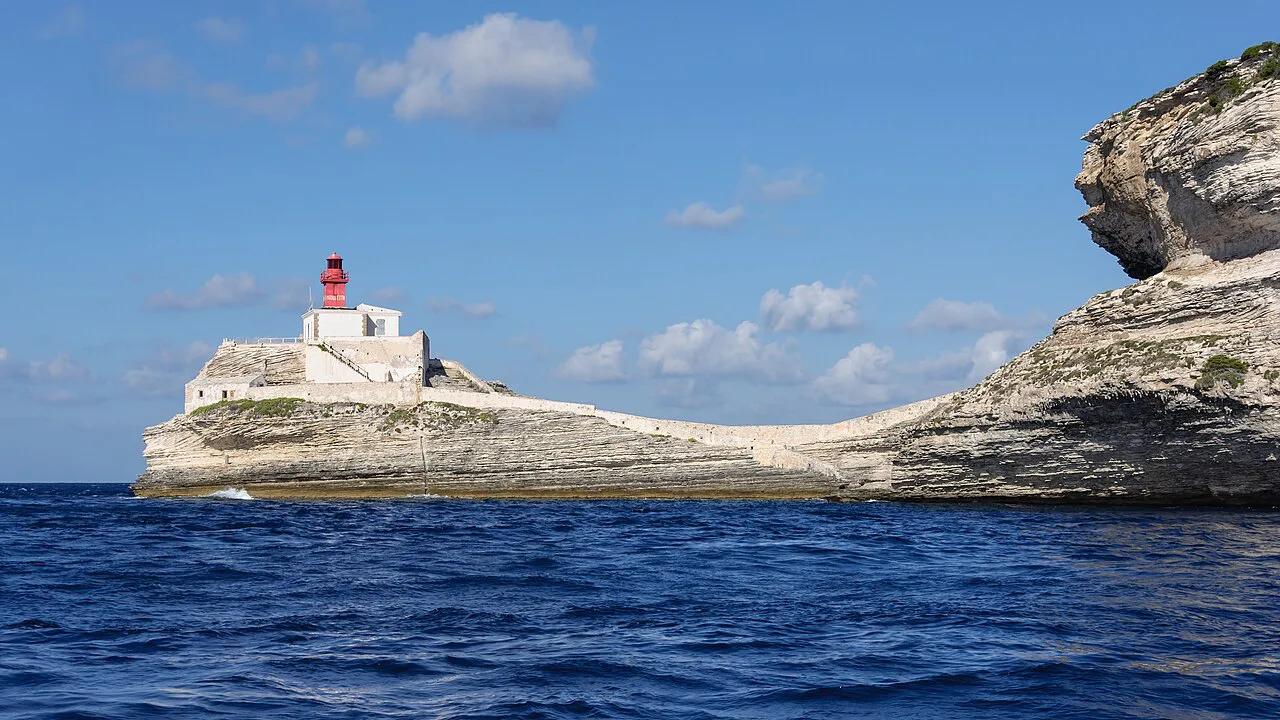
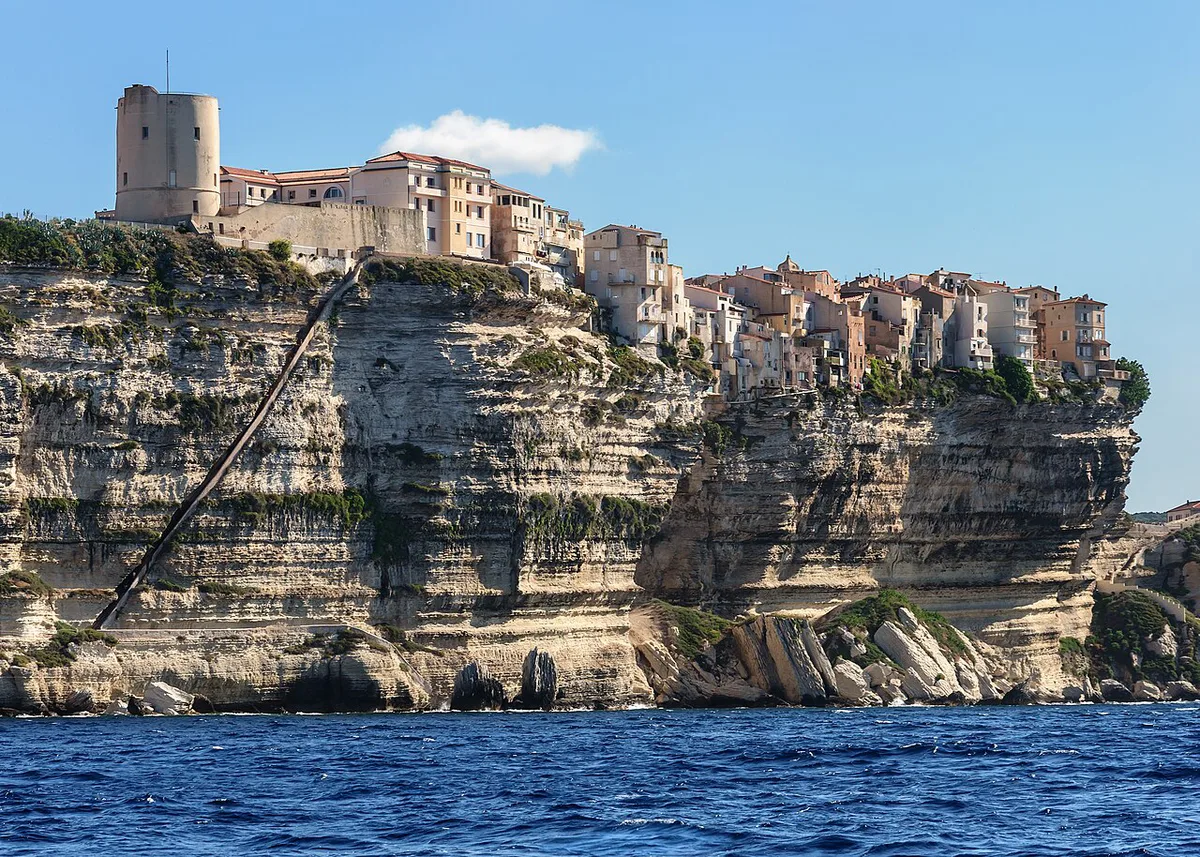
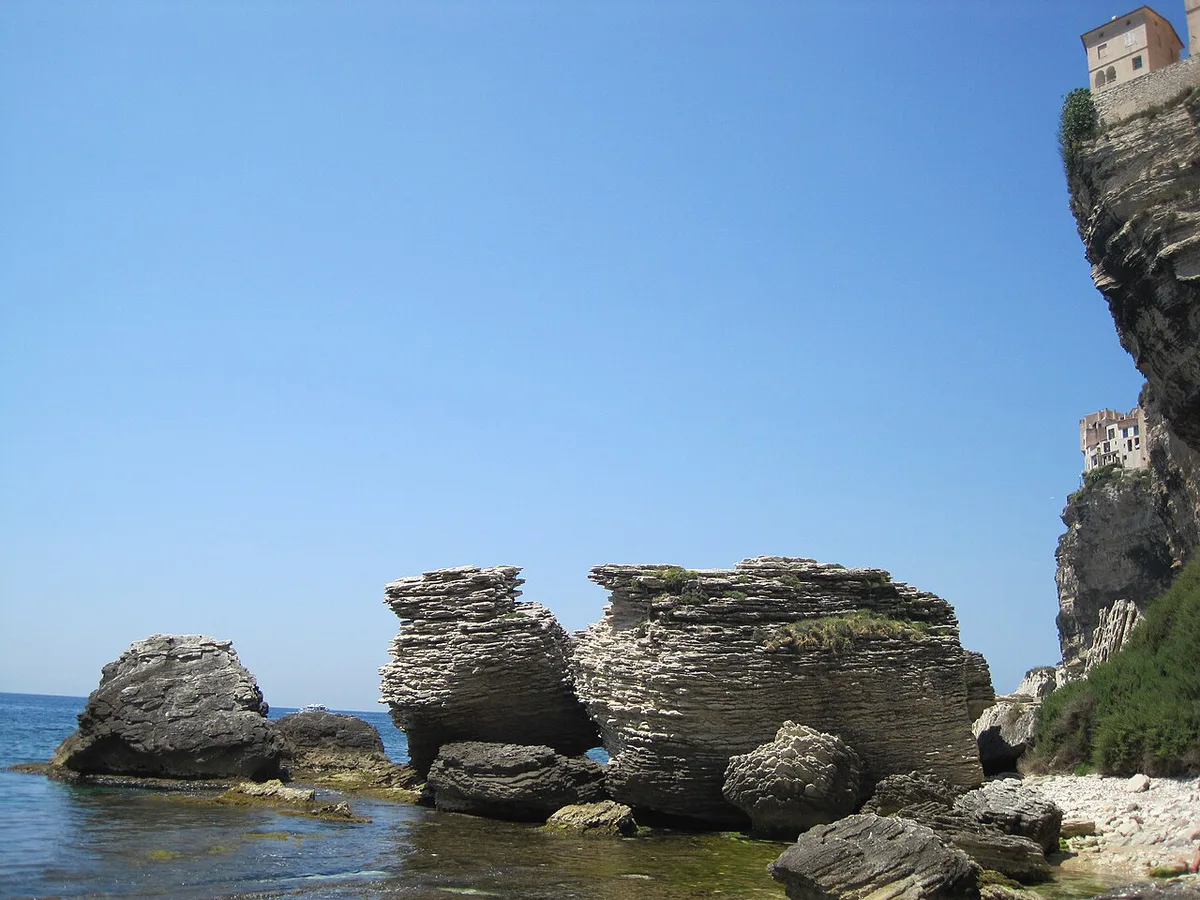
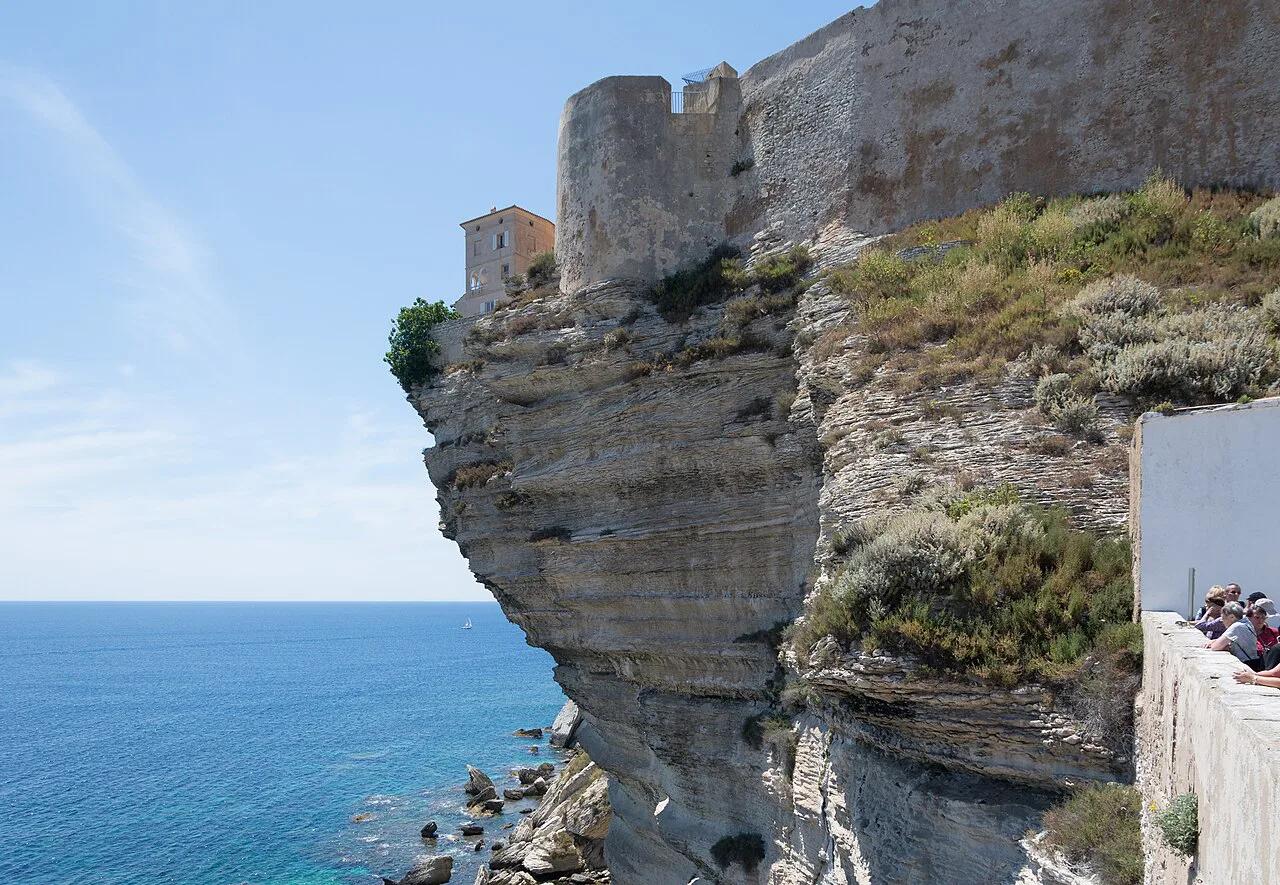
Bonifacio sits on the far southern tip of the island, known for white cliffs and a clifftop citadel. Walk the citadel in the morning, then take a boat along the cliff base to see how the old town overhangs the sea. Day boats also run from Ajaccio, but that is a long day, and sleeping near Bonifacio gives you quiet evening hours.
Pair it with the swimming stop at the Lavezzi group offshore. The harbour and old town fill up in midsummer, and sea conditions can change boat schedules. Skip it for a hiking-led trip, because this is a coastal stop, not a mountain base.
4. Lavezzi Islands
The Lavezzi Islands are a small offshore group in the Bouches de Bonifacio, protected as a nature reserve. Boats run from Bonifacio and, on longer day trips, from Ajaccio and Porticcio. You come for clear water and swimming stops, so bring swim gear and sun cover for open decks.
Access rules are set by the reserve, so book a licensed operator rather than improvising. A rough sea can cancel sailings, so keep a backup day near Bonifacio and a dry-land plan. Skip it if boats make you seasick or you only have one winter day.
5. Porto-Vecchio and the south-east beaches
Porto-Vecchio anchors the southeast, with Santa Giulia and Palombaggia as the best-known beach pair nearby. Both are sandy bays that suit relaxed beach days. Reach them by car or taxi from town, and arrive early in July and August because parking near popular beaches tightens.
Porto-Vecchio works as a base for the south, but Bonifacio is a separate outing, so plan each as its own day. Good for couples and families who want sand over sightseeing. Skip it in winter, when beach hours and seasonal services shrink.
6. Gulf of Porto and Piana
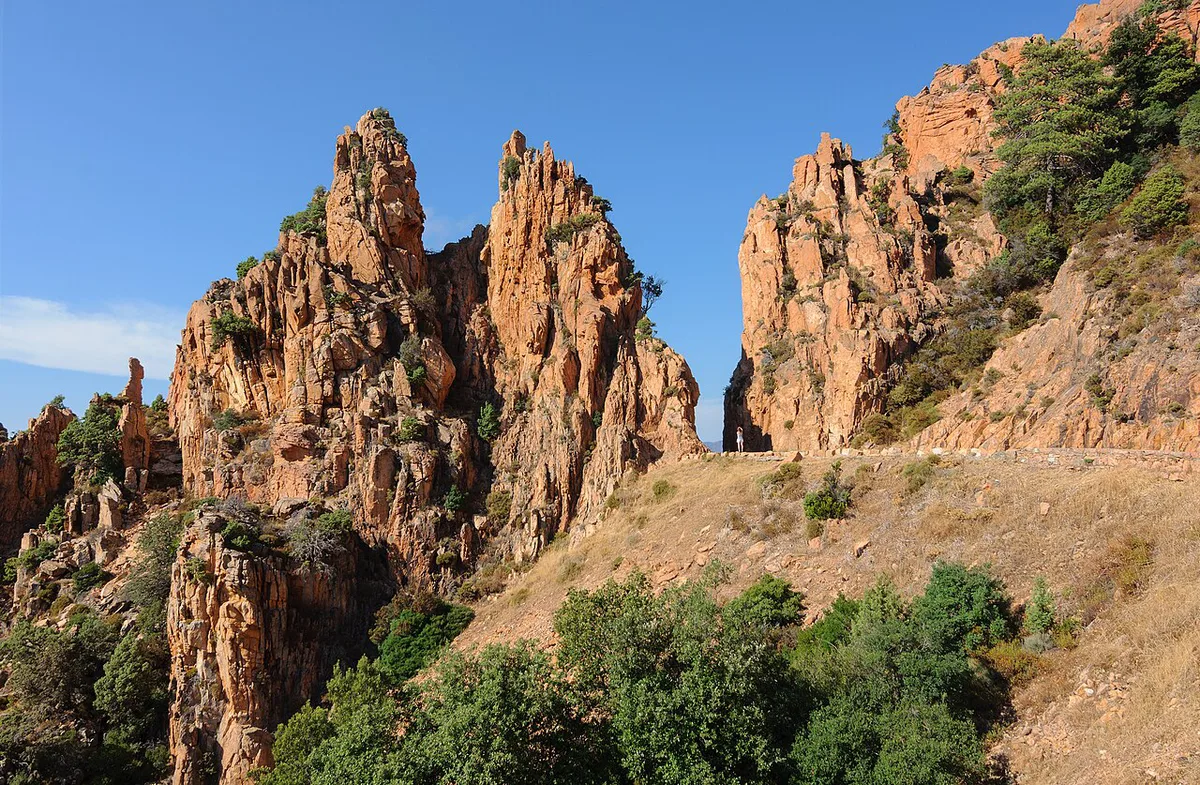
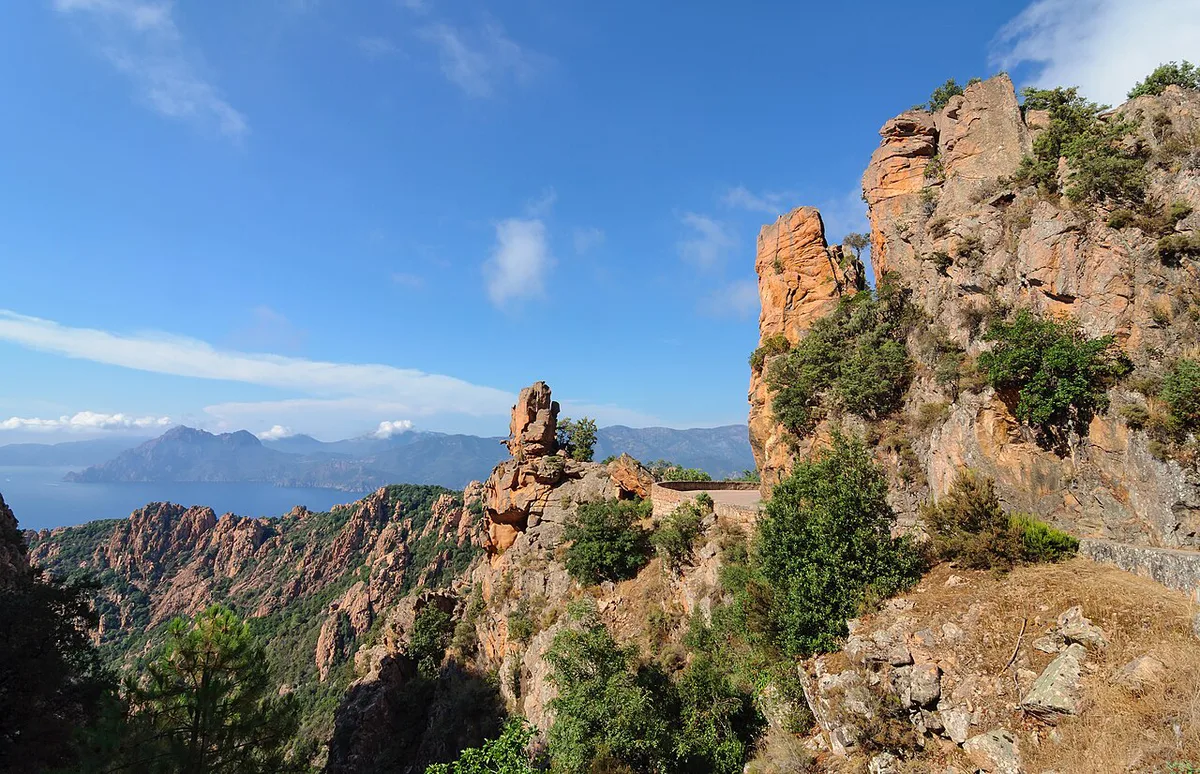
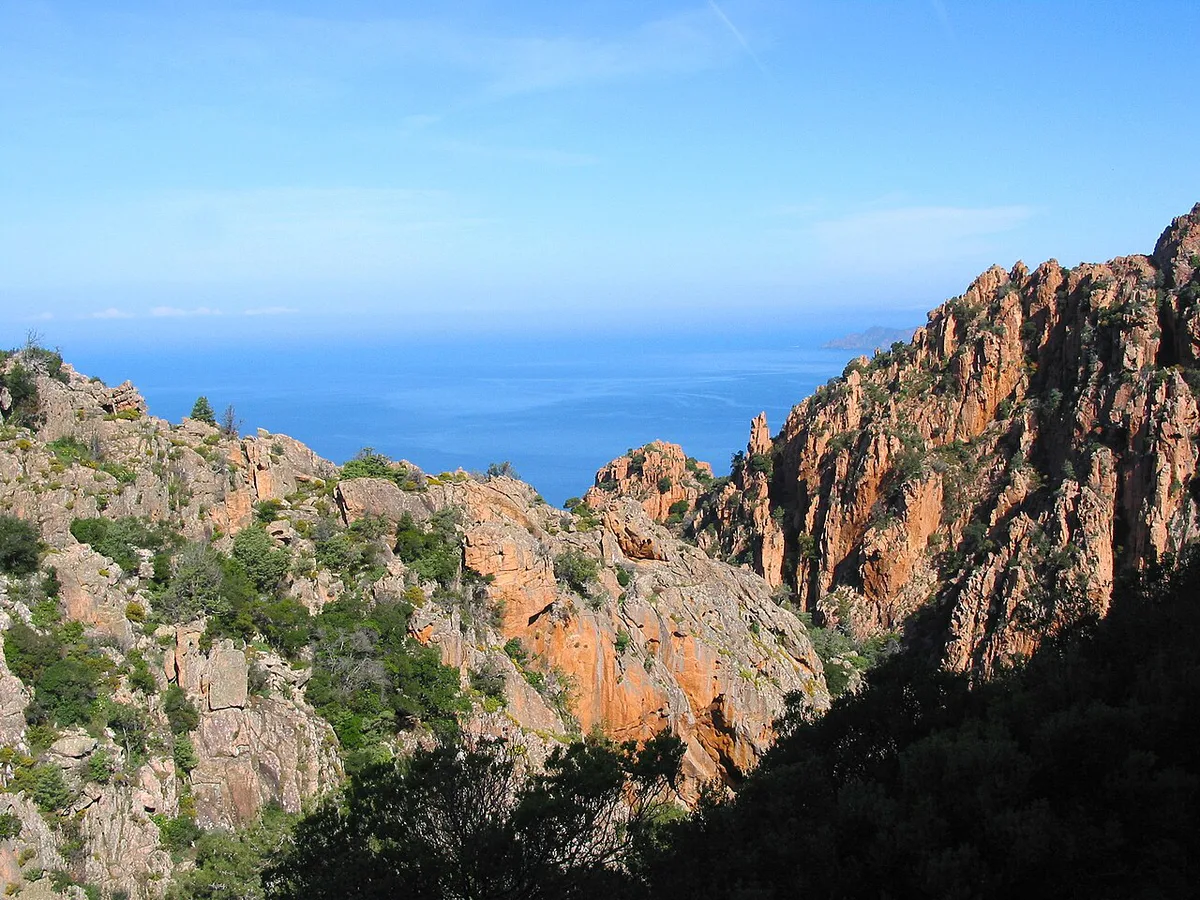
The Gulf of Porto, including Piana, Girolata and Scandola, is UNESCO-listed. Porto village is the base, and the Calanches de Piana are the red porphyry rock formations above the gulf. You can see the Calanches from the road, but a boat gives the cliffs their scale.
Boats to the gulf leave from Porto, and full-day tours also run from Ajaccio and Porticcio. Mountain roads make the approach slow, so build in extra time and avoid driving after dark. Skip it if you dislike winding roads or want a flat, easy base.
7. Scandola and Girolata
Scandola Nature Reserve is a protected stretch of coast reached mainly by sea. Girolata, a remote village, is the usual stop, and boats from Porto, Ajaccio and Porticcio call there. Capo Rosso and swimming breaks are commonly included on full-day tours.
Book ahead in summer, and choose a larger boat for comfort on a long sea day. Weather can change or cancel trips, so keep a second day free in the gulf. Skip it if you only have one day on the coast and prefer hiking.
8. Calvi and the Balagne
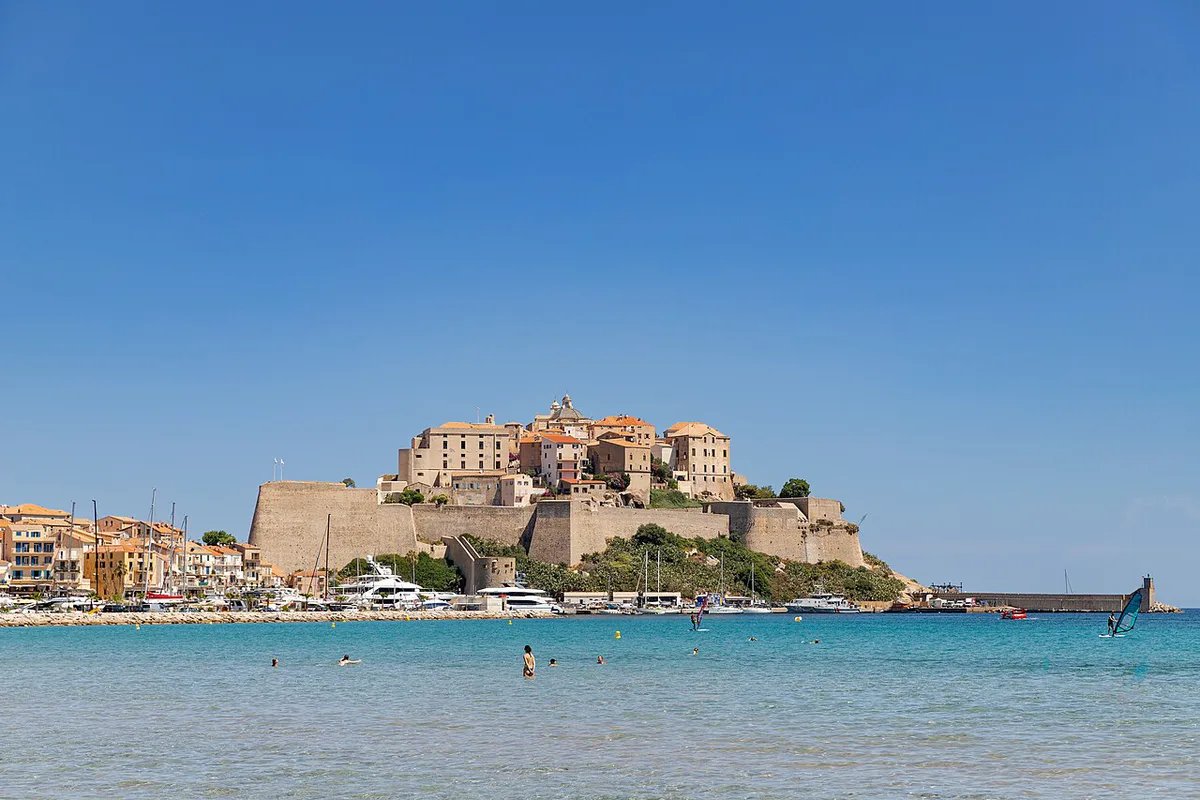
Calvi has its own airport (CLY), so you can fly in directly rather than transferring from Ajaccio or Bastia. Treat it as a beach-and-town base for the Balagne area, and use the official Corsica tourism site to pick sights and boat options before you commit nights. Detail on Calvi is thinner than on Ajaccio or Bonifacio, so use this entry as a starting option, not a full plan.
Good for fly-in couples and beach-first trips. Skip it if your plan centers on the south or the GR20.
9. Cap Corse and Nonza
Cap Corse is the finger of coast at the island's northern tip, and Nonza is its best-known village. Nonza is perched above the sea, so expect steps and views rather than a beach stop. From Saint-Florent, boats serve Saleccia and Lotu beaches, which are easier by sea than by road.
Allow a full day for the coast loop, since mountain roads slow driving more than a map suggests. Best for drivers, photographers and travelers who want a quieter north; skip it on a short trip based in the south.
10. Bastia
Bastia is a major port city with its own airport (BIA). It was one of three towns that Corsican rebels did not control by 1731, alongside Ajaccio and Corte. That makes it a useful stop for history readers who want Genoese-era context beyond Ajaccio.
Pairing Bastia with Nonza and Saint-Florent gives a compact northern loop of two or three nights. Use it as an arrival or departure city if you are touring the north. Skip long stays here if your main goal is swimming or the GR20.
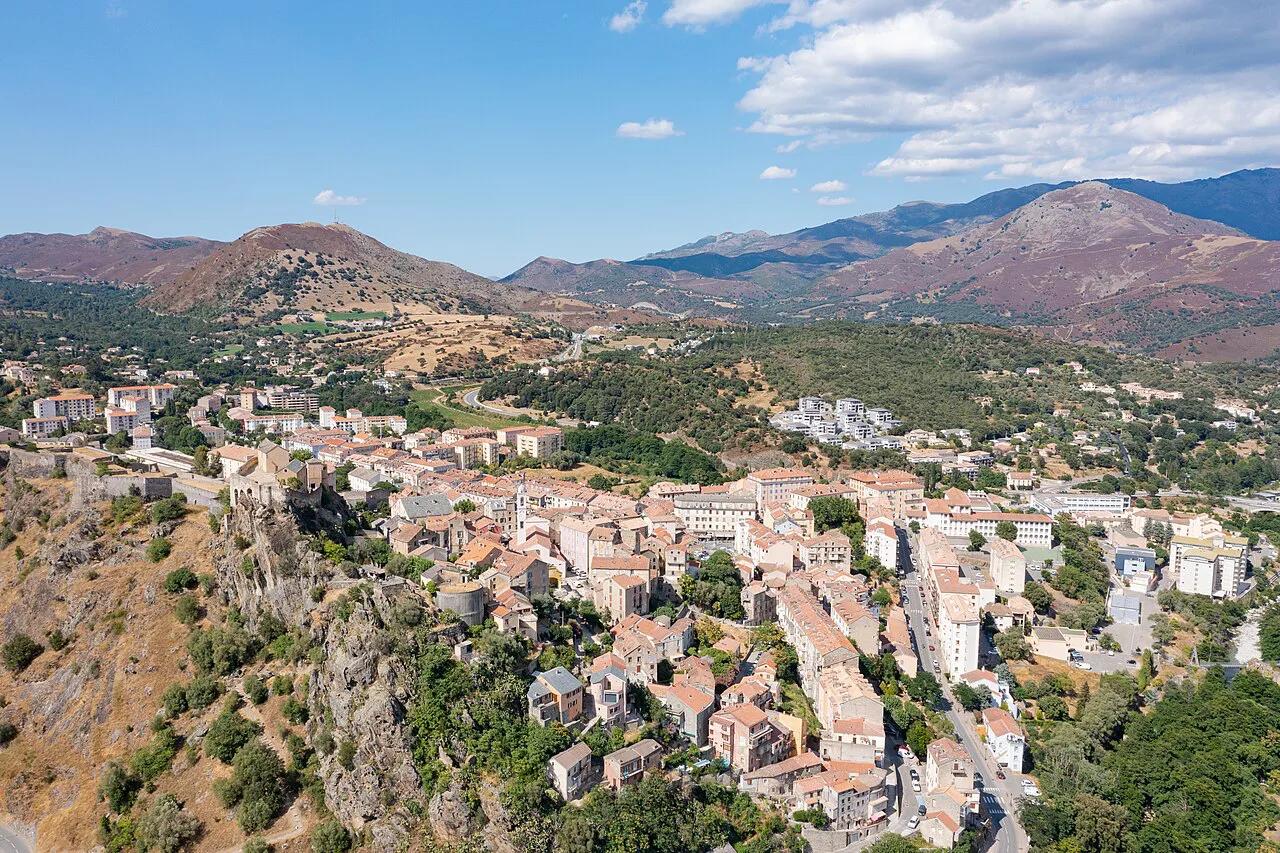
11. Corte and the GR20
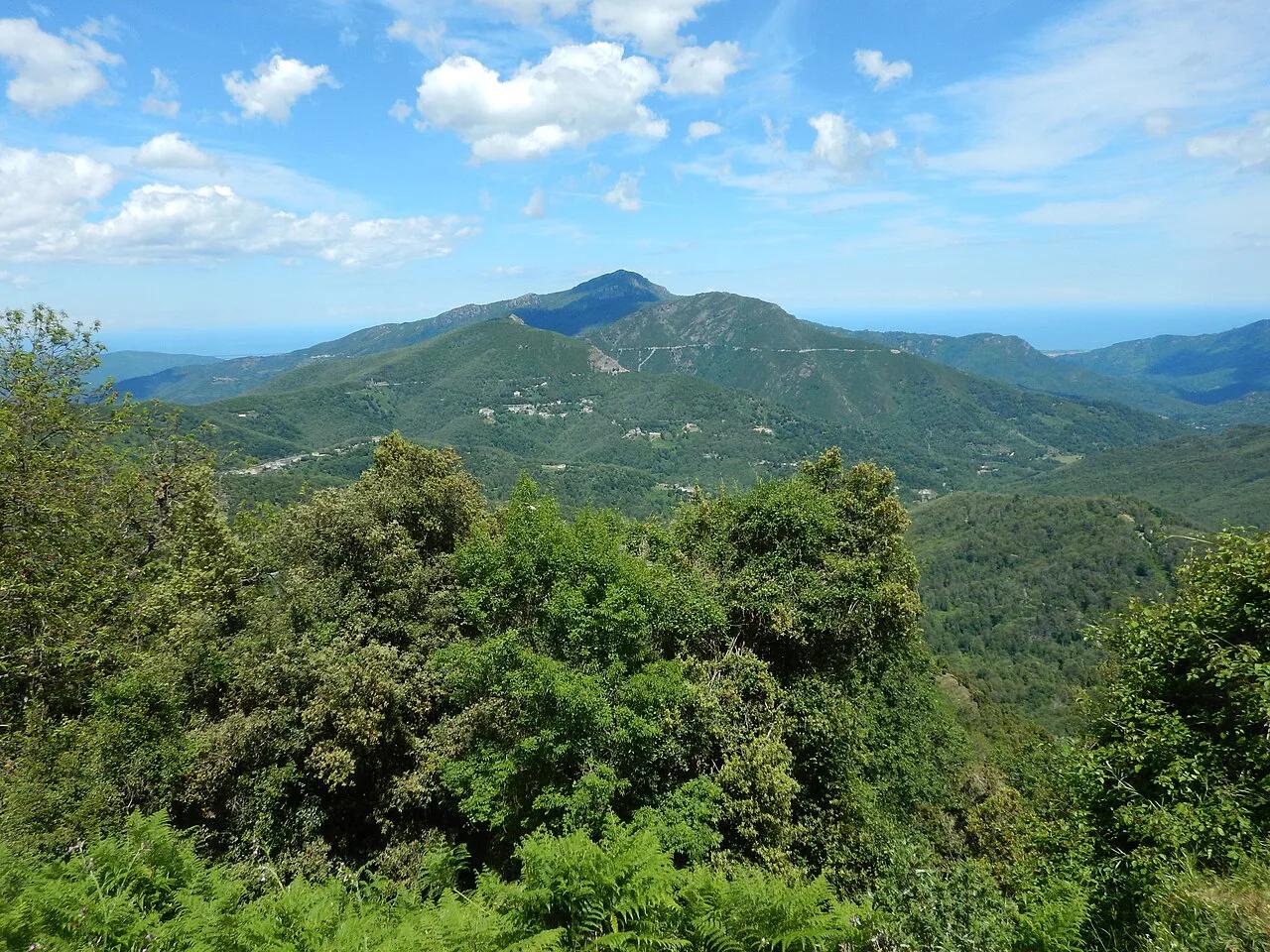
Corte is the inland base for Corsica's mountain core, a granite spine with more than 20 summits over 2,000 m. The GR20 is the long-distance hiking route that crosses this spine, and it is the island's main draw for serious walkers. May-June and September give hiking without August crowds, but snow and trail conditions vary, so check refuge and trail status before you commit.
Book refuges and bunk space well ahead in summer. Skip it if you want a beach-first holiday or lack time for long mountain days.
12. Plateau du Coscione and the river pools
Plateau du Coscione is an upland outdoor area popular for walking and open mountain scenery. River pools such as the Cavu pools and the Solenzara pools are the swimming alternative to the sea. These are summer jobs, because water levels and access change with the season.
Plan to drive, since these pools sit away from the main towns. Wear shoes with grip, and do not swim after heavy rain. Best for hikers and families with older kids who want a break from beaches; skip it without a car.
How Many Days and Where to Base Yourself
Mountain roads make distances slower than they look. Plan one base for 3 to 4 days and two bases for a week. Day trips from a base beat nightly moves. Use the table to match trip length to base.
| Trip length | Suggested base(s) | Best for | Main trade-off |
|---|---|---|---|
| 3-4 days | Ajaccio | First-timers, history, one boat day | Mountains and far beaches need more time |
| 5-7 days | Ajaccio plus Bonifacio or Porto-Vecchio | Beach and boat mix | Mountain-road transfers eat a day |
| 7-10 days | Ajaccio, Porto, then Calvi or Bastia | Coast variety plus Scandola | More driving and repacking |
| 10+ days | Add Corte or the Coscione plateau | Hikers | Needs settled weather and early booking |
How to Get to Corsica: Flight or Ferry
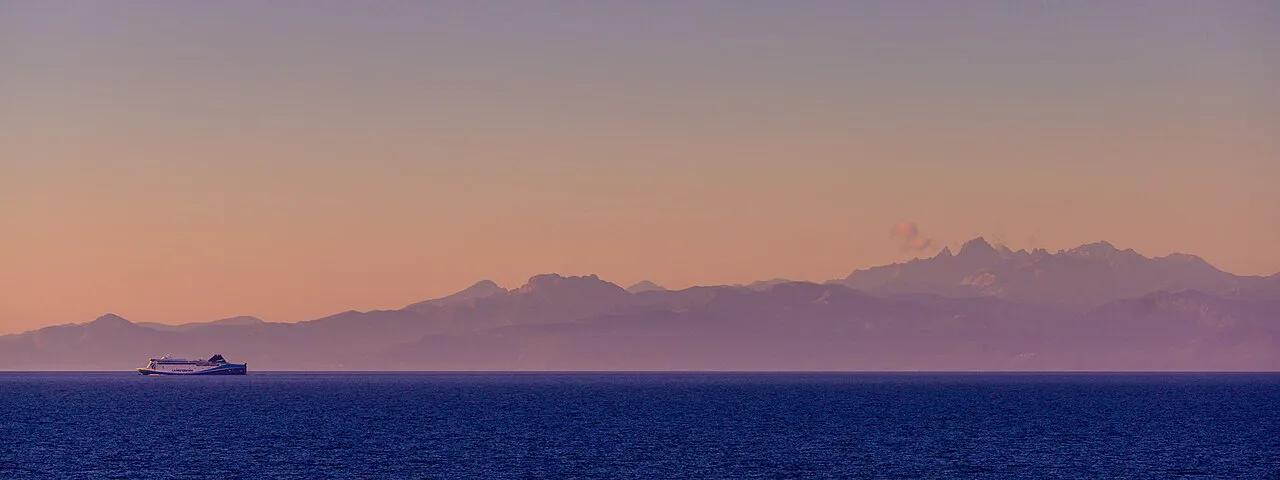
Four airports serve the island, and the glance table lists their codes. Aéroports de Corse publishes current flight information for them. Ferries sail from five ports in France and Italy. Crossings take 4 to 12 hours depending on the departure port. Compare sailings on the Corsica Linea website. La Méridionale publishes its own timetable. Nice departures are listed by Port de Nice. Our Nice crossing guide covers that route. Marseille sailings are covered in our Marseille route guide. For general crossings, see ferry options for the island. Our full transport overview ties flights and ferries together. Pick an arrival port close to your base. Arriving and leaving by different ports avoids backtracking.
Crossings take 4 to 12 hours depending on the departure port. On a 3 to 4 day trip, that can use a big share of your time in Corsica.
| Option | Gateways | Best for | Trade-off |
|---|---|---|---|
| Fly | Ajaccio, Bastia, Calvi, Figari | Short trips without your own car | Hire car and luggage limits on arrival |
| Ferry | Nice, Toulon, Marseille, Livorno, Savona | Bringing your own car; night crossings | 4 to 12 hours depending on port |
Getting Around: Do You Need a Car?
A rental car gives the most freedom, especially for beaches, villages and trailheads away from main towns. Ajaccio has local bus lines and a long-distance bus station next to the ferry port, so a city stay works without a car. Mountain roads are narrow and slow, so budget extra time and avoid night driving. Hire a car at the airport or bring your own on the ferry, and compare both once your base is set.
When to Go: Season Trade-offs
May-June and September suit hiking and beaches without August crowds. See the best months for a visit for the full breakdown. Our month-by-month weather notes cover conditions in detail. Météo-France publishes current forecasts for the island. Late-season trips are covered in our guide to October trips.
| Season | Crowds | Sea swimming | Hiking | Boats and ferries |
|---|---|---|---|---|
| Summer (July-August) | Highest; parking tight at popular beaches | Warmest sea | Hot on exposed trails; start early | Most sailings and boat trips; book early |
| Shoulder (May-June, September) | Lighter | Possible, cooler than August | Best window | Good availability; some seasonal services opening or closing |
| Late autumn and winter | Quiet | Cold sea | Conditions vary; snow on high routes | Fewer sailings; some closures |
Costs and Booking Reality
Ferry-with-car fares, car hire and boat-trip prices shift by season, so use the official Corsica tourism site to find current operators. Book ferries with a car, summer lodging and Scandola or Lavezzi boat trips first.
Common Mistakes to Avoid
Most planning errors come from treating the island as flat and compact.
| Mistake | Better move |
|---|---|
| Packing too many stops | Choose one or two bases and use day trips |
| Underestimating mountain driving | Add buffer time and avoid night drives |
| Booking a base far from your arrival port | Match the port or airport to the base |
| Assuming coastal sights work year-round | Check seasonal boat and service schedules |
| Assuming Ajaccio facts apply island-wide | Check each region separately |
Is Corsica Worth It? Corsica vs Sardinia
Corsica rewards travelers who like mountains, coves and slow driving, and it frustrates those who want a quick checklist. Read whether the island justifies the trip for a fuller verdict. For a head-to-head, use our Sardinia comparison. Sardinia sits about 12 km south, and its official tourism site shows the alternative.
Frequently Asked Questions
Is Corsica very expensive?
Costs depend mostly on the ferry with a car, car hire and summer lodging. Traveling in May-June or September eases pressure on the last two. Check current fares with the operators before budgeting.
What is the Corsican language?
Corsican is spoken alongside French, and both are listed as the island's languages. Visitors will mainly deal in French.
What is famous about Corsica?
Napoleon was born in Ajaccio in 1769, and the GR20 crosses the granite mountains. Bonifacio's cliffs and the UNESCO-listed Gulf of Porto draw the coast crowds.
Explore More Guides
Keep planning your trip with these guides.
Guides
- Where Is Corsica? Location, Map & How to Get There
- Corsica vs Sardinia: Which Island Should You Visit?
- How to Get to Corsica: Ferry, Flights & Best Route
- Ferry to Corsica: Ports, Routes and How to Choose
- Nice to Corsica Ferry: Route, Timetable, Cost & Tips
- Lavezzi Islands: How to Visit From Bonifacio (Boats, Rules, Tips)
- Is Corsica Worth Visiting? An Honest Verdict (Who It Suits)
- Best Time to Visit Corsica: Month-by-Month Picks by Priority
- Corsica Weather by Month: Temperatures, Rain and Sea
- Marseille to Corsica Ferry: Routes, Times, Prices & Booking Tips
- Corsica in October: Weather, What's Open & Tips
Useful notes for your next island trip
Optional updates to our guides.
You might also like

Continue reading
More guides you'll find useful