Is Corsica Worth Visiting? An Honest Verdict (Who It Suits)
Is Corsica worth visiting? A straight answer on who it suits, who should skip it, plus access, season, cost and trip-length trade-offs.
On this page
Last updated November 2026: is Corsica worth visiting? Yes, if you want mountains, coves and citadel towns on one island and accept that you will mostly drive. Skip it if you want nightlife, easy public transport or a cheap, low-effort beach break.
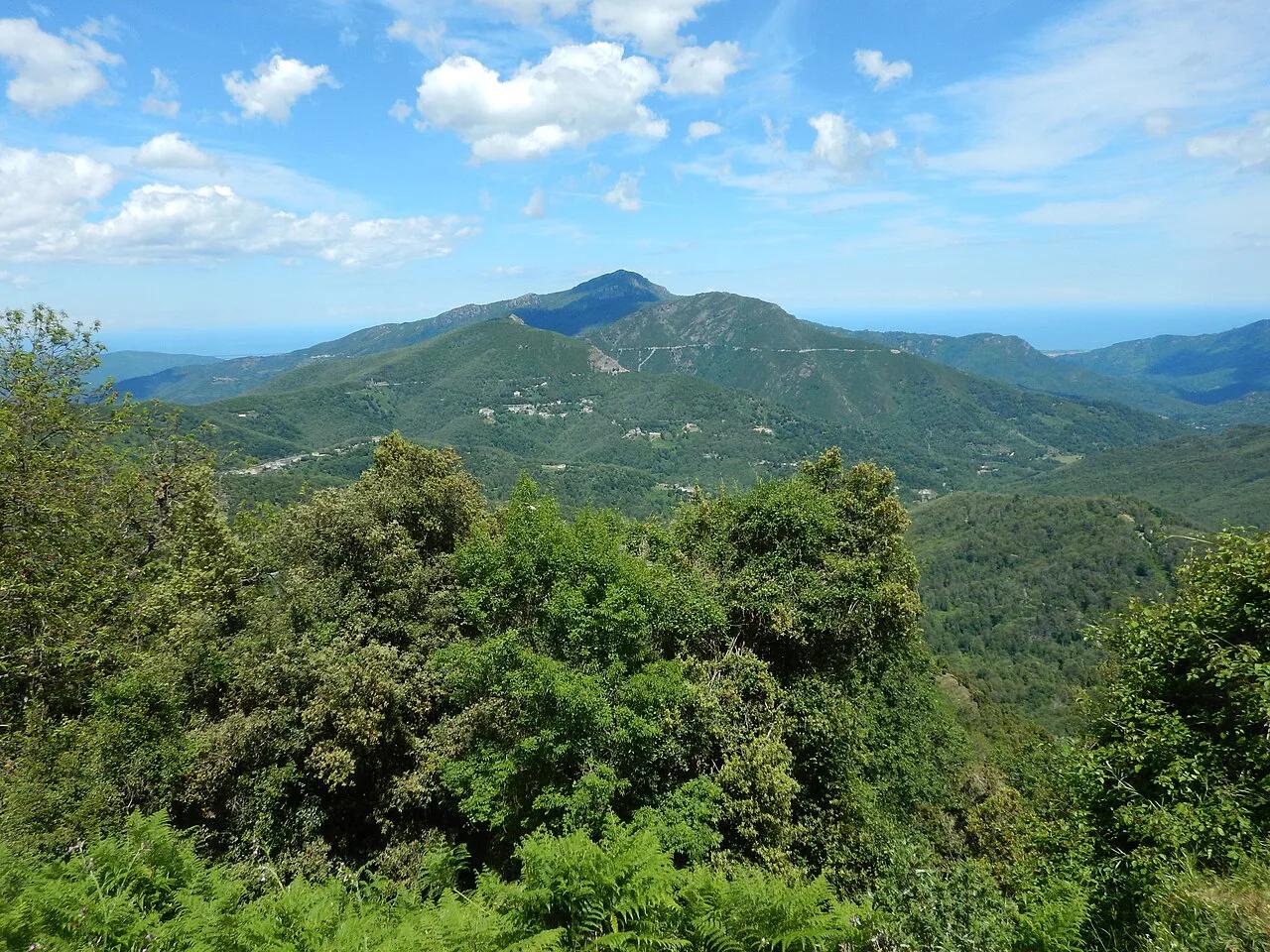
Featured image: dronepicr, CC BY 2.0, via Wikimedia Commons.
Short answer: is Corsica worth visiting?
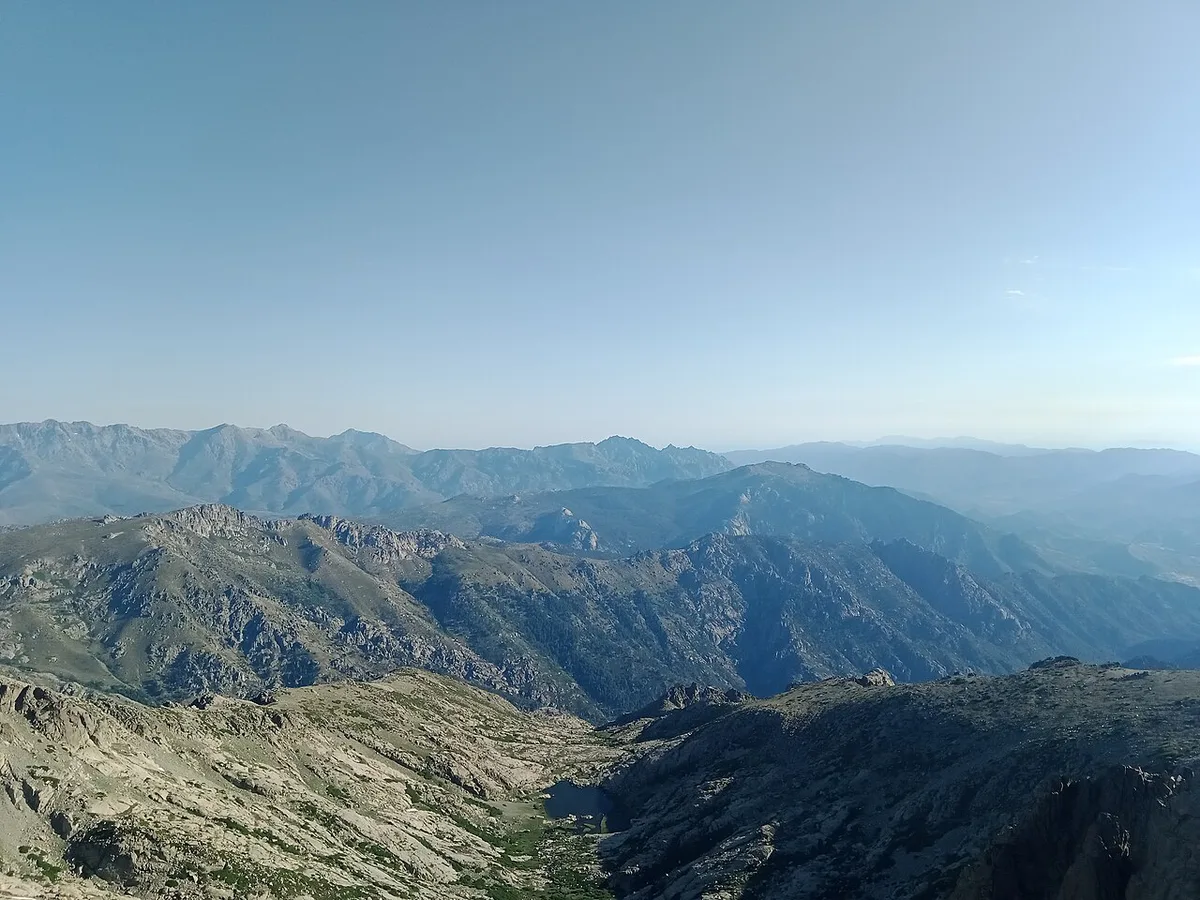
Corsica rewards travelers who value landscape over ticking off sights. It is a mountainous island, so each region feels like a separate trip. Test your own priorities against the two lists below.
- Worth it if you hike, swim and drive scenic roads more than you shop or party.
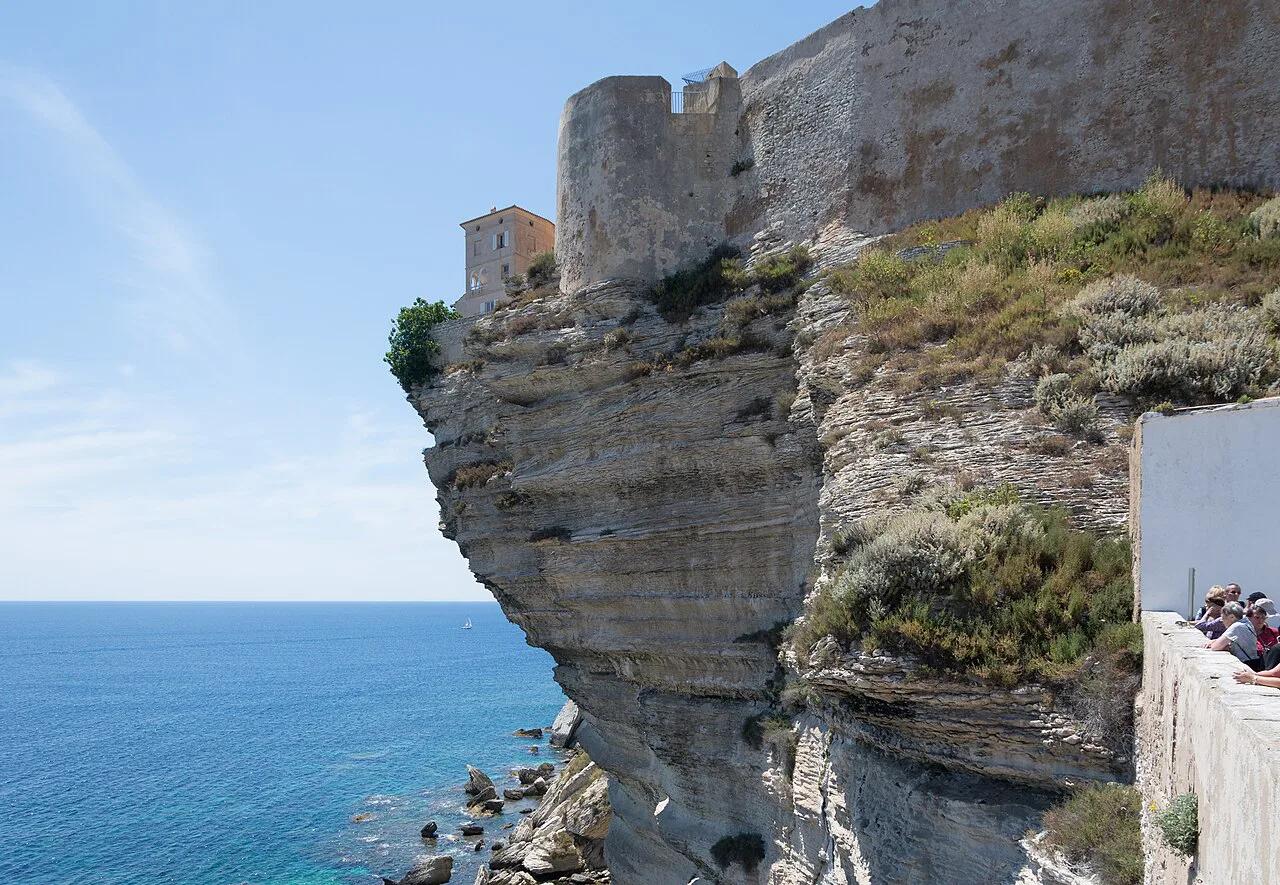
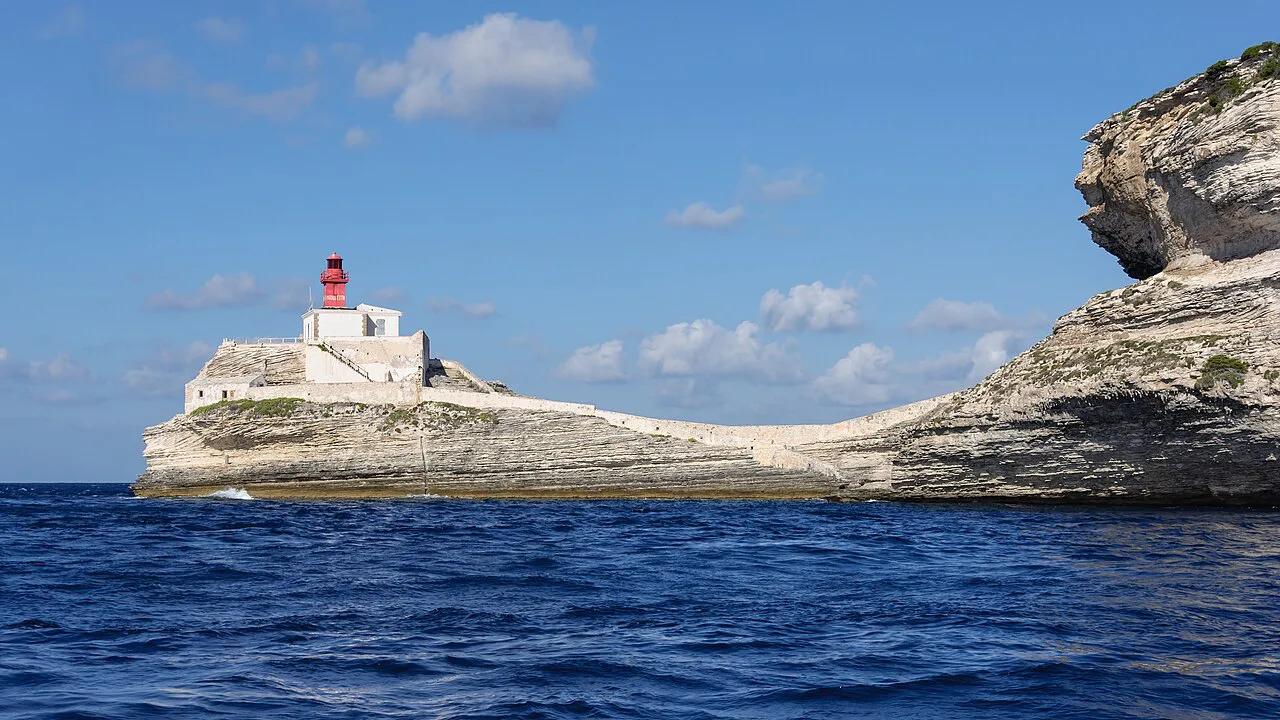
- Worth it if you want old stone towns such as Bonifacio and Calvi beside real mountain terrain.
- Worth it if you can book a rental car and build slow travel days into the plan.
- Skip it if you want nightlife, dependable public transport or a short, effortless beach break.
- Skip it if you dislike winding roads or need every restaurant and ferry running at full schedule year-round.
What makes Corsica worth the trip
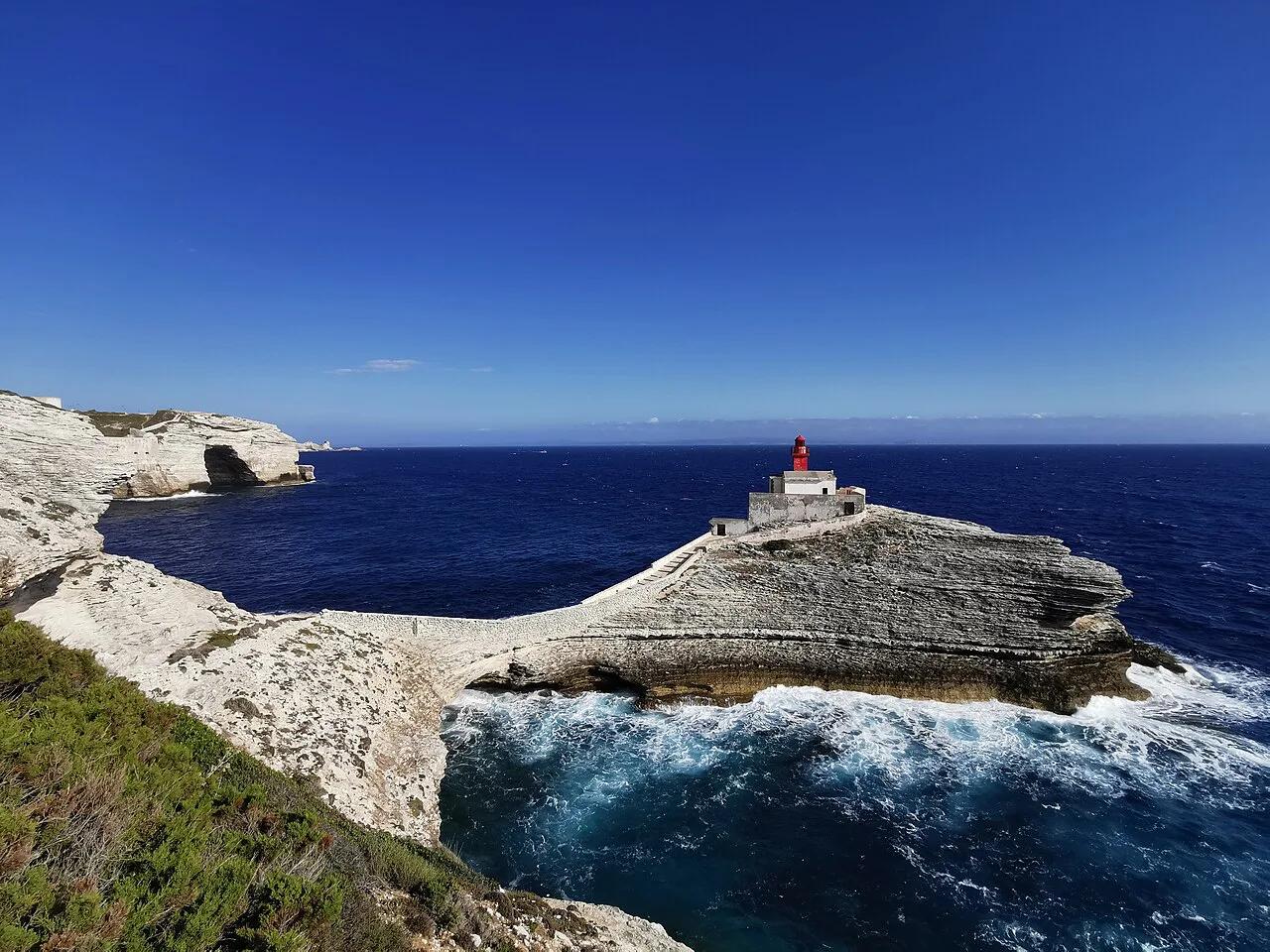
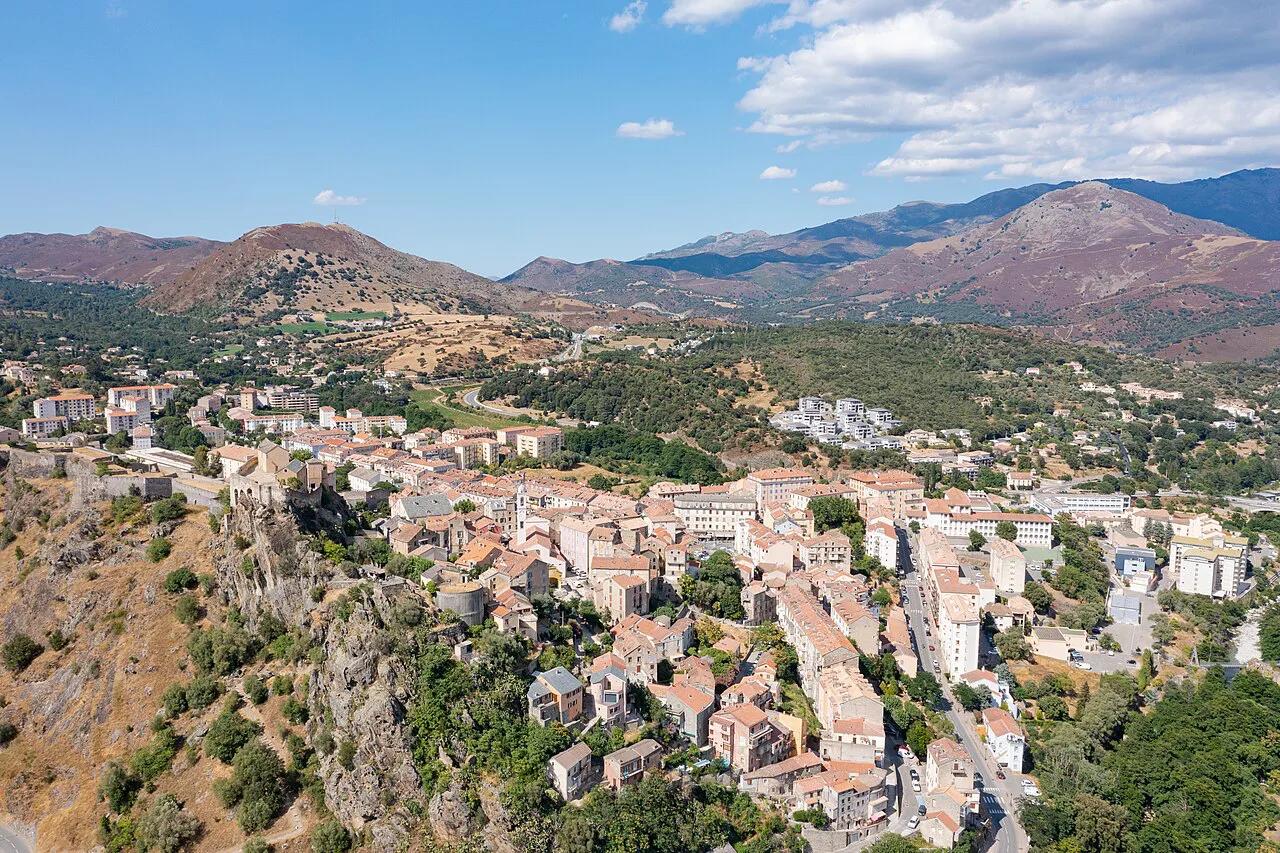
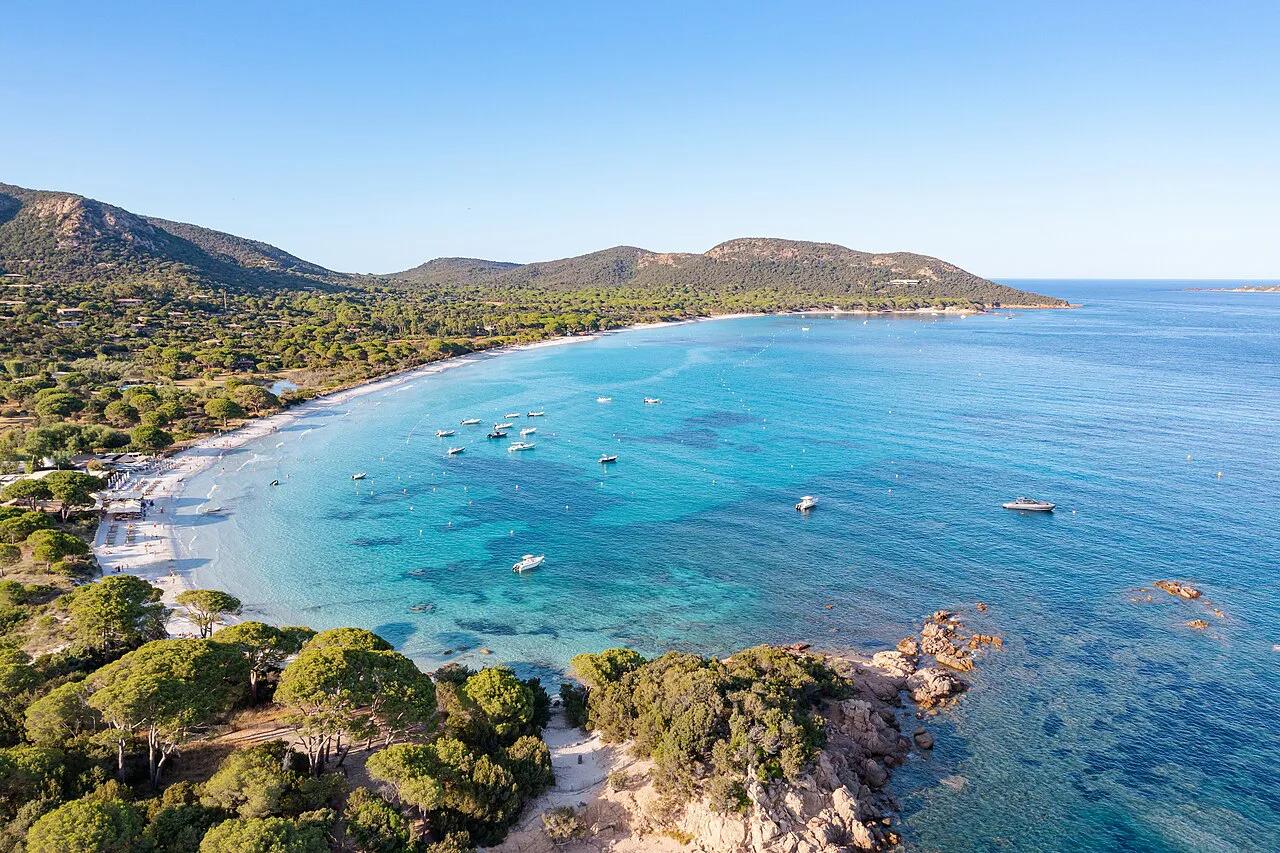
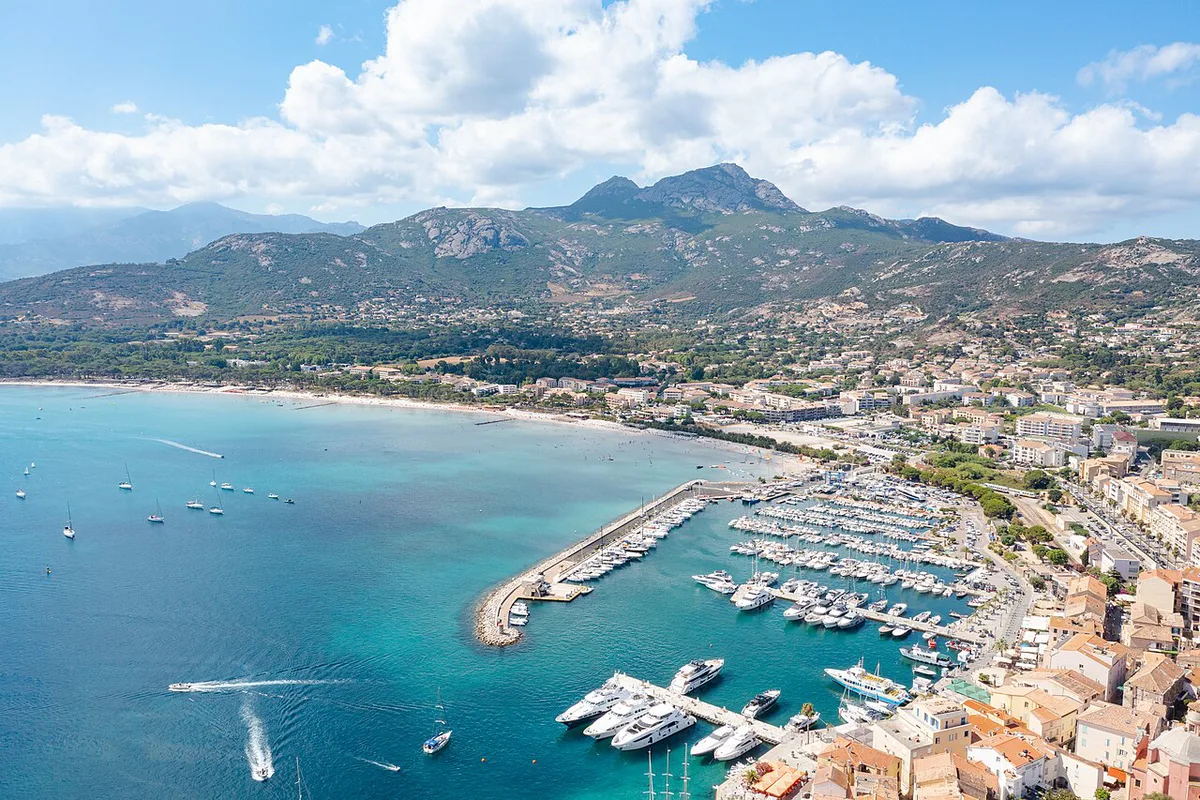
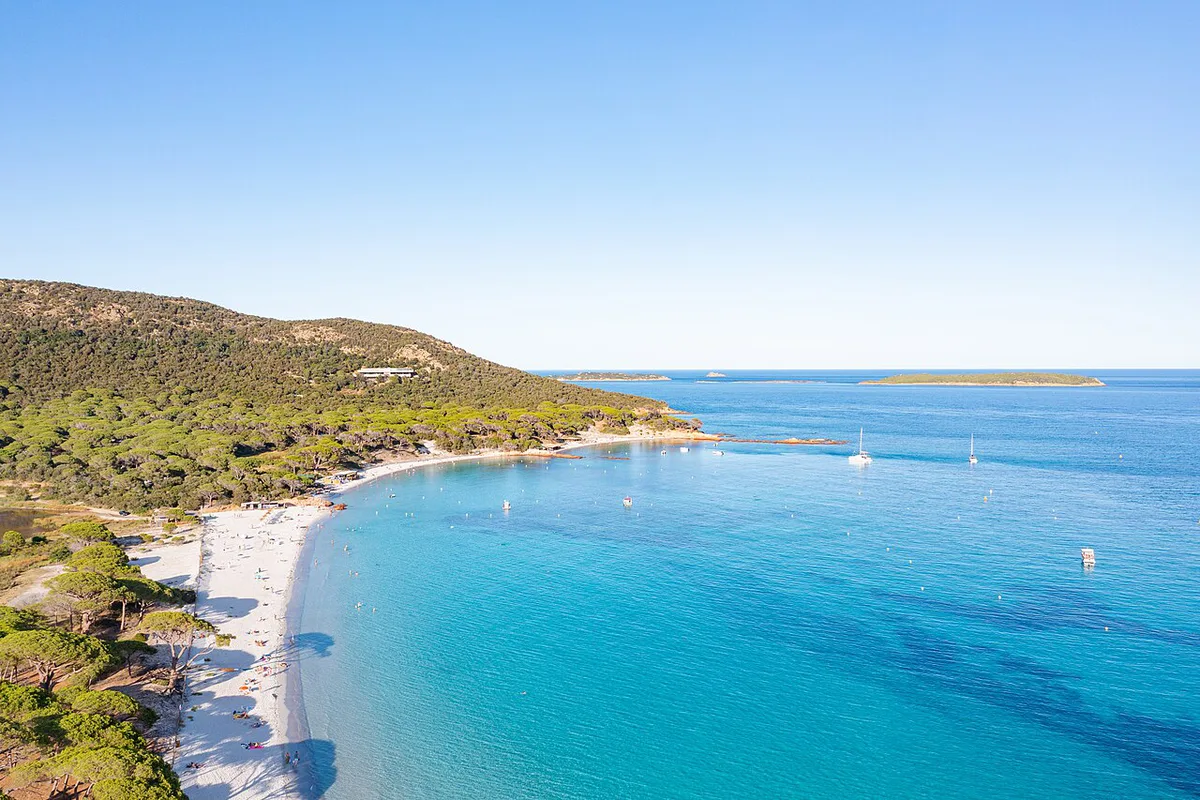
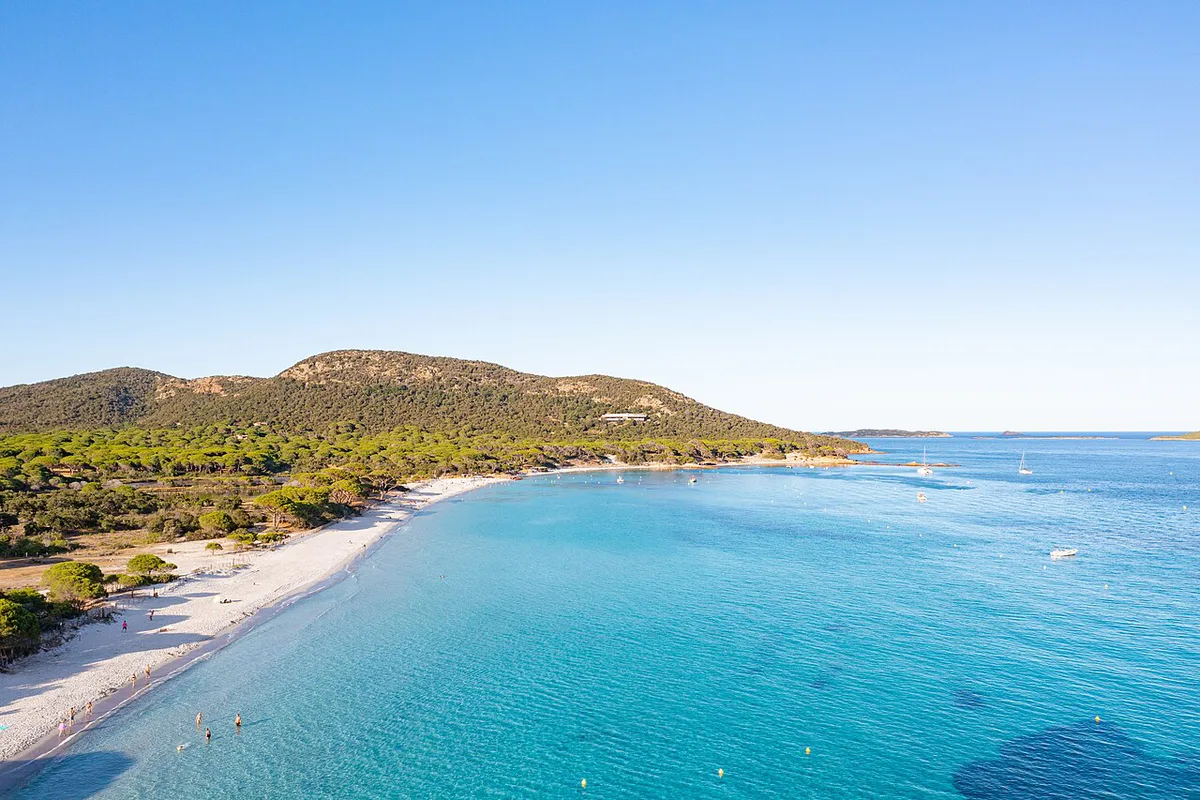
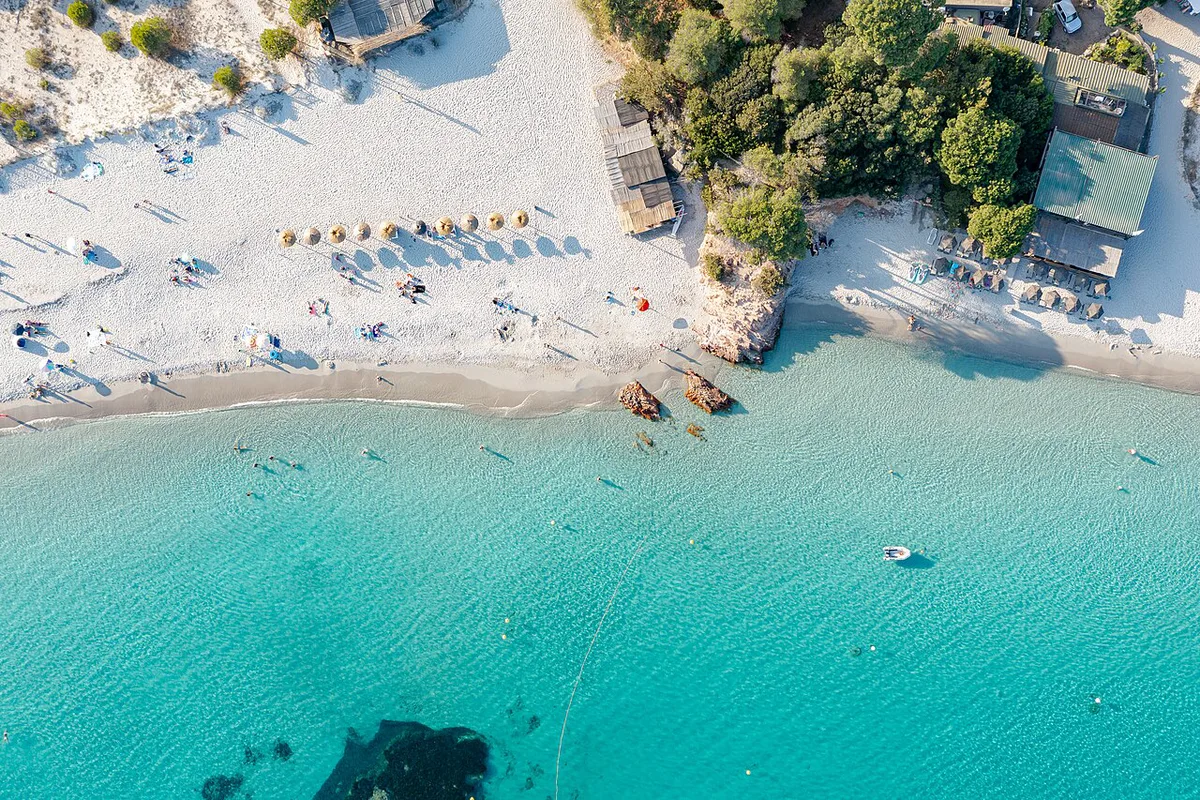
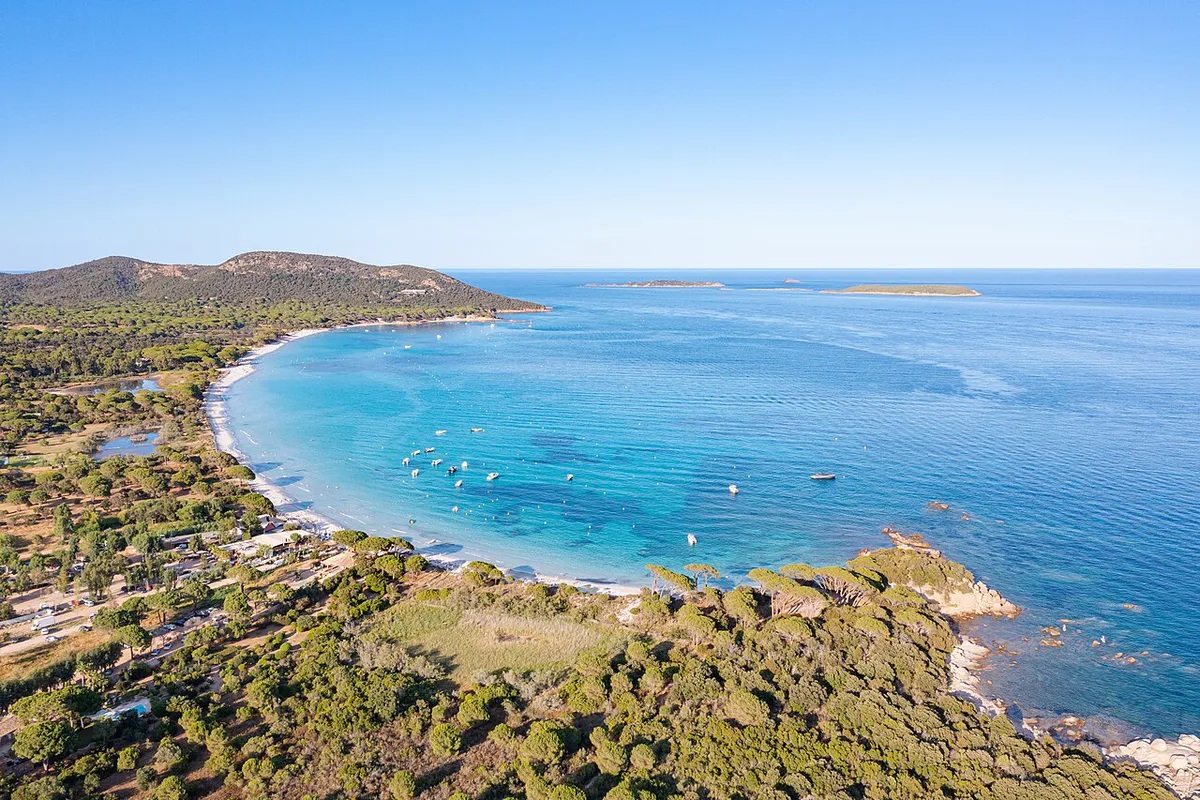
Mountains and sea sit unusually close here. Hikers have the GR20 long-distance trail, the Restonica valley near Corte and the red cliffs of the Calanques de Piana. Beach lovers have Palombaggia, Santa Giulia and Saleccia. Towns add Bonifacio's cliff-edge citadel, Calvi and Bastia. Italian influence from the island's long history shows up in the pizza and pasta, alongside French wine and cheese. The official Corsica tourism site lists activities region by region.
Who should skip Corsica
Corsica is a poor fit for some trips. Prices lean high in yacht-oriented areas such as the Porto-Vecchio marina. Evenings are quiet outside the main towns. Narrow mountain roads make short hops slower than the map suggests. Beach days in peak summer mean crowds, and services thin out off-season. If any of that sounds like a dealbreaker, a mainland coastal city or a package-style resort island will suit you better.
Getting there: how much effort and cost?
Access is part of the price. Flights land at airports listed on the Aéroports de Corse site, and ferries run from mainland French and Italian ports. Ferries let you bring a car but take longer than flying. Our guide to reaching Corsica compares the options. For sea routes, see ferry crossings to Corsica first. Sailings from Nice are covered in the Nice ferry guide. For departures from the Provençal port, read about the Marseille crossing. Operators such as Corsica Linea and La Méridionale publish current routes and seasons.
Do you need a car in Corsica?
For most itineraries, yes. Public transport does not reach most beaches, trailheads and villages, so a rental car is the practical choice. Drives are slow. One reported run from Bastia to the south of the island takes about 2.5 hours. Plan fewer stops per day than you would on a mainland road trip. Without a car, base yourself in one town such as Bastia or Calvi and accept a narrower trip.
- Underestimating drive times: allow extra for mountain bends and summer traffic.
- Booking no car: book early for July and August.
- Ignoring ferry seasonality: check the operator's calendar before fixing dates.
- Packing too many bases: move hotels once or twice, not every night.
Best regions for your travel style
Start with our Corsica travel guide and choose one or two regions. The south suits beach days and Bonifacio. For boat trips, the Lavezzi Islands: How to Visit From Bonifacio (Boats, Rules, Tips) are the clearest example, and the Bouches de Bonifacio nature reserve covers the protected waters.
| Region | Best for | Trade-off |
|---|---|---|
| South (Bonifacio, Porto-Vecchio, Santa Giulia, Palombaggia) | Beaches, citadel town, boat trips | Crowds and higher prices in summer |
| West (Calanques de Piana, Calvi) | Coastal scenery, a walkable old town | Winding roads between stops |
| Mountains (Corte, Restonica valley, GR20) | Hiking and river valleys | Weather-dependent and demanding |
| North (Bastia, Saleccia) | Ferry-port access, quieter coves | Some beaches take effort to reach |
When is the best time to go?
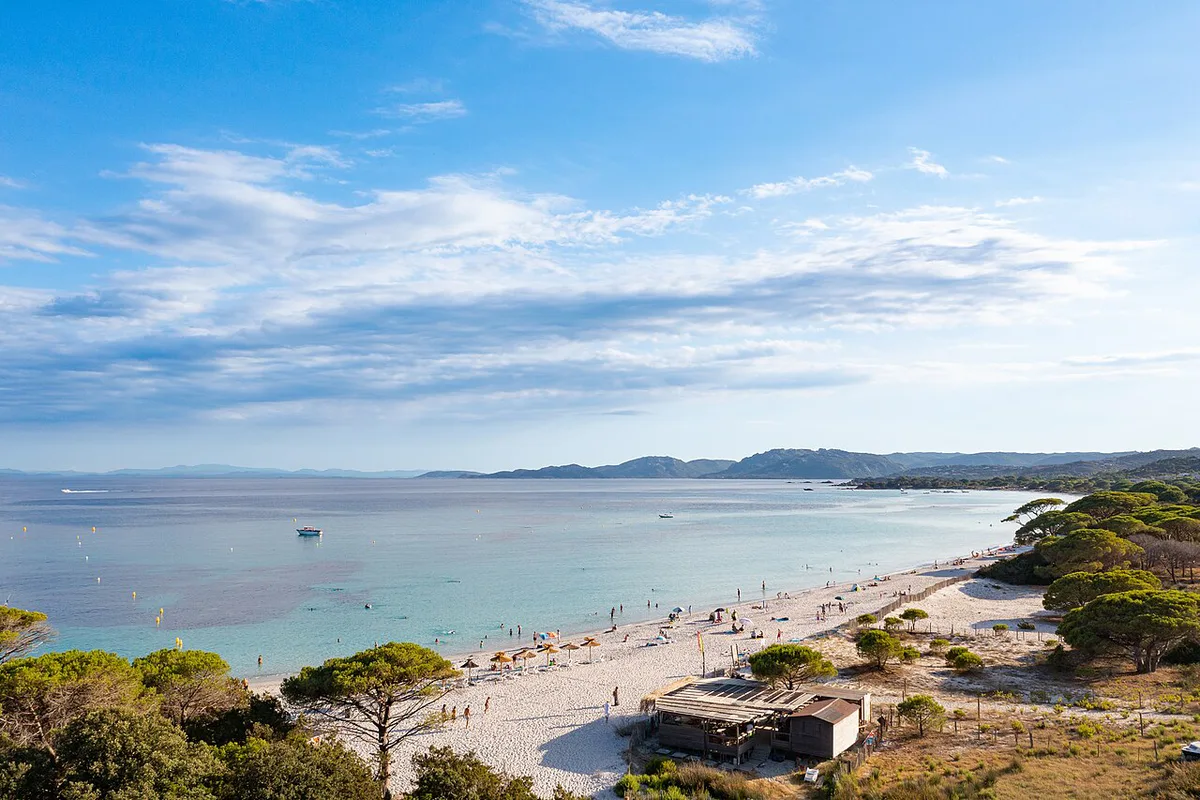
Summer brings the best beach weather but also the biggest crowds and highest prices. Shoulder months are calmer, though some services close. Our best time to visit guide covers the trade-offs. For monthly detail, see Corsica Weather by Month: Temperatures, Rain and Sea. Autumn is covered in our October guide. Check forecasts on Météo-France before you travel.
How long do you need?
A long weekend works for one region with a flight and a rental car. A week lets you pair the south with the west or the mountains. Longer trips suit hiking the GR20 or covering the whole island without rushing. Resist cramming north and south into a few days. Drive times will eat the trip.
Corsica vs Sardinia: quick take
Both islands offer rugged coastlines and clear water. Corsica leans French, with steeper mountains and long hiking routes. Sardinia is a separate Italian island, and its official tourism site shows what it offers. Our Corsica vs Sardinia comparison weighs scenery, price level and access. If you are unsure where the island sits, read where Corsica is located for orientation.
Frequently Asked Questions
Which is more beautiful, Sardinia or Corsica?
Corsica is more mountainous and suits hikers. Sardinia suits travelers who want broader beach choice. Both are scenic, so your priorities decide.
Does Corsica have good beaches?
Yes. Palombaggia and Santa Giulia in the south and Saleccia in the north are the usual picks. Some coves take a walk or a boat to reach.
Useful notes for your next island trip
Optional updates to our guides.
You might also like

Continue reading
More guides you'll find useful