Corsica vs Sardinia: Which Island Should You Visit?
Corsica vs Sardinia: hikers and scenery lovers pick Corsica, beach and archaeology fans pick Sardinia. Compare costs, car needs, seasons and the ferry between them.
On this page
Last updated November 2026. Corsica vs Sardinia comes down to one split: Corsica is mountainous, hikeable and French, while Sardinia has more beach, more archaeology and an Italian feel. Pick by trip length, beach-versus-hiking priority and whether you will hire a car. Decision rules, a side-by-side table and a sample week follow below.
Featured image: Giulia Arrighetti, CC BY-SA 4.0, via Wikimedia Commons.
Quick Verdict: Choose Corsica or Sardinia
Corsica wins on scenery and walking. Sardinia wins on beach variety, prehistoric sites and festivals. Both use the euro, so budgeting works the same way on either island. Our hub guide to Corsica travel covers the French island in more depth.
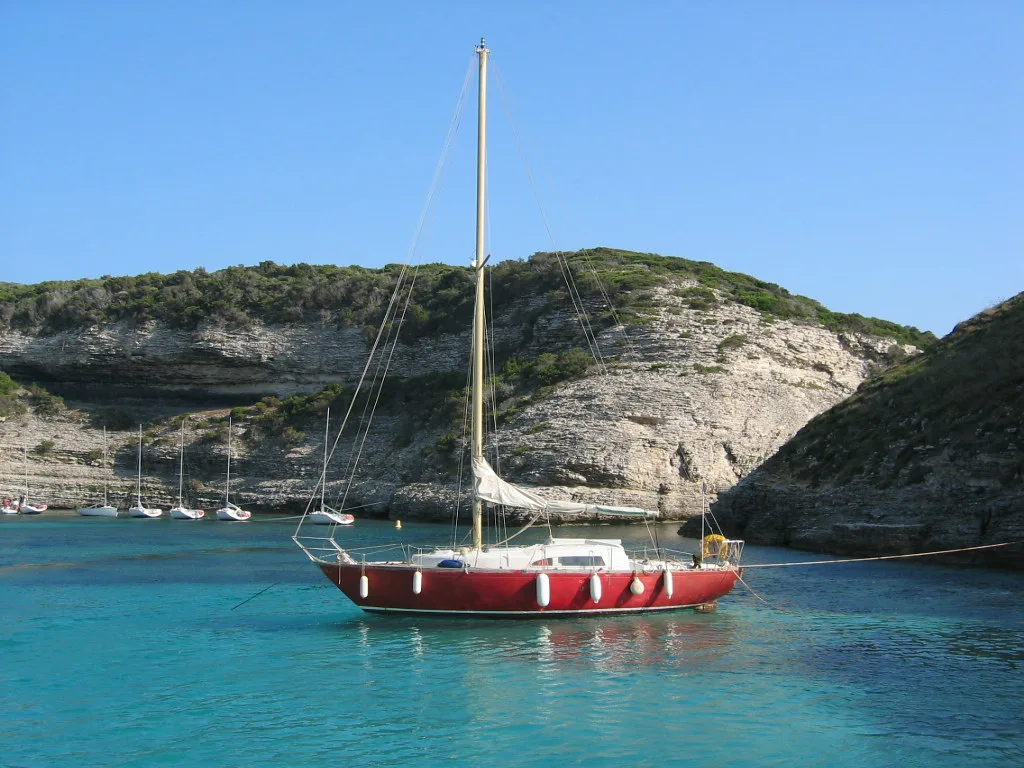
- Hiking: choose Corsica, home of the GR20 and the Calanques de Piana.
- Beaches: choose Sardinia for variety, from the Costa Smeralda to the Alghero side.
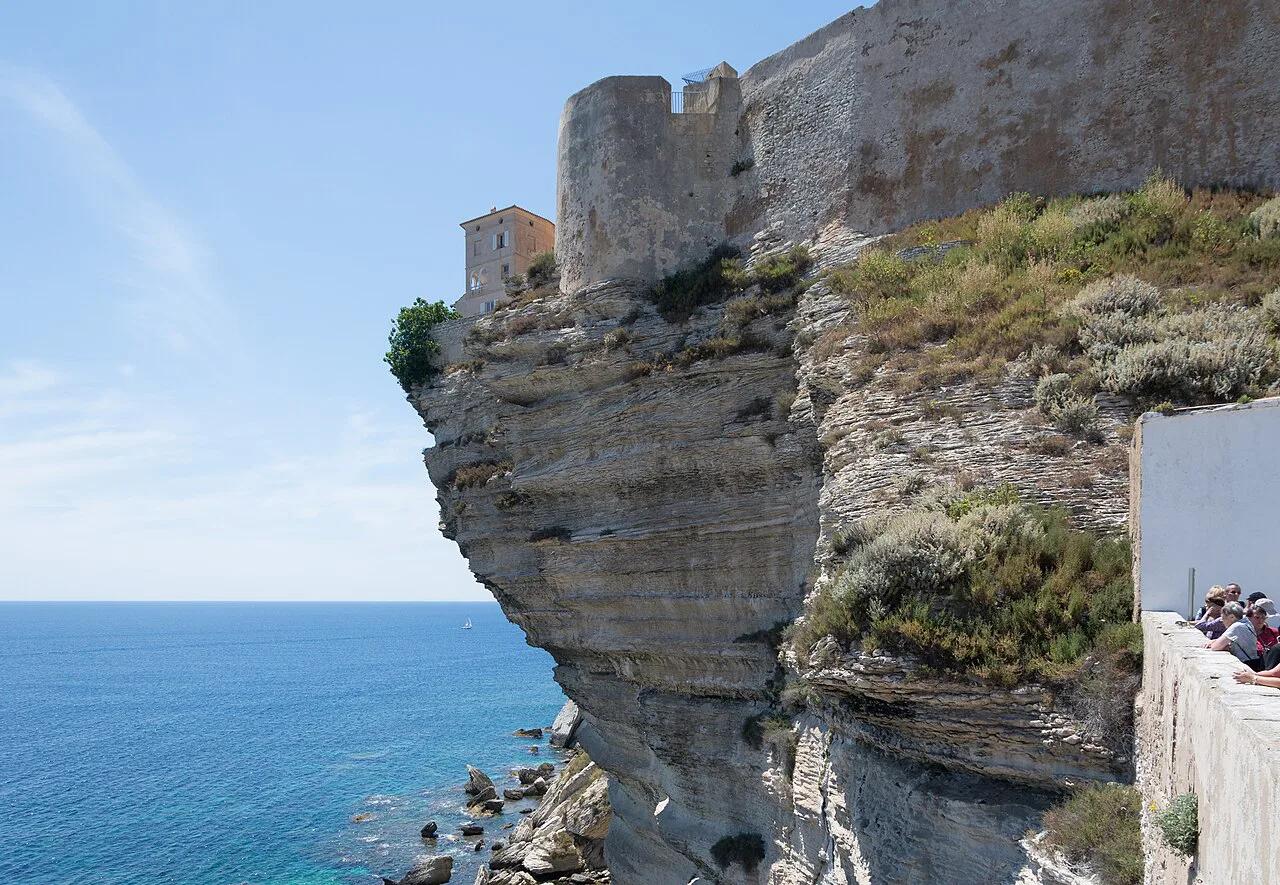
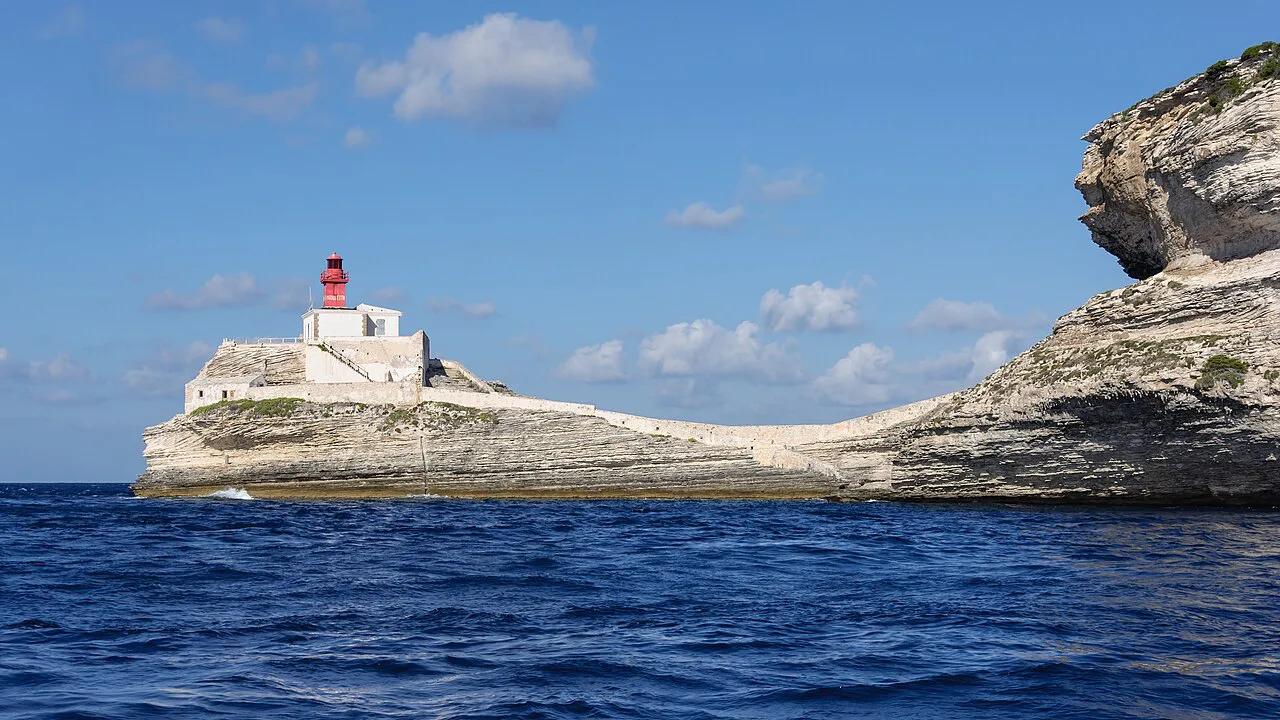
- History: choose Sardinia for nuraghi and Su Nuraxi di Barumini, or Corsica for Napoleon and Bonifacio's citadel.
- Food: choose Corsica for chestnut, brocciu and charcuterie, or Sardinia for Italian pasta and seafood traditions.
- Short trip: choose one region of either island, never both.
- First Mediterranean island trip: choose Sardinia if you want easy beach days, Corsica if you want scenery.
- Families: choose Sardinia for shallow, sandy beaches, with Corsica's Porto-Vecchio area as a close second.
Corsica vs Sardinia at a Glance
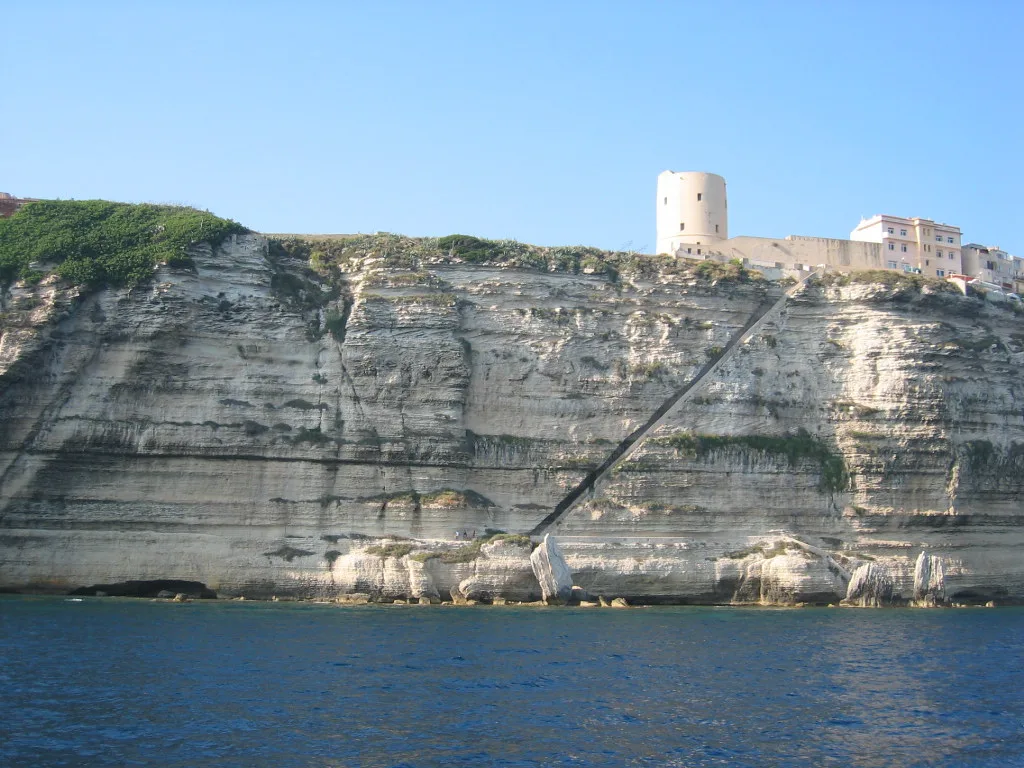
Use this table to compare the two islands on the criteria that usually decide a trip. Cost rows are editorial planning ranges for 2026 budgeting, not published tariffs. Confirm current rates with rental firms and operators before booking.
| Criterion | Corsica | Sardinia |
|---|---|---|
| Country and language | France, French (Corsican also spoken) | Italy, Italian (Sardinian also spoken) |
| Currency | Euro | Euro |
| Scale | Smaller, with slow mountain roads | Larger, with longer drives between regions |
| Beaches | Fewer, wilder, rocky coast and maquis | More, with wider variety |
| Hiking | GR20, Calanques de Piana, Cap Corse | Gennargentu, Su Gorropu, Giara plateau |
| History | Napoleon, Ajaccio, Bonifacio, Calvi citadel | Nuraghi, Su Nuraxi di Barumini, Tharros |
| Festivals | Fewer | More, including Sa Sartiglia in Oristano |
| Car need | Usually essential outside Ajaccio, Bastia and Calvi | Usually essential outside Cagliari, Olbia and Alghero |
| Car hire per day (editorial range) | €35–€80 shoulder season, €90–€200 peak summer | €35–€80 shoulder season, €90–€200 peak summer |
| Dinner for two, casual (editorial range) | €40–€80 | €35–€70 |
| Best months | May–June and September–October | May–June and September–October |
Landscape and Beaches
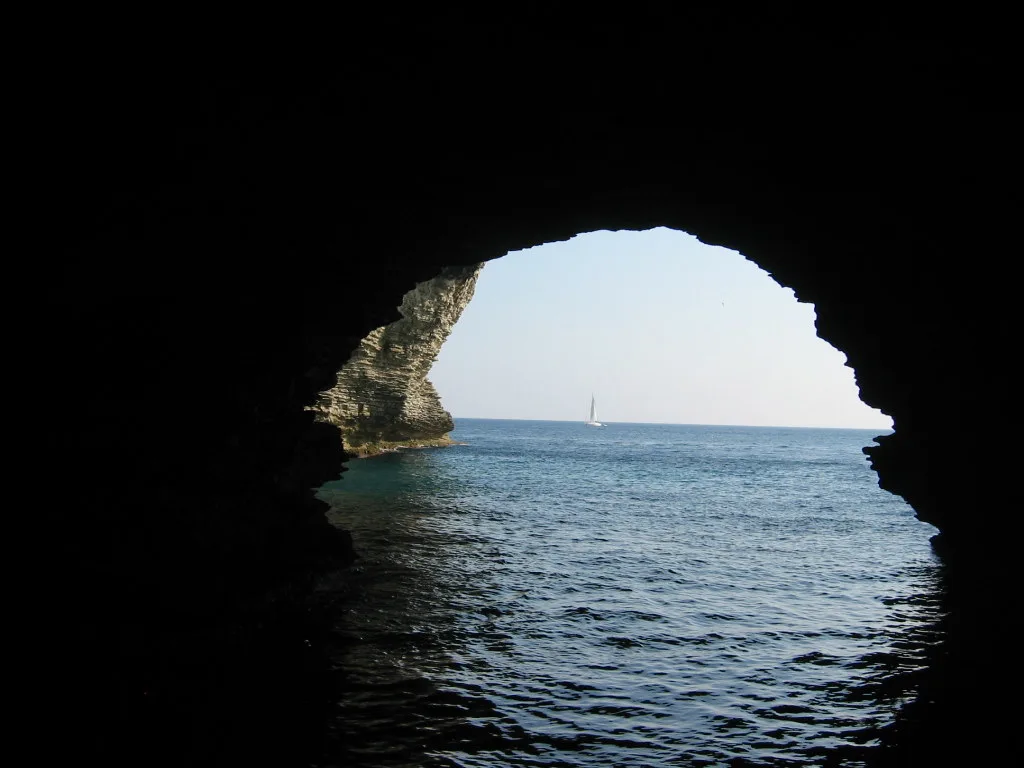
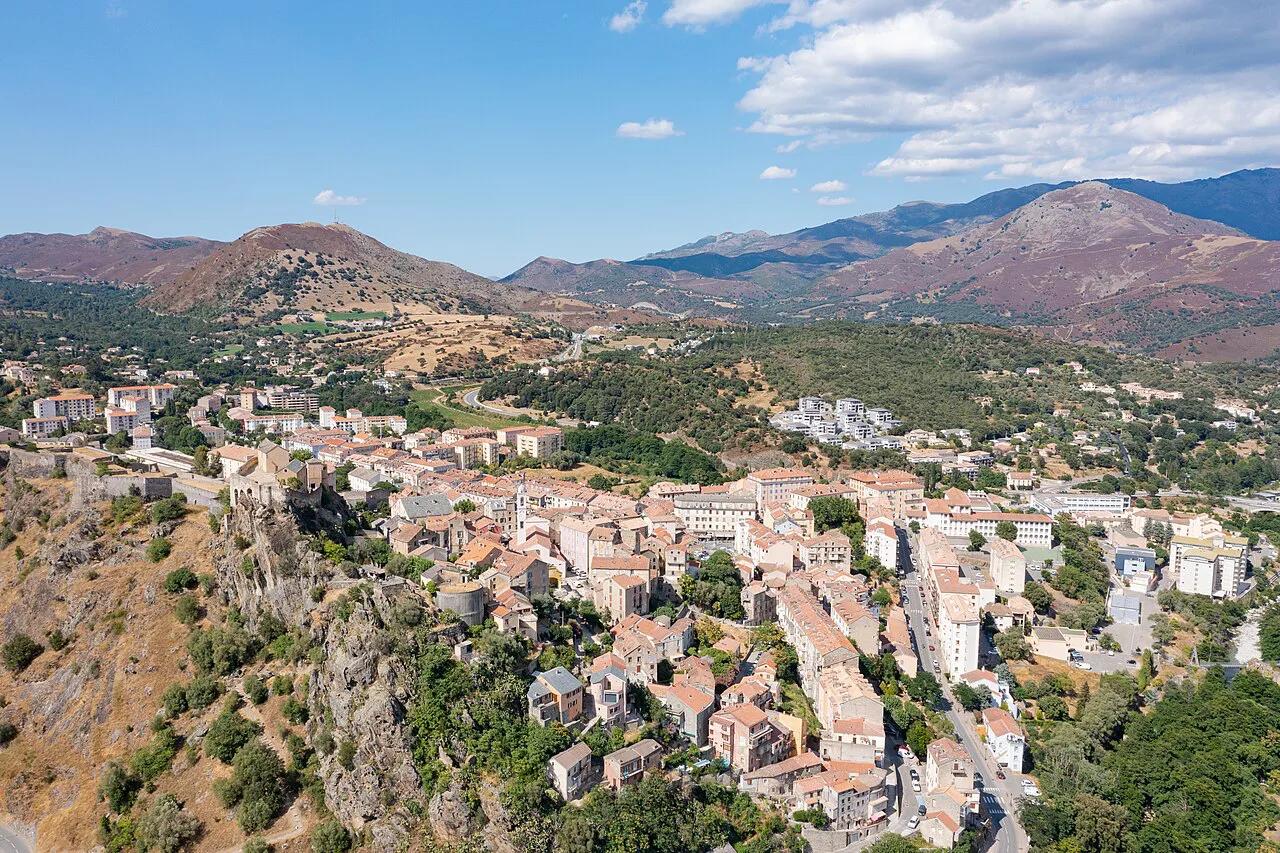
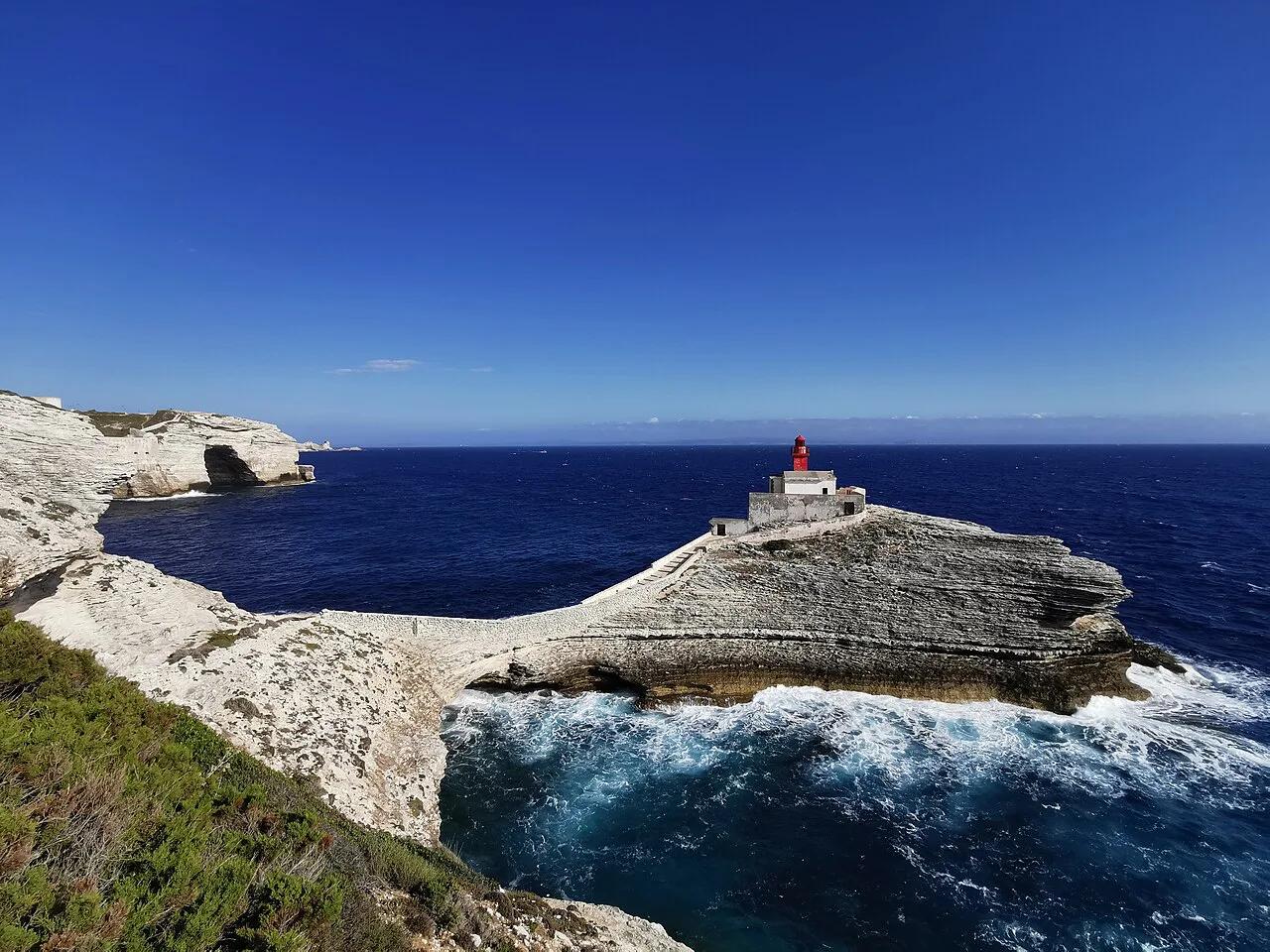
Sardinia usually wins on beach variety. Its Costa Smeralda, the Alghero side and the La Maddalena archipelago give you several distinct coastlines. Corsica wins on scenery, with a rugged shoreline, maquis scrub and mountains rising straight behind the sea. Its beach hubs are the Porto-Vecchio area and Calvi. For clear water, take a boat to the Lavezzi Islands: How to Visit From Bonifacio (Boats, Rules, Tips), granite islets in the strait between the two islands. The Bonifacio strait nature reserve protects that marine area. Pick Corsica if you want a beach day framed by mountains. Pick Sardinia if the beach is the whole point.
Hiking, Culture and History
Corsica is a walking-led trip. The GR20 runs roughly 180 km from Calenzana to Conca and is among Europe's hardest long-distance trails. Shorter options include the Calanques de Piana and the Cap Corse coast. Scandola, on the west coast, is a UNESCO-listed reserve reached by boat from Porto. Napoleon's Ajaccio and the citadels of Bonifacio and Calvi add history. Sardinia is a beach-plus-archaeology trip. Its nuraghi, Bronze Age stone towers, are scattered across the island. Su Nuraxi di Barumini is the best-known UNESCO site. Inland, you can walk in the Gennargentu range or watch wild horses on the Giara plateau. The Sardinian calendar also holds more festivals than Corsica's.
Getting There and Getting Around
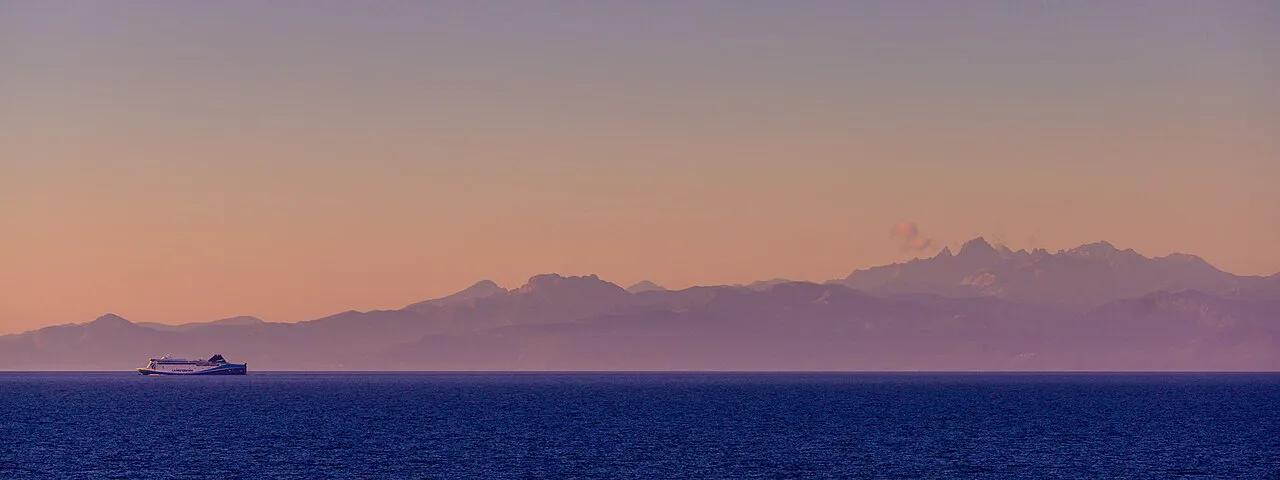
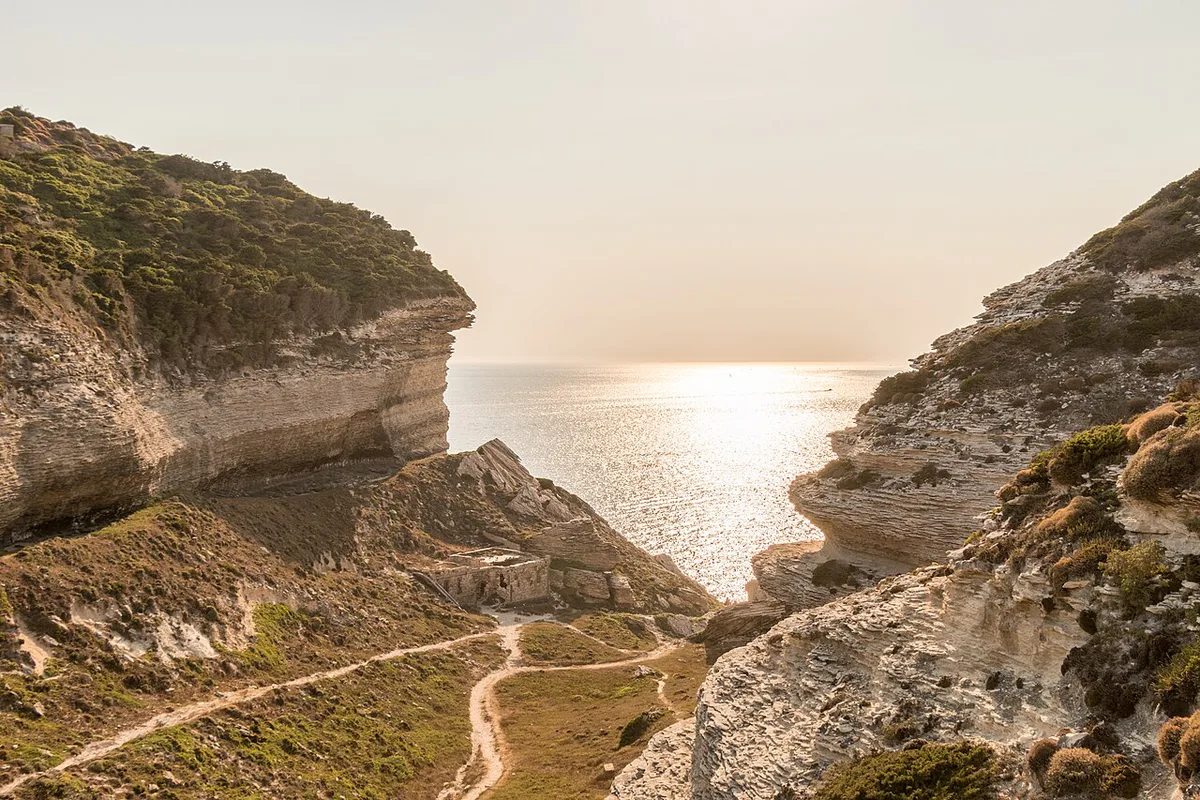
Both islands take flights and ferries, so check current routes on the Corsican airports site and on Sardinia's tourism portal. For Corsica, start with our guide on How to Get to Corsica: Ferry, Flights & Best Route. Ferry options are compared in ferry crossings to Corsica. Departures from Nice are covered in the Nice sailings. Marseille departures are in the Marseille route guide. Operators such as Corsica Linea and La Méridionale serve Corsica from the French mainland. You will want a car on both islands. Corsica's mountain roads are twisty, so a 60 km drive can take far longer than the distance suggests. Buses and trains reach only the main towns.
Cost and Time Trade-Offs
Relative costs are close, because both islands use the euro and share Mediterranean prices. Flights are usually cheaper to Sardinia from much of Europe. Corsica often needs a ferry or flight plus a car, and the mountain roads cost extra time. Peak August lifts accommodation and car hire on both islands. As editorial planning figures, expect €35–€80 a day for car hire in shoulder season and €90–€200 in peak summer. Eating out runs slightly cheaper in Sardinia's non-resort towns. Our editorial guidance on time follows.
- 4–5 days: one region of either island, such as Porto-Vecchio and Bonifacio or the Alghero side.
- 7 days: Corsica's north or south with one or two hiking days, or one Sardinian coast plus an archaeology stop.
- 10 days or more: a full island loop on either island.
Best Time to Go
May–June and September–October are the best months on both islands. Sea temperatures stay pleasant, roads are quieter and peak-August heat and crowds are avoided. GR20 hikers should aim for the summer window when high sections are snow-free, and book mountain huts early. Our guides cover the Best Time to Visit Corsica: Month-by-Month Picks by Priority and Corsica's weather by month. Our guide to Corsica in October: Weather, What's Open & Tips covers the late shoulder season. For forecasts, use Météo-France.
Can You Visit Both?
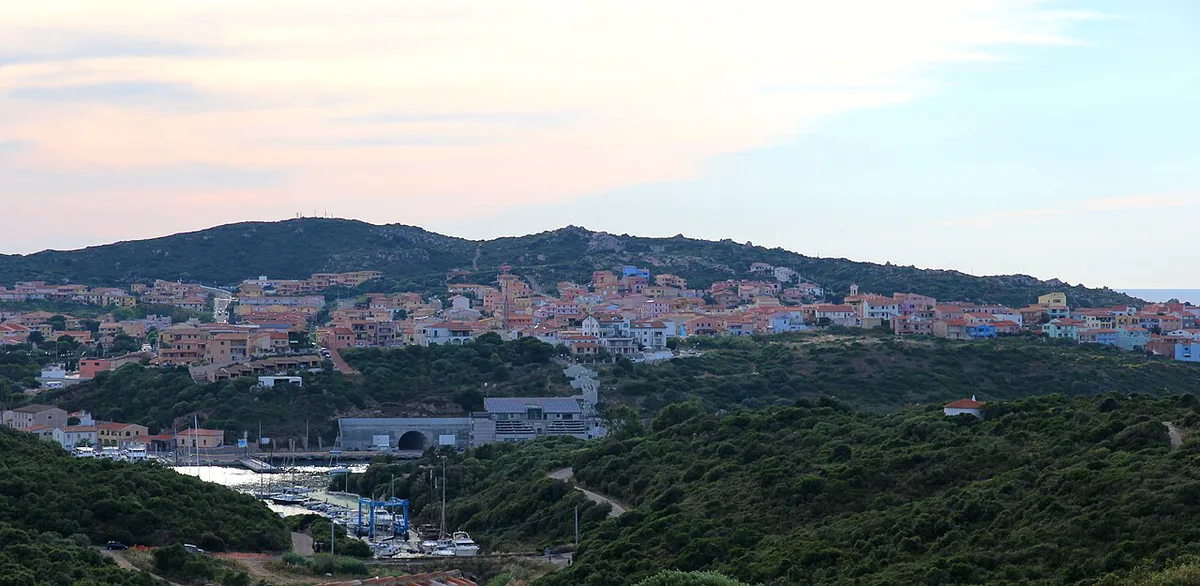
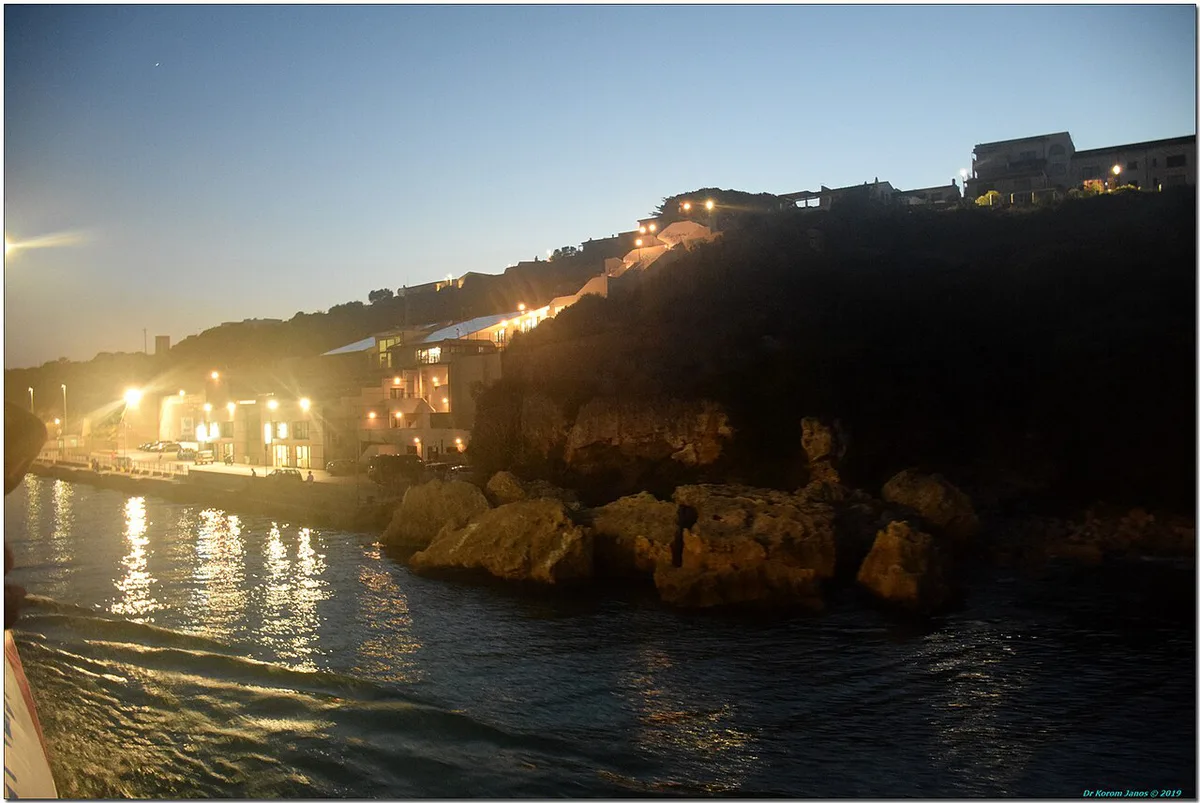
Yes, with caveats. The short crossing links Bonifacio in Corsica with Santa Teresa Gallura in Sardinia. It has been reported at just under an hour, and operators and seasons change, so check current timetables. Longer routes link other ports, such as Ajaccio and Cagliari. A sample 7-day split is 3 days around Bonifacio and Porto-Vecchio, then 3 days around Santa Teresa Gallura and La Maddalena. Skip twin-centre trips on 4 or 5 days. One-way car-hire fees and double transfers eat the time you would spend on beaches or trails.
- Mistake: doing both islands in 4–5 days.
- Mistake: skipping the car on either island.
- Mistake: arriving in peak August without booking ferries and rooms.
Who Should Pick Which
Match the island to your priority rather than trying to split the difference. Our guide on whether Corsica is worth visiting goes deeper on the French island.
- Hikers: Corsica. Skip it if you want long, easy beach days.
- Beach families: Sardinia. Skip it if you dislike long drives between coasts.
- Couples: Corsica for scenery, Sardinia for resort-style beach time.
- History buffs: Sardinia for nuraghi, Corsica for Napoleon and citadels.
- First-timers: Sardinia for ease, Corsica for drama.
- Budget travelers: Sardinia, especially outside peak August.
- Car-free travelers: neither island is ideal. Base yourself in Ajaccio, Bastia, Cagliari or Alghero and use day tours.
Frequently Asked Questions
What's the best month to visit Corsica?
June and September are the safest picks for warm sea and lighter crowds. May and October work for walking and quieter roads.
How many days in Corsica is enough?
Plan 4–5 days for one region, such as Porto-Vecchio and Bonifacio. A week suits the north or south plus a day or two of hiking. A full island loop needs 10 days or more.
Useful notes for your next island trip
Optional updates to our guides.
You might also like

Continue reading
More guides you'll find useful