Best Time to Visit Corsica: Month-by-Month Picks by Priority
Find the best time to visit Corsica for beaches, hiking or fewer crowds. Compare seasons, trade-offs and who should skip each one.
On this page
Last updated November 2026: the best time to visit Corsica for most travelers is late May to June or September. Those months balance swimming, open trails and manageable crowds. Use this guide to match your priority to a month, starting from our Corsica travel hub.
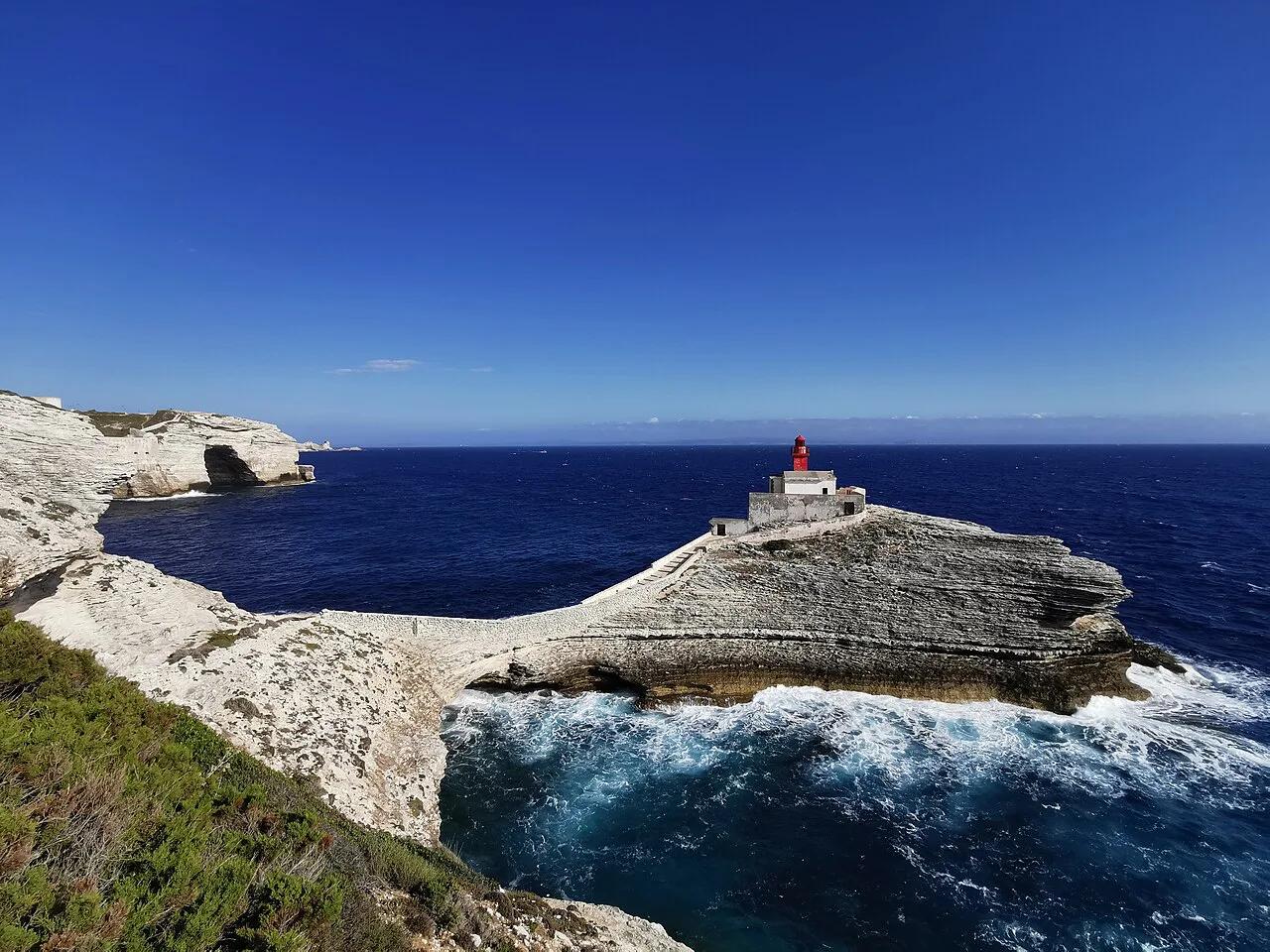
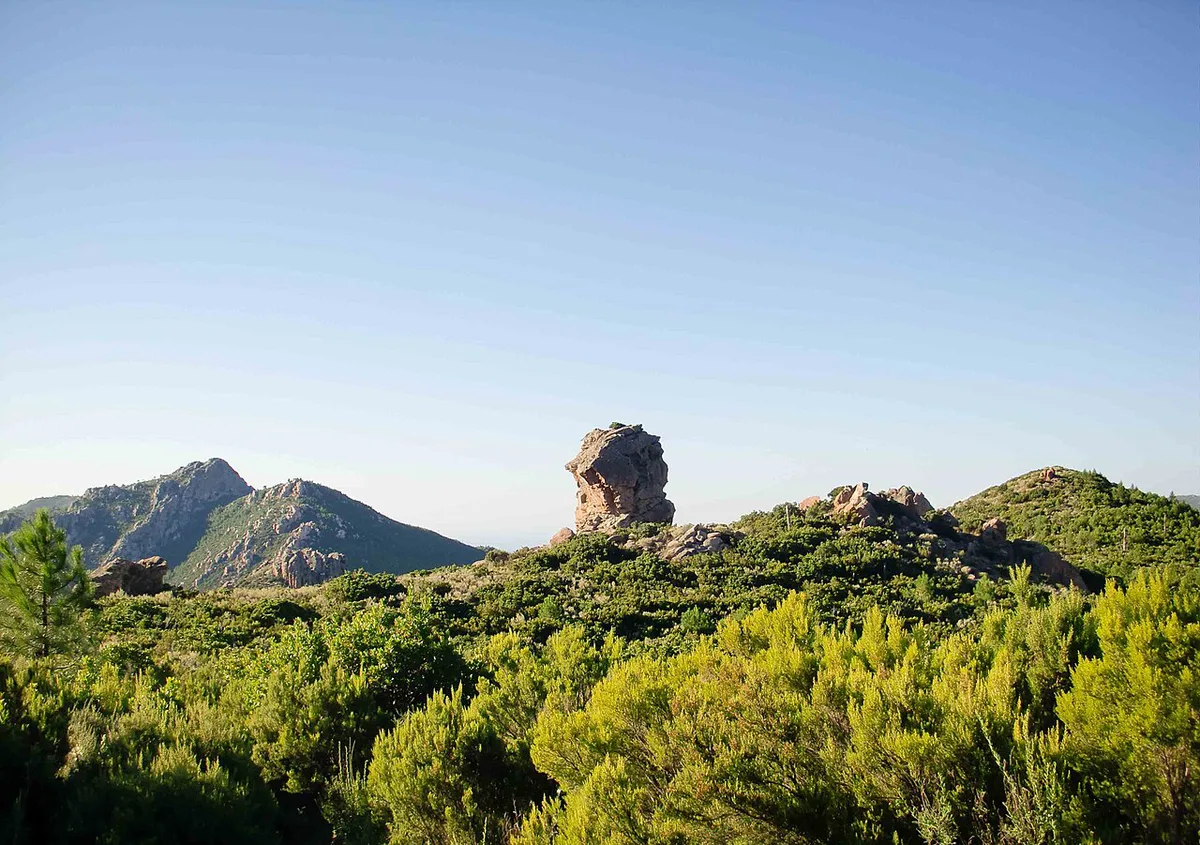
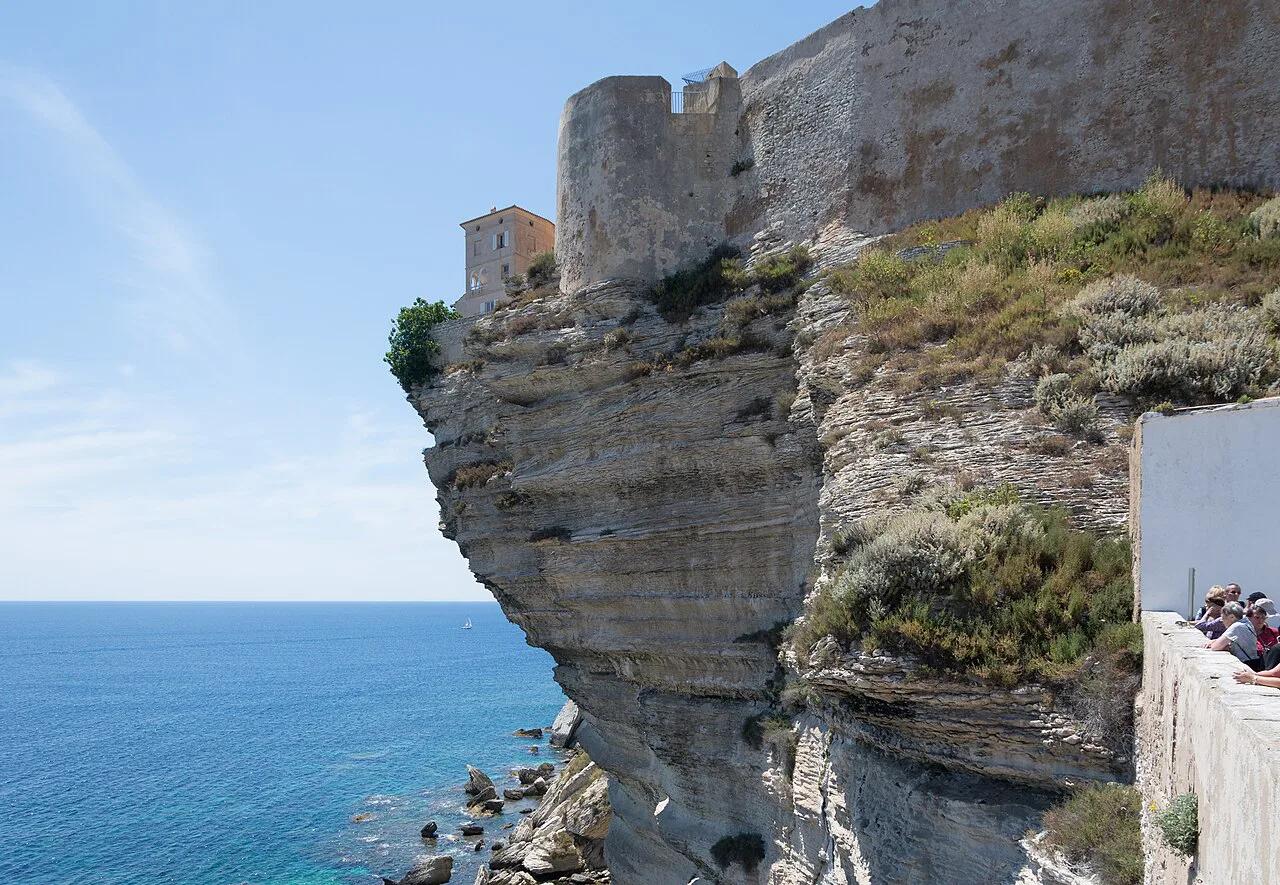
Featured image: dronepicr, CC BY 2.0, via Wikimedia Commons.
Short answer: the best time to visit Corsica
Aim for June or September if you want one answer. Sea swimming is realistic, most seasonal services run, and August crowds have not arrived or have gone. Pick by priority using the list below. Temperatures here are typical coastal ranges, so check Météo-France forecasts before you fly.
- Beaches: late June to mid-September, with July and August the hottest.
- Hiking the GR20: roughly June to September, when mountain huts are typically open.
- Fewer crowds: May, June and late September.
- Budget: May and October, outside the July and August peak.
- Driving the mountain roads: May to June and September to October, when traffic is lighter.
Corsica by season at a glance
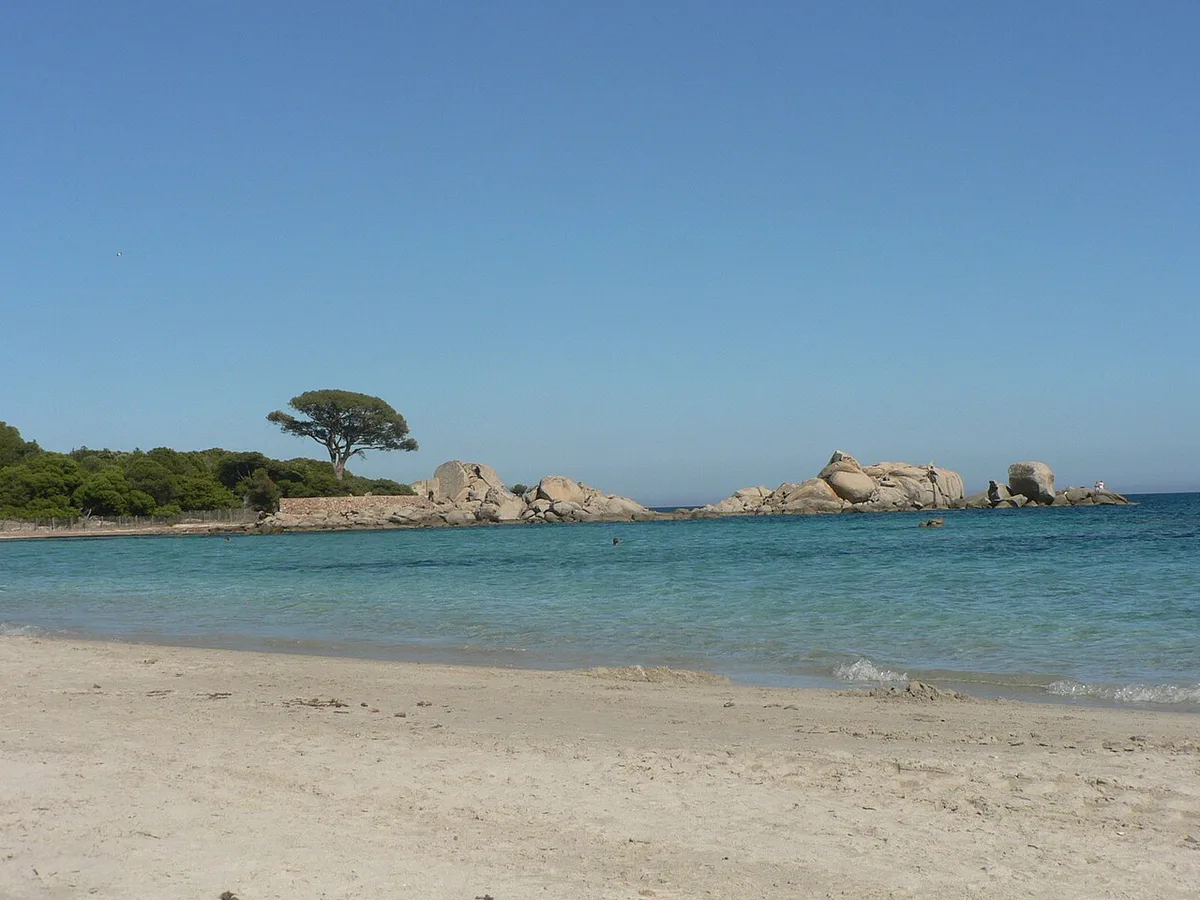
Coastal highs run near 21°C (70°F) in May and near 30°C (86°F) in August. January coastal highs sit around 13°C (55°F), and the high mountains hold snow well into spring. Use the table to see the trade-off for each season. Month-level weather sits in our Corsica Weather by Month: Temperatures, Rain and Sea guide.
| Season | Best for | Trade-offs | Who should skip |
|---|---|---|---|
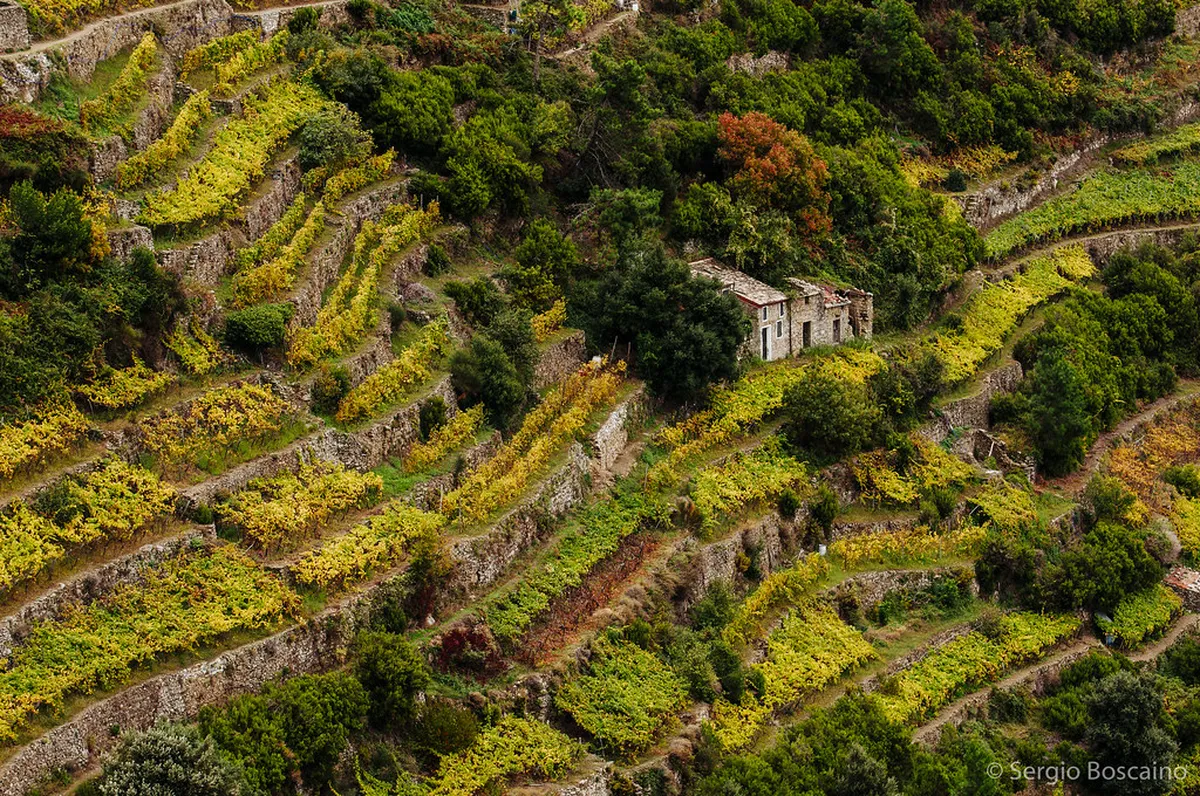
| Spring (April–June) | Wildflower walks, quiet roads, lower prices | Cooler sea early on, snow on high routes, some services still opening | Anyone needing guaranteed swim weather in April |
| Summer (July–August) | Swimming, boat trips, full ferry timetables | Peak crowds, heat on exposed trails, parking and car-hire pressure | People who dislike crowds or heat |
| Autumn (September–October) | Warm sea, quieter beaches, good hiking light | Reduced services by late October, more rain showers | Travelers who need every seasonal service running |
| Winter (November–March) | Quiet towns, cheap stays, snow scenery | Beach weather is unlikely, mountain roads and trails can close, reduced ferries | Beach-focused trips and anyone relying on mountain roads |
Best time for beaches and swimming
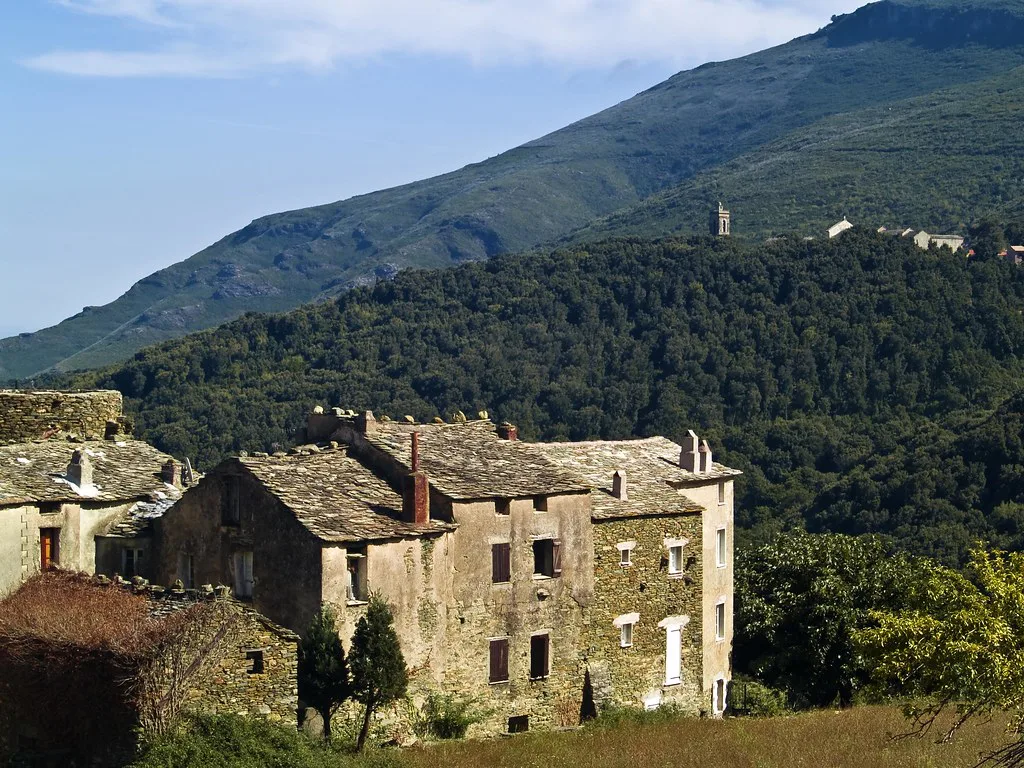
Corsica has about 1,000 km of coastline, so beach choice is rarely the problem. Sea temperature is. Late June to mid-September is the safe window, with the sea near 23°C (73°F) in early September after a summer of warming. July and August give the most reliable heat but the busiest sand. For a boat trip, the Lavezzi Islands: How to Visit From Bonifacio (Boats, Rules, Tips) are best in these months. Boats from Bonifacio depend on sea conditions, and the Bouches de Bonifacio nature reserve sets protection rules there. Early September is a strong pick, with warm water and fewer towels on the sand.
Best time for hiking: GR20, Mare e Monti and shorter walks
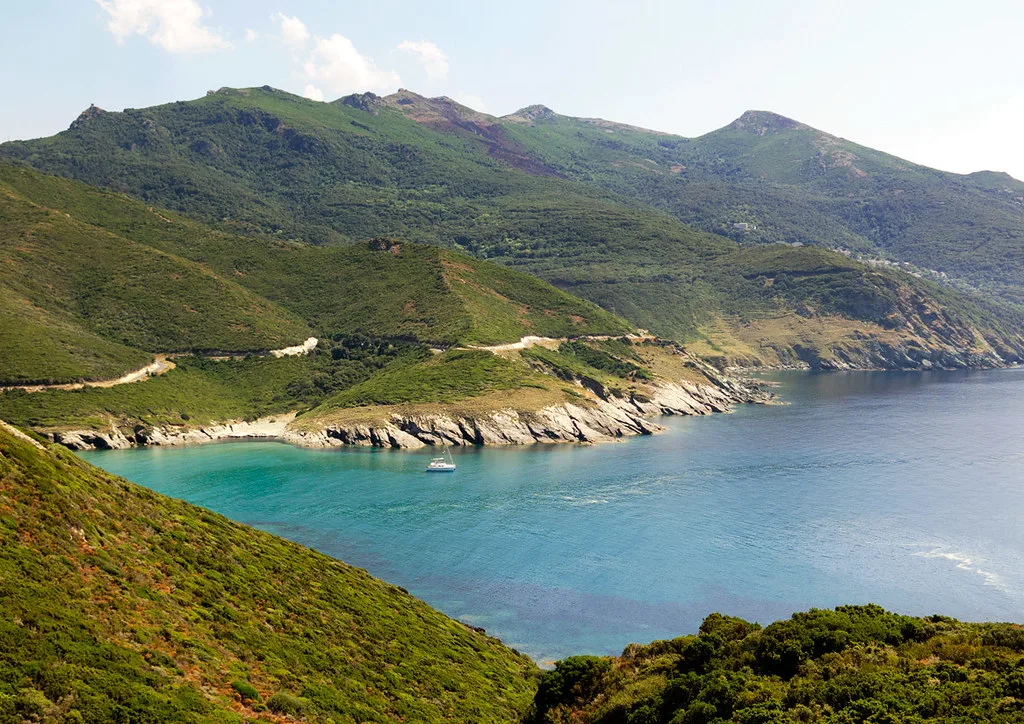
The traditional GR20 takes about 17 days and is crowded in August. Late spring or early autumn is the usual advice, but the mountain huts are typically open in summer only. Snow can linger on high sections into early summer. In practice, that makes late June to mid-September the realistic window for the full route. Mare e Monti is a coast-to-mountain walk of roughly 10 days via the fishing village of Girolata. It suits May, June and September, when coastal heat is lower. Confirm hut dates and trail closures with the regional park before you book. Shorter day walks work in spring and autumn, and you should start early in July and August to avoid heat above 30°C (86°F).
Avoiding the crowds and saving money
July and August concentrate visitors, ferry demand and car-hire pressure. May, June and late September ease all three. In our editorial assessment, a compact rental car might cost around €40 a day in May and €90 or more a day in August. Treat these as planning estimates, not quotes. Prices and hours checked November 2026, so verify current rates with the operator. Accommodation follows the same curve. Book August stays early, while May and October often leave more choice. A short stay of three or four days suits one coastal base. A trip of ten days or more can mix beaches with a mountain stretch, which is easier outside peak season. The official Corsica tourism site lists events and the visitor calendar.
Month-by-month snapshot
Use this list for a quick read. For autumn detail, see Corsica in October: Weather, What's Open & Tips.
- January–February: quiet and cool, around 13°C (55°F) on the coast, snow in the mountains.
- March–April: rising temperatures, wildflowers, some seasonal services reopening.
- May: around 21°C (70°F), good for walking and driving, sea still cool.
- June: long days, swimming begins to feel comfortable, most services open.
- July–August: peak heat, peak crowds, fullest timetables.
- September: warm sea, fewer visitors, strong all-round month.
- October: milder days, some showers, reduced services late in the month.
- November–December: quietest period, limited ferries and many seasonal closures.
Planning logistics that depend on timing
Ferry demand is highest in July and August, so book early for cars and cabins. Off-season timetables are reduced, so check the current schedule at Corsica Linea before building a winter trip. Start with our guide to getting to Corsica for the full transport picture. Our Ferry to Corsica: Ports, Routes and How to Choose page covers operators and booking. For Riviera departures, read the Nice to Corsica Ferry: Route, Timetable, Cost & Tips guide. From the south coast of France, see the Marseille to Corsica Ferry: Routes, Times, Prices & Booking Tips page. You need a car to reach many beaches and villages, and the mountain roads are slow, so allow extra driving time.
Common timing mistakes to avoid
Three errors cause most disappointment. Booking the GR20 in August means crowds and heat on exposed ridges. Expecting winter beach weather ignores coastal highs near 13°C (55°F). Assuming everything is open in the off-season leaves you with closed huts, shuttered restaurants and fewer ferries.
- Avoid August for the GR20; choose late June or September instead.
- Do not plan swimming trips for January to April.
- Check ferry timetables and opening dates for any trip outside June to September.
Choosing your trip next
Unsure whether the island suits you at all? Read Is Corsica Worth Visiting? An Honest Verdict (Who It Suits) first. Still weighing islands? Compare it in Corsica vs Sardinia: Which Island Should You Visit?. Sardinia's own planning pages sit at Sardegna Turismo.
Frequently Asked Questions
What is the best time of year to go to Corsica?
Late May to June and September suit most travelers. You get warm days, workable swimming and fewer crowds than July and August. Hikers should aim for June to September, when GR20 huts are typically open.
Is Corsica expensive?
Costs peak in July and August, when ferries, stays and car hire are in highest demand. May, June and October are cheaper. In our editorial assessment, a rental car can run roughly €40 a day in May and €90 or more in August.
Useful notes for your next island trip
Optional updates to our guides.
You might also like
Continue reading
More guides you'll find useful